REVIEW · ARUSHA COFFEE TOURS
6 Days Serengeti Safari(hiking waterfalls &coffee tour)
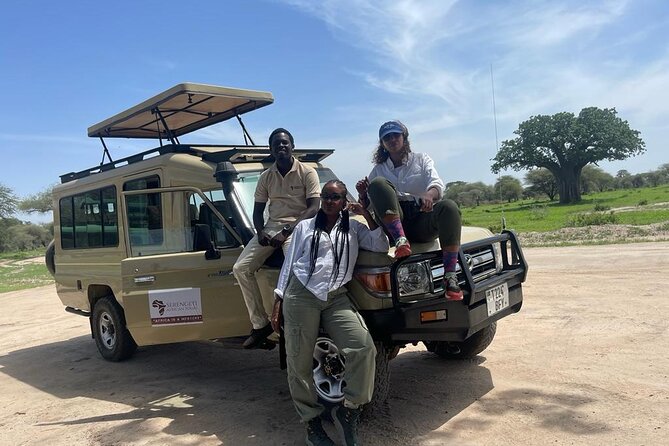
The wild starts with elephants. This six-day Tanzania trip packs Tarangire, two days around the Serengeti, Ngorongoro Crater, Lake Manyara, and Materuni Waterfalls into one busy circuit from Arusha. I like the small group format, with a custom safari jeep, pop-up roof, guide-driver, and cook. I also like the mix of wildlife, village life, hiking, and coffee instead of six straight days in a vehicle.
The main trade-off is time. You cover a lot of ground, and several days include about six hours of driving, often with game viewing along the way. The camping is part of the adventure, but it will suit you best if you can handle early starts, basic facilities, and a schedule that keeps moving.
Six things to know before you book
- Two Serengeti days: The schedule gives you a better chance to find wildlife than a quick one-day visit.
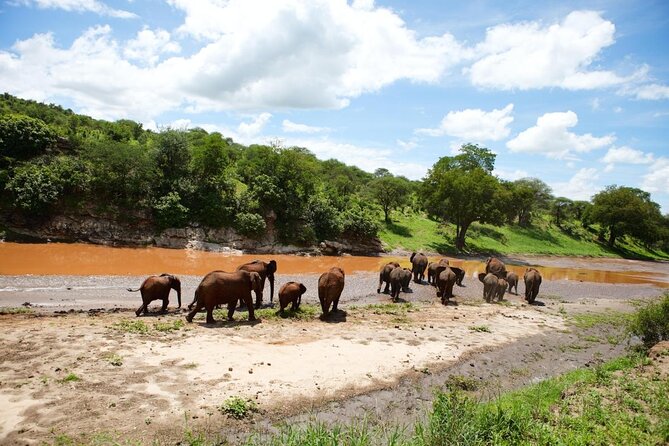
- Elephants in Tarangire: Herds can number up to 300, and the park is especially known for close elephant sightings.
- Ngorongoro at 6:15 a.m.: An early crater descent gives you the best part of the day for searching for black rhino.
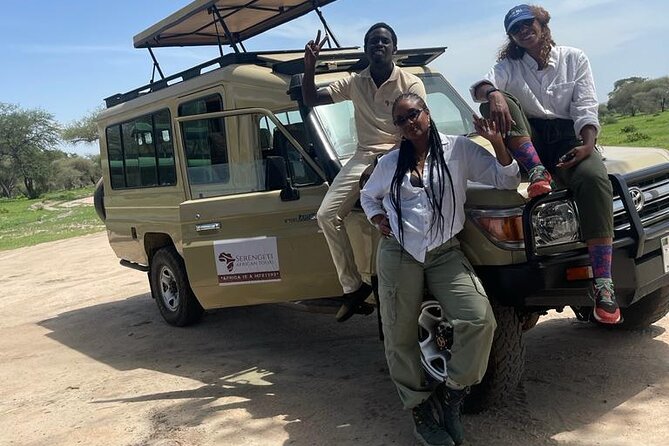
- A working safari setup: You travel in a pop-up-roof jeep with a guide-driver and a separate chef.
- Materuni adds variety: The final day brings a 40-minute village walk to an 80-meter waterfall, plus a coffee experience.
- Good value at $1,250: Park fees, camping equipment, meals, transport, and the safari vehicle are included, but flights, visas, and tips are not.
Why this six-day route works
This is a northern Tanzania circuit, beginning and ending around Arusha, with the sixth day set aside for Materuni. The safari portion follows a sensible order: Tarangire first, then the Serengeti, Ngorongoro Crater, and Lake Manyara.
I like that the route does not treat the Serengeti as a quick photo stop. You get two days in and around the park, including time in the Seronera area. That matters because wildlife sightings depend on timing, animal movement, and patience. A longer stay gives your guide more room to adjust the day.
The trip is sold as a group experience for up to six clients in a custom jeep, although the additional information gives a maximum of seven people. That small discrepancy is worth clearing up before payment. Six people would feel more comfortable in the vehicle, especially during long drives, than a full group of seven.
Your guide is central to the quality of the safari. Past trips have been led by people including David, Godfrey, Lewis, Simon, Calvin, Malisa, and Hachiem. David receives especially warm praise for his animal knowledge and good humor, while Godfrey is noted for knowing where to search for the Big Five. Your actual guide will vary, so ask who is assigned to your departure.
More Coffee and Waterfall Trips in Arusha
- Materuni Waterfalls, coffee tour & Kikuletwa Hot Springs
★ 5.0 · 643 reviews - Materuni waterfalls coffee tour & Chemka hot springs Day trip
★ 5.0 · 131 reviews - Maasai village visit, Materuni waterfalls & coffee experience
★ 4.5 · 95 reviews
Day 1: Tarangire and its great elephant herds
The first morning takes you toward Tarangire National Park. At roughly 2,600 square kilometers, it is large enough to feel wild but more manageable than the Serengeti. Its dry savannah, seasonal swamps, and giant baobabs create a different setting from the open plains farther west.
Tarangire is best known for elephants. Herds of up to 300 animals move through the park, and the combination of water sources and woodland can make sightings very rewarding. You may also see giraffes, buffaloes, hartebeest, eland, fringe-eared oryx, gerenuk, and a long list of birds. The gerenuk is a particularly unusual sight, with its long neck and habit of standing upright to browse.
I like starting here because it gives you an immediate wildlife day without asking you to spend the first hours driving toward the Serengeti. You will spend the night in a tent at a Tarangire campsite after about six hours of activity and driving. Lunch and dinner are included.
The practical catch is that the exact amount of game viewing depends on the day’s route and animal movement. The park is famous for elephants, but no safari can promise a specific sighting. Keep your eyes open near camp too, since animals can sometimes be seen around campsite areas.
Day 2: The long road to the Serengeti
After breakfast, you drive from Mto wa Mbu toward the Serengeti, with the full journey taking about six hours including stops. The road passes through the Ngorongoro area, and there is a short stop at a viewpoint for the crater. This is a useful pause after a long ride, even if it is not the full crater visit yet.
An optional Maasai village visit is also offered. It lasts about 20 to 45 minutes and costs extra. The visit focuses on Maasai culture and village life, but it is not required, and you can choose not to add it. Ask for the current price and exactly what the visit includes before agreeing.
This is one of the more demanding days. You are spending much of it in the jeep, and the Serengeti arrival may feel late depending on stops and road conditions. Still, the payoff is the chance to reach the park without sacrificing one of your main wildlife days.
The Serengeti is famous for its huge wildebeest migration, with more than a million wildebeest moving alongside large numbers of zebra. The migration is seasonal, so do not book this trip assuming you will automatically see a crossing or a particular phase of movement. The park remains rewarding outside migration periods because of its resident animals and broad open plains.
Day 3: Early game viewing in Seronera
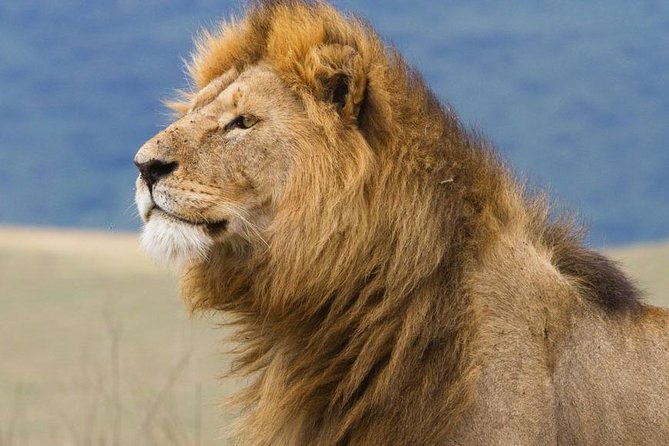
Day three begins with an early breakfast and an early game drive in the Serengeti. This is the day when the schedule makes good use of your two-day park stay. Morning light is pleasant for viewing, and the cooler hours can be productive for animal activity.
You continue until the afternoon, return to camp for lunch and packing, then drive out of the Serengeti toward Simba Campsite near the Ngorongoro Crater rim. The transfer takes about two hours, with wildlife viewing possible as you leave the park.
I like this arrangement because you are not forced to rush straight from the Serengeti into the crater. You get a proper morning in Seronera, then use the afternoon to relocate. The downside is that packing and moving after a game drive can make the day feel full.
Breakfast, lunch, and dinner are included, and the night is at Simba Campsite. Camping here keeps the cost down and puts you close to the next morning’s crater descent. Remember that this is a safari camp, not a lodge stay. The experience is practical and outdoors-focused.
More Coffee and Waterfall Trips in Tanzania
- Materuni Waterfalls & Coffee Tour from Moshi
★ 5.0 · 92 reviews - Arusha: Materuni Waterfalls, Coffee, and Hotsprings Tour
★ 4.8 · 78 reviews - Materuni Waterfalls, Visiting Chagga Village, CoffeeTour Kikuletwa Hotsprings
★ 5.0 · 63 reviews - Materuni waterfalls,coffee tour & Kikuletwa(Chemka)Hot Springs
★ 5.0 · 49 reviews
Day 4: Ngorongoro Crater and the black rhino search
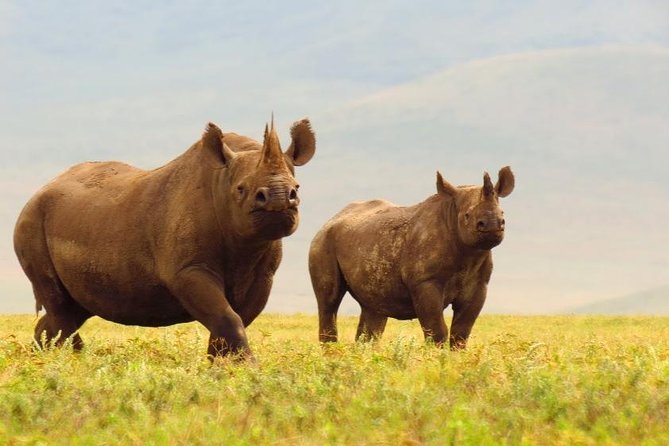
The Ngorongoro day starts early, with a planned descent at about 6:15 a.m. That early hour is useful. The crater floor is a contained area, and animals are often easier to spot than in a huge open park. The main target is black rhino, one of the hardest animals to find here.
Ngorongoro is the visual highlight of the route. From the rim, you look into a broad volcanic crater with striking views, then descend to search for rhino, lions, buffaloes, wildebeest, and other animals. The setting gives you a strong sense of scale, even from inside the vehicle.
After lunch, you continue with a game drive before ascending to camp. You then pack for the journey to Fig Lodge and Campsite near Lake Manyara. Breakfast, lunch, and dinner are included.
This day offers some of the best odds for seeing a range of animals in a relatively compact area, but there is a cost: the crater can be busy, and the early start is not optional if you want to follow the schedule. Bring warm layers for the morning and be ready for a long day in the jeep.
Day 5: Lake Manyara’s birds, hippos, and tree-climbing lions
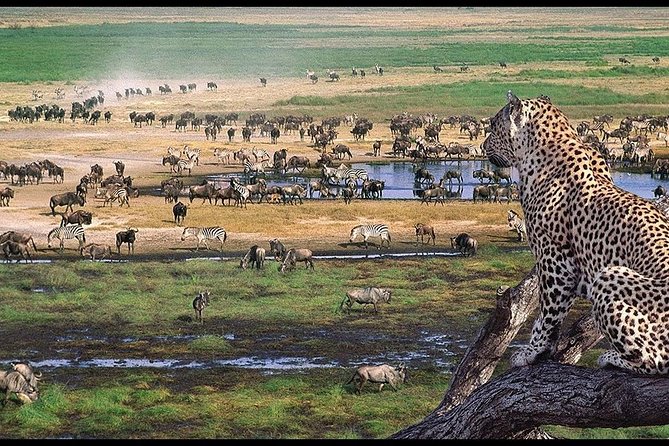
Lake Manyara National Park gives you a different final safari day. The park is known for flamingoes, birdlife, hippos, and the possibility of tree-climbing lions. Those lions are not guaranteed, and they are described as rare sightings, so keep expectations sensible.
A game drive may include buffaloes, wildebeest, warthogs, vultures, eagles, and monkeys. The hippo pool provides a closer look at hippos from a designated viewing area, and the route also includes a hot spring.
Lake Manyara is a good contrast to the Serengeti. Instead of focusing only on big cats and huge herds, you get a day with more attention to birds, water, and varied animal life. If you enjoy identifying species, carry binoculars if you have them.
The schedule includes breakfast and lunch, but not dinner. Check where your evening meal and accommodation will be arranged after the park visit. This is one of the small practical details worth confirming before departure.
Day 6: Materuni Waterfalls and Chagga coffee
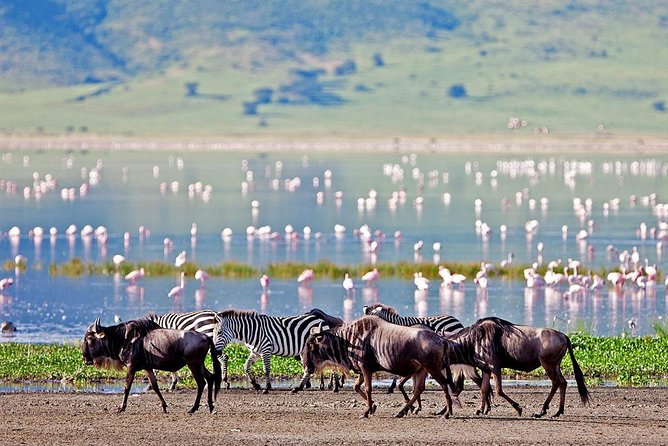
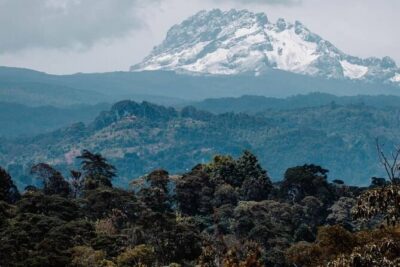
The final day changes the pace completely. You leave the safari vehicle behind for a walk to Materuni Waterfalls, in the home area of the Chagga people. Materuni is about 15 kilometers from Moshi and is the last village before Kilimanjaro National Park.
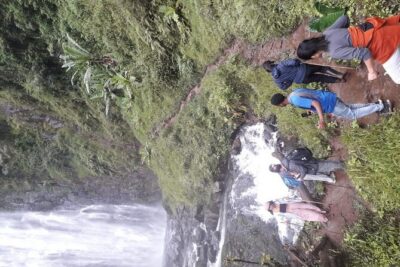
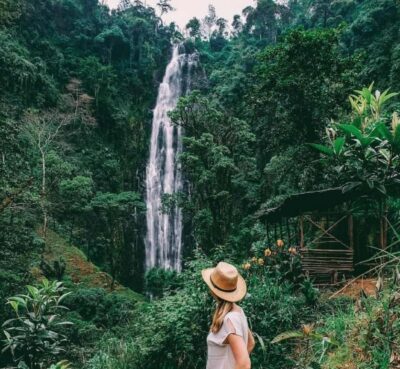
The waterfall is around a 40-minute walk from the village. Along the way, your guide explains Chagga culture, village life, plants, and animals. The waterfall drops more than 80 meters, and you can enjoy a refreshing swim if conditions allow.
On a clear day, you might also see the summit of Kilimanjaro. That view is never guaranteed, but the walk has value even when clouds cover the mountain. This is a more personal experience than a game drive, with time to notice farms, village paths, and the rhythm of local life.
The coffee portion is an appealing finish, especially if you want more than wildlife photographs from Tanzania. The supplied schedule gives the day about four hours and includes admission. It does not spell out every coffee activity, so ask whether roasting, grinding, and tasting are included in your departure.
Food, camping, and the people who make the difference
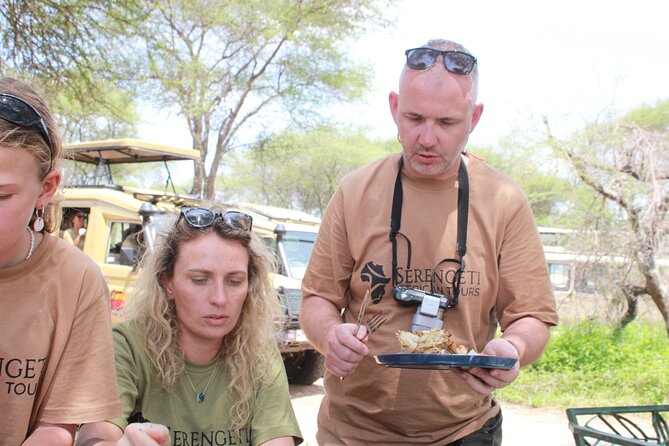
A chef travels with the group, which is a major advantage on a camping safari. Meals are included throughout the safari, with five breakfasts, six lunches, and four dinners listed in the package details. Several past departures received strong praise for the cooking, with cooks such as Matthew and Matthieu singled out for adding to the enjoyment of the trip.
Food quality can vary by departure, so keep expectations realistic. One assessment described the meals as good rather than exceptional, while others found them delicious. Bottled water was provided throughout one trip, but confirm the current water arrangement and bring a refillable bottle if possible.
The guide and chef work as a team. A good guide helps you spot animals and explains what you are seeing. A good chef turns a basic campsite into a more comfortable place to end the day. Names such as David, Godfrey, Simon, and Malisa appear in especially positive accounts, but the actual pairing is not fixed.
Camping equipment includes a sleeping bag, mattress, and tent. Accommodation has been described as clean and comfortable for campsites, though standards will not match a hotel or permanent lodge. Pack for early mornings, dust, changing temperatures, and nights when basic facilities are part of the deal.
Is $1,250 a fair price?
At $1,250 per person, this is not a bare-bones park transfer. The price covers the safari jeep, park fees, camping equipment, meals during the safari, and the guide-driver and chef setup. It also includes the Materuni waterfall day, which adds a separate cultural and walking experience.
The value improves if you want one booking to handle the major northern parks. Tarangire, Serengeti, Ngorongoro, and Lake Manyara each bring something different, and the two Serengeti days prevent the safari from feeling like a rushed checklist.
You still need to budget for visas, flights, tips, and the optional Maasai village visit. The trip also involves long road days, so compare it with a shorter lodge-based itinerary if comfort matters more than price.
Group discounts are available. Ask how the discount works, what group size qualifies, and whether the advertised maximum is six or seven people. Those details affect both the price and the amount of space in the jeep.
Who should book this safari?
I would choose this trip if you want a first taste of Tanzania’s northern circuit and prefer variety over luxury. It suits couples, solo visitors comfortable joining a group, families with older children, and active people who like a waterfall walk after several days of game drives.
It is also a good fit if you care about value. A cook, safari vehicle, park fees, tent, sleeping bag, mattress, and meals are bundled into one price, which makes planning easier.
I would think twice if you need private departures, polished lodge accommodation, or a slow schedule. One account raised concern that a trip described as private was not always fully private, and another noted vehicle problems that were later sorted out. Ask direct questions about vehicle condition, group size, and whether anyone else may join before you book.
Free cancellation is available when you cancel at least 24 hours before the local start time. Cancellations within 24 hours are not refunded, and late changes are not accepted.
Should you book it?
Book this six-day experience if your priority is seeing a wide range of Tanzania in one efficient trip. The strongest reasons are the two Serengeti days, the early Ngorongoro crater visit, Tarangire’s elephant country, and the unusually welcome addition of Materuni Waterfalls and coffee.
Before paying, confirm the exact group size, your guide, the Lake Manyara dinner plan, and what the coffee tour includes. If you accept camping, long drives, and an active schedule, the $1,250 price offers a lot of Tanzania in six days. If you want privacy and comfort first, choose a more tailored safari instead.
FAQ
How long is the experience?
The experience lasts approximately six days. The first five days cover the safari circuit, and day six is the Materuni Waterfalls and coffee tour.
Where does the tour start?
The tour is based in Arusha, Tanzania, with pickup offered. The listed meeting time is 12:00 a.m., so confirm the exact pickup time and location before departure.
How many people can join the group?
The tour is described as a small group of up to six clients in a custom safari jeep. The additional information gives a maximum of seven travelers, so ask the operator to confirm the limit for your departure.
What parks are included?
The route includes Tarangire National Park, Serengeti National Park, the Ngorongoro Conservation Area and Crater, and Lake Manyara National Park.
Is camping equipment included?
Yes. The package includes a tent, sleeping bag, and sleeping mattress.
Are meals included?
Yes. Meals during the safari are included, with five breakfasts, six lunches, and four dinners listed. The final Materuni day includes admission, but the supplied details do not list meals for that day.
Is the Maasai village visit included?
No. The Maasai village visit is optional and is not included in the tour price. It lasts about 20 to 45 minutes.
What is not included in the price?
Flights, visas, and tips are not included. The optional Maasai village visit is also extra.
More Safari Trips in Arusha
- 7 Days Tanzania Luxury Safari Experience & Coffee Walking Tour
★ 5.0 · 6 reviews - Cappadocia Off-Road Jeep Safari Experience with Free Coffee
★ 4.9 · 19 reviews
More Walks and Hikes in Arusha
- Materuni Waterfall Hike & Coffee Tour
★ 5.0 · 4 reviews - Private Canoeing, Cycling, Coffee and Hiking Tour in lake Duluti.
★ 5.0 · 2 reviews - Off the Map Chiang Mai Jungle Coffee Trek Roast and Brew
★ 5.0 · 107 reviews - Trekking History and Indigenous Heritage in Minca + Cacao & Coffee + Waterfall
★ 4.9 · 63 reviews
Just added around Arusha
- Private Tour to Marangu Waterfalls, Chagga Caves, Coffee tour & Hot Springs★ 5.0 · 7 reviews
- Materuni (Coffee Tour) and Chemka (Kikuletwa Tour)★ 5.0 · 8 reviews
- Private Tour to Materuni waterfalls, coffee tour & Kikuletwa hot- springs★ 5.0 · 14 reviews
- Waterfall & Coffee Walking Tour★ 5.0 · 6 reviews
- Private Materuni Waterfalls, Coffee Tour and Kikuletwa Hot Spring★ 5.0 · 4 reviews
- Private Full-Day Materuni Waterfall, Coffee and Hot-spring Tour in Moshi★ 5.0 · 5 reviews
- Materuni Waterfall Hike & Coffee Tour★ 5.0 · 4 reviews
- Waterfalls, Coffee, Hotsprings, Food Cuisine, & Serval Wildlife★ 5.0 · 6 reviews
Arusha Coffee Tours, compared.
Materuni Waterfalls, coffee tour & Kikuletwa Hot Springs
Read our review →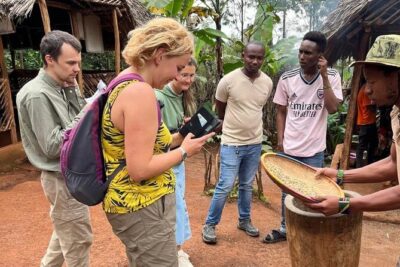
Materuni waterfalls coffee tour & Chemka hot springs Day trip
Read our review →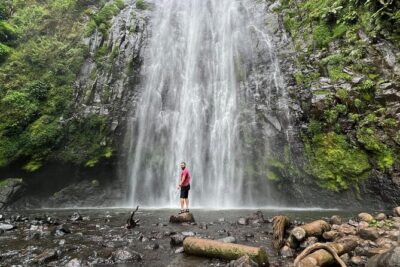
Maasai village visit, Materuni waterfalls & coffee experience
Read our review →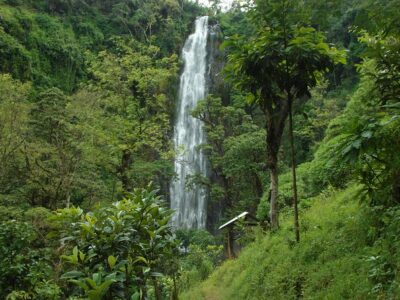
Materuni Waterfalls, Coffee, and Hotsprings Tour
Read our review →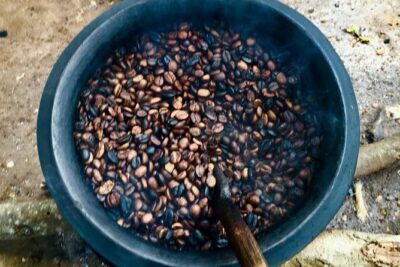
Coffee tour and Buffet Lunch with Kingstone Asilia (Arusha)
Read our review →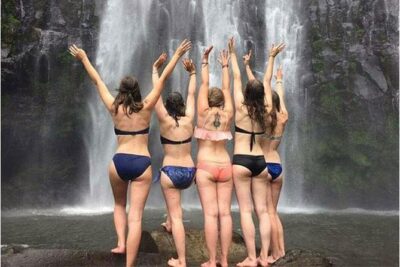
Materuni Waterfalls, Visiting Chagga Village, CoffeeTour Kikuletwa Hotsprings
Read our review →