
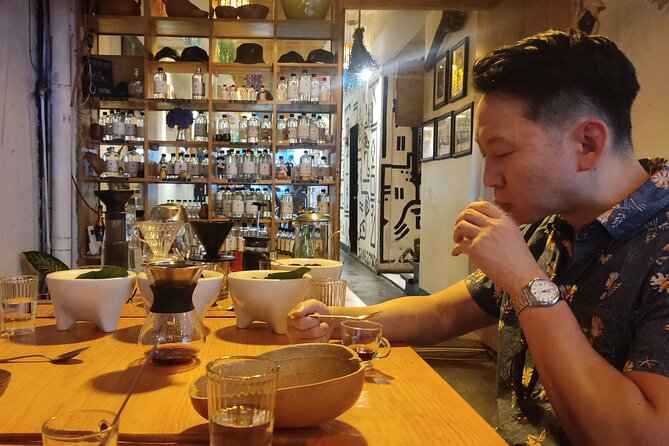
REVIEW · MEXICO COFFEE TOURS
Oaxaca Coffee Tasting
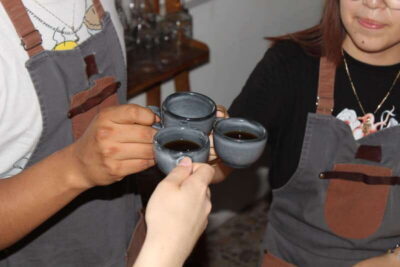
Coffee gets the Oaxaca treatment here. In about 90 minutes, you taste specialty beans from Oaxaca through several brewing styles while a barista explains how technique changes the cup. I like the small maximum of eight people, which should keep the session personal, and I like the chance to compare a French Press, Chemex, and AeroPress rather than simply drinking one prepared coffee. The main consideration is scope: this focuses more on brewing and coffee culture than on visiting farms or learning in depth about coffee growing.
The $29.92 price is fair for an intimate, English-language lesson that includes several coffees, the extraction methods, and bottled water. I also appreciate the practical timing: the 4:00 pm start works well as an afternoon break in Oaxaca City. Still, if your ideal coffee experience means touring plantations or seeing beans harvested, this tasting may feel too urban and classroom-based.
Key points at a glance
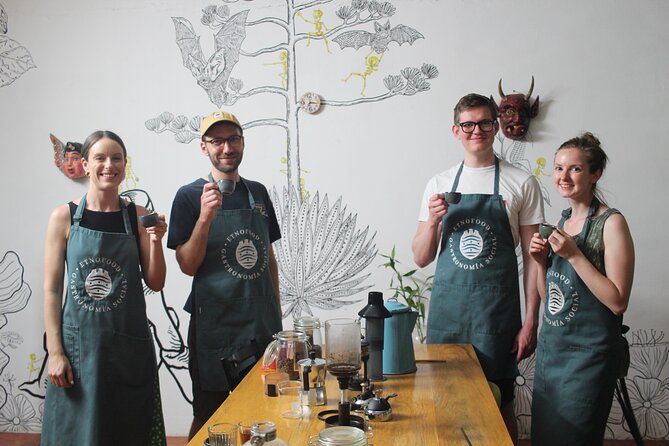
- Three brewing methods in one short session: Compare methods such as French Press, Chemex, AeroPress, and possibly a traditional pot, depending on the selections made that day.
- Oaxacan specialty coffee: The tasting emphasizes highly rated beans from Oaxaca, giving you a chance to notice differences between varieties and preparations.
- A small group setting: No more than eight people are accepted, a useful feature for questions and close attention from the barista.
- A coffee lesson with historical context: The talk reaches from coffee’s beginnings in Ethiopia to its place in the Industrial Revolution and world economies.
- English-language instruction: Guides including Pablo and Juan have been praised for clear English, patience, and a friendly manner.
- Simple central meeting point: You meet at EtnofoodXicoténcatl 609 in Centro, then return there when the tasting ends.
What happens at 4:00 pm in central Oaxaca
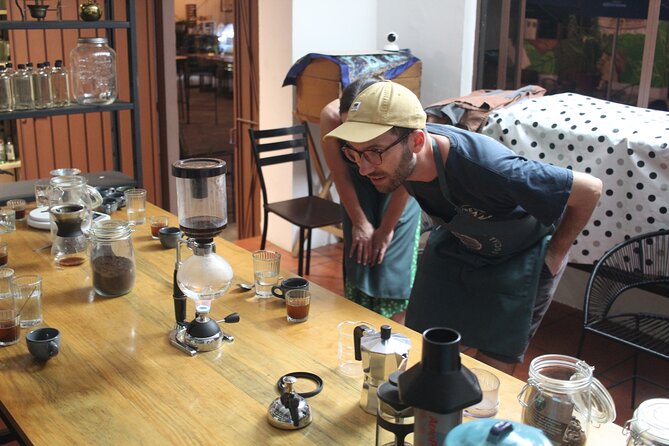
You meet at EtnofoodXicoténcatl 609, Centro, Oaxaca de Juárez. The activity begins at 4:00 pm and ends at the same location, so you do not need to arrange a second pickup point or figure out transport after the tasting.
The listed stop is Espacio Mezcal. That name may suggest a mezcal tasting, but the activity described here is centered on coffee. The setting is an intimate coffee bar, where the preparation methods and coffee samples take priority. You should arrive ready to sit, listen, taste, and ask questions rather than expect a walking tour through the city.
The location is near public transportation, which is useful if you are staying outside the central district. A mobile ticket is accepted, and confirmation is provided when you book. Service animals are allowed.
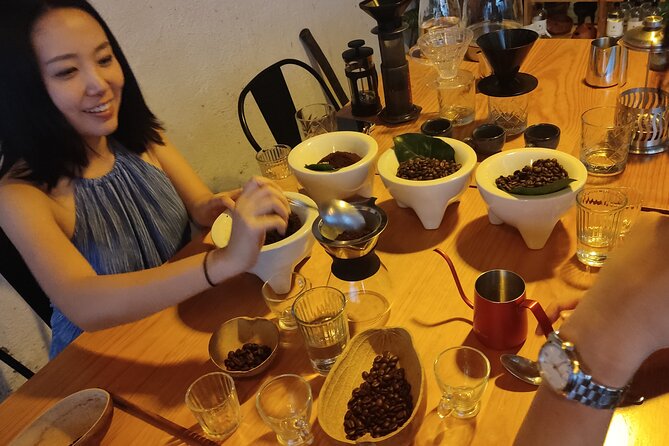
Because the group is limited to eight people, you should have a better chance to see each method clearly. That matters with manual brewing. The shape of a Chemex, the plunging action of a French Press, and the pressure used with an AeroPress are easier to follow when you are not standing behind a large crowd.
More Coffee Tastings in Mexico:
- Private Tasting of Chiapas Coffees for 2 Hours
★ 5.0 · 4 reviews - Visit to Coffee Farm with Tasting in Coatepec
★ 4.5 · 4 reviews - Tasting of Oaxacan Coffees
★ 4.4 · 4 reviews
Three ways to prepare one bean
The heart of this experience is the comparison between extraction methods. The description lists six possible methods, with three selected for your session. The named examples are the French Press, Chemex, and AeroPress. One participant also enjoyed trying a traditional pot, so that may be included among the choices.
A French Press usually gives coffee a fuller body because the grounds steep directly in the water before being pressed down. For you, that means the cup may feel heavier and more rounded than a filtered brew. It is a familiar method, but seeing it beside other techniques shows how much preparation changes the final taste.
The Chemex uses a paper filter and a slow pour. It is often associated with a cleaner, lighter cup, where delicate flavors are easier to notice. You do not need to know coffee jargon to benefit from the comparison. The point is simple: the same bean can seem quite different when water, timing, and filtration change.
The AeroPress is the most modern-looking of the three. It uses pressure and a short brewing process, producing a compact cup with its own texture and flavor profile. Its presence gives the tasting a useful range, from the old-fashioned feel of a French Press to the precise, hands-on style of the AeroPress.
The experience description promises three of six methods, so you should not assume every named technique will appear at every session. That is worth remembering if you have your heart set on one particular brewer. The exact selection may depend on the barista or the day’s setup.
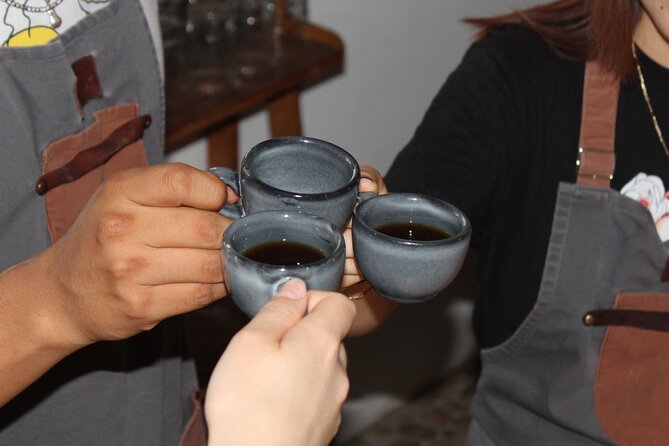
You also sample different coffee beans and varieties. This is where the tasting becomes more than a demonstration. You can compare both the bean and the brewing method, then think about which changes you notice most. Several participants particularly enjoyed learning how the process affected flavor, including one person who preferred darker coffee.
Oaxacan beans are the main attraction
The tasting puts special attention on highly rated specialty coffee from Oaxaca. That gives the session a strong local focus. You are not simply learning generic café technique with anonymous beans. The coffee in the cup is meant to connect the brewing lesson with Oaxaca’s own production.
The supplied information does not identify specific farms, villages, elevations, or processing styles. You should not expect a detailed origin chart for every sample. Still, the chance to taste several Oaxacan coffees in one sitting is valuable, especially if you are curious about the region’s coffee culture but do not have time for a longer excursion.
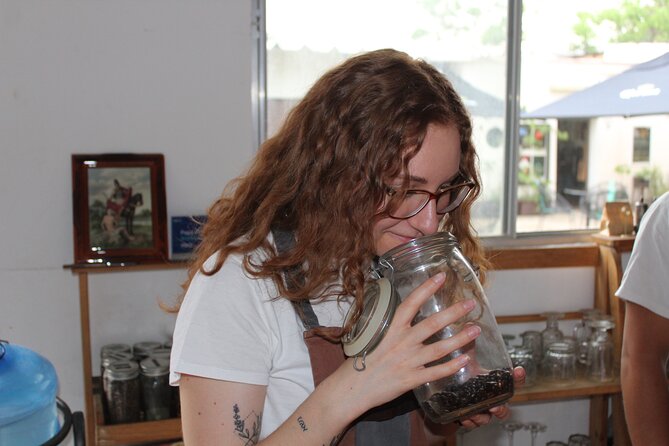
You can also expect bottled water with the coffee. Water is a small inclusion, but it helps reset your palate between samples. The menu lists specialty coffee and the three extraction methods, with coffee and/or tea available as part of the experience.
One useful tip is to pay attention to contrast rather than hunt for a single favorite. Notice body, aroma, bitterness, acidity, and aftertaste as each cup is prepared. Even without formal tasting skills, you can spot whether a coffee feels heavy, clean, sharp, smooth, dark, or light.
From Ethiopia to the Industrial Revolution
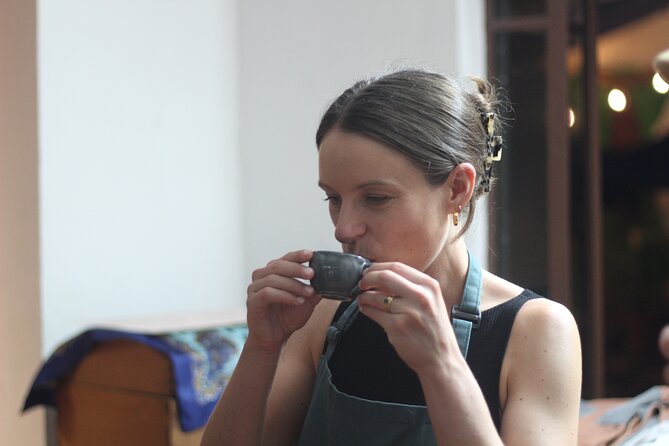
The barista does more than prepare drinks. The educational talk follows coffee from its beginnings in ancient Ethiopia to its role in the Industrial Revolution and its effect on different cultures and economies.
That wider story gives the tasting some welcome context. Coffee is not just a fashionable drink or a morning habit. It has shaped trade, work, social life, and business across many places. In a short session, you will not receive a university course, but the timeline helps explain why this small bean has had such a large impact.
You will also see educational material showing the production process from planting to cup. This is especially useful if you have wondered what happens before a barista starts pouring water. The material is intended to show the effort behind each cup, from cultivation through preparation.
Here is the important limit: the session teaches about production, but it is not described as a farm visit. One person specifically hoped for more information about growing coffee and instead found more emphasis on production and preparation. If your strongest interest is agriculture, ask questions during the session, but do not book this expecting to walk among coffee plants.
More Food and Drink Tours in Mexico:
- Local Coffee Tasting and Cultural Experience
★ 5.0 · 3 reviews - Vienna for Food Lovers: Cafés, Markets & Austrian Cuisine
★ 5.0 · 1,063 reviews - Buggy Ride Into the jungle with cave coffee & chocolate tasting
★ 5.0 · 465 reviews - Hanoi: Vietnamese Street Food Tour with Egg Coffee
★ 4.9 · 315 reviews
The guides make a real difference
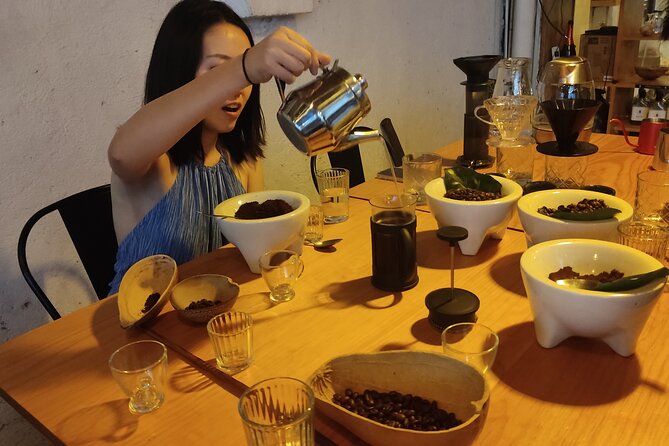
The experience depends heavily on the person leading it. Pablo has been praised for excellent English, a friendly manner, and a personal approach. Juan has also been praised as a patient teacher who could explain quality coffee preparation clearly in a short time.
Those details matter because coffee tasting can become overly technical. A good instructor keeps the lesson understandable while still giving you useful information. The positive feedback about Pablo and Juan suggests that the tone is relaxed rather than stiff or overly formal.
The small group also helps here. With up to eight people, you can ask why one cup tastes stronger than another, how the method affects the flavor, or what makes a coffee specialty grade. You do not have to remain silent while someone at the front performs a demonstration.
The activity is offered in English. If you are looking for a Spanish-language coffee lesson, the supplied details do not promise that option. For English-speaking visitors, though, this is one of the clearer reasons to consider it.
Is $29.92 a good value?
At $29.92 per person, the price is reasonable if you want a guided tasting rather than three ordinary café drinks. You are paying for the instruction, several brewing methods, different coffee samples, educational material, bottled water, and a small group capped at eight people.
The value improves if you are new to specialty coffee. You leave with a better sense of how brewing changes flavor, which is something you can use later in cafés or at home. The French Press and AeroPress are practical methods, while the Chemex offers a different style of filtered coffee.
The price is less compelling if you mainly want a large serving of coffee or a farm-to-cup excursion. This is a short educational activity, not a full-day coffee tour. You will spend about an hour and a half at the coffee bar, and the material provided does not promise transportation to plantations, a full meal, or coffee beans to take home.
The group size is an important part of the value. A cheaper public tasting with a much larger crowd might give you less time with the barista. Here, the limit of eight should make the hands-on explanations easier to follow.
Why the 4:00 pm start works well
The late-afternoon schedule fits neatly into an Oaxaca City day. You can use it as a break after sightseeing, then continue with dinner plans once the activity ends. Since it lasts about 90 minutes and returns to the meeting point, the timing is easy to understand.
It may also suit you if you are not a morning coffee person. The session does not require an early start, and the afternoon slot leaves room for other plans before and after. The trade-off is that the activity occupies a fixed block at 4:00 pm, so you should avoid booking it if you need an exact dinner reservation immediately afterward.
The booking pattern suggests that people often reserve about 15 days ahead. That is not a guarantee that every date fills early, but it is a sensible reason to plan ahead if your Oaxaca schedule is tight.
Free cancellation is available if you cancel at least 24 hours before the start time. Cancellations or changes made within 24 hours are not accepted for a refund, and the cut-off follows local time.
Who should book this coffee experience?
I would recommend it most strongly to:
- Coffee drinkers who want to understand brewing rather than simply order a drink.
- Visitors curious about Oaxacan specialty beans.
- Solo visitors who want a friendly, structured activity.
- Couples and small groups who enjoy tasting and discussion.
- Anyone who wants an English-language lesson in a central setting.
- Beginners who have heard of Chemex or AeroPress but have never compared them.
It also works well for a person who usually adds milk, sugar, or other flavorings. Tasting several methods side by side can help you notice what the coffee itself brings to the cup.
I would be more cautious if your main goal is to see coffee farming firsthand. The educational material covers the path from planting to cup, but the activity takes place at a coffee bar. It is also not the best choice if you dislike short instructional sessions or prefer to spend your afternoon walking between several city sights.
Final verdict: Book it for brewing, not farming
Book this tasting if you want a compact, friendly introduction to Oaxacan coffee and the practical differences between a French Press, Chemex, AeroPress, and possibly a traditional pot. The $29.92 cost is justified by the small group, several samples, English instruction, and the chance to ask questions.
Skip it if you are searching for a plantation visit, detailed information about individual growers, or a long agricultural tour. For everyone else, this is a sensible way to spend 90 minutes in Oaxaca City, especially if you like coffee and want to understand why one bean can taste so different from one method to the next.
FAQ
How long does the Oaxaca Coffee Tasting last?
The experience lasts approximately 1 hour and 30 minutes.
What time does the tasting start?
It starts at 4:00 pm.
Where does the experience begin?
You meet at EtnofoodXicoténcatl 609, Centro, 68000 Oaxaca de Juárez, Oaxaca, Mexico.
Where does the experience end?
The activity ends back at the meeting point.
How much does the tasting cost?
The listed price is $29.92 per person.
Which brewing methods are included?
You explore three of six possible extraction methods. The named examples include French Press, Chemex, and AeroPress. A traditional pot has also been used in the tasting.
Is the experience offered in English?
Yes. The experience is offered in English.
How many people can join?
The activity has a maximum of eight people.
Is bottled water included?
Yes. Bottled water is included.
Can I cancel for a full refund?
Yes, if you cancel at least 24 hours before the scheduled start time. Cancellations or changes made less than 24 hours before the start are not eligible for a refund.
Just added around Mexico
- Enjoy the coffee route in Coatepec Magical Town★ 5.0 · 2 reviews
- The Colors of Coffee in the Farms of Coatepec★ 5.0 · 3 reviews
- Xalapa and its aroma of coffee. Fall in love!★ 3.5 · 3 reviews
- Private Tasting of Chiapas Coffees for 2 Hours★ 5.0 · 4 reviews
- Cultural Adventure: Artisanal Chocolates, Coffee and Doll Making★ 5.0 · 2 reviews
- Sweet Mexico City: Chocolate, Coffee, and Traditional Treats★ 5.0 · 2 reviews
- Visit to Coffee Farm with Tasting in Coatepec★ 4.5 · 4 reviews
- Waterfalls, Coffee and Adventure Tour, Huatulco★ 4.6 · 4 reviews
Mexico Coffee Tours, compared.
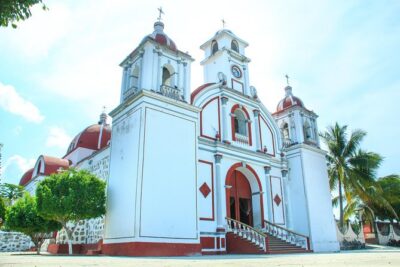
3 Levels of Huatulco the coffee you’ve been looking for
Read our review →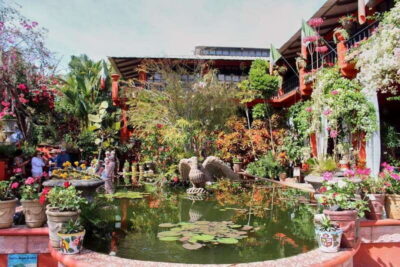
Puerto Vallarta: Botanical Gardens, Distillery & Coffee Tour
Read our review →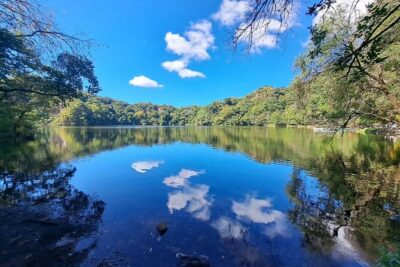
Colima Volcano Cultural Tour: Coffee Plantation, Hacienda and Comala Magic Town
Read our review →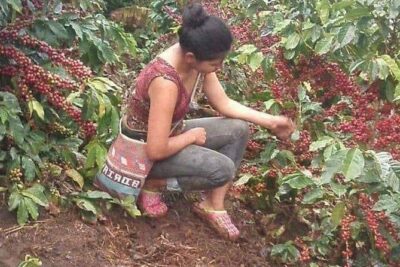
.Acapulco Market Hands On Mex Cooking Class Mezcal & Coffee
Read our review →
Browse the lists this tour appears in