
REVIEW · MEXICO COFFEE TOURS
Cultural Adventure: Artisanal Chocolates, Coffee and Doll Making
Three local crafts, one compact afternoon. This Querétaro experience brings you close to the people behind a beloved indigenous doll, organic coffee from Oaxaca, and handmade chocolate. I like the personal scale, with no more than seven people, and I like that your spending supports working artisans rather than only a large sightseeing operation. The main drawback is that the tour depends on conversation and participation, so it may feel slow if you prefer a fast-moving city tour or a long list of sights.
The four-hour outing begins at 1:00 p.m. at the Indigenous Artesanal Development Centre in central Querétaro and returns there at the end. The doll-making session is the heart of the afternoon, while the coffee and chocolate tastings add flavor and context. The $103.06 price is not cheap, but it covers materials, several tastings, a bilingual guide, and three separate local partnerships.
What makes this Querétaro experience special
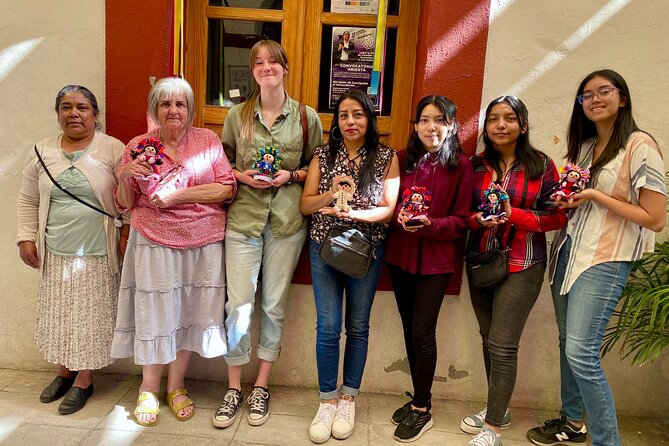
- You make your own Lele or Panchito doll with materials and guidance from local artisan Mari.
- Mari has made dolls throughout her life, giving the craft session a personal connection to Querétaro’s indigenous communities.
- You sample about four organic coffees brought from a Mixe community in Oaxaca by Laura and Aldo.
- Oaxacan snacks accompany the coffee, helping you taste more than coffee alone.
- A local chocolatier leads a tasting of three artisanal chocolates to finish the afternoon.
- The group is capped at seven people, and the tour includes a bilingual local guide such as Ixchel.
Starting at the Indigenous Artesanal Development Centre
Your meeting point is the Indigenous Artesanal Development Centre at C. Ignacio Allende Sur 20 in Centro, Querétaro. That central location makes the tour easy to reach by public transportation, and you return to the same place after the final tasting.
The start time is 1:00 p.m., so plan to arrive with enough time to find the centre without rushing. A bottle of water is provided at the beginning. Since the experience lasts about four hours, that small detail matters, especially if you have spent the morning walking through Querétaro’s historic center.
This is not a sightseeing tour that moves from monument to monument. You will spend most of the afternoon indoors or at workshop-style settings, listening, making, tasting, and asking questions. I see that as a strength if you want contact with local makers, but it is worth knowing before you book. The reward comes from conversation and hands-on work, not from checking off major landmarks.
The small group limit of seven helps here. A craft lesson can become awkward when a large crowd gathers around one table. With fewer people, you should have a better chance to follow the instructions, ask about the materials, and receive individual help as you work.
A few more coffee tours around Mexico worth a look
- 3 Levels of Huatulco the coffee you’ve been looking for
★ 5.0 · 43 reviews - Puerto Vallarta: Botanical Gardens, Distillery & Coffee Tour
★ 4.4 · 39 reviews - Colima Volcano Cultural Tour: Coffee Plantation, Hacienda and Comala Magic Town
★ 5.0 · 30 reviews
Making a Lele doll with Mari
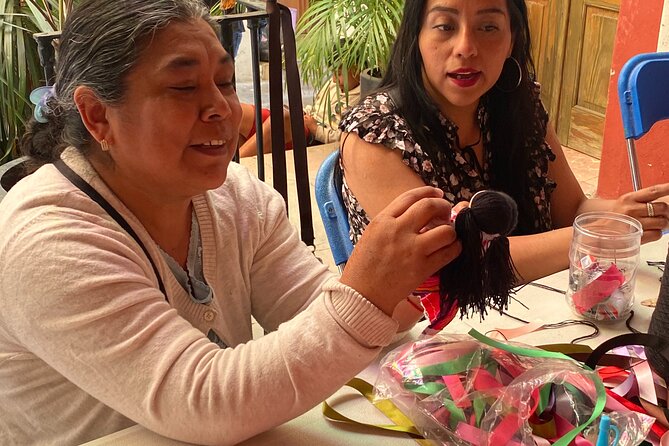
The first major part lasts about an hour and a half. Mari introduces the Lele doll, a figure closely connected with Querétaro’s indigenous communities and now recognized as one of the region’s best-known cultural symbols.
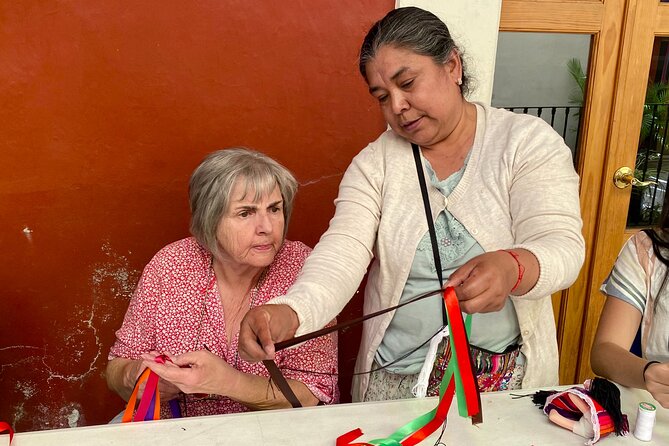
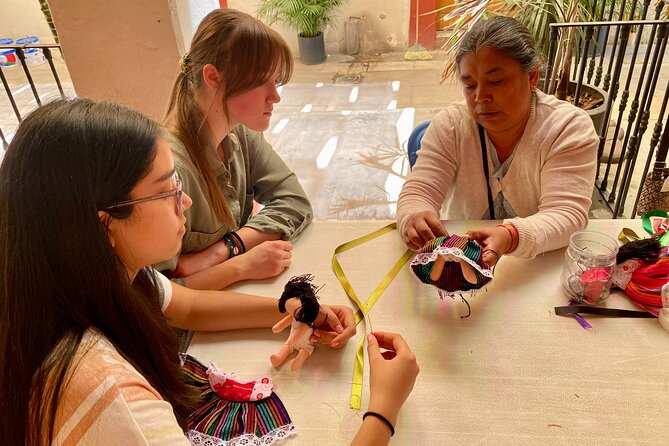
You create either a Panchito or Lele doll. The materials are included, and Mari guides you through the process. This is more satisfying than simply buying a finished souvenir because you leave with an object linked to the story you have just heard and the work you have just practiced.
The strongest feature here is Mari herself. She is described as a lifelong artisan, and that changes the tone of the session. You are not receiving a generic craft demonstration from someone reading a prepared script. You are spending time with a person whose knowledge comes from years of making dolls and working within an indigenous artistic tradition.
Expect this part to be hands-on, but do not assume you will produce a flawless museum piece. The value is in learning how the doll comes together and understanding why it matters. Your finished Lele or Panchito may show a few uneven details, which is perfectly appropriate for a workshop rather than a factory production line.
I would give this section your full attention. The afternoon includes three different subjects, but the doll-making portion receives the most time. It also gives the tour its clearest sense of place. Coffee and chocolate could be sampled in many cities. A doll connected to Querétaro’s indigenous communities gives you something more specific to take home.
The session may suit adults, older children, couples, and families who enjoy making things together. Children seven or younger are not recommended, and the process may be frustrating for very young participants who need constant supervision. Older children can participate, but the tour is best for anyone who can listen to instructions and stay focused during a 90-minute craft session.
Tasting coffee from Oaxaca’s Mixe community
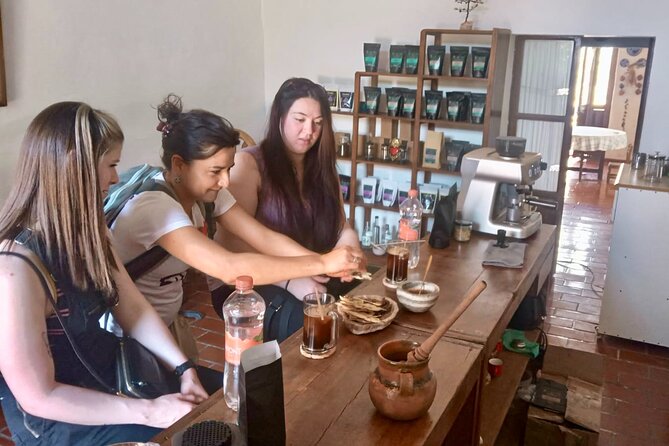
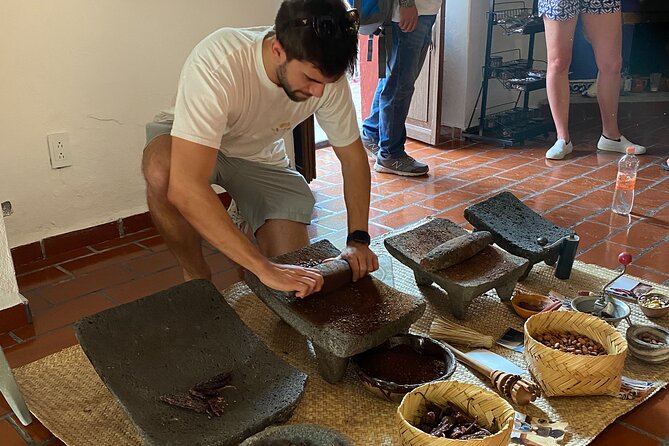
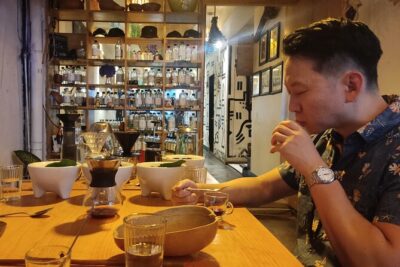
After the doll workshop, the focus shifts from textiles and craft to agriculture and food. Laura and Aldo bring organic goods from their Mixe community in the mountains of Oaxaca, and they lead an interactive coffee experience.
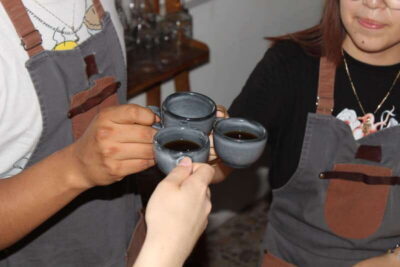
You sample approximately four different organic coffees. The information provided does not specify the exact varieties, roast levels, or preparation methods, so do not book this expecting a technical coffee certification class. Instead, think of it as a guided tasting connected to the people and place where the coffee is produced.
That connection is what gives this stop its value. Coffee often reaches your cup after passing through many hands, and it is easy to forget the communities behind it. Laura and Aldo offer a direct link to a Mixe community and help place the drink within a wider cultural and agricultural story.
The coffee is paired with other Oaxacan snacks. This matters because tasting coffee on its own can make small differences difficult to notice, especially if you are not used to comparing several cups. Regional foods give you another way to experience the flavors of Oaxaca and make this part feel like a small food lesson rather than a row of samples.
If you already know a great deal about coffee, you may find the session less technical than a specialist tasting. For most people, that is likely a fair trade. The aim is cultural understanding and shared food, not a formal exam in brewing or bean grading.
The variety also breaks up the afternoon. After concentrating on doll construction, you get time to sit, taste, and talk. I like that the itinerary does not treat indigenous culture as a single subject. It connects craft, farming, food, and community without trying to squeeze everything into a museum-style lecture.
Finishing with three artisanal chocolates
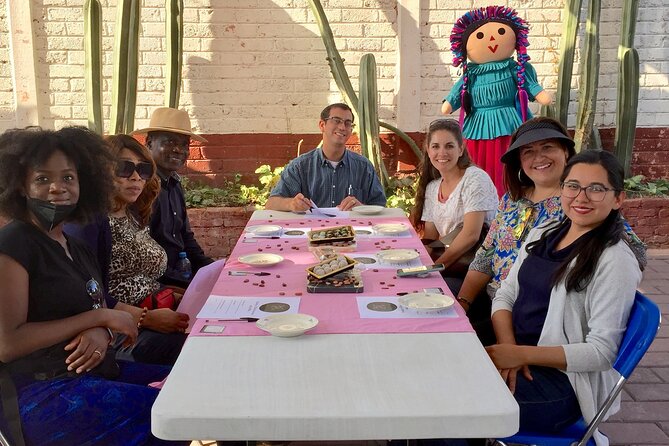
The final stop is a chocolate tasting led by a local chocolatier. Three artisanal chocolates are included, giving you a short but focused finish to the tour.
Chocolate can easily become the most popular portion of any food outing, but the guide’s role is important. You are not simply handed sweets and sent on your way. The chocolatier explains the work behind the products and gives the tasting a local face.
The description does not name the individual chocolatier or list the chocolate styles, ingredients, or origins. That means you should expect a tasting rather than a full chocolate-making class. Still, ending with three samples is a pleasant way to bring the afternoon to a close, particularly after the more active doll-making session and the coffee comparisons.
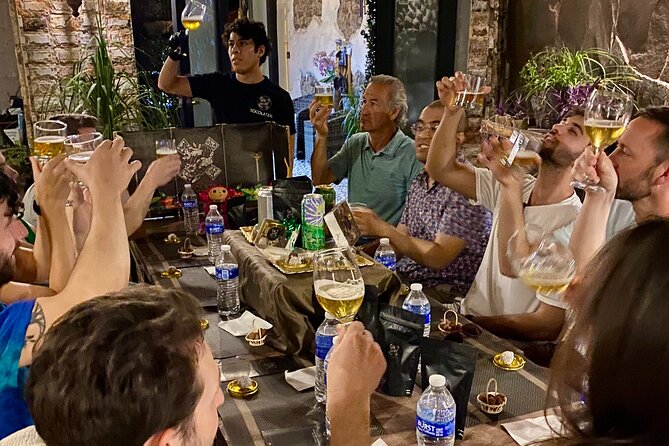
An optional local craft beer pairing can be added to the experience. It is not included in the listed price, so ask about the extra cost before choosing it. The pairing could be appealing to adults who enjoy regional drinks, but you do not need it to receive the main cultural and food portions of the outing.
The chocolate tasting also gives you a chance to compare the three stops. Mari’s dolls show handwork and identity through an object. The coffee connects taste with farming and community. Chocolate adds another example of a local maker turning ingredients into a finished product. That shared focus on human skill is the thread holding the afternoon together.
Same place, a different cup:
- Coffee Plantation Experience
★ 4.5 · 12 reviews - Oaxaca Coffee Tasting
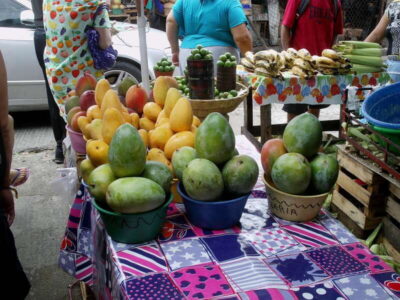
★ 4.0 · 7 reviews - .Acapulco Market Hands On Mex Cooking Class Mezcal & Coffee
★ 4.8 · 5 reviews - From Huatulco: 3 Levels, Coffee, Culture, and Nature Tour
★ 5.0 · 5 reviews
What the $103.06 price includes
At $103.06 per person, this is priced above a basic city walking tour or an ordinary coffee tasting. The cost makes more sense when you count what is included:
- A 90-minute Lele or Panchito doll-making session
- Materials for the doll
- About four organic coffees
- Oaxacan snacks
- Three artisanal chocolates
- A bilingual local guide
- A bottle of water
- Three separate local artisan connections
- A small group capped at seven people
I would judge the price by the amount of guided participation rather than by the quantity of food. You are paying for time with makers, materials, instruction, and access to experiences arranged through local partnerships. If you only want a quick taste of chocolate and coffee, this will feel expensive. If you value a small group and want to make something yourself, the price is easier to defend.
The group discount may improve the value for people booking together. Since the average booking is made 26 days ahead, it is sensible to reserve early if your dates are fixed, especially because the group size is small. Confirmation is received at booking, and the tour uses a mobile ticket.
Tips are not included. The guides put time into arranging a personal afternoon, and gratuities are appreciated. I would also keep a little flexibility in the budget for the optional craft beer pairing if that interests you.
Who will enjoy this afternoon most
I would recommend this experience to you if you want a cultural activity that involves your hands, your palate, and direct contact with local makers. It is especially well suited to:
- Adults who enjoy crafts and food
- Couples looking for a quieter alternative to a standard city tour
- Families with children older than seven
- Visitors who want to support small artisan partnerships
- Coffee or chocolate fans who also care about cultural context
- Anyone seeking a small-group activity in central Querétaro
You may want a different outing if your priority is major historic sights, outdoor scenery, or a highly technical food class. The tour does not promise a full meal, a complete chocolate-making lesson, or an extended visit to Oaxaca. Its focus is a compact introduction to several traditions.
The four-hour length is another point in its favor. It fills an afternoon without taking over your whole day, and returning to the meeting point makes it easier to plan dinner or another evening activity in Querétaro. The 1:00 p.m. start also leaves your morning free.
Service animals are allowed, and the meeting point is near public transportation. Most people can participate, though very young children are not recommended. The available information does not give details about specific physical requirements, so contact the provider if you need an accommodation beyond the listed arrangements.
Practical booking advice before you go
Book with the correct date and local start time in mind. The tour begins at 1:00 p.m. and ends back at the Indigenous Artesanal Development Centre after more than four hours, depending on the pace of the activities.
Free cancellation is available if you cancel at least 24 hours before the start time. A cancellation made within that final 24-hour window is not refunded, and changes during that period are not accepted. The cut-off follows local time in Querétaro.
The experience requires a minimum number of participants. If the provider cancels because that minimum is not reached, you will be offered another date or experience, or receive a full refund.
Bring a little patience. The afternoon depends on artisan instruction, tasting, and discussion, so the schedule may not feel as tightly timed as a bus tour. The reward is a more personal pace and a better chance to understand what you are making and tasting.
One guide named in connection with the experience is Ixchel, who received particularly strong praise for guiding the afternoon. Guide quality matters here because the activities depend on clear explanations and good introductions. A warm bilingual guide can help bridge language gaps and make the meetings with Mari, Laura, Aldo, and the chocolatier feel connected rather than separate.
Should you book this Querétaro cultural experience?
Book it if you want to meet local makers, create a useful souvenir, and taste coffee and chocolate in a setting built around cultural exchange. The Lele doll session is the best reason to choose it, while the coffee and chocolate portions make the afternoon varied and enjoyable.
Skip it if you want a low-cost tasting, a major sightseeing route, or a fast schedule. At $103.06, the value depends on your interest in hands-on learning and small artisan partnerships. For the right person, the combination of Mari’s doll workshop, Laura and Aldo’s Oaxacan coffee, and the final chocolate tasting gives you a thoughtful look at the human work behind Querétaro’s cultural offerings.
FAQ
Where does the tour begin?
It begins at the Indigenous Artesanal Development Centre, C. Ignacio Allende Sur 20, Centro, 76000 Santiago de Querétaro, Querétaro, Mexico.
What time does the experience start?
The start time is 1:00 p.m.
How long does the tour last?
The experience lasts approximately four hours and ends back at the meeting point.
What will I make during the craft session?
You can make either a Panchito or Lele doll, using included materials and guidance from local artisan Mari.
How many coffees and chocolates are included?
The coffee portion includes approximately four different organic coffees and Oaxacan snacks. The chocolate portion includes three artisanal chocolates.
Is the tour suitable for young children?
The experience is not recommended for children seven years old or younger. Most other participants can take part.
Can I cancel for a refund?
Yes. You can receive a full refund if you cancel at least 24 hours before the experience start time. Cancellations or changes made less than 24 hours before the start are not accepted for a refund.
Just added around Mexico
- Enjoy the coffee route in Coatepec Magical Town★ 5.0 · 2 reviews
- The Colors of Coffee in the Farms of Coatepec★ 5.0 · 3 reviews
- Xalapa and its aroma of coffee. Fall in love!★ 3.5 · 3 reviews
- Private Tasting of Chiapas Coffees for 2 Hours★ 5.0 · 4 reviews
- Oaxaca Coffee Tasting★ 4.0 · 7 reviews
- Sweet Mexico City: Chocolate, Coffee, and Traditional Treats★ 5.0 · 2 reviews
- Visit to Coffee Farm with Tasting in Coatepec★ 4.5 · 4 reviews
- Waterfalls, Coffee and Adventure Tour, Huatulco★ 4.6 · 4 reviews
Mexico Coffee Tours, compared.
3 Levels of Huatulco the coffee you’ve been looking for
Read our review →
Puerto Vallarta: Botanical Gardens, Distillery & Coffee Tour
Read our review →
Colima Volcano Cultural Tour: Coffee Plantation, Hacienda and Comala Magic Town
Read our review →
.Acapulco Market Hands On Mex Cooking Class Mezcal & Coffee
Read our review →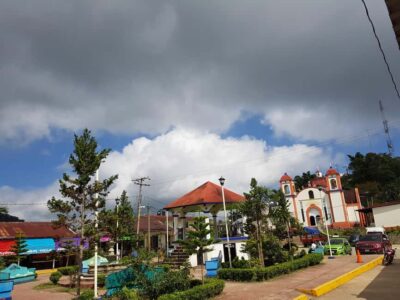
Browse the lists this tour appears in