
REVIEW · ISTANBUL COFFEE TOURS
Turkish Coffee and Traditional Turkish Dessert Cooking
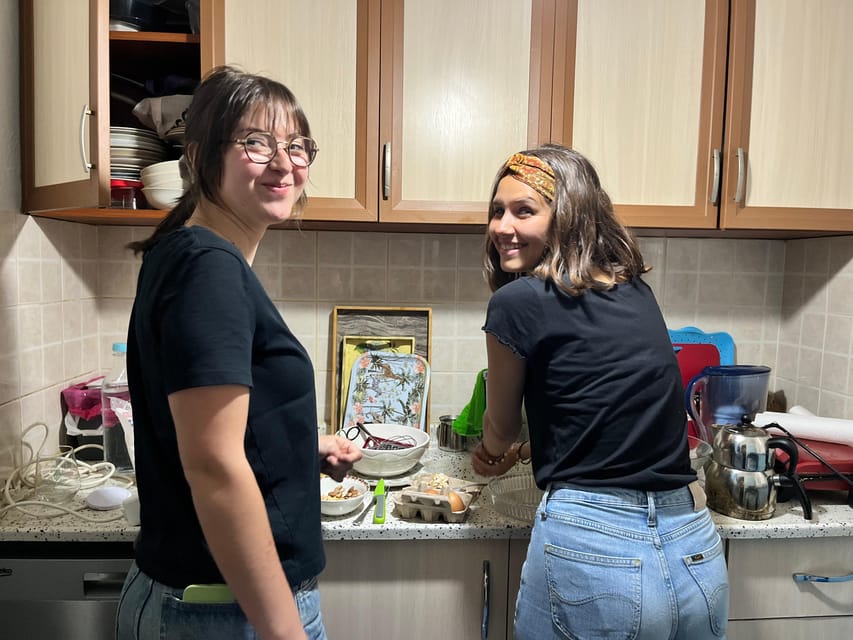
Sweet food tells a story. In a welcoming Istanbul home, you learn to prepare traditional Turkish desserts and brew coffee the slow, careful way. I like the hands-on cooking, and I like the chance to sit at a family table rather than in a restaurant. The main consideration is the location in Kağıthane, away from the classic sightseeing core, so you will need to allow time to reach the address.
The small group, limited to six people, gives this 2.5-hour experience a personal feel. I also like that the menu can include two or three desserts, with past sessions featuring künefe, flour halva, and semolina cookies. The exact sweets may vary, and anyone with dairy or gluten allergies should speak up before cooking.
What Makes This Home Cooking Class Special
- Künefe cooked over a flame: Learn to layer shredded wheat pastry, butter, cheese, and syrup, then cook and flip it until golden.
- A real Istanbul home setting: You enter a local home at Talatpaşa in Kağıthane, giving the class a more personal setting than a standard cooking school.
- Two or three traditional desserts: The food may include künefe or other Turkish favorites such as flour halva and semolina cookies.
- Turkish coffee with cultural meaning: Brew a small, frothy cup and hear how coffee fits into Turkish daily life and customs.
- A very small group: With no more than six participants, you have room to ask questions and work directly with the host.
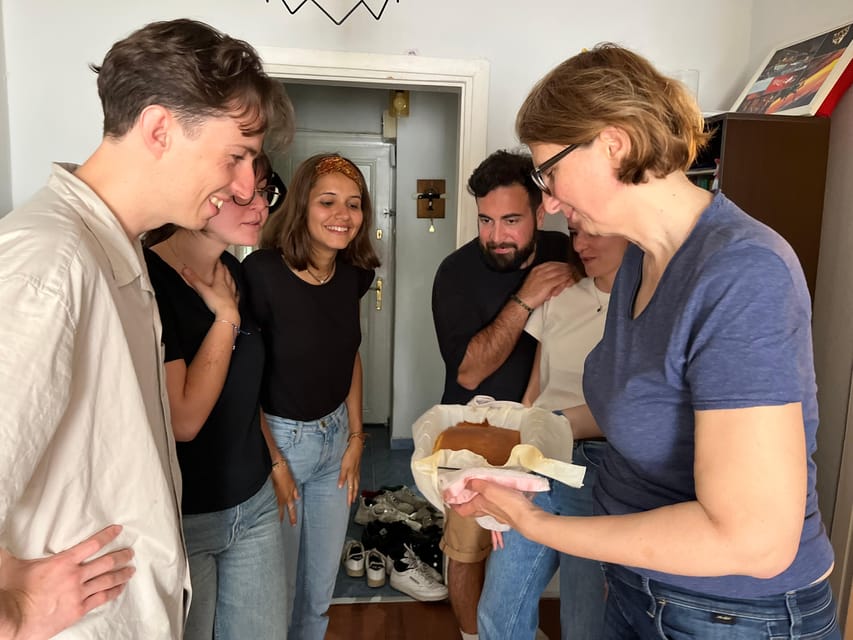
- Warm family-style hospitality: Host Nuran and dessert teacher Feyza are praised for making people feel welcome, sometimes even sharing dessert with relatives who stop by.
A Sweet Introduction to Istanbul Life
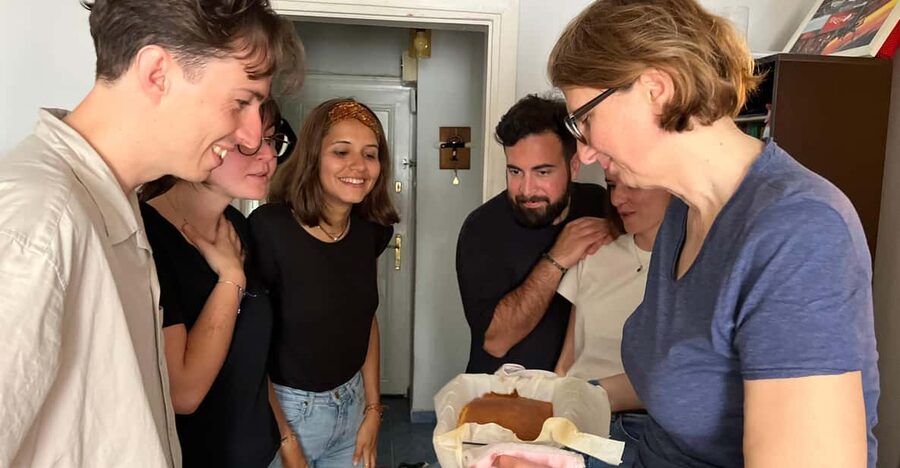
This is not a sightseeing tour with a dessert demonstration added at the end. The point is the home itself, the cooking, and the conversation around the table.
You arrive at Talatpaşa, Büyükbey Sk. No. 4, apartment 11, in Kağıthane. Once you reach the address, the host lets you in. That simple detail matters because you are not meeting at a large public venue with a branded sign. You are being welcomed into a local household.
The setting can change the mood of an activity. In a commercial cooking school, the kitchen is arranged for teaching. Here, the experience is tied to family life. You may find the pace more relaxed and the conversation more natural, especially if you enjoy learning about food through the people who cook it at home.
Nuran is the host named in the feedback, while Feyza teaches the dessert-making portion in at least some sessions. Both are praised for their warmth and patience. One participant described feeling as if they had gained two Turkish aunties by the end of the afternoon. That gives you a good sense of the tone: personal, informal, and focused on sharing time as much as producing perfect food.
The tradeoff is that a home experience is less polished and predictable than a professional kitchen studio. You may not get a formal workstation or a carefully staged performance. For me, that is part of the appeal, but it is worth knowing if you want a highly structured class.
More Turkish Coffee Experiences in Istanbul:
- Istanbul: Turkish Coffee Making and Fortune Telling Workshop
★ 4.9 · 1,308 reviews - Istanbul: Turkish Coffee Making and Fortune Telling Workshop
★ 4.9 · 451 reviews - Turkish Coffee on Sand Workshop: Fortune Telling & Gift Set
★ 5.0 · 309 reviews
Starting With Künefe, Butter, Cheese, and Syrup
The featured dessert is künefe, one of Türkiye’s best-known hot sweets. It uses shredded wheat pastry, regional butter, cheese, and homemade syrup. The result is crisp on the outside, soft and stretchy in the middle, and sweet without being simply sugary.
You begin by learning how to layer the ingredients. This is more useful than watching someone else do it because the balance matters. Too little butter can leave the pastry dry. Too much syrup can soften the crisp top. The class shows you how the parts work together before the pan reaches the flame.
Cooking künefe over a flame is one of the more distinctive parts of the activity. You watch the bottom color, manage the heat, and learn the careful technique of turning it over so both sides brown properly. Flipping a hot dessert is not quite as simple as flipping a pancake, so this is the moment when a local teacher adds real value.
The dessert is cooked in the traditional kitchen style described for the class, rather than simply assembled in advance. That means you get to see how the texture develops. You also learn why the dessert is served warm, when the pastry is still crisp and the cheese has its soft pull.
If you already know künefe from restaurants, this class gives you a better sense of what goes into it. If you have never tried it, expect a dessert with several textures at once. It is buttery, crisp, creamy, and syrupy. It also contains both dairy and gluten, so this is not a suitable dish for every diet.
Other Desserts May Be Part of the Afternoon
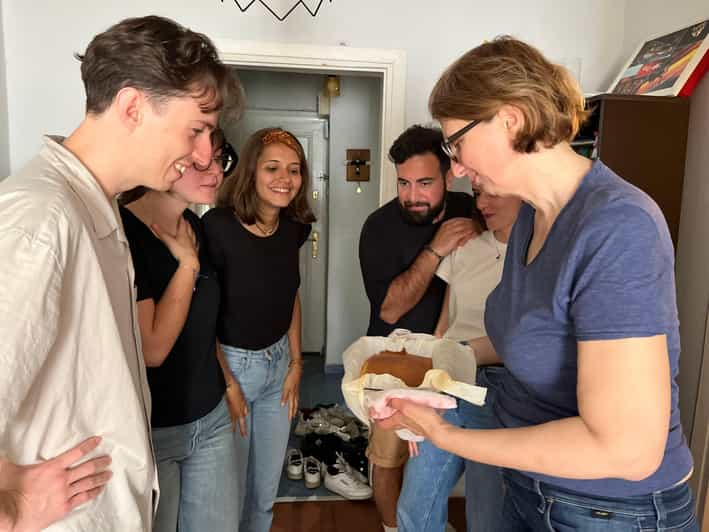
The experience includes cooking two or three Turkish desserts, but the exact selection is not fully fixed in the information provided. Künefe is the central example, while previous sessions have included flour halva and semolina cookies.
That flexibility can be a plus. Flour halva is made from a short list of familiar ingredients, but the cooking depends on patient stirring and careful browning. The flour must develop flavor without burning. A hands-on class gives you a chance to notice that change in color and smell, rather than treating the recipe as a set of printed instructions.
Semolina cookies offer a different lesson. They are practical, familiar home sweets, and one participant specifically liked that the recipes could be made again with ingredients available in the United States. That is an important point if you want to carry the experience home. Some cooking classes produce beautiful food that is difficult to repeat. These recipes sound more useful for an ordinary kitchen.
You should not expect a fixed restaurant-style menu with every dessert guaranteed at every session. Ask about the planned dishes if one particular sweet matters to you. The changing menu may be ideal for repeat visitors, but it calls for a little flexibility.
Turkish Coffee While the Dessert Cooks
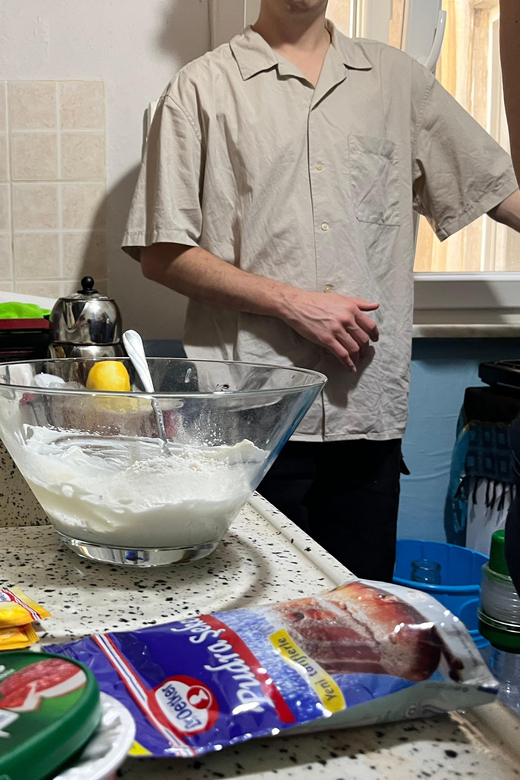
While the künefe or other sweets cook, you move to the stove to prepare Turkish coffee. The method is slow and deliberate. The coffee is brewed until it becomes frothy, with the process treated as a small ritual rather than a rushed caffeine stop.
You may have the chance to prepare your own cup. That makes the coffee portion more than a tasting. You learn how the drink is made and hear about its place in Turkish culture, where coffee can be tied to hospitality, conversation, and social customs.
The coffee is traditionally served in a small cup and enjoyed slowly. It is strong and unfiltered, with grounds settling at the bottom. If you prefer tea, tea is also included, and the experience may move between both drinks as the afternoon continues.
One especially memorable detail from the sessions is the informal reading of coffee grounds. After the coffee is finished, the grounds can leave patterns inside the cup. Feyza offered one participant a playful reading, with hopes that the prediction would come true. This is not presented as a formal service, so treat it as a bit of cultural fun rather than a promised part of every class.
The coffee also gives the cooking a natural pause. You are not standing over a pan for the entire 2.5 hours. Instead, the activity shifts between preparation, conversation, waiting, and tasting. That slower rhythm fits the subject well.
More Cooking Classes in Istanbul:
- Istanbul Turkish Coffee Cooking and Tasting with Locals at Home
★ 5.0 · 3 reviews - Da Nang Cooking Class with Coffee Tasting and Market Visit
★ 5.0 · 310 reviews - Hanoi Cooking Class: Pho/Bun Cha/Banh Xeo…+Free Egg/Salt Coffee
★ 5.0 · 267 reviews - Vietnamese Bread & Brew: Banh Mi Baking Class & Specialty Coffee
★ 5.0 · 76 reviews
Sitting Down for Dessert and Conversation
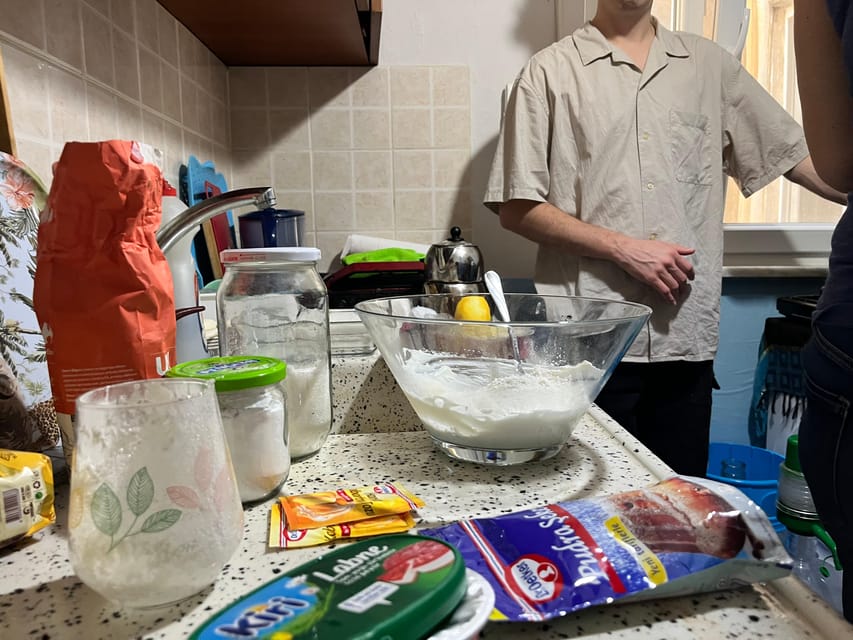
The final stage is simple: sit at the table, drink Turkish tea or coffee, and eat what you made. This is where the class becomes a social experience rather than a lesson in measurements.
The desserts are served warm, which is especially important for künefe. You can taste the difference between a sweet eaten straight from the pan and one that has cooled on a display plate. The meal gives you a chance to ask questions and talk with the host without the pressure of continuing to cook.
The home setting may also bring small, unscripted moments. One session included a brief visit from Nuran’s cousin and nephew, who arrived in time to share dessert. That kind of encounter cannot be scheduled, and it is exactly the sort of ordinary family moment that can make a home visit memorable.
This is not a formal dinner, and you should not book it expecting a full meal. It is a dessert class with tea and coffee. Have that expectation, and the portion feels generous. Expect dinner, and you may leave wishing for something more substantial.
Why the Small Group Size Matters
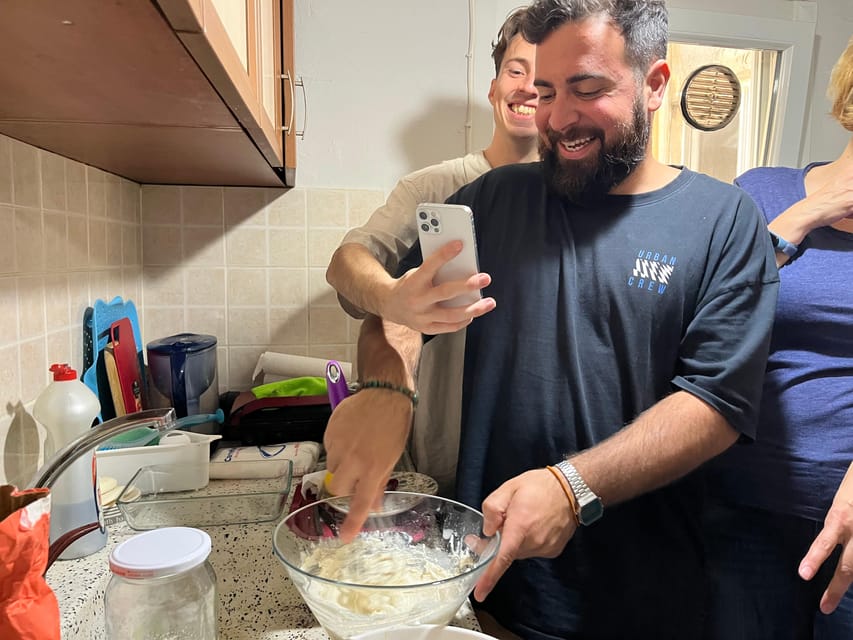
The class accepts up to six participants. For cooking, that is a useful limit. You are more likely to get time with the pan, the mixing bowl, and the coffee pot instead of watching from the back of a crowded room.
A small group also helps the conversation. You can ask how a dish is prepared at home, discuss ingredients, or request clarification while you cook. English and Turkish are the listed teaching languages, so English-speaking visitors can take part directly.
The class can feel even more personal when the group is smaller. One participant happened to be the only person attending on a particular date and received a very individual lesson. You should not assume you will have a private class, but the six-person limit keeps the setting intimate even when the group is full.
The small size has one practical limitation: availability may be tighter than for a large commercial tour. Check the available start times before planning the rest of your day. The activity lasts 2.5 hours, so it fits well as a dedicated afternoon or evening plan, but it is not something to squeeze into a short gap between major sights.
The Kağıthane Location and Planning Your Visit
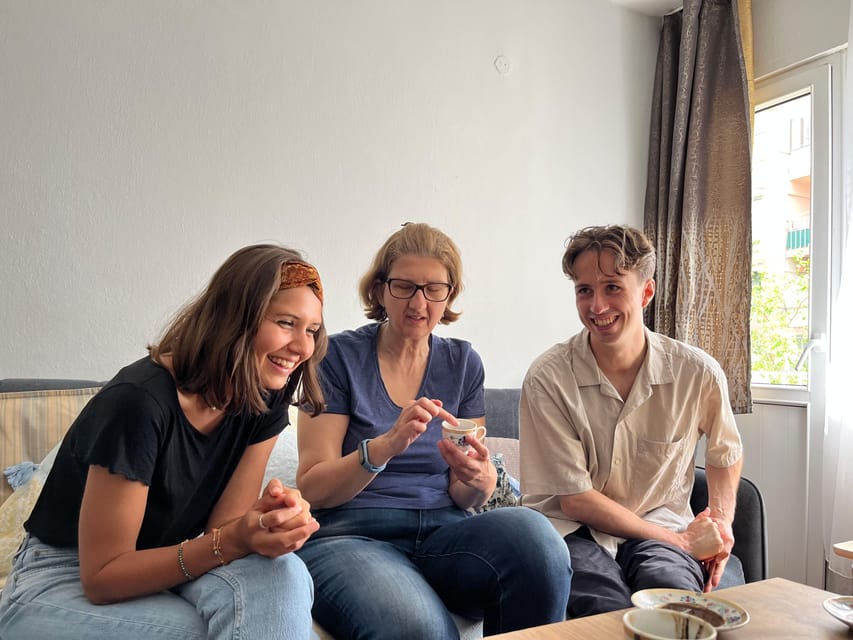
The meeting point is Talatpaşa, Büyükbey Sk. No. 4, apartment 11, 34400 Kağıthane, Istanbul. You should arrive at the stated address and let the host know you are there so you can be welcomed inside.
Kağıthane is not described as being beside Istanbul’s main monuments, so plan your route carefully and allow extra time to find the apartment address. A home visit does not work well when you arrive flustered or late. Have the full address ready on your phone.
The experience lasts 2.5 hours, and starting times depend on availability. I would avoid scheduling a major timed attraction immediately afterward. The class includes cooking, coffee, eating, and conversation, and the social part is not something you want to cut short.
The address is also worth checking before booking if you are staying far from Kağıthane. At $59 per person, the experience is reasonably priced for a small-group cooking class with food, instruction, tea, and coffee. The value is strongest if you care about personal contact and learning recipes, not just eating dessert.
What the $59 Price Gets You
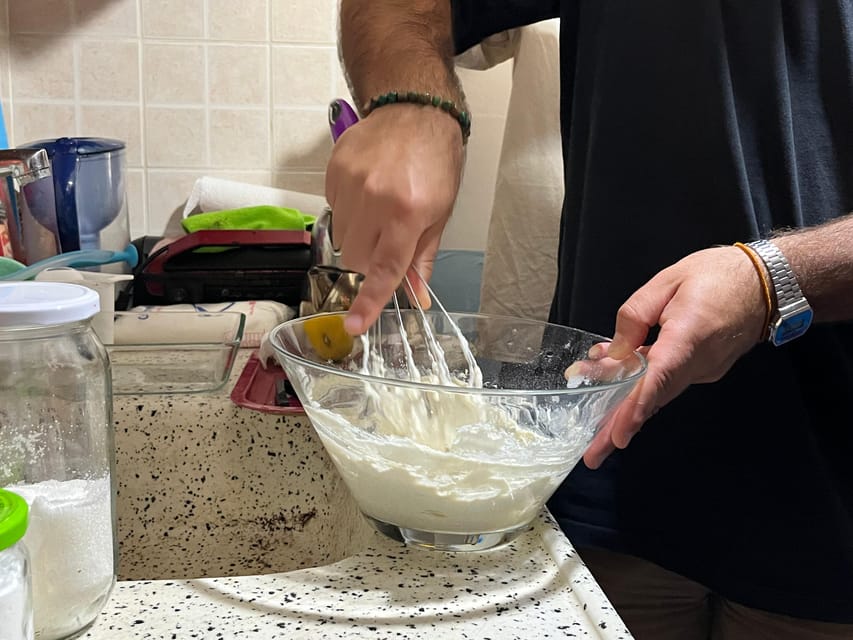
The price includes cooking two or three Turkish desserts, plus tea or coffee. You also receive instruction in the home kitchen and time at the table with the hosts.
I see three parts of the value:
- Food: You prepare and eat several traditional sweets rather than receiving one small tasting.
- Instruction: You learn techniques such as layering künefe, managing a flame, and brewing Turkish coffee.
- Hospitality: You spend time in a local home with a very small group.
That is a good package for $59, especially if you plan to repeat the recipes at home. The class is less of a bargain if you only want a quick dessert sample or a polished cooking demonstration.
The reviews give the food strong praise, but the hospitality receives just as much attention. The welcome from Nuran and Feyza is not a minor extra. It is central to what you are paying for. You are buying time, conversation, and access to a family setting, not simply ingredients.
Allergies, Dietary Needs, and Comfort
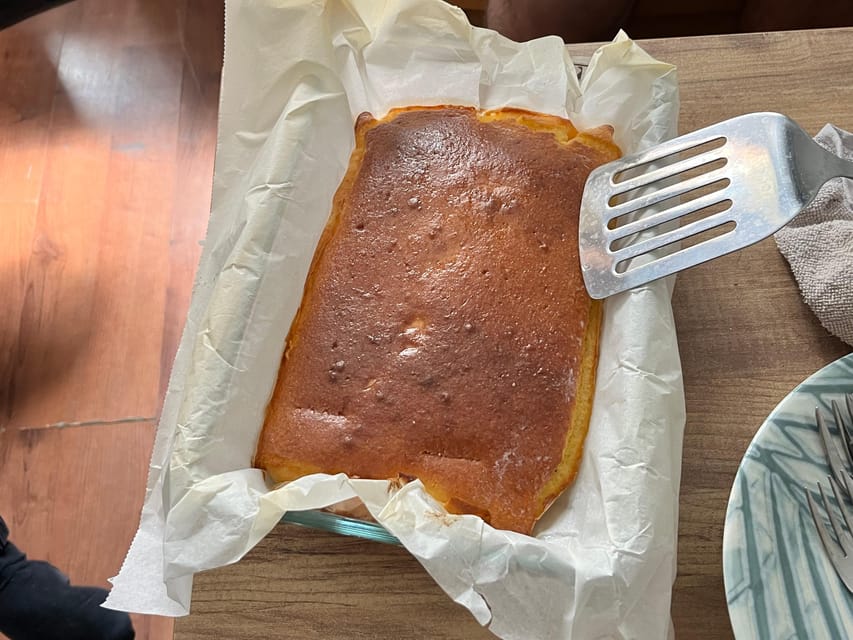
Künefe contains dairy from cheese and butter, as well as gluten from shredded wheat pastry. You must tell the host in advance about allergies.
The information provided does not list substitutions or a separate allergy-friendly menu. If you cannot eat dairy or gluten, ask before booking rather than assuming another dessert will solve the problem. The other sweets described, including flour halva and semolina cookies, may also contain ingredients that do not suit every diet.
For everyone else, the class is a good fit if you enjoy hands-on food activities and do not mind a home environment. It may be less suitable if you prefer a formal venue, a fixed menu, or a fast-moving schedule.
Who Will Enjoy This Most
I would recommend this for people who want a human-scale introduction to Turkish food culture. It suits couples, solo visitors, and small groups who would rather share a table with local hosts than spend another evening in a tourist restaurant.
It is also a strong choice for home cooks. The recipes described in the sessions use ingredients that can be found outside Türkiye, and at least two participants planned to make the desserts again at home. You leave with methods, not just memories.
Families may enjoy the activity, but the supplied information does not specify a minimum age or child policy. Ask before booking if you are bringing children. The same applies to mobility or other access needs, since no accessibility details are provided.
Coffee lovers and dessert fans are the obvious audience. Still, you do not need to be an expert cook. The value comes from taking part, asking questions, and accepting that the first flip of a hot künefe may not look perfect.
Booking Details Worth Knowing
You can cancel up to 24 hours before the experience for a full refund. The reserve-now, pay-later option lets you hold a place without paying immediately, which is useful when your Istanbul schedule is still changing.
The class is offered in Turkish and English. The group is limited to six participants, and the duration is 2.5 hours. Check the available start times before you commit to another activity on the same day.
Most important, contact the host ahead of time about food allergies. This is a cooking experience, so the ingredients are not an afterthought.
Should You Book This Dessert Class?
Book it if you want local hospitality, practical recipes, and a relaxed Turkish coffee ritual in one afternoon. The personal welcome from Nuran, the dessert teaching from Feyza, and the chance to cook in a family home give it more character than a standard tasting.
Skip it if you need a central Istanbul location, a guaranteed fixed menu, or a full meal. The Kağıthane address requires planning, and the sweets may vary. For everyone else, $59 is a fair price for a small-group experience that lets you cook, eat, and share time with local people.
FAQ
Where does the Turkish dessert class take place?
It takes place in a local home at Talatpaşa, Büyükbey Sk. No. 4, apartment 11, 34400 Kağıthane, Istanbul. Once you reach the address, the host lets you in.
How long does the experience last?
The activity lasts 2.5 hours. Starting times depend on availability.
How many people can join?
The group is limited to six participants.
Which languages are offered?
Instruction is available in Turkish and English.
Which desserts will I make?
The experience includes two or three Turkish desserts. Künefe is the featured dessert, while previous sessions have also included flour halva and semolina cookies. The exact selection may vary.
Does künefe contain common allergens?
Yes. Künefe contains dairy from cheese and butter, plus gluten from shredded wheat pastry. Tell the host in advance if you have allergies.
More Dessert Tours in Istanbul
- Award Winning Farm Tour: Coffee, Chocolate and Unique Gifts
★ 5.0 · 484 reviews - Vienna Coffee, Cake & Pastries Tour with Local Stories
★ 5.0 · 470 reviews - Buggy Ride Into the jungle with cave coffee & chocolate tasting
★ 5.0 · 465 reviews - ATV Adventure w/ Chocolate, Coffee & Cave Swim in Punta Cana
★ 5.0 · 178 reviews
Just added around Istanbul
- Walking Tour from Taksim to Galata (inc. Turkish Coffee Tasting)★ 5.0 · 10 reviews
- Istanbul Turkish Coffee Cooking and Tasting with Locals at Home★ 5.0 · 3 reviews
- Istanbul Home Style Turkish Coffee Making and Fortune Telling★ 5.0 · 4 reviews
- Home Style Turkish Coffee Making and Fortune Telling★ 5.0 · 10 reviews
- Istanbul: Turkish Coffee Trail★ 3.6 · 16 reviews
- Afternoon Bosphorus Boat and Bus Tour with cable car from Pierre Loti Coffee★ 3.0 · 25 reviews
- Istanbul: Turkish Coffee Brewing on Sand + Gift Set★ 4.9 · 49 reviews
- Istanbul: Guided Shopping Trip with Turkish Coffee Tasting★ 4.7 · 37 reviews
Istanbul Coffee Tours, compared.
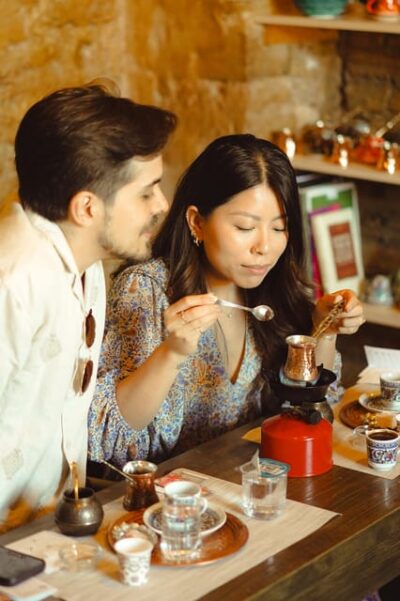
Turkish Coffee Making and Fortune Telling Workshop
Read our review →Turkish Coffee Making and Fortune Telling Workshop
Read our review →
Turkish Coffee on Sand Workshop: Fortune Telling & Gift Set
Read our review →
Istanbul Highlights: Guided Tour with Turkish Tea or Coffee
Read our review →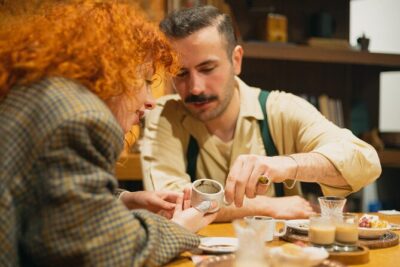
Istanbul Turkish Coffee Making & Fortune Telling Workshop
Read our review →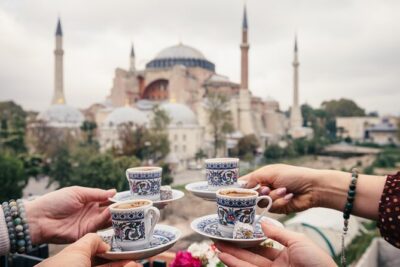
Sand Brewed Turkish Coffee Workshop in Old Town
Read our review →Istanbul Sand Brewed Turkish Coffee Workshop in Old Town
Read our review →
Turkish Coffee on Sand and Fortune-Telling Workshop by Gentlemen
Read our review →Browse the lists this tour appears in