
REVIEW · DA LAT COFFEE TOURS
Tea & Coffee Tour
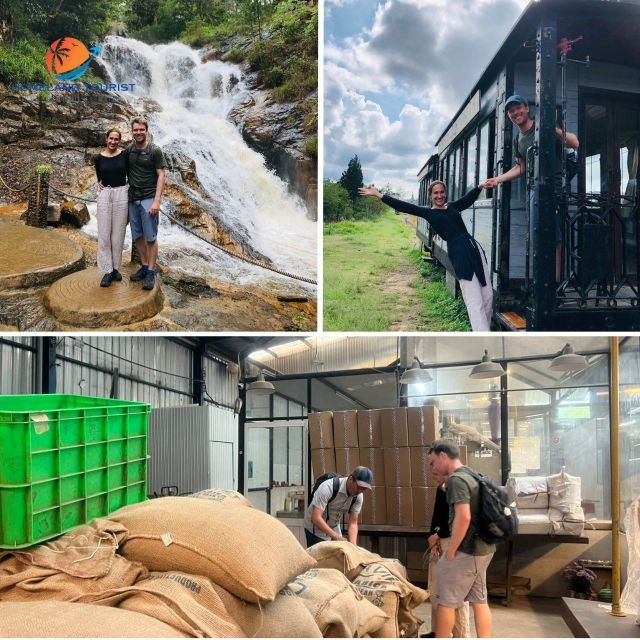
Coffee grows beautifully around Da Lat. This private outing links Arabica farms and tea hills with the city’s French-era railway station, a pagoda made from broken ceramics, and Datanla Waterfall. I like the mix of working plantations and major sights, so you get more than a simple tasting tour.
I also like the private format for a group of up to two, with an English-speaking guide and transport included. The main caution is timing: the tour is described as five hours, yet the schedule runs from 8:30 am to about 4:30 pm, with lunch listed separately. Confirm the exact duration and route before paying.
Key points to know before booking
- Coffee is explained from bean to cup: You see Arabica plants and learn about picking, sorting, drying, milling, and instant coffee production.
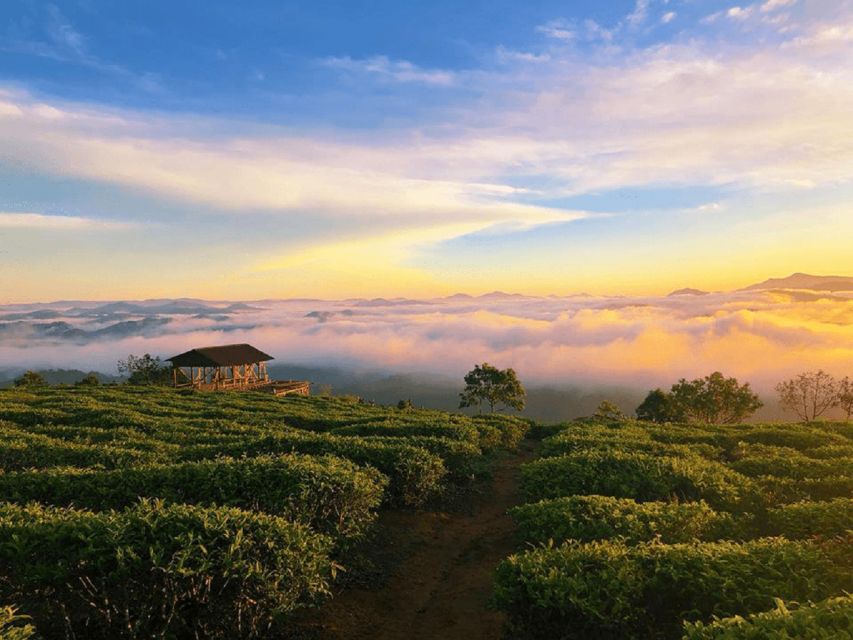
- Cau Dat’s tea hills are a visual highlight: Green rows curve across the hills, with tea pickers adding color and movement.
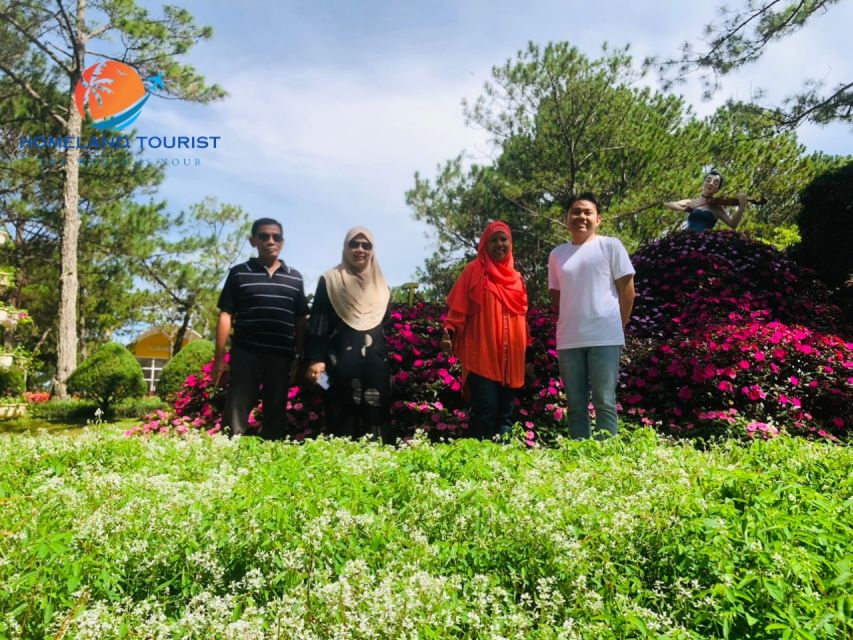
- The route mixes culture and nature: Da Lat Railway Station, Linh Phuoc Pagoda, Datanla Waterfall, farms, and a coffee shop all fit into one private outing.
- The pagoda has unusual details: Its dragon is 49 meters long and covered with fragments from 50,000 beer bottles.
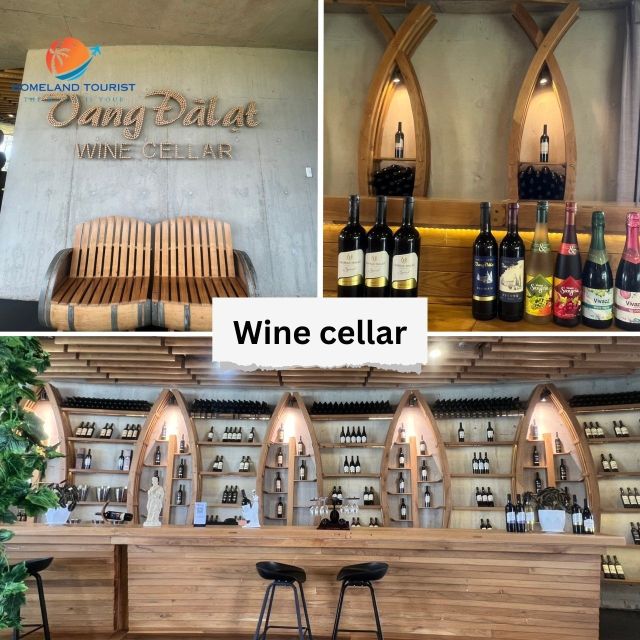
- You choose one extra stop: The schedule includes either the Da Lat wine showroom and tasting or the Tea Museum, depending on opening times.
- The price is for two people: At $128 per group, the value is strongest when shared by a pair rather than a solo visitor.
Why this Da Lat tour is worth considering
Da Lat is at its best when you move beyond the central streets. The city has a cool highland setting, old French influence, tea plantations, coffee farms, waterfalls, and religious buildings with a strong local character. This tour gathers those pieces into one long outing.
I like that the day is not built around coffee alone. You begin with transport and history at the old railway station, head through Arabica-growing country, visit tea fields and a giant turbine, then return toward cultural and natural sights. The route gives you several different ways to understand Da Lat.
The private setup matters. You are not tied to a large group, and the price covers up to two people rather than charging each person separately. That makes $128 a reasonable shared cost if you want a dedicated vehicle, guide, entrance fees, and hotel pickup.
Still, this is a busy schedule. You will be moving from stop to stop, and lunch is not included unless you pay an additional $10 per person. If you want a slow morning among the tea rows, this plan may feel packed. If you have only one full day for Da Lat’s surrounding sights, the range is useful.
A few more coffee tours around Dalat worth a look
- Coffee Farm Tour with Roasting & Tasting Workshop – Da Lat
★ 5.0 · 126 reviews - Experience specialty coffee with sustainable coffee farmers
★ 4.9 · 91 reviews - Coffee – Wine – Tea Da Lat’s Agricultural Treasures Tour
★ 4.8 · 63 reviews
Starting at Da Lat Railway Station
Pickup is scheduled for 8:30 am from your hotel or another location in central Da Lat. The first stop is Da Lat Railway Station, a French-built relic with old architectural details, a Japanese steam locomotive, and a cog railway associated with Swiss engineering.
This is a good opening stop because it gives context before the countryside portion begins. Da Lat’s railway is not just a transport curiosity. It reflects the city’s development during the French colonial period and its connection with older mountain rail technology.
The station is also a practical photography stop, especially if you enjoy old locomotives and unusual transport history. Your guide can help explain the railway features in English, which is useful when the machinery and architecture need more context than a quick photograph provides.
The schedule says you visit the station and then return to your hotel, but the wording is unclear. Ask the operator whether that means a short station visit followed by the main pickup or simply a poorly written itinerary detail. The route later continues toward Cau Dat, so confirming this point can prevent confusion at the start of the day.
Following the Arabica coffee route toward Cau Dat
The coffee portion is one of the strongest reasons to choose this experience. Along the road to Cau Dat, you visit green Arabica plantations and learn how coffee moves from plant to finished product.
The guide is expected to explain several stages:
- Picking coffee cherries
- Selecting coffee in the field and factory
- Drying the coffee seeds
- Milling the seeds
- Producing Arabica instant coffee
- Understanding the flavor and fragrance of the finished coffee
That sequence gives the stop real value. You are not simply handed a cup and told that it comes from Da Lat. You get a basic view of the work behind it, from harvest decisions to processing.
The tour description points to a special taste and pleasant fragrance in the Arabica instant coffee. Keep your expectations sensible: the exact depth of the factory visit is not specified, and the experience may focus more on explanation than a long production walk. Still, the chance to see the plants and discuss processing directly with a guide makes this more useful than a standard café stop.
The road itself is part of the appeal. You leave the central city and see plantation country, where coffee plants replace urban streets. If coffee is a major interest for you, listen closely to the difference between what happens in the field and what happens at the factory. That is where this stop earns its place in the itinerary.
Walking through Cau Dat’s tea plantations
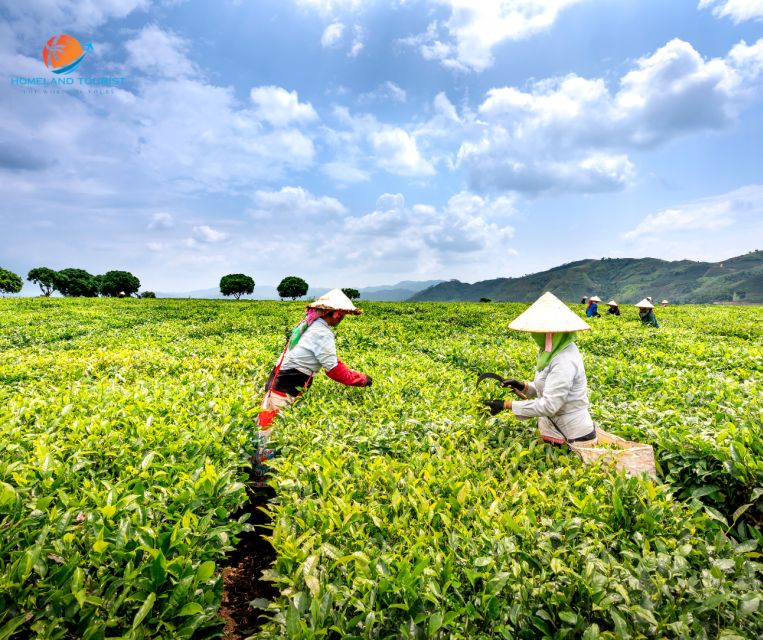
Cau Dat is the visual center of the day. The tea plantation spreads across curving green hills, and tea pickers in colorful clothing work among the rows. The combination of ordered planting, open hills, and working agriculture gives the stop a strong sense of place.
I like this part because it connects the drink in your cup with the people and land that produce it. You are not visiting a decorative garden. The fields are part of an active tea-growing area, and the guide can help explain what you are seeing.
The itinerary also mentions a giant turbine at Cau Dat. It is included as part of the plantation visit and adds an industrial touch to the agricultural setting. The description does not say how long you spend there or whether you enter a working facility, so treat it as a sightseeing feature rather than a guaranteed technical tour.
Bring patience for the photo stops. The curving rows may look simple from a distance, but the shape of the hills gives them their character. Since the tour also includes coffee plantations, you can compare the two crops rather than seeing tea in isolation.
Same place, a different cup:
- Dalat’s countryside|Coffee Plantations Tour beyond Elephant falls
★ 5.0 · 59 reviews - Dalat Countryside Motorbike Day Tour–Coffee Farms & Pagodas
★ 5.0 · 53 reviews - Dalat: MOTORBIKE TOUR TO PONGOUR FALLS- SILK- COFFEE FARM
★ 4.9 · 52 reviews - VIP Dalat 3 waterfalls – Datanla, Elephant Pongour & Coffee Tour
★ 5.0 · 8 reviews
Choosing between wine and the Tea Museum
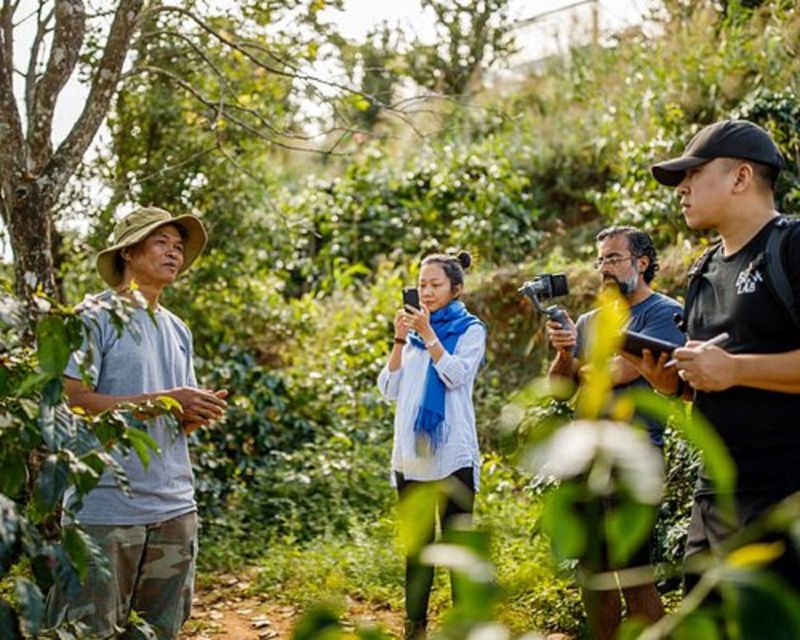
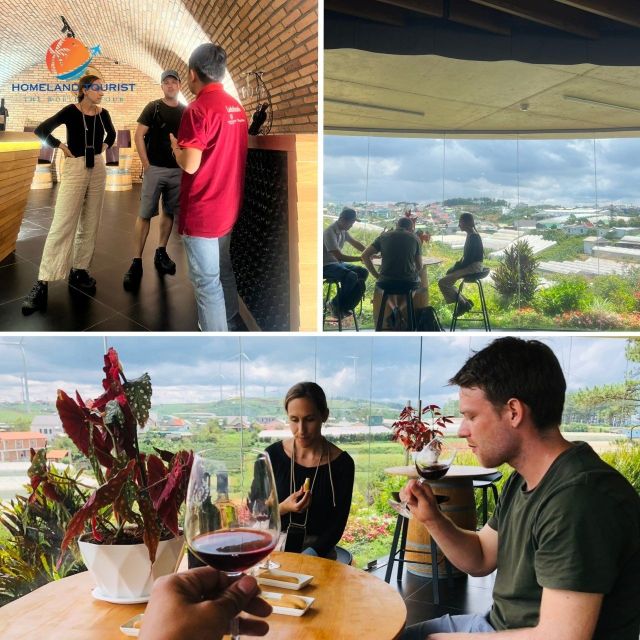
The next stop depends on opening hours. You may visit the Da Lat wine factory and showroom, where you learn about wine production and taste the wine, or you may visit the Tea Museum.
This choice is important because the two stops serve different interests. The wine visit adds another local product and a tasting. It works well if you enjoy seeing how regional drinks are made. The Tea Museum should suit you better if tea is the main reason you booked the day or if you want more cultural context after seeing the fields.
The operator states that only one of these places is included, not both. Opening times can affect the choice, so ask at booking or at pickup which stop is available that day. This is also one reason not to build your entire decision around the wine tasting or the museum. The plantation visit remains the more reliable part of the tea experience.
Seeing the handmade detail at Linh Phuoc Pagoda
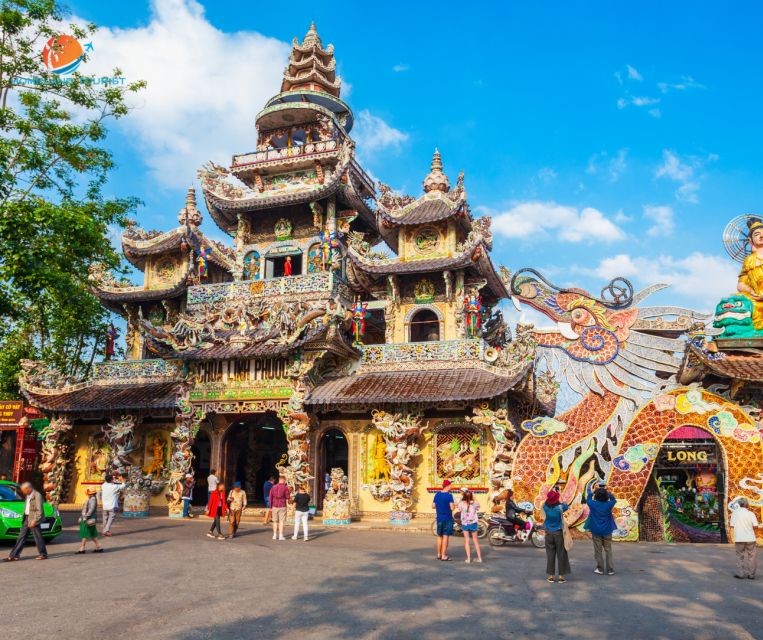
Linh Phuoc Pagoda brings a completely different mood to the route. Its architecture uses broken glass, pottery, and porcelain to create colorful surfaces and decorative scenes. The building is an example of how discarded materials can become elaborate religious artwork.
The pagoda is known for a Guan Yin statue made with Vietnamese immortelle flowers, according to the tour information. It also has a 49-meter dragon whose fins are covered with fragments from 50,000 beer bottles.
Those details give you specific things to look for rather than asking you to admire the building in a general way. Take time to examine the mosaic work. The materials are ordinary, but the amount of labor and design involved makes the result unusual.
This stop is likely to appeal to photographers and anyone who likes buildings with a strong local identity. It is also a welcome change after the open plantation views. You move from agricultural production to religious art, with the same focus on materials, craft, and human effort.
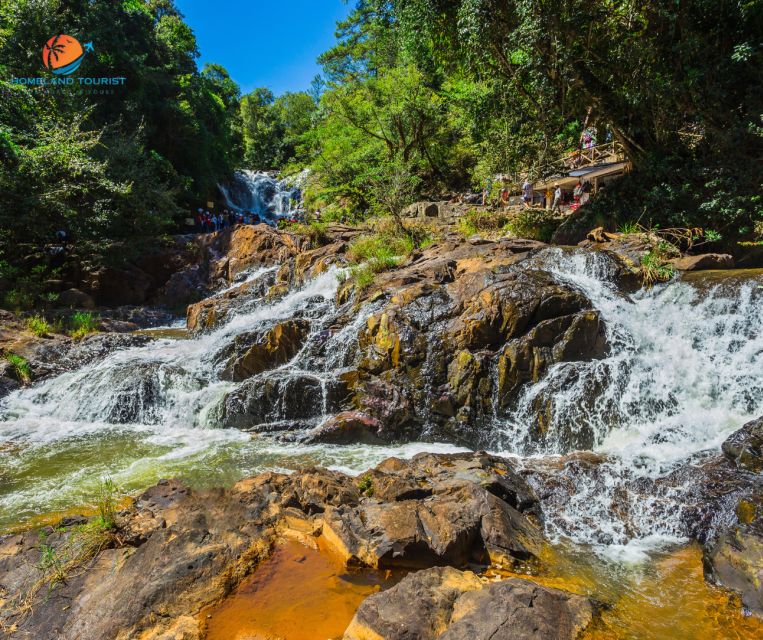
Spending the afternoon at Datanla Waterfall
After lunch, the route continues to Datanla Waterfall. Lunch is not included, though it can be added for $10 per person if you request it. Confirm when and where the meal will happen, since the supplied schedule only says after lunch.
Datanla gives the day its nature stop. You visit the waterfall and have time to see the surrounding area, described as imposing and mysterious. The exact walking distance and time at the waterfall are not provided, so ask your guide about the plan if you want more time outdoors.
I would treat this as a scenic break rather than a full hiking excursion. The tour has several stops to cover, and the waterfall is one part of a broad route. Comfortable shoes make sense, especially if you want to walk around instead of viewing the falls briefly.
The contrast with the morning is useful. You have spent hours looking at cultivated hills and processing methods. At Datanla, the focus shifts to flowing water and forested surroundings. That change keeps the day from feeling like a series of tastings.
Ending with a Da Lat coffee tasting
The final stop is a coffee shop, where you can enjoy a cup while the guide explains more about Da Lat coffee and shares the local coffee story. This closing stop ties together the plantation visit and the production discussion from earlier.
The guide’s English is a strong point here. The tour has received a 4.8 rating from five reviews, and the clearest praise focuses on the guide’s English and the interesting nature of the tour. You should expect the guide to be central to the experience, especially when explaining coffee processing and answering questions.
Do not think of the final café as just another drink stop. It is the place to ask about what you saw earlier. You can clarify the difference between plantation coffee and processed instant coffee, ask about fragrance and taste, and connect the farm visit with the cup in front of you.
The day is scheduled to finish at about 4:30 pm. That timing makes this a full outing, not a short morning excursion.
What the $128 price really covers

The $128 price is for a private group of up to two people. It includes an English-speaking guide, private vehicle, entrance fees, tourist permits, bottled water, and a voucher for a barbecue restaurant operated by Homeland Tourist. A 5 percent discount is also offered on a second booking with the company.
For two people, the cost works out to $64 each before lunch. That is fair if you value a private vehicle and want several entry fees handled for you. It is less attractive for a solo visitor, since the group price does not appear to drop below $128.
Lunch is extra at $10 per person. Personal major medical and evacuation insurance is not included, and insurance is recommended. Keep that in mind for any activity day outside the city, even though this is mainly sightseeing rather than a demanding adventure.
The tour offers free cancellation up to 24 hours in advance and lets you reserve now and pay later. Those terms are useful if your Da Lat schedule is still changing. Pickup is included, and you should wait in your hotel lobby 10 minutes before the agreed time.
Who will enjoy this private day out
I would recommend this tour to you if you want several sides of Da Lat in one day:
- Coffee drinkers who want to understand Arabica production
- Tea lovers who want to see Cau Dat’s plantations
- Couples or two-person groups who value a private vehicle
- First-time Da Lat visitors with limited time
- People who enjoy mixing food and drink with architecture and nature
- Visitors who prefer an English-speaking guide rather than visiting the sites alone
It is less suitable if your top priority is a slow plantation walk, a long waterfall hike, or a full winery visit. The route covers a lot, and the schedule may leave limited time at each stop.
The biggest issue is the advertised duration. The activity is labeled five hours, but the detailed plan begins at 8:30 am and ends around 4:30 pm. That is closer to a full day, especially once lunch and driving are counted. Get the final timing confirmed before booking.
Should you book the Tea and Coffee Tour?
Book it if you want a broad, private introduction to Da Lat’s farms, drinks, railway history, religious art, and waterfall scenery. The Arabica explanation, Cau Dat tea hills, Linh Phuoc Pagoda, and final coffee discussion give the day a good mix, while the praised English-speaking guide adds practical value.
I would book this most confidently as a pair. At $128 per group, sharing the cost makes the private format easier to justify. Before you commit, confirm whether the wine showroom or Tea Museum will be open, ask about the actual start and finish times, and decide if you want the $10 lunch option.
If you want one carefully focused coffee plantation visit, choose a narrower coffee tour. If you want Da Lat’s main rural and cultural sights gathered into one organized route, this is a useful choice.
FAQ
Where does the Tea and Coffee Tour take place?
The tour takes place around Da Lat in Central Vietnam, including the French Quarter area, Arabica coffee plantations, Cau Dat tea plantations, Linh Phuoc Pagoda, Datanla Waterfall, and a coffee shop.
How long does the tour last?
The activity is listed as five hours, but the detailed schedule runs from 8:30 am until about 4:30 pm. Confirm the actual duration with the provider before booking.
What time does pickup begin?
Pickup is scheduled for 8:30 am from your hotel or another location in central Da Lat.
Is hotel pickup included?
Yes. Pickup from a hotel or another place in the Da Lat center is included. You should wait in the hotel lobby 10 minutes before the scheduled pickup.
Is this a private tour?
Yes. It is a private group experience for up to two people.
What language does the guide speak?
The live tour guide speaks English.
Is lunch included?
No. Lunch is not included. It can be added for $10 per person if desired.
Do I visit both the wine showroom and the Tea Museum?
No. The schedule offers one of these stops, depending on opening times. Confirm which location will be available on your date.
What is included in the price?
The price includes an English-speaking guide, private vehicle, entrance fees, tourist permits, bottled water, and a barbecue restaurant voucher from Homeland Tourist.
Can I cancel for a full refund?
Yes. You can cancel up to 24 hours in advance for a full refund. The tour also allows you to reserve now and pay later.
Just added around Dalat
- VIP Dalat 3 waterfalls – Datanla, Elephant Pongour & Coffee Tour★ 5.0 · 8 reviews
- Coffee Class and DaLat Outskirt Tour★ 4.5 · 5 reviews
- Coffee – Wine – Tea: Dalat Treasures tour★ 3.5 · 5 reviews
- Experience Making specialty coffee in Da Lat City★ 5.0 · 3 reviews
- DALAT EASY RIDER GROUP TOUR – PONGOUR FALL – SILK- COFFEE..★ 5.0 · 6 reviews
- Dalat Group Easy Rider – Elephant Fall-Pagoda-Weasel Coffee…★ 5.0 · 7 reviews
- Dalat’s countryside|Coffee Plantations Tour beyond Elephant falls★ 5.0 · 59 reviews
- Coffee – Wine – Tea Da Lat’s Agricultural Treasures Tour★ 4.8 · 63 reviews
Da Lat Coffee Tours, compared.
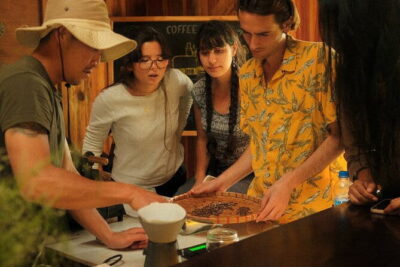
Coffee Farm Tour with Roasting & Tasting Workshop – Da Lat
Read our review →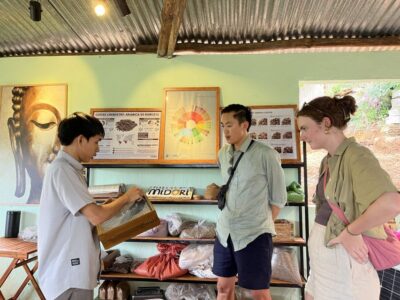
Experience specialty coffee with sustainable coffee farmers
Read our review →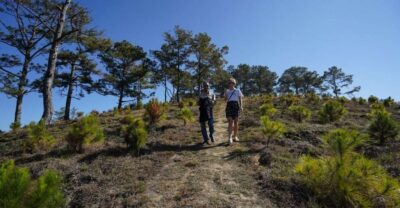
Coffee – Wine – Tea Da Lat’s Agricultural Treasures Tour
Read our review →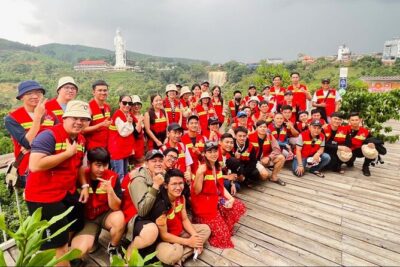
Dalat’s countryside|Coffee Plantations Tour beyond Elephant falls
Read our review →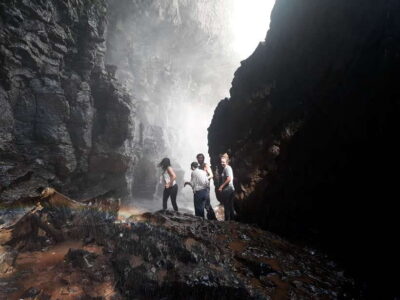
Dalat Countryside Motorbike Day Tour–Coffee Farms & Pagodas
Read our review →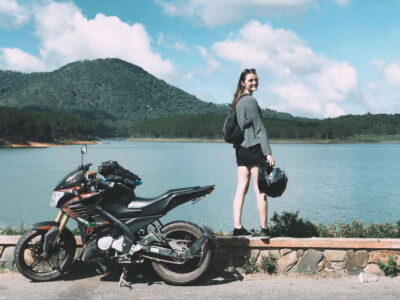
MOTORBIKE TOUR TO PONGOUR FALLS- SILK- COFFEE FARM
Read our review →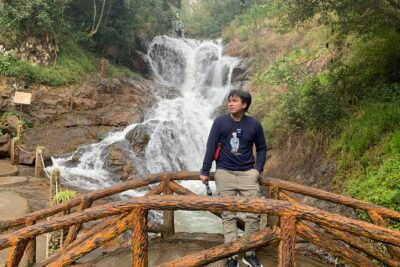
VIP Dalat 3 waterfalls – Datanla, Elephant Pongour & Coffee Tour
Read our review →
Dalat Group Easy Rider – Elephant Fall-Pagoda-Weasel Coffee…
Read our review →Browse the lists this tour appears in