
REVIEW · ARUSHA COFFEE TOURS
Coffee tour and Buffet Lunch with Kingstone Asilia (Arusha)
Coffee tells a bigger story than its cup. At Kingstone Asilia Family Farm, you follow Tanzanian coffee from plant to freshly brewed drink, with hands-on work, local traditions, and a home-cooked vegetarian lunch along the way. I like the chance to pick, pulp, roast, and grind your own beans, and I also like that the experience connects coffee with medicinal plants, songs, dance, and everyday culture. The main drawback is that transport from your hotel is not included in the $55 price, so you may pay an extra $15 for pickup.
This is a four-hour activity beginning at 10:00 a.m. on the outskirts of Arusha. I would choose it for a morning when you want something more personal than a standard city stop. It is especially well suited to coffee lovers, food-focused visitors, and anyone who wants a cultural activity before or after a safari.
Key points before you book
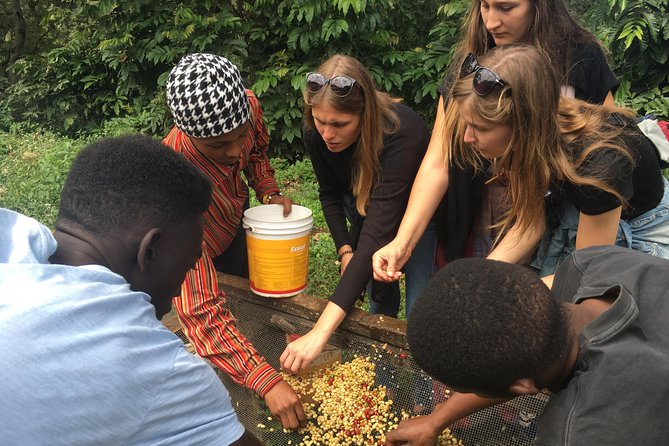
- You process coffee by hand: Pick ripe cherries, use a traditional pulping machine, pound dried beans, roast them, and grind them yourself.
- The farm visit includes local traditions: Stories about medicinal plants come alongside lessons about coffee and Tanzanian farming.
- A vegetarian lunch is part of the experience: The meal is home-cooked by the farm’s chef and uses fresh ingredients.
- Arusha hotel pickup costs extra: Pickup can be arranged for $15, while the listed tour price does not include private transportation.
- The experience takes about four hours: It starts at 10:00 a.m. and finishes back at Kingstone Asilia.
- The tour also lists Kikuletwa Hotsprings and Themi Falls Leisure Park: Ask how these stops fit into the day’s exact schedule before booking.
Why this Arusha coffee tour is worth your morning
Tanzania is known for producing high-quality coffee, and coffee is the country’s largest export crop. That fact gives the tour useful context, but the real appeal is the physical work. You do not simply look at coffee plants and listen to a talk. You handle the crop at several stages.
That matters because coffee usually arrives in your kitchen as a sealed bag of beans or grounds. Here, you see the fruit, remove its pulp, strip away the outer layer, roast the beans, and prepare a cup. Each step makes the final drink feel less anonymous.
I also like the way the farm links coffee to wider local culture. The tour includes traditional medicinal plants and stories about how they are used. The coffee work includes a song and dance while pounding the dried beans, which keeps the activity from feeling like a technical demonstration.
The experience is not designed as a specialist coffee course. You will learn the broad process and take part in it, but the information provided does not promise formal tasting instruction, detailed coffee grading, or advanced brewing methods. If you want a professional barista lesson, this is probably not the right choice. If you want to understand the work behind a cup while spending time with a local family farm, it has a strong appeal.
Other coffee tours people book around Arusha:
- Materuni Waterfalls, coffee tour & Kikuletwa Hot Springs
★ 5.0 · 643 reviews - Materuni waterfalls coffee tour & Chemka hot springs Day trip
★ 5.0 · 131 reviews - Maasai village visit, Materuni waterfalls & coffee experience
★ 4.5 · 95 reviews
Arriving at Kingstone Asilia outside Arusha
The meeting point is Kingstone Asilia Coffee Tours, Restaurant, and Bar on BushMoivaro Road in Arusha. The activity begins at 10:00 a.m. and ends at the same meeting point.
You can arrange pickup from a hotel in Arusha for an additional $15. The tour price is $55 per person, and private transportation is not included. That distinction is important. If you arrange your own way to the farm, the advertised price covers the activity, fees, taxes, and lunch. If you want door-to-door convenience, add the pickup charge when you compare costs.
The farm is described as being in a green, peaceful area outside the busier parts of Arusha. That setting suits the subject. Coffee makes more sense when you are surrounded by plants, soil, and working agricultural space rather than sitting in a classroom.
The activity can accept up to 50 people. That is a fairly large maximum for a hands-on farm visit. The actual feel may depend on the number booked on your date, so I would ask about group size if personal attention matters to you. A large group could make the planting and processing stations less intimate, although the practical activities still give you something to do rather than simply watch.
Learning how coffee reached Tanzania
The first part of the visit covers the history of coffee and how it came to Tanzania. You also hear about traditional processing methods still used at the farm.
This introduction is useful because it explains why each later step matters. You begin with the crop as a plant, then move through the work needed before the beans can be roasted. I prefer this order to starting with a finished cup. It gives you a clear chain from farm production to breakfast-table habit.
The tour is aimed at a general audience, so you do not need prior coffee knowledge. Children can take part, and children under five are free. Still, the hands-on steps may be more interesting for older children who can follow instructions and manage the equipment with help from adults.
The farm setting also gives the history a practical anchor. You are not only hearing that coffee is important to Tanzania. You are seeing the trees and the tools used to prepare the crop.
Medicinal plants and stories from the farm
Coffee is only part of the visit. The hosts show traditional Tanzanian medicinal plants and explain some of the stories connected with their use.
This section adds a welcome change of pace. It helps you see the farm as a place of local knowledge, not just a coffee production site. The information provided does not list the names of individual plants or describe medical treatments, so you should treat this as a cultural explanation rather than health advice.
I would listen for the practical details and ask questions. How are the plants identified? Which parts are traditionally used? Are they grown for household use, food, or local remedies? The supplied tour details do not promise answers to each question, but the setting gives you a natural chance to ask.
This portion may be especially valuable if you are interested in daily life in Tanzania beyond safari parks. It presents culture through ordinary plants and family stories, which can be more revealing than a formal performance.
A few more coffee tours around Arusha worth a look
- Waterfall, coffee tour & hot springs – lunch and drinks included
★ 5.0 · 22 reviews - Materuni Waterfall, Coffee Tour and Picnic Hot Lunch
★ 5.0 · 128 reviews - Kilimanjaro: Village Walk, Coffee Tour, Waterfall, and Lunch
★ 4.5 · 56 reviews - ATV Waterfall & Organic Coffee Farm with Lunch
★ 5.0 · 36 reviews
Planting and picking coffee cherries
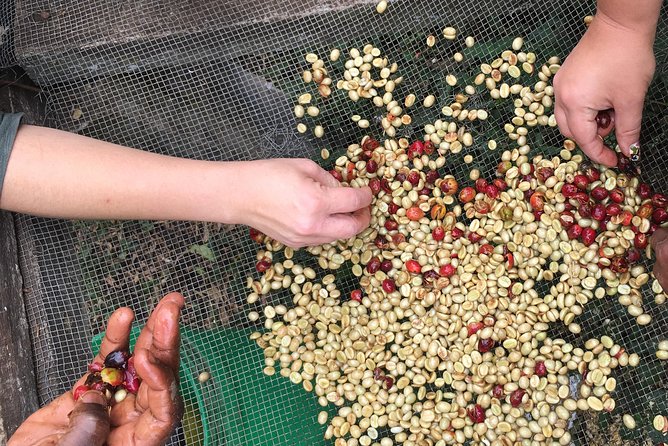
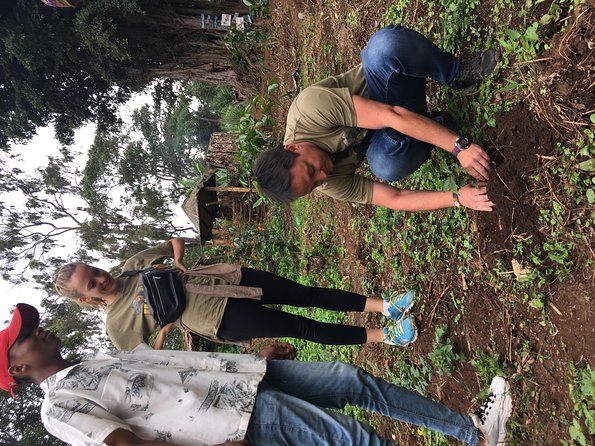
Depending on the season, you may plant a small coffee plant. The seasonal qualification matters. Planting is not guaranteed on every departure, so do not book expecting to place a seedling in the ground at a particular time of year.
You then reach mature coffee trees and pick ripe coffee cherries. The aim is to fill a basket ready for processing. This is a small task, but it changes how you look at the crop. Coffee beans begin as fruit, not as the hard brown pieces you recognize from a café.
The picking stage also shows why agricultural work takes time. A finished drink depends on repeated, careful tasks, from selecting ripe cherries to preparing the beans. You will not become a coffee farmer in one morning, but you will leave with a much clearer idea of the labor involved.
Do not expect a large plantation operation from the information provided. This is a family farm experience, with the focus on participation and explanation rather than scale. That is part of its value, especially if you want a close look at traditional methods.
Pulping, pounding, and the sound of the work
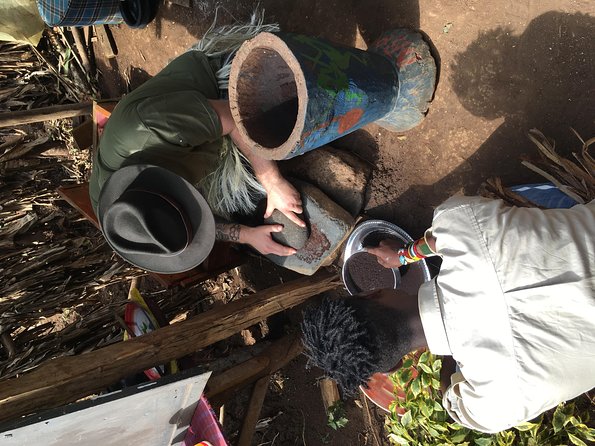
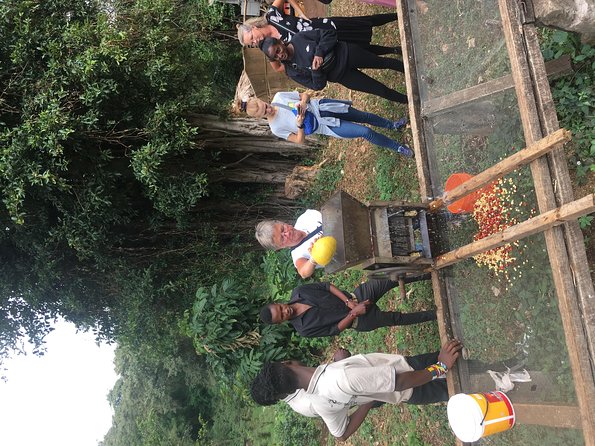
After picking, you use a traditional hand-powered pulping machine to remove the pulp from the coffee cherry. This is one of the strongest parts of the tour because the machine gives you a direct sense of the work involved.
The process then moves to pre-dried beans. You pound them to remove the outer layer, with a song and dance included. This is not just decoration. Rhythm has a practical role in group work, and the activity helps you remember that coffee processing has traditionally involved shared labor.
The physical steps may be messy or repetitive, although the supplied information does not specify clothing requirements or facilities. I would wear comfortable clothes and shoes that you do not mind using around a working farm. That is sensible preparation for any activity involving fruit, hand tools, and roasting.
The tour does not state how much coffee each person takes home. Plan on drinking the cup you prepare rather than assuming you will leave with a bag of beans.
Roasting and grinding your own cup
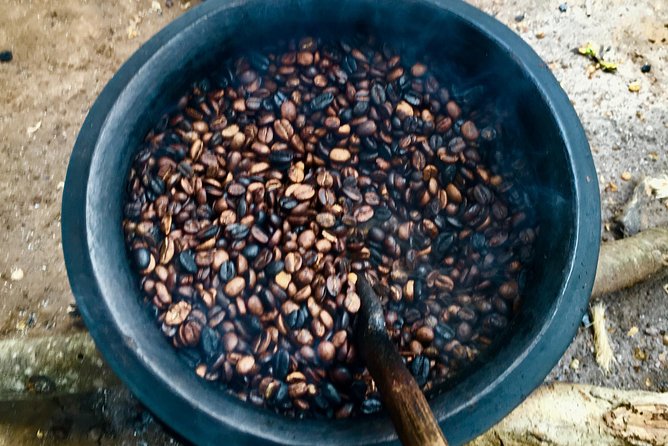
Next, you roast and grind the beans for your own coffee. This is the payoff for the earlier stages. You have seen the fruit, removed its pulp, stripped the dried beans, and now prepare them for drinking.
The freshly processed cup should appeal to coffee fans, but the experience is about more than flavor. It lets you connect taste with the steps that came before it. You can judge the result with a better understanding of how much work sits behind a simple drink.
A traditional Tanzanian snack accompanies the coffee. The exact snack is not specified, so you should not book expecting a particular dish. It is best understood as a small food tasting that supports the coffee portion, while the later lunch is the main meal.
The tour details also do not describe the bean variety, roast profile, brewing equipment, or tasting format. If you are deeply interested in coffee, ask those questions during the visit. If you simply want a fresh cup that you helped make, the experience provides that.
Home-cooked vegetarian lunch at the farm
The tour ends with a home-cooked vegetarian lunch prepared by the farm’s chef using fresh ingredients. Lunch is included in the $55 price, along with fees and taxes.
I consider this a major part of the value. You are not paying only for a demonstration and a cup of coffee. You also get a sit-down meal, which makes the half-day outing feel like a complete visit rather than a short activity tacked onto a busy morning.
The meal is vegetarian, but no menu is provided. If you have allergies, dietary restrictions, or strong food preferences, ask Kingstone Asilia before you go. The supplied information confirms that the lunch is vegetarian and fresh, but it does not promise vegan options, gluten-free dishes, or substitutions.
Because the meal is home-cooked, it should feel connected to the farm setting rather than like a standard restaurant stop. The experience includes a restaurant and bar at the meeting point, but the lunch is described as being prepared by the farm’s own chef.
Kikuletwa Hotsprings and Themi Falls Leisure Park
The experience description also lists stops at Kikuletwa Hotsprings and Themi Falls Leisure Park. These add variety to a coffee-focused morning and may appeal to anyone who wants to pair agriculture with outdoor sights.
The available details do not explain how long you spend at either place, the order of the stops, or whether admission and transport between them are included. I would confirm those points before booking, especially if one of these locations is your main reason for choosing the tour.
Do not assume the coffee farm portion will be shortened or extended based on your interests. The core schedule begins at 10:00 a.m. and lasts about four hours, ending at the meeting point. Ask for the exact plan on your date so you know how the farm, springs, and leisure park fit together.
Is $55 a fair price?
At $55 per person, the value comes from the number of elements packed into four hours. You get a guided farm visit, hands-on coffee processing, a traditional snack, a freshly prepared cup, and a vegetarian lunch. Fees and taxes are included.
The price looks stronger if you are already staying in Arusha and can reach the meeting point without paid transportation. If you need the $15 pickup, the total cost rises. For a couple or family, that extra charge may be worth it for convenience, but it should be included in your comparison with other Arusha activities.
The maximum group size of 50 is the main value question. A smaller group should make the activities easier to follow and may allow more time for questions. A large departure could feel less personal, although the physical process still gives the tour structure.
I would also consider what you want from your day. If you want a polished coffee tasting with expert flavor analysis, this is not clearly that kind of tour. If you want a cultural farm visit with lunch and active participation, the price is reasonable.
Who should book this experience?
I would recommend it to:
- Coffee drinkers who want to see how beans are produced
- Food lovers who value a home-cooked meal
- Families with children, especially since children under five are free
- Visitors looking for local culture beyond safari activities
- People with a free morning in Arusha
- Anyone who enjoys learning by doing rather than watching
I would be more cautious if you dislike group activities, need a guaranteed planting experience, or expect a detailed professional coffee course. Planting depends on the season, and the group maximum is 50.
The tour also requires good weather. If poor weather causes cancellation, you are offered another date or a full refund. You can cancel for a full refund if you do so at least 24 hours before the start time. Changes or cancellations made inside that 24-hour window are not accepted for a refund.
Should you book Kingstone Asilia?
I would book this tour if you have four free hours in Arusha and want a hands-on cultural activity with a meal. Its best feature is the full chain of work: planting when the season allows, picking cherries, pulping, pounding, roasting, grinding, and finally drinking the coffee.
The strongest praise belongs to the combination of coffee, local culture, and lunch. You are not only learning a production method. You are sharing a farm setting, hearing stories about medicinal plants, joining a traditional work song, and eating food prepared on site.
Before paying, confirm the pickup charge, the expected group size, and the timing of Kikuletwa Hotsprings and Themi Falls Leisure Park. If those details suit your schedule, Kingstone Asilia offers a useful and tasty way to understand Arusha through one of Tanzania’s most important crops.
FAQ
Where does the coffee tour start?
The tour starts at Kingstone Asilia Coffee Tours, Restaurant, and Bar on BushMoivaro Road in Arusha, Tanzania.
What time does the activity begin?
The activity starts at 10:00 a.m.
How long does the tour last?
The experience lasts approximately four hours.
Where does the tour end?
The activity ends back at the Kingstone Asilia meeting point.
Is hotel pickup included?
Hotel pickup is available from an additional $15, but it is not included in the $55 tour price.
What is included in the tour price?
All fees and taxes are included, along with lunch.
Is lunch vegetarian?
Yes. The lunch is a home-cooked vegetarian meal prepared by the farm’s chef with fresh ingredients.
Can children join the activity?
Yes. Children under five years old can take part for free.
Is planting a coffee plant guaranteed?
No. The chance to plant a small coffee plant depends on the season.
Can the tour be canceled because of weather?
Yes. The experience requires good weather. If poor weather causes cancellation, you will be offered a different date or a full refund.
Just added around Arusha
- Private Tour to Marangu Waterfalls, Chagga Caves, Coffee tour & Hot Springs★ 5.0 · 7 reviews
- Materuni (Coffee Tour) and Chemka (Kikuletwa Tour)★ 5.0 · 8 reviews
- Private Tour to Materuni waterfalls, coffee tour & Kikuletwa hot- springs★ 5.0 · 14 reviews
- Waterfall & Coffee Walking Tour★ 5.0 · 6 reviews
- Private Full-Day Materuni Waterfall, Coffee and Hot-spring Tour in Moshi★ 5.0 · 5 reviews
- Materuni Waterfall Hike & Coffee Tour★ 5.0 · 4 reviews
- Private Materuni Waterfalls, Coffee Tour and Kikuletwa Hot Spring★ 5.0 · 4 reviews
- Coffee walk with stay in the village★ 5.0 · 5 reviews
Arusha Coffee Tours, compared.
Materuni Waterfalls, coffee tour & Kikuletwa Hot Springs
Read our review →
Materuni waterfalls coffee tour & Chemka hot springs Day trip
Read our review →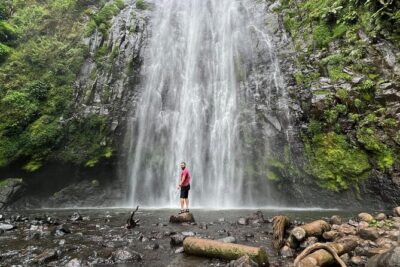
Maasai village visit, Materuni waterfalls & coffee experience
Read our review →
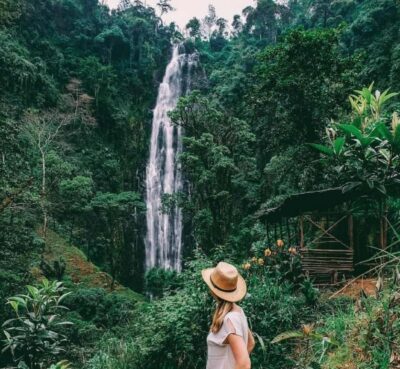
Materuni Waterfalls, Coffee, and Hotsprings Tour
Read our review →
Materuni Waterfalls, Visiting Chagga Village, CoffeeTour Kikuletwa Hotsprings
Read our review →
Materuni waterfalls,coffee tour & Kikuletwa(Chemka)Hot Springs
Read our review →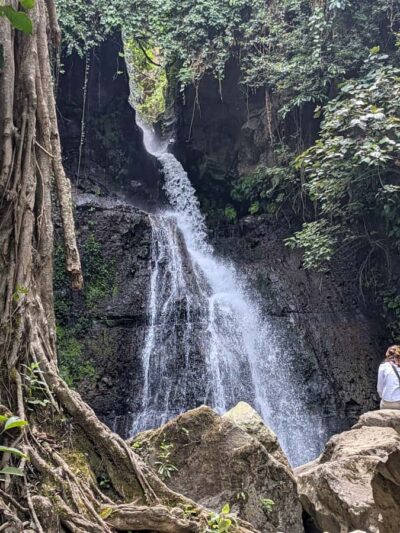
Browse the lists this tour appears in