

REVIEW · ARUSHA COFFEE TOURS
Coffee walk with stay in the village
Coffee tastes better after a walk. This three-day stay near Arusha takes you from coffee tree to roasted cup, with two nights on a working farm and time in a Tanzanian village. I like the organic, Fairtrade focus, and I like that your money supports farmers who receive about three times the usual coffee payment. The main consideration is the walking: the program covers village streets, a coffee farm, and a 30 to 40 minute walk downhill to the roaster.
This is not a quick tasting squeezed between safari activities. You sleep at the farm guesthouse, eat homemade breakfast and dinner, and meet a guide who explains local customs as well as coffee production. Guide Samwel receives especially warm praise for his friendly manner and knowledge of the area and plants. If you want polished hotel comforts or a short, easy outing, this may feel too slow and informal. If you want local contact and a closer look at rural life, it offers real value.
Key points at a glance
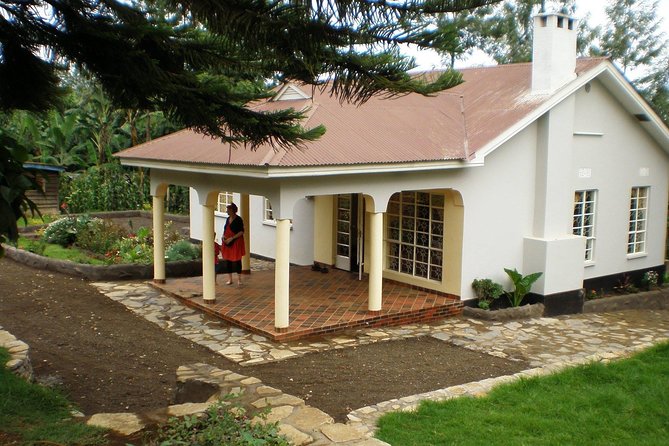
- Two nights on a coffee farm: Your guesthouse sits in the same village where the coffee is produced, so the visit feels connected to daily life rather than separated from it.
- Organic and Fairtrade production: You learn why chemical-free growing matters and how higher payments can help farming families.
- A village walk with useful context: The route passes a hospital, primary and secondary schools, an orphanage, and the oldest church on the mountain.
- Coffee from seed to cup: The day covers growing, traditional and organic methods, walking to the roaster, and the final hot drink.
- Home cooking is part of the experience: Breakfast and dinner come from the guesthouse kitchen, while lunch includes chapati, roasted banana, rice, ugali, goat sauce, spinach, salad, and fruit.
- Private and flexible: Only your own group takes part, with pickup from Arusha town or the airport available by arrangement.
Why this coffee stay feels different
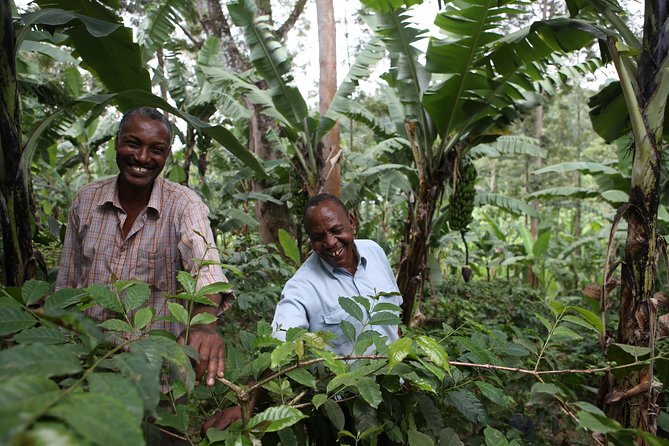
Many coffee tours show you a plantation, offer a sample, and return you to town before you have learned much about the people doing the work. This one gives you two nights in the village. That extra time changes the pace.
You arrive in the late afternoon, settle into your room, walk through the village, eat dinner, and wake up there the next morning. I like that arrangement because coffee is not treated as a product floating on its own. You see it beside schools, homes, a church, a medical facility, and the routines of village life.
The farm is described as organic and Fairtrade. Those labels matter here because the tour explains the financial side, not just the growing method. Farmers often receive low payments for coffee, sometimes too little to cover school costs for their children. This operation pays about three times the normal price. You can ask questions about that system while seeing the crop and its processing.
The farm also avoids chemical sprays. That offers a clear benefit for the people working among the trees and for the final drink. You are not simply told that organic coffee is better. You are shown the difference between traditional and organic production and given a reason to care about it.
The experience has a personal feel. It is a private activity, so your group is not mixed with a large busload of people. That should make it easier to ask questions, slow down for photographs, or spend more time talking with the guide.
More Coffee Walking Tours in Arusha:
- Coffee walk day trip
★ 5.0 · 10 reviews - Waterfall & Coffee Walking Tour
★ 5.0 · 6 reviews - 7 Days Tanzania Luxury Safari Experience & Coffee Walking Tour
★ 5.0 · 6 reviews
Day one: leaving Arusha at 5:00 p.m.
Pickup from Arusha town is scheduled for 5:00 p.m. You provide the pickup location when booking, and airport pickup is also possible. The drive to the village takes about 30 to 40 minutes, making this a simple first evening after arriving in the Arusha area.
Once you reach the guesthouse, you check into your room. There is time for a short walk in the village before dinner. That small first outing matters because it helps you understand where you are before the main coffee walk begins the following day.
The evening is intentionally quiet. You are not racing from one attraction to another. You eat a homemade dinner prepared by the chef, sleep at the farm, and prepare for the morning program.
I would arrive with enough energy for a walk, but not expect a nightlife stop or a formal evening program. The appeal is the village setting and the chance to settle into it. If you have just completed a long flight, the short drive and relaxed schedule work well. If you want to start a safari immediately, the two-night stay requires more planning.
Day two: village life before the coffee trees
Breakfast comes before the guided walk, with the coffee guide scheduled to meet you at about 9:30 a.m. The later start is useful. You can sleep properly, eat at an easy pace, and avoid beginning a walking day in a rush.
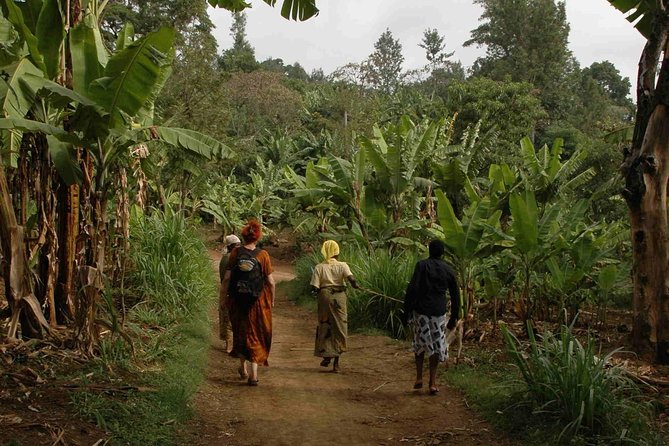
The route first heads toward the village center. Along the way, you see the hospital, primary and secondary schools, an orphanage, and the oldest church on the mountain. These are not decorative stops added for photographs. They give you a basic view of the services and institutions that shape village life.
The guide also explains culture and traditions. Samwel is the guide name most closely associated with the coffee walk, and the strongest praise centers on his friendly conversation, local experience, and ability to identify plants. I would take advantage of that by asking about the crops and trees you pass, not only about coffee.
This portion makes the tour broader than a farm visit. You are learning how the coffee farm fits into the community. The village walk also gives context to the Fairtrade message. A higher farm payment has meaning when you have seen the schools and understand why education costs matter to families.
The pace is on foot, so wear shoes you can comfortably use for several hours. The schedule lists roughly six hours for the day. That includes the village, farm, walking time, coffee activities, and lunch, so plan for a full outing rather than a short morning visit.
Seeing organic coffee in the field

From the village center, you walk to the organic coffee farm. The main lesson is the difference between traditional and organic production. You learn how coffee is grown, what happens to the crop, and why avoiding chemical sprays can protect both farm workers and the people who drink the finished coffee.
The most useful part is the link between the plant and the cup. Coffee often arrives in a bag with little sense of where it began. Here, the route follows the process from seed and tree to roasting. The guide’s local background adds practical detail, especially for questions about plants and farming methods.
Do not expect a factory tour with machines at every turn. The appeal is the working farm and the explanation of how coffee production supports the village. The experience is educational, but it remains informal.
The walk continues downhill to the roaster and takes about 30 to 40 minutes. That detail is easy to overlook when planning. Downhill may sound simple, but you still spend much of the day on your feet, and the return journey may not feel identical to the walk down. The supplied program does not specify how you return, so ask the operator about the final transport arrangement if walking distance is a concern.
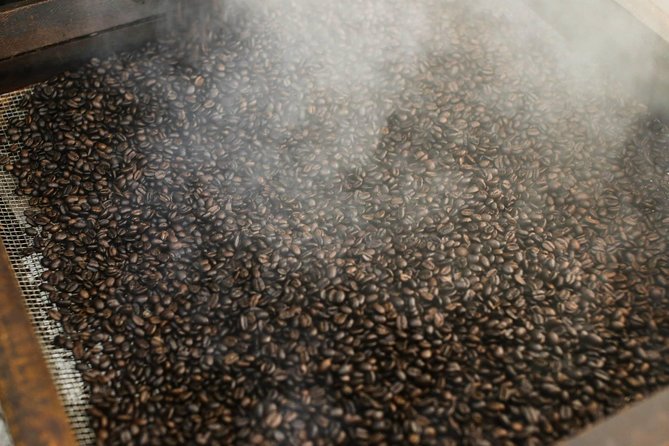
The coffee session is the point where the whole day comes together. You have seen the farm, heard about organic and traditional methods, and followed the route toward roasting. The result is not just a cup to sample. It is a small lesson in labor, pricing, farming, and taste.
A few more coffee tours around Arusha worth a look
- Materuni Waterfalls, coffee tour & Kikuletwa Hot Springs
★ 5.0 · 643 reviews - Materuni waterfalls coffee tour & Chemka hot springs Day trip
★ 5.0 · 131 reviews - Maasai village visit, Materuni waterfalls & coffee experience
★ 4.5 · 95 reviews - Materuni Waterfalls & Coffee Tour from Moshi
★ 5.0 · 92 reviews
A garden lunch with food from the village
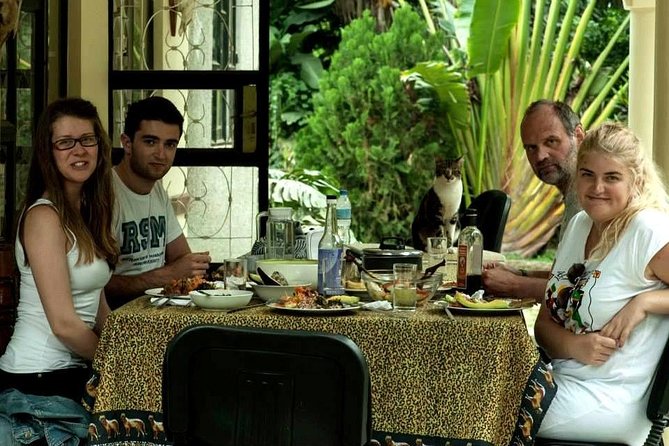
Lunch is served in the garden near the roaster. The menu includes chapati, roasted banana, rice, ugali, goat sauce, spinach, salad, and fruit. The description also refers to fruits of the sea, which appears to be a wording issue in the menu information, so ask the host what that item means when you arrive.
I like that lunch is built into the visit rather than treated as an afterthought. Food gives you another way to understand the place. Chapati and ugali offer familiar examples of local staples, while roasted banana and goat sauce add a taste of the village cooking style.
Breakfast and dinner are prepared at the guesthouse by the chef. A published account of the stay gives especially strong praise to the meals, as well as to the garden and the friendly staff. You should still remember that this is a small guesthouse, not a resort restaurant. Meal timing and choices may feel more personal and less standardized.
Tell the operator about any dietary needs before you arrive. The provided details do not promise special menus, so early notice is the sensible approach.
Two nights at the guesthouse
The guesthouse is in the same village as the coffee farm, and you sleep on a coffee farm for two nights. That is the central value of the package. A day trip can explain rural coffee production, but staying overnight lets you experience the place without returning to Arusha after the final cup.
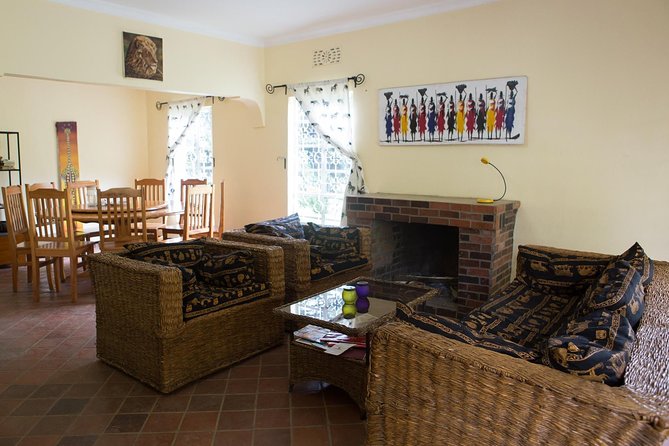
The accommodation is described as having attractive gardens and homemade meals. The information does not provide a room category, a full list of facilities, or a detailed description of bathrooms and bedding. If those details matter to you, ask before booking.
I would choose this stay for its setting rather than for luxury features. You get a quieter base, direct access to the village, and meals prepared on site. The tradeoff is that the experience may feel less predictable than a large hotel. That is part of its charm for some people and a drawback for others.
The two-night length also gives the trip a reasonable rhythm. Day one is arrival and orientation. Day two is the main activity. Day three is a slow breakfast and departure. You are not trying to fit a village visit, coffee education, and a long transfer into a single exhausting day.
Day three: a slow breakfast and return to Arusha
The final morning is deliberately unhurried. After breakfast, you are driven back to Arusha town, where you can continue your trip in Tanzania. The schedule lists about three hours for the day, which appears to include the departure and return transfer.
This is useful if you plan to connect with another activity in Arusha, but do not set an exact onward departure without confirming the return timing. The program gives an approximate schedule, not a guaranteed arrival hour.
The return transfer also makes the package practical for an itinerary that begins and ends in Arusha. You do not need to arrange separate transport to the village, and the provider can collect you from town or the airport at the start.
Is $270 a fair price?
At $270 per person, the price covers about three days, two nights of accommodation, meals, guided activities, and transport from Arusha to the village and back. You are also paying for a private tour, not a shared group outing.
The value depends on how you measure a coffee tour. If you only want a cup of coffee and a short plantation visit, this is more than you need. If you would otherwise pay separately for a village excursion, guesthouse, meals, and transfers, the package becomes easier to justify.
The Fairtrade payment is another part of the value. The operation says it pays farmers about three times the normal price. You are not only buying an activity, but also supporting a model that aims to return more money to producers.
Group discounts are available, which may improve the per-person cost for families or friends traveling together. Since the activity is private, a small group can get both personal attention and a better rate if the discount applies to its booking.
Who will enjoy this most?
I would recommend the experience to you if you enjoy walking, local food, small guesthouses, and conversations that go beyond sightseeing. It suits people who want to understand how an export crop affects a community.
It also fits a longer Tanzania itinerary. You can begin from Arusha, spend two nights in the village, and then return for a safari, trek, or other plans. Airport pickup adds flexibility at the start.
You may want to choose a different activity if you need highly structured sightseeing, luxury accommodation, or minimal walking. The day lasts about six hours, and the route includes village streets, a farm visit, and a walk to the roaster. The provider says most people can take part, but the supplied information does not give detailed mobility guidance.
The private format is helpful for couples, families, or friends who want to set their own pace. The experience also suits coffee drinkers who want to know more than the country of origin printed on a package.
Practical details before you book
The activity runs from Monday through Sunday, with stated operating hours from 8:30 a.m. to 11:00 p.m. Confirmation is provided at booking. Public transportation is nearby, though pickup from Arusha is the more useful option for this itinerary.
Bring comfortable walking shoes and clothing suited to a full day outside. That is practical advice based on the walking schedule, not a claim about a specific dress code. You should also confirm pickup time, room details, dietary needs, and the return arrangement from the roaster before departure.
Free cancellation is available if you cancel at least 24 hours before the start time. Cancellations made less than 24 hours before the start do not receive a refund, and changes inside that period are not accepted. Cutoff times use local time.
Should you book the coffee walk?
Book it if you want more than a tasting. The best parts are the two nights on the farm, the village setting, the organic and Fairtrade explanation, and the personal guiding associated with Samwel. The food and garden add warmth, while the private format keeps the day from feeling rushed.
Skip it if your schedule allows only a short stop or if a long walking day sounds tiring. Also ask for accommodation and transport details if you need firm standards.
For a slower, more human side trip from Arusha, I would choose this coffee stay. It connects the drink in your cup with the farm, the workers, the village, and the price paid for the crop. That is a good lesson to carry into the rest of Tanzania.
FAQ
Where does the coffee walk take place?
It takes place in the Arusha Region, in a village where the coffee is produced. The guesthouse is in the same village as the coffee farm.
How long is the experience?
The experience lasts approximately three days and includes two nights at the guesthouse.
What time is pickup on the first day?
Pickup from Arusha town is scheduled for 5:00 p.m. You provide the pickup location when booking.
Is airport pickup available?
Yes. Airport pickup is possible in addition to pickup from Arusha town.
How long is the drive to the village?
The drive from Arusha town to the village takes about 30 to 40 minutes.
What happens during the main coffee walk?
You walk through the village, visit the organic coffee farm, learn about local culture and traditions, compare traditional and organic coffee production, and walk to the roaster.
How long does the second day take?
The second day lasts approximately six hours, beginning after breakfast at about 9:30 a.m.
What food is included?
The guesthouse serves homemade breakfast and dinner. Lunch includes chapati, roasted banana, rice, ugali, goat sauce, spinach, salad, and fruit.
Is this a private tour?
Yes. Only your own group takes part in the activity.
What is the cancellation policy?
You can cancel for a full refund up to 24 hours before the experience start time. Cancellations or changes made less than 24 hours before the start are not accepted for a refund.
Just added around Arusha
- Private Tour to Marangu Waterfalls, Chagga Caves, Coffee tour & Hot Springs★ 5.0 · 7 reviews
- Materuni (Coffee Tour) and Chemka (Kikuletwa Tour)★ 5.0 · 8 reviews
- Private Tour to Materuni waterfalls, coffee tour & Kikuletwa hot- springs★ 5.0 · 14 reviews
- Waterfall & Coffee Walking Tour★ 5.0 · 6 reviews
- Private Full-Day Materuni Waterfall, Coffee and Hot-spring Tour in Moshi★ 5.0 · 5 reviews
- Materuni Waterfall Hike & Coffee Tour★ 5.0 · 4 reviews
- Private Materuni Waterfalls, Coffee Tour and Kikuletwa Hot Spring★ 5.0 · 4 reviews
- Waterfalls, Coffee, Hotsprings, Food Cuisine, & Serval Wildlife★ 5.0 · 6 reviews
Arusha Coffee Tours, compared.
Materuni Waterfalls, coffee tour & Kikuletwa Hot Springs
Read our review →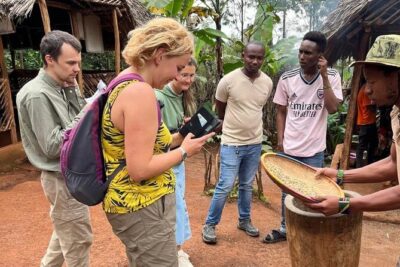
Materuni waterfalls coffee tour & Chemka hot springs Day trip
Read our review →
Maasai village visit, Materuni waterfalls & coffee experience
Read our review →
Materuni Waterfalls, Coffee, and Hotsprings Tour
Read our review →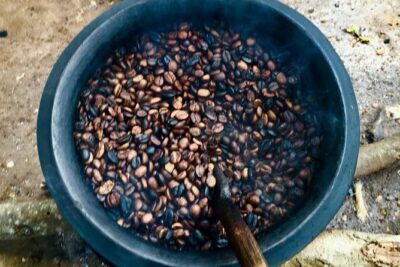
Coffee tour and Buffet Lunch with Kingstone Asilia (Arusha)
Read our review →
Materuni Waterfalls, Visiting Chagga Village, CoffeeTour Kikuletwa Hotsprings
Read our review →
Materuni waterfalls,coffee tour & Kikuletwa(Chemka)Hot Springs
Read our review →Browse the lists this tour appears in