
REVIEW · TURKEY COFFEE TOURS
Cappadocia: Turkish Coffee Workshop on Sand & Fortune + Gift
Slow coffee, old customs, and a little fortune telling make this two-hour workshop more than a caffeine stop. In Göreme, you select your beans, grind them by hand, and brew them on heated sand with help from Turkish coffee masters. I especially like the hands-on preparation and the chance to try menengiç coffee, a caffeine-free Cappadocian drink. The main consideration is that the fortune reading is playful and cultural, so you should not book this expecting a serious prediction about your future.
The $33 price also includes a cezve, cup, coffee, and booklet to take home. That makes this a strong value for a short indoor activity, especially when the weather is poor or you want a break from Cappadocia’s outdoor sights. The workshop can suit small parties or groups of up to 60, but a larger class may feel less personal.
Key points before you book
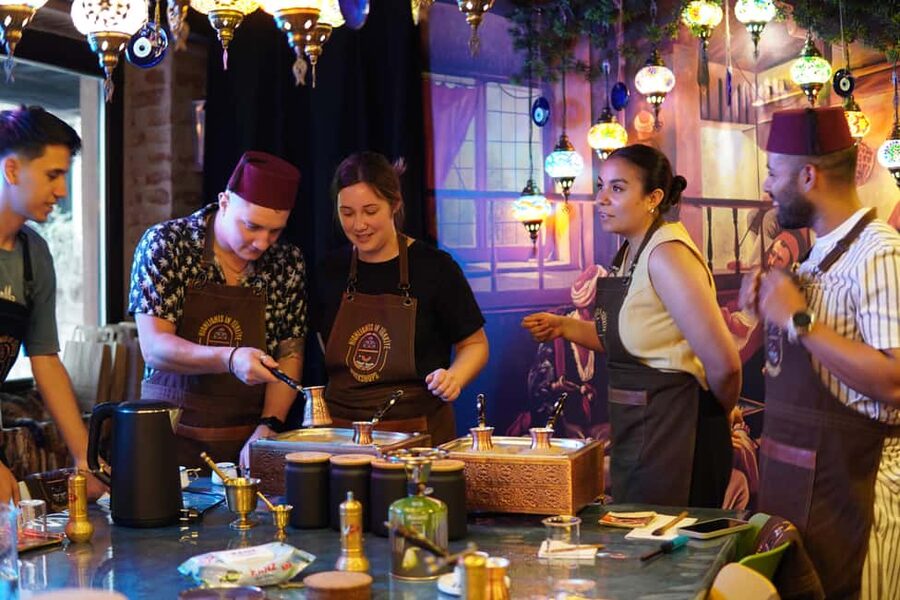
- You grind your own beans: The workshop begins with bean selection and an old-style hand mill, rather than a ready-made demonstration.
- Sand brewing is the central craft: You learn to control the heat and foam in a copper cezve resting in hot sand.
- Menengiç coffee adds a local twist: This nutty, caffeine-free Anatolian drink gives you something beyond standard Turkish coffee.
- The cup reading is part of the ritual: After drinking, you close the cup and have the grounds interpreted in a light, social setting.
- The gift has real use: You take home a cezve, cup, coffee, and recipe booklet so the lesson can continue at home.
- The setting is easy to find: The atelier is on the terrace floor of Nomads Cave Hotel, left of Quick China Restaurant, in central Göreme.
Why this Göreme workshop is worth two hours
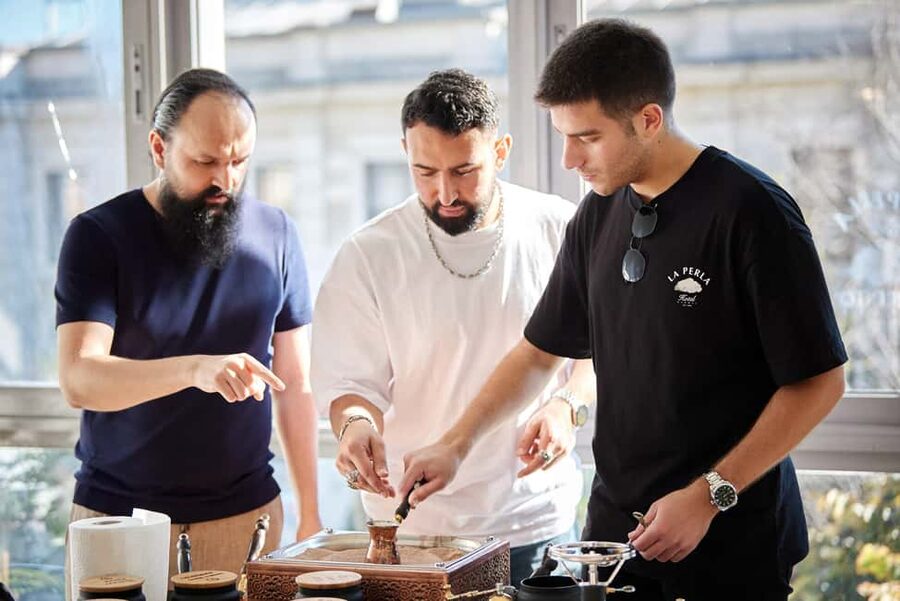
Cappadocia offers plenty of grand scenery, from fairy chimneys to underground cities. This activity works on a smaller scale. You sit down, slow the pace, and learn a daily tradition that has carried social meaning in Turkey for centuries.
Turkish coffee is listed by UNESCO as intangible cultural heritage. That does not mean you need a lecture to appreciate it. The value here is seeing how many small actions matter: choosing the beans, grinding them fine, adding the right amount of water, watching the foam, and serving the cup without rushing.
I like that you are not simply handed a finished drink. The class gives you a role in every stage. Even if your first attempt is not perfect, the process helps explain why Turkish coffee is treated as a ritual rather than a quick morning beverage.
The activity also gives you a pleasant change of pace. After a hot-air balloon morning, a long valley walk, or a day of sightseeing, two hours in a calm atelier can feel welcome. Fresh coffee, Turkish tea, Turkish delight, and soft background music create an easy setting for conversation.
More Coffee Making Classes in Turkey
- Istanbul: Turkish Coffee Making and Fortune Telling Workshop
★ 4.9 · 1,308 reviews - Cappadocia: Sand-Brewed Turkish Coffee Workshop
★ 4.9 · 745 reviews - Istanbul: Turkish Coffee Making and Fortune Telling Workshop
★ 4.9 · 451 reviews
Finding the atelier at Nomads Cave Hotel
The meeting point is on the terrace floor of Nomads Cave Hotel in central Göreme. Look for the hotel to the left of Quick China Restaurant. A staff member at the entrance welcomes you and directs you upstairs.
This central position is useful. You can combine the workshop with lunch, dinner, or a walk among Göreme’s restaurants and boutique shops. There is no separate transfer included, so plan to reach the hotel on your own.
The setting is described as a traditional coffee atelier rather than a formal cooking school. That distinction matters. You are there for cultural exchange and a guided ritual, not a technical barista course with certificates or advanced coffee equipment.
The workshop is offered in English and Turkish. Past sessions have been led by Zehra, Ahmet, and Denis, with particularly warm praise for their clear explanations, storytelling, and friendly manner. Since the instructor can vary, the tone may differ slightly from one session to the next, but the main activity remains the same.
Choosing beans and using the hand mill
The first practical step is selecting your coffee beans. You then grind them yourself with a hand-operated mill.
This part gives the workshop a useful physical quality. You are not watching someone perform every task while you sit back. Turning the mill helps you understand how Turkish coffee begins with a very fine grind. It also makes the aroma part of the experience before the coffee reaches the cup.
Your instructor supports you in English or Turkish as you work. That guidance is helpful because the grinder and preparation method may be unfamiliar. The goal is not speed. The class encourages you to take your time and notice the scent and texture of the freshly ground coffee.
I would pay attention here if you want to repeat the process at home. The gift includes ground coffee, but the hand grinder is part of the workshop equipment rather than a listed take-home item. The included booklet covers Turkish coffee history and brewing techniques, so you can use the lesson and booklet together later.
Brewing coffee slowly on hot sand
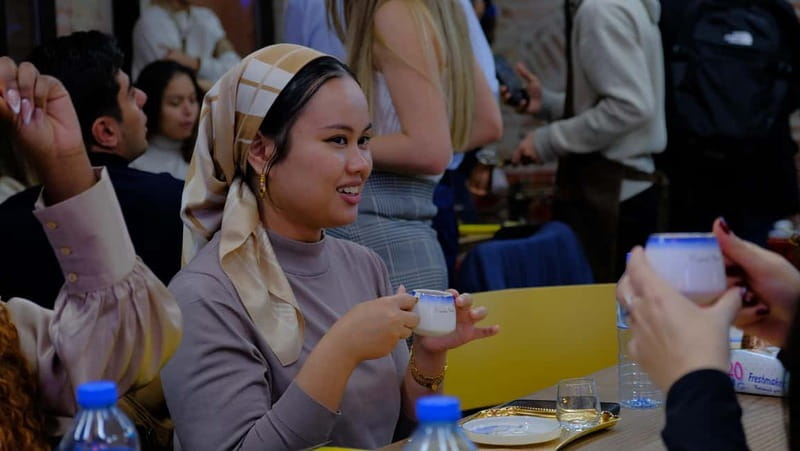
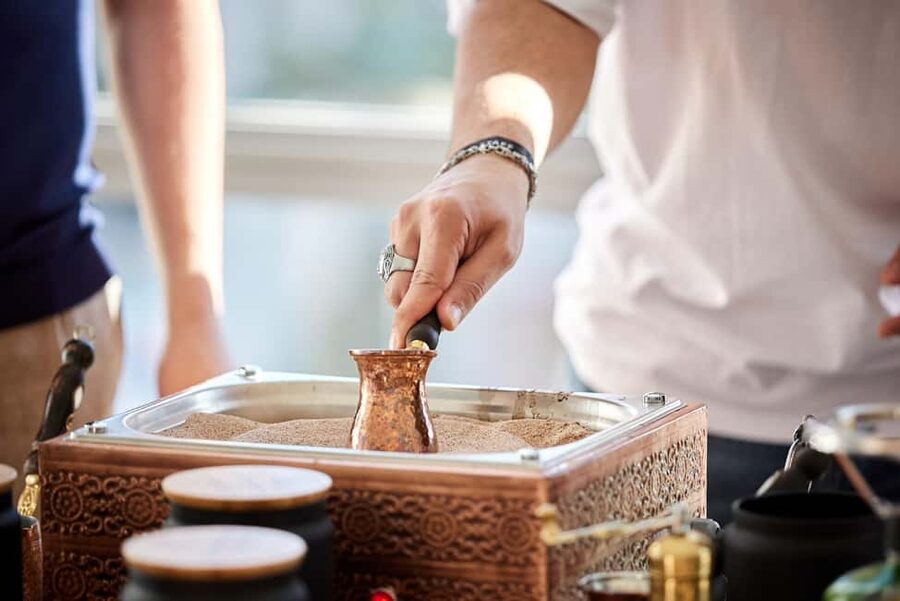
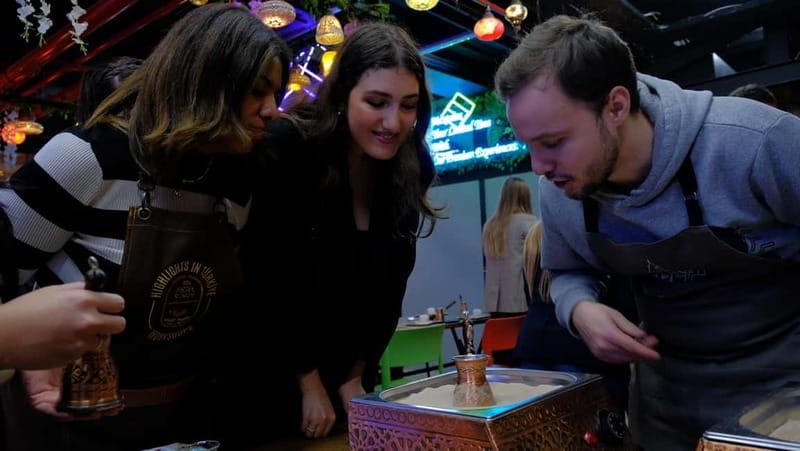
The signature moment is brewing the coffee in a copper cezve on a roasting pan filled with sand. Hot sand provides an old-style method of distributing heat around the pot. It also makes the preparation easy to watch, since you can see the cezve move through the sand as the coffee develops.
Your task is to brew carefully and pay attention to the foam. The instructor explains how to control the process, and you prepare your own cup with support. Foam matters in Turkish coffee, both for texture and presentation, so this is more than a decorative step.
The sand setup is also visually appealing. It gives the workshop a clear connection to older coffee customs and makes a simple drink feel ceremonial. If you enjoy practical demonstrations, this is likely to be the most memorable part.
Do not expect a café-style cup. Turkish coffee is finely ground and traditionally served with the grounds remaining in the bottom. The class focuses on the method and ritual, so the experience is as important as the taste.
More Turkish Coffee Experiences in Turkey:
- Turkish Coffee on Sand Workshop: Fortune Telling & Gift Set
★ 5.0 · 309 reviews - Istanbul Turkish Coffee Making & Fortune Telling Workshop
★ 5.0 · 173 reviews - Istanbul: Sand Brewed Turkish Coffee Workshop in Old Town
★ 4.9 · 142 reviews - Antalya:Turkish Coffee Workshop + Fortune Telling + Gift Set
★ 5.0 · 127 reviews
Tasting Turkish coffee and menengiç coffee
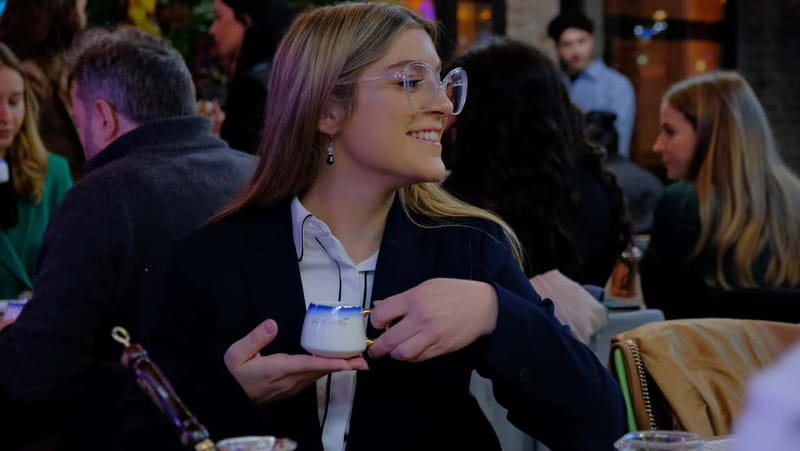
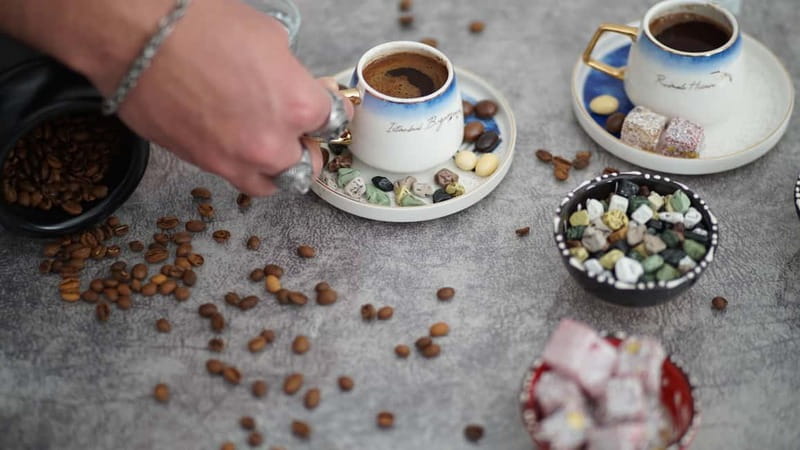
You taste the coffee you prepare, along with Turkish tea and local sweets such as Turkish delight. These small additions matter because coffee in Turkey is often connected with hospitality and conversation. The drink is not presented in isolation.
The workshop also introduces menengiç coffee, a caffeine-free drink associated with Cappadocia and Anatolia. Its flavor is described as nutty, giving you a useful comparison with standard Turkish coffee.
Menengiç coffee is a good reason to book this activity even if you already know Turkish coffee. It offers a regional variation and may suit you if you avoid caffeine. The supplied information does not specify exactly how it is prepared during the session, so expect a tasting and explanation rather than assume you will make a full second drink from scratch.
The snacks keep the mood informal. You can sip, compare flavors, and ask questions without the pressure of a timed tasting menu. It is a social activity, and the food helps make it comfortable for couples, families, and mixed-age groups.
Closing the cup and reading the grounds
After you finish drinking, the cup is turned over and left closed so the remaining grounds can settle. The instructor then reads the shapes and symbols left inside.
This fortune ritual is one of the most praised parts of the experience. Zehra and Ahmet are both noted for making the reading engaging, while other instructors have been appreciated for giving each person time and attention. Some people find the interpretations surprisingly personal. Others will treat it as a bit of fun.
I would approach this with an open but sensible attitude. The reading is a traditional social custom, not a guaranteed prediction. Its value comes from the stories, symbols, laughter, and chance to share a familiar Turkish ritual with your group.
The reading also gives the workshop a strong ending. You begin with raw beans and finish with a cup that becomes part of a conversation. That change from making the drink to interpreting its remains is unusual, and it gives the two hours a clear rhythm.
What comes home with you
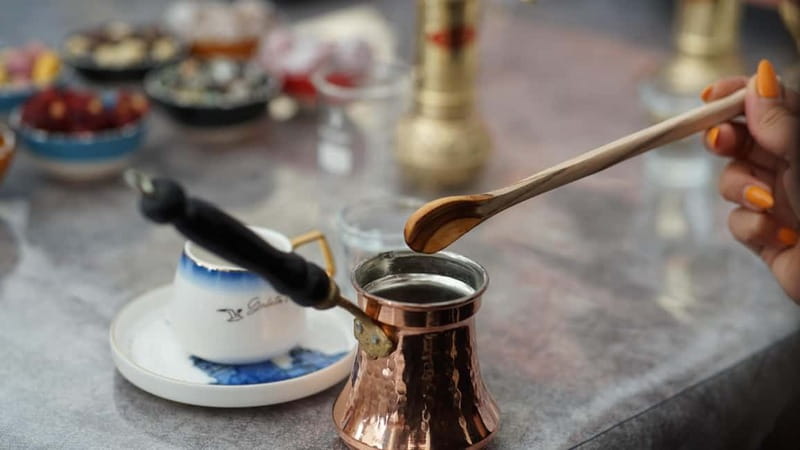
The take-home set is a major part of the price. You receive:
- A traditional coffee pot, or cezve
- A coffee cup
- A package of Turkish coffee
- A special Turkish coffee booklet with history and brewing guidance
The experience also lists a coffee roasting pan with sand, premium beans, a hand-operated grinder, Turkish delights, and snacks as included items. The gift set specifically centers on the cezve, cup, coffee, and booklet.
At $33 per person, that package improves the value considerably. A short cultural class can feel expensive if it ends with only a drink and a photograph. Here, you leave with tools and ingredients that let you repeat the ritual at home.
The booklet is especially useful for first-time coffee makers. You can refer back to it when you want to recreate the process, though the experience does not promise that every piece of workshop equipment comes in the gift package. If you are packing light, remember that a copper cezve and cup take up more room than a small souvenir.
How much personal attention should you expect?
The workshop accepts groups of up to 60. That capacity makes it suitable for tour groups, family reunions, and larger celebrations, but group size can affect the pace.
In a small class, you are more likely to receive close guidance while grinding, brewing, and discussing the cup. In a large group, the instructor may need to move from person to person, and the fortune reading could take longer or feel more general.
The strongest feedback focuses on the instructors’ warmth and clarity. Zehra is often praised for being kind, welcoming, and easy to follow. Ahmet receives praise for storytelling and for explaining coffee culture beyond the mechanics. Denis has also been described as friendly and helpful.
If the class is full, you can still expect the main steps, but do not assume the same quiet, personal pace as a private lesson. The product is best understood as a shared cultural workshop with individual participation.
Who will enjoy this most?
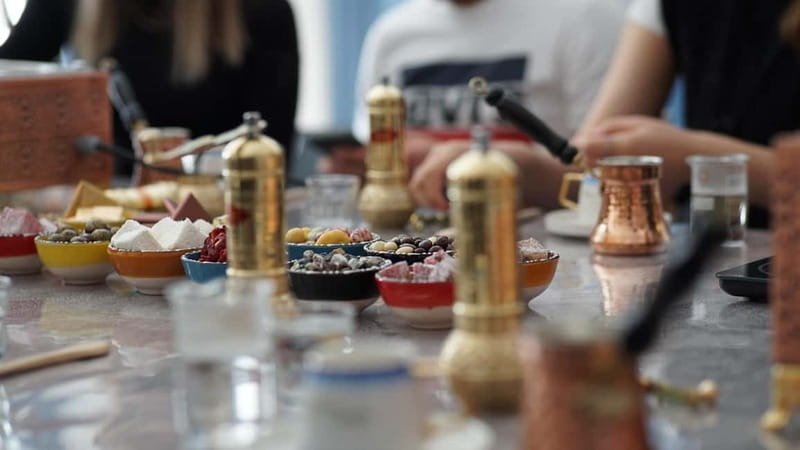
I would recommend it to you if you enjoy food traditions, small museums, craft demonstrations, or activities that help explain local customs. It is also a good option if you want an indoor plan between Cappadocia’s outdoor excursions.
Coffee lovers will appreciate choosing and grinding the beans. History lovers will enjoy the stories about coffee arriving in Turkey and the customs that grew around it. Couples and families can take part together, and children may enjoy the hand mill, tea, sweets, and symbolic cup reading, though the provided information does not specify a minimum age.
It is less suitable if you want a fast tasting, a serious professional coffee qualification, or a guaranteed private session. It may also disappoint you if you dislike strong coffee, do not enjoy symbolic fortune telling, or prefer a tightly timed sightseeing tour.
You do not need to be a coffee expert. The instructors explain the process from the beginning, and the workshop is designed around participation rather than prior skill.
Price, timing, and practical details
The listed price is $33 per person for two hours. I consider that good value because it combines instruction, several tastings, snacks, the cup reading, and a useful gift set.
The experience does not include hotel pickup or transportation. You meet at Nomads Cave Hotel in Göreme, so allow time to find the terrace entrance. The central location makes it easy to fit around your day, but you should check the available starting times when booking.
Free cancellation is available up to 24 hours in advance for a full refund. You can also reserve now and pay later, which helps if your Cappadocia plans depend on weather or balloon availability.
The class is offered in English and Turkish. If you need another language, the supplied information does not confirm that one is available, so ask before booking.
Should you book the Turkish coffee workshop?
Book it if you want a relaxed, practical way to connect with Turkish culture in Göreme. The hand grinding, sand brewing, menengiç coffee, and cup reading give the activity more character than a basic coffee tasting. The take-home cezve and booklet also make the $33 price feel fair.
I would be cautious only if you need a private class, dislike group activities, or take fortune telling literally. For most people, the reading works best as a social tradition with room for humor.
This is not Cappadocia’s biggest spectacle. That is the point. It is a gentle, memorable pause in a region packed with busy day tours, and it sends you home with both a story and the means to brew another cup.
FAQ
Where does the Turkish coffee workshop take place?
It takes place on the terrace floor of Nomads Cave Hotel in Göreme, to the left of Quick China Restaurant. A staff member at the entrance will welcome you and show you where to go.
How long does the activity last?
The workshop lasts two hours. Starting times vary, so you should check availability when booking.
How much does the workshop cost?
The listed price is $33 per person.
What languages are offered?
The workshop is offered in English and Turkish.
Do I make the coffee myself?
Yes. You select the beans, grind them with a hand-operated mill, and brew the coffee in a cezve on heated sand with guidance from the instructor.
Is menengiç coffee included?
Yes. The experience includes a menengiç coffee experience. This is a caffeine-free, nutty drink associated with Cappadocia and Anatolia.
Is fortune telling part of the workshop?
Yes. After drinking the coffee, you close the cup and the remaining grounds are read as symbols in a traditional fortune ritual.
What gift do I take home?
The gift set includes a traditional cezve, a cup, ground coffee, and a Turkish coffee booklet with information about the tradition and brewing methods.
Can I cancel the booking?
You can cancel up to 24 hours in advance for a full refund. The activity also allows you to reserve now and pay later.
Just added around Turkey
- Turkish Coffee and Traditional Turkish Dessert Cooking★ 4.6 · 8 reviews
- Walking Tour from Taksim to Galata (inc. Turkish Coffee Tasting)★ 5.0 · 10 reviews
- Istanbul Turkish Coffee Cooking and Tasting with Locals at Home★ 5.0 · 3 reviews
- Istanbul Home Style Turkish Coffee Making and Fortune Telling★ 5.0 · 4 reviews
- Home Style Turkish Coffee Making and Fortune Telling★ 5.0 · 10 reviews
- Antalya: Turkish Coffee Brewing on Sand & Fortune Telling★ 4.9 · 7 reviews
- Istanbul: Turkish Coffee Trail★ 3.6 · 16 reviews
- Afternoon Bosphorus Boat and Bus Tour with cable car from Pierre Loti Coffee★ 3.0 · 25 reviews
Turkey Coffee Tours, compared.
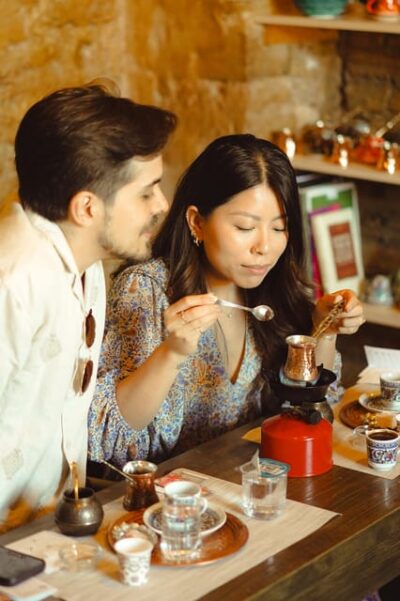
Turkish Coffee Making and Fortune Telling Workshop
Read our review →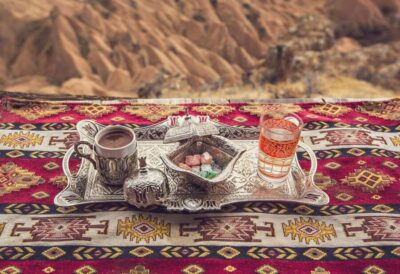
Turkish Coffee Making and Fortune Telling Workshop
Read our review →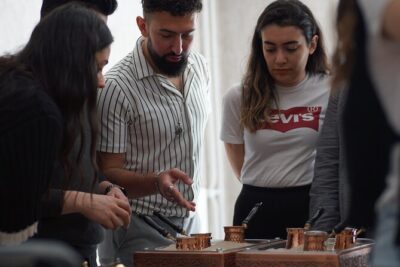
Turkish Coffee on Sand Workshop: Fortune Telling & Gift Set
Read our review →
Istanbul Highlights: Guided Tour with Turkish Tea or Coffee
Read our review →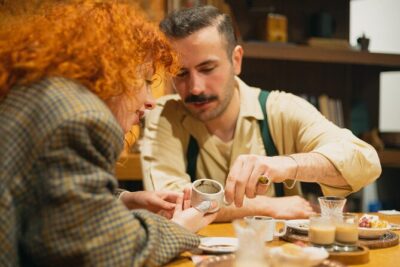
Istanbul Turkish Coffee Making & Fortune Telling Workshop
Read our review →
Sand Brewed Turkish Coffee Workshop in Old Town
Read our review →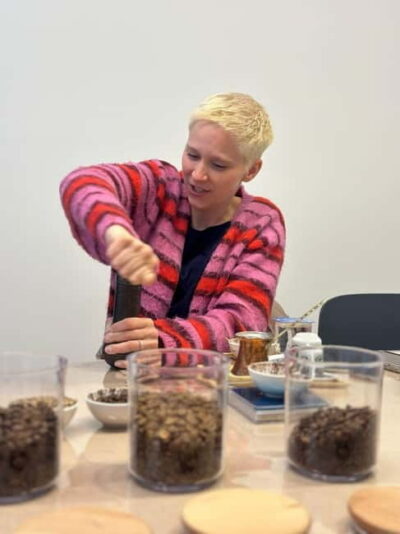
Turkish Coffee Workshop + Fortune Telling + Gift Set
Read our review →Browse the lists this tour appears in