

REVIEW · HOI AN COFFEE TOURS
Authentic Vietnamese Coffee Making Experience in Hoi An
Coffee is Hoi An’s tastiest lesson. This two-hour class gives you a hands-on look at Vietnam’s coffee culture, and I especially like the traditional phin filter demonstration and the chance to make two drinks yourself. The egg, coconut, and salt coffee options also make this more interesting than a standard café stop.
The main limitation is simple: you choose two coffee styles, not all four. A few past sessions included tastings of every type, but you should book expecting to prepare two. There is also no pickup or drop-off, so you’ll need to reach the meeting point at 88 Đường Đ. Phan Chu Trinh on your own.
At $18 per person, the class offers a good mix of instruction, tasting, and practical skills. You receive the recipes, tools are provided, and the English-speaking instructors, including Van and David, have been praised for making the session relaxed and easy to follow.
Key points to know before booking
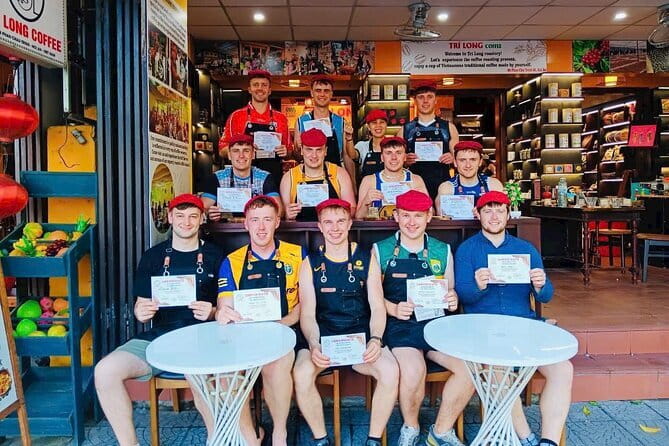
- Make two Vietnamese coffees yourself: Choose from phin drip, egg, coconut, and salt coffee.
- Learn the traditional phin method: This slow-drip brewer shows why Vietnamese coffee takes patience.
- Taste unusual local specialties: Egg coffee and salt coffee are the most distinctive choices.
- Take home useful extras: The price includes recipes and a Vietnamese coffee-making certificate.
- Plan your own arrival: The class begins and ends at 88 Đường Đ. Phan Chu Trinh, near public transportation.
- Allow about two hours: It is long enough for instruction and tasting without taking up your whole day in Hoi An.
Why a coffee class fits Hoi An so well
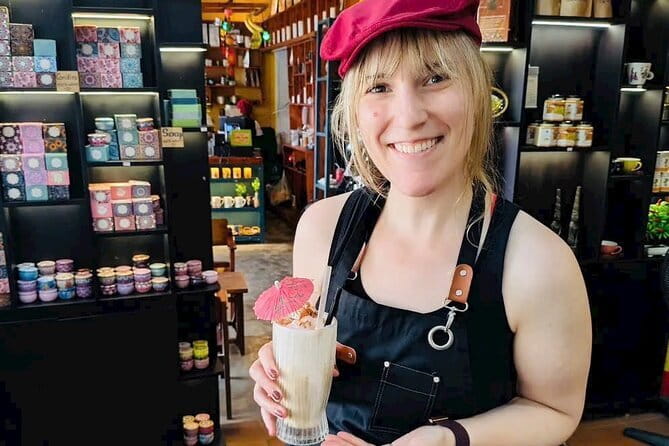
Hoi An is known for lantern-lit streets, old shopfronts, and excellent cafés. Coffee belongs in that picture. Vietnamese coffee is not simply a quick caffeine stop. The brewing method, sweetened condensed milk, and creative regional recipes are part of daily life.
I like this class because it gives you something to do with your cup. You are not only handed a finished drink. You learn how the coffee is prepared, hear about beans grown in Vietnam, and then make your own version under instruction.
That makes the experience useful after your holiday. The recipe card means you can try the same drinks at home. You may not have every local ingredient, but the method gives you a clear starting point.
The class also works well when you want a break from sightseeing. Two hours is enough time to slow down, sit with a drink, and learn something new without committing to a full-day activity. It can be a good choice during a hot part of the day, although one piece of practical advice is worth following: choose a cooler time if possible.
More Coffee Making Classes in Vietnam
- Hoi An: Hands-on Vietnamese Coffee Making Class with Long
★ 4.8 · 66 reviews - Hoi An: Vietnamese Coffee Making Course
★ 4.9 · 25 reviews - Coffee Class & Basket Boat Experience or Lantern Class -optional
★ 5.0 · 18 reviews
Arriving at 88 Đường Đ. Phan Chu Trinh
The meeting point is at 88 Đường Đ. Phan Chu Trinh in Phường Minh An, Hoi An. The activity ends at the same address, and the location is near public transportation.
Because pickup is not included, check your route before leaving. You will need to arrive at the class location yourself rather than waiting at your hotel. A mobile ticket is provided, and you are asked to provide your WhatsApp number when booking. That gives the provider a direct way to contact you about the session.
The address matters because Hoi An’s old center is easy to explore on foot, but a wrong turn can cost time. I would save the address on your phone and allow a little extra time, especially if you are coming from outside the central area.
The class can accept up to 50 people. That is the stated maximum, not a promise that every session will be full. A smaller group should feel more personal, while a larger group may mean less individual attention when you are preparing your coffee.
The phin filter: Vietnam’s slow-drip classic
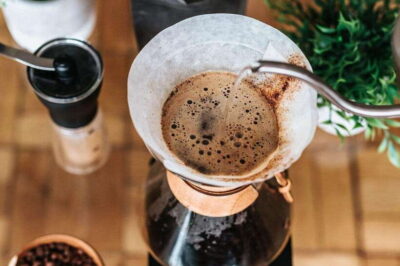
The class begins with the Vietnamese phin filter. This small metal brewer sits directly over your cup. Hot water passes slowly through compacted coffee, producing a strong brew with a steady drip.
The method looks simple, but the details affect the result. Coffee quantity, water, pressure, and patience all matter. The demonstration helps you see how Vietnamese coffee is built rather than treating the phin as a mysterious gadget.
I consider this the most useful part for anyone who enjoys coffee at home. A phin is compact, inexpensive, and easier to pack than many brewing devices. Once you understand the basic process, you have a practical souvenir, even if you do not buy one during your stay.
The coffee is usually bold enough to pair with condensed milk, though the precise taste depends on the beans and preparation. The class introduces Vietnam’s coffee culture and different local beans, giving the drink more context than a menu description can provide.
One point to keep in mind: slow-drip coffee is not instant. The pace is part of the experience. If you want several drinks quickly, this may feel leisurely. If you enjoy watching a cup develop one drop at a time, it is a pleasing change from rushed sightseeing.
Choosing between egg, coconut, and salt coffee
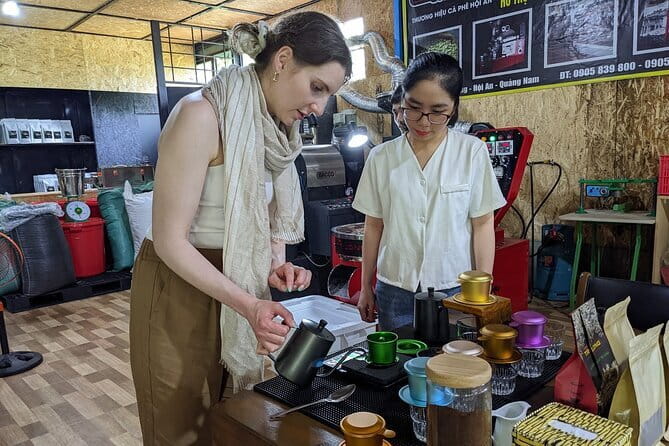
After the basic coffee lesson, you choose two styles to make. The four available options are phin filter coffee, egg coffee, coconut coffee, and salt coffee.
The choice is important because each drink offers a different kind of lesson. You are not simply selecting two flavors. You are choosing two preparation methods and two ways Vietnam turns strong coffee into a dessert-like or refreshing drink.
More Vietnamese Coffee Experiences in Hoi An:
- Hoi An: Hand-on Making Vietnamese Coffee Class & Culture
★ 4.7 · 9 reviews - Vietnamese Coffee Making Class in Hoi An
★ 5.0 · 4 reviews - Hoi An Vietnamese Coffee Workshop: Hands-On Brewing Class
★ 5.0 · 3 reviews - Exploring Vietnamese Coffee Culture, Coffee Making in Hoi An
★ 3.7 · 3 reviews
Egg coffee for a creamy, sweet finish
Egg coffee is the best pick if you enjoy rich, smooth drinks. The mixture combines coffee, egg yolks, condensed milk, and sugar. The result has a creamy texture and a sweet flavor that can seem more like a small dessert than a regular morning coffee.
You watch the instructor turn the ingredients into a thick topping before combining it with coffee. The appeal is partly the taste and partly the surprise. Egg coffee sounds unusual until you try the silky mixture with a strong brew underneath.
I would choose this if you want the most famous specialty on the menu. It also gives you a recipe worth trying at home, although recreating the exact texture may take some practice.
Coconut coffee for a cool tropical note
Coconut coffee adds nutty sweetness and a tropical character. It is a good choice if you prefer a lighter-feeling drink or want a flavor that contrasts with the intensity of Vietnamese coffee.
The lesson explains how coconut becomes part of the drink rather than simply serving coffee beside a coconut snack. The combination is aromatic and refreshing, making it a natural choice for a sunny Hoi An afternoon.
The available information does not specify the exact temperature or presentation, so do not assume you will receive a particular iced format. What you can expect is a coffee preparation built around coconut flavor and a recipe to take with you.
Salt coffee for a surprising balance
Salt coffee is the most intriguing option for curious eaters. A small amount of salt can reduce bitterness and bring out the coffee’s other flavors. The point is balance, not a salty beverage.
This is a useful reminder that coffee is shaped by more than the beans. Sweetness, fat, salt, and brewing style all change the final cup. The instructor explains the reason for the combination, so the drink becomes a short lesson in taste as well as a novelty.
I would recommend salt coffee to anyone who normally adds sugar or milk to soften bitter coffee. It may change how you think about balancing a strong brew. Several people specifically enjoyed pairing salt coffee with egg coffee, since the two offer very different textures and flavors.
How the two-hour class usually feels
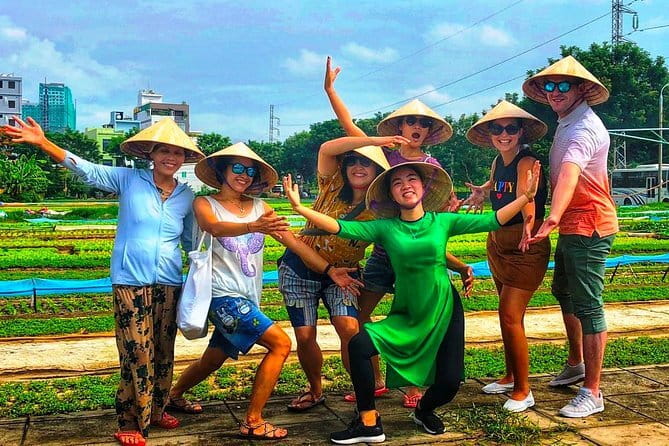
The experience is designed as a short course rather than a formal culinary school session. You begin with an introduction to Vietnamese coffee, then watch demonstrations and prepare your selected drinks with guidance.
The instructors speak English. Van has been praised for clear explanations, while David has been noted for giving people time to work without feeling rushed. Those details matter because coffee preparation can become confusing when several ingredients and tools appear at once.
A good class should give you enough instruction to understand the process, then let you take over. This experience appears to follow that balance. You do not only watch a barista perform the work. You make the coffee, taste it, and receive the recipe afterward.
The atmosphere is described as friendly and relaxed. That makes the class suitable for couples, solo visitors, and people who do not consider themselves coffee experts. You do not need advanced knowledge. Curiosity is enough.
Some sessions may include more tasting than the advertised two-drink format. However, the clearest expectation is that each person chooses two coffees to make. If sampling all four matters to you, ask before the class rather than assuming it is included.
What the $18 price includes
At $18 per person, the value is strongest if you want an activity with both entertainment and a take-home skill. The fee includes the coffee-making tools used in class, an English-speaking instructor, coffee and/or tea, a Vietnamese coffee-making course certificate, and the recipes for the drinks you prepare.
The certificate is a small extra, but it may appeal to people who enjoy collecting proof of hands-on activities. The recipes are more useful. They give you a way to repeat the experience after leaving Vietnam.
You are also paying for guidance. Buying a coffee at a café would cost less, but it would not explain the phin method, show you how egg or salt changes a drink, or let you prepare the beverage yourself.
The price does not include transportation. There is no hotel pickup or drop-off, so include the cost and time of reaching 88 Đường Đ. Phan Chu Trinh when comparing this class with activities that provide transfers.
For a two-hour experience, $18 is reasonable. It is especially good value if you enjoy food and drink activities, want an indoor break from the heat, or plan to use the recipes later. It is less appealing if you only want a quick tasting and have no interest in learning the preparation.
Who will enjoy this class most
I would recommend this experience to:
- Coffee drinkers who want to understand Vietnamese brewing
- First-time visitors looking for a short cultural activity in Hoi An
- Couples who want a shared, hands-on experience
- People who enjoy unusual flavors such as egg or salt coffee
- Anyone who wants recipes to recreate local drinks at home
- Visitors who prefer an activity that does not require a full day
It is also a good fit for beginners. You do not need to know the difference between coffee beans or own special equipment. The class explains the basics and provides the tools.
Families may need to consider the drinks and the stated maximum group size. The supplied information does not specify a minimum age, child price, or dedicated family format, so confirm those points directly if you are booking with children.
Coffee specialists may find the course introductory. The focus is on culture, preparation, and tasting rather than advanced roasting science. If you want detailed information about processing, altitude, or professional extraction, you may want a more technical workshop.
Practical advice for a better visit
Bring your booking confirmation on your phone and make sure the provider has your WhatsApp number. Since the activity uses a mobile ticket and no transfer is supplied, your phone is the main tool for finding the meeting point and receiving updates.
Choose your two drinks before arriving. Egg coffee is the creamy choice, coconut coffee is the tropical choice, and salt coffee offers the most unexpected flavor change. If you want a classic foundation, include phin filter coffee.
I would avoid scheduling the class too tightly against another activity. The stated duration is about two hours, and the class includes preparation, tasting, and explanations. A little breathing room makes the session more pleasant.
Try to attend when the weather is not at its hottest. The class takes place indoors, but a cooler time can make the walk to and from the address more comfortable. Afterward, you can continue exploring Hoi An’s cafés with a better understanding of what is in your cup.
The cancellation terms are fair but firm. You can receive a full refund if you cancel at least 24 hours before the local start time. Cancellations or changes made within 24 hours are not accepted for a refund.
Should you book the Hoi An coffee class?
Book it if you want more than a café photograph. The class gives you a clear introduction to Vietnamese coffee, lets you prepare two distinctive drinks, and sends you home with recipes and a certificate.
I especially like it for first-time visitors who want a small slice of local food culture without giving up half a day. Egg coffee and salt coffee provide the memorable moments, while the phin lesson gives you the most practical skill.
Skip it if you only want a fast coffee or expect a full tasting of all four styles. The advertised format is two coffees of your choice, and you must make your own way to the meeting point.
For $18, this is a friendly, useful Hoi An activity with strong value for coffee lovers. Choose your drinks carefully, arrive with enough time, and treat the class as both a tasting and a lesson.
FAQ
How long does the Vietnamese coffee class last?
The experience lasts approximately two hours.
How many coffees can I make?
You choose two types of coffee to make from the available options.
Which coffee styles are available?
The choices are Vietnamese phin filter coffee, egg coffee, coconut coffee, and salt coffee.
Is transportation included?
No. Pickup and drop-off are not included. You must reach the meeting point at 88 Đường Đ. Phan Chu Trinh, Phường Minh An, Hoi An.
What is included in the $18 price?
The price includes coffee-making tools, an English-speaking instructor, a Vietnamese coffee-making course certificate, the recipes for the coffees you make, and coffee and/or tea.
Can I cancel for a full refund?
Yes. You can cancel for a full refund at least 24 hours before the experience start time. Cancellations or changes made less than 24 hours before the start time are not accepted for a refund.
More Coffee Making Classes in Hoi An
- Hoi An Buffaloes Riding/Coracle Boat Tour/Coffee Class with Lunch
★ 4.5 · 15 reviews - Hoi An Coffee Making Workshop
★ 5.0 · 7 reviews - Coffee Making and Banh Mi Class Hoi An
★ 5.0 · 5 reviews - Hoi An:Coffee Making Class (Coffee: egg, Salt, Coconut, …)
★ 5.0 · 5 reviews
Just added around Hoi An
- Vietnamese Coffee Making Class in Hoi An★ 5.0 · 4 reviews
- Vietnamese Egg Coffee Making Course in Hoi An★ 3.5 · 2 reviews
- Hoi An Vietnamese Coffee Workshop: Hands-On Brewing Class★ 5.0 · 3 reviews
- Hoi An Coffee Tasting And Old Town Discovering Tour★ 5.0 · 4 reviews
- Hoi An Coffee Making Workshop★ 5.0 · 7 reviews
- Farming- Market- Lantern making- Coffee- Cooking (JHA4)★ 5.0 · 4 reviews
- Coffee Making and Banh Mi Class Hoi An★ 5.0 · 5 reviews
- Experience Making & Tasting Vietnamese Coffee in Hoi An★ 5.0 · 2 reviews
Hoi An Coffee Tours, compared.
Hands-on Vietnamese Coffee Making Class with Long
Read our review →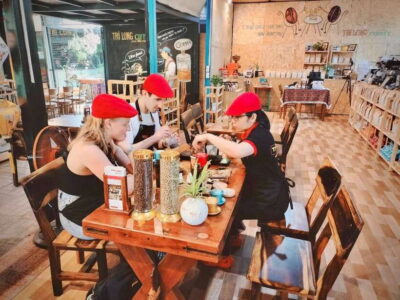
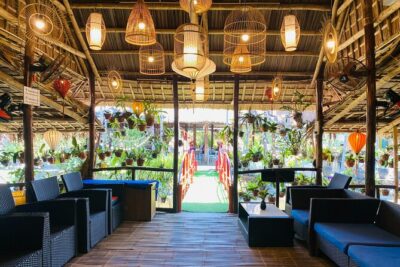
Coffee Class & Basket Boat Experience or Lantern Class -optional
Read our review →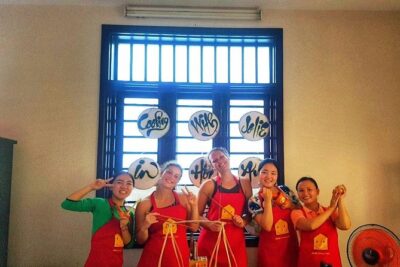

Hoi An Buffaloes Riding/Coracle Boat Tour/Coffee Class with Lunch
Read our review →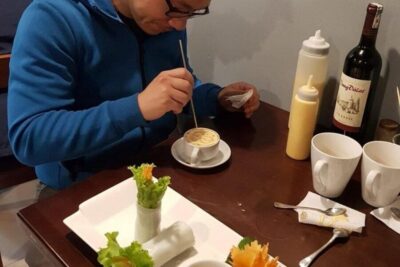
Browse the lists this tour appears in