
REVIEW · TANZANIA COFFEE TOURS
Arusha: Coffee Tour
Coffee tastes better when you make it. Near Lake Duluti, this hands-on coffee tour takes you from plantation to cup, with picking, roasting, grinding, singing, and fresh brewing. I like the chance to learn about organic farming directly from Richard, the farm owner, and I like that local lunch and hotel transport are included. The main consideration is that the tour lasts three and a half to four hours, so it takes a solid morning and may feel short if you want a long nature walk.
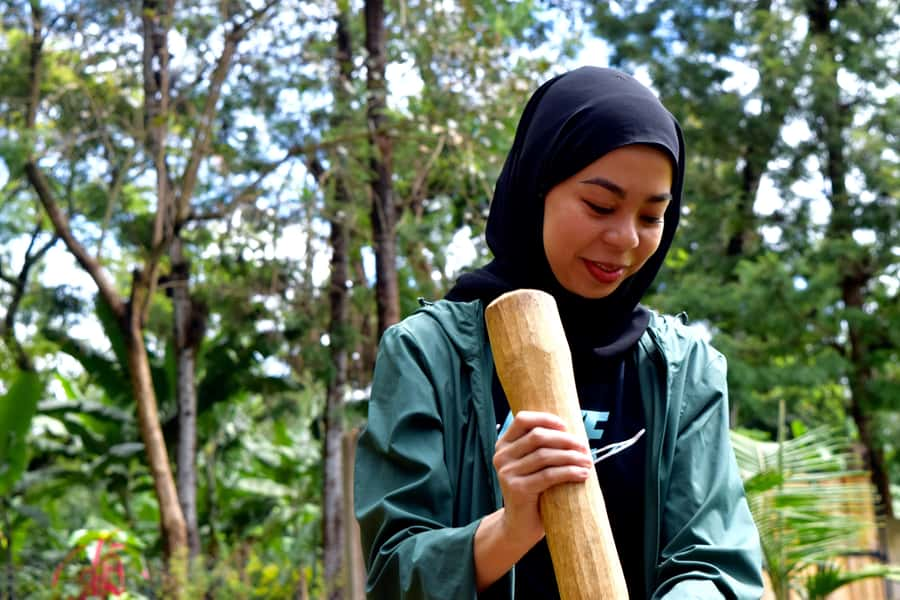
The strongest part is the simple, shared work: pounding sun-dried beans with a giant mortar and pestle, roasting them over an open flame, then drinking what you made. Guides such as Imran and Jambo have also been praised for clear communication, punctual pickup, and calm driving. If you want a bag of beans to take home, bring extra money, since packaged coffee costs more.
Key points at a glance
- Bean-to-cup work: Pick, roast, grind, and brew coffee yourself instead of watching a standard demonstration.
- Richard’s family farm: Learn about organic coffee growing from the owner and his family near Lake Duluti.
- Traditional music and pounding: Use a large mortar and pestle while local songs set the pace.
- Coffee, lunch, and transport included: The $55 price covers hotel pickup and drop-off, an English-speaking guide, lunch, and fresh coffee.
- Culture beyond the plantation: The day includes a local village visit, with a market visit possible depending on the plan.
- Nature add-on: Mangalia Waterfalls can be added for a coffee-and-waterfall day, though you should confirm the exact arrangement when booking.
Starting near Lake Duluti, where coffee becomes personal
The tour begins with pickup from your hotel in the Arusha area. The provider contacts you to arrange the time and location, which is useful because the exact starting time is not fixed in the activity details. I would give a clear hotel name, phone number, and preferred pickup window when you book.
The setting near Lake Duluti gives the morning a pleasant change from city streets. You are not simply being driven to a tasting room. You are heading to an organic coffee plantation, then to a nearby farm where the practical work takes place. The focus is local agriculture, not polished coffee-shop presentation.
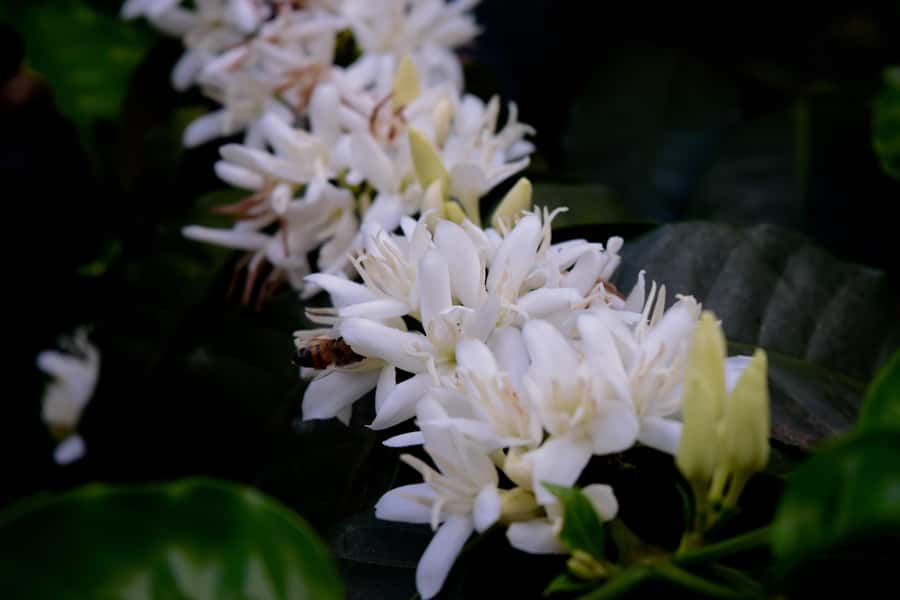
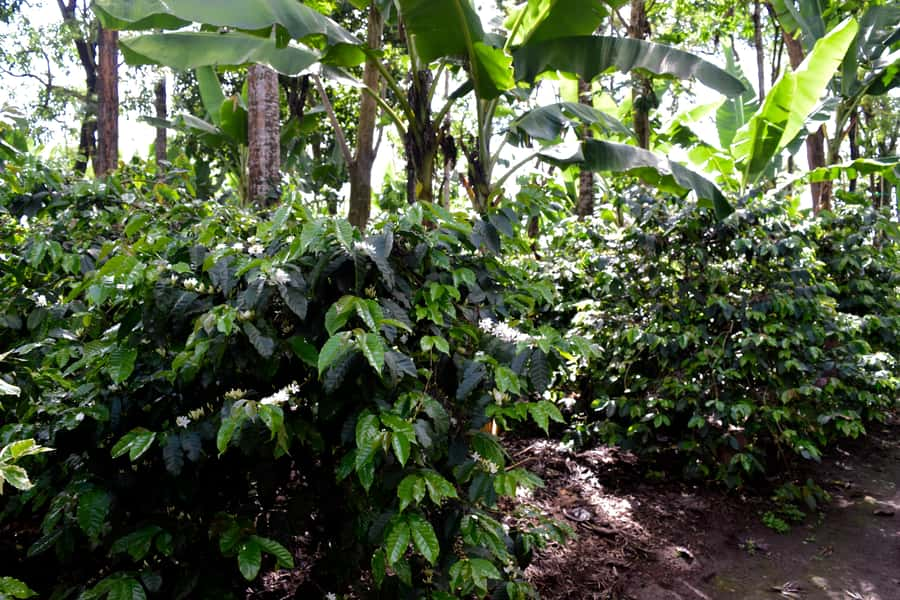
At the plantation, you learn how coffee plants are grown and harvested by hand. The experience gives you a better sense of the work behind an ordinary morning drink. Coffee is easy to treat as a finished product, but seeing the plants and hearing how farmers protect them without chemical production adds useful context.
Richard, the farm owner, has led visitors through the plantation and explained the coffee process step by step. If he is your host, expect the strongest explanations to come from someone who works with the crop directly. Imran may handle the guiding and transport, while Jambo has also been praised for his driving and service.
A few more coffee tours around Tanzania worth a look
- Materuni Waterfalls, coffee tour & Kikuletwa Hot Springs
★ 5.0 · 643 reviews - Materuni waterfalls coffee tour & Chemka hot springs Day trip
★ 5.0 · 131 reviews - Materuni Waterfall, Coffee Tour and Picnic Hot Lunch
★ 5.0 · 128 reviews
Picking and processing coffee by hand
The plantation visit is more than a quick photo stop. You learn about growing, harvesting, and protecting coffee plants, with attention to organic methods. The experience does not claim to turn you into a coffee expert, but it gives you a clear working picture of how a crop moves from plant to bean.
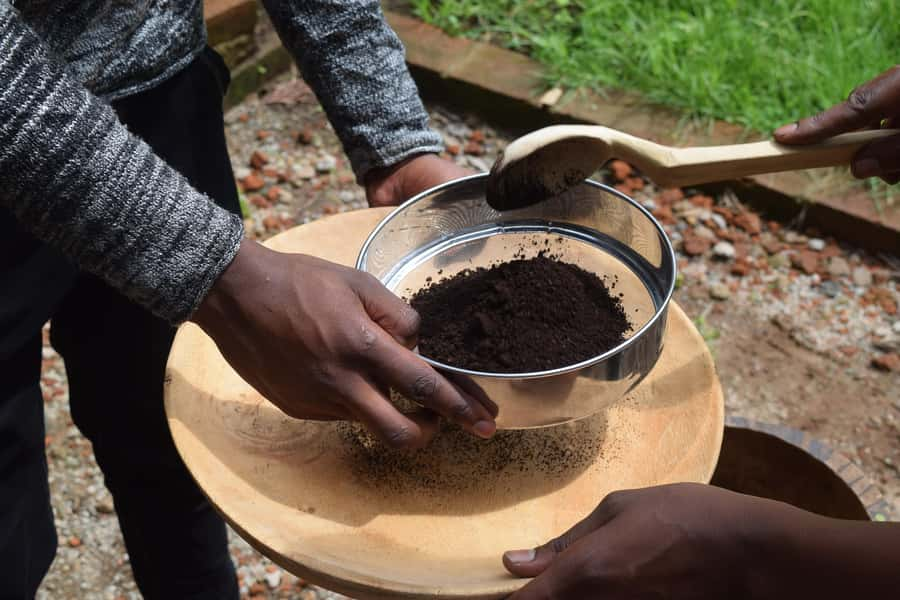
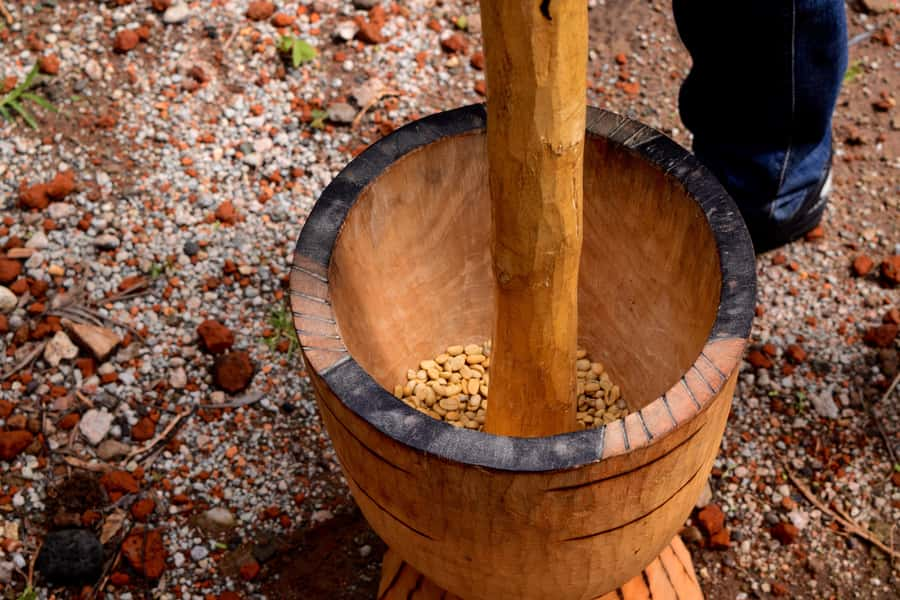
The hands-on part begins after the farm visit. Sun-dried beans are placed in a large mortar, and you help grind them with a pestle. Traditional songs accompany the work, and joining in is encouraged. This is one of the tour’s most memorable details because the process becomes communal rather than mechanical.
I like this part for another reason: it turns a familiar food into a physical task. You feel the rhythm, hear the pounding, and see how much effort goes into preparing a small amount of coffee. It is also a good fit for families and groups who prefer doing something together instead of sitting through a long talk.
Do not expect a quiet, technical tasting session. The music, movement, and group participation are part of the experience. If you are shy about singing, you can still take part at your own level. No one needs a strong voice to appreciate the scene.
Roasting over an open flame
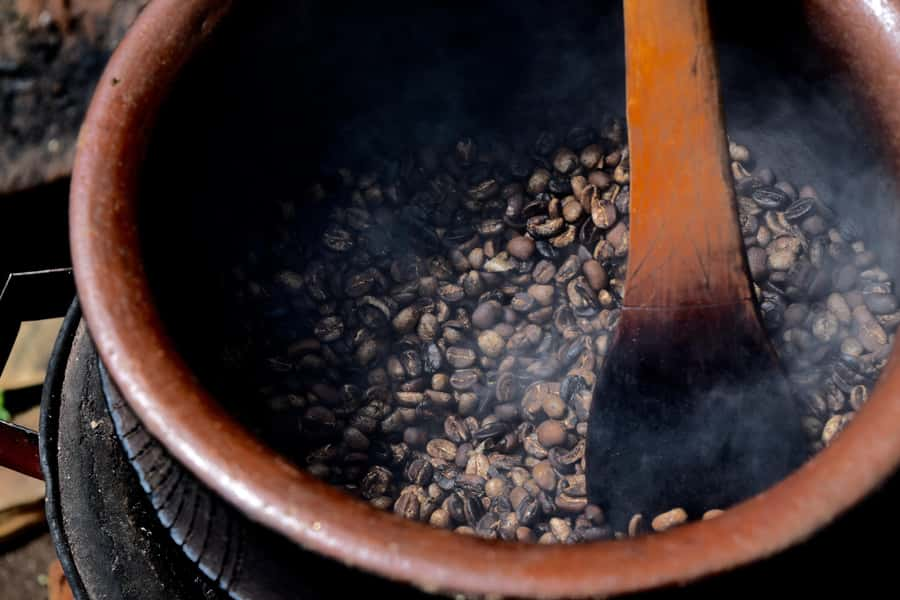
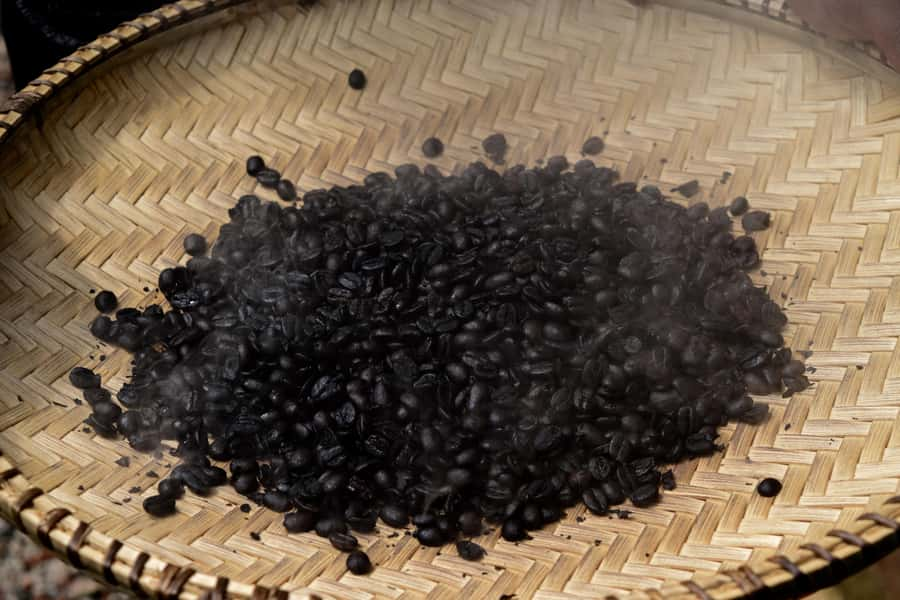
Next comes roasting. You help roast the beans over an open flame, which offers a direct look at a stage that is usually hidden behind factory equipment. The guide explains the process while you take part, and the beans then go through another round of grinding.
The open-flame setup is appealing because it keeps the process grounded in the farm. It also means the experience is hands-on rather than perfectly controlled. You may not get identical results from every batch, and that is part of the point. The tour shows coffee as work done by people, not just a product measured by machines.
I would wear comfortable clothing and shoes that you do not mind using around a farm. The provided details do not specify a dress code or weather plan, so keep your morning practical. Since the activity includes roasting over fire and physical grinding, tell your guide if you need adjustments. The tour is listed as wheelchair accessible, but it is sensible to discuss the exact farm surfaces and activity setup when arranging pickup.
The freshest cup is the one you helped make

After roasting and grinding, you brew the coffee yourself. The final cup is included, and this is the payoff for the work before it. You are not just served a drink prepared by somebody else. You can connect the taste with the steps you handled a few minutes earlier.
The coffee is described as fresh, and the experience gives you a useful chance to notice how much more satisfying a cup can feel when you understand its source. I would treat this as a cultural food experience first and a formal coffee class second. You will learn the basic chain from plant to drink, but the main pleasure comes from doing it with the farm team.
If you enjoy coffee, this is the obvious choice. Still, you do not need to be a coffee specialist. The tour also works if you are interested in agriculture, local family businesses, village life, or shared food traditions.
Packaged coffee is not included. You can buy beans or ground coffee to take home, and purchasing some is a practical way to support Richard’s business if you like what you taste. Ask about the available forms and price before buying, since the activity only states that bagged coffee is available for purchase.
Same place, a different cup:
- Maasai village visit, Materuni waterfalls & coffee experience
★ 4.5 · 95 reviews - Materuni Waterfalls & Coffee Tour from Moshi
★ 5.0 · 92 reviews - Arusha or Moshi : Hot Spring, Waterfall & Coffee Farm Tour
★ 4.8 · 80 reviews - Arusha: Materuni Waterfalls, Coffee, and Hotsprings Tour
★ 4.8 · 78 reviews
Lunch and a look at local life
Lunch is included, which improves the value of the half-day outing. The available information describes it as a local lunch, and one itinerary included eating at a restaurant after visiting a local market. Because the exact meal and location are not specified in advance, I would ask your guide what is planned that day.
The food break also gives the morning a natural pause. After the planting, pounding, roasting, and grinding, sitting down for a local meal is more than a convenient extra. It lets you continue talking with the guide and connect the coffee farm to the wider community.
A local village visit is part of the experience. In one version of the day, the group also visited a market. That kind of stop can be valuable if you want more than a farm demonstration, but it may be less appealing if you prefer a tightly focused coffee lesson. The tour’s strength is its mix of farm work, food, and community rather than a single subject.
The village portion is also where you should keep your expectations sensible. This is not presented as a long guided history tour or a major archaeological visit. You are getting a brief cultural encounter alongside the coffee experience.
Adding Mangalia Waterfalls
Mangalia Waterfalls can be added for a nature-and-culture combination. This is a useful option if you want to fill out the day beyond the three-and-a-half to four-hour coffee program. The waterfall visit is described as an addition, so confirm whether it changes the timing, price, transport, or lunch arrangement before you commit.
I would choose the waterfall option if you have extra time in Arusha and want a fuller outing. I would skip it if you need to return for a safari departure, another scheduled activity, or a long drive. The coffee tour already has a clear beginning and end, so adding another stop may make the day more tiring.
The available information does not give trail length, walking difficulty, or seasonal water conditions. That matters if mobility or weather is a concern. Ask the provider for current details rather than assuming the waterfall is a simple roadside stop.
What the $55 price really covers
At $55 per person, the tour offers solid value for a half-day experience. You receive hotel pickup and drop-off, an English-speaking guide, the coffee activity, fresh coffee, and lunch. If you booked each element separately, transport and a private cultural visit could quickly raise the cost.
The value is strongest for people who want participation. You are paying for access to a working farm, instruction from the owner and guide, ingredients, transport, and food. It is not the cheapest way to drink coffee in Arusha, but it is a reasonable price for learning how the drink is produced and spending time with a local family business.
The price does not include packaged coffee. That is fair, since it lets you decide whether you want to buy beans or ground coffee after tasting the result. The price also may not include the optional Mangalia Waterfalls addition, so clarify that before booking.
The rating supplied for the experience is 4.8 from eight reviews, with particular praise for the warm welcome, clear explanations, organized transport, and personal attention. I would place the greatest weight on the repeated praise for the hosts and guides. The success of this tour depends heavily on the people leading it, and Richard, Imran, and Jambo have each been singled out for different parts of the day.
Timing, transport, and practical planning
The activity lasts about three and a half to four hours. Starting times vary, so check availability and arrange pickup directly with the provider. Hotel pickup and drop-off are included, which removes the need to find the plantation yourself.
The English-speaking guide is part of the booking. Clear communication has been praised, along with punctual pickup and safe, calm driving. That is important in Arusha, where a well-organized morning can make it easier to connect this activity with the rest of your itinerary.
The tour is listed as wheelchair accessible. Since farm conditions can vary, I would still explain your mobility needs when confirming the pickup and ask how much of the hands-on work can be adapted. The provided details do not specify group size, so ask if you care about a private or small-group setting. One experience was described as a private tour, but that should not be treated as a guarantee for every booking.
Free cancellation is available up to 24 hours before the activity for a full refund. You can also reserve and pay later, which helps if your Arusha schedule may shift. These policies are useful, but I would still avoid booking the activity too close to a flight or a fixed safari departure.
Who will enjoy this coffee tour most?

I would recommend it to coffee drinkers, families, couples, and anyone who likes cultural activities with a practical side. You get to work with your hands, eat a local meal, meet people connected to the farm, and leave with a better understanding of organic coffee production.
It also suits visitors who want a gentler morning near Arusha rather than a full-day wildlife excursion. The lake area, plantation, village, and optional waterfall give the day a varied pace without requiring a long formal program.
You may want another activity if you dislike group participation, singing, open-fire cooking, or farm settings. The tour is not designed as a luxury coffee tasting, and the physical work is part of its appeal. You should also choose carefully if you need a precise timetable, since the starting time is arranged after booking and the waterfall add-on could extend the day.
Should you book the Arusha coffee tour?
Book it if you want to understand Tanzanian coffee by helping make it. The best reasons are the personal connection with Richard and his family, the lively mortar-and-pestle work, the open-fire roasting, and the cup you brew yourself.
At $55, the included transport, guide, lunch, and coffee make the price sensible. I would confirm the pickup time, group size, lunch plan, accessibility details, and any extra cost for Mangalia Waterfalls before paying. Buy a bag of beans at the end if you enjoy the coffee and want a useful souvenir.
Skip it only if your schedule is too tight or you want a formal tasting led by a professional barista. For a relaxed morning that links agriculture, food, village life, and local hospitality, this is a well-rounded choice near Arusha.
FAQ
Where does the coffee tour take place?
The experience takes place near Lake Duluti in the Arusha region of Tanzania, with visits to an organic coffee plantation and a nearby farm.
How long does the activity last?
The coffee experience lasts about three and a half to four hours.
What is included in the $55 price?
The price includes hotel pickup and drop-off, the coffee tour, fresh coffee, an English-speaking guide, and lunch.
Is coffee to take home included?
No. Bagged coffee is available to purchase separately, including beans or ground coffee.
Is lunch included?
Yes. A local lunch is included in the activity.
What will I do during the coffee experience?
You can learn about coffee growing, pick coffee, grind sun-dried beans with a mortar and pestle, roast beans over an open flame, grind them again, and brew the coffee.
Is the tour conducted in English?
Yes. An English-speaking live guide leads the activity.
Is hotel pickup available?
Yes. Pickup and drop-off are included, and the provider contacts you to arrange the time and location.
Can I visit Mangalia Waterfalls too?
Yes. Mangalia Waterfalls can be added to the coffee and culture experience. Confirm the timing and any additional cost when booking.
Just added around Tanzania
- Materuni waterfall , coffee tour and hotsprings (chemka )★ 5.0 · 14 reviews
- Day trip to Materuni waterfall, Coffee tour and Moshi Nightlife★ 5.0 · 6 reviews
- Materuni Waterfalls & Coffee Tour★ 5.0 · 4 reviews
- Discover Nature and Culture of Materuni Waterfall & Coffee Tour★ 5.0 · 6 reviews
- Materuni Waterfalls & Coffee Tour★ 5.0 · 9 reviews
- Private Materuni Waterfall & Coffee Tour.★ 5.0 · 9 reviews
- Materuni Waterfalls, Coffee and Village Full Day Tour★ 5.0 · 2 reviews
- Materuni Waterfalls & Coffee Farm Tour★ 5.0 · 2 reviews
Tanzania Coffee Tours, compared.
Materuni Waterfalls, coffee tour & Kikuletwa Hot Springs
Read our review →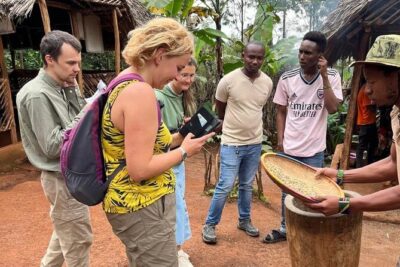
Materuni waterfalls coffee tour & Chemka hot springs Day trip
Read our review →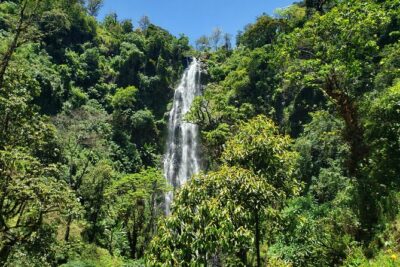
Materuni Waterfall, Coffee Tour and Picnic Hot Lunch
Read our review →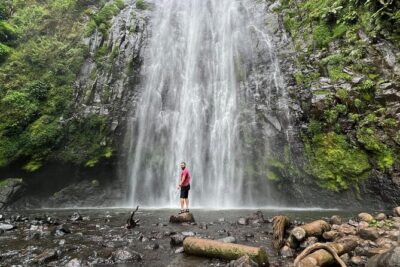
Maasai village visit, Materuni waterfalls & coffee experience
Read our review →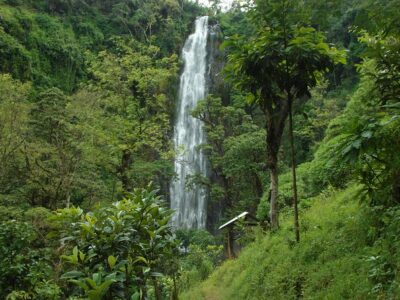
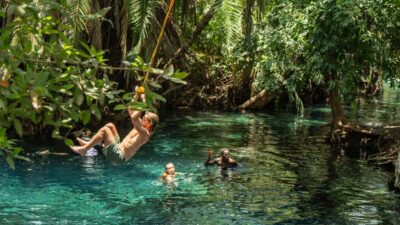
Arusha or Moshi : Hot Spring, Waterfall & Coffee Farm Tour
Read our review →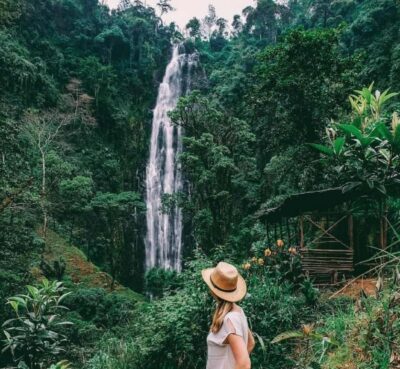
Materuni Waterfalls, Coffee, and Hotsprings Tour
Read our review →
Materuni Waterfalls, Chemka Hot Springs, &/Or Coffee Tour
Read our review →Browse the lists this tour appears in