
REVIEW · ARUSHA COFFEE TOURS
Arusha: Traditional Coffee Preparation(coffee tour)
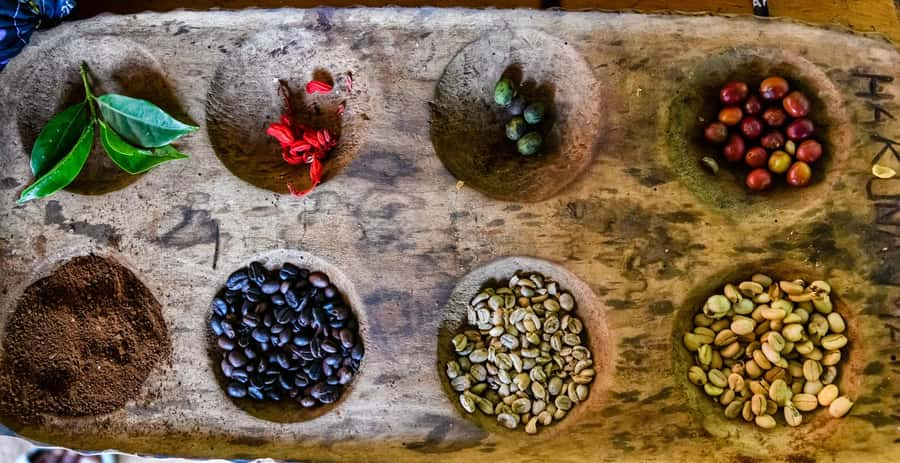
Coffee tastes better when you make it yourself. This three-hour experience near Arusha takes you from a smallholder arabica farm to a cup of coffee prepared by hand, using a mortar and pestle, clay pot, charcoal fire, and simple brewing tools. I like the way it connects the finished drink to the people and work behind the bean.
I also like the organic single-origin coffee and the chance to take part instead of simply watching a demonstration. The family-run farm, with three generations living on it, adds a personal touch. The main consideration is that the activity is fairly short, and the work is manual, so anyone expecting a polished café-style tasting may find it basic.
What makes this coffee experience special
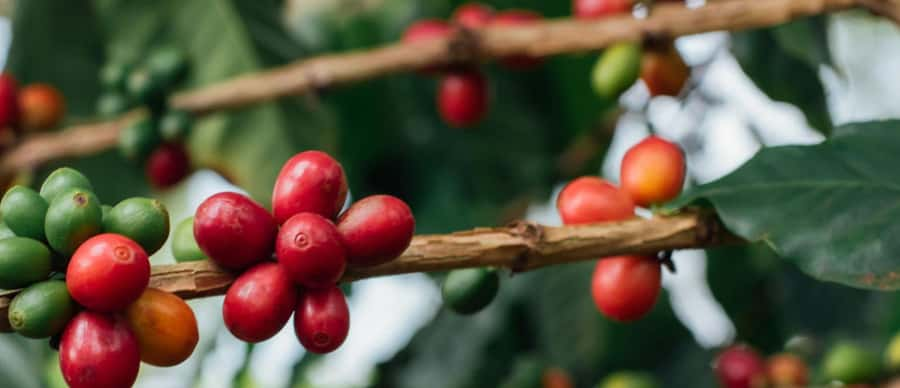
- You start at a real smallholder farm: Learn how Tanzanian arabica coffee is cultivated before handling the beans yourself.
- The whole process is done by hand: Husk, roast, grind, and brew without modern machinery.
- A clay pot and charcoal fire shape the flavor: The roasting method gives the coffee a rustic character.
- The final cup is yours: You drink coffee made from beans you helped prepare.
- The setting is personal: The farm is family-run, with three generations living on the property.
- The price covers more than a tasting: At $30 per person, you get a guide, farm visit, drinks, and three hours of hands-on activity.
From Arusha road to small coffee farm
The experience begins at Naturalland Expeditions and continues into the Arusha region for a guided farm visit. The meeting point is at the main road, where you should look for a guide wearing a gray or chocolate-colored company shirt.
That detail matters. The meeting point is not described as a large landmark, so keep your eyes open and allow a little patience when arriving. You will be meeting a person, not walking into a clearly marked coffee museum.
The first part is a short walk and guided visit through a smallholder coffee farm. This is the right place to begin because it shows that coffee is not born in a paper bag or a café grinder. The arabica plant is part of Tanzania’s agricultural economy and one of the country’s important export crops.
You get an introduction to how the coffee is cultivated, then see the beans in their less familiar dried form. The farm is family-run, and three generations live there. That gives the visit a human scale. You are not touring a large commercial estate with rows of equipment. You are seeing coffee production as part of a working family property.
The farm visit is fairly brief, so you should not expect a full agricultural lesson or a long walk through every stage of the crop cycle. Its value is as an introduction. The real activity begins once you move to the private garden.
A few more coffee tours around Arusha worth a look
- Materuni Waterfalls, coffee tour & Kikuletwa Hot Springs
★ 5.0 · 643 reviews - Materuni waterfalls coffee tour & Chemka hot springs Day trip
★ 5.0 · 131 reviews - Maasai village visit, Materuni waterfalls & coffee experience
★ 4.5 · 95 reviews
A private garden becomes the coffee workshop
The second part takes place in a private garden, where the guide explains each stage before you try it yourself. The setting keeps the activity relaxed and local. You are not standing behind a barrier while someone else does the work.
The process follows a clear order:
- Remove the outer husk.
- Roast the beans.
- Pound them into a fine powder.
- Brew the coffee.
- Taste the finished drink.
This simple sequence gives the three hours a good rhythm. You learn a little, work with the tools, then see the result of your effort. It also makes clear why coffee preparation traditionally takes time.
The tools are handmade and basic. That is part of the appeal, but it also means the activity can feel more physical than a normal coffee tasting. You will not be pressing a button and waiting for a machine to do the work. Instead, you take part in each step.
Pounding dried beans with a wooden mortar
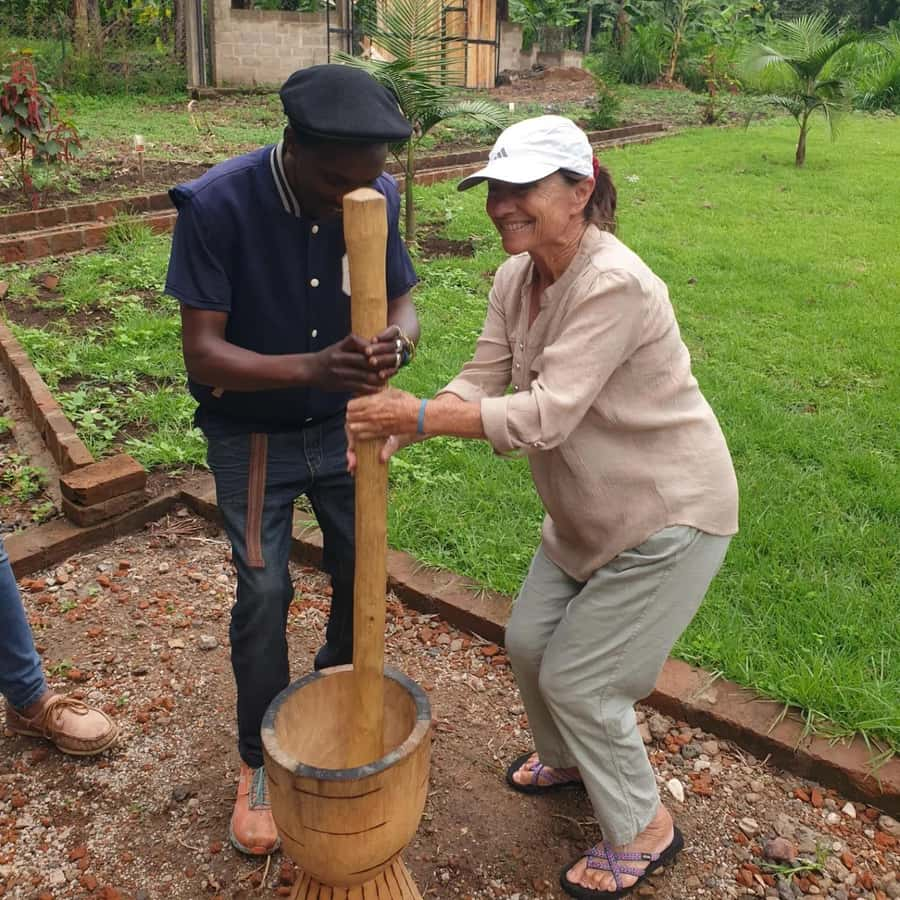
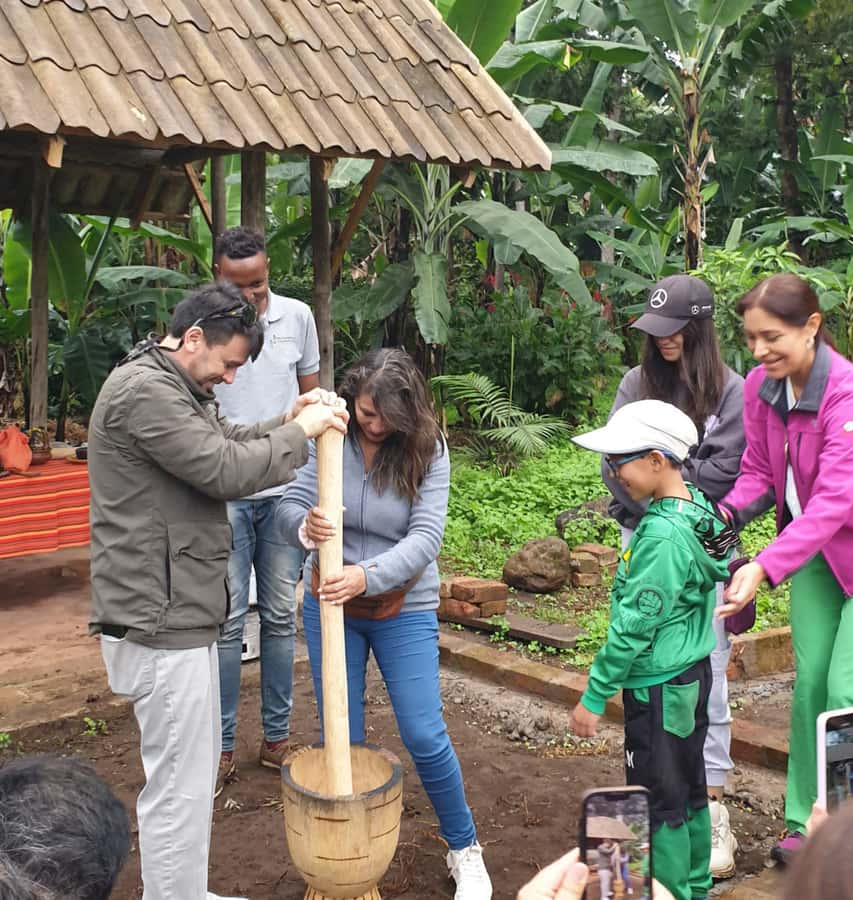
The first hands-on task is husking the dried beans. You place them in a large wooden mortar and use a pestle to pound them, breaking away the outer husk.
This is the point where coffee stops being an abstract product and becomes work. The mortar is large, the method is manual, and the beans require repeated pounding. I like this stage because it gives you a practical sense of the effort that can disappear between farm and café.
The guide provides step-by-step instructions, so you do not need prior coffee experience. Still, you should expect to use your arms and pay attention to the rhythm. The activity is not presented as a quick photo opportunity. You are handling the beans and helping prepare them for the next stage.
The husking process also sets the tone for the rest of the visit. Every stage is direct. You can see the beans change, feel the tools, and understand the link between each task.
Roasting beans in a clay pot over charcoal
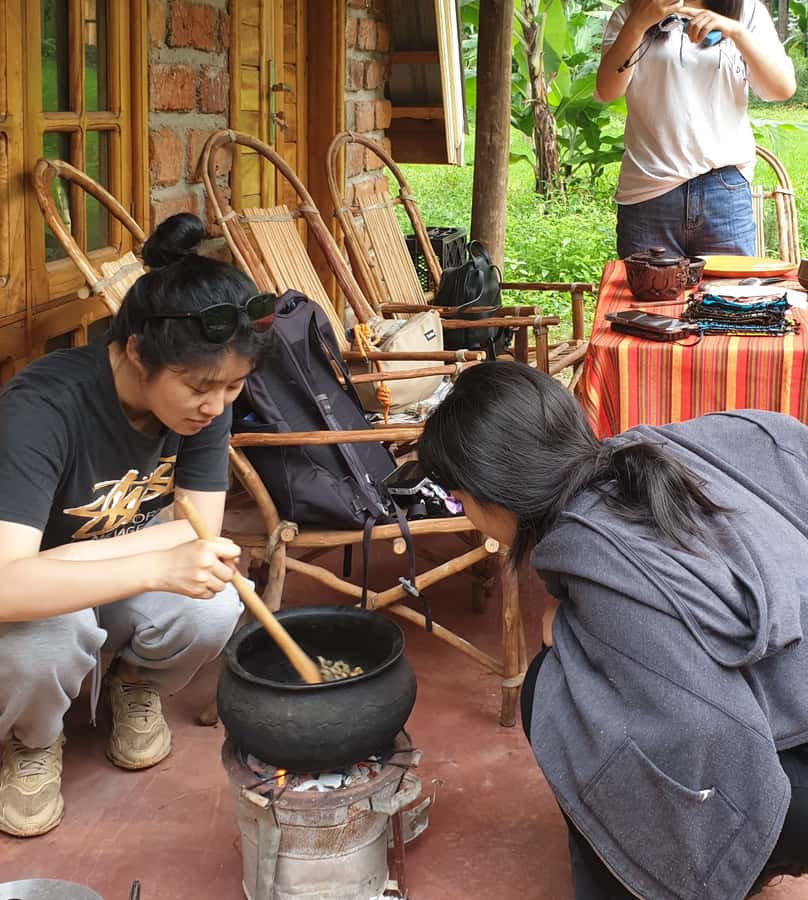
Once the outer husk is removed, the beans are roasted in a clay pot over a charcoal fire. This is one of the most distinctive parts of the experience.
The clay pot and charcoal fire give the beans a more rustic flavor. The roasting is not about laboratory precision or a carefully calibrated café machine. It is a traditional method, and part of the enjoyment comes from seeing how heat, time, and attention change the beans.
You should expect this step to be guided closely. The beans need to be watched as they roast, and the process leads naturally into grinding. The charcoal adds a strong sense of place, although anyone who prefers a highly controlled specialty-coffee roast may find the result less exact.
That is not a fault, but it is worth understanding before booking. This is a cultural and practical coffee activity, not a professional barista class. You are learning a traditional method and tasting the character it produces.
Same place, a different cup:
- Materuni Waterfalls & Coffee Tour from Moshi
★ 5.0 · 92 reviews - Arusha: Materuni Waterfalls, Coffee, and Hotsprings Tour
★ 4.8 · 78 reviews - Coffee tour and Buffet Lunch with Kingstone Asilia (Arusha)
★ 5.0 · 74 reviews - Materuni Waterfalls, Visiting Chagga Village, CoffeeTour Kikuletwa Hotsprings
★ 5.0 · 63 reviews
Grinding the beans the old-fashioned way
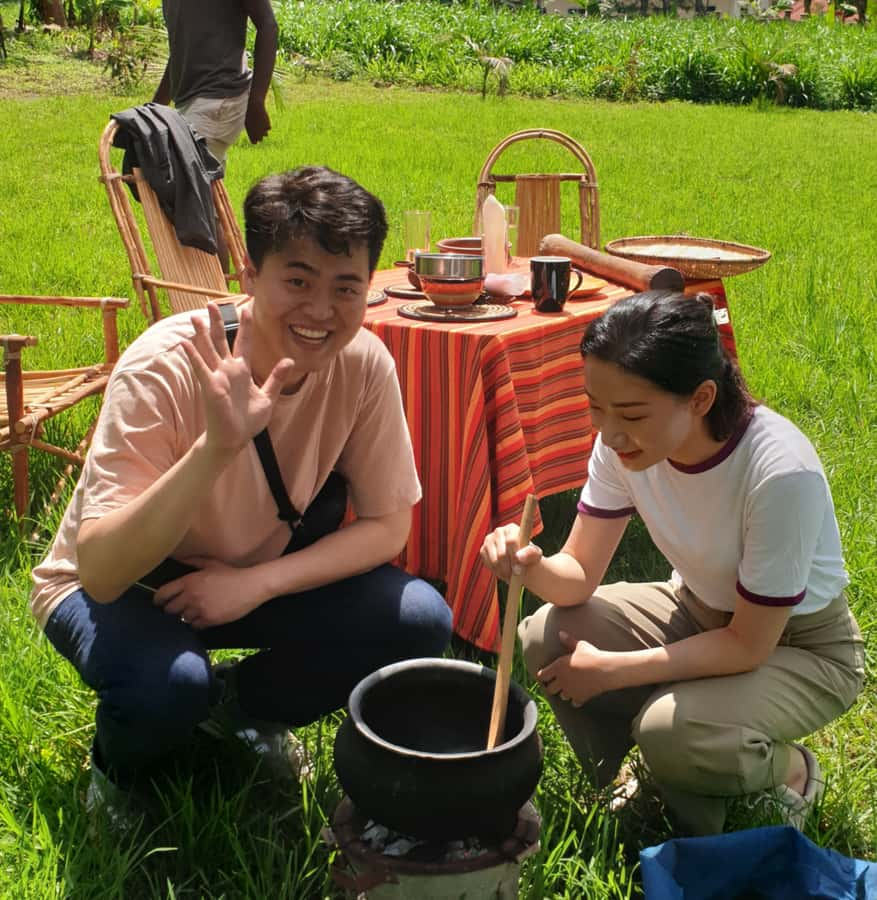
After roasting, the beans are pounded again until they become a fine powder. The same basic tools return, but the goal is now different. You are no longer removing the husk. You are preparing the roasted beans for brewing.
This repeated use of the mortar and pestle helps you understand the full bean-to-cup chain. The coffee does not leap from a green plant to a finished drink. It passes through several physical stages, each requiring time and effort.
The guides explain the sequence in a straightforward way, and the activity is accessible even if coffee preparation is new to you. The hands-on format is especially good for couples, families, and small groups who enjoy doing something together rather than listening to a long talk.
The drawback is the same as before: pounding beans by hand takes effort. If you have limited energy or want a quiet tasting with no physical participation, this may not be your ideal coffee stop. The experience is built around taking part.
Brewing and tasting your own single-origin coffee
The final step is brewing. Once the roasted beans have been ground, you prepare the coffee and sit down to taste the result.
This is the most satisfying part because the drink has a clear story. You saw the farm, handled the dried beans, removed the husk, roasted them in a clay pot, and ground them by hand. The cup is not simply presented to you. You helped make it.
The coffee is organic and single-origin, which gives the tasting a clear connection to the farm visit. The final flavor also reflects the traditional preparation. You might find it more rustic than the coffee served in a modern café, especially because the beans are roasted over charcoal and prepared without electric equipment.
Coconut rolls may also be served with the coffee. They were singled out as a particularly enjoyable part of the visit, and they make sense alongside a strong, freshly prepared cup.
The tasting is not described as a formal flight of several coffees. You should expect one main preparation and the chance to enjoy what you made. That keeps the experience focused and avoids turning a simple local activity into a long technical class.
Why the family setting matters
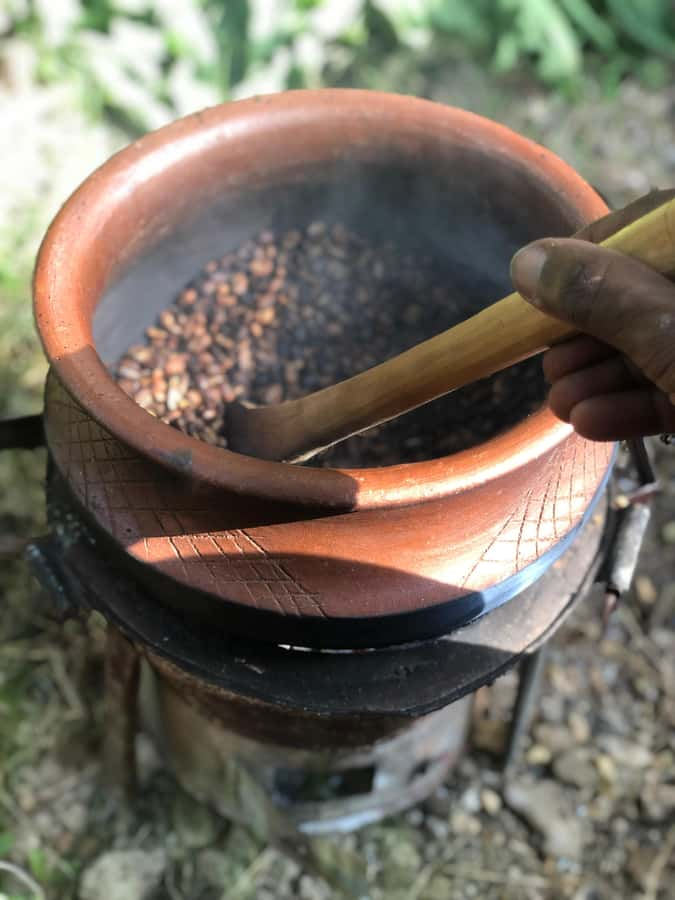
The family-run farm is more than a pleasant detail. It changes the feel of the visit.
You are seeing coffee production in a household setting, with three generations living on the property. That makes the coffee experience feel connected to daily life rather than separated from it. The farm is not simply a backdrop for a tasting. It is part of the story.
This also gives you a better reason to choose the activity over a generic café visit. In a café, you can drink Tanzanian coffee. Here, you learn how the product begins and meet the setting where it is grown.
The available feedback gives strong attention to the care taken by the team. Johnson and Derik were specifically praised for being friendly and motivated. Since guides can vary, I would treat those names as useful context rather than a promise that either person will lead every departure. The important point is that the experience is guide-led and personal.
Is three hours enough?
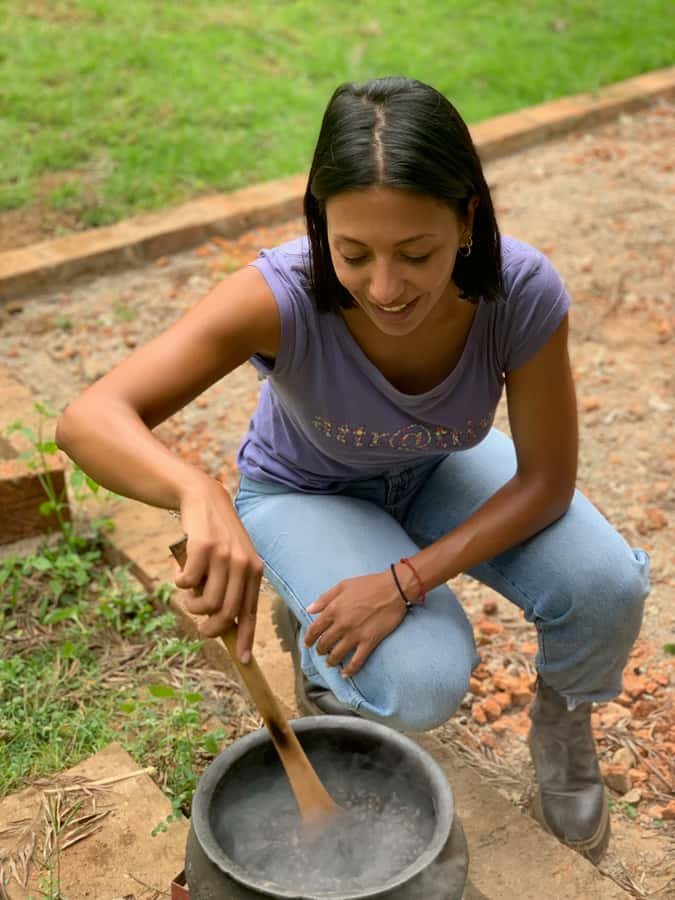
Three hours is a useful length for this activity. It gives you time for the farm walk, explanations, preparation, roasting, grinding, brewing, and tasting without taking up an entire day.
The shorter format also makes it easy to add before or after another Arusha plan. If you are arranging a safari, visiting the city, or using Arusha as a base, a half-day coffee activity can fit neatly into your schedule.
The tradeoff is that the visit does not appear designed for a long, detailed study of coffee farming. You will receive an introduction to cultivation and then spend most of the time preparing the beans. If you want a full agricultural tour, extended roasting instruction, or a technical lesson on coffee grading, this may feel limited.
The phrase short and sweet fits the experience well. It has a clear focus and does not try to be everything at once.
What $30 per person gets you
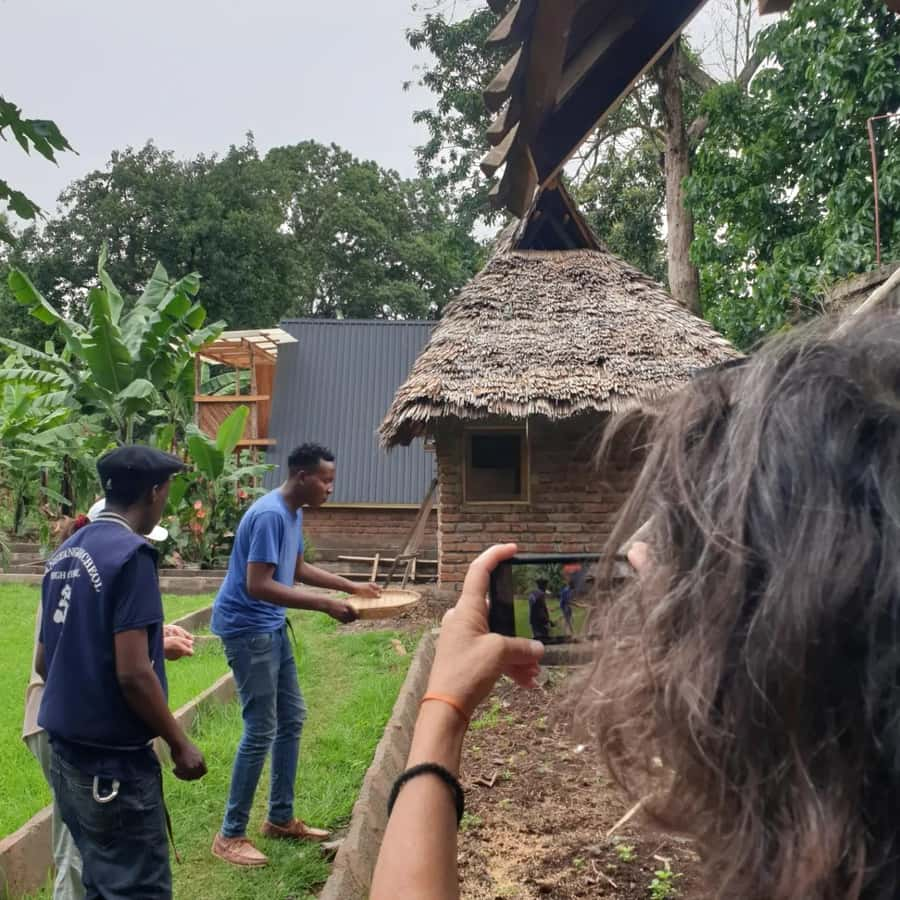
At $30 per person, the price is reasonable for a three-hour guided activity that includes a coffee farm visit, guide fee, drinks, and the coffee you prepare.
The value comes from participation. You are paying for access to the farm, the instruction, the tools, the private garden setting, and the time needed to prepare the coffee. A simple cup alone would not justify the cost. The full process does.
The price is especially fair if you enjoy small-scale cultural activities. You are learning about a Tanzanian export crop while supporting a local experience provider and visiting a family-run farm.
Still, the value depends on your interests. If you only want to drink excellent coffee, a café may be faster and cheaper. If you want to understand how the drink is made and enjoy a hands-on activity, $30 buys a well-shaped half-day experience.
Who will enjoy this most?
I would recommend this activity to you if you:
- Like food and drink experiences with a practical element.
- Want a local activity in the Arusha region.
- Enjoy learning through touch and participation.
- Are curious about Tanzanian arabica coffee.
- Prefer a small farm setting to a formal attraction.
- Have about three hours available.
- Want a gentle cultural activity before or after a larger safari plan.
It is also a good choice for people who do not know much about coffee. The guide provides instructions, and you do not need special skills to take part.
You may want to skip it if you dislike smoke, manual work, or rustic preparation. You should also choose something else if you want a polished specialty-coffee workshop with espresso machines, multiple tasting samples, or advanced roasting theory. None of those are part of this activity.
Practical advice before you go
Bring a patient attitude. The process is traditional and manual, so it moves at the pace of the tools rather than the pace of a modern kitchen.
Wear something comfortable for walking and hands-on work. The activity includes a farm visit, a walk, and repeated use of a mortar and pestle. The supplied details do not specify a dress code or equipment list, so keep your clothing practical rather than formal.
Arrive at the main road and look for the guide in a gray or chocolate-colored company shirt. The guide speaks English, and the tour is conducted in English.
The activity allows cancellation up to 24 hours before the start for a full refund. You can also reserve and pay later, which is useful if your Arusha plans may change.
Should you book this Arusha coffee tour?
Book it if you want more than a cup of coffee. The farm visit, family setting, charcoal roasting, handmade tools, and final tasting give you a clear look at the path from arabica plant to finished drink.
I especially like the fact that the activity avoids unnecessary polish. You do not simply watch a demonstration. You pound the beans, roast them, grind them, brew them, and then taste the result. The family-run farm and the friendly guide service add warmth, while the coconut rolls provide a welcome extra.
The main limit is its size and scope. Three hours gives you a focused introduction, not a complete course in coffee production. The manual work may also be tiring for some people.
For $30, this is a good-value choice for curious eaters, coffee fans, and anyone looking for a personal half-day activity around Arusha. If you want a local experience with a clear beginning, middle, and end, I would book it.
FAQ
Where does the coffee experience take place?
It takes place in the Arusha region of Tanzania. The activity begins at Naturalland Expeditions and includes a visit to a smallholder coffee farm and a private garden.
How long does the activity last?
The experience lasts three hours, including the farm visit, guided walk, coffee preparation, and tasting.
How much does the experience cost?
The price is $30 per person.
What type of coffee will I learn about?
You will learn about arabica coffee grown on a smallholder farm in Tanzania. The finished drink is organic and single-origin coffee.
What activities are included?
You will learn how to husk dried beans, roast them in a clay pot over charcoal, pound them into a fine powder, brew the coffee, and taste it.
Is the coffee farm visit included?
Yes. The experience includes a guided visit to a smallholder coffee farm.
What language is the tour conducted in?
The live tour guide speaks English, and English is the listed tour language.
How will I find the guide?
The guide will be waiting at the main road and will wear a company shirt in either gray or chocolate color.
Can I cancel the booking?
Yes. You can cancel up to 24 hours in advance for a full refund. You can also reserve now and pay later.
Just added around Arusha
- Private Tour to Marangu Waterfalls, Chagga Caves, Coffee tour & Hot Springs★ 5.0 · 7 reviews
- Materuni (Coffee Tour) and Chemka (Kikuletwa Tour)★ 5.0 · 8 reviews
- Private Tour to Materuni waterfalls, coffee tour & Kikuletwa hot- springs★ 5.0 · 14 reviews
- Waterfall & Coffee Walking Tour★ 5.0 · 6 reviews
- Private Full-Day Materuni Waterfall, Coffee and Hot-spring Tour in Moshi★ 5.0 · 5 reviews
- Materuni Waterfall Hike & Coffee Tour★ 5.0 · 4 reviews
- Private Materuni Waterfalls, Coffee Tour and Kikuletwa Hot Spring★ 5.0 · 4 reviews
- Waterfalls, Coffee, Hotsprings, Food Cuisine, & Serval Wildlife★ 5.0 · 6 reviews
Arusha Coffee Tours, compared.
Materuni Waterfalls, coffee tour & Kikuletwa Hot Springs
Read our review →
Materuni waterfalls coffee tour & Chemka hot springs Day trip
Read our review →
Maasai village visit, Materuni waterfalls & coffee experience
Read our review →
Materuni Waterfalls, Coffee, and Hotsprings Tour
Read our review →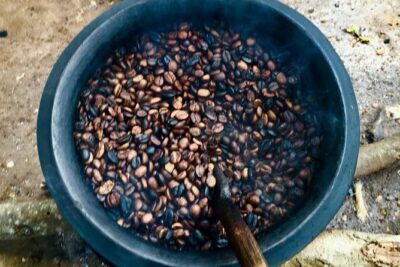
Coffee tour and Buffet Lunch with Kingstone Asilia (Arusha)
Read our review →
Materuni Waterfalls, Visiting Chagga Village, CoffeeTour Kikuletwa Hotsprings
Read our review →
Materuni waterfalls,coffee tour & Kikuletwa(Chemka)Hot Springs
Read our review →Browse the lists this tour appears in