
REVIEW · ARUSHA COFFEE TOURS
Kilimanjaro: Maasai Village Visit, Waterfalls, & Coffee Tour
Two villages, one very full day.
This 11-hour private outing gives you a useful mix of northern Tanzania: a walk through Chagga country, an 80-meter waterfall, a hands-on coffee lesson, and a visit with a Maasai community. I especially like the traditional coffee-making session and the chance to meet Maasai community members on their own terms. The main drawback is the length: with pickup, driving, walking, lunch, and village activities, this is a demanding day.
I also like the practical setup. Transport from Arusha, Moshi, or either nearby airport is included, as are entrance fees, lunch, bottled water, guides, and the contribution to the Maasai village. The waterfall trail can be muddy and slippery, though, so sturdy shoes and rain protection are not optional extras.
Key details at a glance
- Materuni is the last village before Kilimanjaro National Park, giving the morning walk a strong sense of place.
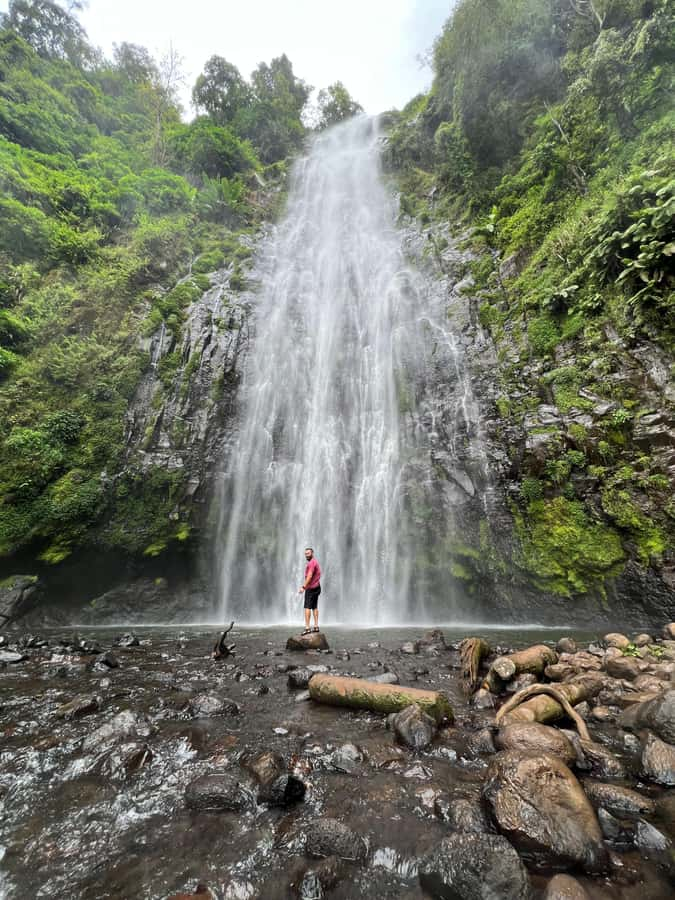
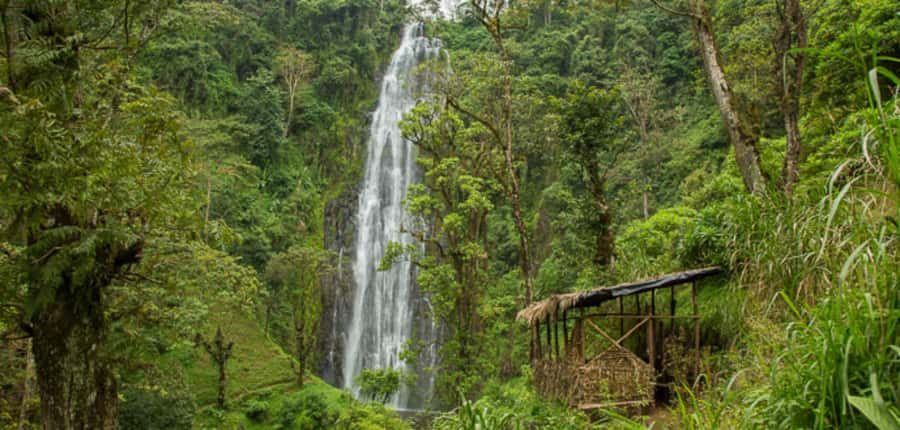
- The waterfall walk takes about 45 minutes each way and reaches cascades more than 80 meters high.
- You make your own coffee by helping grind beans and following traditional Chagga methods.
- The Maasai visit is community-arranged, with singing, dancing, house styles, beadwork, fire-making, and local plant knowledge.
- The tour is private, with pickup and drop-off in Arusha or Moshi and English-speaking guides.
- Rain boots may save the day, as two recent outings required them in wet conditions.
Why this day trip works so well
Many Kilimanjaro-area excursions focus on mountain views or one cultural stop. This one gives you two distinct village experiences. Materuni introduces you to the Chagga people, who live on the lower slopes of Kilimanjaro, while the later stop near Kilimanjaro Airport brings you into a Maasai community with a different social and pastoral tradition.
That contrast is the real value. You are not seeing one generic version of Tanzanian culture. You are moving between two communities with different homes, food, work, customs, and relationships with the land.
I would also rate the private format highly. You are not tied to a large coach group, and the guide can adjust explanations, walking speed, and stops to suit your party. One practical caution came through clearly: one person expected a group tour and found the private setup surprising. If you are booking alone, confirm the group arrangement before departure.
The experience has a 4.9 rating from 27 ratings, with particular praise for the guides, care on the wet trail, the coffee activity, and the warm welcome at the Maasai village. Guides named in the feedback include Mpemba and Milton. Mpemba was praised for explaining Tanzanian culture, nature, and history in a lively way, while Milton was noted for arriving on time and helping make the day run smoothly.
More Coffee and Waterfall Trips in Arusha
- Materuni Waterfalls, coffee tour & Kikuletwa Hot Springs
★ 5.0 · 643 reviews - Materuni waterfalls coffee tour & Chemka hot springs Day trip
★ 5.0 · 131 reviews - Maasai village visit, Materuni waterfalls & coffee experience
★ 4.5 · 95 reviews
Morning pickup from Arusha, Moshi, or the airport
Your day begins with morning pickup from your hotel in Arusha or Moshi. Pickup is also available after arrival at Kilimanjaro or Arusha airports, with a printed paper showing your name at the airport meeting point.
The vehicle is described as clean and air-conditioned, a welcome detail on a long day that includes several hours on foot. Bottled water is included, but I would still bring any extra drinks you normally need for a full-day outing.
The drive gives you time to settle in before the walking section. Since this is a private trip, you can ask questions early and let the guide know about your walking pace or interests. The guide service is in English.
An 11-hour day requires a little discipline. Have breakfast before pickup, wear clothes that can handle mud, and avoid scheduling an evening activity that depends on an exact return time. The tour includes a great deal, but it is not a quick morning visit.
Materuni village and the 45-minute walk to the waterfall
Materuni is described as an authentic Chagga village and the last village before Kilimanjaro National Park. The walk begins here, not at a polished visitor center, so the village itself becomes part of the experience.
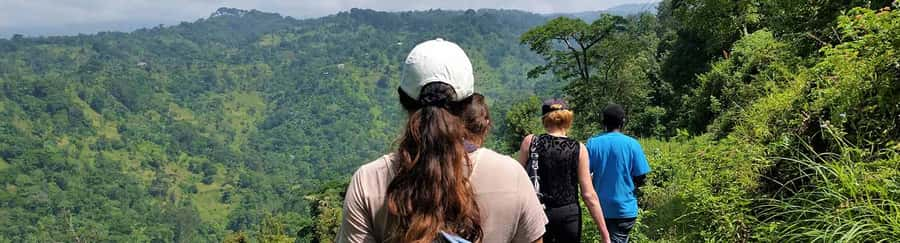
As you walk, your guide explains Chagga life, local customs, plants, animals, and the surrounding area. This is where a good guide matters. The trail is more than a route to a waterfall. It gives you a closer look at how village life connects with farming, forest, and the mountain slopes.
The walk to the falls takes around 45 minutes. That sounds modest, but wet conditions can make it tougher. Several recent experiences highlighted the importance of rain boots, and one guide supplied them when the trail became soggy. You should still arrive with hiking shoes that have good grip, comfortable clothing, and a raincoat.
Do not treat this as a paved stroll. The path may be slippery and muddy, and you need to watch your footing. If you have limited mobility, ask for a clear description of the trail before booking because the provided information does not promise an accessible route.
The 80-meter Materuni waterfall
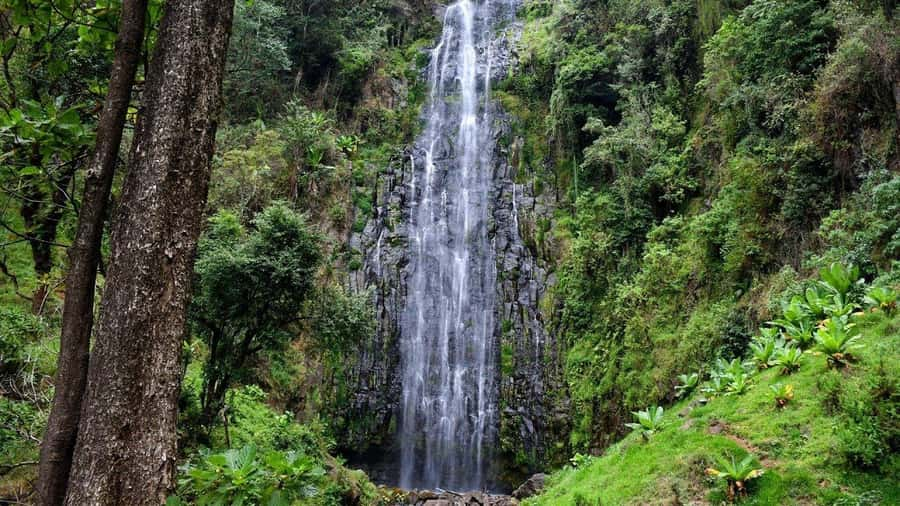
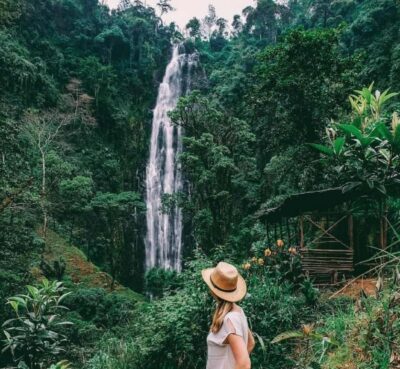
At the waterfall, water drops more than 80 meters, or about 262 feet. The setting gives you time to pause, take photographs, and enjoy the forest around the cascade before retracing your steps.
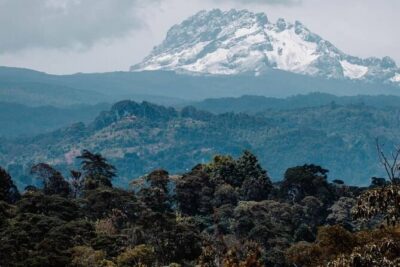
The mountain view is weather-dependent. On a clear day, you may catch sight of Kilimanjaro’s summit, and the operator says much of the day is spent around the mountain to improve your chances of seeing it. Still, clouds are part of mountain travel. Book this for the villages, trail, food, and waterfall first, and treat a clear summit view as a welcome bonus.
The return walk is described as gradual and unhurried with the guide. That is useful on a muddy trail, especially if you are already tired from the approach. A patient guide can make a major difference here. One recent account specifically praised the guide’s care and the sense of safety during the hike, while another noted that boots were essential on a rainy day.
More Coffee and Waterfall Trips in Tanzania
- Materuni Waterfalls & Coffee Tour from Moshi
★ 5.0 · 92 reviews - Arusha: Materuni Waterfalls, Coffee, and Hotsprings Tour
★ 4.8 · 78 reviews - Materuni Waterfalls, Visiting Chagga Village, CoffeeTour Kikuletwa Hotsprings
★ 5.0 · 63 reviews - Materuni waterfalls,coffee tour & Kikuletwa(Chemka)Hot Springs
★ 5.0 · 49 reviews
Chagga lunch, banana beer, and coffee by hand
Back in Materuni village, you receive a traditional Chagga lunch. The meal is included in the price, and it gives the visit a much stronger local connection than simply stopping for a packed meal in the vehicle.
You may also have the option to taste local banana beer. This is optional, so you can decide based on your interest and comfort. The important point is that food and drink are part of the cultural exchange, not an afterthought.
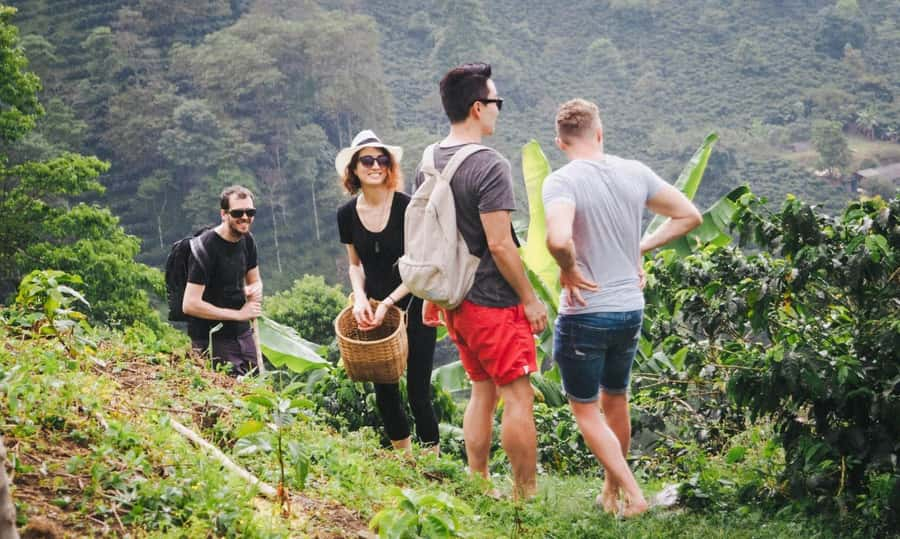
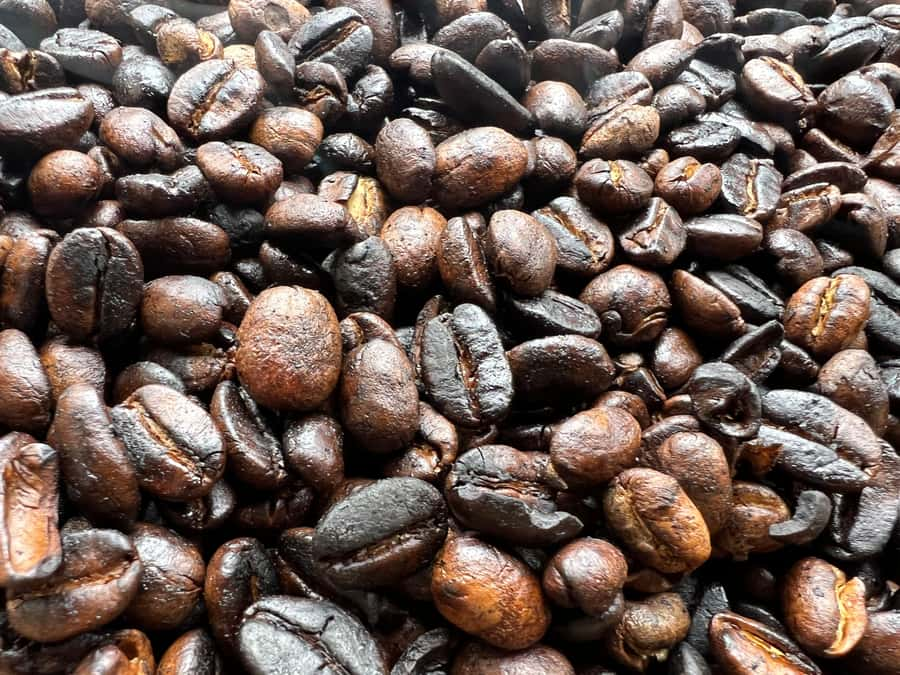
The coffee activity is one of the day’s best features. You help grind the beans in traditional fashion, accompanied by Chagga songs and dances, then prepare your own cup of coffee. You can drink what you make while learning about Tanzania’s coffee industry.
That hands-on step matters. You are not only hearing an explanation or buying a bag of beans. You take part in the work, from grinding to drinking the final cup. It is simple, social, and easy to remember.
If coffee interests you, this section alone makes the trip appealing. If you do not drink coffee, you can still enjoy the songs, process, and local setting, but you may find the activity less rewarding than a coffee fan will.
The Maasai community near Kilimanjaro Airport
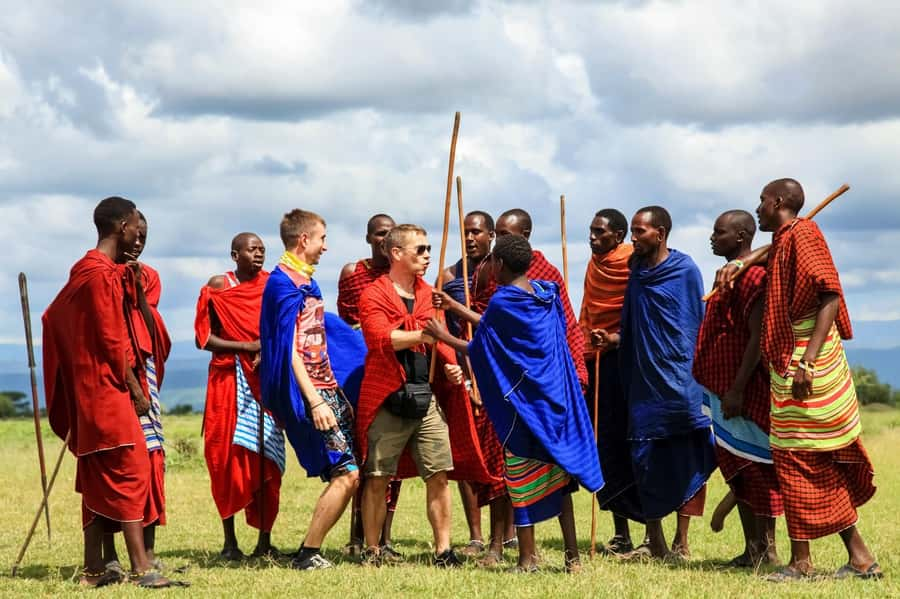
After the Materuni visit, you drive a short distance from Moshi toward a Maasai village near Kilimanjaro Airport. The village visit lasts about three hours, giving you enough time for several activities rather than a brief photo stop.
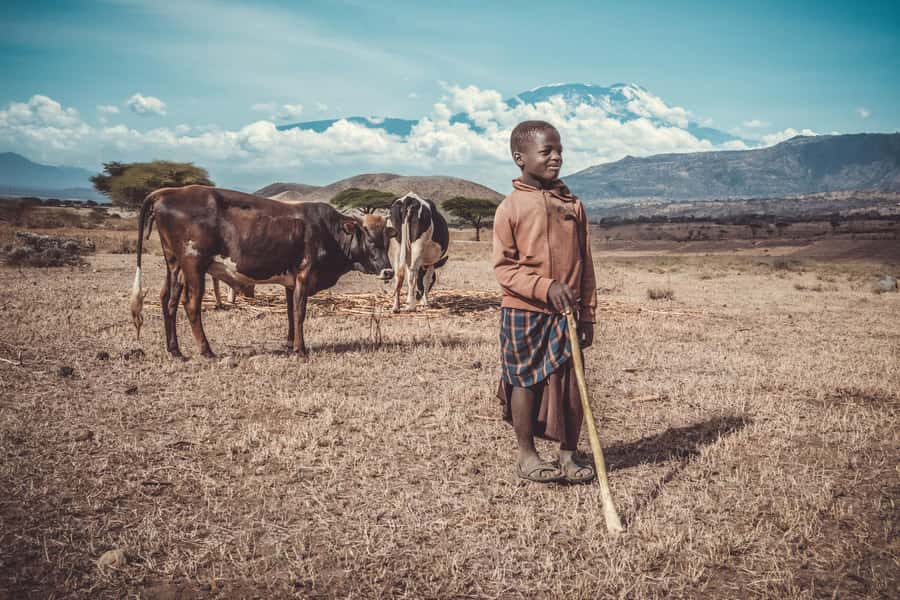
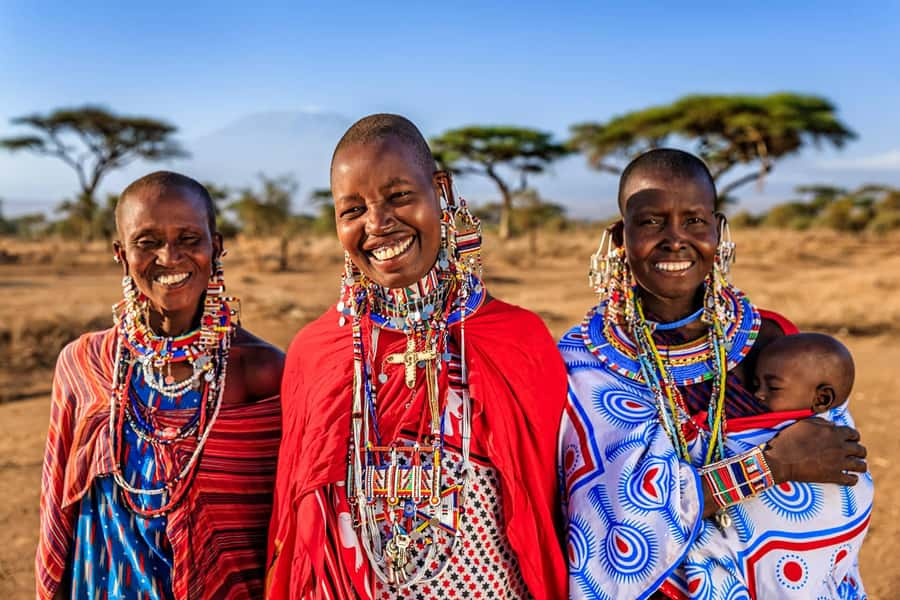
The Maasai community arranges its own visits. That detail is important because it puts local people in charge of what you see and how the encounter unfolds. You learn about traditional homes made from mud and thatch, cattle and smaller livestock, beadwork, ornaments, fire-making, bush techniques, and local medicine.
You can also see traditional Maasai singing and dancing. Depending on the visit, you may walk with cattle on the plains before returning to your hotel. The program also shows how Maasai communities adapt to modern development and outside contact while maintaining older practices.
I appreciate that the visit is not presented as a frozen display of the past. You see both long-standing customs and signs of change. That makes the encounter more honest, though you should still listen carefully, ask respectful questions, and follow your guide’s instructions about photography and participation.
The community contribution is included in the cost. That gives your payment a clearer purpose than a simple admission charge, although the exact amount going to the village is not specified.
What the guides add to the day
The guides are a major part of this experience. The strongest feedback points to patience, punctuality, cultural explanations, and practical care rather than flashy performance.
Mpemba received special praise for connecting Maasai life with wider subjects such as Tanzanian nature, culture, and history. That kind of broad explanation helps you understand what you are seeing instead of simply moving from one activity to the next.
Milton was praised for arriving on time, being friendly, and doing what he could to keep the day enjoyable. Other feedback highlights drivers who explained things patiently and treated the group with kindness.
The rain protection is worth noting. On wet days, guides have provided rain boots and led people carefully along the trail. You should not assume every condition or supply will be identical, but this is a good reason to tell the operator about your shoe size and weather concerns in advance.
Because the tour is private, you can ask for more detail at the waterfall, spend longer on coffee, or clarify a Maasai custom without worrying about a large group waiting. That flexibility is one of the strongest reasons to choose this format.
What the $185 price includes
At $185 per person, the cost is not bargain-basement pricing, but it covers a long list of expenses:
- Round-trip private transport
- Pickup and drop-off in Arusha or Moshi
- Airport pickup where arranged
- English-speaking guides
- Materuni activities
- Maasai village contribution
- Entrance fees and taxes
- Hot lunch
- Bottled water
The value depends partly on your party size and priorities. If you are traveling with family or friends, private transport and a dedicated guide make the price easier to justify. You are paying for an 11-hour day with two cultural stops, food, walking, and several fees already handled.
For a solo visitor, the price feels higher because the private format does not spread the vehicle and guide costs across a large group. Still, you receive a more personal outing and do not have to coordinate separate trips to the waterfall and Maasai village.
I would compare this with the cost and hassle of arranging both visits independently. Once transport, local guides, entrance fees, lunch, and community payment are added, the package becomes more reasonable. The main question is not simply cost. It is whether you want a full day built around cultural contact rather than a single scenic stop.
Who should book this experience
This outing suits you if you want a full cultural day around Kilimanjaro without climbing the mountain. It is a strong choice for people who enjoy meeting local communities, tasting regional food, learning by doing, and walking through rural areas.
It also works well before or after a safari or Kilimanjaro trip. The coffee session provides a relaxed change of pace, while the Maasai visit gives you a better understanding of a community often associated with northern Tanzania.
You should think twice if you dislike muddy paths, long days, or changing weather. The waterfall walk is not described as technically difficult, but it can be slippery, and the complete day lasts 11 hours.
This is also not the right choice if you want a quiet, scenery-only excursion. Singing, dancing, questions, demonstrations, walking, and conversation are central to the experience. You need to take part with an open and respectful attitude.
Practical tips for a smoother day
Wear hiking shoes with strong grip, even if the forecast looks dry. Pack a raincoat and comfortable clothes that can get muddy.
Ask about rain boots before setting out, especially during wet weather. Recent outings show how useful they can be, but you should not rely on the operator having every size available.
Bring a camera, but keep it secondary to the encounter. The waterfall, village paths, coffee preparation, Maasai homes, and mountain views all offer photo opportunities, yet you should follow local guidance before photographing people or ceremonies.
Keep your schedule open in the evening. The tour starts in the morning and lasts about 11 hours, with road travel and two substantial visits.
Do not litter. This is specifically prohibited, and it is basic courtesy in a rural area where the trail and villages are part of daily life.
The activity allows free cancellation up to 24 hours before departure and has a reserve-now, pay-later option. Those terms are useful if your mountain or safari schedule is still shifting, but check the available start times when you book.
Should you book it?
I would book this tour if you want one big day that combines Chagga food and coffee, a real waterfall walk, and a community-arranged Maasai visit. Its best qualities are the private format, caring guides, hands-on activities, and the clear contrast between the two villages.
I would skip it only if the 11-hour schedule or muddy trail sounds unpleasant. For everyone else, the $185 price offers solid value because transport, meals, guides, entrance costs, and the Maasai community contribution are already included. Bring proper shoes, accept that Kilimanjaro may hide behind clouds, and you should come away with far more than a few mountain photographs.
FAQ
How long does the Kilimanjaro village and waterfall tour last?
The experience lasts about 11 hours, including pickup, transport, the Materuni visit, the Maasai village visit, and return to Arusha or Moshi.
Where can I be picked up?
Pickup is available from hotels in Arusha or Moshi. Pickup can also be arranged upon arrival at Kilimanjaro or Arusha airports.
Is transport included?
Yes. Round-trip private transport in a clean, air-conditioned vehicle is included.
How long is the walk to Materuni Waterfall?
The walk to Materuni Waterfall takes around 45 minutes. The trail may be muddy and slippery.
How high is Materuni Waterfall?
The waterfall is more than 80 meters high, which is about 262 feet.
What should I bring for the walk?
Bring hiking shoes with good grip, comfortable clothing, and a raincoat. Rain boots may also be useful in wet conditions.
Is lunch included?
Yes. A hot traditional Chagga lunch is included, and you may have the option to taste local banana beer.
Is the tour private and what language is available?
Yes, it is a private-group experience with an English-speaking guide.
Just added around Arusha
- Private Tour to Marangu Waterfalls, Chagga Caves, Coffee tour & Hot Springs★ 5.0 · 7 reviews
- Materuni (Coffee Tour) and Chemka (Kikuletwa Tour)★ 5.0 · 8 reviews
- Private Tour to Materuni waterfalls, coffee tour & Kikuletwa hot- springs★ 5.0 · 14 reviews
- Waterfall & Coffee Walking Tour★ 5.0 · 6 reviews
- Private Full-Day Materuni Waterfall, Coffee and Hot-spring Tour in Moshi★ 5.0 · 5 reviews
- Materuni Waterfall Hike & Coffee Tour★ 5.0 · 4 reviews
- Private Materuni Waterfalls, Coffee Tour and Kikuletwa Hot Spring★ 5.0 · 4 reviews
- Waterfalls, Coffee, Hotsprings, Food Cuisine, & Serval Wildlife★ 5.0 · 6 reviews
Arusha Coffee Tours, compared.
Materuni Waterfalls, coffee tour & Kikuletwa Hot Springs
Read our review →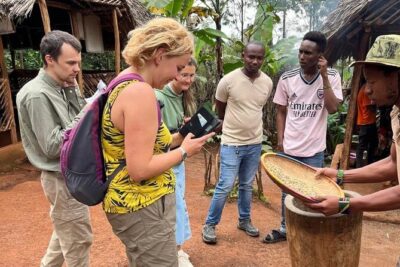
Materuni waterfalls coffee tour & Chemka hot springs Day trip
Read our review →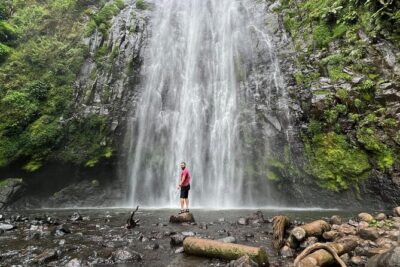
Maasai village visit, Materuni waterfalls & coffee experience
Read our review →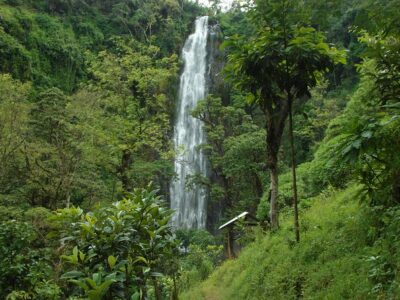
Materuni Waterfalls, Coffee, and Hotsprings Tour
Read our review →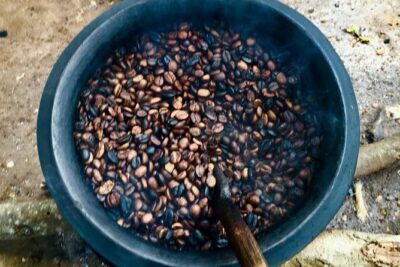
Coffee tour and Buffet Lunch with Kingstone Asilia (Arusha)
Read our review →
Materuni Waterfalls, Visiting Chagga Village, CoffeeTour Kikuletwa Hotsprings
Read our review →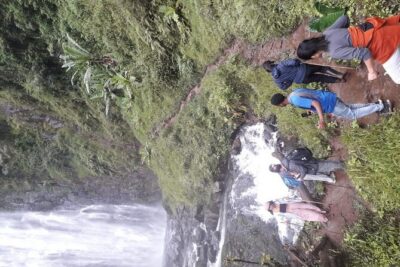
Materuni waterfalls,coffee tour & Kikuletwa(Chemka)Hot Springs
Read our review →Browse the lists this tour appears in