
REVIEW · MEDELLIN COFFEE TOURS
Medellín Coffee Farm Tour with Trolley and Cable Car Ride
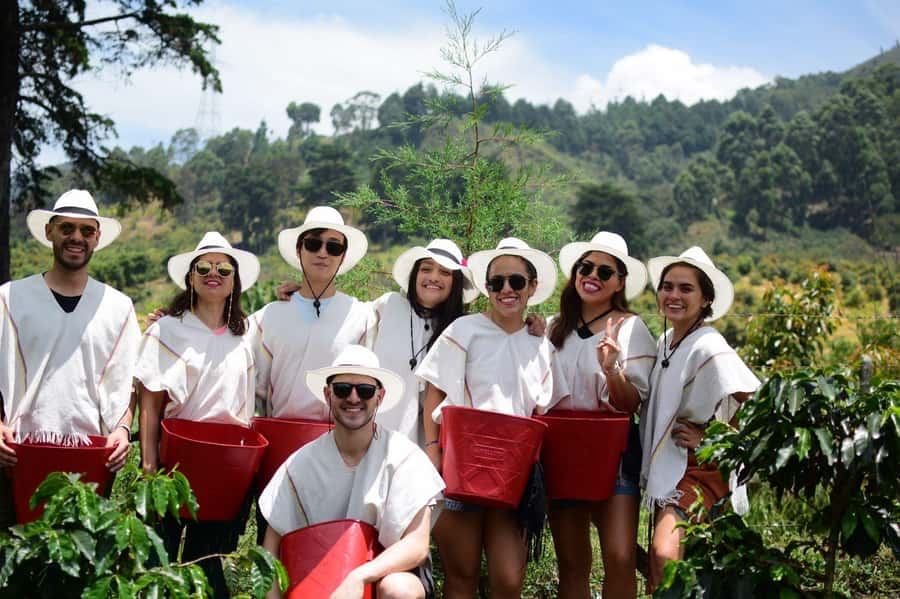
Coffee grows inside Medellín. This four-and-a-half-hour outing takes you by electric trolley and cable car into Barrio La Sierra, where a local family runs a small urban coffee farm. I like the hands-on harvest and the chance to see coffee cleaned, dried, roasted, ground, and brewed. I also like that the route shows you a part of Comuna 8 many visitors never reach. The catch is real: expect hills, steps, and plenty of walking, with no food available to buy along the way.
At $56 per person, this is not the cheapest way to drink coffee in Colombia. But you are paying for transport, a bilingual guide, a neighborhood walk, a farm visit, coffee tastings, and time with a family connected to the local community. Guides including Carolina, Melisa, Valentina, Arturo, David, and Camilo have been praised for clear translation and thoughtful storytelling. Wear closed shoes, bring water, and save room for several cups of coffee.
What makes this Medellín coffee tour different
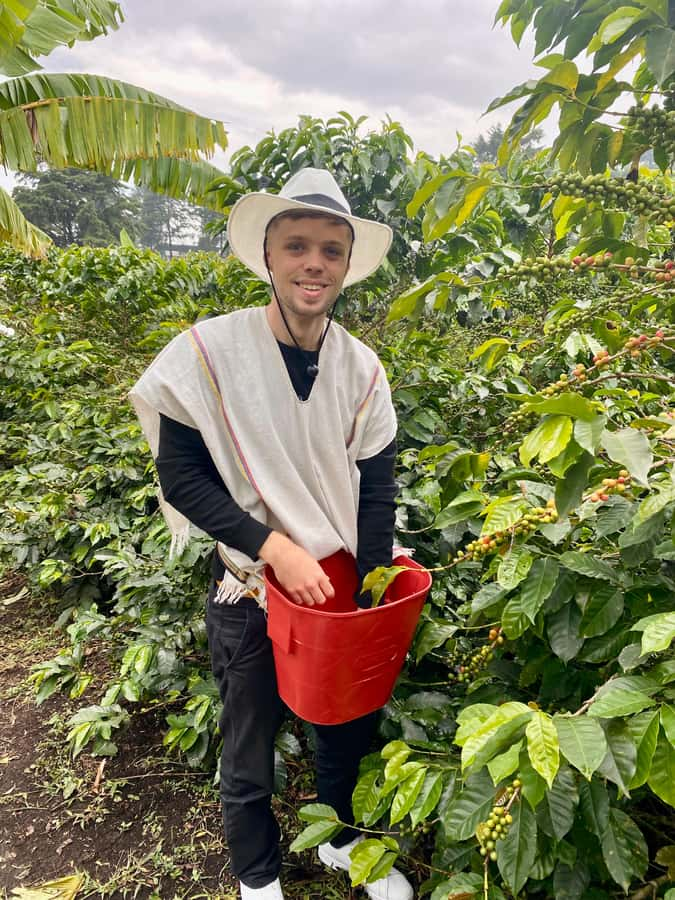
- Coffee fields inside the city: You do not leave Medellín for a distant plantation. The farm is part of Barrio La Sierra.
- A hands-on harvest: You pick coffee berries yourself before following them through the production process.
- Tram and cable car transport: The journey is part of the experience, with broad views across Medellín.
- A local family and museum visit: Casa Finca de La Sierra adds personal stories and a closer look at the community project.
- A fuller look at Comuna 8: You learn how this hillside area has changed while walking through its streets.
- A demanding walk: Hills, stairs, and uneven ground make this a poor fit for anyone with limited mobility.
Starting at San Antonio station
The tour begins at the street-level entrance to the San Antonio Tranvia station, underneath the San Antonio metro station. Look for the sign marking the San Antonio Tranvia station at Cra. 50A with Calle 46.
This is a useful meeting point because it connects directly with Medellín’s public transport network. Still, give yourself time to find the correct entrance. San Antonio is a busy central station, and the meeting point is not simply any entrance to the metro.
Once the group is together, the guide explains the plan and leads you onto the electric trolley. This first ride lasts about 30 minutes. It is not just a way to save your legs. It gives you an early look at how Medellín’s transport system links the central city with its hillside neighborhoods.
The tour is conducted in English or Spanish. If you need translation, guides such as Annie, Christian, Arturo, and Melisa have been praised for making conversations with the coffee family easy to follow. Guide assignments can change, but the bilingual format is a major help when local stories and coffee terms start arriving at the same time.
More Coffee Farm Tours in Colombia
- Comuna 13 & Coffee Farm Private Tour in Medellin | The Best Combo
★ 5.0 · 46 reviews - Coffee Farm & ATVs Private Tour in Medellin: Stunning Views & Fun
★ 5.0 · 31 reviews - From Medellin: Day Trip to a Jardin Coffee Plantation
★ 4.5 · 16 reviews
The cable car ride into Comuna 8
After the trolley, you transfer to a cable car for about 12 minutes. This is one of the most memorable parts of the route, especially if you have not yet used Medellín’s cable-car system.
As the car rises, the city opens below you. You see dense neighborhoods climbing the hills and get a clear sense of why public transport matters here. The ride also changes your expectations. This is not a standard plantation excursion through open countryside. The coffee farm appears within the city, above streets and homes, in a place shaped by both urban life and small-scale agriculture.
The cable car is also practical. It handles the steepest part of the approach, but it does not remove the need to walk. Once you leave the station, the route continues on foot through Barrio La Sierra.
Walking through Barrio La Sierra
The neighborhood walk gives the tour its wider purpose. You are not simply taken to a farm, shown a few plants, and sent home with a coffee sample. You walk through a community in Comuna 8 and hear about its difficult past and its changes over time.
The tour presents Barrio La Sierra as an area that has worked to move beyond years of hardship. The coffee project is part of that change. A visit helps direct attention and income toward a local family and a community effort rather than only toward large commercial attractions.
This part requires respect and common sense. You are walking through a lived-in neighborhood, not a set built for sightseeing. Listen to the guide, stay with the group, and ask before taking close-up photos of people. The value of the walk comes from meeting the area on its own terms.
The route can be steep. One account describes roughly 500 stairs, though the exact amount can vary with the route and the day. Several people have found the walk manageable, including older participants, but this is not a promise that it will suit every person. If hills and stairs are hard for you, skip this activity.
Casa Finca de La Sierra and its family story
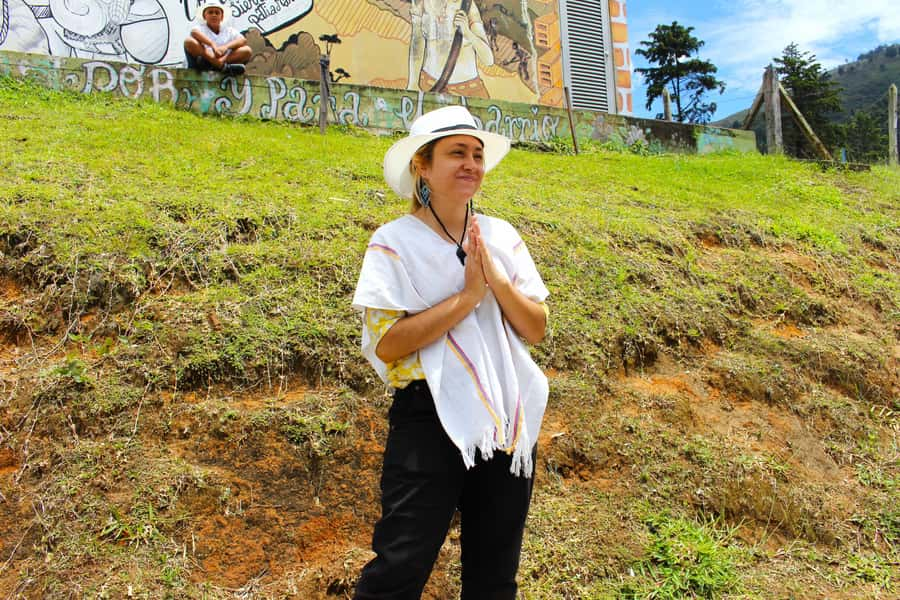
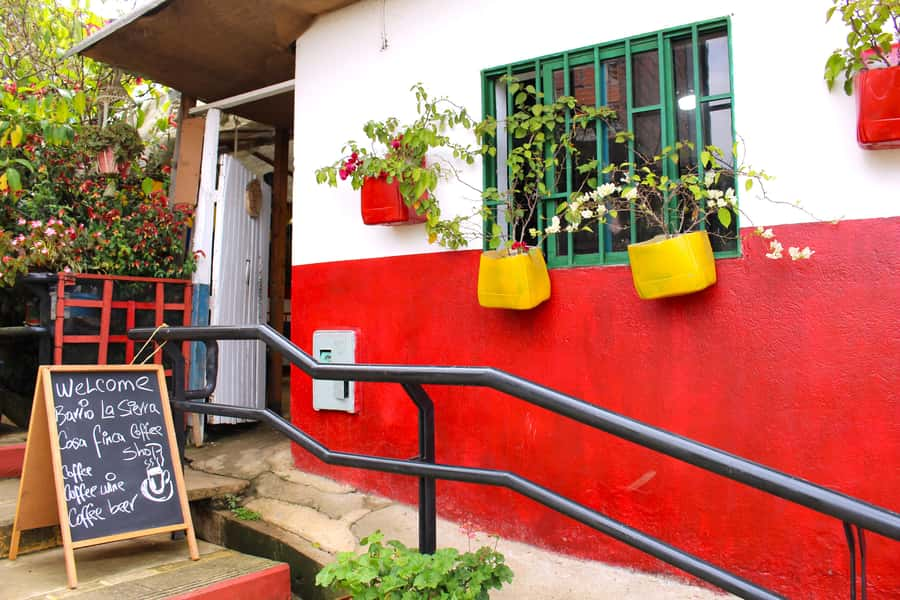
The farm visit centers on Casa Finca de La Sierra, which also includes a museum. Here, the experience shifts from city walking to family-led coffee education.
The local family explains how the farm began and how coffee fits into the community. Rosa, who has welcomed visitors at the farm, has been praised for sharing her family’s story in a warm and open way. The visit feels personal because the coffee is not presented as an anonymous product. You meet people who grow and process it themselves.
The setting is modest rather than polished. That is part of the appeal. You are seeing coffee production at a small local operation, not a large visitor center with a staged demonstration.
Young people from the area may also help with the visit and learn about coffee and English. That detail gives the project a longer reach. Your payment is not only buying a tasting. It helps support an activity tied to local skills and opportunity.
More Coffee Farm Tours in Medellin
- Medellin: Coffee Farm and Barista Workshop Experience
★ 4.4 · 9 reviews - Medellin: Coffee Farm Tour & Spa with Overnight Glamping
★ 4.5 · 3 reviews - Guatapé & Coffee Farm, all in one day
★ 5.0 · 3 reviews - Medellín: Coffee Tour Experience at a Coffee Farm
★ 4.8 · 3 reviews
Picking coffee berries by hand
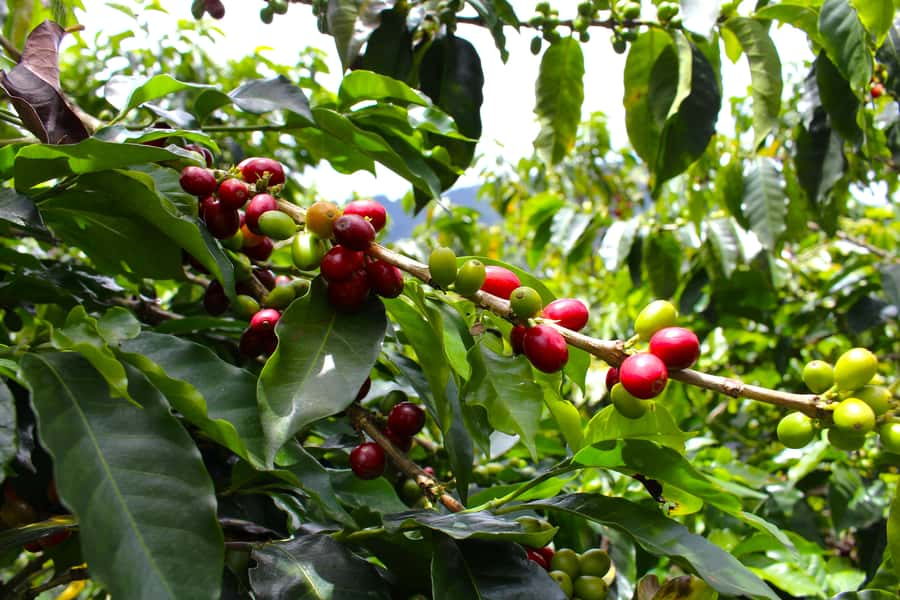
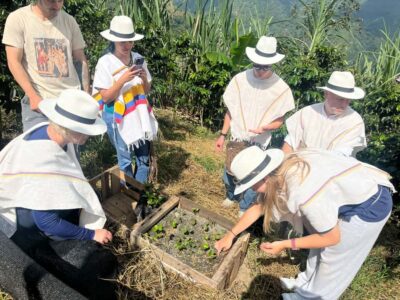
The most active section of the tour takes place in the coffee field. You harvest coffee berries yourself, usually by selecting the ripe fruit from the plants.
This is a simple task, but it changes how you think about your morning cup. Coffee does not begin as a brown bean in a bag. It starts as a fruit, and every later stage depends on careful work at the farm.
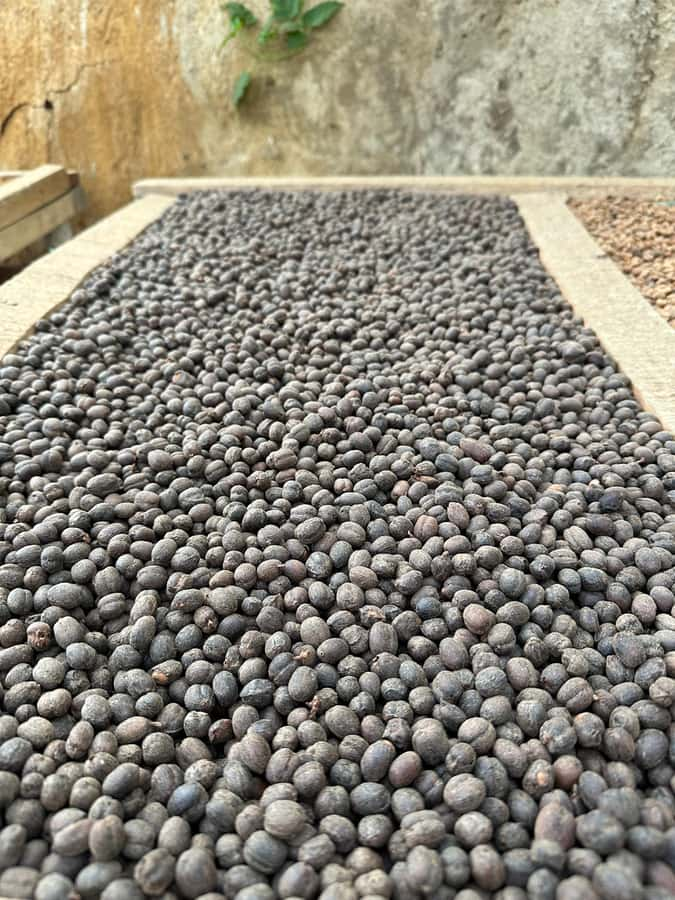
The guide and family explain what happens after picking. You see the berries cleaned and prepared, then learn about drying, roasting, grinding, and brewing. The exact demonstrations can vary, but the goal is to follow the coffee from plant to cup.
I like this structure because it avoids the common problem of a coffee talk that stays too theoretical. You do something first, then watch the next steps. The process becomes easier to remember because your hands have been part of it.
If it has rained, the ground may be slippery. Closed shoes are essential. Long trousers are not required by the information provided, but anyone wearing shorts should consider insect repellent at the farm. Bring a light layer or rain protection if the forecast looks uncertain.
From berry to cup
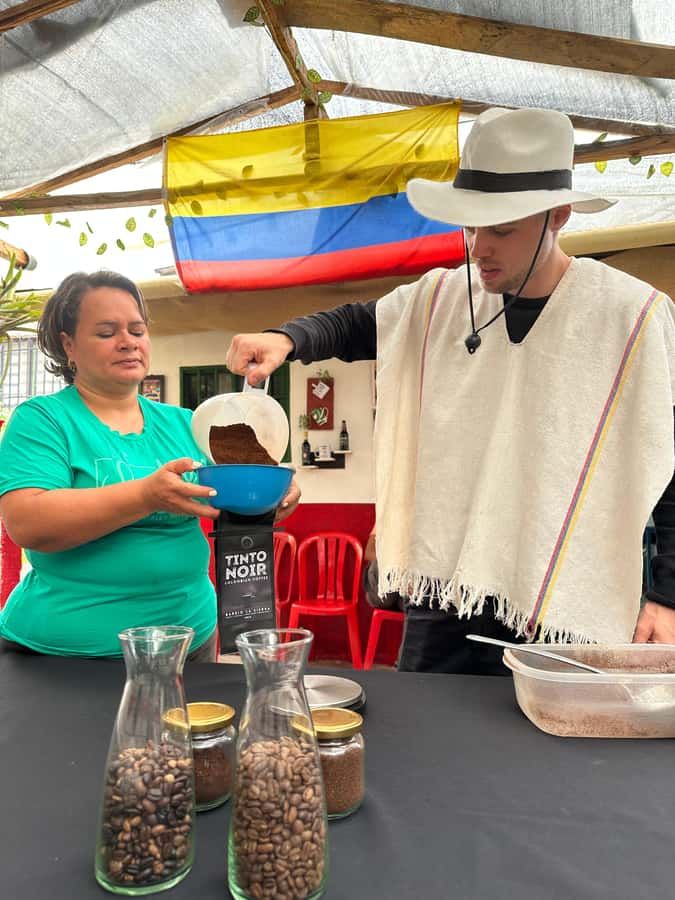
Coffee processing is the educational heart of the outing. You learn about the stages that turn a picked berry into something you can brew.
The farm explains the work involved in cleaning, fermenting, drying, roasting, and grinding. You also see how much of the process remains hands-on. It is a useful reminder that even an ordinary cup contains many separate jobs.
The tasting then makes the lesson practical. You drink coffee made from the farm’s production, and some accounts describe it as excellent. The experience includes several coffee servings, along with a local snack and pastry in at least part of the visit.
Do not expect a formal competition between several varieties. One visitor would have liked a comparative tasting, and that is a fair point. If you want detailed instruction on altitude, processing styles, or side-by-side flavor notes, a specialist tasting elsewhere may offer more. This tour is better at showing the full chain of production and connecting it to a particular place.
Coffee bags are not included in the price. You may be able to buy coffee at the farm, but the cost of bags is separate. If you want a souvenir, ask the guide or family about current availability rather than assuming it is part of the package.
What $56 buys you
The $56 price needs to be judged against the full half-day, not just the beverage at the end. Your fee covers the guided route, the cable car, the neighborhood walk, the Casa Finca de La Sierra and museum visit, the coffee activity, and tastings.
The small-group feel is another part of the value. The exact group size is not stated, but the experience has often been described as relaxed and personal. A smaller group makes it easier to ask questions, keep up on steep streets, and speak with the family without turning the visit into a crowd around one person.
The price is less attractive if you only want to taste Colombian coffee. Medellín has cheaper cafés and shorter coffee walks. This outing earns its price through transport, local context, hands-on work, and direct support for a family and community project.
There is no pressure to buy extra items, which helps. The one additional cost clearly identified is coffee bags, if you choose to purchase them. Food is another practical matter: do not count on finding something to buy along the route. Eat beforehand and carry water.
Who will enjoy this most
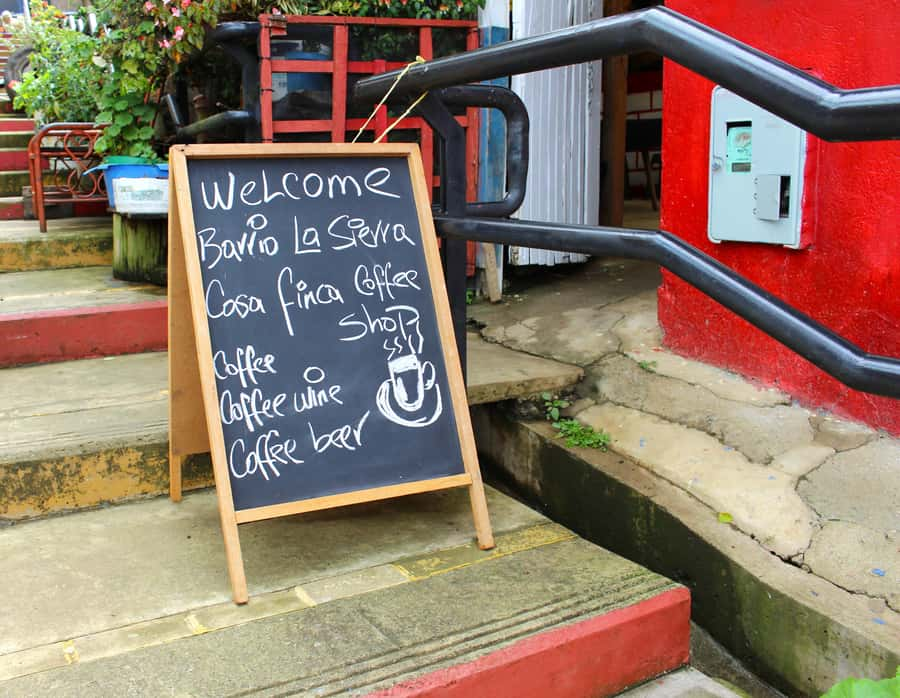
I would recommend this experience to you if you want coffee culture tied to a real neighborhood. It suits people who enjoy walking, public transport, local stories, and practical demonstrations more than polished attractions.
It is also a good choice for travelers who have already visited Medellín’s central sights and want a different side of the city. The cable car views, Comuna 8 walk, and farm visit create a wider picture than a stand-alone tasting.
You do not need to be a serious coffee drinker. The process and community story carry the tour, and one participant who did not drink much coffee still valued the outing. But if you dislike hills, stairs, uneven paths, or several cups of coffee, choose a gentler activity.
Families with older relatives should judge mobility carefully. Someone who can manage a long uphill walk may be fine, but the tour is officially not suitable for people with mobility impairments. The guide can help with pacing, yet no guide can remove the physical demands of the route.
Guides make a real difference
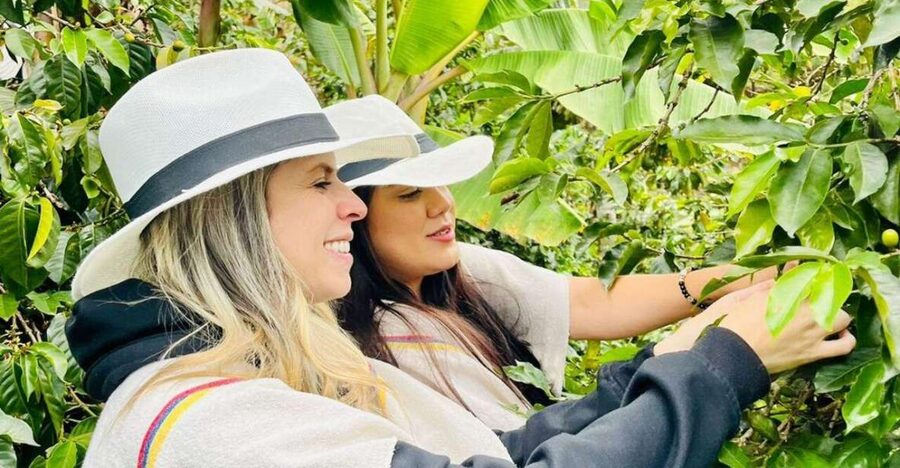
Because the visit combines Spanish-speaking hosts with English-speaking visitors, the guide matters a great deal. The best guides do more than point out coffee plants. They translate conversations, explain the neighborhood, answer questions, and help the visit feel respectful.
Carolina has been praised for her warmth and clear explanations. Melisa is known for careful translation and for answering questions patiently. Valentina, David, Arturo, Camilo, Christian, and Felipe have also been singled out for friendly, useful guiding.
You may receive a different guide, but look for someone who gives equal attention to the coffee process and the community setting. A rushed guide could reduce the tour to a sequence of transport changes. A good one connects the tram, cable car, neighborhood, farm, and cup into one clear story.
Practical preparation for the 270-minute route
Plan on the full 270 minutes, including transport back to San Antonio. The return ends at the same San Antonio Tranvia meeting point, so you can continue from there by metro or trolley.
Use these simple preparations:
- Wear closed, comfortable shoes with a firm grip.
- Bring water and eat before meeting the group.
- Carry insect repellent if you plan to wear shorts.
- Bring rain protection if the weather looks unsettled.
- Do not bring your passport, but provide your full name and passport number when requested for the booking.
- Keep some time after the tour if you want to buy coffee bags, since they are not part of the price.
The walk may be hot, wet, or tiring depending on the day. That is not a flaw in the tour, but it is part of choosing an urban farm in a hillside neighborhood instead of a flat café near the center.
Should you book this Medellín coffee farm tour?
Book it if you want hands-on coffee, a local family connection, and a look at Comuna 8 that goes beyond the usual city route. The 4.9 rating from 277 bookings reflects a very consistent response to the guides, the farm hospitality, the cable-car views, and the chance to pick coffee yourself.
Skip it if you need a short, flat, food-focused outing or if you want a formal tasting with several coffee varieties. For most physically active visitors, though, the combination is hard to find elsewhere in Medellín: public transport, hillside views, neighborhood context, coffee harvesting, and a family-run farm in one half-day.
FAQ
Where does the tour begin?
Meet the guide in front of the main entrance to the San Antonio Tranvia station, at street level underneath the San Antonio metro station. The address is Cra. 50A with Calle 46.
How long does the experience last?
The full activity lasts 270 minutes, or four and a half hours. The route returns to the San Antonio Tranvia station.
Is transportation included?
The tour uses Medellín’s electric trolley and cable car. The cable car is included, and both rides form part of the planned route.
What languages are available?
Live guiding is available in English and Spanish.
Do I need to bring my passport?
No. You should not bring your passport. You must provide your full name and passport number for the booking.
Is the tour suitable for people with limited mobility?
No. The experience includes uphill walking, stairs, and movement through Barrio La Sierra, so it is not suitable for people with mobility impairments.
Just added around Medellin
- Medellin: Coffee Farm Tour & Spa with Overnight Glamping★ 4.5 · 3 reviews
- Medellin: Avoeden Café Coffee Brewing Workshop★ 5.0 · 12 reviews
- Medellin: The Best Coffee Tasting Experience★ 5.0 · 5 reviews
- Medellin: Coffee and fruit tour★ 4.9 · 12 reviews
- Guatape Coffee Villa including Rock Town & Waterfall★ 5.0 · 12 reviews
- Guatapé & Coffee Farm, all in one day★ 5.0 · 3 reviews
- From Medellin: Private Envigado Coffee Tour with Tastings★ 4.3 · 4 reviews
- Medellín: Coffee Tour Experience at a Coffee Farm★ 4.8 · 3 reviews
Medellin Coffee Tours, compared.
Coffee Tour with Transport, Snacks and Tastings
Read our review →
Coffee & Chocolate Private Tour in Medellin: Genuine Experience
Read our review →
Coffee Tour with arrival on horseback and sugar cane processing
Read our review →
Coffee Tour in the Beautiful Jardin Town: Adventure in the Andes
Read our review →Browse the lists this tour appears in