
REVIEW · DOMINICAN REPUBLIC COFFEE TOURS
Monte Alto Factory Coffee Tour: Jarabacoa Experience
Coffee tells you a lot about Jarabacoa. At Café Monte Alto, you follow the crop from plantation to roasting room, then sit down with a fresh Dominican brew and mountain views. I like the clear bean-to-cup story and the chance to see actual processing rather than only hearing a polished coffee tale. I also like the friendly teaching style, especially from Melvin, who kept children engaged during one family visit. The main consideration is time: one hour passes quickly, and the roasting area can feel warm.
This is a compact, low-cost experience for anyone curious about Dominican coffee, local agriculture, or the work behind an everyday cup. At $20 per person, the tour offers a plantation visit, factory access, a guide in English or Spanish, and a tasting. You will not spend half a day here, but you will come away with a clearer idea of how coffee moves from berry to bag.
Key points about the Monte Alto coffee visit
- The tour takes one hour: It gives you a focused introduction rather than a long farm outing.
- You see the full coffee process: The visit covers harvesting, sorting, roasting, grinding, and packaging.
- The plantation setting matters: Mountain scenery and coffee fields give the factory visit a genuine sense of place.
- Sustainable practices are explained: You receive an overview of how the plantation approaches responsible production.
- Melvin is a strong guide for families: His ability to make the process fun helped hold the attention of children in a large group.
- The tasting is included: Freshly brewed Dominican coffee finishes the tour, while coffee bags and souvenirs cost extra.
Why Jarabacoa coffee is worth your time
Jarabacoa gives this visit more character than a city tasting room. The coffee is connected to a working plantation and to the mountain area of La Vega Province, so you can see the setting where the story begins. The tour is not simply about drinking coffee. It explains the labor and care needed before the beans ever reach a grinder.
I like experiences that show the steps behind a familiar product. Most of us see coffee as a finished drink, sealed in a bag or poured into a cup. Here, you get a short but useful look at harvesting, sorting, roasting, grinding, and packaging.
The visit also gives you a better sense of Dominican coffee as a local product. Your guide introduces the coffee traditions of the Dominican Republic and explains what makes Café Monte Alto’s production distinctive. The information is practical rather than academic, which suits a one-hour visit.
The mountain scenery adds something important. You are not tasting a random coffee in an indoor shop. You are drinking near the plantation and processing operation, with the surrounding mountain setting helping connect the cup to its source.
A few more coffee tours around the Dominican Republic worth a look
- Buggy Ride Into the jungle with cave coffee & chocolate tasting
★ 5.0 · 465 reviews - ATV Adventure w/ Chocolate, Coffee & Cave Swim in Punta Cana
★ 5.0 · 178 reviews - Buggy Tour in Punta Cana: Mamajuana – Coffee – Swimming in Cenote and Macao Beach
★ 3.9 · 105 reviews
Starting at Belarminio Ramírez e Hijos
The experience begins at Belarminio Ramírez e Hijos, Café Monte Alto, in the Jarabacoa area. This is the working home of the coffee operation, not just a branded retail stop.
Your guide begins with a welcome and an introduction to the plantation. You learn about the company, the role of coffee in the Dominican Republic, and the basic path the beans will take during your visit.
This opening matters because it gives the rest of the tour a framework. When you later see beans being prepared or roasted, you already understand where that step fits. Without this introduction, the factory could seem like a series of machines and work areas. With it, each stage has a purpose.
Guides speak English or Spanish, so you can choose the language that works best for your group. The available information does not specify a regular group size, so I would not assume a private visit. If you want a more personal exchange, arrive ready with questions about the farm, production, or coffee preparation.
Walking through the plantation
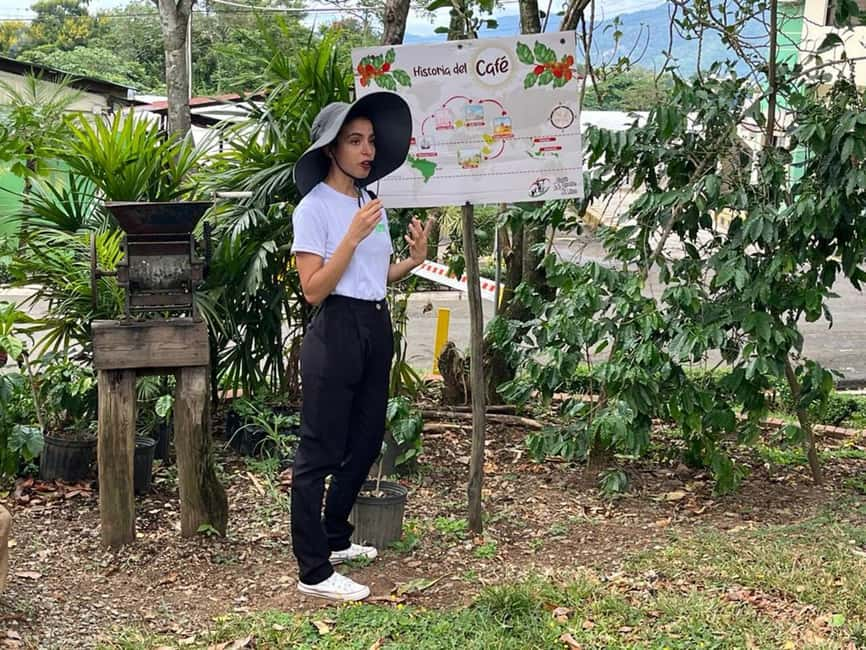
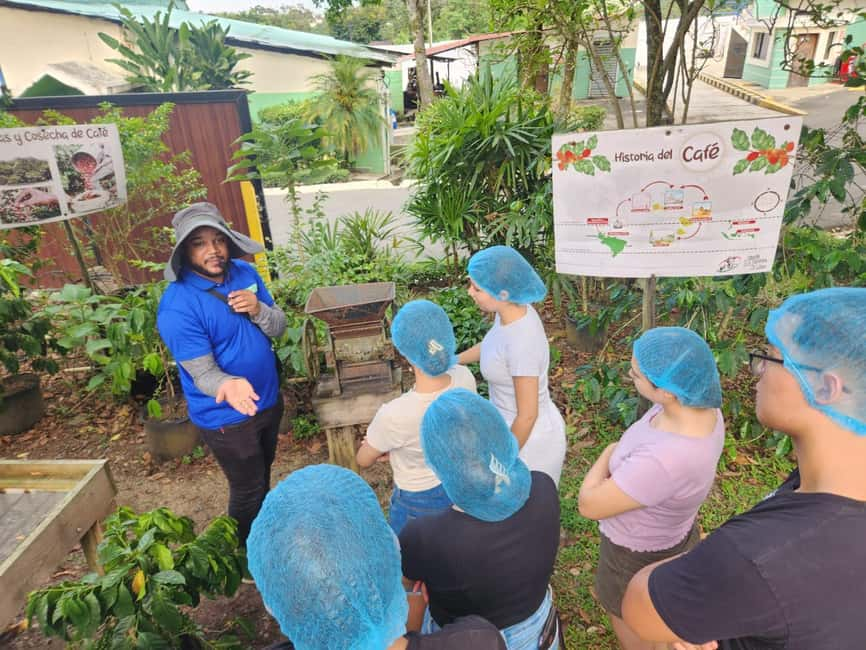
The plantation walk is one of the most appealing parts of the experience. You stroll through the coffee-growing area and hear about how the crop is managed before it reaches the processing room.
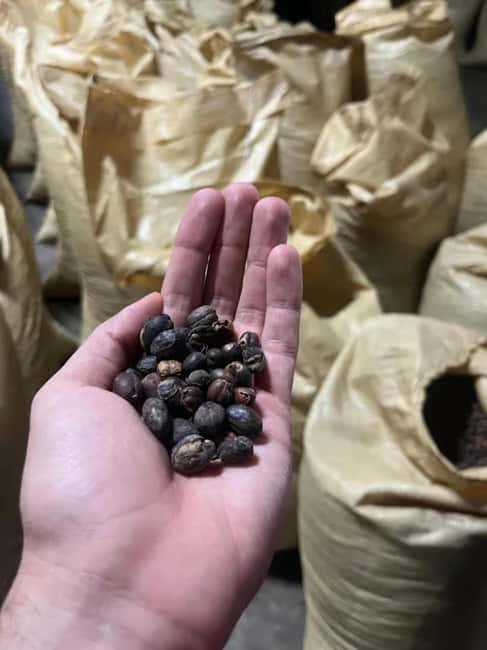
The guide explains how beans are harvested, sorted, and prepared. This is where the tour moves beyond a basic factory demonstration. You begin to see that quality depends on decisions made long before roasting, including which beans are selected and how they are handled.
The plantation also provides the clearest connection to sustainable practices. You receive an overview of the methods used at Café Monte Alto, though the available information does not list specific agricultural techniques. That means you should treat this as an introduction rather than a detailed farming course.
I would pay close attention during this part and ask questions while you are still among the plants. If you wait until the tasting, the practical details about harvesting and sorting may feel less connected to what you have seen.
The walk is likely the most outdoors-oriented section, while the processing area brings you inside. Comfortable clothing is the sensible choice for both. The tour does not specify particular footwear, weather conditions, or trail difficulty, so you should not expect a long hike or prepare for rugged trekking.
Seeing coffee change inside the factory
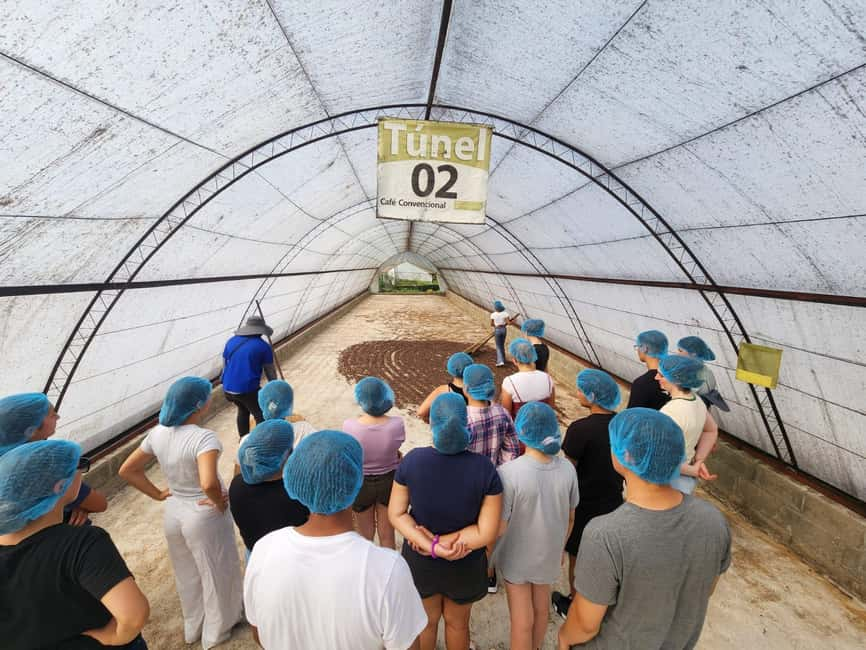
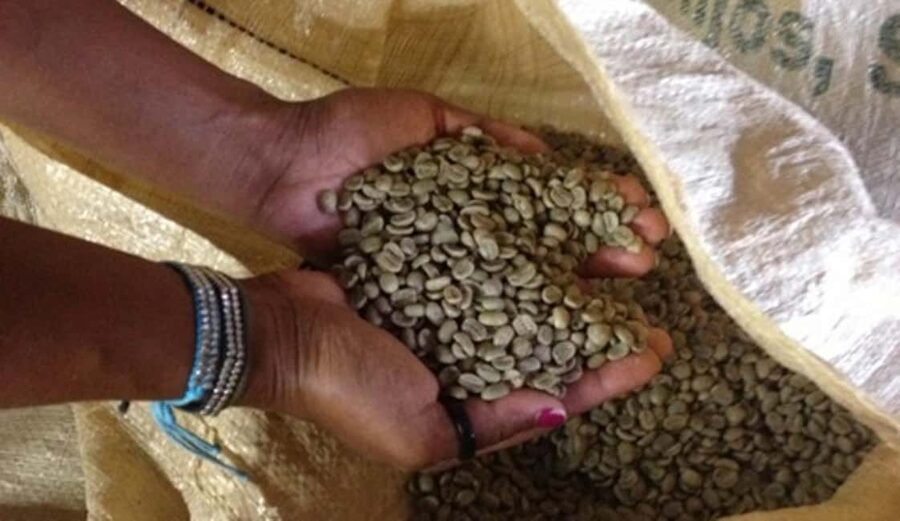
After the plantation, you enter the processing area. This is the point where the coffee becomes easier to understand as a product. You see how raw beans are roasted, ground, and packaged for sale.
Roasting is the most vivid step because it changes the beans in front of you. The guide explains the techniques used to protect flavor, aroma, and freshness. You may already know the basic idea, but seeing the process at the factory gives the explanation more weight.
The room can be warm because of the roasting equipment. Wear light, comfortable clothes and avoid treating this as a place for formal dress. Food and drinks are not allowed, which makes sense around production equipment. Pets are also not permitted.
The processing area is valuable for another reason: it helps you understand the difference between coffee at different stages. A raw bean, a roasted bean, ground coffee, and the finished package are not interchangeable points in the process. Each stage affects the final taste and freshness.
Because the whole tour lasts only an hour, the factory portion will be an overview rather than a technical demonstration of every machine. That is not a fault, but it sets the right expectation. You are getting a clear introduction, not professional barista training or a full agricultural workshop.
Same place, a different cup:
- Full-Day Adventure with ATV, Party Boat, Snorkel & Coffee Tasting
★ 5.0 · 93 reviews - ATV OR BUGGY Ride Into the jungle with cave coffee & chocolate
★ 5.0 · 73 reviews - Las Terrenas: Private Coffee Trail ATV Tour in Samana
★ 5.0 · 66 reviews - Santo Domingo Small Group Walking Tour: Beer and Specialty Coffee
★ 5.0 · 55 reviews
Finishing with a Dominican coffee tasting
The final tasting brings the tour together. You receive freshly brewed Dominican coffee and have time to consider what you have just seen.
This is more useful than a quick sample handed over at the entrance. By this point, you understand the production chain, from plantation work through processing. The drink becomes an example of all those steps rather than just a free cup.
The tasting is also your best chance to ask follow-up questions. You can discuss flavor, roasting, freshness, or the differences between coffee stages. The setting includes mountain scenery, so the final pause has a pleasant sense of place.
Coffee preference is personal, and the tour does not promise a particular roast or tasting profile. You should come ready to try the coffee as presented rather than expecting a custom drink. The included tasting is part of the tour, not a full café menu.
If you enjoy the coffee, you can buy bags directly from the plantation. Coffee bags and other souvenirs are not included in the $20 price, so plan to pay extra for anything you take home. That direct purchase can be a practical souvenir, especially if you prefer something connected to the place rather than a generic gift-shop item.
How the guides shape the experience
The guide can make or break a short educational tour. With only one hour, clear explanations and good timing matter.
Melvin received especially strong praise for keeping a large group of children involved. The children had little interest at first, yet he made the process fun while still explaining the coffee production carefully. That detail is useful if you are visiting with a mixed-age family. The tour is not limited to serious coffee enthusiasts.
Another visitor described the experience as educational and praised the guide for being informative. That matches the basic design of the visit: you are not simply shown around the facility, you are given a story that links the farm, factory, and cup.
I would still keep expectations realistic. A skilled guide can make the hour engaging, but the tour remains short. You may not have time for every question, especially if your group is large. If a certain part of coffee production interests you, ask early rather than saving all your questions for the last few minutes.
Is $20 a fair price?
At $20 per person, the value is good if you want a short, organized introduction to Dominican coffee.
The price includes entrance, a guided visit to Café Monte Alto, an explanation of the factory and its sustainable practices, access to the processing area, and the final tasting. You are paying for more than a cup of coffee. You are paying for the interpretation that connects the plantation to the finished product.
The strongest value comes from the range covered in one hour. You see the growing area, learn about preparation, enter the processing facility, and taste the result. Many longer food experiences spend much of their time on transportation or waiting. Here, the listed duration is focused.
The limitations are also clear. Coffee bags and souvenirs cost extra. The tour does not include a meal, and it is not designed as a long farm excursion. If you want a full day among the mountains or an advanced coffee class, this will feel too brief.
For a first introduction, though, $20 is reasonable. Families can share the experience across age groups, and coffee drinkers get useful context without committing to a half-day activity.
Who should book this Jarabacoa tour?
I would recommend Café Monte Alto to coffee drinkers who want to understand the product at its source. It suits people who enjoy seeing how local goods are made, especially when a factory visit can be combined with outdoor scenery.
Families should also consider it. Melvin’s success with children suggests that the right guide can turn the process into something lively rather than dry. The one-hour length helps, since younger children may struggle with a much longer agricultural visit.
It is also a good choice for visitors with limited time in Jarabacoa. You get a complete introduction without giving up most of your day. The short format makes it easier to combine with other plans, although no transport or additional activities are listed here.
You may want to skip it if you dislike coffee, have little interest in production methods, or expect a long walk through the mountains. The plantation setting is part of the appeal, but this is still a structured factory tour with a tasting at the end.
The tour is not suitable for babies under one year or people over 95 years. The facility can be warm, and pets are not allowed. Those details are simple, but they matter when planning for a family group.
Useful planning details before you go
Wear comfortable clothes. That advice is especially important because you move between the plantation and the warm roasting area.
Food and drinks are not allowed during the visit, so do not plan to bring snacks inside. The coffee tasting is provided as part of the experience.
The tour is available in English and Spanish. If language is important for your group, select the option that lets you follow the explanations comfortably.
The booking terms are flexible. You can cancel up to 24 hours before the activity for a full refund, and you can reserve now while paying later. Starting times vary, so check availability when choosing your date.
The overall rating is excellent, with three five-star ratings recorded. The strongest praise centers on the educational content, the guide’s communication, and the ability to keep children interested. Those are the points I would weigh most heavily when deciding if this fits your plans.
Should you book Café Monte Alto?
Book this tour if you want an affordable, one-hour look at Dominican coffee that combines a plantation walk, factory visit, and tasting. The clearest reason to go is the complete bean-to-cup explanation, delivered in a format that can work for adults and children.
I would especially choose it for a family group, a coffee-curious visitor, or anyone looking for a manageable activity in Jarabacoa. Just wear comfortable clothing, expect warmth inside the roasting area, and remember that coffee bags are extra.
Skip it only if you want a long countryside outing or a highly technical coffee course. For a brief, friendly, useful introduction to Café Monte Alto and Dominican coffee, the $20 price is easy to justify.
FAQ
Where does the Monte Alto Factory Coffee Tour begin?
The tour begins at Belarminio Ramírez e Hijos, Café Monte Alto, in the Jarabacoa area of La Vega Province, Dominican Republic.
How long does the Café Monte Alto tour last?
The guided tour lasts one hour.
How much does the experience cost?
The listed price is $20 per person.
What does the tour include?
It includes entrance fees, a guided tour of Café Monte Alto, an overview of the factory and sustainable practices, a visit to the processing area, and a coffee tasting at the end.
Is coffee tasting included?
Yes. The experience ends with freshly brewed Dominican coffee.
Can I buy coffee at the plantation?
Yes. You can purchase coffee bags and other souvenirs, but these are not included in the tour price.
What languages are available?
The tour is offered in English and Spanish.
What should I wear?
Wear comfortable clothes. The inside of the facility can be warm because of the roasting process.
Can I cancel or pay later?
You can cancel up to 24 hours in advance for a full refund. Reserve now and pay later is also available.
Just added around the Dominican Republic
- Discover Dominican Treasures: Rum, Cigars, Coffee & Chocolate★ 3.0 · 5 reviews
- Buggy Ride with Cenote Coffee and Chocolate Tasting★ 5.0 · 2 reviews
- Dominican Coffee Tasting and Pairing Experience★ 3.5 · 3 reviews
- Punta Cana Family Buggy; cave pool, beach, coffee tasting★ 5.0 · 4 reviews
- Cigar, Coffee and Mofongo Tour in Dominican Republic★ 5.0 · 3 reviews
- Full Day ATV, Coffee, Chocolate Tasting & Party Boat★ 5.0 · 5 reviews
- Higuey discovery, coffee and cocoa tasting from punta cana★ 4.8 · 11 reviews
- From Puerto Plata Priv: Cocoa, Coffee, Cigars & Local Market★ 5.0 · 2 reviews
Dominican Republic Coffee Tours, compared.
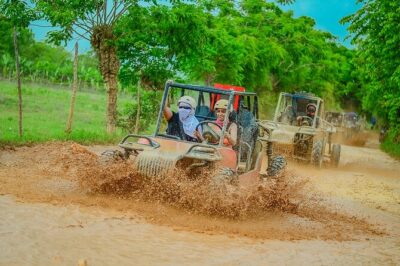
Buggy Ride Into the jungle with cave coffee & chocolate tasting
Read our review →
ATV Adventure w/ Chocolate, Coffee & Cave Swim in Punta Cana
Read our review →
Buggy Tour in Punta Cana: Mamajuana – Coffee – Swimming in Cenote and Macao Beach
Read our review →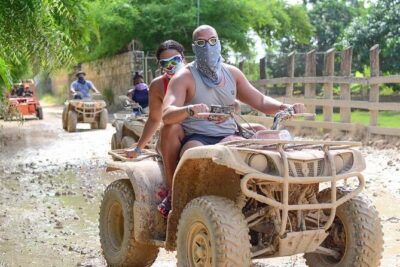
Full-Day Adventure with ATV, Party Boat, Snorkel & Coffee Tasting
Read our review →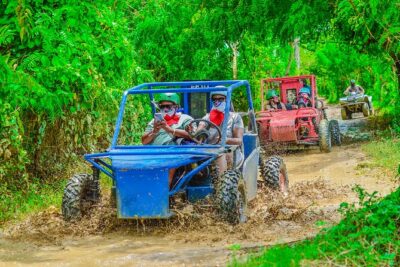
ATV OR BUGGY Ride Into the jungle with cave coffee & chocolate
Read our review →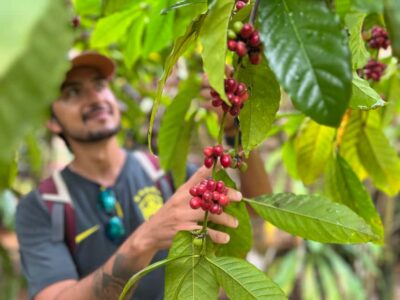
Las Terrenas: Private Coffee Trail ATV Tour in Samana
Read our review →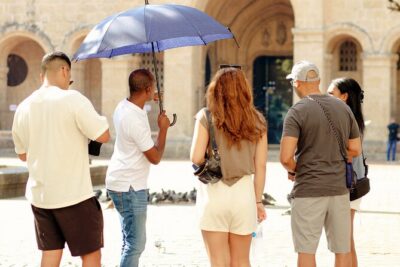
Santo Domingo Small Group Walking Tour: Beer and Specialty Coffee
Read our review →
Buggy Ride into the Jungle coffee , chocolate tasting Cenote
Read our review →Browse the lists this tour appears in