
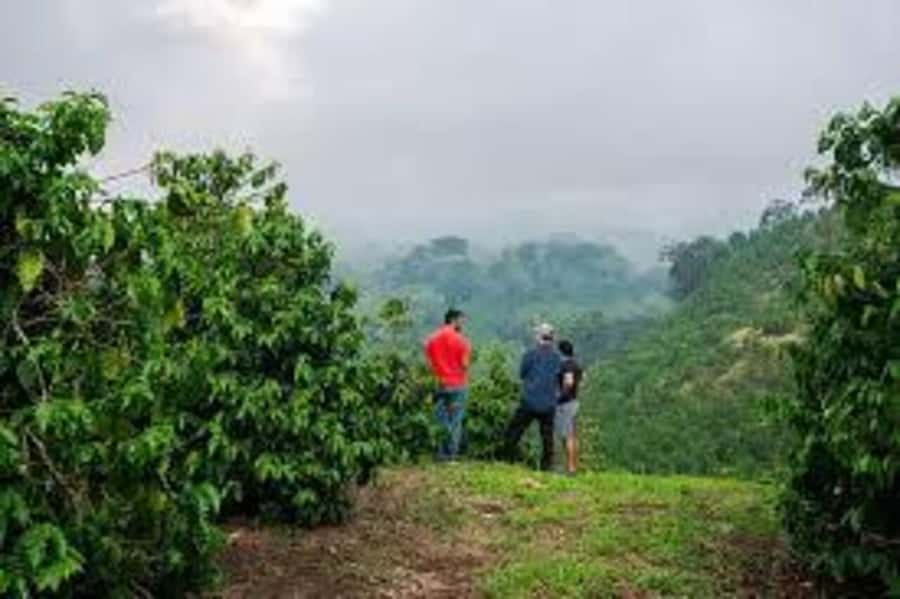
REVIEW · KIAMBU COFFEE TOURS
Nairobi: Fairview Coffee Estate Tour with Pickup
Coffee tastes better at its source. At Fairview Coffee Estate, you walk among SL28 and Ruiru 11 coffee plants, visit the wet and dry mills, and roast your own beans over a traditional jiko. I especially like the hands-on roasting and the chance to taste several roast levels with a certified cupping host. The green Kiambu setting also gives you a peaceful break from Nairobi.
There is one important catch: the advertised $38 price does not include the $30 entry fee. That makes the real cost about $68 before personal purchases. Pickup is included, which is useful, but transport needs attention. One delayed pickup caused a guest to miss the group visit, and a separate driver-arranged restaurant stop led to an unpleasant overcharge.
Key points at a glance
- Roast your own beans: Use firewood and a traditional jiko to roast, grind, and bag coffee.
- See coffee in two forms: Walk through the growing fields, then visit both the wet and dry mills.
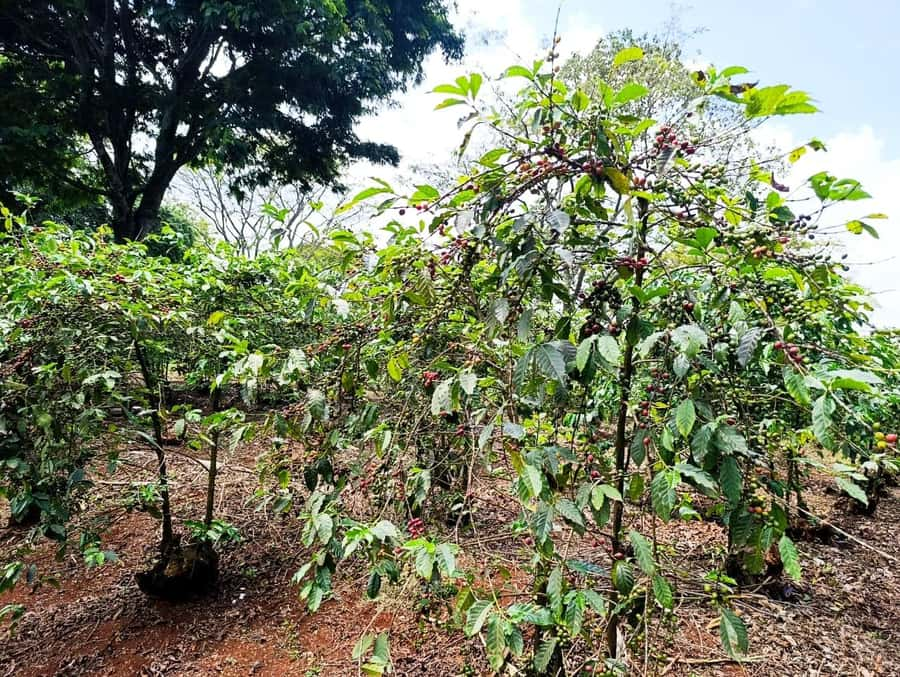
- Look for SL28 and Ruiru 11: These named varieties give the farm walk more meaning than a simple plantation stroll.
- Taste coffee with guidance: Compare roast levels during a cupping session led by a certified host.
- Plan for the extra fee: The $30 entry charge is separate from the listed $38 tour price.
- Travel during harvest: April to June and October to December offer the best chance of seeing active coffee work.
Leaving Nairobi for Fairview Coffee Estate
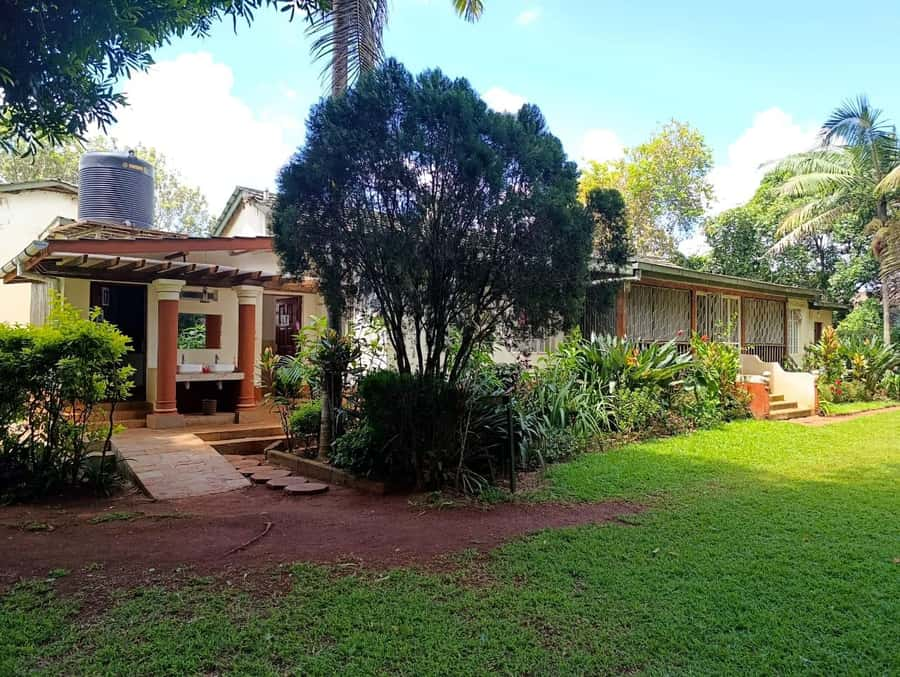
The tour begins with pickup from several Nairobi areas: Kilimani, Kileleshwa, Parklands, Syokimau, Westlands, and Loresho. That coverage is handy if you are staying outside the city center, and return transport is offered to the same general set of areas.
The drive takes you toward Kiambu, in Kenya’s central highlands. At roughly 1,800 meters, the farm has a cooler feel than much of Nairobi, but the altitude still matters. Bring water, use sunscreen, and wear shoes with a firm sole. The paths are walkable, yet this is a farm, not a polished museum floor.
The advertised duration is four hours, with about three hours at the estate. That gives you enough time for a guided walk, the mill visits, roasting, tasting, refreshments, and some free time without turning the outing into an all-day commitment.
Pickup is the part I would watch most closely. A serious delay previously caused a guest to miss the planned group tour and face a choice between waiting several hours or paying an extra $20 per person for a private option. Confirm your pickup details before the day, keep the provider’s contact information close, and do not assume a late arrival will automatically be absorbed into the schedule.
More Coffee Farm Tours in Kenya:
- Nairobi Coffee Farm and Factory Tour
★ 5.0 · 87 reviews - Coffee Farm Tour (Fairview)
★ 4.8 · 71 reviews - Nairobi: Coffee Factory and Farm Tour with Transfer
★ 4.5 · 60 reviews
A Kenyan welcome with coffee and local treats
At Fairview, the visit starts with a fresh cup of coffee and small local sweet bites. This opening is more than a polite welcome. It gives you a first taste before you see how the drink is grown and processed.
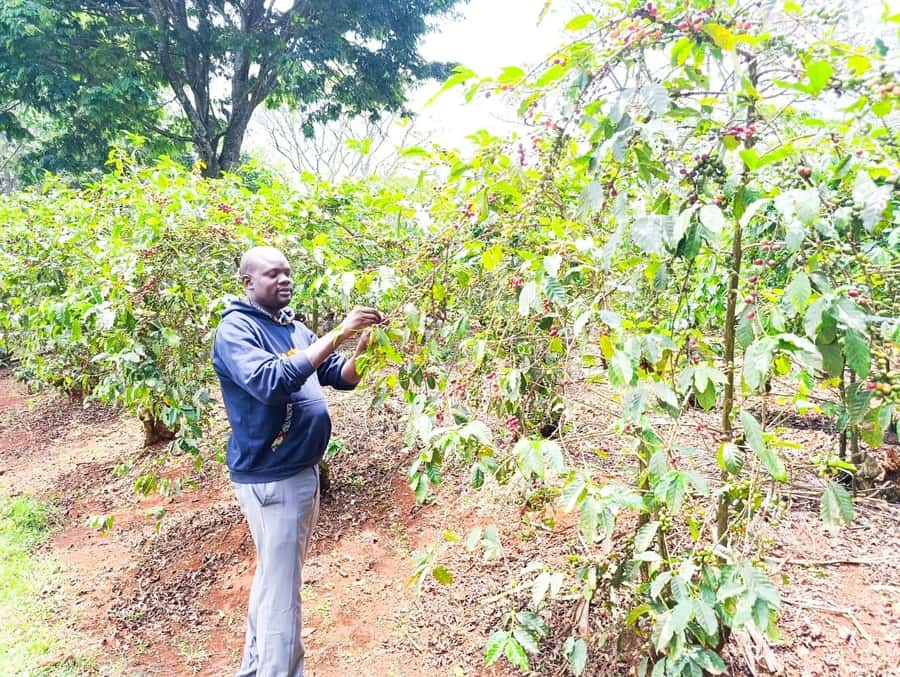
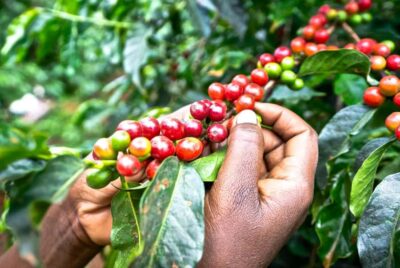
You then move into the farm story. Guides explain seedling propagation, soil care, and cherry selection. If coffee cherries are in season, you may get a chance to handle some of the work yourself. The timing matters here. The best months for active harvest are April to June and October to December, so a visit outside those periods may focus more on the plants, processing systems, and coffee education than on picking.
The guide is a key part of this experience. James received particular praise for explaining the plantation clearly, adding jokes and games, and keeping the technical material easy to follow. That matters because coffee production can become a dry list of farming terms. A good guide connects each step to the cup you drink later.
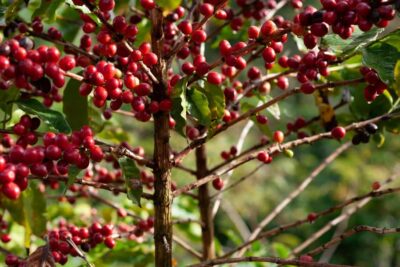
Look closely at the coffee varieties. SL28 and Ruiru 11 are not just labels on a sign. Seeing them in the field helps you understand that Kenyan coffee is not one uniform product. The plants, growing conditions, harvest choices, and processing methods all shape what eventually reaches your mug.
From coffee cherry to raised drying beds

The factory portion shows what happens after a worker picks a ripe cherry. At the wet mill, you can follow the early stages of processing, including pulping, fermentation, and washing. This is where the fruit surrounding the coffee seed is removed and the beans begin their transformation.
Fermentation is an especially useful step to see in person. It is easy to think of coffee as something that simply grows, dries, and gets roasted. In fact, careful post-harvest work has a large effect on the final flavor. The farm visit gives you a clearer sense of how much happens before roasting begins.
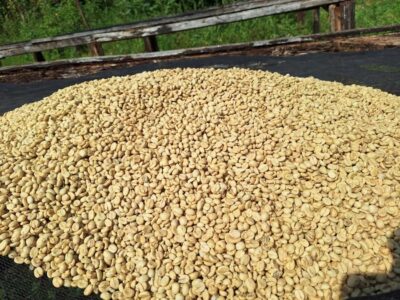
The dry mill completes the picture. After processing, beans are dried on raised beds, then prepared for later stages of production. The visit helps you connect the field, the wet mill, the drying beds, and the roasting hut into one chain rather than treating coffee as a packaged grocery item.
The factory may be quiet or active depending on the season and the day. You should not expect every machine to be running at full pace every time. Still, the guided explanation makes the equipment meaningful, especially if you have never seen coffee processed before.
The firewood roasting workshop
The most hands-on part is the roasting session. In a rustic roasting hut, you use a traditional jiko over firewood to roast your own beans. A local expert guides you through the process, then helps you grind and bag the coffee.
This is where the tour earns much of its value. You are not only watching a demonstration. You get to take part in a small piece of the craft and leave with a better feel for how heat changes the beans. Roasting also gives you a new appreciation for the smell, color, and texture of coffee before it becomes a drink.
The process is practical rather than polished. Expect a rustic setup, not a modern coffee laboratory. That is part of its charm, but it also means you should wear comfortable clothes and shoes that can handle a farm environment. Sunscreen and water are sensible additions, even though the roasting hut itself may offer some shelter.
You also grind and bag the coffee under guidance. The amount of coffee you take home is not specified, so do not assume the workshop includes a large retail package. Think of it as a tactile lesson with a personal sample, not a substitute for shopping at the estate.
A few more coffee tours around Kenya worth a look
- Coffee Farm Village & Factory Half Day Tour with Pick-Up
★ 5.0 · 33 reviews - Nairobi: Guided Coffee Farm Tour with Tastings
★ 5.0 · 24 reviews - Coffee farm tour, coffee roasting and tasting experience
★ 5.0 · 20 reviews - Private Half-Day Tour in Fairview Coffee Farm from Nairobi
★ 5.0 · 13 reviews
Cupping several roast levels
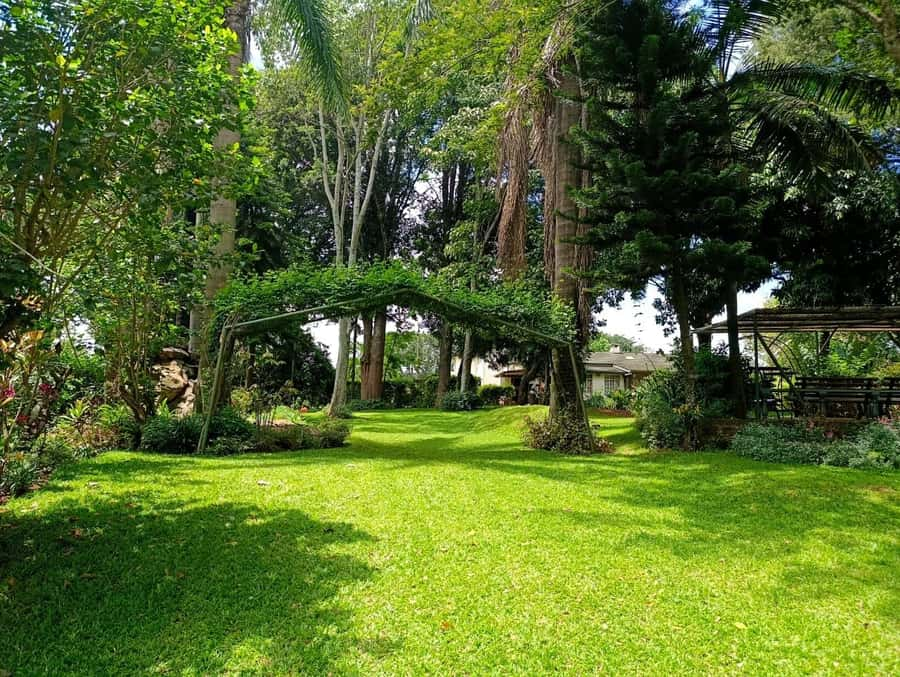
After the roasting activity, a certified cupping host leads a tasting session. You sample different roast levels and learn how to pay attention to the coffee rather than simply deciding if you like it.
Cupping can seem formal at first, but the host helps you refine your palate. You may notice differences in aroma, body, acidity, and finish. Even if you are not a serious coffee drinker, tasting the roast levels side by side makes the lesson easier to grasp.
This part is particularly useful because it links directly back to your roasting work. You have seen green coffee in the field, watched it move through processing, and handled the beans near the fire. Now you can taste one of the results.
The focus is on true Kenyan coffee and its notable flavor. The exact profile will vary with the beans and roast, so it is wiser to expect a guided comparison than one guaranteed flavor sensation. The point is to notice how preparation changes the character of the drink.
A final terrace break with local snacks
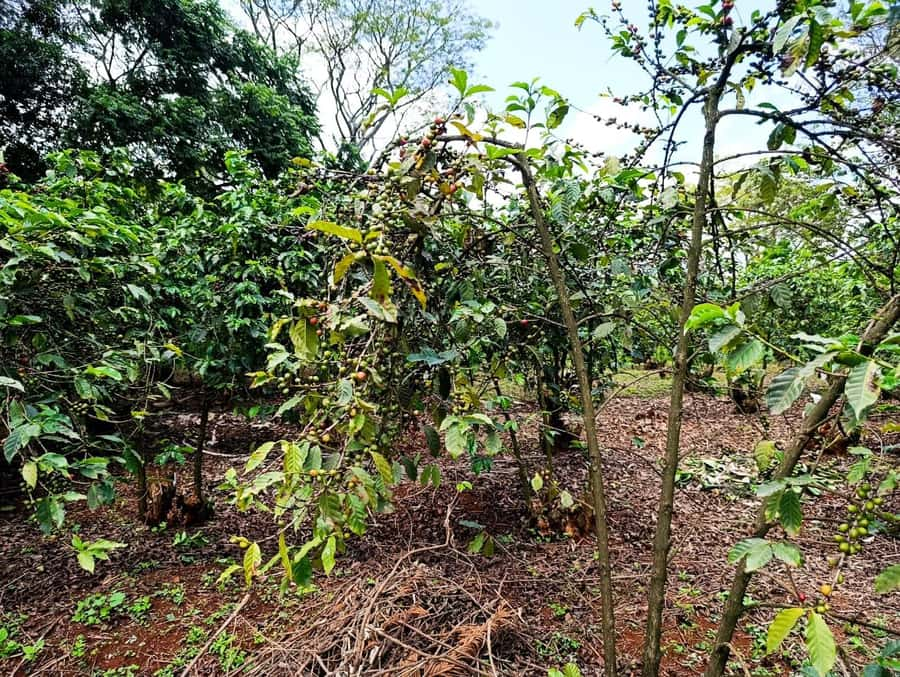
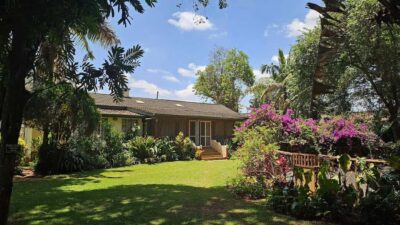
The tour closes with time on a scenic terrace. You receive a snack platter with local fruits, pastries, and fresh juice. After walking through the farm and concentrating on technical details, this pause gives you room to enjoy the setting at an unhurried pace.
I like this ending because it keeps the visit from feeling like a factory inspection. Coffee is part of the experience, but so is the food, the highland air, and the chance to sit down before returning to Nairobi.
There is also free time for sightseeing and shopping. Personal purchases are not included, so budget separately if you want to buy coffee or other items. The tour price covers the stated refreshments and activities, not anything you choose to take home.
What the $38 price really means
At first glance, $38 per person looks fair for a four-hour outing with pickup, a guided farm and factory visit, roasting, coffee tasting, snacks, and return transport. Those inclusions make it more useful than a simple estate entry ticket.
But the separate $30 entry fee changes the calculation. Your basic total is about $68 per person, before personal purchases. That is the figure I would use when comparing this with other Nairobi activities.
At that full cost, the tour makes the most sense if you care about coffee production and want a hands-on activity. The roast-your-own session, mill visits, and cupping are not just filler between photo stops. If you only want a scenic half-day outside Nairobi, the price may feel less attractive.
The fee should be clear before you set off. One person arrived without realizing the entry charge was separate and was surprised when payment was requested at the farm. Bring a payment method suitable for the local arrangements, and confirm the exact fee before booking so you are not working from the headline price alone.
The included pickup and drop-off still add real value. Nairobi traffic and distances can make a self-arranged visit tiring, particularly if you are unfamiliar with the city. Just keep an eye on the transport arrangements because a late pickup can affect the whole schedule.
The transport warning you should take seriously
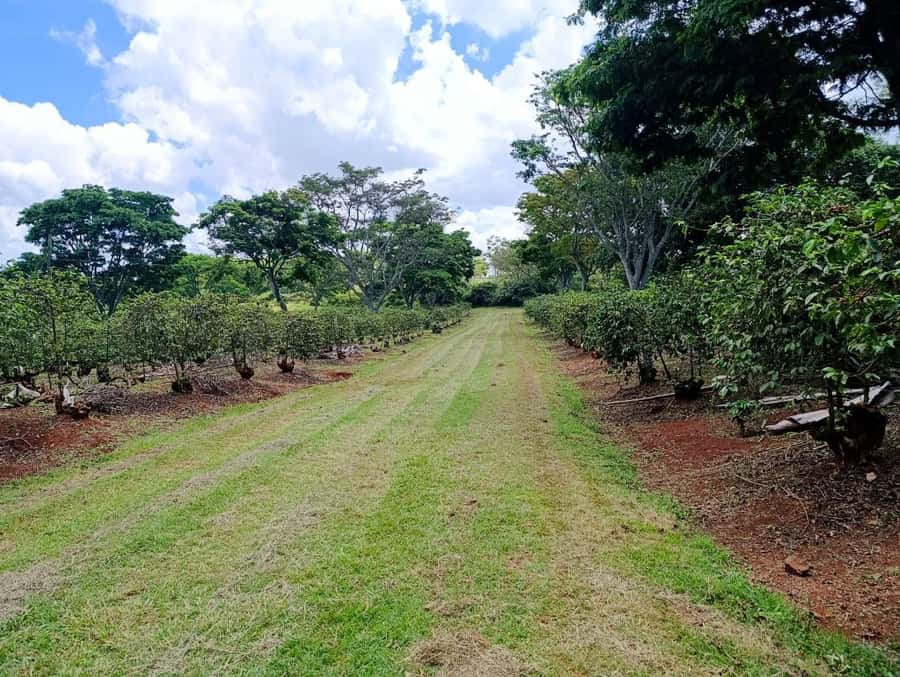
The transport problems deserve plain treatment. A delayed pickup of about 90 minutes caused one guest to miss the group tour. The replacement choices were either waiting around three hours for another visit or paying an additional $20 per person for a private tour.
That is more than a minor inconvenience. A four-hour experience leaves limited room for delays, and missing the group departure can change the cost and format of the day.
There was also a problem on the return journey when the driver suggested a supposedly typical Kenyan restaurant. The meal cost more than $10 per person, and the driver ate without paying after bringing the group there. I would not accept an unscheduled restaurant recommendation without checking the menu prices first. If you need food after the farm, choose the place yourself or ask for the cost before sitting down.
One driver, Surfic, received warm praise for being friendly and helpful. That does not erase the need for caution, but it shows that the quality of the transport can depend heavily on the individual assigned to you.
Who will enjoy Fairview most
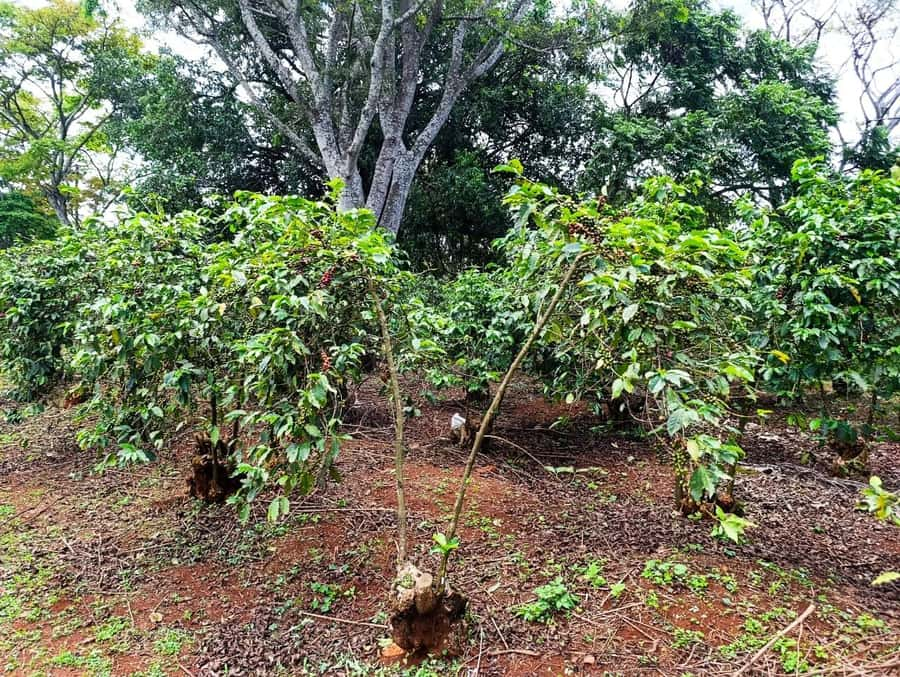
I would choose this tour if you enjoy knowing how food is made. It suits coffee drinkers, curious families, first-time visitors to Kenya, and anyone who wants a calm half-day beyond Nairobi’s traffic.
It is also a good fit for people who prefer participation over passive sightseeing. You roast, grind, taste, walk, and ask questions. The mix keeps the visit varied.
The tour may be less suitable if you are looking for a quick coffee tasting in the city, a luxury estate experience, or a tightly timed outing with no transport uncertainty. The paths are walkable but still farm paths, and the moderate altitude means you should pace yourself and drink water.
English is the tour language. The experience is wheelchair accessible, although you may want to confirm how the specific farm paths and mill areas will work for your needs before arrival.
When to go and what to pack
For the most active agricultural experience, aim for April to June or October to December. These are the stated harvest periods, and you have a better chance of seeing cherry work in progress.
Outside harvest, the visit can still be worthwhile. You will still see the plants, learn about propagation and soil care, visit the processing areas, roast beans, and taste coffee. Just keep your expectations focused on learning and participation rather than guaranteed picking.
Pack:
- Comfortable, sturdy shoes
- Sunscreen
- Drinking water
You may also want a light layer for the highland air, though the tour information specifically emphasizes hydration and sun protection. Avoid treating this as a city café stop. You will be walking through a working farm and spending time around roasting equipment.
Should you book the Fairview Coffee Estate tour?
Book it if coffee is more than a morning habit for you. The best parts are specific and hands-on: seeing SL28 and Ruiru 11 in the field, tracing cherries through the wet and dry mills, roasting over firewood, and comparing roast levels with a cupping host.
I would budget $68 per person rather than $38, confirm the separate entry fee, and take pickup seriously. If the operator can provide a clear pickup time and reliable contact, the tour offers a thoughtful half-day with genuine agricultural context and a pleasant break from Nairobi.
Skip it if you want a cheap outing, dislike farm paths, or have a tightly fixed schedule. For everyone else, especially coffee fans, Fairview gives you a better cup because it shows you the work behind it.
FAQ
How long does the Fairview Coffee Estate tour last?
The experience lasts four hours, with about three hours spent at Fairview Coffee Estate.
What is included in the tour?
The price includes Nairobi pickup and drop-off, a guided farm and factory tour, a hands-on coffee roasting workshop, a cupping and tasting session, a snack platter, and refreshments.
Is the entry fee included in the $38 price?
No. A separate $30 entry fee is listed as not included, so budget about $68 per person before personal purchases.
Where can pickup and drop-off take place?
Pickup and return are available in Kilimani, Kileleshwa, Parklands, Syokimau, Westlands, and Loresho.
What language is the tour conducted in?
The live guided tour is conducted in English.
When is the best time to visit the coffee farm?
The best time for harvest activity is April to June and October to December.
What should I bring?
Bring comfortable sturdy shoes, sunscreen, and water. The farm sits at about 1,800 meters, so staying hydrated is important.
Just added around Kenya
- Fairview Estate Coffee Farm Tour With Pick up★ 5.0 · 2 reviews
- Private Half-Day Tour in Fairview Coffee Farm from Nairobi★ 5.0 · 13 reviews
- Coffee Farm Tour (Fairview)★ 5.0 · 4 reviews
- Coffee Farm Half-Day Tour in Kenya★ 3.0 · 2 reviews
- Private Tour to Fairview Coffee Farm in Nairobi with Pickup★ 5.0 · 2 reviews
- Nairobi: Beads Factory Tour with Pickup & Coffee★ 5.0 · 7 reviews
- FAIRVIEW COFFEE FARM DAY TOUR★ 4.0 · 5 reviews
- Fairview Coffee Estate Tour From Nairobi★ 5.0 · 3 reviews
Kiambu Coffee Tours, compared.
Browse the lists this tour appears in