
REVIEW · BIG ISLAND COFFEE TOURS
Private Coffee Roasting Class
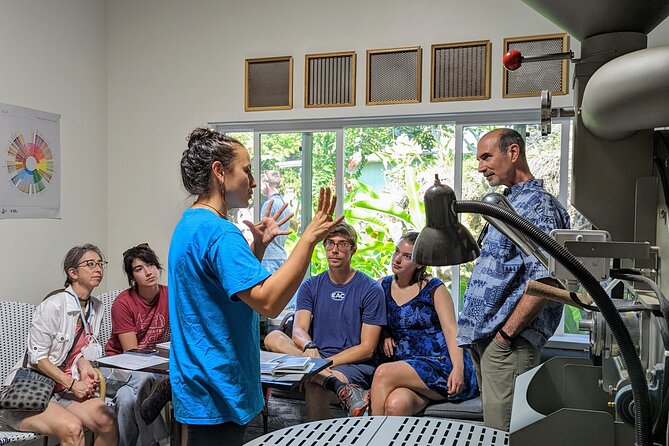
Coffee gets better when you see its journey. At Hala Tree Coffee, you learn how green beans become roasted Kona coffee, then take part in the process yourself. I like the small private format and the chance to roast beans on a drum roaster. I also like that the class includes fresh farm samples and access to 12 coffees afterward.
The main drawback is time. The class is listed at about one hour, though one account describes an activity closer to 1 hour and 45 minutes. That is good news if you enjoy a relaxed pace, but you should leave room in your morning plans.
Key points to know before you book
- Two roasting cycles: You watch one full roast, then take part in a second roast under supervision.
- Private for up to six people: Your group gets the full class rather than sharing the hour with strangers.
- Kona coffee from farm to cup: The lesson covers processing, roasting, and the finished brew.
- Fresh samples included: You can taste coffee straight from the farm and compare the available styles.
- Only $60 per group: For six people, that works out to $10 each before any coffee purchases.
- Easy morning start: Meet at 9:00 a.m. at 82-5966 Mamalahoa Highway in Captain Cook.
Why this coffee class works so well
Kona coffee country can be easy to admire from the car. You pass farms, trees, and roadside stands, then continue on to the next stop. This class gives you a reason to pause and understand what makes the coffee different.
The focus is not simply on drinking a cup. You learn how the bean changes from its raw green form to the brown roasted bean used in a café. That basic lesson has real value because many coffee buyers never see the stages between harvest and brewing.
I especially like the hands-on design. You do not just watch an employee operate a machine while someone talks at you. You take part in the second roast, with supervision, and get a clearer feel for how careful the process must be.
The private setup also matters. With a maximum of six people, the guide can adjust the pace to your questions and interest. If one person in your group wants to discuss roasting while another mainly wants to taste coffee, that is easier here than in a large public class.
More Specialty Coffee Tours in the USA
- Coffee Brewing Workshop
★ 5.0 · 28 reviews - New York City Specialty Coffee Tour
★ 5.0 · 17 reviews - Roasted in Seattle: Bean to Cup Coffee Tour
★ 5.0 · 15 reviews
Arriving at 9:00 a.m. in Captain Cook
The meeting point is Hala Tree Coffee at 82-5966 Mamalahoa Highway in Captain Cook. The class begins at 9:00 a.m. and returns to the same location, so you do not need to arrange a separate ending point.
A morning start suits this activity. Coffee makes sense early in the day, and the class can give you a useful first stop before other Kona Coast plans. You should still allow extra time beyond the stated one-hour length, especially if you want to taste and shop afterward.
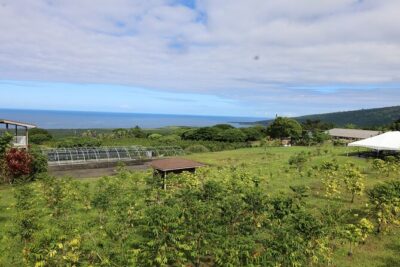
The setting is described as quiet and secluded, which adds to the appeal. This is not presented as a fast stop at a busy café counter. You have time to focus on the machinery, the beans, and the changing smells of the roast.
The location is on Mamalahoa Highway, so you will want to plan your driving time carefully. The booking information gives the address, but it does not include transportation from hotels or cruise ports. You should arrange your own way to the meeting point.
The first lesson: green beans and processing methods
The class begins with the raw coffee bean. You see the small green bean before roasting has changed its color, aroma, and texture.
The instructor explains different processing methods and how they affect roasting. This is one of the most useful parts of the class because roasting does not happen in isolation. The condition and preparation of the bean help determine how it responds to heat.
You will learn the basic principles rather than receive a technical certification. That is the right level for most people. You get enough information to understand what is happening without turning a one-hour class into a professional training course.
The lesson also connects the bean to the wider coffee process, from seedlings at the nursery through roasting and finally to a brewed cup. That broader view gives you a better sense of the work behind a bag of Kona coffee.
Watching the first roast on the drum roaster
You take part in two roasts on the drum roaster. During the first, the staff performs the cycle while explaining each step.
This demonstration gives you a model for the second roast. You can watch how the machine operates, listen for the instructor’s explanations, and see how the green beans change during the process.
The drum roaster is important here because it makes the lesson practical. You are not studying a diagram or watching a distant kitchen machine through glass. The roasting equipment is the center of the class, and the instructor explains the basic principles as the beans move through the cycle.
Coffee roasting can look simple from a distance: apply heat, wait, and collect the beans. The class shows why timing and attention matter. Even without advanced technical detail, you come away with a better idea of why different roast results produce different flavors.
Same place, a different cup:
- Big Island Highlights: Coffee, Volcano, Black Sands & Waterfall
★ 5.0 · 1,054 reviews - Seattle Coffee Tour: Capitol Hill Cafes, Tastings & Local Stories
★ 5.0 · 489 reviews - Award Winning Farm Tour: Coffee, Chocolate and Unique Gifts
★ 5.0 · 484 reviews - Big Island: Volcanoes, Waterfalls, & Coffee Farm Day-Trip
★ 4.9 · 414 reviews
Your turn with the second roast
The hands-on second roast is the heart of the experience. Under supervision, you participate in the roasting process and apply what you just learned.
That makes this a better choice for curious coffee drinkers than a standard tasting. You are not only asked to identify flavors after the fact. You take part in the step that creates those flavors.
The private format should make this less intimidating. Your group can ask for clarification, and the instructor can keep an eye on the process. You will not be left to operate the equipment without guidance.
The class does not promise that you will become a professional roaster in an hour. It does give you a useful introduction to the decisions and methods involved. If you enjoy practical activities, this is likely to be more memorable than simply hearing a talk about Kona coffee.
Tasting fresh Kona coffee after the roast
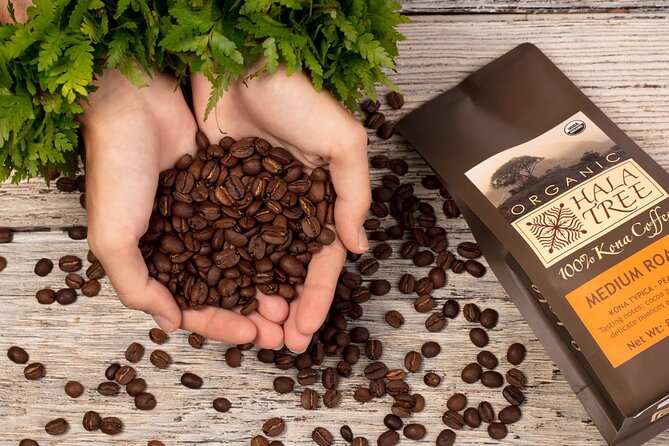
After the class, you can sample the coffees available at the shop. The main coffee is 100% Kona Coffee, and 12 different coffees are available for tasting and purchase.
That selection gives you a chance to compare before spending money. You can use what you learned in the class to think about roast style, processing, and flavor instead of buying the first bag with a familiar label.
The coffee tasting is also where the lesson becomes personal. Different people respond to coffee in different ways, and your favorite may not be the one you expected. Take your time, ask about the options, and note which coffee you actually enjoy rather than assuming the most expensive or famous choice is best.
One useful detail from the experience is that you may be able to take home coffee connected to the roasting session. The exact purchasing options can vary, so consider buying at the shop if you find a style you like. A bag of beans also gives you a practical reminder of the class once you return home.
What the $60 group price really means
The listed price is $60 per group of up to six people. That is a strong value for a private activity with instruction, two roasting cycles, samples, and a chance to shop afterward.
For one person, $60 is a fairly substantial price for an hour of entertainment. For a couple, it works out to $30 each. For six people, it becomes just $10 per person, which makes the private format especially appealing for families or a small group of friends.
The value also comes from the personal attention. A private class can be worth more than a cheaper group demonstration if you want to ask questions or take part directly. You are paying for access to the process, not only for a cup of coffee.
The price does not appear to include coffee purchases from the shop. Treat those as optional extras. The class itself gives you samples, so you can decide what you want to buy after tasting.
The pace, atmosphere, and small details
The class is listed as approximately one hour, but you should not treat that as a guarantee that you will be finished exactly 60 minutes after arrival. Tasting, questions, and shopping can extend your visit.
One account describes the whole activity as about 1 hour and 45 minutes. That may reflect a particularly relaxed visit or time spent around the shop, but it is a useful planning warning. If you have a timed booking soon afterward, keep a cushion.
The atmosphere sounds calm rather than crowded. A quiet, secluded setting can make a difference when you are trying to follow a technical explanation or watch a roast develop.
The staff also receives praise for being friendly and clear. The class is described as educational, understandable, and fun, which is a good combination for a mixed group. Coffee enthusiasts can ask detailed questions, while newcomers can follow the main ideas without feeling lost.
A playful detail from one account is that the activity even won over the men in a group who finally found their vacation side. That suggests the class has a broad appeal beyond serious coffee fans. The hands-on machinery and tasting give it enough action to keep the experience from feeling like a lecture.
Who will enjoy this most
I would recommend this class to anyone who drinks coffee and wants to understand what comes before the café cup. It works particularly well for couples, families, and small groups who can share the $60 fee.
It is also a good pick if you want an activity with a clear local connection. The lesson centers on Kona coffee and takes place in Captain Cook, in the coffee-growing part of the Big Island.
You will get the most from it if you enjoy asking questions and trying things yourself. The class is less suitable if you only want a quick coffee sample or a broad farm tour with many outdoor stops. The supplied details focus on roasting and tasting, not on a long walk through plantations.
Families should note that the activity includes equipment, heat, and a supervised roasting process. The data does not give a minimum age or specific child policy, so confirm those details before booking with young children.
This is also a good choice for a rainy morning or for a break from sightseeing. The main experience takes place around the roasting lesson and shop, so it does not depend on a long outdoor itinerary.
Booking ahead and cancellation
This class is commonly booked about 28 days ahead. That pattern suggests you should reserve early if your dates are fixed, especially because the private format limits the number of people who can join each session.
Confirmation is provided when you book, and the ticket is mobile, so you can keep the booking on your phone. The offered language is English.
Free cancellation is available if you cancel at least 24 hours before the 9:00 a.m. start time. Changes or cancellations made less than 24 hours before the local start time are not accepted for a refund.
My call: book it if coffee is part of your Hawaii trip
I would book this class if you want more than a standard tasting and can reach Captain Cook at 9:00 a.m. The private group size, two roasting cycles, farm samples, and $60 total price make it a practical choice for up to six people.
I would skip it if your schedule is tightly packed or if you are looking for a long plantation tour. The experience is focused and hands-on, not a full-day farm excursion.
For coffee drinkers, though, this is a smart way to connect Kona’s famous bean with the work behind it. You leave with a clearer understanding of processing and roasting, plus the chance to choose a coffee you genuinely like.
FAQ
How long does the private coffee roasting class last?
The listed duration is approximately one hour. You should allow extra time for questions, sampling, and shopping, since one account describes the full visit as lasting about 1 hour and 45 minutes.
Where does the class meet?
The meeting point is Hala Tree Coffee at 82-5966 Mamalahoa Highway, Captain Cook, Hawaii 96704.
What time does the class begin?
The stated start time is 9:00 a.m.
How many people can join the private class?
The activity is private for your group, with up to six people included in the $60 group price.
Do I get to roast coffee myself?
Yes. You watch the staff complete one roast, then take part in a second roast under supervision.
Can I buy coffee after the class?
Yes. After the class, you can sample and purchase the coffees available at the shop. There are 12 coffees available, including 100% Kona Coffee.
Just added around the USA
- Roasted in Seattle Bean to Cup Coffee Tour★ 5.0 · 5 reviews
- Roast Your Own Coffee★ 5.0 · 2 reviews
- Kona Coffee Tasting: A Farm to Cup Experience★ 5.0 · 5 reviews
- Little Havana Miami: Classic Cars, Cigar Factory, Coffee and more★ 5.0 · 7 reviews
- Behind The Scenes Of The Coffee Roasting Process 101★ 5.0 · 2 reviews
- Kona Shore Excursion: Sea Turtles, Historic Kona & Coffee★ 4.5 · 324 reviews
- Asheville Coffee Tours★ 5.0 · 12 reviews
- Coffee Hike to Three Waterfalls in DuPont State Forest★ 4.5 · 8 reviews
Big Island Coffee Tours, compared.
Big Island Highlights: Coffee, Volcano, Black Sands & Waterfall
Read our review →
Award Winning Farm Tour: Coffee, Chocolate and Unique Gifts
Read our review →
Small-Group Big Island Tour: Hawaii Volcanoes National Park and Kona Coffee Farm
Read our review →
Kona Shore Excursion: Sea Turtles, Historic Kona & Coffee
Read our review →
Kona Tour: Bee Farm, Kona Coffee, and National Historical Parks
Read our review →
Private Big Island Tour: Coffee, Beaches, Volcanos, Waterfalls
Read our review →
Browse the lists this tour appears in