
REVIEW · SALENTO COFFEE TOURS
Coffee Tour Salento-Ocaso Farm- English Tour
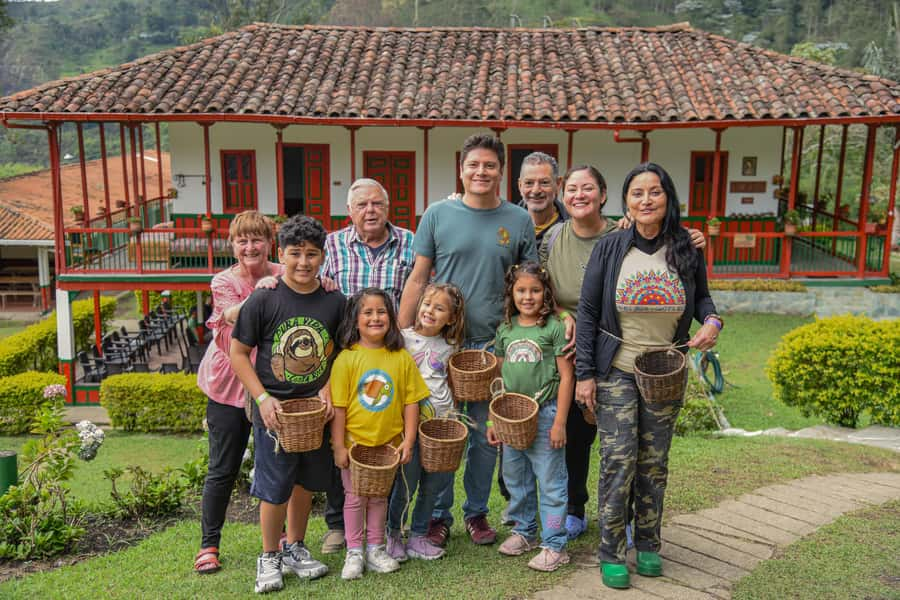
Coffee country begins just outside town. This 1.5-hour tour at Finca El Ocaso takes you from coffee plant to finished cup, with hands-on work in the fields and a clear look at the machinery behind Colombian coffee. I especially like the chance to harvest and sow coffee yourself, and the way the tour explains sustainability through composting, fertilization, and care for local plants and animals. The main drawback is the rough access road: the farm sits 4 kilometers from Salento, and the last stretch is a partly unpaved tertiary road.
The English-language guiding is another strong point. Guides such as Nicolas and Johnathan have earned praise for their humor, clear explanations, and ability to answer questions. Nicolas can speak quickly at times, so you may want to ask him to slow down if coffee vocabulary starts racing past you.
Key points at a glance
- Pick coffee cherries yourself: You get a practical introduction to harvesting and sowing instead of only watching a demonstration.
- Follow coffee from plant to cup: The route covers the hopper, pulper, mechanical dryer, traditional drying, storage, threshing, roasting, and brewing.
- English guides add personality: Nicolas and Johnathan are praised for strong English, humor, and clear answers.
- Traditional farming meets sustainability: The composting and crop-fertilization station shows how the farm manages production with less waste.
- A low-cost Salento outing: At $14 per person, the tour offers a lot of instruction and activity for a modest price.
- Plan your own ride: A Willys Jeep from Salento’s main square can take you to the farm, but transportation is not part of the ticket.
Reaching Finca El Ocaso from Salento
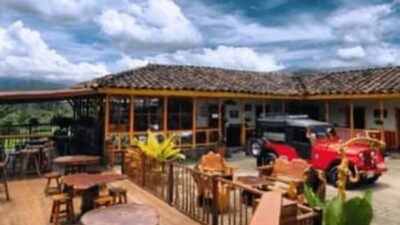
The farm is 4 kilometers from Salento, close enough for an easy half-day plan but far enough that you need to arrange transport. The most typical choice is a Willys Jeep from the square in Salento. These old-style jeeps are part of the local transport scene, but the ride can be rough because the road is not fully paved.
A regular taxi can also take you to the farm. The jeep is generally the cheaper choice for the return trip, with a reported fare of about 4,000 Colombian pesos per person at one point. Fares can change, so confirm the current price before setting off.
Your ticket covers the guided tour only. It does not cover the ride, food, or drinks. I would allow extra time around the 1.5-hour visit for getting there and back, especially if you are coordinating a jeep departure or waiting for other passengers.
The farm is the starting and finishing point. That makes the outing simple once you arrive, but you should not expect a hotel pickup or a guide meeting you in central Salento. Bring insect repellent, since you will spend time around plantations and gardens.
A few more coffee tours around Colombia worth a look
- Medellin: Coffee Tour with Transport, Snacks and Tastings
★ 4.7 · 1,357 reviews - Medellín Coffee Farm Tour with Trolley and Cable Car Ride
★ 4.9 · 277 reviews - Coffee Tour at the Finca del Café
★ 5.0 · 213 reviews
The opening lesson: coffee species, planting, and growth
The tour begins with the basics. You learn about the history of coffee, the main species grown, and the early stages of a coffee tree’s life. This part gives you useful context before you enter the plantation, since the later stops make more sense once you understand what the farmer is trying to grow and protect.
You will hear about planting, growth, and the conditions that affect the crop. The information is aimed at ordinary coffee drinkers, not agricultural specialists, so you can follow along even if your knowledge begins and ends with choosing between a cappuccino and a black coffee.
This introduction also helps explain why coffee production takes so much work. The final drink may look simple, but the farm must manage planting, picking, processing, drying, storage, roasting, and preparation. The tour does not treat coffee as a single product pulled from a machine. It shows the chain of decisions that shapes the taste in your cup.
A live English guide makes a difference here. Nicolas has been praised for being funny and clear, while Johnathan is noted for excellent English and for answering questions fully. If your guide speaks fast, ask for a slower explanation. That is especially useful during discussions of species, processing, and roasting, when a few unfamiliar terms can pile up.
Into the plantation: harvesting and sowing
The plantation visit is the most active part of the experience. Rather than simply looking across rows of coffee trees, you get the chance to harvest like a Colombian picker. You also take part in sowing, which gives you a better sense of how the crop begins and ends in the same working environment.
That hands-on approach is valuable because coffee farming can otherwise feel abstract. You see the plants, work with the crop, and connect the final cup with the labor required before the beans ever reach a roaster.
The gardens and coffee plantations also provide the visual appeal of the farm. The setting is one of the reasons this outing works well as a break from Salento’s streets. You are not just inside a processing building, and you are not only sitting through a lecture. The route moves between outdoor areas and working stations.
The experience is still a farm visit, not a staged adventure. The exact amount of harvesting or sowing may depend on the season and current farm work. The information confirms that both activities are part of the tour, but it does not promise a particular crop condition or harvest volume on every date.
Compost, crop care, and sustainable production
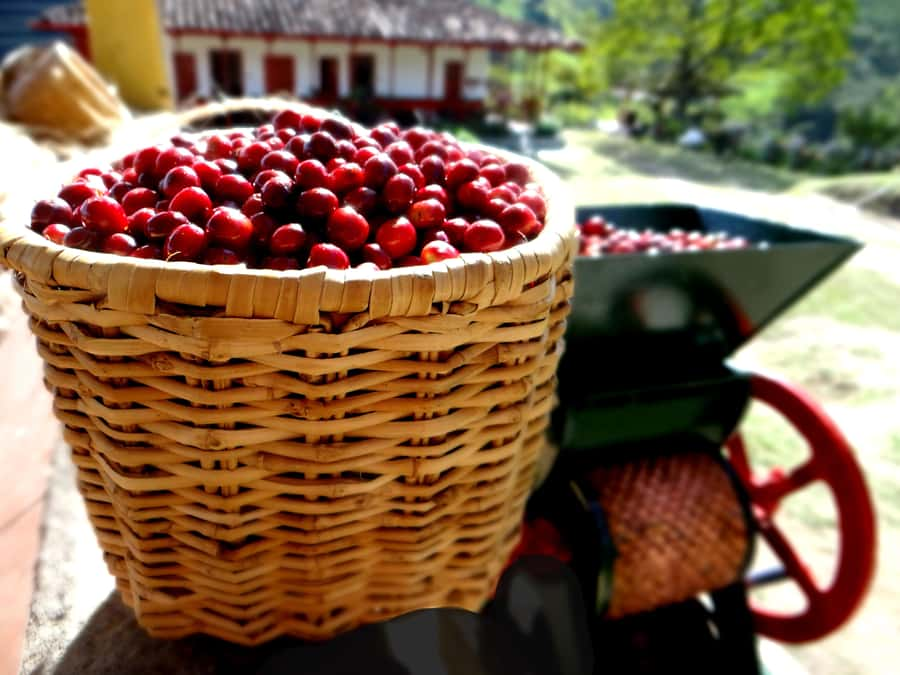
Next comes the composting and crop-fertilization station. This stop helps explain the farm’s approach to sustainability in practical terms. You see how organic material and crop care fit into coffee production, rather than hearing only a broad claim that the farm is environmentally friendly.
Finca El Ocaso has certifications in sustainable production. That gives the sustainability discussion more substance, although the tour remains an introduction rather than a technical certification audit. You will learn how the farm thinks about cultivation, waste, and the health of the growing area.
The tour also covers local fauna and flora. This matters because a coffee farm is not only rows of plants. The surrounding living systems affect how the farm works, and the farm’s treatment of soil and crops has wider effects than the flavor of one morning’s drink.
I like this section because it adds balance to the usual coffee tour formula. Many visits focus on the romantic side of picking beans and sipping a fresh brew. Here, you also get a look at the less glamorous work: composting, fertilizing, and managing a crop over time.
Same place, a different cup:
- Medellin: Coffee Tour and Wellness Spa
★ 4.8 · 209 reviews - Salento: Private Cocora Valley, Salento & Coffee Farm Tour
★ 4.9 · 202 reviews - Medellin: Coffee Tour with Hotel Transfers and Meals
★ 4.9 · 186 reviews - From Bogotá: Coffee Farm and Tequendama Falls Tour
★ 4.5 · 130 reviews
Inside the processing plant
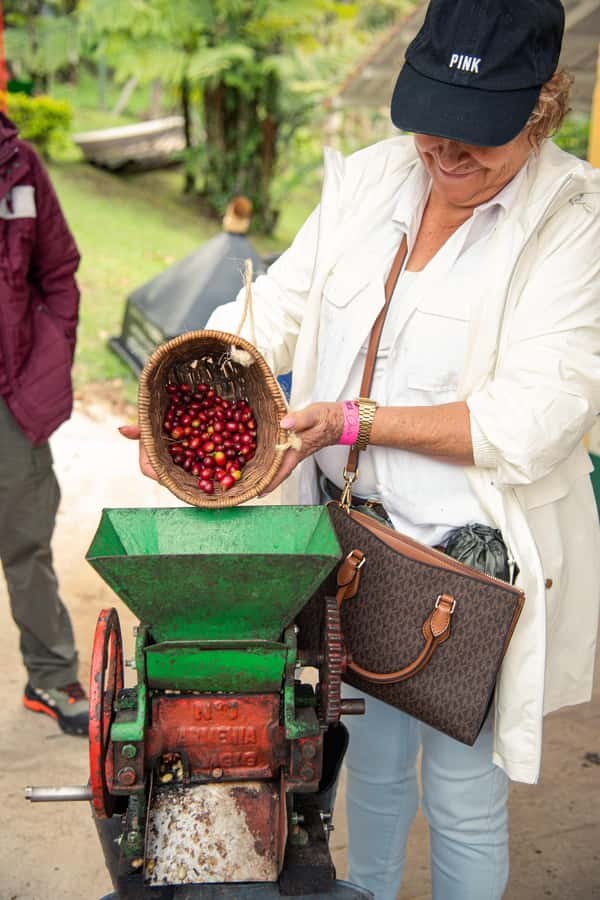
The processing plant explains how freshly harvested coffee changes into something ready for storage and roasting. You visit the hopper and pulper, then learn about mechanical drying and traditional drying methods.
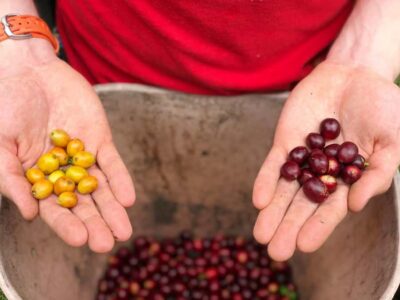
The hopper is where harvested coffee begins its movement through the processing system. The pulper removes the fruit surrounding the bean. Seeing these steps in person helps you understand why the coffee cherry and the coffee bean are not the same thing.
Drying is another useful comparison. Mechanical drying offers a controlled method, while traditional drying shows a more hands-on approach. The tour explains why drying matters to coffee quality, rather than treating it as a minor technical detail.
The processing plant is likely to be one of the most informative stops for anyone who drinks specialty coffee but has never seen production equipment. You can connect the physical machinery with the taste differences discussed later in the tour.
The tradeoff is that this is a working agricultural operation, not a polished museum. Conditions may feel practical and industrial. If you want only scenic views and a relaxed tasting, this section may feel more technical. If you want to understand what happens after picking, it is essential.
Storage, threshing, and the road to market
After processing, the tour continues to the storage warehouse. You learn how coffee is kept before the next stages and visit the threshing area, where the remaining outer layers are removed from the dried coffee.
The tour then connects farm work with marketing. That final link is easy to miss when you buy a bag of Colombian coffee in another country. Coffee does not go straight from a tree to a cup. It passes through a sequence of handling, preparation, storage, sale, and often further roasting or brewing.
This section gives the visit economic context without turning it into a business lecture. You see that quality depends on more than the tree and the bean. How coffee is dried, stored, prepared, and sold also affects the product that reaches the buyer.
For me, this makes the tour useful even if you are already familiar with coffee farming. The visit does not stop at the scenic plantation or the picking demonstration. It follows the crop farther along the chain.
Roasting: why color is not the whole story
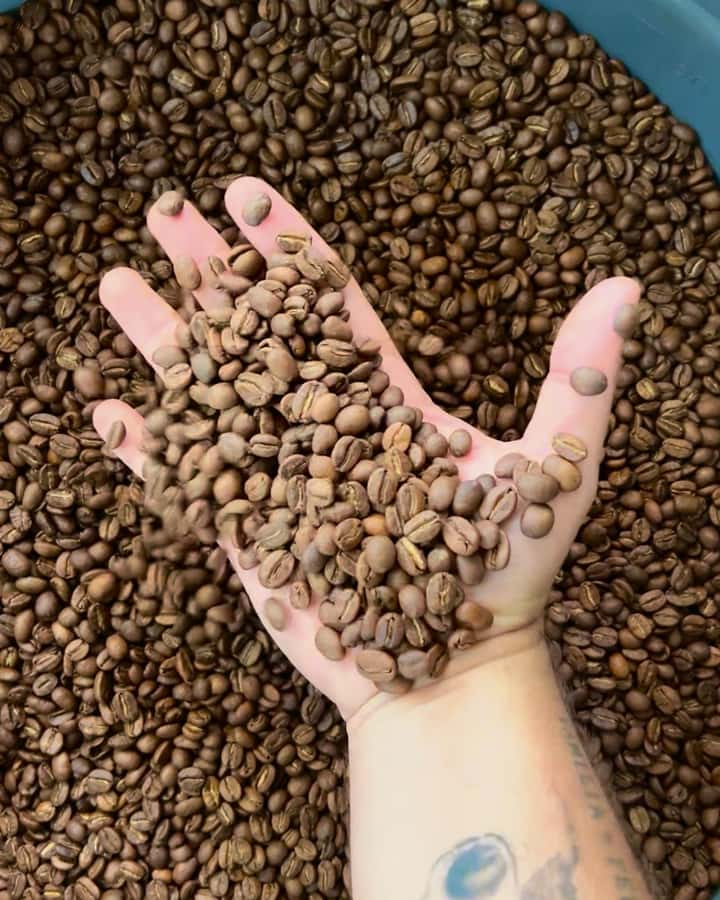
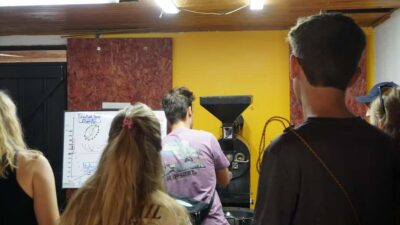
The roasting section looks at different roast types and their effect on coffee quality. You learn why roasting is not simply a matter of making beans darker or lighter.
This is a good moment to connect farm production with the flavor you know at home. The roast changes how the coffee tastes, and the tour explains the importance of choosing and controlling that stage. The lesson should help you make more sense of the labels and roast descriptions you see in cafés and shops.
Do not expect an advanced professional roasting course in the short visit. The tour gives you the foundations, not a certification or a full laboratory session. That level is appropriate for the price and length, and it keeps the experience accessible to people with very different levels of coffee interest.
The strongest guides make this section lively. Nicolas is described as funny and well spoken in English, although his pace can be quick. Johnathan is also praised for making the process easy to follow and for taking questions seriously.
The final cup: traditional preparation and extraction
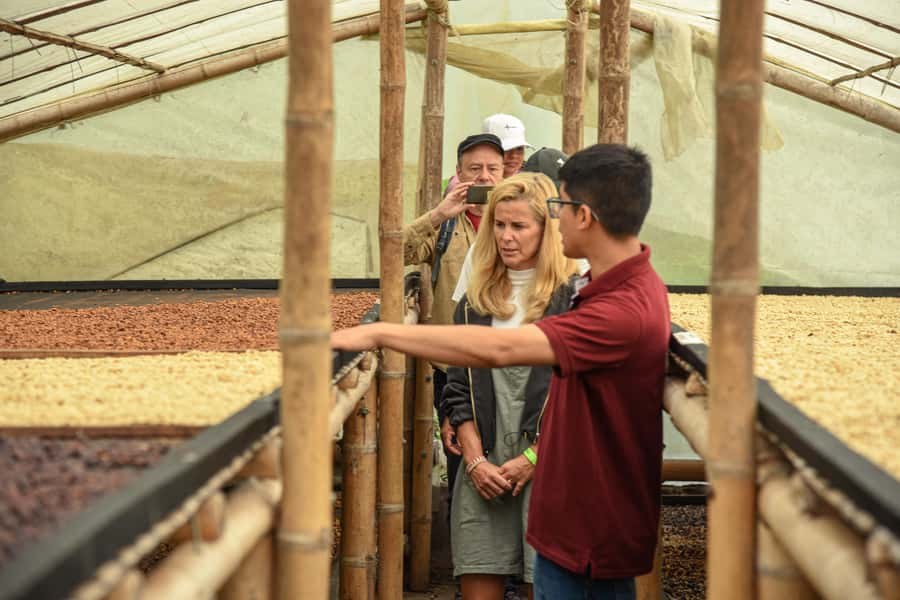
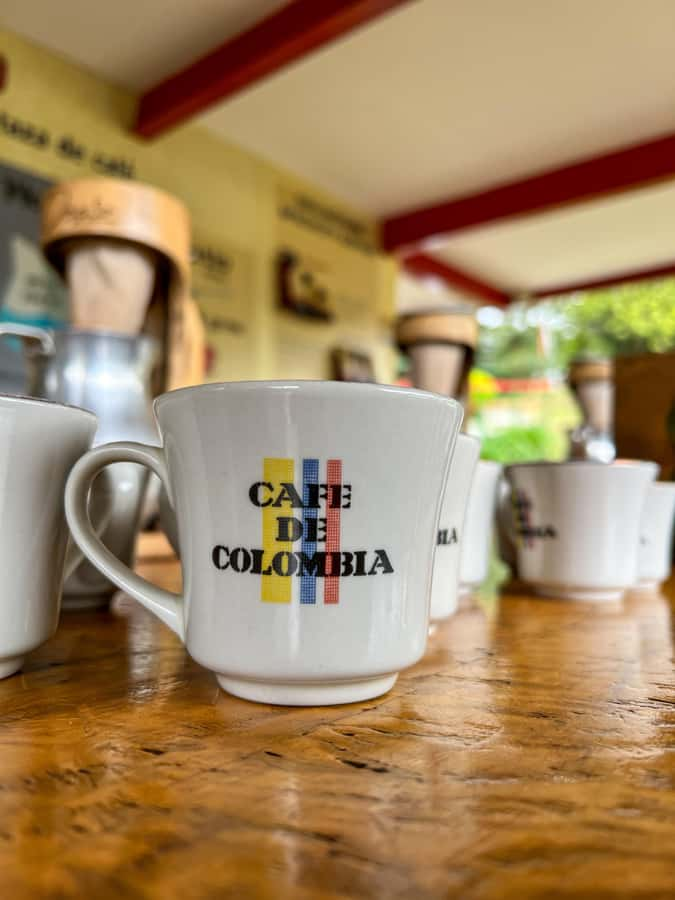
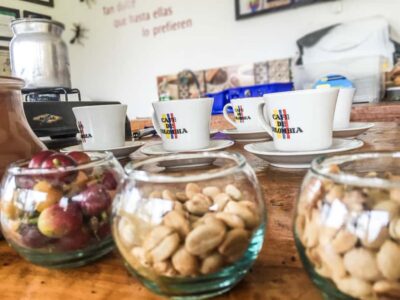
The tour ends with the practical question every coffee drinker cares about: how do you prepare it well? You learn the basic principles of correct coffee extraction, then see traditional coffee made with a cloth strainer and a pot.
That method gives the tasting a clear connection to local practice. It is not just a modern espresso demonstration or a generic café sample. The cloth strainer and pot show a simple preparation style that has a direct place in Colombian coffee culture.
The extraction lesson also gives you something you can use after the tour. You learn that brewing affects the final result just as planting, drying, and roasting do. Even if you do not copy the exact method at home, you leave with a better sense of why water, timing, and preparation matter.
The coffee tasting is a pleasant finish to a fairly information-heavy route. It gives you a chance to put the earlier lessons together. You have seen the crop, processing equipment, drying methods, storage, threshing, and roasting, then taste the result in a traditional preparation.
Food and drinks beyond the tour’s included coffee experience are not included in the ticket. I would not treat this as a full meal stop. Plan lunch separately if you need more than a tasting.
Is $14 good value for 1.5 hours?
At $14 per person, this is a strong-value activity if you want an English coffee introduction near Salento. You get a guide, access to the plantation and farm stations, hands-on harvesting and sowing, a processing explanation, sustainability information, and a traditional preparation lesson.
The value is strongest for first-time coffee visitors. You cover the whole process in a short period without paying for a full-day agricultural program. The experience also offers more substance than a quick tasting at a café, since you see where the product starts and how it changes.
There are limits. Transportation costs extra, and the tour lasts only 1.5 hours. You should not expect an exhaustive farming course, a long tasting flight, or a detailed workshop in professional extraction. The tour gives you a well-paced overview rather than specialist training.
The 4.6 rating from 88 ratings fits the experience’s main strengths: clear English guidance, humor, good value, and a tour that lets you participate. The most consistent praise centers on the guides and the amount of information covered in a short visit.
Who will enjoy this coffee farm visit?
I would recommend it to coffee drinkers who want to understand Colombian production without spending a full day on the subject. It also suits anyone looking for a short countryside activity from Salento, especially if you enjoy practical demonstrations more than passive sightseeing.
Families and mixed-interest groups may find the hands-on sections helpful because the visit is not based only on technical explanations. Picking coffee cherries, looking at the machinery, and finishing with a traditional brew give different people something to follow.
Coffee enthusiasts will appreciate the full chain from cultivation to extraction. The tour will not answer every advanced question, but the guide can provide a useful foundation and respond to questions along the way.
You may want to choose another activity if you dislike rough roads, outdoor farm conditions, or short technical explanations. The partly unpaved route is a real consideration, and insect repellent is worth packing.
The tour is also a good match for visitors who care about responsible production. The sustainability certifications, composting station, crop-fertilization explanation, and discussion of fauna and flora add useful substance to the visit.
What to bring and how to plan the visit
Bring insect repellent. You will spend time outdoors among gardens and coffee plants, so this small item can make the visit more comfortable.
Wear practical clothing and shoes suitable for a farm setting. The provided information does not specify a dress code, but the plantation and tertiary road make ordinary city footwear less ideal.
Do not bring alcohol or drugs. These are not allowed at the farm.
Check the available starting times when booking. The ticket allows free cancellation up to 24 hours before the activity for a full refund, and you can reserve now and pay later. Those terms are useful if your Salento plans depend on weather, transport, or changing day trips.
Should you book the Ocaso Farm coffee tour?
Book it if you want a well-priced, English-language introduction to Colombian coffee with real farm activity and a clear explanation of processing. The best reasons are the chance to harvest and sow coffee, the route through the processing plant, and the guides’ friendly teaching style.
I would make the booking only after sorting out transport. The farm is close to Salento, but the rough road and separate jeep or taxi fare mean this is not a door-to-door outing. If you are comfortable with that small logistical wrinkle, the visit offers a lot for $14.
Choose it especially if you want more than a pretty coffee-farm setting. You will leave with a clearer idea of how coffee grows, how it is processed, why roasting affects quality, and how a cloth strainer turns the finished product into a drink.
FAQ
Where is the coffee tour located?
The tour takes place at Finca El Ocaso, about 4 kilometers from Salento in Colombia’s Tolima region.
How long does the tour last?
The guided tour lasts 1.5 hours. Starting times depend on availability.
Is the tour conducted in English?
Yes. The activity includes a live English-speaking guide.
Is transportation from Salento included?
No. Transportation is not included in the ticket price. You can take a Willys Jeep from the square in Salento, or use a taxi.
Where does the tour begin and end?
The tour begins at the farm and finishes back at the same meeting point.
What does the tour include?
It includes the English-guided visit to the gardens, plantations, processing areas, storage and threshing spaces, roasting explanation, and traditional coffee preparation.
Are food and drinks included?
Food and drinks are not included. The tour includes a traditional coffee preparation as part of the experience, but it is not a meal.
What should I bring?
Bring insect repellent for time spent outdoors around the gardens and plantations.
Can I cancel the booking?
Yes. You can cancel up to 24 hours in advance for a full refund. You can also reserve now and pay later.
Just added around Colombia
- Salento: Coffee Master Roasting, Brewing and Tasting Tour★ 4.8 · 6 reviews
- Private Tour to Coffee Farm (farm of your choice)★ 5.0 · 2 reviews
- Medellin: Coffee Farm Tour & Spa with Overnight Glamping★ 4.5 · 3 reviews
- Minca: Hidden Waterfall + Coffee and Cocoa Workshop★ 4.9 · 6 reviews
- Most complete COFFEE TOUR at local family farm★ 5.0 · 2 reviews
- Medellin: The Best Coffee Tasting Experience★ 5.0 · 5 reviews
- Medellin: Avoeden Café Coffee Brewing Workshop★ 5.0 · 12 reviews
- Medellin: Coffee and fruit tour★ 4.9 · 12 reviews
Salento Coffee Tours, compared.
Private Cocora Valley, Salento & Coffee Farm Tour
Read our review →
Coffee Tour at Finca El Ocaso Salento: Traditional Spanish Farm
Read our review →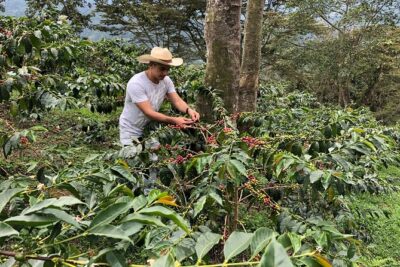
Salento and Cócora Tour + Coffee Farm from Pereira/Armenia
Read our review →
Browse the lists this tour appears in