
REVIEW · VIENNA COFFEE TOURS
Vienna: Guided Viennese Coffee-House Tour
Vienna’s best coffee comes with a chair and a story. This three-hour tour takes you beyond a quick café stop and into the customs that make Viennese coffeehouses special. I like the mix of classic cafés and modern coffee craft, especially the chance to watch latte art being made. I also like that the tasting includes three Viennese coffee specialties and a piece of strudel, not just a single drink.
The small group, limited to eight people, should make it easier to ask questions and hear the guide. Guides Tina and Lilit have earned especially warm praise for their humor, clear explanations, and friendly manner. The main drawback is the walking and café-hopping: the tour is listed as wheelchair accessible, yet it is not recommended for people with mobility impairments, so you should clarify the route before booking.
Key points at a glance
- Three classic Viennese coffees: Taste specialties such as Melange and Einspänner, with each style showing a different side of local café tradition.
- Historic stops including Prückel, Hawelka, Demel, and Coultur: The route can include grand old institutions as well as a more modern coffee setting.
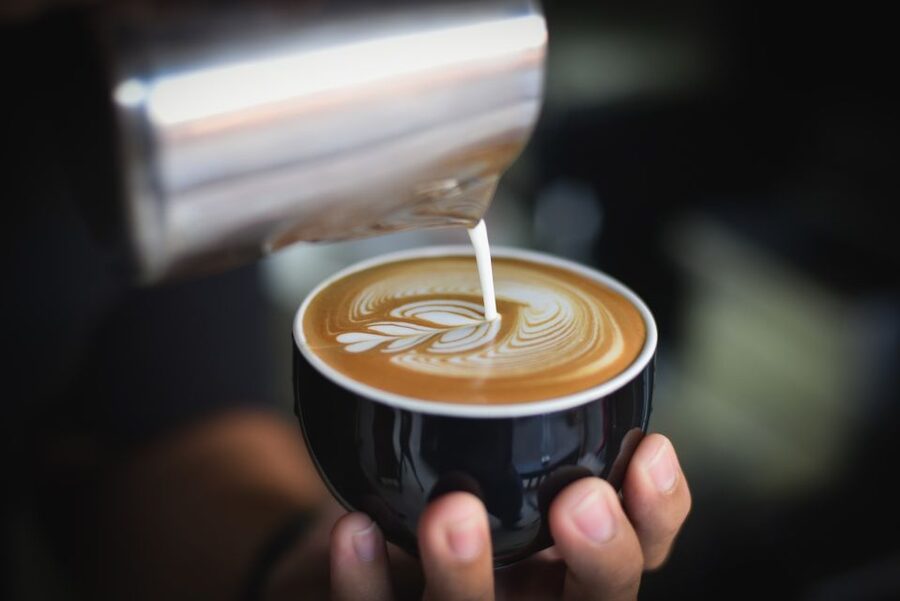
- Latte art made in front of you: You get to see the skill behind the cup, not just drink the finished product.
- A small group of eight or fewer: This is a better setup for questions, personal stories, and an easy pace.
- Strudel and sweet treats included: The food helps turn the outing into a proper café experience rather than a series of tiny samples.
- Rain or shine: Wear comfortable shoes and bring weather protection, since the tour goes ahead in poor weather.
Why Vienna’s coffeehouses deserve three hours
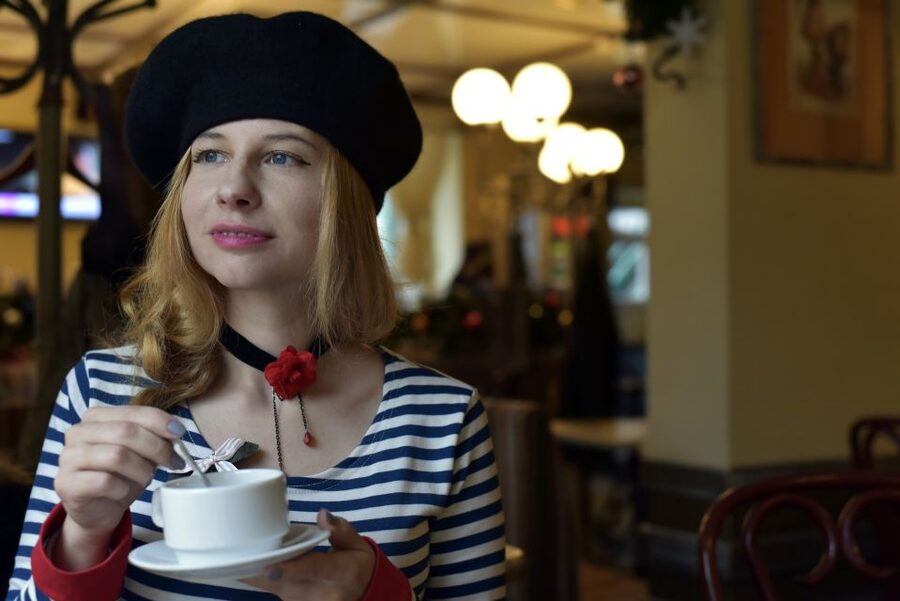
Viennese coffeehouses are not simply places to buy caffeine. Since the 17th century, they have served as meeting places, reading rooms, social clubs, and informal cultural centers. The traditional idea is wonderfully unhurried: order a coffee, settle in, and stay awhile.
That custom is easier to understand when you sit inside an old café instead of hearing about it while walking past. The room, the service style, the menu names, and the small glass of water served with coffee all help explain why coffeehouse culture remains such an important part of Vienna.
I like the way this tour treats coffee as a piece of local life. You are not just comparing beans or asking which drink is strongest. You are learning why a Melange is different from an Einspänner, how Viennese cafés present their drinks, and how roasting and brewing affect the final cup.
The three-hour length also matters. A hurried tasting would miss the point. The café tradition is about sitting, talking, and noticing your surroundings. One three-hour outing may sound long if you usually drink coffee on the move, but the pace allows time in the cafés rather than forcing you through a string of quick samples.
More Guided Experiences in the world:
- Istanbul Highlights: Guided Tour with Turkish Tea or Coffee
★ 5.0 · 278 reviews - Guided Tour to the only coffee farm in Europe
★ 5.0 · 174 reviews - Vilnius: Morning Coffee Tour with Local Guide
★ 4.9 · 41 reviews
Meeting your guide and settling into the small group
You should arrive five minutes before the start time and look for the GTOUR-Guide waiting in front of the coffeehouse. There is no hotel pickup or drop-off, so you need to make your own way to the meeting point.
The group is limited to eight participants. That is a useful size for this kind of activity. In a large crowd, explanations inside a café can become hard to hear, and questions tend to disappear. With fewer people, you should have a better chance to ask about a particular coffee, a café custom, or something you notice along the route.
The guides are one of the strongest parts of the experience. Lilit has been praised for telling stories with humor and warmth, without sounding like she is giving a school lecture. Tina has also received strong praise for explaining coffeehouse traditions and responding to questions and requests.
That personal style is important here. Coffee history can become a list of dates and famous names if handled poorly. A relaxed guide can connect the facts to what is actually in front of you: the room, the coffee, the pastries, and the habits of people sitting nearby.
The tour is offered in German and English. If you need the English tour, confirm the selected language when you book.
The first cup: learning to read a Viennese menu
The first stop should help you get oriented to the range of Viennese coffee. Traditional café menus can look confusing at first, since the names often tell you less than you might expect about milk, cream, foam, or serving style.
A Melange is one of the key drinks to try. It is a classic Viennese coffee with a creamy character, and it gives you a useful starting point for comparing other preparations. The Einspänner offers a different experience, with its aromatic coffee and creamy topping.
The tour includes three Viennese coffee specialties in all. You may find the tasting more useful if you pay attention to texture and presentation, not only strength. One drink may feel light and milky, while another has a more concentrated coffee flavor or a thicker cream topping.
Your guide also explains the broader process, including roasting, brewing, and the different ways coffee is served. That context gives each cup a purpose. Instead of asking which coffee is best, you can decide which style suits your own taste.
Water is included, which is a small but welcome touch during a coffee tasting. Three coffee drinks plus sweets can be a lot over three hours, and water helps keep your palate fresh.
Prückel and the appeal of the old café interior
One route reported for this experience included Café Prückel, a well-known traditional coffeehouse with a strong old-Vienna feel. A stop like this shows why the setting matters as much as the drink.
At a classic café, you are looking at more than tables and chairs. The room carries a sense of continuity, and the pace feels different from a modern takeaway shop. You can sit with your coffee, watch the room, and notice how the café functions as a place to linger.
The guide’s stories add meaning to details you might otherwise overlook. You may learn how coffeehouse customs developed, why certain drinks have their names, or how cafés became tied to Vienna’s social and cultural life.
The possible downside is that traditional cafés can be busy, and the experience may not feel private. This is a public café tour, not a reserved dining room. The reward is the chance to experience the place as it functions, with the normal background activity of a working coffeehouse.
A few more coffee tours around the world worth a look
- Hanoi Coffee Experience: 6 Brews, 9 Recipes & 3 Liquor Tastings
★ 5.0 · 2,945 reviews - Medellin: Coffee Tour with Transport, Snacks and Tastings
★ 4.7 · 1,357 reviews - Istanbul: Turkish Coffee Making and Fortune Telling Workshop
★ 4.9 · 1,308 reviews - Hanoi Coffee Workshop: Taste Salt, Coconut and Egg Coffee
★ 5.0 · 1,286 reviews
Hawelka and the social side of coffee culture
Café Hawelka can provide another view of Vienna’s café tradition. Its importance is less about checking off one more famous name and more about seeing how coffeehouses became places where people gathered, talked, and spent time.
This is where the tour’s stories can make a real difference. A guide who tells anecdotes well can bring the café to life without turning the stop into a formal history lesson. Lilit’s style has been praised for being informative, amusing, and easy to follow, which suits a place where the atmosphere is part of the subject.
You should expect a relaxed walk between cafés. The walk gives your palate a break and lets the guide connect one stop to the next. It also means you should wear comfortable shoes and avoid carrying a large bag.
The tour takes place rain or shine. A wet day will not necessarily ruin it, since much of the time is spent indoors, but you should bring a coat or umbrella and allow extra care on the walk between stops.
Demel and the pastry that belongs with coffee
Demel is one of the most appealing stops for anyone who likes sweets. The tour includes one piece of strudel, along with small candies or bonbons, so the pastry is not an extra surprise on your bill.
Strudel is a natural partner for Viennese coffee. The contrast between warm pastry flavors and creamy coffee makes the tasting feel like a proper café visit rather than a technical sampling session.
I would not book this experience expecting a full meal. The included food is a snack, not lunch. If you are hungry, plan another meal before or after the tour. Still, the strudel adds value, especially at a price of $84 per person.
Demel also shows the polished side of Vienna’s café and confectionery tradition. The stop can help you compare the mood of a grand, established establishment with the more casual feel of other cafés on the route.
Coultur and the modern coffee comparison
A stop at Coultur can add a newer note to the outing. This matters because Vienna’s coffee scene is not frozen in the past. The city has traditional cafés with long-standing customs, but it also has places that approach coffee with more modern equipment and presentation.
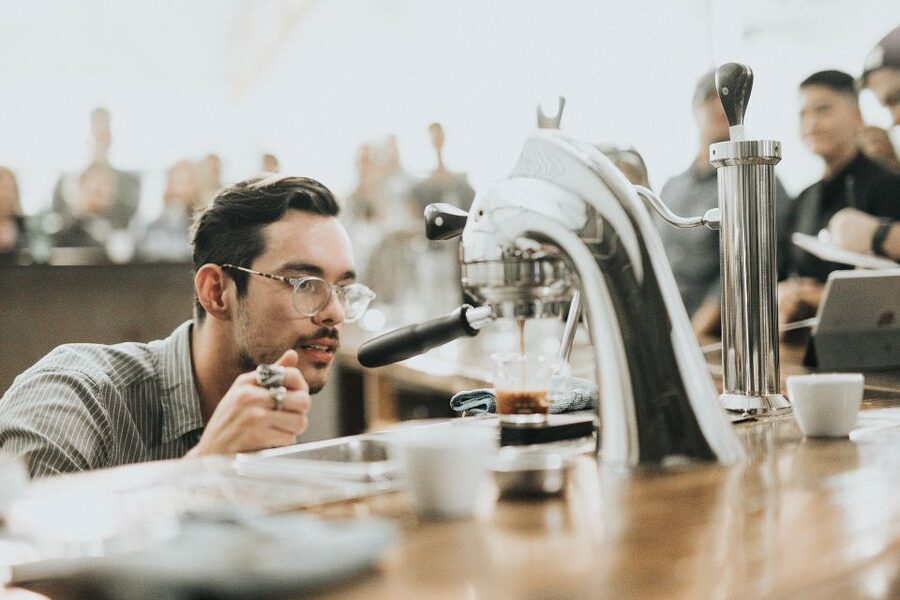
The comparison makes the tour more useful. You can see how a classic Viennese serving style differs from newer café techniques, including the latte art demonstration. Watching a barista create the design in front of you gives you a better sense of the precision involved.
Latte art is not the same thing as a better-tasting coffee, and a good guide should help keep that distinction clear. It is a visual skill, but it also shows how milk is steamed and poured. For many people, this will be the most immediately entertaining part of the tour.
The exact café sequence may vary, so do not book with the assumption that every listed stop is guaranteed on every date. The important promise is the contrast between historic coffeehouses and more current café culture.
What the coffee tasting actually includes
The tasting is generous enough to make the price easier to assess. You receive:
- Three Viennese coffee specialties
- One piece of strudel
- Water
- Sweet candies or bonbons
- A personal guide
The three coffees are the main value. Ordering several specialty drinks separately in central Vienna can add up, and the guide’s explanations give the tasting more purpose than buying drinks on your own.
You also get access to the guide’s knowledge of preparation. You learn about roasting, brewing, serving customs, and the differences between coffee styles. That information is useful later when you return to a café independently and want to order with more confidence.
The $84 price is not a bargain coffee crawl. You are paying for the small group, the guide, three tastings, the food, and the time spent in several venues. I think the price makes the most sense if you care about local culture and want help understanding what you are drinking.
If you only want one excellent coffee and a pastry, you can spend much less by choosing a café yourself. If you want a guided introduction with several stops and a social history lesson included, the cost is more reasonable.
Who will enjoy this tour most
I would recommend this outing to first-time visitors who want an easy introduction to Vienna’s café customs. It also suits coffee fans who enjoy comparing preparation methods, as well as people who prefer food experiences with local context.
The tour should work well for couples, solo visitors, and small groups of friends. The eight-person limit keeps it more personal than a large bus-style activity.
You do not need to be a coffee expert. In fact, beginners may get the most from the explanations, since the guide can help you understand unfamiliar menu terms and serving styles.
You should think twice if you dislike coffee, have trouble sitting through a three-hour tasting, or want a fast list of famous sights. This is a slow experience by design. The café time is not filler. It is the point.
Mobility also needs careful attention. The activity is marked wheelchair accessible, but it is also described as unsuitable for people with mobility impairments and not recommended for limited mobility. Since the tour involves walking between coffeehouses, contact the provider before booking if you have any concerns.
Large luggage and large bags are not allowed. Travel light for this outing.
Practical details before you book
The tour lasts three hours, with start times available according to the chosen date. Arrive five minutes early at the coffeehouse meeting point and look for the person holding the GTOUR-Guide identification.
The activity runs in all weather. Comfortable shoes are a smart choice, and you should dress for a short walk outdoors between café stops.
Cancellation is free up to 24 hours before the activity for a full refund. You can also reserve now and pay later, which may help if your Vienna plans are still shifting.
The tour information includes a 2G confirmation requirement for vaccinated or recovered participants because of COVID-19 regulations. Since public health rules can change, check the current requirement before you set out.
Should you book the Viennese coffeehouse tour?
Book it if you want to understand why Vienna’s coffeehouses matter, not just photograph an ornate interior. The combination of three coffees, strudel, historic stops, a modern café comparison, and a small group gives you a fuller picture than a single café visit.
I especially like the focus on the guides. Tina and Lilit are praised for making the stories friendly and easy to follow, which is exactly what this kind of tour needs. You should also allow for the full three hours, since the time spent sitting in the cafés is part of the experience.
Skip it if you prefer to choose your own cafés, want a full meal, or have mobility limits that make walking between stops difficult. For everyone else, $84 buys a pleasant, well-paced introduction to one of Vienna’s most distinctive customs.
FAQ
How long is the Viennese coffeehouse tour?
The tour lasts three hours.
How many people are in the group?
The group is limited to eight participants.
What languages are available?
The live guide speaks German and English.
Which coffee drinks are included?
Three Viennese coffee specialties are included. Examples given for the tasting include Melange and Einspänner.
Is food included?
Yes. The tour includes one piece of strudel, sweet candies or bonbons, and water.
Is hotel pickup included?
No. Hotel pickup and drop-off are not included. You must reach the coffeehouse meeting point yourself.
Where do I meet the guide?
Arrive five minutes before the start time and look for the GTOUR-Guide waiting in front of the coffeehouse.
Can I bring luggage?
No. Luggage and large bags are not allowed.
Can I cancel for a refund?
Yes. You can cancel up to 24 hours before the activity for a full refund.
Just added around the world
- Vietnamese Coffee Making Class in Hoi An★ 5.0 · 4 reviews
- Venice Delights: Coffee & Food Experience Walking Tour★ 5.0 · 2 reviews
- Yerevan: Private Coffee Tour with 2 Café Stops★ 5.0 · 2 reviews
- Vietnamese Coffee 101 Workshop★ 5.0 · 11 reviews
- Ubud: Waterfall, Holy Water Temple,Swing&coffee plantation★ 5.0 · 9 reviews
- Vancouver: Street Art & Craft Coffee Walking Tour w/ Tasting★ 4.8 · 11 reviews
- Vienna: Guided Viennese Coffee-House Tour★ 5.0 · 2 reviews
- Coffee pleasure walking tour★ 5.0 · 12 reviews
Vienna Coffee Tours, compared.
Vienna for Food Lovers: Cafés, Markets & Austrian Cuisine
Read our review →
Vienna Coffee, Cake & Pastries Tour with Local Stories
Read our review →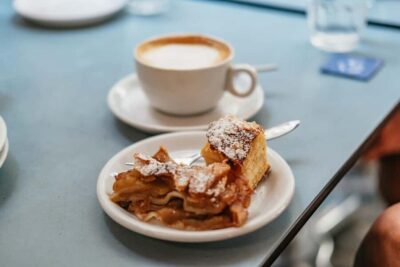
Hungry in Vienna? A Food Lover’s Coffee & Market Walk
Read our review →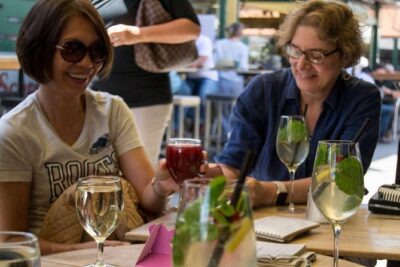
Vienna Eats: Private Foodie Walk with Coffee & Markets
Read our review →
2.5-Hour Viennese Coffee, Cake, and Chocolate Tour
Read our review →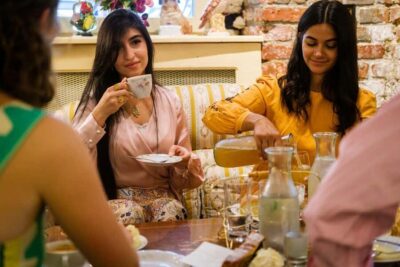
Vienna Coffee and Cake Tour: Sweets, Stories & Hidden Cafés
Read our review →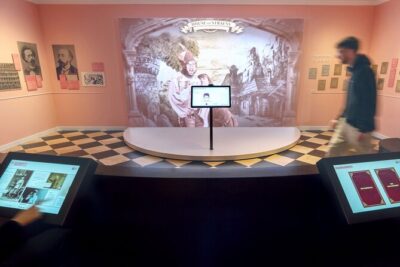
Strauss Exhibition incl. LED Concert Show / Coffee + Strauss Cake
Read our review →
Browse the lists this tour appears in