
REVIEW · HANOI COFFEE TOURS
Hanoi Coffee Experience: 6 Brews, 9 Recipes & 3 Liquor Tastings
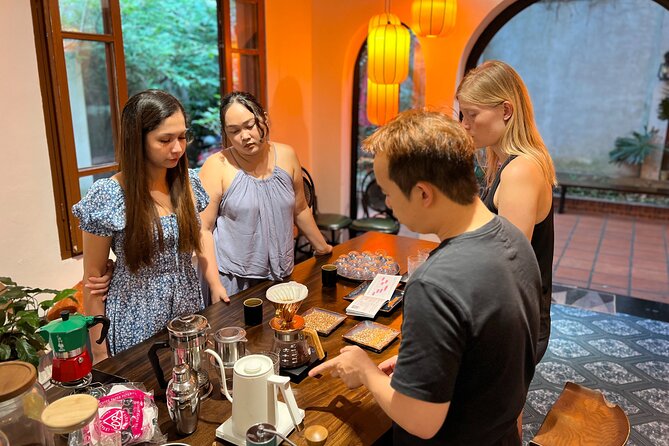
Coffee in Hanoi is more than a morning drink. This three-hour workshop brings its stories, tools, and strong flavors together in an Indochine-style villa tucked into a quiet alley. For $17, you make several classic brews, taste local liquors, and learn recipes you can repeat at home. I especially like the hands-on format and the chance to hear coffee stories from trainers who work directly with Vietnamese beans. I also like the calm garden setting, a welcome break from Hanoi’s busy streets.
The main caution is simple: you will drink a lot of coffee. Have some food first, and do not plan this as a late-day activity if caffeine keeps you awake. The workshop also sits a little outside the Old Quarter, although pickup from the Old Quarter is offered and the ride has made the outing easier for many people.
Key points at a glance
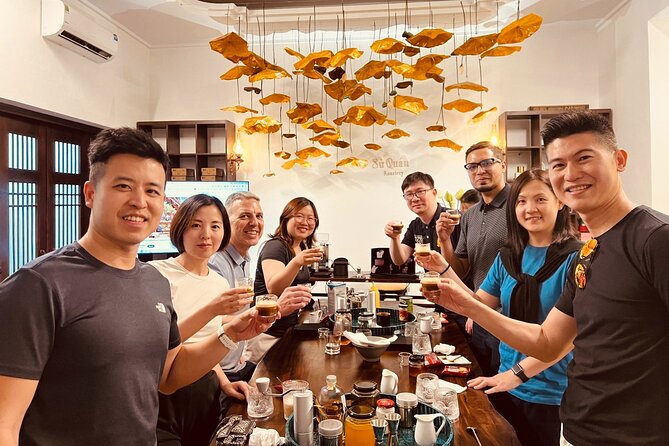
- Six Vietnamese coffee styles: Make phin coffee, egg coffee, iced coffee with condensed milk, coconut coffee, pour-over, and a signature coffee cocktail.
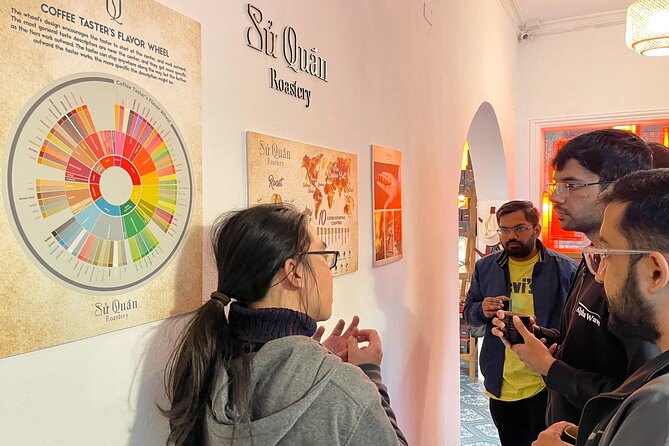
- A real lesson, not just a tasting: Learn how beans grow, how coffee reached Vietnam, and how roasting affects the cup.
- Three liquor tastings: Try several homemade Vietnamese fruit liquors as part of the coffee cocktail portion.
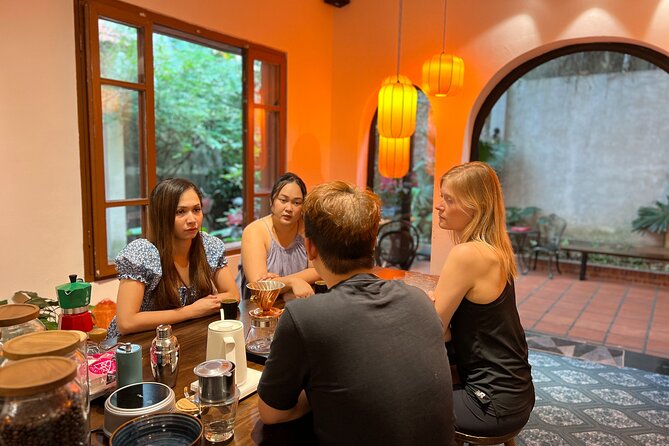
- Quiet villa setting: The class takes place in an air-conditioned Indochine-style villa with a peaceful garden.
- Strong value at $17: The price includes coffee, snacks, water, instruction, equipment, and tastings.
- Helpful local guides: Pa, Piey, Maxie, Trung, Vanessa, and Stuart have all led sessions praised for humor, patience, and clear explanations.
A Hanoi coffee class with real substance
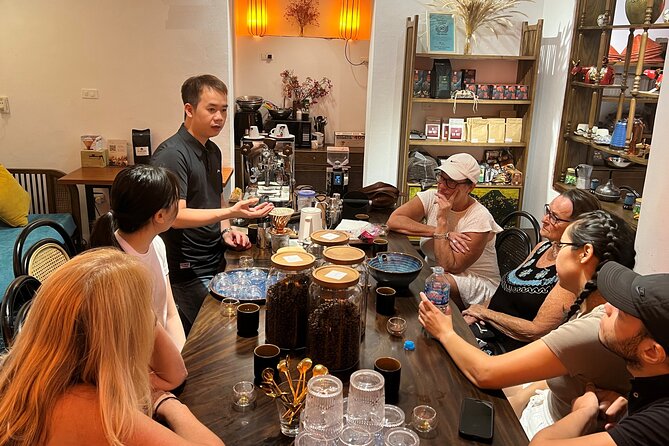
I like coffee classes that explain more than button-pushing. Here, the lesson begins with the place coffee holds in Vietnamese life and continues through beans, farming, roasting, equipment, and preparation.
The workshop is linked to Sử Quán Roastery, whose founder works to preserve stories about Vietnamese coffee. A certified trainer with more than 10 years of experience leads the teaching, with past work coaching head baristas at five-star hotels and restaurants.
That background matters because Vietnamese coffee can be misunderstood. It is often treated as simply dark, sweet, and strong. This class gives you a better sense of why the drinks taste that way, how different beans behave, and how tools such as the small metal phin create a slow, concentrated cup.
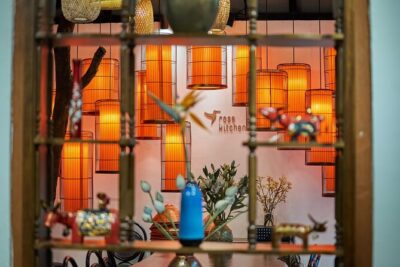
The setting helps. You leave the Old Quarter streets and enter an Indochine-style villa in a quiet alley. The room is air-conditioned, and the session can move into a garden area where you enjoy the drinks and pastries. It is a pleasant change from sitting at another crowded cafe.
More Coffee Tastings in Vietnam
- Hanoi: Hands-On 5 Vietnamese Coffees & 3 Local Wines Tasting
★ 5.0 · 14 reviews - Hanoi Street Food, Coffee Tastings, Alleys Walking Tour
★ 5.0 · 3 reviews - Da Nang Cooking Class with Coffee Tasting and Market Visit
★ 5.0 · 310 reviews
What happens during the three-hour session
The experience begins with a complimentary herbal drink. You have access to mineral water throughout the class, which is useful because the coffee arrives in measured stages rather than all at once.
Your guide then introduces Vietnamese coffee culture. Expect discussion of how coffee arrived in Vietnam, how it grows, and why Vietnam became an important coffee-producing country along the World Coffee Belt.
You also look at beans, roasting methods, brewing tools, and the signs of a well-made coffee. The aim is not to turn you into a professional roaster in one afternoon. Instead, you leave with a practical way to judge what is in your cup and a clearer idea of why Vietnamese coffee has such a distinct character.
The teaching is interactive. Some drinks are prepared as solo tasks, while others use group participation. Put your hand up if you want to make a brew yourself. You may otherwise watch parts of the process while your guide explains each step.
One useful detail is that the coffee is served at a measured pace. You still consume plenty, but the spacing gives you time to taste each drink. A few people have made five coffees rather than six in a particular session, while the current description promises six styles. The exact number may depend on the day’s format, but the range remains broad.
Six cups that explain Vietnamese coffee
Phin coffee
The phin is Vietnam’s small metal filter. Coffee grounds sit inside the filter, hot water passes through slowly, and the finished drink collects below.
This is one of the most important preparations to understand because it shows the basic Vietnamese method without hiding the coffee behind a large amount of milk, coconut, or egg cream. You learn how the tool works and why patience matters.
If you enjoy making coffee at home, this is likely the most useful part of the class. The equipment is simple, portable, and widely available. The brew is also strong, so take your time with it.
More Coffee Tastings in Hanoi:
- Medellin: Coffee Tour with Transport, Snacks and Tastings
★ 4.7 · 1,357 reviews - Seattle Coffee Tour: Capitol Hill Cafes, Tastings & Local Stories
★ 5.0 · 489 reviews - Buggy Ride Into the jungle with cave coffee & chocolate tasting
★ 5.0 · 465 reviews - Private Walking Tour, Food Tasting and Bosnian Coffee in Sarajevo
★ 5.0 · 255 reviews
Iced coffee with condensed milk
Cà phê sữa đá is perhaps the drink most closely associated with modern Vietnamese cafe culture. Strong coffee meets sweet condensed milk, then ice cools the mixture into a dense, refreshing drink.
The contrast is the point. The coffee brings bitterness and body. The condensed milk adds sweetness and a creamy texture. If you normally drink black coffee, this may taste very sweet. If you like dessert-style coffee, it may be your favorite.
The class helps you understand the proportions rather than simply handing you a finished glass. That makes it easier to recreate at home.
Egg coffee
Egg coffee is a Hanoi specialty made with a sweet, creamy egg mixture layered with coffee. It is closer to a liquid dessert than a plain cup of morning coffee.
The preparation is part of the fun. You see the ingredients and learn how the topping changes the drink’s texture. The result is soft, sweet, and rich in a way that surprises many first-time tasters.
This is also one of the more cultural parts of the workshop. It shows how local cooks adapted available ingredients into something distinctly Hanoi. If you have tried egg coffee in town but never learned how it is made, this section adds useful context.
Coconut coffee
Coconut coffee brings a cooler, lighter feeling to the lineup, though it still contains a strong coffee base. The coconut changes the drink’s sweetness and texture, making it an easy favorite for people who find plain Vietnamese coffee too intense.
It is a good example of how one coffee base can become several different drinks. You are not just sampling unrelated recipes. You are seeing how dairy, condensed milk, coconut, ice, and other additions shape the same underlying ingredient.
Pour-over coffee
The pour-over portion introduces a slower, more controlled brewing style. It gives you a point of comparison with the phin and helps show how different brewing methods affect aroma, body, and strength.
This is useful if you already drink specialty coffee. You can compare the familiar pour-over approach with Vietnamese preparations and see where the flavors overlap and where they differ.
Signature coffee cocktail
The final creation combines coffee with jam and local wine. The workshop also includes several homemade Vietnamese fruit liquors, giving you a small introduction to local drinking traditions.
This is not a standard cafe order, which makes it a fun finish. The cocktail has a more playful feel than the traditional brews, and it gives the class a social ending. One description compares the drink to a twist on an espresso martini, though the ingredients remain tied to local flavors.
Because alcohol is included, this part may not suit everyone. You can still gain plenty from the coffee lesson if you choose not to drink the liquor.
The people make the class work
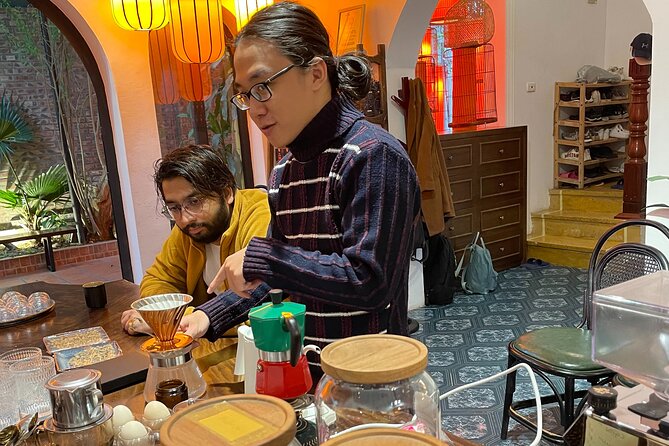
The strongest part of the experience is the teaching. Pa, also known as Piey in some sessions, is praised for being warm, funny, patient, and organized. Maxie is described as engaging and good at explaining both coffee and spirits. Trung uses small facts and jokes to keep the group involved.
Vanessa has led sessions with plenty of energy, while Stuart is praised for pacing, humor, and a well-planned class. The names may vary by departure, but the teaching style appears consistent: clear English, active participation, and plenty of room for questions.
That matters in a group workshop. Coffee preparation can become dull if the guide simply reads instructions. Here, the hosts explain the background, invite people to take turns, and offer suggestions for cafes and food in Hanoi.
The maximum group size is 15 people for the standard session. That is small enough for questions and hands-on work. The venue can hold up to 100 people for larger bookings, but groups over 15 should contact the provider in advance.
Why the $17 price is good value
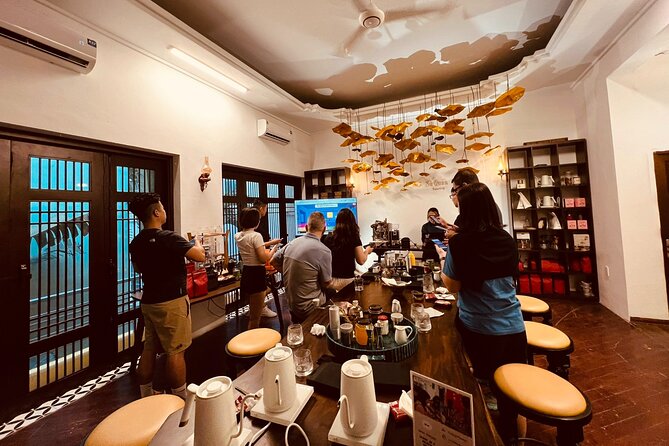
At $17 per person, this is inexpensive for a three-hour activity in Hanoi. You receive multiple drinks, food snacks, water, instruction, equipment, herbal tea, and liquor tastings.
The real value is the variety. Buying six separate coffee drinks in Hanoi could cost more, and you would not necessarily learn how to make them. The class also gives you recipes to take home, plus a better understanding of which ingredients and tools matter.
There are a few possible extra costs. Personal purchases and tips are not included. Coffee beans and accessories may be available to buy after class, and one session accepted cash or card with a 3 percent card fee.
The workshop also supports children’s education at a Da Lat coffee farm, where families have cared for their land over generations. That gives the experience a small social purpose beyond the food and drink.
Getting there from the Old Quarter
The meeting point is in Hanoi’s Old Quarter, with the activity ending back at the meeting point. Pickup is offered, and some bookings have included arranged pickup from the Old Quarter.
The villa is a little away from the central Old Quarter, so confirm the pickup details before you set out. This is not a class you should approach with no idea of where you are going. The venue is in a quiet alley, which adds to its atmosphere but can make the final approach less obvious.
Public transportation is nearby. Free luggage storage is also available during the session for up to three days, a useful option if you are changing hotels or have a late departure. Still, confirm the storage arrangement at booking time if your luggage plans are important.
Who should book this Hanoi coffee experience?
I would choose this for coffee drinkers who want more than a cafe stop. It suits couples, friends, solo visitors, and families with older children who can handle several caffeinated drinks.
It is also a good rainy-day activity. The air-conditioned workshop gives you a comfortable indoor plan, while the villa and garden keep the mood relaxed. You do not need previous brewing skills, and the instructors guide you through each recipe.
You may enjoy it less if you dislike sweet drinks, strong coffee, or group activities. The class is social and hands-on, not a private tasting. It is also not ideal for small children because coffee and alcohol are central to the experience.
Have food before arriving. This is the most important practical advice. The servings are spaced out, but six coffee styles plus liquor tastings can catch up with you. Water is available, and you can pace yourself, but do not arrive hungry.
A note on the recipes and what you take home
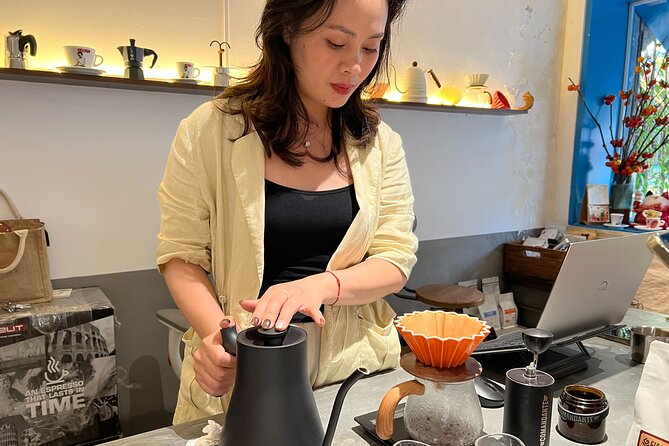
The class is useful after your Hanoi visit because the recipes are shared for later use. You can repeat the familiar drinks, such as iced coffee with condensed milk, and experiment with the less common combinations.
The instructor may explain additional styles even if they are not prepared in your session. Salt coffee, for example, may be discussed and included in the recipe material without being made that day. This is another reason not to judge the class only by the number of finished cups.
You also gain practical cafe advice. The guides can suggest places to try the drinks around Hanoi, which helps you compare the workshop versions with drinks served in local coffee shops.
Booking and cancellation details
You receive confirmation at booking, and mobile tickets are accepted. Group discounts are available, and the activity can accommodate larger groups with advance notice.
Free cancellation applies when you cancel at least 24 hours before the start time. Cancellations inside 24 hours are not refunded, and changes during that period are not accepted. If the minimum number of participants is not reached and the class is canceled, you are offered another date or experience, or a full refund.
Should you book it?
Yes, if you want a practical introduction to Vietnamese coffee at a very fair price. The best reasons are the range of drinks, the patient teaching, the recipes, and the chance to understand the coffee before ordering more of it around Hanoi.
I would skip it only if you avoid caffeine, dislike sweet coffee, or prefer a private experience. For everyone else, eat first, bring a curious attitude, and let the class show you why Hanoi coffee culture is worth more than a quick cup on a sidewalk.
FAQ
How long does the Hanoi Coffee Experience last?
The experience lasts approximately three hours.
How much does the experience cost?
The listed price is $17 per person.
Where does the activity start and finish?
It starts in Hanoi’s Old Quarter at Hoàn Kiếm and ends back at the meeting point.
How many coffee styles will I make?
The experience is advertised as six coffee styles: phin coffee, egg coffee, iced coffee with condensed milk, coconut coffee, pour-over, and a signature coffee cocktail with jam and local wine. Some sessions have prepared five drinks, depending on the format.
Are alcoholic drinks included?
Yes. The experience includes several types of traditional Vietnamese homemade fruit liquor, including liquor used in the signature coffee cocktail.
Is pickup available?
Yes. Pickup is offered, including pickup arrangements from the Old Quarter for some bookings.
Can I cancel for a refund?
Yes, if you cancel at least 24 hours before the experience start time. Cancellations made less than 24 hours before the start time are not refunded.
Just added around Hanoi
- Vietnamese Coffee 101 Workshop★ 5.0 · 11 reviews
- Private tour: Hanoi city tour-Van Phuc silk village with egg coffee, lunch★ 5.0 · 2 reviews
- Taste of Vietnam’s Coffee Scene – A Guided Experience★ 5.0 · 2 reviews
- 3 Dishes cooking + Egg Coffee bonus & Local Market Tour★ 5.0 · 14 reviews
- hidden gems cafe – learn making coconut and egg coffee★ 5.0 · 2 reviews
- Private Hà Nội Coffee History Tour★ 5.0 · 6 reviews
- Hanoi Private And All Inclusive Coffee Lovers Tour in Vietnam★ 5.0 · 6 reviews
- Hanoi Coffee Workshop Brew Taste and Culture Experience★ 5.0 · 10 reviews
Hanoi Coffee Tours, compared.
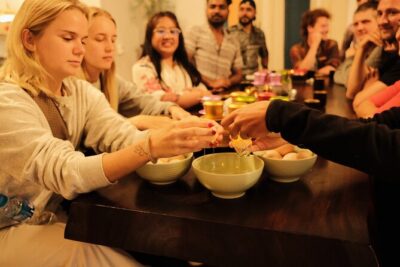
Hanoi Coffee Workshop: Taste Salt, Coconut and Egg Coffee
Read our review →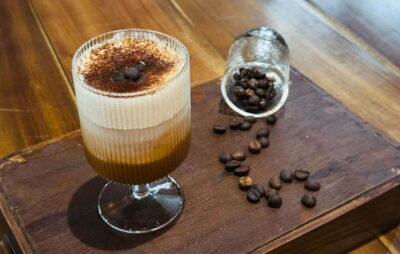
Salt Coffee Workshop Awake Your Senses With 6 Brews
Read our review →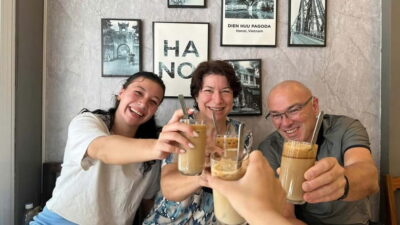
Master the Art of 4-6 Signature Vietnameses Coffees
Read our review →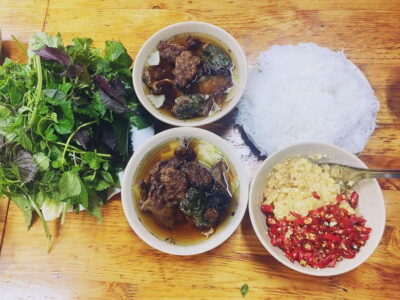
Hanoi Cooking Class: Pho/Bun Cha/Banh Xeo…+Free Egg/Salt Coffee
Read our review →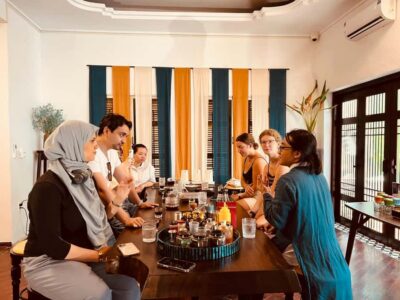
Vietnamese Coffee Workshop with 6 Brews and 8 Recipes
Read our review →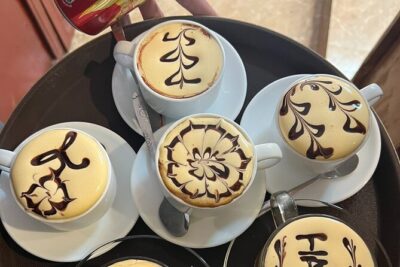

Hanoi Coffee Workshop: Master 6 Signature Vietnamese Coffee
Read our review →Browse the lists this tour appears in