
REVIEW · DA NANG COFFEE TOURS
Da Nang: Coffee Making And Cooking Class
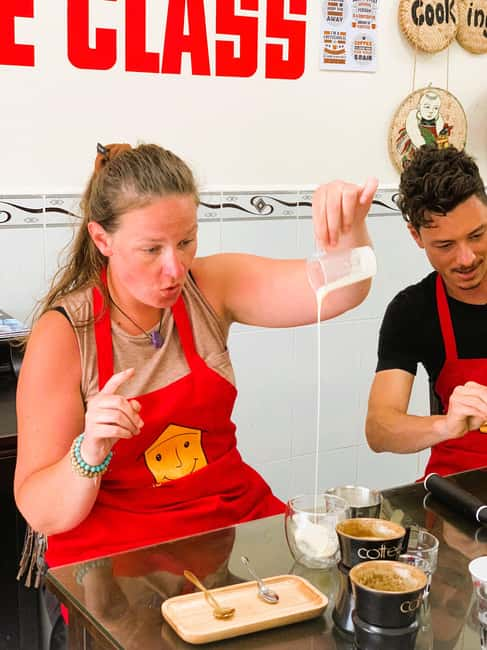
Coffee first, then a proper meal. Jolie Cooking Class pairs Vietnam’s slow phin-brewing ritual with hands-on cooking in a small, friendly setting near Da Nang’s Dragon Bridge. I like the chance to make egg, salt, and coconut coffee yourself rather than simply ordering them in a café. I also like the clear local focus, from Robusta beans and coffee customs to herbs, spices, and Da Nang dishes.
The main consideration is caffeine. You taste several coffee styles in one sitting, so eat beforehand and avoid too much coffee before class. The experience is also not suitable for people with heart problems. For most visitors, though, this is a relaxed half-day with useful skills, plenty of food, and warm English-speaking instruction from guides such as Rosie, Nhan, Kate, and Hannah.
Key points to know before booking
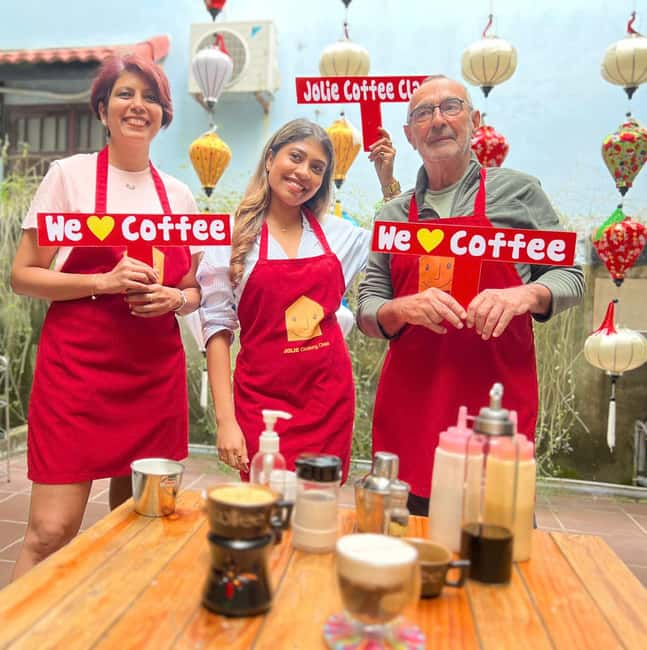
- Three famous Vietnamese coffee styles: Learn to prepare egg coffee, salt coffee, and coconut coffee using traditional methods.
- Phin brewing is the heart of the class: You handle the small metal filter and experience the slow drip that defines Vietnamese café culture.
- Cooking follows the coffee session: The day continues with hands-on preparation of four traditional Da Nang dishes, including chopping ingredients yourself.
- Small groups make a difference: Guides can watch your technique, answer questions, and help if a recipe does not go perfectly.
- Easy central location: Jolie Cooking Class is at 14 An Trung Dong 6, close to Dragon Bridge.
- A full 4.5-hour experience: Choose an 8:30 AM start or a 2:00 PM start, with the meal served near the end.
Why Vietnamese coffee makes a good Da Nang class
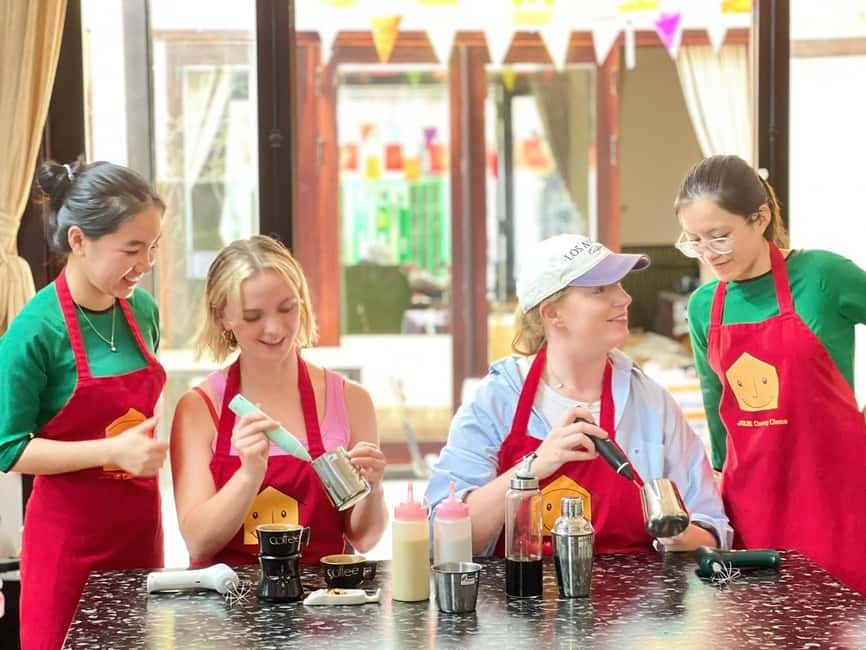
Vietnamese coffee is not just strong coffee poured over ice. The method, ingredients, pace, and setting all matter. This class gives you a useful introduction before asking you to make the drinks yourself.
You learn why Robusta beans matter in Vietnamese coffee. Compared with the lighter coffee drinks many people know at home, Vietnamese coffee is often bold and intense. The brewing method helps shape that result, and the class explains how the bean, filter, and preparation work together.
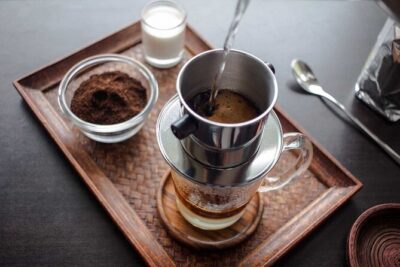
The phin filter is central. It is a small metal brewer placed over your cup, with coffee grounds held under a metal press. Hot water passes through slowly, drop by drop. You do not rush this process. That waiting is part of the experience, just as it is in a traditional Vietnamese café.
I like this practical approach because you can take it home. After the class, you should understand more than a list of ingredients. You will have seen the pace of brewing, handled the equipment, and tasted several versions side by side.
The coffee lesson also gives useful cultural context. You hear about Da Nang’s coffee habits and the stories behind the drinks. That makes the tasting more meaningful. Egg coffee, salt coffee, and coconut coffee are not simply three sweet toppings. They show how Vietnamese cafés build different textures and flavors around a strong coffee base.
More Coffee Making Classes in Vietnam
- Hanoi Coffee Workshop: Taste Salt, Coconut and Egg Coffee
★ 5.0 · 1,286 reviews - Hanoi: Salt Coffee Workshop Awake Your Senses With 6 Brews
★ 5.0 · 792 reviews - Da Nang Coffee Making Workshop
★ 4.9 · 543 reviews
Meeting near Dragon Bridge
Jolie Cooking Class is at 14 An Trung Dong 6, near Dragon Bridge. The listed coordinates are 16.059999465942383, 108.23539733886719. You arrange your own way to the meeting point, so allow time to find the address and arrive ready for the morning or afternoon start.
The central location works well if you are staying around the city center. It also makes the class easy to combine with other Da Nang plans. You could schedule it on a morning before sightseeing, or use the afternoon session when the heat makes a long outdoor program less appealing.
The class begins at 8:30 AM or 2:00 PM. You first meet your host, settle in, and enjoy a local snack. That small opening matters. It gives you a little time to get comfortable before working with coffee and cooking ingredients.
English is the teaching language. The guides named for this experience include Rosie, Nhan, Kate, and Hannah. Rosie is described as enthusiastic, humorous, and generous with information about Vietnamese coffee culture. Nhan, Kate, and Hannah have also been praised for clear English and patient instruction.
The coffee session: phin, foam, salt, and coconut
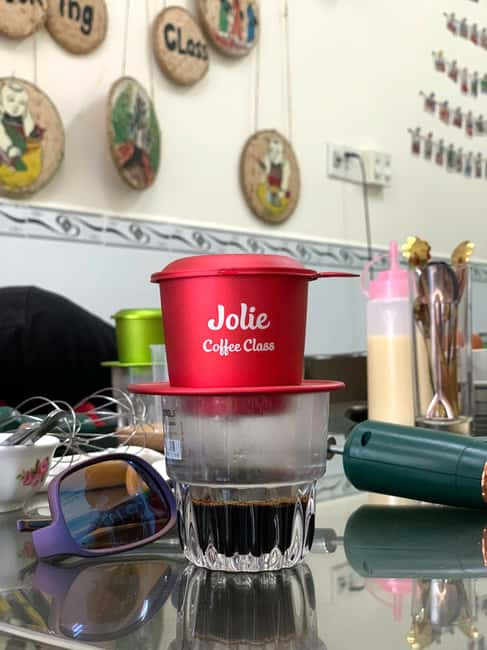
The first main section is hands-on. You do not merely watch a demonstration while a finished cup arrives in front of you. You learn how to brew with the phin and then taste different coffee styles.
The listed coffee choices are:
- Egg coffee
- Salt coffee
- Coconut coffee
The class description also refers to traditional Vietnamese coffee and the reviews describe participants making four coffees. The exact fourth preparation is not specified, so expect the three named specialties as the core of the tasting, with an additional coffee preparation possible during the session.
Egg coffee is the most familiar of the three to many first-time visitors. It combines coffee with a creamy egg mixture, creating a dessert-like drink with a strong coffee base. The class lets you see how the texture is made rather than treating it as a mystery behind the counter.
Salt coffee offers a different lesson. Salt may sound odd in a coffee, but a small amount can change the balance of a sweet, strong drink. Tasting it after another style helps you notice how small changes affect the cup.
Coconut coffee brings another texture and flavor. It is often associated with a cold, sweet café drink, and it gives you a useful contrast to the egg and salt versions. The point is not to decide that one is the winner. It is to understand how Vietnamese coffee can shift from bold and bitter to creamy, sweet, and refreshing.
You will also learn about the slow-brewing ritual. The phin takes time, and that time is part of Vietnamese café life. Instead of treating coffee as a quick fuel stop, you get a brief pause built into the preparation. I find that this is one of the class’s strongest cultural details because you feel the pace in your hands.
A practical tip: do not arrive after drinking several cups of coffee. The class includes repeated tasting, and the drinks can be powerful. Eat breakfast before the morning session, or have a proper meal before the afternoon session. One participant specifically wished they had done this, and it is sensible advice.
Moving from coffee to Da Nang cooking
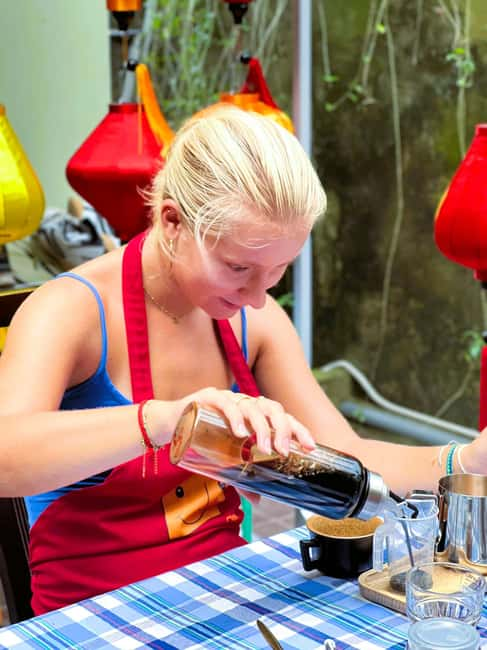
At about 10:30 AM in the morning session, or 4:00 PM in the afternoon session, the class shifts to cooking. This timing gives you room to enjoy the coffee section without racing through it.
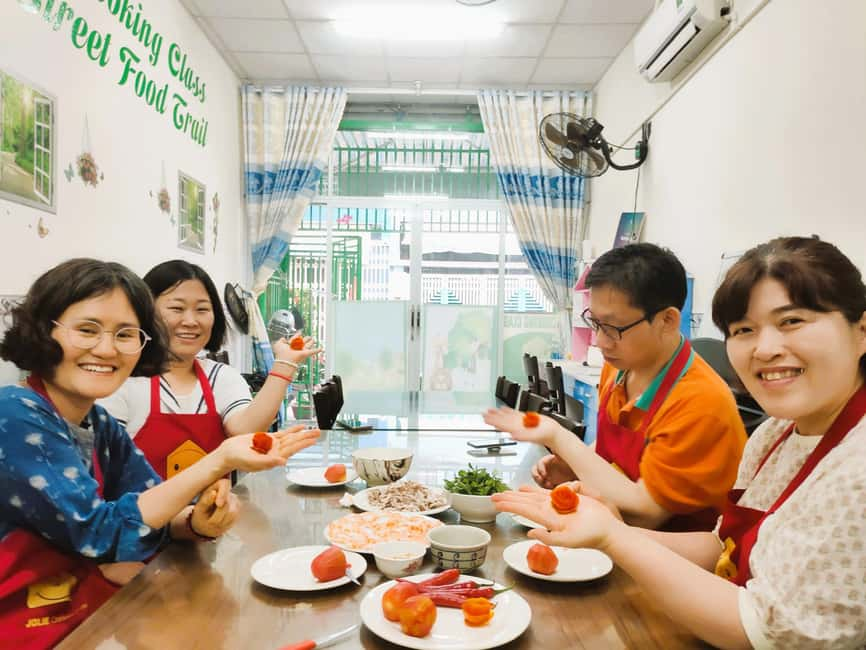
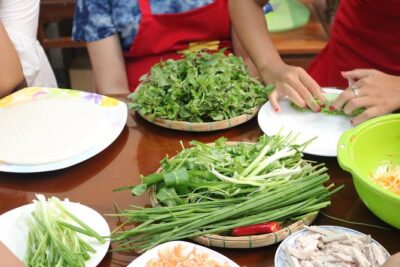
The cooking portion focuses on traditional Da Nang dishes. You learn about herbs, spices, and preparation methods that help give Vietnamese food its character. The experience is described as a home-style setting, which should feel more personal than a large demonstration kitchen.
You take part in the basic work, including chopping ingredients. That detail matters. Some cooking classes reduce the participant’s role to stirring a prepared pot, but here you are expected to help prepare the food from the early stages.
The exact dishes are not listed in the supplied information, so you should not book this expecting a named menu. You can expect four dishes, based on the detailed participant description, but the specific recipes may vary. If you have allergies or strong dislikes, ask the host before starting.
The instruction is aimed at ordinary home cooks, not professional chefs. You do not need special skills to enjoy it. The guides are there to show you the process, keep the work moving, and help with technique. The small group format is especially useful here because cooking becomes awkward when too many people must share one station or wait for a turn.
Same place, a different cup:
- Hanoi Coffee Experience: 6 Brews, 9 Recipes & 3 Liquor Tastings
★ 5.0 · 2,945 reviews - Hanoi: Master the Art of 4-6 Signature Vietnameses Coffees
★ 5.0 · 517 reviews - Egg coffee & Course on 4 traditional types of Viet coffee
★ 4.9 · 487 reviews - Hanoi: Vietnamese Street Food Tour with Egg Coffee
★ 4.9 · 315 reviews
The meal you help prepare
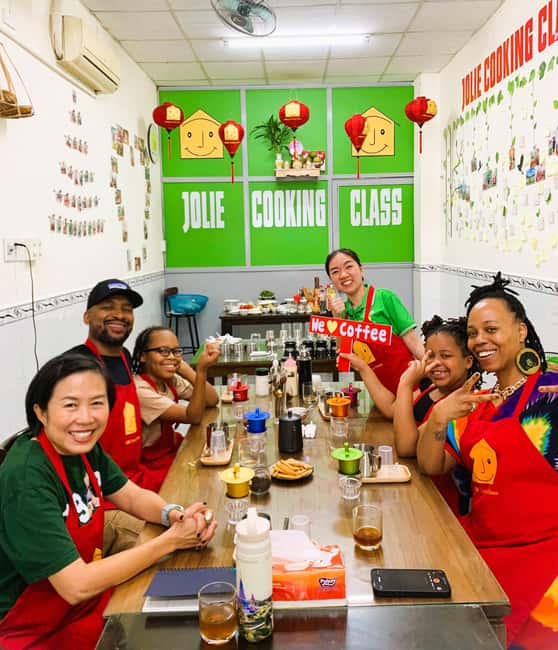
The final meal is served around 1:00 PM for the morning class and 6:30 PM for the afternoon class. This is not a quick snack at the end. You sit down and eat the food you helped prepare.
That finish gives the class a clear reward. You have tasted several coffees, worked with ingredients, and then get to see how the separate parts come together at the table. It also makes the experience practical for people who want lunch or an early evening meal included in their plans.
The food section may be particularly useful if you want to remember Da Nang through more than restaurant meals. You learn how herbs, spices, and preparation shape local dishes. You may not recreate every recipe perfectly at home, but you leave with a better sense of the steps and flavors involved.
There is also an informal social touch after the meal. You can play guitar or piano if you know how. This is not presented as a formal concert or required activity. Think of it as a relaxed way to end the class, especially if your group enjoys music.
A small group makes the class more personal
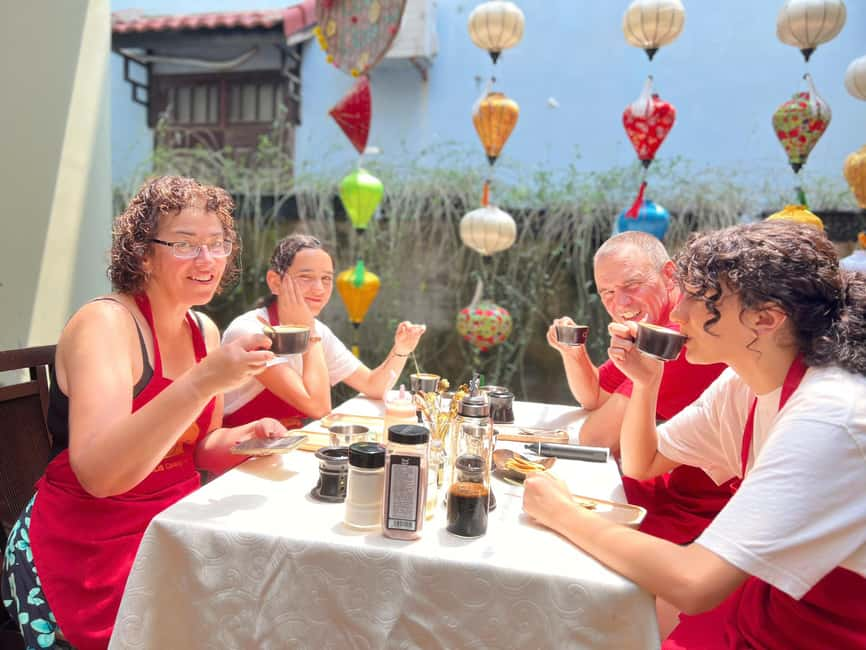
Small groups are one of the best reasons to choose this experience over a large cooking demonstration. You have more room to ask why a drink is prepared a certain way, check whether your foam looks right, or get help with chopping.
A participant who attended with a group of three described receiving patient help when an egg coffee did not go right the first time. That is exactly the kind of small-group advantage you want in a hands-on class. You can make mistakes without holding up a room full of people, and the instructor can correct the problem immediately.
The English instruction is another strong point. Rosie has been praised for her humor and enthusiasm, while Rosie, Nhan, Kate, and Hannah have all been described as easy to understand. Good communication matters here because the value is in the explanations, not just the food.
The setting is welcoming and home-style rather than formal. That may suit you if you prefer conversation and participation. If you want a quiet, highly polished culinary school with a fixed professional menu, this may feel more casual than expected.
Is $50 good value?
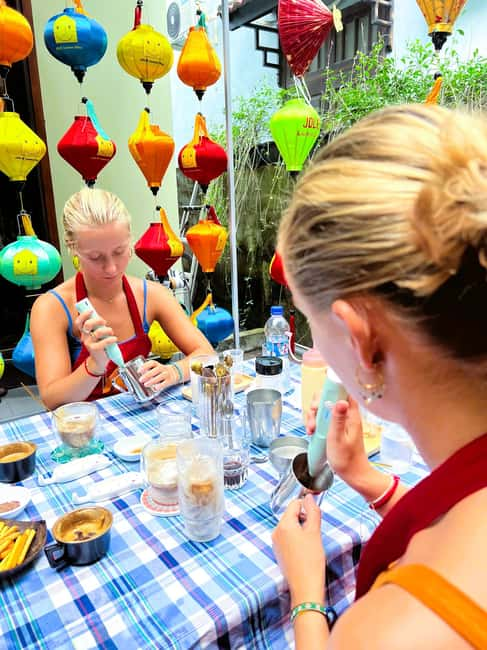
At $50 per person, this is not the cheapest way to drink coffee in Da Nang. You can order coffee in a café for very little money. The price makes more sense when you count the length and range of the experience.
You receive 4.5 hours of guided activity, several coffee tastings, a local snack, a cooking lesson, four dishes, and a meal. You also get direct instruction in a brewing method and recipes you may be able to repeat at home. For someone interested in food culture, that is a fair package.
The value is strongest if you want to participate. If you mainly want to drink egg coffee and take a few photos, a café visit will cost less and take less time. If you want to understand the ingredients, prepare the drinks, and cook a meal, the class earns its price more easily.
The five-star score from seven submitted ratings suggests a strong early response, but the sample is still small. I would treat that as encouraging rather than conclusive. The specific praise is consistent: friendly staff, convenient location, clear English, patience, and a fun atmosphere.
Choosing the morning or afternoon start
The morning option runs from 8:30 AM to about 1:00 PM. It works well if you want to combine the class with an afternoon plan, or if you prefer to eat the meal as lunch.
The afternoon option starts at 2:00 PM and ends around 6:30 PM. This lets you keep the morning open and finish with an early dinner. It may also suit you if you do not want a strong coffee tasting first thing in the day.
Both options contain the same basic sequence: local snack and coffee culture, phin brewing and tasting, cooking, then the meal. Pick based on your daily schedule and caffeine habits rather than expecting a different menu.
Wear comfortable clothing. You will be handling food and moving through a practical cooking session, so this is not the time for restrictive clothes or anything you want to keep spotless. Bring a camera if you want photos of the drinks, ingredients, or finished dishes.
Who should book this class?
I would recommend it to coffee fans, curious eaters, families, couples, and solo visitors who like learning by doing. Children are welcome, making this a useful family activity if they can manage several hours of instruction and food preparation.
It also suits people who want an easy cultural activity close to central Da Nang. You do not need to commit to a full-day excursion, and the class includes both a drink-focused lesson and a meal.
People with heart problems should not book this experience. Anyone sensitive to caffeine should be careful, too. The class specifically advises limiting caffeine before arrival, and that is worth taking seriously.
You should also ask about food concerns before booking if you have allergies or dietary restrictions. The available information does not list substitutions or a special menu, so do not assume that every dish can be changed.
Booking details worth knowing
The class is wheelchair accessible and taught in English. It lasts 4.5 hours, with morning and afternoon starting times available depending on the date.
You can cancel up to 24 hours in advance for a full refund. The reserve-now-and-pay-later option lets you hold a place without paying immediately, which is useful when your Da Nang schedule is still changing.
The meeting point is Jolie Cooking Class, 14 An Trung Dong 6, near Dragon Bridge. Transport from your accommodation is not listed, so plan to reach the address independently.
Should you book Jolie Cooking Class?
Book it if you want more than a quick cup of Vietnamese coffee. The best part is the combination of phin brewing, three distinctive coffee styles, and a hands-on meal in one manageable half-day.
I especially like the personal scale, clear English instruction, and the fact that you prepare the drinks and food yourself. The caffeine level and long sitting are the only real cautions. Eat first, arrive in comfortable clothes, and keep your schedule free for the full 4.5 hours.
If that sounds like your kind of afternoon or morning, $50 is reasonable value. You leave with a better understanding of Da Nang coffee culture, a full meal, and a practical memory you can try to recreate at home.
FAQ
Where is Jolie Cooking Class located?
It is at 14 An Trung Dong 6 in Da Nang, near Dragon Bridge. The listed coordinates are 16.059999465942383, 108.23539733886719.
How long does the experience last?
The class lasts 4.5 hours.
What time does the morning class begin?
The morning class begins at 8:30 AM and finishes at about 1:00 PM.
What time does the afternoon class begin?
The afternoon class begins at 2:00 PM and finishes at about 6:30 PM.
Which Vietnamese coffees will I make?
The class includes egg coffee, salt coffee, and coconut coffee. The detailed experience also describes participants making four coffees, although the additional preparation is not specified.
Will I use a traditional phin filter?
Yes. You learn hands-on phin brewing and experience the slow-drip method used in traditional Vietnamese cafés.
What food will I cook?
You will cook traditional Da Nang dishes and prepare four dishes during the cooking portion. The specific menu is not stated.
Is the class taught in English?
Yes. English is the listed teaching language.
Is the activity suitable for children?
Yes. The experience is described as child-friendly.
Can I cancel for a refund?
You can cancel up to 24 hours in advance for a full refund.
More Cooking Classes in Vietnam
- Da Nang Cooking Class with Coffee Tasting and Market Visit
★ 5.0 · 310 reviews - Hanoi Cooking Class: Pho/Bun Cha/Banh Xeo…+Free Egg/Salt Coffee
★ 5.0 · 267 reviews - Vietnamese Bread & Brew: Banh Mi Baking Class & Specialty Coffee
★ 5.0 · 76 reviews - 1 hour Egg Coffee Cooking Class with Snack and Local Instructor
★ 5.0 · 72 reviews
Just added around Vietnam
- Vietnamese Coffee Making Class in Hoi An★ 5.0 · 4 reviews
- Vietnamese Coffee 101 Workshop★ 5.0 · 11 reviews
- Hoi An Vietnamese Coffee Workshop: Hands-On Brewing Class★ 5.0 · 3 reviews
- Vietnamese Egg Coffee Making Course in Hoi An★ 3.5 · 2 reviews
- Hoi An Coffee Tasting And Old Town Discovering Tour★ 5.0 · 4 reviews
- Hoi An Coffee Making Workshop★ 5.0 · 7 reviews
- Authentic Vietnamese Coffee Making Experience in Hoi An★ 5.0 · 13 reviews
- Farming- Market- Lantern making- Coffee- Cooking (JHA4)★ 5.0 · 4 reviews
Da Nang Coffee Tours, compared.
Da Nang Cooking Class with Coffee Tasting and Market Visit
Read our review →

[Free E-sim] Da Nang Coastal Charm Half Day Cafe Tour
Read our review →
Da Nang Coffee Making and Vietnamese Home Cooking Class
Read our review →
Coffee Workshop: Make 6 Kinds of Vietnamese Coffee
Read our review →Browse the lists this tour appears in