
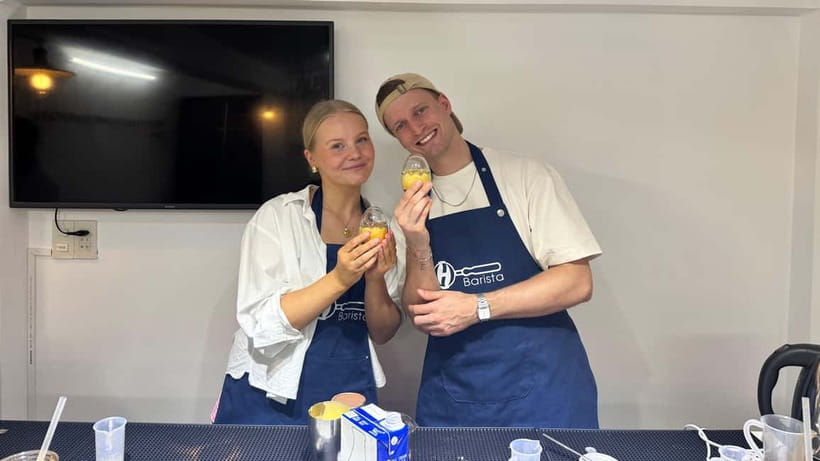
REVIEW · DA NANG COFFEE TOURS
Da Nang – Coffee Workshop: Make 6 Kinds of Vietnamese Coffee
Coffee tells Vietnam’s story. At Experience Coffee in Da Nang, you learn to brew six local styles, from strong phin coffee to egg coffee and salted coffee. I like the hands-on teaching and the chance to talk with Da Nang locals about food, neighborhoods, and daily life. The main drawback is the flexible 90 to 180-minute length, which may feel vague if you prefer a tightly timed class.
I also like that instructor Sally explains the differences between Robusta, Arabica, Culi, and local beans in plain English. You finish with six kinds of coffee to bring home and a secret gift, though the workshop does not include hotel transportation and may not suit someone who simply wants a quick café stop.
Key points to know before booking
- Six Vietnamese coffee styles: Make and taste cà phê sữa đá, bạc xỉu, egg coffee, coconut coffee, salted coffee, and other local variations.
- The phin filter is the star: Learn the slow-drip method behind classic Vietnamese coffee and see why the small metal filter matters.
- Sally leads the teaching: Her patient approach helps beginners understand both the recipes and the coffee beans.
- A local conversation, not just a cooking class: Da Nang staff can share suggestions about local places and going out in Vietnam.
- Take-home value: Six different coffee types and a secret gift are included at the end.
- Simple central location: Meet at Experience Coffee, 169/1 Trần Phú, in Hải Châu District.
Why this Da Nang coffee workshop is worth your time
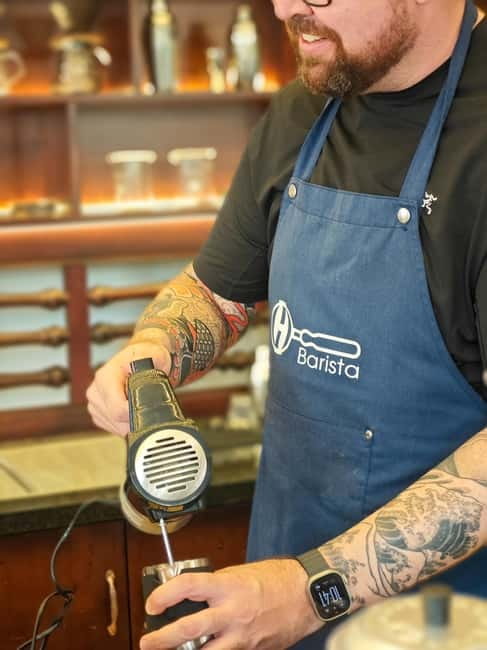
Da Nang has plenty of excellent cafés, but ordering a drink only gives you one small piece of Vietnamese coffee culture. This workshop lets you see the process, taste several styles side by side, and learn how coffee became part of everyday life in Vietnam.
The setting helps. Experience Coffee uses a white and blue classic design with traditional music playing in the background. It is arranged as a cultural space as much as a café, so the mood is made for slowing down rather than rushing through a checklist.
I see this as a good choice for your first or second day in Da Nang. You get an easy introduction to local drinks, and the conversation with the staff can help you understand the city beyond its main sights. The English-language format also makes it accessible if you do not know Vietnamese.
At $30 per person, the price is not the cheapest way to drink coffee in Da Nang. A café drink costs much less. The value comes from the instruction, the tasting of six styles, the coffee you take home, the cultural background, and the chance to ask local people direct questions.
More Coffee Making Classes in Vietnam
- Hanoi Coffee Workshop: Taste Salt, Coconut and Egg Coffee
★ 5.0 · 1,286 reviews - Hanoi: Salt Coffee Workshop Awake Your Senses With 6 Brews
★ 5.0 · 792 reviews - Da Nang Coffee Making Workshop
★ 4.9 · 543 reviews
Arriving at 169/1 Trần Phú
You make your own way to Experience Coffee at 169/1 Trần Phú, Hải Châu District, Da Nang City. Hotel pickup and drop-off are not included, so plan around the meeting point rather than expecting transport from your accommodation.
That central location makes the workshop easy to pair with other time in Da Nang, though the supplied information does not give travel times from individual hotels or landmarks. Check the map before you set out and allow enough time to arrive comfortably.
The café itself is part of the experience. The white-blue color scheme and classic music create a calm backdrop for a class about a drink that is usually enjoyed slowly. You are not entering a formal culinary school. You are visiting a working coffee space where the staff can talk about local habits and the meaning of coffee in Vietnam.
Learning the beans: Robusta, Arabica, Culi, and local varieties
The workshop begins with the coffee itself. You learn about Robusta, Arabica, Culi, and local beans, including how they differ in character and use.
That comparison matters because Vietnamese coffee is often associated with a powerful, full-bodied cup. The bean discussion gives you a better way to understand why different drinks taste and feel so different. Instead of treating Vietnamese coffee as one single style, you learn that the bean choice changes the result.
Sally’s teaching is a major strength here. The available feedback describes her as patient and clear, especially when explaining the six coffee types and how to prepare them. That is useful if you are new to coffee making, since the terminology can otherwise become a blur after the first few samples.
You do not need advanced coffee skills. The workshop is suitable for coffee enthusiasts at all levels, including complete beginners. Come with questions, and you can use the tasting as a practical lesson rather than simply drinking whatever appears in front of you.
Using the phin filter by hand
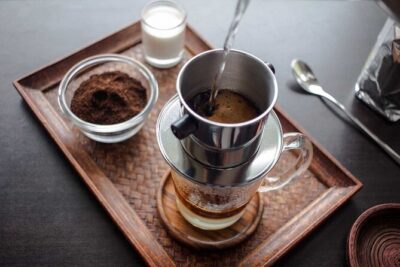
The phin is the small metal filter used for traditional Vietnamese drip coffee. It sits over your cup and lets hot water pass slowly through the grounds.
This is the hands-on heart of the class. You learn how to use the phin, rather than watching an instructor do everything. That distinction makes the lesson useful after you leave Da Nang. With a phin and suitable coffee at home, you can repeat the basic method and make a familiar drink without special machinery.
The slow process also explains something about Vietnamese café culture. Coffee is not always about speed. The phin gives you a pause while the coffee drips, which suits the relaxed setting at Experience Coffee.
You should bring comfortable shoes, a camera, and water. Comfortable shoes are sensible for any class where you may be standing or moving around, while a camera can help you remember the brewing setup. Water is especially useful when tasting several strong or sweet drinks in a row.
More Vietnamese Coffee Experiences in Vietnam:
- Egg coffee & Course on 4 traditional types of Viet coffee
★ 4.9 · 487 reviews - Fun & Easy Vietnamese Coffee Workshop in Hồ Chí Minh City
★ 5.0 · 293 reviews - Hanoi Cooking Class: Pho/Bun Cha/Banh Xeo…+Free Egg/Salt Coffee
★ 5.0 · 267 reviews - Hanoi: Vietnamese Coffee Workshop with 6 Brews and 8 Recipes
★ 5.0 · 237 reviews
Tasting six Vietnamese coffee styles
The tasting is broad enough to show how much variety fits under the name Vietnamese coffee. You learn about and sample styles that include:
- Cà phê sữa đá, iced coffee with sweetened condensed milk
- Bạc xỉu, a milk-forward coffee drink
- Egg coffee
- Coconut coffee
- Salted coffee
- Another Vietnamese coffee preparation, bringing the total to six types
The exact order of the drinks is not provided, and the workshop length can range from 90 to 180 minutes. That flexibility may reflect the pace of the class and the amount of conversation on the day.
Cà phê sữa đá is an important reference point because it shows the familiar combination of strong coffee, sweetness, and ice. Bạc xỉu gives you a gentler, milkier contrast. Egg coffee changes the texture entirely, while coconut and salted coffee show how local cafés adapt coffee with creamy, sweet, and savory elements.
Do not expect every drink to suit your taste. Some may be very sweet, intense, or unusual if your normal coffee is plain and black. That is not a flaw in the workshop. The point is comparison. You can identify what you like, learn how the drinks are made, and leave with a better idea of what to order at cafés around Vietnam.
Conversation with Da Nang locals
The class includes open conversation with local staff, which adds value that you cannot get from a printed recipe. The instructor and café team are Da Nang locals, so you can ask about local areas, places to go out, and ideas for seeing more of Vietnam.
The tone appears friendly rather than formal. One participant described the atmosphere as a good way to learn about Vietnamese coffee culture while meeting people. That makes this a natural choice if you are traveling alone or want a low-pressure social activity.
You may also find the conversation useful for cultural details that do not fit into a standard sightseeing tour. Coffee connects to social life, hospitality, and daily routines, so even a simple question about how a drink is served can lead to a broader understanding of Vietnam.
Keep in mind that the workshop is conducted in English, with English and Vietnamese available. If your English is limited, some explanations may take more effort to follow, but the practical brewing work and tasting still give you a clear way into the subject.
What you take home after the class
The take-home items improve the value of the $30 fee. You receive six different types of coffee to bring home, plus a secret gift at the end of the workshop.
The supplied information does not specify the exact size or packaging of the coffee portions, so do not book this expecting a large retail bag of beans. Think of the take-home coffee as a useful reminder of the class and a chance to repeat the experience at home.
You can also purchase Vietnamese coffee beans and phin filters at the venue. That is handy if the class convinces you to continue brewing this way. Buying the equipment there may also save you the trouble of searching for a phin later, though prices and product choices are not provided.
The secret gift adds a small surprise to the finish. Since its contents are not stated, treat it as a bonus rather than a reason to book.
Timing, price, and practical limits
The workshop lasts between 90 and 180 minutes. That is a large range, so you should allow a good part of an afternoon or morning instead of arranging another tightly timed activity immediately afterward.
For some people, the flexible timing is a benefit. You can ask questions, chat with the staff, and enjoy the drinks without feeling pushed out the door. For others, especially those planning a packed Da Nang schedule, the uncertainty may be inconvenient.
The $30 price works best if you value instruction and cultural context. It is less attractive if you only want to try one famous Vietnamese coffee. Six preparations, hands-on phin practice, local conversation, coffee to take home, and the extra gift give the workshop more substance than a normal café visit.
Food and drinks beyond the stated coffee tastings are not included unless specifically arranged. If you need a meal, plan that separately.
Cancellation is flexible: you can cancel up to 24 hours before the experience for a full refund. You can also reserve now and pay later, which helps if your Da Nang schedule is still changing.
Who should book this experience?
I would recommend it to coffee beginners, curious food lovers, solo visitors, couples, and anyone who wants a cultural activity that does not require a full day. It is also a good fit if you plan to buy a phin and Vietnamese beans for use at home.
Families may enjoy the hands-on format, but the supplied information does not give a minimum age or specific child policy. If you are booking for children, confirm that detail first.
You may want to skip it if you dislike sweet drinks, have no interest in brewing coffee, or have only a short stop in Da Nang. You will get more from the class if you are willing to taste several styles and listen to the story behind them.
Should you book the Experience Coffee workshop?
Book it if you want more than a quick cup and like learning through tasting and conversation. The patient teaching attributed to Sally, the six coffee styles, the phin practice, and the take-home coffee make this a strong $30 experience for curious visitors.
Skip it if your schedule is too tight for a possible three-hour session or if you want a simple café stop without instruction. For everyone else, this is an easy, friendly way to take a small piece of Vietnamese coffee culture home with you.
FAQ
Where does the coffee workshop take place?
The workshop takes place at Experience Coffee, 169/1 Trần Phú, Hải Châu District, Da Nang City, Vietnam.
How long does the workshop last?
The activity lasts approximately 90 to 180 minutes.
How much does the workshop cost?
The listed price is $30 per person.
Is hotel pickup included?
No. Hotel pickup and drop-off are not included, so you must reach the meeting point yourself.
Which coffee drinks are included?
The workshop covers six Vietnamese coffee types, including cà phê sữa đá, bạc xỉu, egg coffee, coconut coffee, and salted coffee.
Will I learn to use a phin filter?
Yes. The class includes hands-on instruction in brewing traditional Vietnamese coffee with the phin filter.
Is the workshop suitable for beginners?
Yes. It is described as suitable for coffee enthusiasts of all levels.
What language is the workshop conducted in?
The workshop is conducted in English. English and Vietnamese are available at the venue.
Do I receive coffee to take home?
Yes. Six different types of coffee to bring home are included.
Can I buy coffee beans or a phin filter there?
Yes. Participants have the opportunity to purchase Vietnamese coffee beans and phin filters at the venue.
Just added around Vietnam
- Vietnamese Coffee Making Class in Hoi An★ 5.0 · 4 reviews
- Vietnamese Coffee 101 Workshop★ 5.0 · 11 reviews
- Hoi An Vietnamese Coffee Workshop: Hands-On Brewing Class★ 5.0 · 3 reviews
- Vietnamese Egg Coffee Making Course in Hoi An★ 3.5 · 2 reviews
- Hoi An Coffee Tasting And Old Town Discovering Tour★ 5.0 · 4 reviews
- Hoi An Coffee Making Workshop★ 5.0 · 7 reviews
- Authentic Vietnamese Coffee Making Experience in Hoi An★ 5.0 · 13 reviews
- Coffee Making and Banh Mi Class Hoi An★ 5.0 · 5 reviews
Da Nang Coffee Tours, compared.
Da Nang Cooking Class with Coffee Tasting and Market Visit
Read our review →
[Free E-sim] Da Nang Coastal Charm Half Day Cafe Tour
Read our review →
Da Nang Coffee Making and Vietnamese Home Cooking Class
Read our review →Browse the lists this tour appears in