REVIEW · HANOI COFFEE TOURS
Hanoi: Vietnamese Coffee Workshop with 6 Brews and 8 Recipes
Coffee can tell Vietnam’s story. This Hanoi workshop turns that story into a hands-on morning or afternoon of brewing, tasting, and learning about the country’s coffee trade, French influence, beans, roasting, and café customs. For $34, you make six Vietnamese coffee styles and receive eight recipes to use at home.
I like the practical format: you do not just watch a barista pour coffee, you make the drinks yourself. I also like the friendly teaching style, especially from guides such as Piey, Linh, PA, Alex, and Vanessa, who are repeatedly praised for clear English, humor, and personal attention. The main consideration is caffeine. Six tastings can pack a serious punch, so a morning session may suit you better than a late afternoon class.
I also appreciate the useful extras: coffee and pastries are included, equipment is provided, and pickup and drop-off are available within Hanoi’s Old Quarter. The class takes place in an inviting villa or roastery setting with air conditioning, but private transportation is not listed as an inclusion, so confirm exactly how your transfer will be arranged when booking.
Key points at a glance
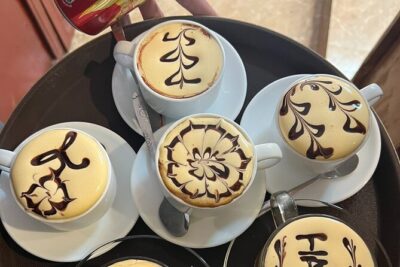
- Six Vietnamese coffee styles: Make and taste egg coffee, iced coffee with milk, coconut coffee, pour-over coffee, and signature coffee with pastries, along with another local preparation.
- Eight recipes to take home: Digital recipe material helps you repeat the drinks after your Vietnam trip.
- Coffee culture with context: Learn how growing, roasting, exporting, French influence, and café habits shaped Vietnamese coffee.
- Guides who teach, not just serve: Piey, Linh, PA, Alex, Vanessa, and others bring humor and practical advice to the session.
- Old Quarter pickup included: Hotel pickup and return are available within the Hanoi Old Quarter area.
- Strong value at $34: You get instruction, equipment, tastings, a welcome drink, pastries, and take-home recipes in one experience.
Why Hanoi coffee deserves its own class
Vietnamese coffee is not simply strong coffee poured over ice. It is a style built around robust beans, sweetened condensed milk, metal filters, whipped egg, coconut, and a café culture that makes time for conversation.
This workshop gives you the background needed to understand those drinks. You learn about the world coffee belt, how coffee grows in Vietnam, how beans are roasted, and how the country’s coffee habits developed through changing political and cultural periods. The French connection is part of that story, but the drinks you make are distinctly Vietnamese in their use of texture, sweetness, and local ingredients.
I like this kind of introduction because it gives the tasting a purpose. Instead of trying random drinks from a menu, you learn why a particular brew is prepared in a certain way and how one style differs from another.
The class also works for people who do not normally call themselves coffee fans. One participant described arriving without much interest in coffee and leaving converted. That makes sense here: egg coffee feels closer to dessert, coconut coffee is creamy and sweet, and condensed milk softens the force of the brew.
More Coffee Making Classes in Hanoi
- Hanoi Coffee Workshop: Taste Salt, Coconut and Egg Coffee
★ 5.0 · 1,286 reviews - Hanoi: Salt Coffee Workshop Awake Your Senses With 6 Brews
★ 5.0 · 792 reviews - Ha Noi Egg Coffee Class
★ 5.0 · 227 reviews
Starting with pickup and a welcome drink
If you are staying in Hanoi’s Old Quarter, hotel pickup and drop-off are included. Several bookings have involved on-time collection in a comfortable car or taxi, though the formal inclusions distinguish this from private transportation. I would give the operator your exact hotel details and confirm the transfer arrangement before the class.
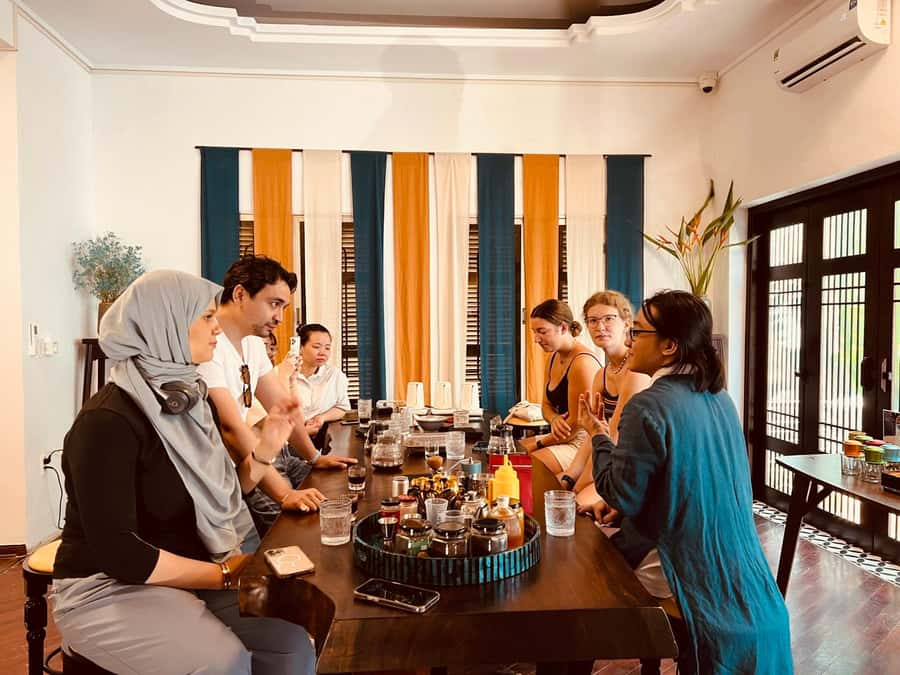
At the venue, you start with a welcome drink before looking over the coffee beans, brewing tools, and equipment. This opening matters because it gives you a quick visual guide to the ingredients and methods you will use later.
The setting is described as comfortable, professional, cozy, and air-conditioned. That is useful in Hanoi, particularly if you have spent the day walking in heat or humidity. It also makes the workshop a good rainy-day choice, when a museum or café alone may feel too passive.
The class is conducted in English. Past sessions have included solo participants joining a small group, which can be a pleasant setup: you have company for tasting and practice without losing the chance to ask questions.
Understanding beans, roasting, and Vietnam’s coffee story
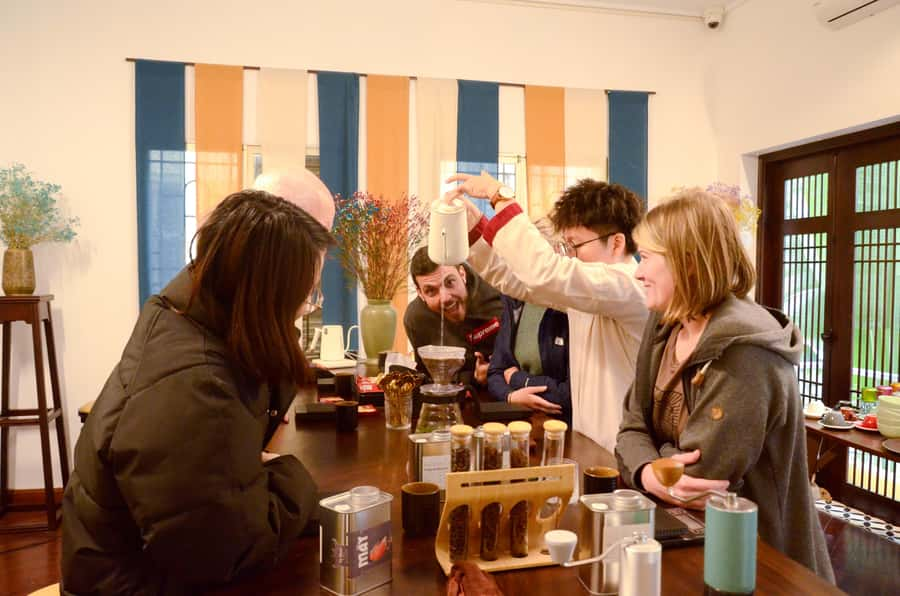
The teaching begins with coffee production and the route from bean to cup. You learn about growing, roasting, coffee types, and differences between beans before moving into the recipes.
Do not expect a technical barista certification course. This is an accessible cultural workshop, aimed at giving you enough knowledge to make popular Vietnamese drinks at home. The instructors explain the process in plain language and leave room for questions.
The historical material adds welcome context. You hear how coffee entered Vietnam, how French influence shaped café habits, and how Vietnamese drink makers developed their own combinations. PA, one of the frequently praised instructors, was especially good at connecting coffee styles with Vietnam’s past and personal family stories.
That human touch is one reason the class receives such strong praise. The best guides do not simply list facts. They explain the drinks, answer questions, adjust recipes when needed, and keep the pace light. Piey is often singled out for her warmth and teaching skill, while Linh is praised for humor and storytelling. Other instructors, including Maxie, Wendy, Koi, Hazel, Gracie, Hannah, and Vanessa, have also received warm feedback.
Because several guides lead the sessions, your exact teacher may vary. The common thread is a focus on explanation, participation, and tasting.
Making egg coffee, Hanoi’s famous dessert-like brew
Egg coffee is usually the star of the workshop. It combines coffee with a whipped egg mixture that creates a thick, sweet topping. The result is closer to a soft dessert than a basic cup of coffee, which explains why it appeals even to people who find black coffee too bitter.
You make the drink yourself rather than simply receiving a finished glass. That gives you a better sense of the texture and balance. The instructor walks you through the steps and explains the role of each ingredient.
One useful detail from the class experience is that the recipe can be adapted. A participant with an egg allergy received a non-dairy creamer coffee and the recipe afterward. If you have a dietary restriction, tell the guide before you begin. The available information confirms this kind of adjustment has been possible, but it does not promise every substitute for every allergy.
Egg coffee is also a good reason to take the workshop early in your Hanoi visit. After learning the method, you can spot it on café menus around town and understand what you are ordering. One participant who had already tried several egg coffees in Hanoi rated the workshop version as the best of the trip.
More Coffee Making Classes in Vietnam
- Hanoi Coffee Workshop: Master 6 Signature Vietnamese Coffee
★ 5.0 · 171 reviews - Hanoi Coffee Class learning 5 famous coffee in Hanoi
★ 5.0 · 161 reviews - Mini Hanoi Coffee Workshop: Pick Any Signature Coffee You Like
★ 5.0 · 160 reviews - Hanoi Egg Coffee making course
★ 4.9 · 112 reviews
Tasting iced milk coffee and coconut coffee
Iced coffee with milk is perhaps the easiest Vietnamese style to recognize. Strong coffee is paired with sweetened condensed milk and ice, creating a drink that is intense, sweet, and highly refreshing in Hanoi’s heat.
The class helps you see that the balance is not accidental. The amount of coffee, milk, and ice changes the final drink, and the instructor shows you how to combine them properly. You then taste your own version, which makes it easier to remember the method.
Coconut coffee takes the same café culture in a softer direction. Coconut adds sweetness and a creamy texture, giving the drink a dessert-like character without making it identical to egg coffee. These two styles are useful comparisons because they show how Vietnamese coffee can move from sharp and strong to smooth and sweet.
The tasting can be generous. You prepare several drinks and drink what you make, so pace yourself. Eat beforehand if you are sensitive to caffeine, or choose the morning class so you have more time to wind down afterward.
Practicing pour-over and signature coffee with pastries
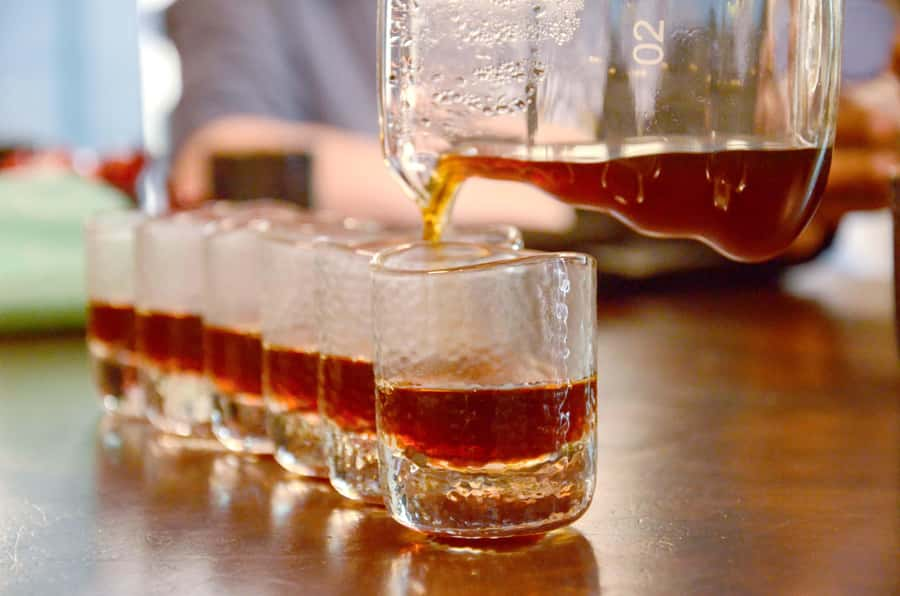
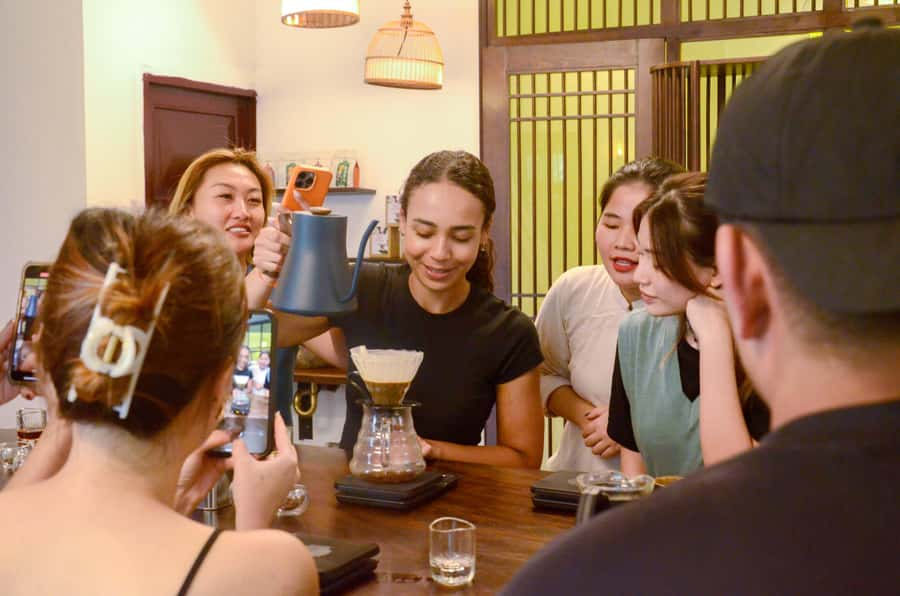
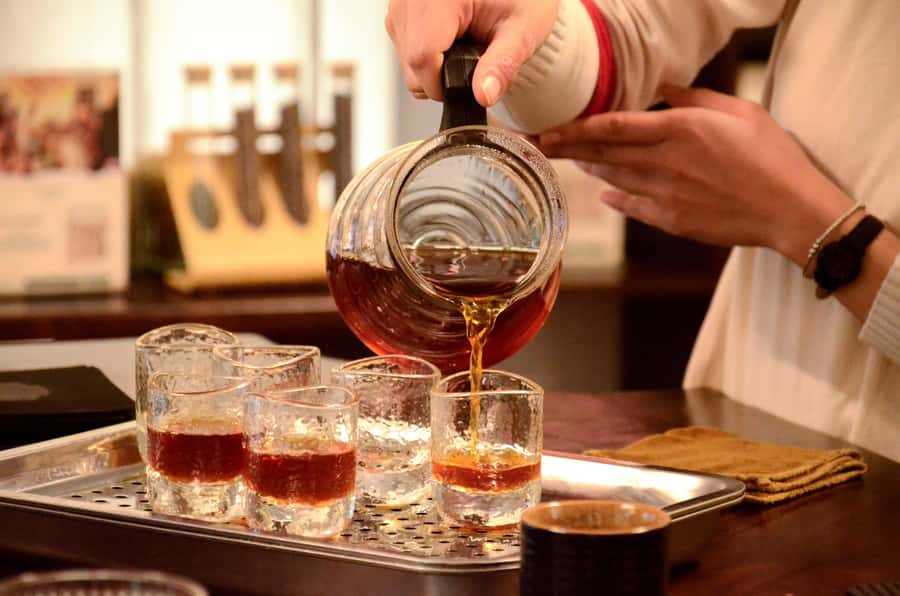
The pour-over section gives you a simpler counterpoint to the richer drinks. It lets you focus more closely on the coffee itself and the way brewing changes aroma and taste.
You also prepare a signature coffee served with pastries. The exact signature recipe may vary by session, but the inclusion adds another taste of Hanoi’s café style and gives the class a small food pairing rather than coffee alone.
This mix is one of the workshop’s strengths. You are not repeating one recipe six times with minor changes. You move between strong, sweet, creamy, iced, and more direct coffee preparations, so the class feels like a guided tasting as well as a lesson.
The supplied information names five styles directly, while the experience is advertised as six brews and eight recipes. That means you should expect some variation in the final preparation or recipe selection. The central promise remains clear: six coffee styles, multiple tastings, and eight recipes for home use.
What the hands-on teaching is really like
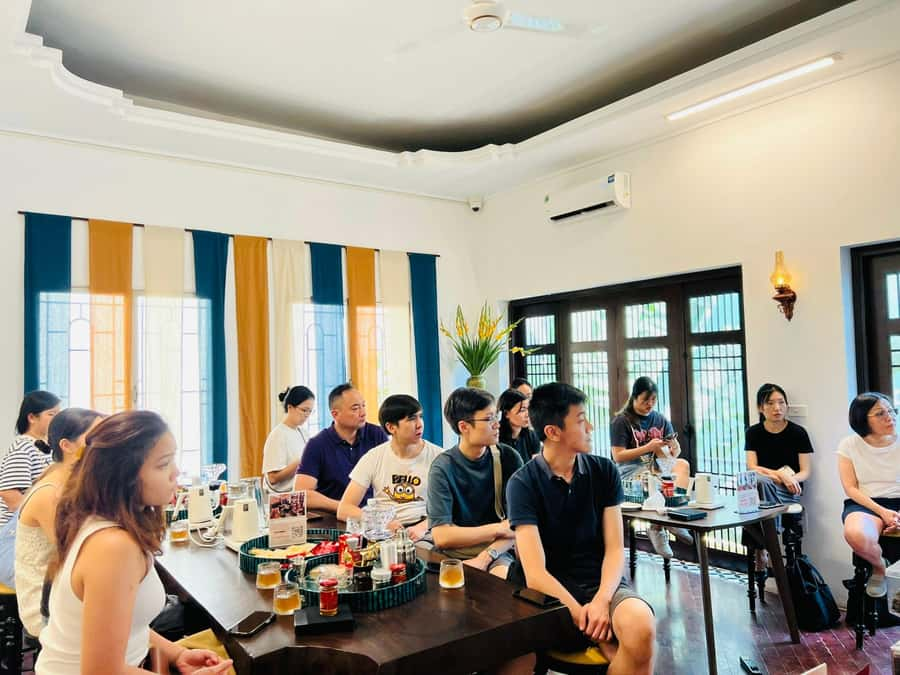
The equipment is supplied, so you do not need to pack anything. You handle the brewing tools, combine ingredients, and follow the instructor through each stage.
The class is interactive rather than a demonstration from a distance. Sometimes you make individual drinks, and sometimes the group works together. If you join alone, you may be paired with a small group, which gives you a social experience without requiring you to arrive with friends.
The guides’ teaching style is a major part of the value. They explain the history and methods, but they also keep the session relaxed. Several participants describe the classes as fun, funny, and easy to follow. English is used throughout, and the guide’s ability to answer questions makes a difference when you want to adjust sweetness or understand a brewing step.
You also receive digital recipes or an ebook after the class. That turns the experience from a one-time tasting into a useful souvenir. You can try the drinks in your own kitchen, share them with friends, and remember the differences between the styles.
Is $34 good value?
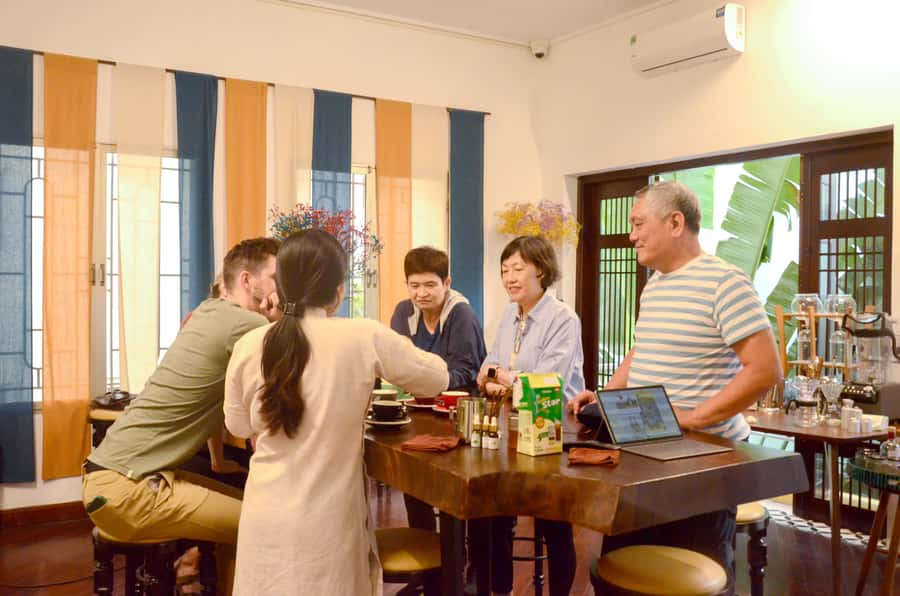
At $34 per person, I consider this a solid value if you enjoy coffee, food culture, or practical activities. The price includes the welcome drink, all coffee tastings, equipment, instruction, pastries, and Old Quarter hotel pickup and drop-off.
A few café visits could easily cost less, but they would not give you the same background or the ability to reproduce the drinks at home. The value comes from combining a tasting session with a lesson and digital recipes.
The price is less compelling if you dislike coffee, avoid caffeine, or prefer sightseeing that takes place outdoors. Even then, egg coffee and coconut coffee may make the class worthwhile, especially if you want a break from temples, markets, and walking tours.
Merchandise is available to buy, but it is not included. You can choose whether to purchase beans, tools, or other items, so there is no need to budget for shopping unless you want a physical reminder of the class.
Who should book this Hanoi workshop?
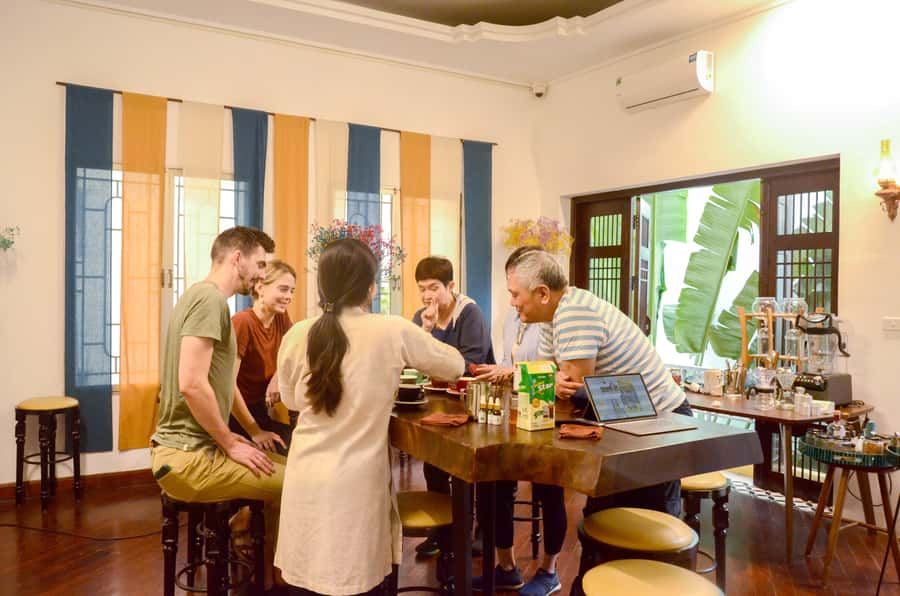
I would recommend it most strongly to:
- Coffee drinkers who want to understand Vietnamese café culture
- People who enjoy cooking classes and hands-on food activities
- Couples, families with older children, and small groups of friends
- Solo visitors who like meeting people in a structured setting
- Anyone looking for an indoor activity during rain or extreme heat
- Visitors who want practical recipes instead of only photographs and souvenirs
It is less suitable for children under 12 because they may accompany their parents but cannot participate in the workshop. Ages 12 to 17 may join only with a parent or guardian, and the adult must book and pay for their own place.
You should also think about caffeine. The class involves multiple tastings, and Vietnamese coffee is not timid. A light meal beforehand may help, and a morning booking gives you more time after the session.
The venue does not allow pets, weapons or sharp objects, alcohol, drugs, fire-making, or nudity. Those rules are straightforward and worth noting if you are planning a larger day of activities around the class.
Final verdict: Book it if you want a skill, not just a souvenir
I would book this workshop if you want a relaxed, useful way to understand Hanoi through its coffee. The strongest features are the hands-on brewing, the range of styles, the eight take-home recipes, and the instructors’ warm teaching.
Piey, Linh, PA, Alex, and the other named guides have made a strong impression through humor, clear English, careful explanations, and personal attention. That matters because a coffee class can become dull if it turns into a lecture. Here, the tasting and making keep you involved.
Choose it early in your Hanoi stay if possible. You will know what to order afterward, and you can compare the workshop recipes with cafés around the city. At $34, with transport within the Old Quarter, equipment, tastings, pastries, and instruction included, this is a good choice for coffee lovers and a surprisingly approachable one for coffee skeptics.
FAQ
How many Vietnamese coffee styles will I make?
The workshop teaches six coffee styles and provides eight authentic recipes. Listed preparations include egg coffee, iced coffee with milk, coconut coffee, pour-over coffee, and signature coffee with pastries.
Is hotel pickup included?
Yes. Hotel pickup and drop-off are included for accommodations within the Hanoi Old Quarter area.
Is the workshop conducted in English?
Yes. English is the listed workshop language.
Are coffee tastings included in the price?
Yes. All coffee tastings, the welcome drink, and workshop equipment are included.
Can children attend?
Children under 12 may accompany their parents but cannot participate in the workshop. Participants aged 12 to 17 must be accompanied by a parent or guardian, and the parent or guardian must book and pay for their own place.
Can I cancel for a full refund?
Yes. You can cancel up to 24 hours in advance for a full refund. You can also reserve the experience and pay later, keeping your plans flexible.
More Vietnamese Coffee Experiences in Hanoi
- Hanoi Cooking Class: Pho/Bun Cha/Banh Xeo…+Free Egg/Salt Coffee
★ 5.0 · 267 reviews - Hanoi: Rose Kitchen: Pho/Bun Cha/Nem+ Free Egg/ Salt Coffee
★ 5.0 · 57 reviews - Six Cups of Vietnam Coffee Workshop in Hanoi with Local Barista
★ 5.0 · 54 reviews - Hanoi Egg Coffee & Coconut Coffee Making Class with Free Banh Mi
★ 5.0 · 41 reviews
Just added around Hanoi
- Vietnamese Coffee 101 Workshop★ 5.0 · 11 reviews
- Private tour: Hanoi city tour-Van Phuc silk village with egg coffee, lunch★ 5.0 · 2 reviews
- Taste of Vietnam’s Coffee Scene – A Guided Experience★ 5.0 · 2 reviews
- 3 Dishes cooking + Egg Coffee bonus & Local Market Tour★ 5.0 · 14 reviews
- hidden gems cafe – learn making coconut and egg coffee★ 5.0 · 2 reviews
- Private Hà Nội Coffee History Tour★ 5.0 · 6 reviews
- Hanoi Coffee Workshop Brew Taste and Culture Experience★ 5.0 · 10 reviews
- Hanoi History Coffee Tour★ 5.0 · 2 reviews
Hanoi Coffee Tours, compared.
Hanoi Coffee Experience: 6 Brews, 9 Recipes & 3 Liquor Tastings
Read our review →
Hanoi Coffee Workshop: Taste Salt, Coconut and Egg Coffee
Read our review →
Salt Coffee Workshop Awake Your Senses With 6 Brews
Read our review →
Master the Art of 4-6 Signature Vietnameses Coffees
Read our review →
Hanoi Cooking Class: Pho/Bun Cha/Banh Xeo…+Free Egg/Salt Coffee
Read our review →