
REVIEW · DA NANG COFFEE TOURS
Danang: Vietnamese Coffee Class with 5 Unique types
Coffee gets creative in Vietnam. This small-group Danang class turns five local recipes into a hands-on lesson in taste, technique, and everyday coffee culture. You will use a traditional phin filter, learn how each drink is made, and sample coconut, egg, salt, orange, and white coffee.
I like the small group of no more than eight people, since that gives you room to ask questions and handle the equipment yourself. I also like the mix of old and new: the phin filter connects you with traditional Vietnamese brewing, while orange and coconut coffee show how local cafés keep experimenting.
The main consideration is caffeine. Five tastings in 150 minutes can be a lot, especially if you arrive hungry or do not usually drink coffee. Eat beforehand, stay hydrated, and tell the host about allergies or dietary needs before the class.
Key points about the Danang coffee workshop
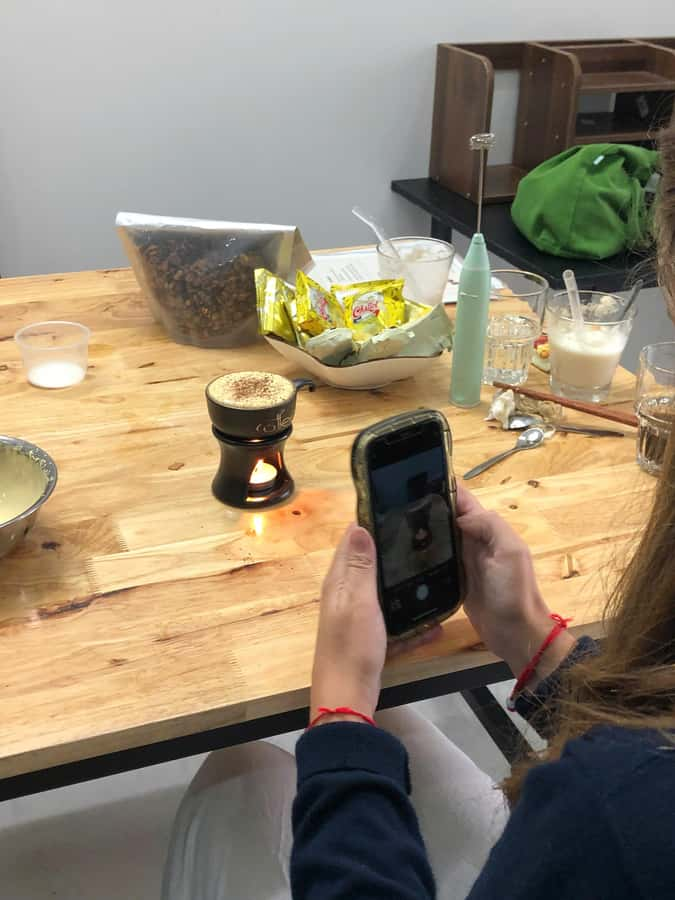
- Five distinct Vietnamese coffee styles: Prepare coconut coffee, egg coffee, salt coffee, orange coffee, and white coffee.
- Hands-on phin brewing: Learn to use the small metal filter that gives Vietnamese coffee its slow, concentrated character.
- A 150-minute class: The pace allows time for instruction, preparation, tasting, and stories about coffee culture.
- Small group format: With a maximum of eight participants, the setting should feel more personal than a large demonstration.
- English instruction and take-home recipes: You receive step-by-step guidance during class and digital recipes afterward.
- Good value at $30: The price includes ingredients, equipment, five tastings, instruction, and a local host, but not hotel transport.
What the Danang coffee class is really about
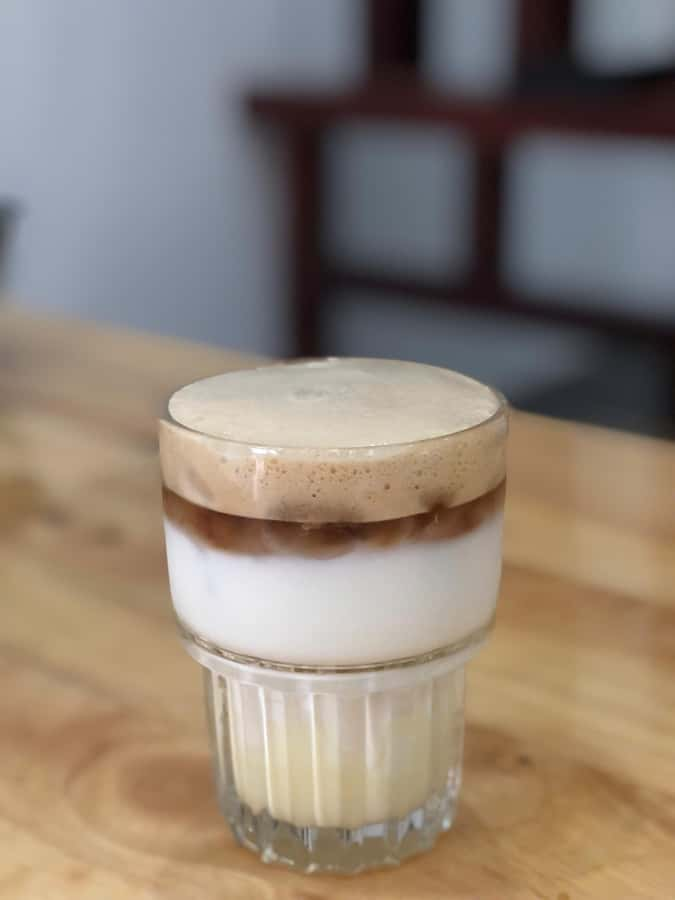
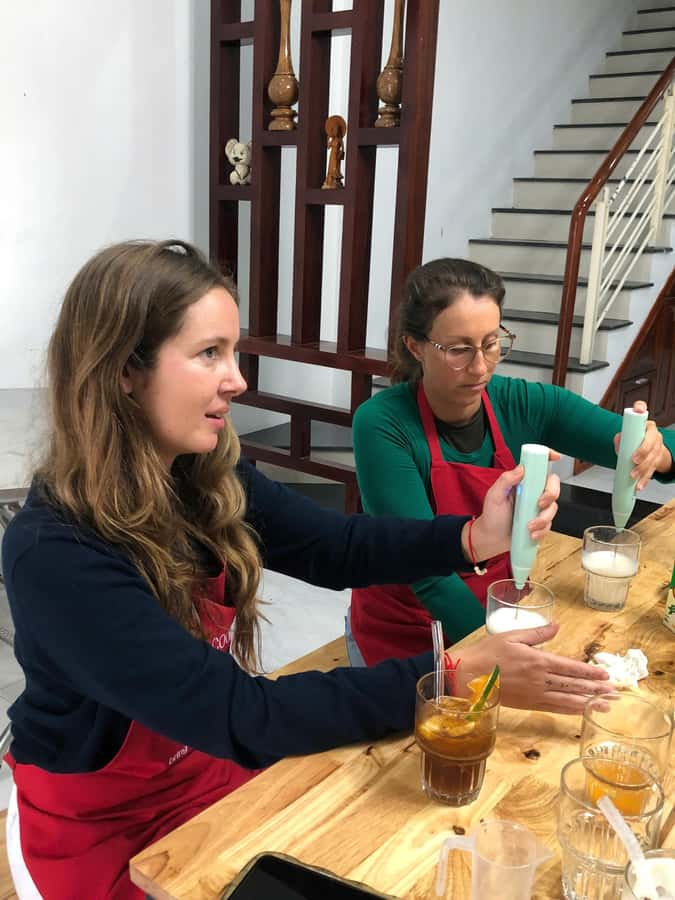
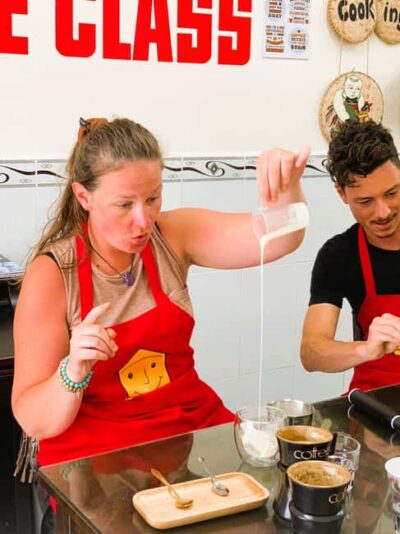
This is not simply a café visit with five drinks placed on a table. You take part in making each cup, which changes the way you taste it. You notice the strength of the coffee, the sweetness, the texture, and the balance between the coffee and its added ingredients.
The class also gives you a quick look at Vietnam’s coffee culture. The country is known for strong coffee prepared with a phin filter, but local coffee menus now reach far beyond the familiar iced coffee with condensed milk. Egg, salt, coconut, and orange recipes each offer a different answer to the same question: how can coffee become a dessert, a refreshment, or a slow afternoon ritual?
I find that useful for first-time visitors because coffee is part of daily life in Vietnam. A class like this gives you more context than ordering a drink at random. You learn what sits in the cup and why the preparation matters.
More Coffee Making Classes in Vietnam
- Hanoi Coffee Workshop: Taste Salt, Coconut and Egg Coffee
★ 5.0 · 1,286 reviews - Hanoi: Salt Coffee Workshop Awake Your Senses With 6 Brews
★ 5.0 · 792 reviews - Da Nang Coffee Making Workshop
★ 4.9 · 543 reviews
Arriving at the white sign in Danang
The meeting point is easy to identify. Look for a white board at the entrance marked Danang Summer Cooking Class and Coffee Workshop. The gate remains open during operating hours, and you should enter directly so the host can greet you.
There is no hotel pickup or drop-off, so you need to arrange your own way to the meeting point. The exact travel time depends on where you are staying in Danang, and the supplied information does not give a hotel transfer service. Plan to arrive five to ten minutes early.
That small buffer matters. The workshop has a set 150-minute schedule, and arriving late may mean missing the introduction to the first recipe. Since the class is limited to eight people, the host can likely keep the group together rather than repeat each step for late arrivals.
The opening lesson: coffee culture and the phin filter
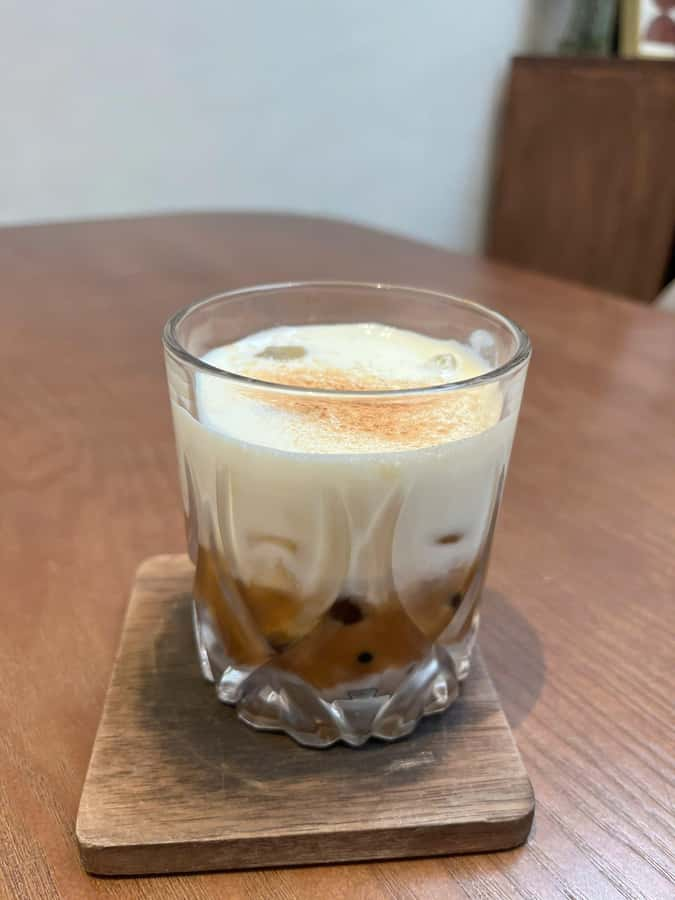
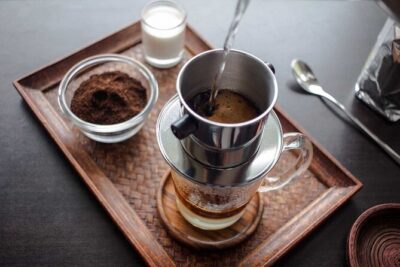
The class begins with an introduction to Vietnamese coffee culture and the equipment used during the session. The central tool is the traditional phin filter, a compact metal brewer that sits directly over a cup.
You will receive step-by-step instruction rather than being expected to know the method already. The host explains how to prepare the coffee and then guides you through the brewing process. This is a useful part of the class even if you already drink Vietnamese coffee, because the phin produces a different experience from a standard drip machine or espresso maker.
The filter works at a slow pace. Coffee drips into the cup instead of rushing through, which makes the preparation part of the ritual. You get to see the coffee develop before mixing it with the other ingredients.
This first stage also sets up the five recipes. The coffee itself needs to remain noticeable, since the added coconut, egg, salt, orange, or milk can change the drink quickly. The host’s job is to show you how the base coffee fits into each style.
Coconut coffee: cool, sweet, and easy to like
Coconut coffee is one of the more approachable recipes in the class. Coconut adds sweetness and a creamy texture, giving the strong coffee a softer edge.
You will make the drink rather than simply taste a finished version. That means you can see how the coffee combines with the coconut element and how the texture changes. For someone who finds straight Vietnamese coffee too forceful, this may be the most comfortable starting point.
I would pay attention to the balance here. The point is not just to make the sweetest cup possible. Strong coffee needs enough coconut flavor to soften it, but too much sweetness can cover the coffee altogether.
This recipe also has good take-home potential. Once you receive the digital recipes, coconut coffee is one of the styles you may want to recreate for friends or family. It has a clear identity and does not require the same unusual texture as egg coffee.
More Vietnamese Coffee Experiences in Vietnam:
- Egg coffee & Course on 4 traditional types of Viet coffee
★ 4.9 · 487 reviews - Fun & Easy Vietnamese Coffee Workshop in Hồ Chí Minh City
★ 5.0 · 293 reviews - Hanoi Cooking Class: Pho/Bun Cha/Banh Xeo…+Free Egg/Salt Coffee
★ 5.0 · 267 reviews - Hanoi: Vietnamese Coffee Workshop with 6 Brews and 8 Recipes
★ 5.0 · 237 reviews
Egg coffee: Vietnam’s famous dessert-style cup
Egg coffee is the most unusual preparation in the group for many people. It combines coffee with an egg-based mixture, creating a rich, dessert-like drink with a texture that differs from ordinary coffee.
The class lets you see how that topping or mixture is prepared before you taste it. That is important because egg coffee can sound strange when reduced to a short description. The preparation helps explain why the drink is treated as a specialty rather than simply coffee with an egg added.
I would approach this one with curiosity rather than a fixed idea of what coffee should be. The recipe may appeal to people who enjoy sweet drinks and dessert flavors, while those who prefer black coffee may find it heavy.
The egg coffee also shows how Vietnamese coffee culture adapts available ingredients into something distinctive. It is a good example of why this workshop offers more than five caffeine samples. Each cup has its own character and method.
Salt coffee: a small ingredient with a big effect
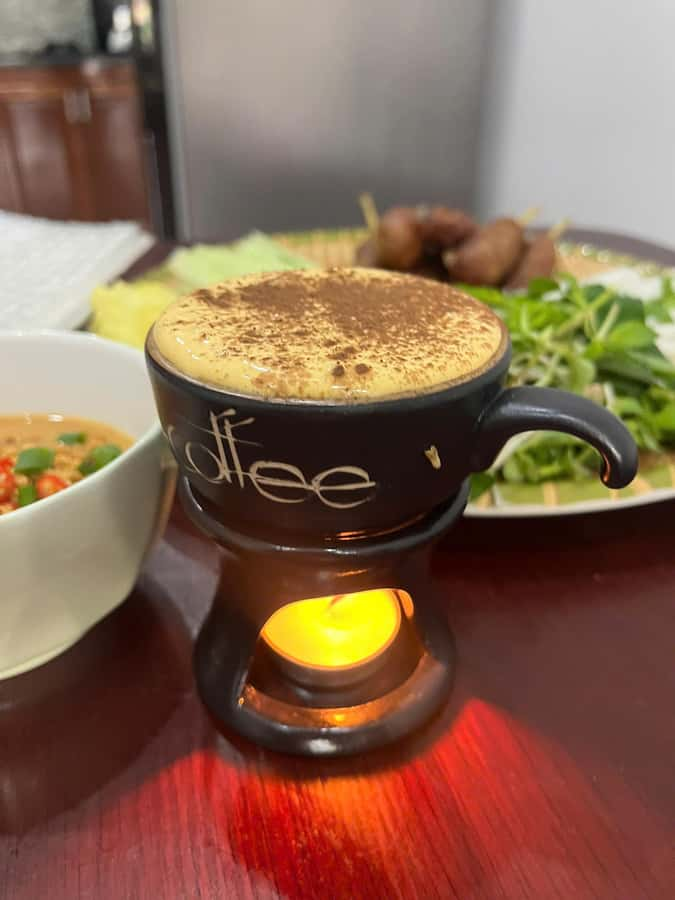
Salt coffee sounds simple, but salt can change sweetness and bitterness in a noticeable way. Used carefully, it can make a coffee taste rounder and less sharp.
During the class, you will learn how this recipe is assembled and then taste the result yourself. That hands-on step matters because the difference between a balanced cup and an overly salty one depends on proportion.
For me, salt coffee is likely to be one of the most useful lessons for home experimentation. You do not need a long list of ingredients to explore the idea, and the recipe shows how a small adjustment can alter a familiar drink.
Still, this may not be everyone’s favorite. If you dislike unusual coffee combinations, you might prefer the coconut or white coffee. The benefit of tasting all five is that you do not have to guess which style suits you.
Orange coffee: a modern local twist
Orange coffee brings a fruit note into the cup. It is one of the more modern styles in the workshop, and it helps show how Vietnamese cafés are not limited to one traditional formula.
The orange element changes the drink’s flavor and may make it feel lighter or more refreshing than the egg or coconut versions. You will prepare the coffee under guidance, then taste how the citrus works with the coffee base.
This is the sort of recipe that benefits from a class because the ingredients need to work together. Coffee can overpower fruit, while too much citrus can make the drink feel disconnected. The host explains the process so you can understand the intended balance.
If you enjoy trying new combinations, orange coffee may be the most memorable cup of the five. If you want a classic Vietnamese coffee lesson only, it may seem less traditional. That contrast is part of the appeal.
White coffee: the familiar Vietnamese starting point
White coffee gives the class a more familiar reference point. In this context, it is one of the Vietnamese coffee styles prepared during the workshop, alongside the more unusual coconut, egg, salt, and orange recipes.
This cup helps you compare the other drinks. Once you have tasted a straightforward preparation, the added flavors become easier to judge. You can ask yourself whether coconut softens the coffee, whether salt changes the bitterness, or whether orange creates a sharper finish.
The class information does not specify every ingredient or the exact order in which the five coffees are prepared. You will receive the recipe details digitally, and the host guides you through the method during the session. That is helpful if you want to recreate the cup later without relying on memory.
Why the small group matters
A maximum of eight participants is a strong feature for a practical food class. You are not standing at the back of a large room trying to see a demonstration. You have a better chance to handle the phin, follow each step, and ask for help when a recipe feels unfamiliar.
The small format also suits different levels of interest. A serious coffee fan can ask about brewing and roasting, while a curious beginner can focus on the simple steps. The host’s English instruction makes the class accessible to English-speaking visitors.
A verified participant from Germany praised the explanations of coffee basics, coffee types, roasting, and preparation, along with the relaxed setting. That matches the main strength of the experience: it is structured, but it is not presented as a stiff technical lecture.
Keep in mind that a small group does not guarantee a private class. Other participants may have different tastes, dietary needs, or levels of experience. The group limit gives the host room to help, but you will still be sharing the session.
What is included for the $30 price
At $30 per person, the value depends on how much you want from the experience. You receive all ingredients and equipment, instruction for five coffee styles, five tastings, a traditional phin brewing session, cultural background, digital recipes, and the help of a local English-speaking host.
That is a fair package for a two-and-a-half-hour activity. You are not paying only for drinks. You are paying for the teaching, ingredients, use of equipment, and the chance to repeat the recipes at home.
The strongest value comes from the variety. Buying five separate specialty coffees in Danang would let you taste them, but it would not teach you how to prepare them or explain the ideas behind them. This class turns the tasting into a skill you can use after your holiday.
Transport is the main extra cost to remember. Hotel pickup and drop-off are not included, so add your own transportation budget and time. The meeting point itself is marked clearly with the white board sign.
Who should book this class?
I would recommend it to coffee drinkers who want a food activity with real participation. It also suits curious visitors who enjoy learning through taste rather than listening to a long lecture.
It is a good fit for:
- Coffee fans interested in Vietnamese brewing
- Visitors looking for a small-group activity in Danang
- Couples and friends who want a relaxed indoor experience
- People who enjoy unusual sweet and savory flavor combinations
- Anyone who wants recipes to recreate at home
- Visitors who want an activity that works in rain or shine
It may be less suitable if you avoid caffeine, dislike sweet coffee, or want a quick tasting with no preparation. Five cups in one session can feel intense. The host specifically advises eating beforehand and staying hydrated so you do not feel lightheaded.
Children under seven should not attend. Vegan and other dietary options are available on request, but you need to raise the issue in advance. You should also report allergies before the class begins.
Timing, cancellation, and practical planning
The experience lasts 150 minutes, and starting times depend on availability. Check the available time before booking and arrive five to ten minutes early.
The class runs in rain or shine, which makes it a useful option on a wet Danang day. Since it takes place indoors at the workshop meeting point, you do not need to depend on clear weather for the activity to go ahead.
You can cancel up to 24 hours before the class for a full refund. A reserve-now, pay-later option is also available, which helps if your Danang schedule is still changing.
Bring a camera if you want photos of your coffee creations. Also bring water, eat something before arriving, and avoid treating the class as a substitute for lunch. The drinks are the focus, not a full meal.
Should you book the Danang coffee class?
Book it if you want to understand Vietnamese coffee by making it yourself. The five recipes give you a useful range, from familiar white coffee to egg, salt, coconut, and orange versions, while the small group keeps the session personal.
The main cautions are the caffeine load, the lack of hotel transport, and the fact that the experience is better for curious participants than for people seeking a quick café stop. At $30, the class offers good value when you count the instruction, five tastings, equipment, cultural explanation, and digital recipes.
I would especially choose it for a rainy afternoon, a first visit to Danang, or a trip where you want one activity you can talk about and repeat at home. Arrive fed, bring your questions, and let the phin take its time.
FAQ
How long does the Vietnamese coffee class last?
The class lasts 150 minutes, or two and a half hours.
How many coffee styles will I make?
You will make five Vietnamese coffee styles: coconut coffee, egg coffee, salt coffee, orange coffee, and white coffee.
Is the class hands-on?
Yes. The experience includes hands-on coffee making with step-by-step guidance, along with a traditional phin filter brewing session.
What is a phin filter?
A phin filter is a traditional Vietnamese coffee filter used during the class. The activity includes an introduction to brewing coffee with this equipment.
How many people are in the group?
The class is limited to eight participants.
What language is the class taught in?
The instructor teaches the class in English.
Are ingredients and equipment included?
Yes. All ingredients and equipment needed for the class are provided.
Are recipes provided after the class?
Yes. Digital recipes are included for you to take home.
Is hotel transportation included?
No. Hotel pickup and drop-off are not included, so you need to make your own way to the meeting point.
Can people with dietary restrictions attend?
Vegan and dietary options are available upon request. You should inform the host about allergies or dietary restrictions in advance.
Just added around Vietnam
- Vietnamese Coffee Making Class in Hoi An★ 5.0 · 4 reviews
- Vietnamese Coffee 101 Workshop★ 5.0 · 11 reviews
- Hoi An Vietnamese Coffee Workshop: Hands-On Brewing Class★ 5.0 · 3 reviews
- Vietnamese Egg Coffee Making Course in Hoi An★ 3.5 · 2 reviews
- Hoi An Coffee Tasting And Old Town Discovering Tour★ 5.0 · 4 reviews
- Hoi An Coffee Making Workshop★ 5.0 · 7 reviews
- Authentic Vietnamese Coffee Making Experience in Hoi An★ 5.0 · 13 reviews
- Coffee Making and Banh Mi Class Hoi An★ 5.0 · 5 reviews
Da Nang Coffee Tours, compared.
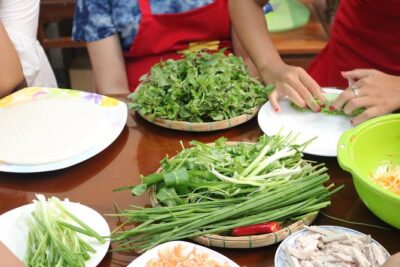
Da Nang Cooking Class with Coffee Tasting and Market Visit
Read our review →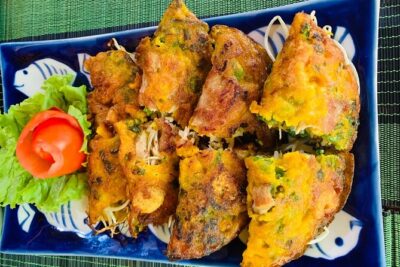

[Free E-sim] Da Nang Coastal Charm Half Day Cafe Tour
Read our review →
Da Nang Coffee Making and Vietnamese Home Cooking Class
Read our review →Browse the lists this tour appears in