
REVIEW · GERMANY COFFEE TOURS
Espresso Kurs im Johann Jacobs Haus in Bremen
Great coffee starts with small adjustments. This three-and-a-half-hour course at Bremen’s Johann Jacobs Haus takes you from bean and roast to espresso extraction and milk foam. I like the strong hands-on focus, and I also like the small group of no more than eight people. The main consideration is that instruction is in German, so you will need enough language ability to follow technical explanations.
The $152 price is not pocket change for a coffee class, but it includes espresso, water, milk and milk alternatives, a handout, and plenty of guided practice. I especially like that you do not just watch a trainer work. You adjust, pour, taste, and try again, which is where the useful lessons usually stick.
Key points at a glance
- Three and a half hours of practical work: You get enough time to move beyond a quick demonstration and practice the main steps yourself.
- A full espresso routine: The class covers the bean, roast, grinder adjustment, machine operation, extraction, and milk foam.
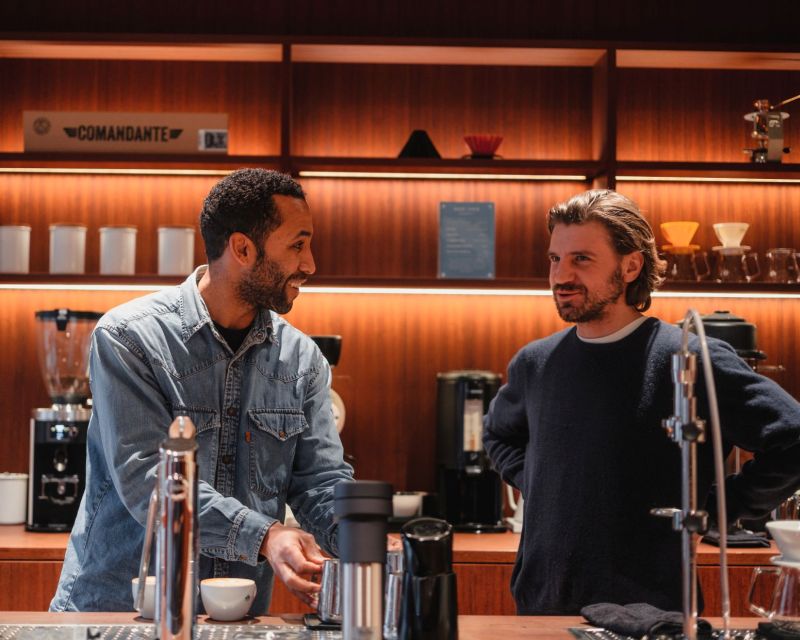
- Small group of eight or fewer: This size gives you a better chance to work directly with the equipment and ask questions.
- Heart-shaped cappuccino foam: You practice fine, velvety milk foam and try to pour a heart on top of your drink.
- German-language instruction: The course is designed for participants who can follow German explanations.
- Useful take-home material: A handout helps you remember the key points after the class, and you may receive a participation certificate.
Starting at the Johann Jacobs Haus Heritage Store
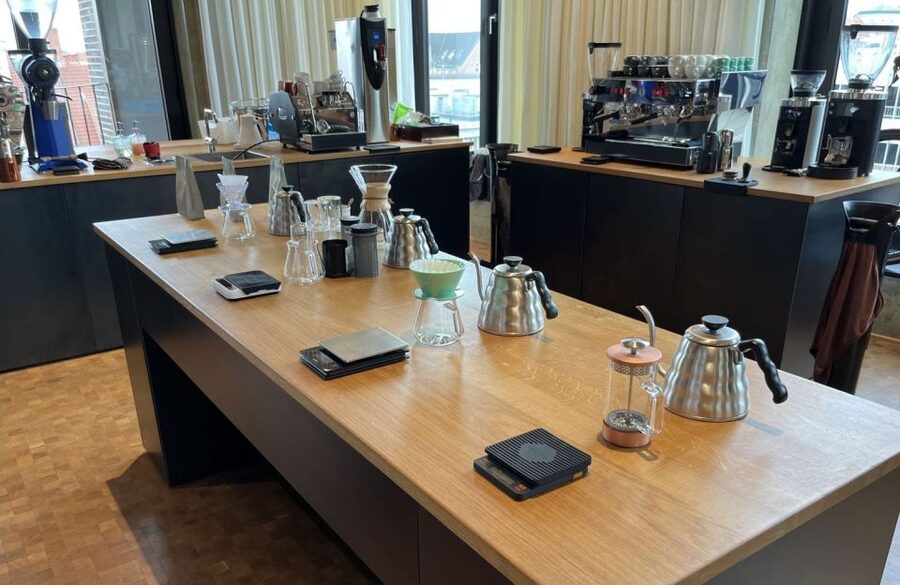
Your meeting point is the counter at the Johann Jacobs Haus Heritage Store in Bremen. That instruction matters because the venue may offer more than one area or service, so go to the counter first rather than wandering around looking for the classroom.
The course has a focused, workshop feel. You are not signing up for a general coffee tasting with a few tips added on. The stated aim is to help you prepare specialty coffee at home at barista quality, and the subjects match that goal.
You begin with the basics of espresso. That includes the coffee bean and its origin, along with the way roasting affects the drink. This part gives you a useful foundation. If you only learn which buttons to press, you can copy a routine but may not know what to change when the result tastes wrong.
The class connects the bean and roast to the work that follows. That is valuable because espresso preparation is not one fixed recipe. Grinder adjustment, machine operation, and milk texture all affect the final cup.
A few more coffee tours around the world worth a look
- Hanoi Coffee Experience: 6 Brews, 9 Recipes & 3 Liquor Tastings
★ 5.0 · 2,945 reviews - Medellin: Coffee Tour with Transport, Snacks and Tastings
★ 4.7 · 1,357 reviews - Istanbul: Turkish Coffee Making and Fortune Telling Workshop
★ 4.9 · 1,308 reviews
Learning what makes a good espresso
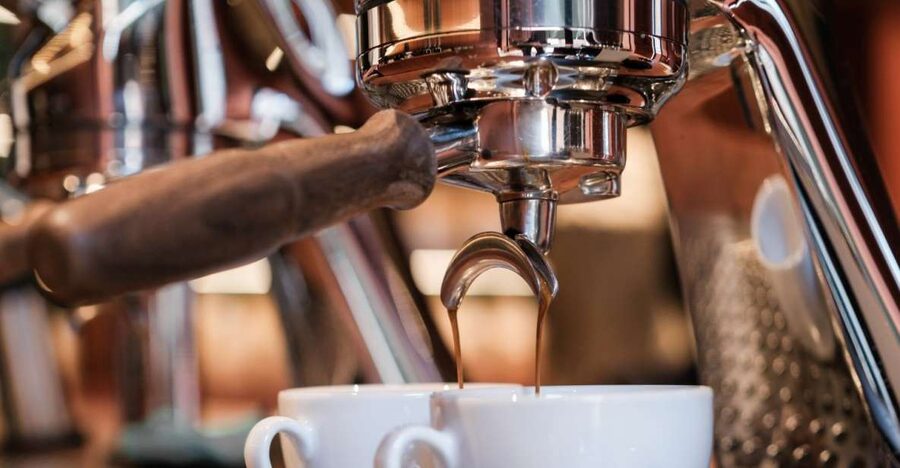
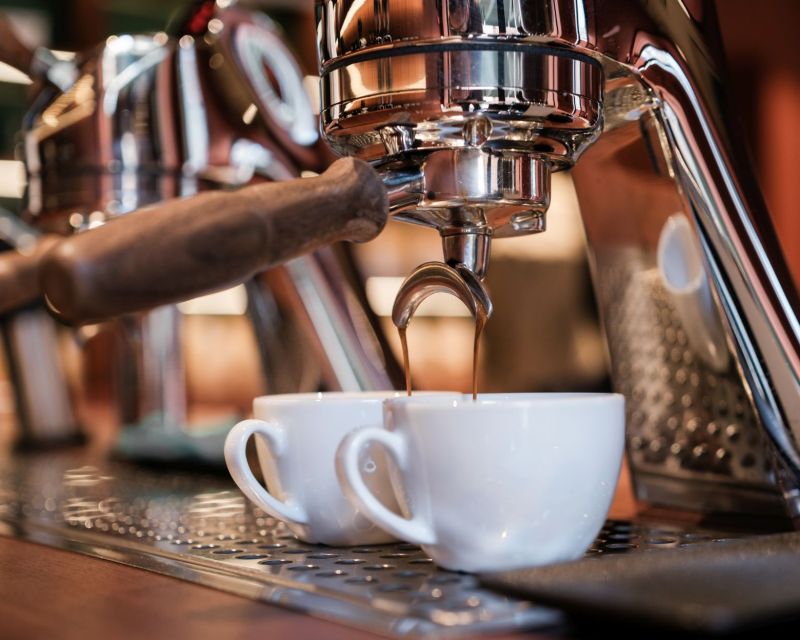
The heart of the course is preparation on an espresso machine. You learn what matters when adjusting the grinder and the machine, then put those lessons into practice.
For a home coffee maker, grinder adjustment can be the most confusing part of espresso. A small change can alter the flow and the balance of the drink. The course gives you a chance to see this process in action instead of treating the grinder as a mysterious dial that should never be touched.
I like the practical design here. You are expected to try the process yourself, not simply watch a professional produce a polished result. That means your first attempt may not look perfect, which is exactly why a class can be useful. You can identify what went wrong while a trainer is present to guide you.
The machine section also covers operation, so you get more than a lesson about coffee theory. You learn how the equipment fits into the routine. The course description does not give a detailed shot recipe or specify a particular machine model, so you should not expect a fixed technical formula before arriving. Instead, expect instruction built around the equipment used during the class.
That approach has a practical benefit. You can ask questions at the moment they matter. If your extraction needs adjustment, you can work through the problem rather than memorizing a list of rules.
From bean and roast to the cup
The class includes time to learn about the coffee bean and its origin. This is not just filler before the machine work. Understanding where coffee comes from and how roast level affects flavor gives you better tools when choosing beans at home.
I like this part because it keeps espresso from becoming only a mechanical exercise. The grinder and machine matter, but the coffee itself matters too. A change in bean or roast can alter the way you need to prepare the drink.
The strongest value comes from the connection between information and practice. You learn about the coffee, then use it on the machine. You can see how the starting ingredient affects the work that follows.
The supplied course details do not identify specific countries of origin, roast profiles, or coffees served. That means you should not book this expecting a formal tour of several growing regions or a large tasting flight. The clear focus is learning the preparation process and gaining control over the equipment.
Practicing fine milk foam and the cappuccino heart
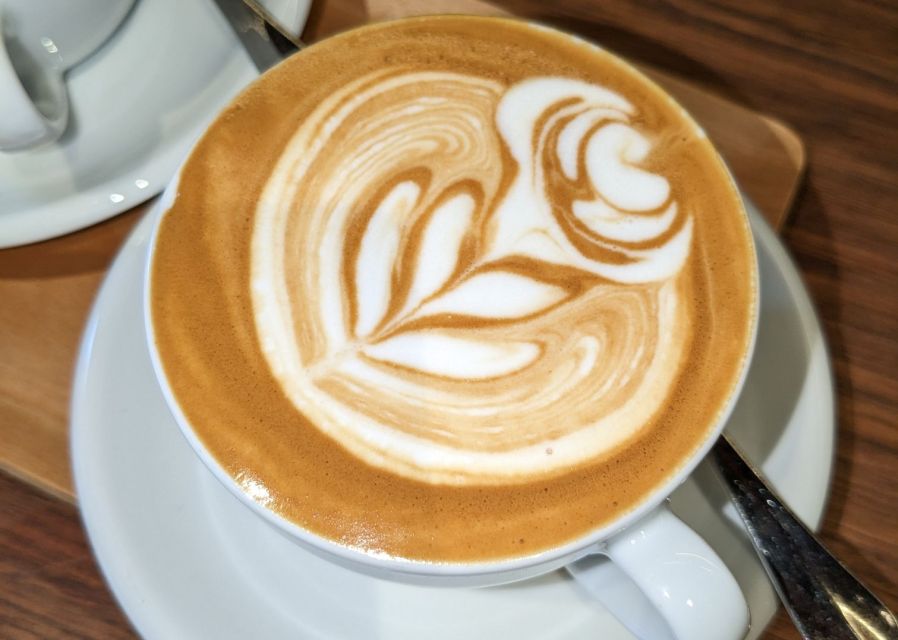
The second major skill is milk preparation. You learn to create fine, velvety foam and use it to pour a heart on top of a cappuccino.
This is a good test of patience. Foam that is too airy will not pour smoothly, while foam that is too thin will not hold the shape you want. The course gives you hands-on time with this part, which is more useful than watching someone make a perfect heart in one attempt.
The aim is not only decoration. Properly textured milk changes the feel of the drink and helps produce a more balanced cappuccino. The heart is a visible goal, but the real lesson is learning to make smooth, fine foam consistently.
Milk alternatives are included along with regular milk. That makes the class more flexible for people who do not use dairy, though the information does not specify which alternatives are available. If you have a particular dietary need, it is sensible to confirm the options before booking.
You should also keep your expectations realistic. A heart-shaped pour takes practice, and one class cannot guarantee café-level latte art every time. The value is in learning the texture and movement required, then continuing to practice at home.
Same place, a different cup:
- Hanoi Coffee Workshop: Taste Salt, Coconut and Egg Coffee
★ 5.0 · 1,286 reviews - Vienna for Food Lovers: Cafés, Markets & Austrian Cuisine
★ 5.0 · 1,063 reviews - Big Island Highlights: Coffee, Volcano, Black Sands & Waterfall
★ 5.0 · 1,054 reviews - Hanoi: Salt Coffee Workshop Awake Your Senses With 6 Brews
★ 5.0 · 792 reviews
Why the hands-on format matters
The practical element is the course’s strongest feature. The structure gives you the chance to work with the process yourself, from grinder adjustment through milk foam.
That matters because espresso has several linked steps. If the drink is off, you need to know which part to change. Was the grinder setting wrong? Did the machine need a different adjustment? Was the milk texture too loose? A hands-on session helps you connect cause and result.
The small group also supports this format. With no more than eight participants, the class is limited enough for direct instruction to matter. It is not a private lesson, so you should still expect to share equipment and trainer attention. But the group size is much more suitable for practice than a large demonstration.
A verified participant praised the amount of practical work and particularly enjoyed trying things personally after learning about the bean and its origin. That is a useful clue about the course’s character. The most rewarding part is likely to be doing the work, not sitting through a long lecture.
The format should suit you if you learn by repetition. You can see a technique, attempt it, receive guidance, and make another attempt. That cycle is especially useful for grinder changes and milk foam, two skills that are hard to learn from written instructions alone.
A three-and-a-half-hour coffee workshop
The total duration is 210 minutes. That is long enough for a proper workshop without becoming an all-day commitment.
The session covers several subjects, so the time should feel purposeful. You work through coffee basics, grinding, machine use, espresso preparation, and milk foam. The available information does not provide a minute-by-minute schedule, so the exact balance between explanation and practice may vary.
The length is a good fit for a day in Bremen. You can place it alongside other sightseeing rather than giving up an entire day. Still, three and a half hours is a serious block of time, and you should not treat it as a quick stop between appointments.
Coffee is provided during the course, including espresso, water, milk, and milk alternatives. You do not need to arrange those basics yourself. The information does not state how many drinks you will prepare or taste, so I would regard the included ingredients as part of the workshop rather than assume unlimited coffee.
The German-only format is the clearest practical limitation. If you understand German well enough to follow explanations about roast, grinding, and machine settings, you should be fine. If you rely on translation apps or only know a few German phrases, technical instruction could be frustrating.
Is $152 a fair price?
At $152 per person, this is a premium class. The value depends on how much you want to learn and how much you expect to practice.
You are paying for 210 minutes, a professional trainer, a group capped at eight, coffee ingredients, a handout, and the chance to use the equipment during the session. You may also receive a participation certificate from the Johann Jacobs Haus.
The small group is important to the price calculation. A cheaper large-group demonstration may give you information, but it may not give you enough time to adjust a grinder or practice milk foam yourself. Here, the practical work is the main reason to consider paying more.
The course makes less financial sense if you simply want to drink good coffee in Bremen or learn a few basic facts about espresso. It makes more sense if you plan to repeat the skills at home and want someone to correct your technique.
The handout adds some lasting value. You can use it to remember the main points after the session, when the details of machine operation and grinder adjustment have started to blur. The certificate is a pleasant extra, but I would not make it the reason to book.
Who should book this Bremen espresso course?
I would recommend it most strongly to home coffee makers who already care about espresso and want a more reliable routine. You should be willing to practice after the class, since the lasting benefit comes from repeating the skills at home.
It also suits coffee fans looking for a focused activity in Bremen. The subject is specific, the group is small, and the session has a clear practical purpose.
You may want to skip it if you are not comfortable learning in German. The course is not advertised as multilingual, and the technical material requires more than casual conversation.
It may also be a poor match if you want a broad coffee tour, a detailed regional tasting, or a short demonstration. The stated content centers on espresso preparation, grinder and machine adjustment, and milk foam.
Practical details before you book
Check the available start times before choosing your date. The duration is fixed at 210 minutes, but the starting time depends on availability.
When you arrive, report to the counter at the Johann Jacobs Haus Heritage Store. That is the stated meeting point.
The group is limited to eight participants, and instruction is in German. Water, espresso, milk, and milk alternatives are included. The course also provides a handout, and a participation certificate is available at the end.
You can cancel up to 24 hours in advance for a full refund. You can also reserve now and pay later, which helps if your Bremen plans are not completely settled.
Should you book the Johann Jacobs Haus Espresso Course?
Book it if you want to learn by doing. The best reasons are the small group, the three-and-a-half-hour format, and the chance to work through the full process from bean and roast to grinder, machine, espresso, and milk foam.
I would especially choose it if you have tried making espresso at home but still struggle with consistency. The course gives you a place to ask questions and test changes under professional guidance.
Skip it if you need English instruction, want a cheap introductory activity, or prefer coffee tasting to equipment practice. For the right participant, though, the price can be justified by the hands-on time and the chance to leave with skills you can use again and again.
FAQ
Where does the espresso course take place?
The course takes place at the Johann Jacobs Haus in Bremen. You should report to the counter at the Johann Jacobs Haus Heritage Store.
How long does the course last?
The espresso course lasts 210 minutes, or three and a half hours.
What language is the course taught in?
The instructor teaches the course in German.
How many people can join the course?
The group is limited to eight participants.
What is included in the course?
Water, espresso, milk, and milk alternatives are included. You also receive a handout with key information, and you may receive a participation certificate from the Johann Jacobs Haus.
Can I cancel or pay later?
You can cancel up to 24 hours before the course for a full refund. You can also reserve your place and pay later.
Just added around the world
- Vietnamese Coffee Making Class in Hoi An★ 5.0 · 4 reviews
- Venice Delights: Coffee & Food Experience Walking Tour★ 5.0 · 2 reviews
- Yerevan: Private Coffee Tour with 2 Café Stops★ 5.0 · 2 reviews
- Vietnamese Coffee 101 Workshop★ 5.0 · 11 reviews
- Ubud: Waterfall, Holy Water Temple,Swing&coffee plantation★ 5.0 · 9 reviews
- Vancouver: Street Art & Craft Coffee Walking Tour w/ Tasting★ 4.8 · 11 reviews
- Turkish Coffee and Traditional Turkish Dessert Cooking★ 4.6 · 8 reviews
- Vienna: Guided Viennese Coffee-House Tour★ 5.0 · 2 reviews
Germany Coffee Tours, compared.

Sylt: Boat tour – afternoon cruise | coffee & cake available
Read our review →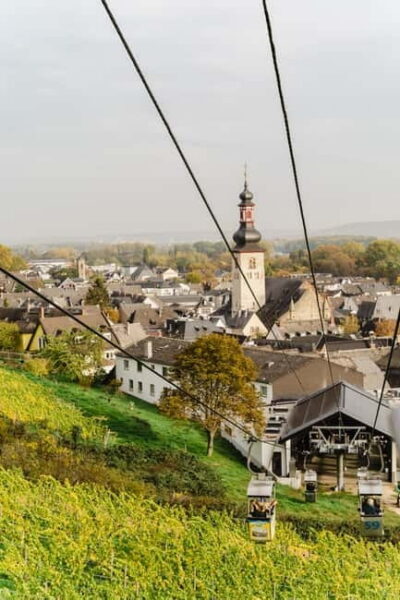
Rüdesheim: City tour with music, wine, and Rüdesheim coffee
Read our review →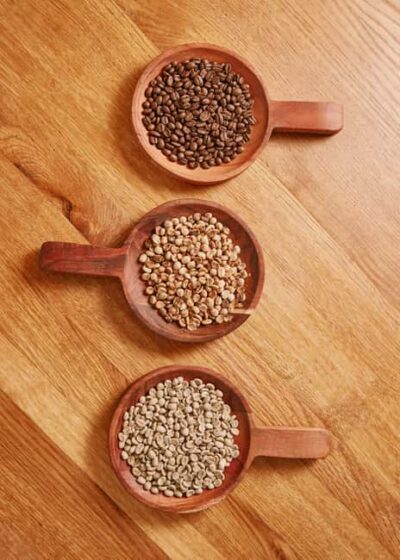
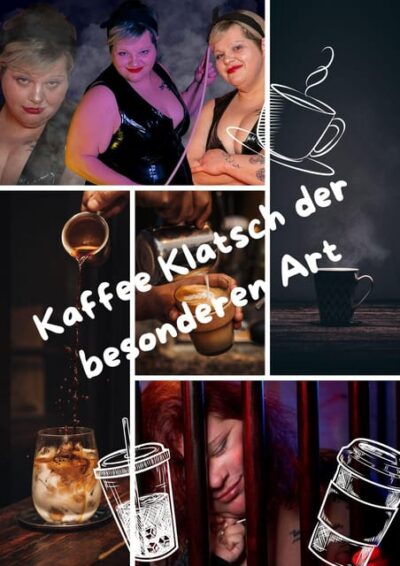
Hamburg – St. Pauli coffee klatch with ex dominatrix – perfect in rainy weather
Read our review →Browse the lists this tour appears in