
REVIEW · VIETNAM COFFEE TOURS
Hue: Brew Egg, Salt & Coconut Coffee
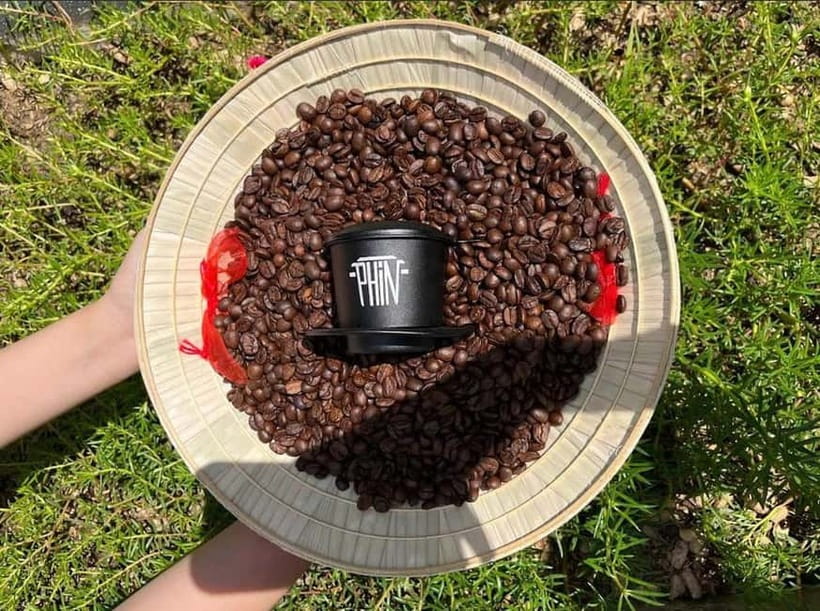
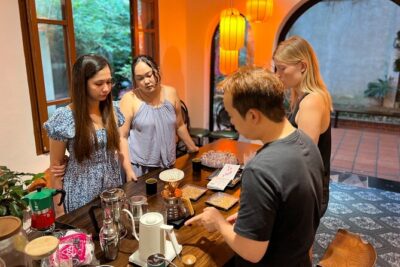
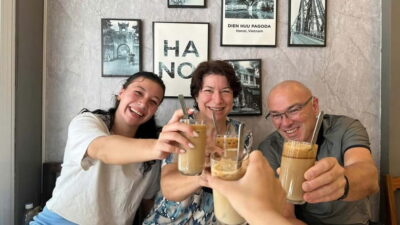
Coffee in Hue is a hands-on cultural lesson. This 90-minute workshop lets you brew four Vietnamese styles with a traditional phin filter, bold Robusta beans, and a local English-speaking host. I like the small groups, limited to eight people, and I like that you leave with recipes instead of just a caffeine buzz.
The class is also a good rainy-day choice, especially in Hue, where a wet afternoon can interrupt sightseeing. My one caution is practical: you prepare and taste a lot of coffee, so people sensitive to caffeine or anyone who does not drink coffee should pace themselves.
Key points at a glance
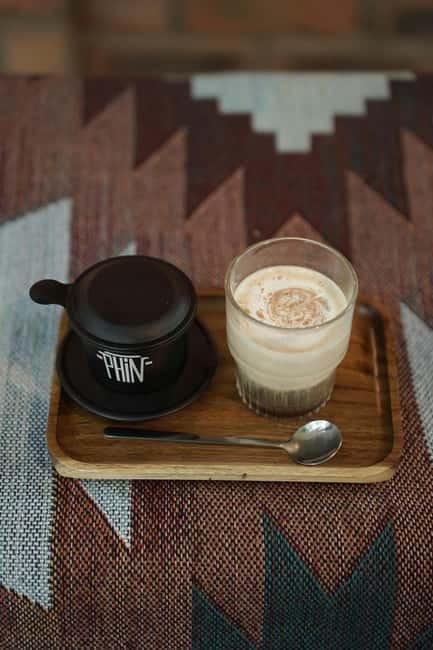
- Four distinct drinks: Prepare classic phin coffee, egg coffee, salt coffee, and coconut coffee.
- Robusta takes center stage: Learn why Vietnam’s strong, earthy beans suit sweet, creamy recipes.
- A genuinely hands-on class: You do the brewing and mixing instead of watching a demonstration.
- Small groups matter: With no more than eight participants, it is easier to ask questions and get help.
- Recipes go home with you: The recipe handout makes this more useful than a one-time tasting.
- Good value at $18: You receive instruction, ingredients, equipment, and four drinks over 90 minutes.
Starting in a Hue alley
The meeting point is on Hoàng Quốc Việt Street. Enter alley number 1, walk about 50 meters, and look for the Huế Experience signboard.
That detail matters. This is not a major tourist attraction with a large entrance or obvious street frontage. Give yourself enough time to find the alley, particularly if you are arriving from another part of Hue. The signboard is the landmark provided for the class.
The setting is described as cozy, which fits the purpose. You are not being rushed through a large commercial food attraction. You are sitting down, handling coffee tools, and talking with a local host. That slower pace is part of the appeal.
The group limit is eight. If the class is full, you will still be in a fairly intimate session. If few people book, the experience can become much more personal. One participant had a solo class, while another attended with a family of five. That range suggests the workshop can work for couples, solo visitors, and families.
The host may be Duck, also called Uyen, or another member of the teaching team such as Daisy or Annie. Duck is especially associated with the class and has been praised for her humor, warmth, and clear explanations. The exact host can affect the feel of the session, but the format remains the same.
More Vietnamese Coffee Experiences in Vietnam:
- Hanoi: Salt Coffee Workshop Awake Your Senses With 6 Brews
★ 5.0 · 792 reviews - Egg coffee & Course on 4 traditional types of Viet coffee
★ 4.9 · 487 reviews - Fun & Easy Vietnamese Coffee Workshop in Hồ Chí Minh City
★ 5.0 · 293 reviews
First lesson: why Vietnamese coffee tastes so strong
The class begins with Robusta beans, the backbone of Vietnamese coffee. This is useful context before you start brewing because Robusta usually brings more body and a stronger, earthier taste than the lighter coffee many people know from home.
Vietnamese coffee culture makes good use of that strength. Sweetened condensed milk, egg cream, salt, coconut, and ice are not random extras. They balance the force of the coffee and create drinks with very different textures and flavors.
You learn the basic method before moving through the four recipes. The traditional phin is a small metal filter that sits directly over your cup. Coffee drips through slowly, one drop at a time. It is simple equipment, but it rewards patience.
I like this part because the phin makes the brewing process visible. You can watch the coffee collect below rather than pressing a button and walking away. The class turns a familiar drink into a small ritual.
The explanations also connect the recipes to Vietnamese coffee culture. You are not only learning quantities and steps. You are learning why these styles became popular and how local coffee habits differ from the way coffee is served elsewhere.
Four cups, four different personalities
Classic phin coffee
The classic phin cup is the foundation for the rest of the class. You use the metal filter, add the coffee, and allow it to drip into the cup.
This is the strongest and most direct style of the four. It gives you a clear taste of the Robusta bean before creamy ingredients change the drink. If you usually drink mild coffee, this can be a surprise.
The process is forgiving, but you still need to pay attention. The amount of coffee and the way it is pressed affect how quickly the water passes through. Your host guides you through the method and helps you understand what each step does.
This is also the recipe most likely to be useful at home. A phin filter is compact, inexpensive compared with a full coffee machine, and easy to pack. One participant enjoyed the class so much that she bought a filter for home use.
A few more coffee tours around Vietnam worth a look
- Hanoi Coffee Experience: 6 Brews, 9 Recipes & 3 Liquor Tastings
★ 5.0 · 2,945 reviews - Hanoi Coffee Workshop: Taste Salt, Coconut and Egg Coffee
★ 5.0 · 1,286 reviews - Da Nang Coffee Making Workshop
★ 4.9 · 543 reviews - Hanoi: Master the Art of 4-6 Signature Vietnameses Coffees
★ 5.0 · 517 reviews
Egg coffee
Egg coffee is the most unusual drink for many people. It pairs strong coffee with a sweet, creamy egg mixture, creating something closer to a dessert than a plain morning cup.
The class shows you how to make the topping and combine it with the coffee. The contrast is the point: bitter and powerful below, soft and sweet above.
This drink is a good example of Vietnamese kitchen creativity. Instead of hiding strong coffee, the recipe works with it. The result can appeal even to someone who is not a regular coffee drinker, though it remains a coffee-based drink with plenty of caffeine.
Pay attention to texture here. The egg mixture is not simply poured in without explanation. The host demonstrates the steps so you can recreate the balance at home.
Salt coffee
Salt coffee is closely associated with Hue, making it particularly fitting for this workshop. The salt does not turn the drink into a savory beverage. Used in a small amount, it helps soften bitterness and sharpen the sweetness.
This is often the drink that makes people reconsider what coffee can be. You still taste the beans, but the salt changes the balance. It is a clever recipe and one of the most memorable parts of the class.
The practical value is in learning restraint. Too much salt would overwhelm the cup, so the method matters. Your host explains how the ingredients work together rather than treating the recipe as a novelty.
If you want one drink that feels especially tied to Hue, this is it.
Coconut coffee
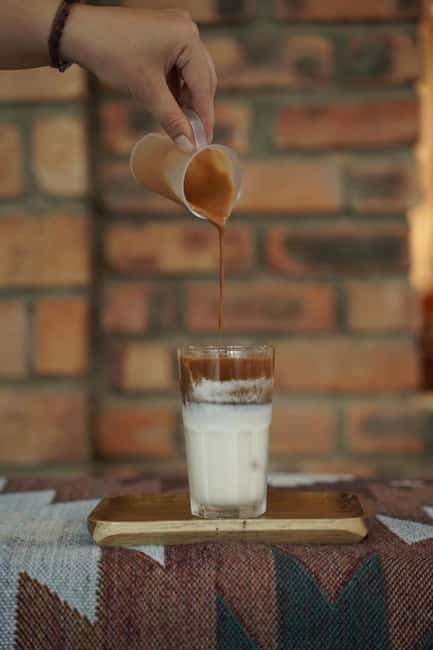
Coconut coffee adds a cool, sweet, creamy element to the strong base. It may be served cold, and the class includes both hot and cold drinks.
This is likely to be the easiest style for people who prefer sweet coffee or do not usually drink it black. The coconut changes the texture as much as the flavor, giving the drink a smoother, more refreshing character.
It also shows how Vietnamese coffee adapts to warm weather. A strong brewed base can become a cold treat without losing its identity.
The four recipes work well together because each teaches a different lesson. The phin shows the bean and brewing method. Egg coffee focuses on texture. Salt coffee is about balance. Coconut coffee brings sweetness and temperature into the picture.
What makes the teaching work
The best part of this experience is the local host. The class depends on someone who can explain each recipe clearly while keeping the room relaxed.
Duck has been singled out for being funny, patient, and generous with explanations. Uyen has also been praised for teaching the coffee history and bean basics in a friendly way. Other named hosts include Daisy and Annie, both associated with warm, enthusiastic instruction.
That personal approach is important in a small workshop. You can ask why a particular ingredient is used, check a brewing step, or talk about coffee habits in Vietnam. The conversation may also touch on local culture, which gives the activity more substance than a standard tasting.
The class is taught in English and Vietnamese. The English-speaking host explains the recipes and answers questions, making the session accessible to international visitors.
The tone appears informal rather than academic. You get useful background, but this is not a formal lecture. Expect conversation, jokes, and plenty of hands-on work.
A lot of coffee in 90 minutes
Ninety minutes is enough time to learn the four methods without making this an all-day commitment. You can fit it between visits to Hue’s sights or use it as a break from temple and museum touring.
Still, do not underestimate the amount you will taste. You prepare four drinks, and each cup may contain a strong coffee base. One participant specifically warned that you receive a lot of coffee and could not finish it all.
My advice is to arrive with a sensible plan. You do not need to force yourself to drink every drop. Taste each recipe, compare the differences, and stop if you have had enough caffeine.
This is also why the workshop can suit non-coffee drinkers, but with a qualification. The sweet egg and coconut versions may be appealing, and one person who did not usually drink coffee enjoyed the session. Yet the drinks are still coffee, not caffeine-free desserts.
The class works well on a rainy day because the activity is indoors and keeps you occupied without requiring a long transfer. It is also a good afternoon option, though caffeine late in the day may affect some people.
The value of $18 per person
At $18 per person, the price is fair for what is included. You are not paying only for four small samples. The fee covers a guided workshop, ingredients, traditional tools, Robusta beans, tasting, drinking water, a recipe handout, and a small-group setting.
The recipes add lasting value. After a normal coffee tasting, you may remember a flavor but have no clear way to repeat it. Here, you receive written instructions and learn the method directly.
The class also saves you from ordering four separate drinks at different cafés and trying to work out how they were made. You get comparison, instruction, and cultural context in one sitting.
Value depends on your interest. If you only want a quick cup of Vietnamese coffee, a café will cost less and take less time. If you enjoy food activities, want a practical souvenir, or like learning through conversation, $18 is a reasonable spend.
Families should note that the group can include up to eight people, and a family of five has attended successfully. The activity is wheelchair accessible, which makes it a practical choice for more visitors, although the provided information does not describe the exact room layout or bathroom facilities.
What to bring and how to enjoy it
You do not need to bring coffee equipment. All ingredients and tools for the four recipes are supplied, including phin filters and beans.
Bring an appetite for tasting, but not an empty coffee tolerance. The drinks include sweet, creamy, and cold styles, yet the caffeine adds up. Water is provided, which helps between samples.
I would also bring your phone if you want to note adjustments or photograph the recipes. The official recipe handout is the important takeaway, but your own notes can help you remember which style you liked best.
Ask questions. The small group makes this possible, and the hosts are there to explain rather than simply demonstrate. If you are curious about Robusta, condensed milk, salt, or the difference between hot and cold preparations, this is the right moment to ask.
Who will enjoy this Hue workshop?
I would recommend it most strongly to:
- Coffee fans who want to understand Vietnamese brewing instead of only ordering a cup.
- Food-minded visitors who enjoy making something with their own hands.
- Couples and solo visitors who like relaxed activities with room for conversation.
- Families looking for a short indoor experience that works across age groups.
- Rainy-day planners who need a useful alternative to outdoor sightseeing.
- Curious non-coffee drinkers who are open to sweet and creamy coffee styles.
It may be less suitable if you avoid caffeine, dislike sweet drinks, or want a fast activity with no participation. This is a workshop, not a passive tasting. You will handle the ingredients, follow instructions, and taste several preparations.
Should you book it?
Book this class if you want an easy, social way to connect with Vietnamese food culture in Hue. The combination of phin brewing, four contrasting recipes, local instruction, and take-home recipes gives the $18 price real value.
The best reason to go is not simply that you get four coffees. It is that you learn how strong Robusta becomes the base for very different drinks, from the direct phin cup to egg, salt, and coconut versions.
Skip it if you are avoiding caffeine or would rather spend your time at cafés without making the drinks yourself. Otherwise, this is a smart 90-minute addition to a Hue itinerary, especially on a rainy day. Just pace yourself: four coffees can be a full sightseeing companion.
FAQ
How long does the coffee workshop last?
The workshop lasts 90 minutes.
How much does the experience cost?
The price is $18 per person.
Which Vietnamese coffees will I make?
You will prepare classic phin coffee, egg coffee, salt coffee, and coconut coffee.
Where is the meeting point?
Enter alley number 1 on Hoàng Quốc Việt Street and walk about 50 meters. The meeting point has a Huế Experience signboard.
Is the workshop taught in English?
Yes. The instructors speak English and Vietnamese.
How many people can join the class?
The workshop is a small-group activity limited to eight participants.
Just added around Vietnam
- Vietnamese Coffee Making Class in Hoi An★ 5.0 · 4 reviews
- Vietnamese Coffee 101 Workshop★ 5.0 · 11 reviews
- Hoi An Vietnamese Coffee Workshop: Hands-On Brewing Class★ 5.0 · 3 reviews
- Vietnamese Egg Coffee Making Course in Hoi An★ 3.5 · 2 reviews
- Hoi An Coffee Tasting And Old Town Discovering Tour★ 5.0 · 4 reviews
- Hoi An Coffee Making Workshop★ 5.0 · 7 reviews
- Authentic Vietnamese Coffee Making Experience in Hoi An★ 5.0 · 13 reviews
- Farming- Market- Lantern making- Coffee- Cooking (JHA4)★ 5.0 · 4 reviews
Vietnam Coffee Tours, compared.
Hanoi Coffee Experience: 6 Brews, 9 Recipes & 3 Liquor Tastings
Read our review →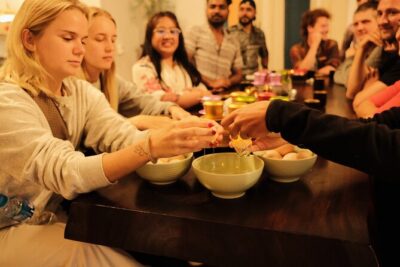
Hanoi Coffee Workshop: Taste Salt, Coconut and Egg Coffee
Read our review →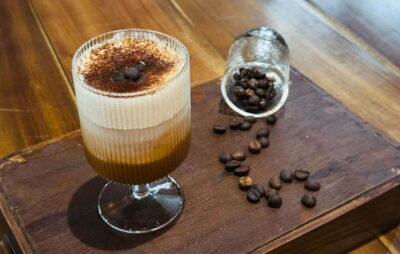
Salt Coffee Workshop Awake Your Senses With 6 Brews
Read our review →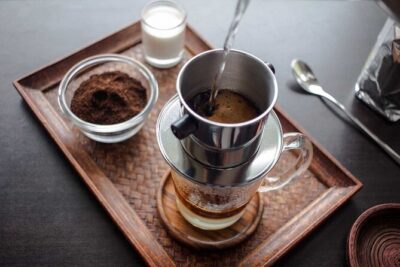
Master the Art of 4-6 Signature Vietnameses Coffees
Read our review →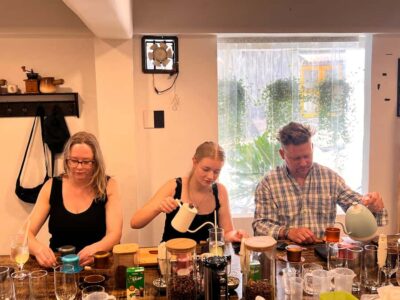
Egg coffee & Course on 4 traditional types of Viet coffee
Read our review →
Da Nang Cooking Class with Coffee Tasting and Market Visit
Read our review →Browse the lists this tour appears in