
REVIEW · TANZANIA COFFEE TOURS
Arusha: Coffee Plantation Tour with Tasting and Hands-On …
Coffee tells Tanzania’s story. This 3.5-hour Arusha experience takes you from coffee tree to finished cup, with local farmers showing you how cherries are picked, processed, dried, roasted, and brewed. I like the hands-on work and the chance to hear directly about plantation life rather than simply watching a demonstration. I also like the tasting, where different roast profiles reveal how much flavor can change from one batch to the next.
The main drawback is transport. The $60 price does not include getting to the farm, although you can meet your guide at Arusha’s Clock Tower and arrange transport from there. The optional hike to nearby hills and waterfalls also means you should arrive ready for uneven ground, not just a relaxed coffee lesson.
Several details make this a good fit for curious visitors. English-speaking guides such as Maximilian, also called Max, and Oliver have earned especially warm praise for their friendliness, clear explanations, and care with the experience. Wear sturdy shoes, bring water, and expect a farm visit with real walking.
Key points to know before you book
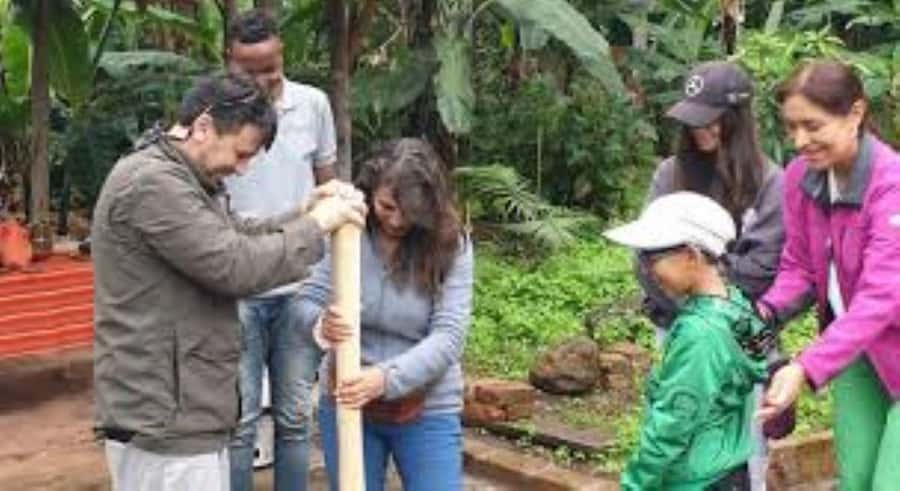
- Bean-to-cup participation: You can take part in picking, pulping, drying, and roasting instead of only hearing about the process.
- Tasting with a purpose: The coffee session introduces different roast profiles and helps you notice changes in aroma and flavor.
- Local guides make the difference: Max and Oliver are praised for their friendly approach and clear explanations.
- Central meeting point: The Clock Tower in central Arusha is an easy place to meet, with hotel pickups available for those who choose transport.
- Nature can be added: An optional walk to the surrounding hills and waterfalls adds scenery and exercise to the coffee visit.
- Good half-day value: At $60 per person, the tour includes guiding, activities, tasting, refreshments, and snacks, but not transportation to the farm.
Why this Arusha coffee tour is worth your morning
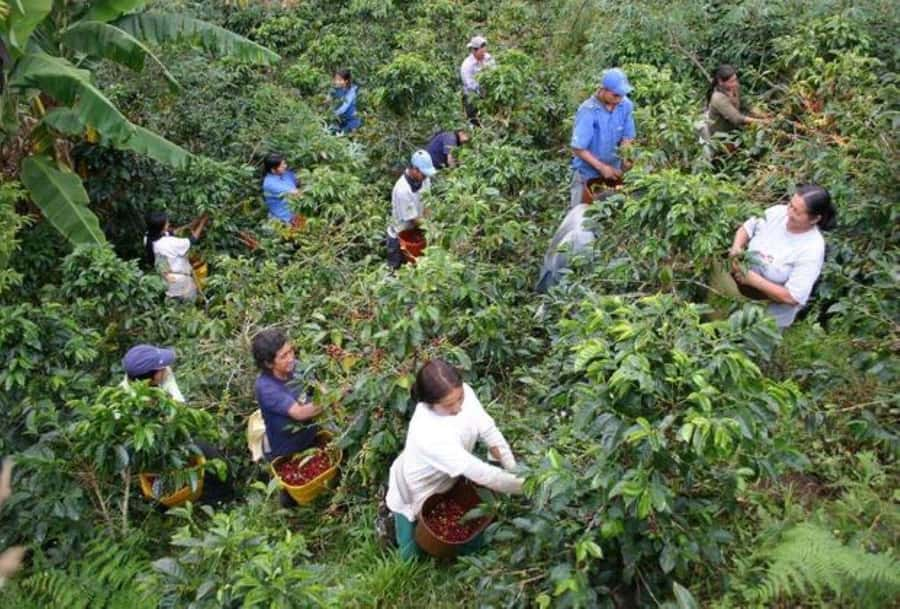
Arusha is often used as a base for safari trips, but you do not need a full day or a major wildlife outing to experience something local. Coffee offers a quieter way to connect with the area. You see where the product begins, meet people involved in its production, and taste the result while the process is still fresh in your mind.
I like that this is not simply a plantation walk followed by a cup at the end. The focus is on the work behind the drink. You learn how coffee cherries are grown and harvested, then follow the steps that turn them into beans and finally into brewed coffee.
That practical sequence gives the tour its value. You may already know that coffee is roasted before brewing, but watching or taking part in the earlier stages makes the drink less anonymous. A morning cup becomes the result of farming, careful processing, drying, roasting, and skill.
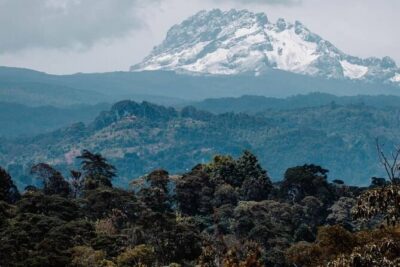
The setting also adds variety. You spend time among coffee trees and green fields, then have the option of seeing hills and waterfalls nearby. If you want a gentle cultural activity before or after a safari, this offers more substance than a standard city stop.
More Coffee Farm Tours in Tanzania:
- Arusha or Moshi : Hot Spring, Waterfall & Coffee Farm Tour
★ 4.8 · 80 reviews - From Arusha: Coffee Farm and Mangalia Waterfalls Tour
★ 4.9 · 48 reviews - Materuni Waterfalls & Coffee Farm Tour
★ 5.0 · 2 reviews
Meeting at the Clock Tower in central Arusha
The regular meeting point is the Clock Tower, a familiar landmark in central Arusha. It is within walking distance of many city hotels, and nearby parking makes it workable if you are driving.
Look for a guide holding a sign with the tour name near the base of the tower. This simple arrangement is useful in a busy city, especially if you are new to Arusha and do not want to search for an obscure office.
From the Clock Tower, the guide helps arrange transport to the plantation. That detail matters because transportation to and from the farm is not part of the $60 price. If you prefer a more direct start, hotel pickup from central Arusha is available as a transportation option, with the exact information supplied after booking.
I would confirm the transport plan before setting out. The meeting point is clear, but the included details do not state the transport cost or the exact distance to the farm. Treat the advertised price as covering the tour itself, not a complete door-to-door package.
The activity lasts about 3.5 hours, with the overall guidance suggesting a range of three to four hours. Starting times vary, so check the available schedule when choosing your date.
Walking through the coffee plantation
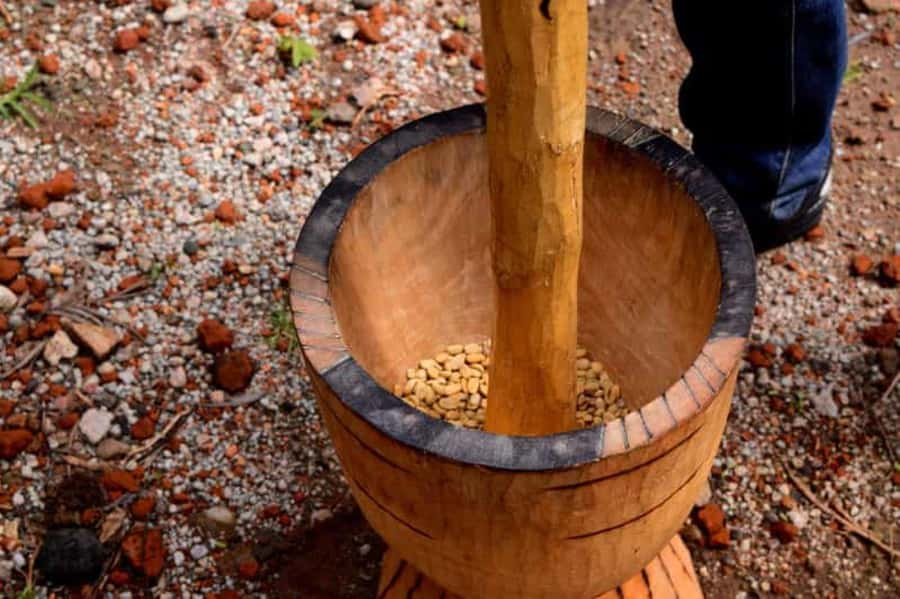
Once you reach the farm, the experience begins with a guided walk among coffee trees and green fields. This is where the setting becomes more than a backdrop. You can see the plants connected to the drink in your cup and hear how cultivation and harvesting work.
The guide explains the place of coffee in Tanzania and the work done by local farmers. The emphasis is personal and practical. Instead of receiving only broad facts, you get stories about farming methods, daily life on the plantation, and the care needed to produce good beans.
I find this part most useful for people who enjoy understanding how food is made. You are not asked to be a coffee expert. Curiosity is enough, and the walk gives you a clear starting point before the hands-on work begins.
Farm conditions can be uneven, so choose footwear carefully. Comfortable shoes are recommended, and sturdy shoes are better if you plan to join the optional walk toward the hills and waterfalls. A hat, sunscreen, and water will help in the open areas.
From coffee cherry to dried bean
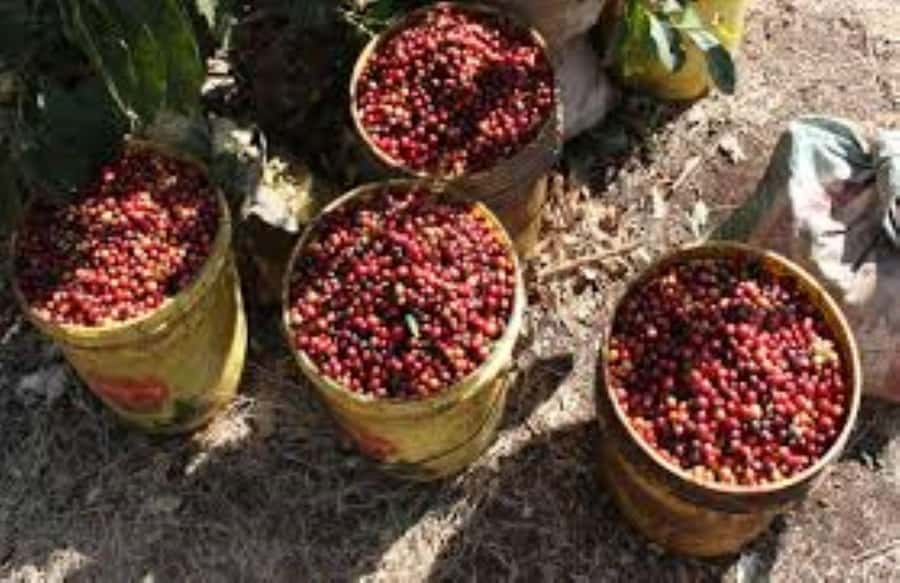
The strongest part of the tour is the chance to follow several stages of processing. With guidance from local farmers, you can take part in picking fresh coffee cherries, pulping them, drying the beans, and roasting them.
Each stage answers a basic question that many coffee drinkers never consider. The red or ripe fruit you see on the plant is not yet the familiar brown bean. It must be processed and dried before roasting changes its color, aroma, and taste.
The hands-on element gives the lesson some weight. You are not only shown equipment or told a sequence. You participate in the work, which helps you understand why coffee production takes time and attention.
The information provided does not specify how much time is spent at each stage or how much each participant handles. That may vary with the season, farm conditions, and group. Still, the tour clearly aims to put you close to the process rather than keep you at a distance.
You also hear about sustainable farming practices. The tour connects those methods with the lives of the people who work on the plantation, giving the agricultural lesson a human side. I appreciate that balance. Coffee is treated as both a product and a source of work for local families.
More Coffee Tastings in Tanzania:
- Hanoi Coffee Experience: 6 Brews, 9 Recipes & 3 Liquor Tastings
★ 5.0 · 2,945 reviews - Medellin: Coffee Tour with Transport, Snacks and Tastings
★ 4.7 · 1,357 reviews - Seattle Coffee Tour: Capitol Hill Cafes, Tastings & Local Stories
★ 5.0 · 489 reviews - Buggy Ride Into the jungle with cave coffee & chocolate tasting
★ 5.0 · 465 reviews
Learning to taste different roast profiles
The tasting session is more than a final reward. It gives you a way to compare the results of roasting and brewing. You sample different roast profiles and are guided toward the differences in aroma and flavor.
If you normally drink coffee quickly, this is a chance to slow down. Notice the smell before tasting, then compare one cup with another. The point is not to find the one correct opinion. It is to understand how roasting changes what reaches your cup.
The tour includes freshly brewed coffee, refreshments, and snacks. That makes the price easier to assess, especially if you are looking for a half-day activity rather than a short plantation photo stop.
The tasting also suits beginners. You do not need special vocabulary or prior experience. The guides explain the coffee in a direct way, and the activity works for people who simply enjoy trying local food and drink.
Several guests have singled out the staff’s warmth and clarity. Max, or Maximilian, is praised for his professionalism and cheerful manner, while Oliver is credited with explaining the full process from tree to cup. That combination matters. Coffee tasting can become overly technical, but friendly instruction keeps it welcoming.
Adding the hills and waterfall walk
You can choose to extend the coffee visit with a scenic walk through the surrounding hills and to waterfalls. This option changes the rhythm of the morning. Instead of staying focused only on farming and tasting, you add views and outdoor exercise.
The hike is optional, so you can keep the tour centered on coffee if that suits your schedule or energy level. If you want the fullest nature experience, bring proper shoes and water. The provided details do not give a distance, difficulty rating, or exact waterfall location, so you should not plan on a specific hiking challenge without asking the operator first.
This is also the part most affected by weather and ground conditions. A hat, sunscreen, and comfortable clothing are sensible even if you decide not to hike. Smoking is not allowed during the activity.
People with back problems should not book this experience, and it is not suitable for wheelchair users or babies under one year old. Those limits are important because the tour combines farm walking, hands-on work, and an optional hike rather than a fully accessible seated visit.
Is $60 per person good value?
At $60 per person, I see reasonable value if you want a guided cultural activity with several parts: plantation access, local instruction, hands-on processing, a tasting, refreshments, and snacks. The experience lasts around half a day, so it fills a useful gap between larger Arusha outings.
The price is less attractive if you expect transportation from your hotel to be included. It is not. You need to account for getting from the city to the farm, unless you select the available transport option and confirm its terms.
Value also depends on your interests. A dedicated coffee fan will likely appreciate the processing lesson and roast comparison more than someone who only wants a quick scenic stop. The chance to hear about farming practices and plantation life gives the tour greater depth than a simple beverage tasting.
I would also compare it with your daily schedule. If you are leaving Arusha early for a safari or arriving late in the afternoon, the fixed three to four hour window may be difficult. For a free morning or a day without a major excursion, it is a well-sized activity.
The small set of available ratings is uniformly positive, with a perfect five out of five. The strongest themes are friendly staff, informative guiding, hospitality, and the chance to learn a great deal. That is encouraging, though the number of ratings is limited, so I would treat the score as a useful signal rather than a guarantee for every group.
Who will enjoy this experience most?
I would recommend the tour to:
- Coffee drinkers who want to understand production from plant to cup
- Visitors interested in Tanzanian farming and local traditions
- People who prefer active cultural experiences to museum-style sightseeing
- Nature lovers who want the option of hills and waterfalls
- Couples, friends, and small family groups comfortable with farm walking
- Visitors with a free morning in Arusha before or after other activities
I would be more cautious if you have back problems, use a wheelchair, or are bringing a baby under one year. The tour is not designed for those needs.
It is also less suitable if you want a polished café tasting with no walking or outdoor exposure. This is a farm visit. Expect practical clothing, uneven surfaces, and the smell and feel of agricultural work.
What to bring for a comfortable visit
Keep your packing simple:
- Comfortable, sturdy shoes
- A hat
- Sunscreen
- Water
- A camera
- Clothing suitable for outdoor farm work
- Extra attention to the weather if you plan the optional hike
The camera is worthwhile because the coffee trees, processing stages, and surrounding views give you more than a single tasting-table photo. Ask permission before photographing people or private work areas.
English is the listed tour language. If you need another language, you should confirm availability before booking rather than assume it can be arranged.
Cancellation is flexible if your plans change: you can cancel up to 24 hours before the activity for a full refund. You can also reserve now and pay later, which helps if your safari schedule is still shifting.
Should you book the Arusha coffee plantation tour?
Book it if you want to see how Tanzanian coffee is made, work alongside local farmers, and taste the difference between roast profiles. The friendly guidance from Max and Oliver, along with the optional hills and waterfall walk, gives the morning more character than a basic plantation visit.
Before paying, confirm your transport from the Clock Tower or central hotel, and make sure the walking suits you. If those details work, $60 is a fair price for a three-and-a-half-hour experience that combines agriculture, local stories, outdoor time, and plenty of coffee.
FAQ
How long does the coffee plantation tour last?
The tour lasts 3.5 hours, with the expected duration given as approximately three to four hours.
Where is the meeting point?
The meeting point is at the Clock Tower in central Arusha. Look for the guide holding a sign with the tour name near the tower’s base.
Is transportation to the coffee farm included?
No. Transportation to and from the coffee farm is not included in the stated price. From the Clock Tower, the guide helps arrange transportation. Hotel pickups from central Arusha are available as a transportation option.
What activities are included?
You receive a guided plantation tour, hands-on coffee processing, a coffee tasting, refreshments, and snacks. The activities cover picking, pulping, drying, and roasting coffee beans.
Is the waterfall and hill walk required?
No. Exploring the surrounding hills and waterfalls is an optional part of the experience.
What language is the tour conducted in?
The live tour guide operates in English.
Who should not take this tour?
The experience is not suitable for people with back problems, wheelchair users, or babies under one year old. You should also wear sturdy shoes and comfortable clothing for the farm visit and optional hike.
More Food and Drink Tours in Tanzania
- Organic Coffee Tour and Local Food Experience in Arusha
★ 5.0 · 29 reviews - Waterfalls, Coffee, Hotsprings, Food Cuisine, & Serval Wildlife
★ 5.0 · 6 reviews - Vienna for Food Lovers: Cafés, Markets & Austrian Cuisine
★ 5.0 · 1,063 reviews - Hanoi: Vietnamese Street Food Tour with Egg Coffee
★ 4.9 · 315 reviews
Just added around Tanzania
- Materuni waterfall , coffee tour and hotsprings (chemka )★ 5.0 · 14 reviews
- Day trip to Materuni waterfall, Coffee tour and Moshi Nightlife★ 5.0 · 6 reviews
- Materuni Waterfalls & Coffee Tour★ 5.0 · 4 reviews
- Discover Nature and Culture of Materuni Waterfall & Coffee Tour★ 5.0 · 6 reviews
- Materuni Waterfalls & Coffee Tour★ 5.0 · 9 reviews
- Private Materuni Waterfall & Coffee Tour.★ 5.0 · 9 reviews
- Materuni Waterfalls, Coffee and Village Full Day Tour★ 5.0 · 2 reviews
- Materuni Waterfalls & Coffee Farm Tour★ 5.0 · 2 reviews
Tanzania Coffee Tours, compared.
Materuni Waterfalls, coffee tour & Kikuletwa Hot Springs
Read our review →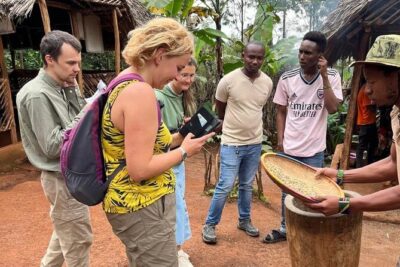
Materuni waterfalls coffee tour & Chemka hot springs Day trip
Read our review →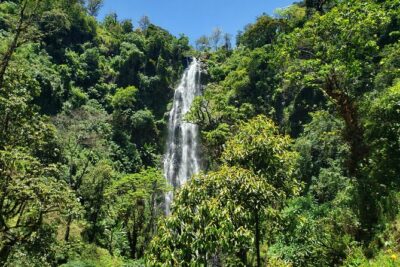
Materuni Waterfall, Coffee Tour and Picnic Hot Lunch
Read our review →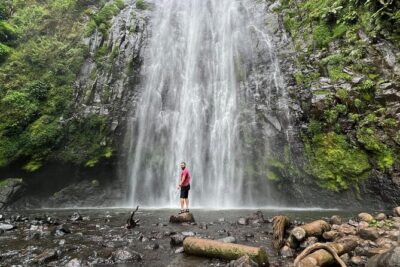
Maasai village visit, Materuni waterfalls & coffee experience
Read our review →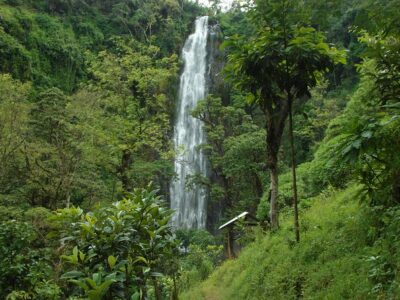
Arusha or Moshi : Hot Spring, Waterfall & Coffee Farm Tour
Read our review →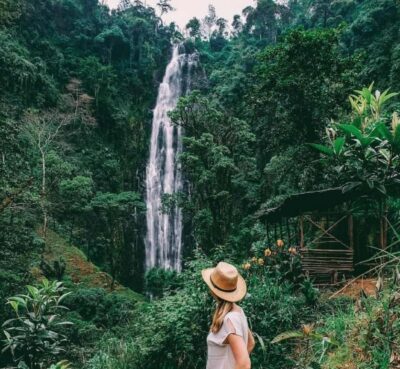
Materuni Waterfalls, Coffee, and Hotsprings Tour
Read our review →
Materuni Waterfalls, Chemka Hot Springs, &/Or Coffee Tour
Read our review →Browse the lists this tour appears in