

REVIEW · SPAIN COFFEE TOURS
La Herradura Coffee Farm: tour in Europe’s only plantation
Coffee grows beside the Mediterranean. That simple fact makes La Herradura Coffee Farm a memorable stop near Nerja, where coffee plants share the soil with mangoes, avocados, dragon fruit, lychees, bananas, and other tropical crops. I especially like the family-run story and the chance to see working coffee plants in Europe. The main caution is the hilly ground, which is not suitable for wheelchairs or anyone with very limited fitness.
The farm tour also offers something many sightseeing stops miss: a real look at farming problems, not just pretty plants. Manuel, the owner and usual guide, explains water use, soil renewal, organic methods, and the hard work behind the harvest. I like the sea views and wide mix of fruit trees, but you should not assume a full coffee tasting or meal is included. Food and drinks are extra, and fruit availability changes with the season.
Key points to know before you go
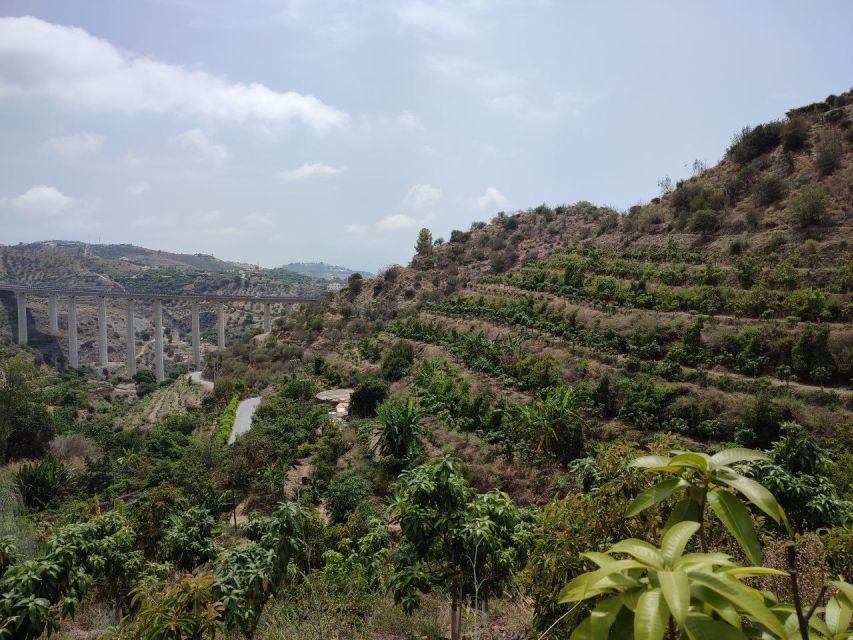
- Europe’s only coffee farm: See productive coffee plants growing in La Herradura’s unusual warm microclimate.
- Manuel leads with humor: His family story, jokes, and practical farming advice are central to the experience.
- More than coffee: The farm includes up to 30 types of exotic fruit, including mango, avocado, chirimoya, lychee, dragon fruit, and sugar cane.
- A real working farm: You learn about organic cultivation, permaculture, water optimization, and soil regeneration.
- Short but hilly walk: The advertised experience lasts about 70 minutes, while the detailed route can run closer to 1.5 hours. Two steep sections require care.
- Finish at an old cortijo: The tour ends in a 300-year-old Andalusian farmhouse where you can buy roasted coffee, seasonal fruit, and local goods.
Why coffee grows here at all
La Herradura is not the first place most people picture when they think of coffee. Coffee usually brings to mind humid mountain regions far from Spain. Yet this corner of Andalusia has a special climate, helped by the Mediterranean, the hills, and mild conditions that allow tropical plants to grow.
The farm uses that advantage in an inventive way. Coffee plants grow among fruit trees instead of sitting in a single-crop field. That mix gives you a better sense of farming as a living system. You are not simply shown a coffee bush and handed a cup. You see how the farm tests what can grow, how plants share space, and how much work goes into keeping crops productive.
The coffee plants are productive, not just decorative. You can look at the plants, learn how the beans develop, and hear about planting, care, harvesting, and roasting. The farm’s own roasted coffee is available at the end, giving you a chance to take home something closely tied to the place.
Still, keep expectations sensible. This is not a large commercial coffee estate with industrial machinery and a full production line on display. Its appeal is the small, personal scale and the chance to understand a rare experiment in European coffee growing.
More Coffee Farm Tours in the world:
- Award Winning Farm Tour: Coffee, Chocolate and Unique Gifts
★ 5.0 · 484 reviews - Big Island: Volcanoes, Waterfalls, & Coffee Farm Day-Trip
★ 4.9 · 414 reviews - Small-Group Big Island Tour: Hawaii Volcanoes National Park and Kona Coffee Farm
★ 5.0 · 343 reviews
Meeting Manuel and hearing the family story
Manuel, the farm owner, is a major reason this tour works so well. He guides the walk himself on many departures, and his style is informal, funny, and full of personal detail. He talks about his family’s connection to the land, the farm’s past, and the plans for its future.
I like this sort of guiding because it turns agriculture into a human story. You hear about the risks and experiments from someone responsible for the crops, rather than getting a polished speech from a distant company representative. His English is described as very good, and tours are also offered in Spanish, French, and German.
The humor matters, especially for families. Children may not arrive eager to study coffee cultivation, but the lively explanations, unusual fruits, and hands-on look at plants help hold their attention. Several families found the tour worked well for children, including those around 11 to 13 years old.
The experience can feel personal rather than formal. That is a strength if you enjoy meeting local producers and asking questions. It may be less appealing if you want a tightly scripted tour with timed demonstrations at every stop. The value comes from Manuel’s personality and from the questions he chooses to explore along the way.
Walking through the coffee plants
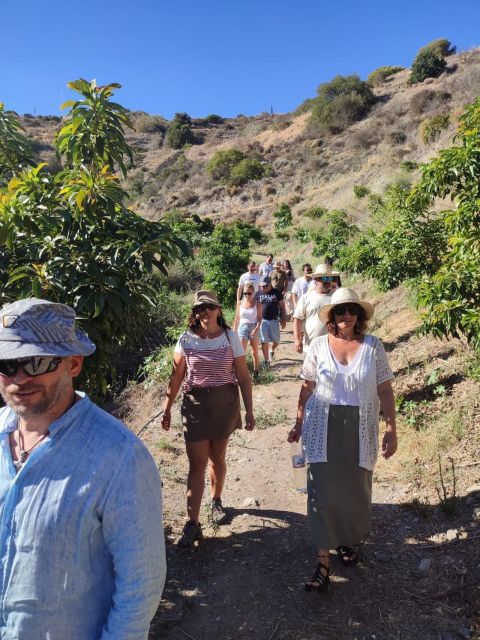
The main route is a guided walk through the coffee plantation and fruit-growing areas. You will see coffee plants at different stages and learn about the care they need before the beans can be harvested and roasted.
Coffee growing is presented as a challenge, not a magic trick. Manuel explains the process from planting and tending through harvesting and roasting. You also hear about the problems of growing coffee in this setting, which gives the tour a useful dose of reality. The farm is trying to make the crop work in a climate and region not normally associated with European coffee.
The walk is not long, but the terrain matters. There are two steep areas, and chairs are available for pauses. Comfortable shoes are essential. In warm weather, bring sun protection, since the route can include exposed sections and the farm is in a sunny part of the Costa del Sol.
The advertised duration is 70 minutes, while the route description gives a guided plantation visit of about 1.5 hours. Treat this as a short walking experience that may last somewhere around an hour to an hour and a half, depending on the pace and the group. Check the exact time when booking if you have a lunch reservation, bus, or other fixed plan afterward.
A surprising orchard of tropical fruit
Coffee is the headline, but the fruit collection may be the biggest surprise. The farm grows up to 30 types of exotic fruit, including mangoes, avocados, bananas, lychees, dragon fruit, papayas, and sugar cane.
You can also see Spain’s oldest mango tree, centennial chirimoya trees, dragon fruit plants, and a low-water avocado plantation. Those details give the walk a sense of place. This is not simply a garden arranged for photographs. It is an active farm trying to grow valuable crops while dealing with limited water and difficult conditions.
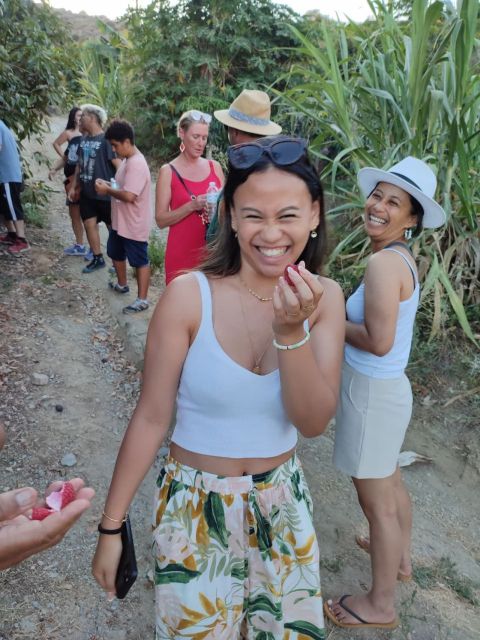
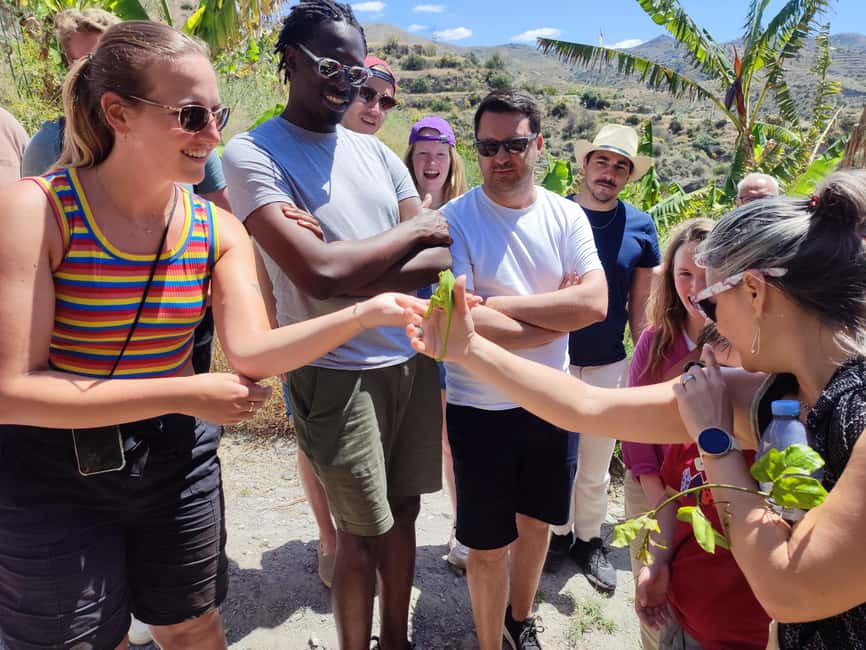
The guide may invite you to smell leaves, examine plants, and sample seasonal fruit. Fresh produce is sometimes offered during the visit, and fruit purchases are available at the end. The exact tasting selection depends on what is ripe. A child hoping for a mango straight from the tree may find that the mangoes are still waiting for the right season.
Coffee tasting is less certain. Freshly brewed coffee is described as part of the experience, but food and drinks are officially not included. If tasting coffee is the main reason you are booking, confirm what will be served on your date. You can buy the farm’s roasted beans afterward, but that is a separate purchase.
A few more coffee tours around the world worth a look
- Hanoi Coffee Experience: 6 Brews, 9 Recipes & 3 Liquor Tastings
★ 5.0 · 2,945 reviews - Medellin: Coffee Tour with Transport, Snacks and Tastings
★ 4.7 · 1,357 reviews - Istanbul: Turkish Coffee Making and Fortune Telling Workshop
★ 4.9 · 1,308 reviews - Hanoi Coffee Workshop: Taste Salt, Coconut and Egg Coffee
★ 5.0 · 1,286 reviews
Organic farming, water, and soil
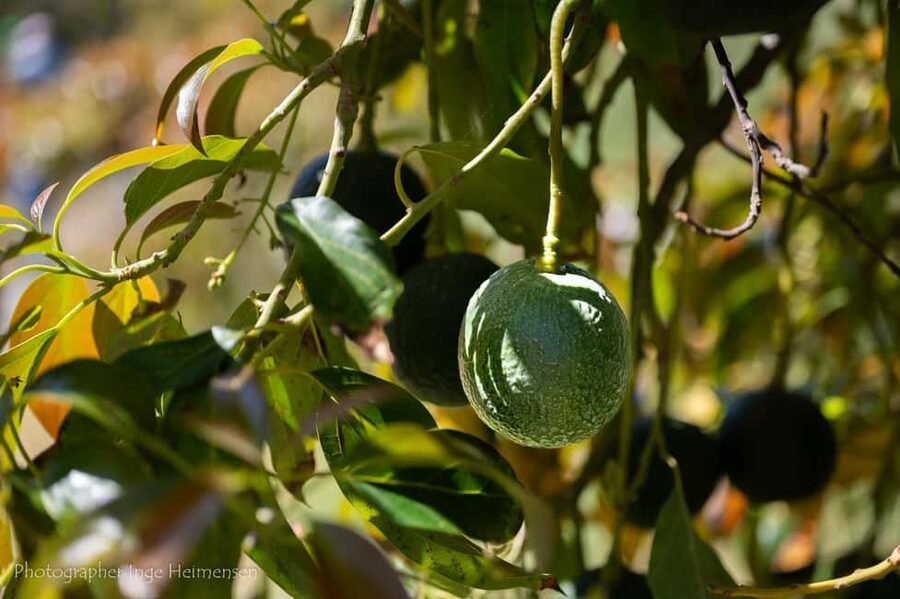
The strongest educational part of the tour is the discussion of how a small organic farm works. You learn about pesticide-free cultivation, permaculture, water consumption, and soil regeneration.
Water is a serious issue in southern Spain, so the farm’s effort to optimize water use gives the tour local meaning. You are shown how the crops’ needs must be balanced against the need to protect a scarce resource. The low-water avocado area is one example of this practical approach.
Soil regeneration is another useful subject. The farm’s mixed planting system moves away from a simple monoculture model. Different plants grow together, and the aim is to support more variety in the field while making better use of the ground.
I appreciate that the tour does not pretend organic farming is easy. The farm’s methods are presented alongside the problems of making them work. You come away with a clearer idea of why sustainable agriculture requires constant decisions, testing, and labor.
The farm also has unusual projects. Dragon fruit pollination can involve night work, and one humorous reference from a past visit involved helping with night-time pollination. You will not necessarily take part, but it shows how experimental and hands-on this place can be.
Sea views and the old Andalusian cortijo
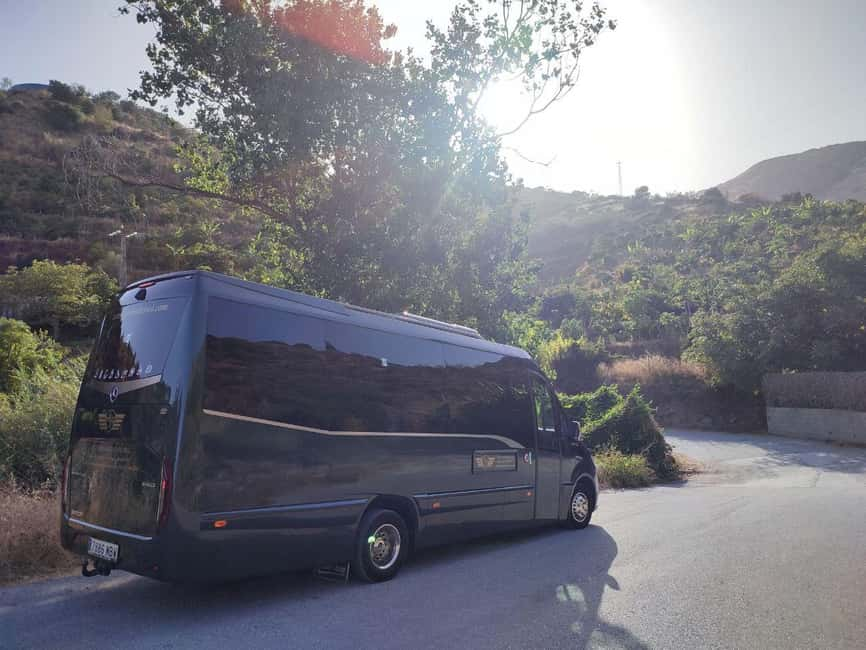
The farm’s setting adds to the experience. As you move through the property, you get views toward La Herradura and the sea, along with hills and Mediterranean air. The scenery gives you a welcome pause from the plant explanations and makes the walk feel like more than a classroom lesson.
The route ends at a 300-year-old Andalusian cortijo. This old farmhouse is a fitting final stop because it connects the farm’s modern experiments with the area’s agricultural past.
Here you can buy seasonal fruit, local products, and the farm’s roasted coffee. Depending on supply, you might also find products such as homemade jam or oil. The purchases are optional, and the tour price does not include food or drinks, but buying something directly from the farm supports the small family business.
The ending is practical too. You can ask final questions, look over the products, and take home a reminder of the visit. I would plan a little time for this instead of rushing away as soon as the walk ends.
Getting there from La Herradura or Nerja
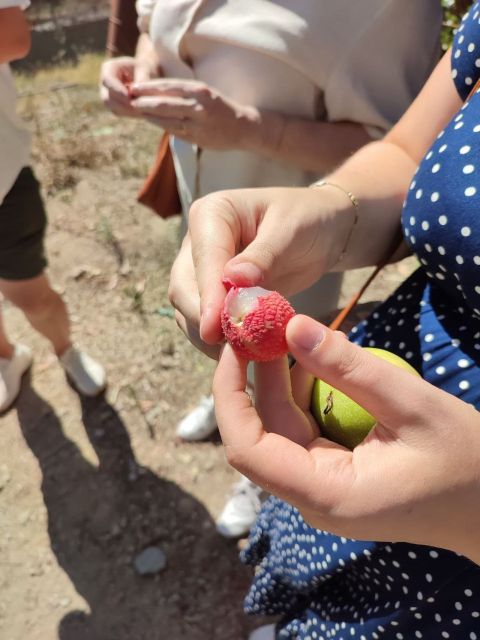
The farm is about 10 minutes from Nerja by car and within walking distance of La Herradura beach, though the walk from town can take roughly 30 to 35 minutes according to one route experience. That can work well in the cool morning, but the return may be less convenient.
Do not assume an Uber or similar service will easily collect you from the farm. One useful option is to arrange a local taxi in advance. Manuel has helped arrange taxis for people after the tour, but it is wiser to plan your return before setting out rather than depend on last-minute help.
The meeting point and ending point are not always the same. Confirm the starting location carefully, especially if you select an option with a different meeting point. Parking and GPS access are described as manageable, but the farm’s rural setting means you should allow a little extra time to find the correct entrance.
There is no hotel pickup or drop-off. Transport is your responsibility, and a taxi cost would be separate from the $17 tour price.
Is the $17 price good value?
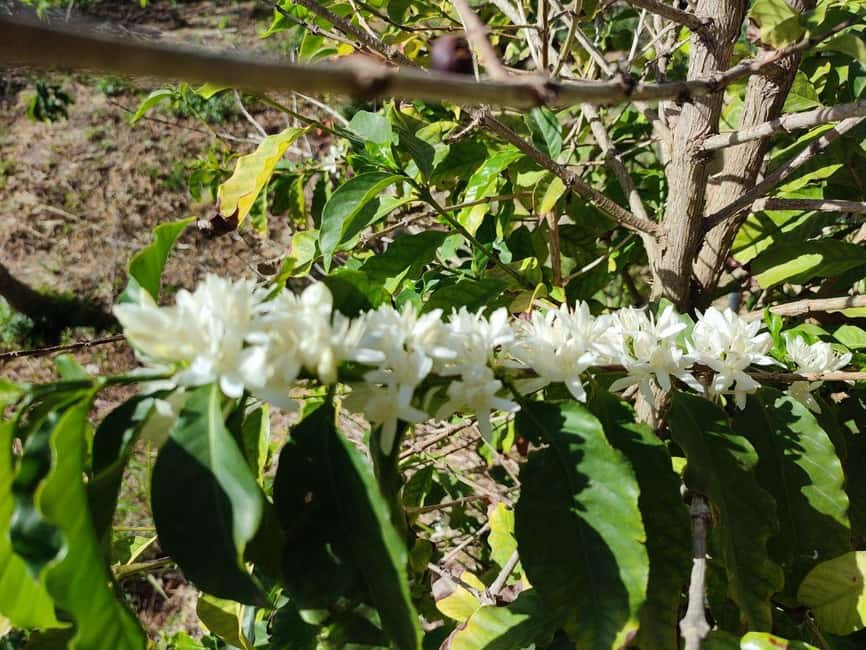
At $17 per person, this is an inexpensive experience for the Costa del Sol. You receive a guided farm walk, an explanation of coffee cultivation, access to a highly unusual tropical orchard, and a look at organic farming methods. The personal guidance from the owner adds value that a standard garden visit would not provide.
The price is especially fair if you are curious about food production, unusual crops, or small family businesses. It is also a good change of pace from beaches, resort streets, and major sightseeing stops around Nerja and Almuñécar.
The value is lower if you want a polished coffee factory tour, a guaranteed tasting menu, or a flat, easy stroll. The terrain can be tiring, and purchases, food, drinks, and transport are extra. Still, the modest price leaves room in your budget for coffee or fruit from the farm afterward.
Free cancellation up to 24 hours before the start and the reserve-now, pay-later option make it easier to fit into a changing holiday schedule. The key thing is to check the current starting time and meeting point before booking.
Who should book this farm walk?
I would recommend it to families, couples, gardeners, food lovers, and anyone who likes meeting the people behind local produce. Children tend to have plenty to look at, especially when fruit is in season. The tour also suits anyone who wants a more local and practical activity near Nerja.
It is less suitable for wheelchair users, people with mobility impairments, anyone with a low fitness level, and people with heart problems. The steep sections are short but real. Insect allergies are also listed as a concern, so take that seriously before booking.
Wear comfortable shoes, bring sun protection, and avoid leaving the path or touching plants without permission. Smoking, fires, and littering are not allowed. If you are sensitive to heat, an earlier departure may be more comfortable, though exact times vary.
Should you book La Herradura Coffee Farm?
Book it if you want a friendly, unusual look at Andalusian farming and do not mind a little uphill walking. The mix of European coffee, rare fruit trees, sea views, sustainable methods, and Manuel’s warm humor gives the visit a clear sense of character.
Skip it if your main goal is a long coffee tasting, a full meal, or a fully accessible route. Also confirm whether coffee and fruit tastings are planned for your date, since seasonal supply and the tour format can change.
For $17, this is a strong choice near Nerja. You get more than a quick look at coffee plants. You see a family trying to make a difficult idea work, one crop, one water-saving measure, and one tropical fruit at a time.
FAQ
How long does the La Herradura Coffee Farm tour last?
The activity is advertised as 70 minutes, while the detailed plantation route is described as about 1.5 hours. Check the available start time and expected duration when booking.
Where is the coffee farm located?
The farm is in La Herradura, Andalusia, about 10 minutes from Nerja and within walking distance of La Herradura beach. The exact meeting point can vary by booking option.
What languages are available?
The tour is available in English, French, Spanish, and German.
Is the farm tour suitable for wheelchair users?
No. The tour is not suitable for wheelchair users or people with mobility impairments because the route includes two steep areas.
What should I bring?
Wear comfortable shoes. Sun protection may also be useful because the walking route includes outdoor areas.
Is coffee or food included in the price?
Food and drinks are not included. The tour may include opportunities to sample seasonal fruit and coffee, but you should confirm the tasting details for your visit. Roasted coffee, fruit, and local products can be bought at the old cortijo at the end.
Just added around the world
- Vietnamese Coffee Making Class in Hoi An★ 5.0 · 4 reviews
- Venice Delights: Coffee & Food Experience Walking Tour★ 5.0 · 2 reviews
- Yerevan: Private Coffee Tour with 2 Café Stops★ 5.0 · 2 reviews
- Vietnamese Coffee 101 Workshop★ 5.0 · 11 reviews
- Ubud: Waterfall, Holy Water Temple,Swing&coffee plantation★ 5.0 · 9 reviews
- Vancouver: Street Art & Craft Coffee Walking Tour w/ Tasting★ 4.8 · 11 reviews
- Vienna: Guided Viennese Coffee-House Tour★ 5.0 · 2 reviews
- Coffee pleasure walking tour★ 5.0 · 12 reviews
Spain Coffee Tours, compared.

Barcelona: Sunrise Standup Paddle Tour w/ 4K Video & Coffee
Read our review →
Finca Los Castaños: Agaete Valley Coffee Tour & Tasting
Read our review →


Whiskers & Coffee: Relax and Play with Adorable Cats
Read our review →
Explore Gran Canaria’s Coffee at Finca Los Castaños
Read our review →
Exclusive Alcazar with breakfast or afternoon coffee in gardens
Read our review →Browse the lists this tour appears in