
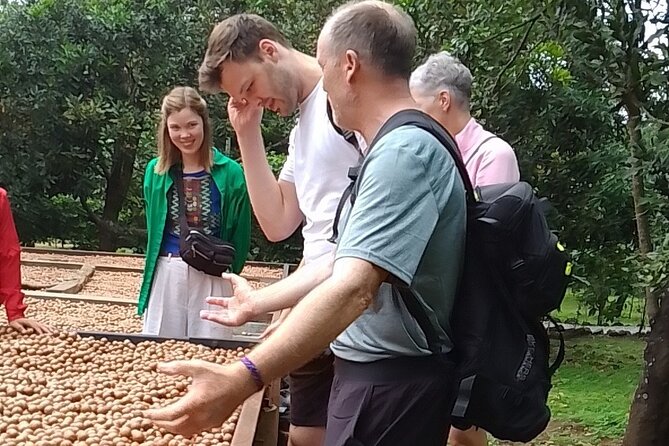
REVIEW · ANTIGUA COFFEE TOURS
Coffee & Macadamia Fincas Tour
Coffee starts long before your cup. This four-hour Antigua outing pairs coffee production at Finca La Azotea with macadamia farming at Valhalla Experimental Station. I like the private format and the chance to learn how two important local products connect with sustainable agriculture and community programs. The main caution is value: at $60 per person, admission fees are extra, and the quality of the vehicle and guiding can vary.
I also like the hotel pickup, air-conditioned transport, and room for a guide to explain more than the basic farming steps. Guides such as Erwin, Hugo, Roberto, and Galileo have received praise for local insight and flexibility, but one late start and one report of a very poor vehicle show why you should confirm the transport details before setting out.
Key Points Before You Book
- Coffee from seed to cup: Finca La Azotea focuses on how coffee is grown, processed, and prepared, not just on taking plantation photos.
- Macadamia with a social purpose: Valhalla explains nutrition, environmental work, and its effort to support indigenous families through tree planting.
- Private attention: The tour allows a maximum of eight people, with personalized commentary and possible flexibility along the way.
- Four hours outside Antigua: You leave the historic center but do not spend the whole day on the road.
- Admission costs extra: The $60 price covers private transportation and a guide, but entrance fees, food, personal expenses, and tips are not included.
- Check the vehicle: Most feedback is positive, but one serious complaint concerned an old, dirty vehicle and poor interior condition.
Leaving Antigua for Finca La Azotea
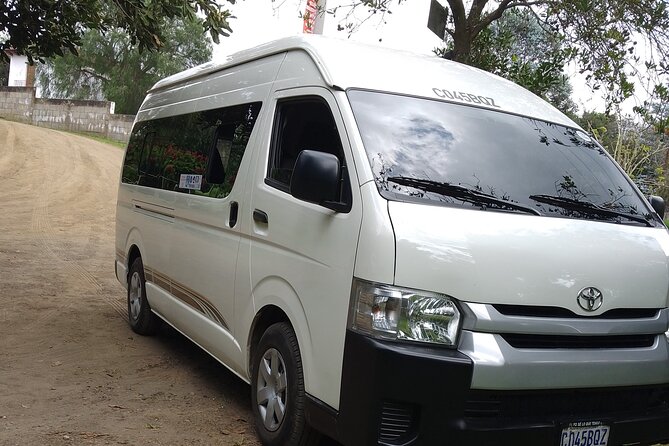
The tour begins with pickup at your hotel in an air-conditioned minivan. The stated duration is about four hours, with roughly two hours assigned to Finca La Azotea and one hour at Valhalla. The remaining time allows for driving between sites and the return to Antigua.
That short transfer matters. You get a break from Antigua’s cobbled streets and colonial buildings without committing to a full day away. The setting changes quickly from the historic center to the surrounding agricultural area, giving you a more grounded look at the region that helps supply the coffee on local breakfast tables.
This is a private tour, but there is a minimum of four people per booking and a maximum of eight. That arrangement is useful for families and small groups who want to ask questions without competing with a large crowd. It also gives the guide some room to adjust the pace, stop for photographs, or add a brief side stop, though such changes should never be treated as guaranteed.
The guide is a large part of the value. Roberto has been praised for his enthusiasm and local stories, while Erwin received strong marks for explaining coffee’s importance to Guatemala and its people. Hugo was especially appreciated for discussing daily life, local industries, and organic farming. The experience can feel like much more than a ride between two farms when your guide keeps the conversation tied to Guatemala rather than delivering a narrow script.
One practical note: confirm your pickup time and vehicle when booking. A late arrival of about an hour spoiled the start for one visitor, and another described a vehicle in very poor condition. Those complaints are not typical of the praise for the guides, but they are serious enough to justify a quick confirmation.
A few more coffee tours around the world worth a look
- Hanoi Coffee Experience: 6 Brews, 9 Recipes & 3 Liquor Tastings
★ 5.0 · 2,945 reviews - Medellin: Coffee Tour with Transport, Snacks and Tastings
★ 4.7 · 1,357 reviews - Istanbul: Turkish Coffee Making and Fortune Telling Workshop
★ 4.9 · 1,308 reviews
Finca La Azotea: Coffee Beyond the Tasting Cup
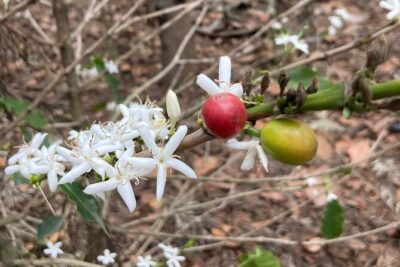
Finca La Azotea receives about two hours, making it the main stop. The focus is the full coffee process, beginning with the small coffee plant and continuing through production to the finished drink. You can expect an explanation of how coffee is grown and processed, followed by a cup served close to the production area.
That seed-to-cup structure is the best reason to book this tour. Coffee can seem simple when it arrives in a mug, but the visit shows the work behind it. You learn about cultivation, production methods, and the reasons Guatemalan coffee has such a strong reputation around the world.
The stop is not presented as a giant plantation spectacle. One person who expected a huge coffee estate found the actual scale smaller than anticipated, but still found the production lesson worthwhile. Set your expectations correctly: this is primarily an educational finca visit, not a long wilderness walk through endless coffee rows.
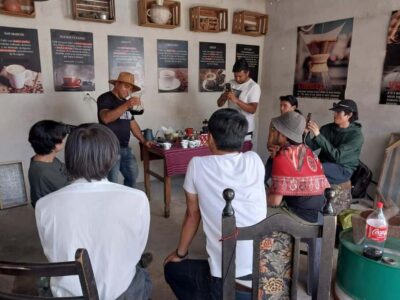
You may walk among coffee plants with the guide and see how the crop fits into the surrounding area. The guide’s role is important here because the farm visit alone may not explain why coffee matters to Guatemala’s economy and rural communities. Erwin and Hugo, in particular, were praised for adding that wider context.
I like that the coffee stop gives you a useful way to understand local agriculture rather than offering only a tasting. You are not just asked to admire the beans. You are shown how the product develops and why farming methods matter.
Still, the admission ticket is not included in the $60 price. The exact entry fee is not provided, so ask for the current cost before booking if you are comparing this outing with a taxi ride and a self-guided visit. One person felt that an independent ride would have been cheaper and that the guide added only modest value beyond the walk through the coffee plants.
For me, that criticism points to a simple rule: book the tour for interpretation, transport, and conversation, not just access to the finca. If you only want to see coffee plants, you may find the price hard to justify. If you want the production story, local context, and a guide who can answer questions, the stop has more value.
What the Guide Adds at the Coffee Farm
The best guides treat the farm as a starting point. They explain coffee, then connect it to the people who grow it, the role of agriculture in Guatemala, and the choices involved in organic or sustainable production.
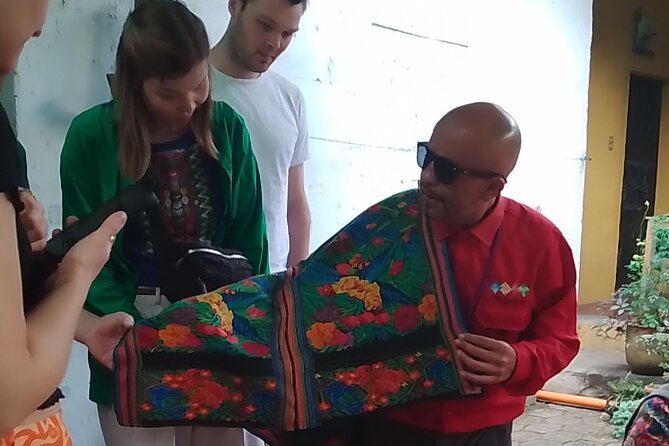
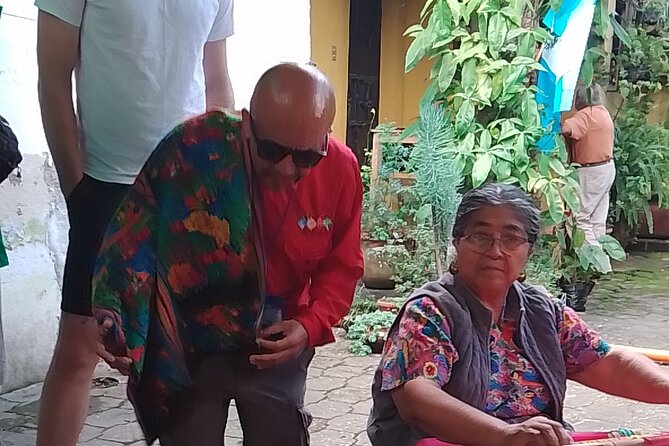
That extra conversation has been the strongest part of several outings. Guides have stopped for photographs, added places outside the planned route, and adjusted the day to suit the group. One family enjoyed an unexpected visit to Aliotenango, while another group was taken to an award-winning weaver. These additions are not listed as fixed stops, so consider them examples of possible flexibility rather than promises.
There are limits to that flexibility. One family enjoyed Roberto’s energy but felt that repeated attempts to sell real estate distracted from the tour. Another person felt the guide did not add enough beyond what could be arranged alone. A good guide can make this half-day memorable, but a sales pitch or unfocused commentary can reduce the value quickly.
You can help by stating your priorities early. Tell the guide if you want more coffee details, more discussion of rural life, extra photo stops, or a direct route. The private setup should make that conversation easier.
Valhalla Experimental Station and Its Macadamia Mission
The second stop takes about an hour and is roughly 20 minutes from Antigua, according to the tour information. Valhalla is an experimental macadamia plantation, so the visit shifts from coffee production to nutrition, ecology, and community work.
You learn about the nutritional qualities of macadamia nuts and the environmental benefits of growing macadamia trees. The project has spent more than 20 years planting and maintaining them, with an aim of protecting rainforest and promoting sustainable agriculture.
The social side gives this stop its purpose. Valhalla works to educate indigenous people and provide trees to families. Those trees can help supplement household food supplies and may offer a way to earn extra income through macadamia nuts and related products.
That makes the stop more interesting than a simple farm shop. You can see how a crop can support food, income, and environmental goals at the same time. The visit may also include tastings, and there is a restaurant and small gift shop on site.
Macadamia nuts are an unexpected subject for many people. The visit explains that they are not limited to Hawaii and can be used in a wide range of products. That makes this a good stop for families, especially when children are curious about where food comes from.
The weakness is that the macadamia stop may feel short or less engaging if you are mainly interested in coffee. One person considered it a waste of time, and another said the planned visit was replaced by a small wine shop without being given a choice. That change appears to be an exception, but it is a reminder to confirm the day’s plan with your guide.
If sustainable agriculture and community programs matter to you, Valhalla may be the most meaningful part of the outing. If you want a hands-on farm tour with a long production walk, the one-hour visit may feel limited.
Same place, a different cup:
- Hanoi Coffee Workshop: Taste Salt, Coconut and Egg Coffee
★ 5.0 · 1,286 reviews - Vienna for Food Lovers: Cafés, Markets & Austrian Cuisine
★ 5.0 · 1,063 reviews - Big Island Highlights: Coffee, Volcano, Black Sands & Waterfall
★ 5.0 · 1,054 reviews - Hanoi: Salt Coffee Workshop Awake Your Senses With 6 Brews
★ 5.0 · 792 reviews
Is $60 a Fair Price?
At $60 per person, this is not the cheapest way to see coffee near Antigua. The price includes private transportation, hotel pickup and drop-off, and a professional guide. It does not include admission to either La Azotea or Valhalla, tips, food, personal purchases, or other fees and taxes.
The value depends on your group. For four to eight people, private transport and a dedicated guide can make sense, especially if you want a smoother outing than arranging separate rides. For one or two people, the total can feel high once the entrance fees and suggested 10 percent tip are added.
I would compare the price with your alternatives. A taxi or ride service may get you to the coffee farm, but it will not automatically provide the same local commentary or help you understand the production process. On the other hand, if you are comfortable arranging transport and reading the signs at each site, you may prefer to spend less and explore independently.
The clearest value comes when your guide is attentive, the vehicle is clean and comfortable, and the itinerary stays focused. Positive outings with Erwin, Hugo, Galileo, and Roberto show how much a good guide can add. The negative accounts show that service consistency matters.
Ask these questions before paying:
- Are both finca admissions included in the final amount?
- Which vehicle will be used?
- Is the coffee and macadamia itinerary confirmed?
- Will the guide speak your preferred language?
- Can the group request brief photo or cultural stops?
A little checking can prevent the tour from feeling like an expensive transfer.
Who Will Enjoy This Half-Day Outing?
I would recommend this tour to families, couples, and small groups who want a clear introduction to coffee and macadamia production without spending a full day away from Antigua. It also suits people interested in organic farming, sustainable agriculture, rural life, and community programs.
The tour works well for curious children because it covers plants, food, farming, and products they may already know. The stated information says most people can participate, children must be accompanied by an adult, and the child rate applies only when sharing with two paying adults.
You do not need special clothing. There is no required dress code, though comfortable clothing for a farm visit is sensible. The tour may use a multilingual guide, so confirm your language preference in advance.
I would be more cautious if you expect a huge plantation, a long nature walk, or a polished luxury vehicle. The coffee finca is best understood as a production lesson, and the macadamia stop is compact. The experience is also less suitable if you dislike fixed group minimums, since at least four people are required for a booking.
The operator allows free cancellation up to 24 hours before the start time for a full refund. Changes or cancellations inside that window are not accepted for a refund. Poor weather or failure to meet the minimum number of people can lead to a different date, another experience, or a full refund.
Should You Book the Coffee and Macadamia Fincas Tour?
Book it if you want context as much as sightseeing. The strongest version of this tour combines a good guide, a sound vehicle, a proper visit to both sites, and time to ask about coffee, farming, community income, and environmental work.
I would skip it if your only goal is a quick coffee tasting or if you can easily arrange transport and do not need interpretation. At $60 plus entrance fees and a tip, the cost demands more than a ride and a walk through plants.
Before you book, confirm the vehicle, both finca visits, admission costs, pickup time, and language. With those details settled, this can be a useful and enjoyable way to see the working side of Antigua, especially for families and small groups who want a guide rather than a simple transfer.
FAQ
How long does the Coffee and Macadamia Fincas Tour last?
The tour lasts about four hours, including travel between Antigua and the two agricultural sites.
What places does the tour visit?
The planned stops are Finca La Azotea and Valhalla Experimental Station.
How much does the tour cost?
The listed price is $60 per person. Admission fees, tips, personal expenses, and other fees or taxes are not included.
Is transportation provided?
Yes. The tour includes private transportation, air-conditioned transport, and hotel pickup and drop-off.
How many people can join the tour?
A minimum of four people is required per booking, and the maximum group size is eight travelers.
Are entrance tickets included?
No. Admission to Centro Cultural La Azotea and Valhalla Experimental Station is listed separately and is not included in the tour price.
Can children join the tour?
Yes. Children must be accompanied by an adult, and the child rate applies only when sharing with two paying adults.
Is there a dress code?
No dress code is required for this experience.
What happens if the weather is poor or the minimum group is not met?
You may be offered a different date or experience, or receive a full refund. The tour requires good weather and a minimum number of participants.
Just added around the world
- Vietnamese Coffee Making Class in Hoi An★ 5.0 · 4 reviews
- Venice Delights: Coffee & Food Experience Walking Tour★ 5.0 · 2 reviews
- Yerevan: Private Coffee Tour with 2 Café Stops★ 5.0 · 2 reviews
- Vietnamese Coffee 101 Workshop★ 5.0 · 11 reviews
- Ubud: Waterfall, Holy Water Temple,Swing&coffee plantation★ 5.0 · 9 reviews
- Vancouver: Street Art & Craft Coffee Walking Tour w/ Tasting★ 4.8 · 11 reviews
- Vienna: Guided Viennese Coffee-House Tour★ 5.0 · 2 reviews
- Coffee pleasure walking tour★ 5.0 · 12 reviews
Antigua Coffee Tours, compared.
Experience: Organic Coffee, Avocados, Honey & More!
Read our review →
From Antigua or Guatemala : Coffee & Culture Full-Day Tour
Read our review →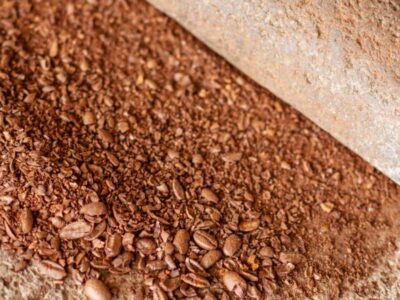
Browse the lists this tour appears in