REVIEW · ARUSHA COFFEE TOURS
Marangu waterfall & Coffee making Cultural Tour | BURIGI CHATO SAFARIS CO LTD
Mountain culture comes alive around Marangu. This full-day outing from Arusha combines Ndoro Waterfalls, coffee-making, Chagga traditions, underground caves, local food, and views toward Kilimanjaro in one busy but rewarding day.
I like the hands-on coffee session, where you help process, roast, and prepare your own cup. I also like the mix of nature and history: a waterfall hike feels very different from a visit to the Chagga Underground Caves or a family-style meal.
The main caution is the pace. Eight hours gives you plenty to see, but this is not a quiet waterfall visit. You will spend much of the day moving between stops, and the hike can be wet, steep, or slippery in places. The waterfall pool is suitable for swimming, though the water may feel very cold.
Key points to know before booking
- Coffee is part of the experience, not just a tasting: You can take part in processing, roasting, and preparing the coffee.
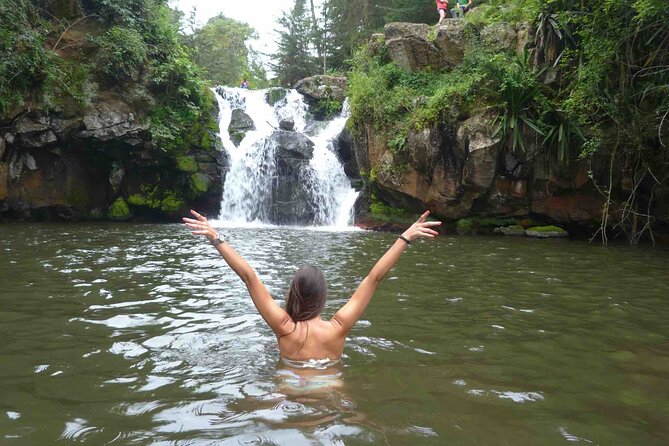
- The waterfall stop includes a hike: Expect lush vegetation, a walk on hilly ground, and the option to swim in the pool.
- Chagga culture shapes the whole day: The caves, museum, food, spirits, and village visits all add context to Marangu.
- Lunch is included: The meal may be served at a small local restaurant or with a local family, depending on the day’s arrangements.
- Kilimanjaro is part of the setting: Marangu lies on the lower slopes, and the route begins around Marangu Gate at about 1,900 meters.
- The $150 price covers the core outing: Lunch, taxes, crew wages, and a first-aid kit are included, but tips, visas, flights, accommodation, and extra park fees are not.
Why Marangu makes a strong day trip from Arusha
Marangu is on the lower slopes of Mount Kilimanjaro and is closely linked with the Chagga people. The town gives you a different view of the mountain region than a standard wildlife safari. Here, the focus is on farming, family life, local beliefs, food, and the way communities adapted to life around Kilimanjaro.
The day begins at 8:00 am, with pickup available on request. The meeting point is in Arusha, and the tour returns there at the end. That makes it useful if you are staying in Arusha and want a cultural outing without committing to a multi-day trek.
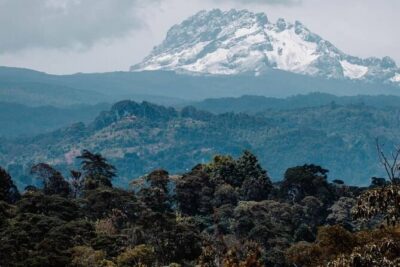
The trip also gives you a taste of the Kilimanjaro climbing world. Marangu Gate, at roughly 1,900 meters, is the starting point for the Marangu Route. You will have time to take photographs and get a feel for the mountain’s role in local travel and tourism.
Do not expect a full Kilimanjaro trek. This is a day excursion, not a climb, and the mountain view depends on weather and cloud cover. Still, the setting gives the rest of the day a clear sense of place.
More Coffee and Waterfall Trips in Arusha
- Materuni Waterfalls, coffee tour & Kikuletwa Hot Springs
★ 5.0 · 643 reviews - Materuni waterfalls coffee tour & Chemka hot springs Day trip
★ 5.0 · 131 reviews - Maasai village visit, Materuni waterfalls & coffee experience
★ 4.5 · 95 reviews
The waterfall hike near Marangu
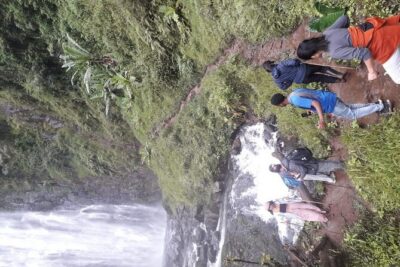
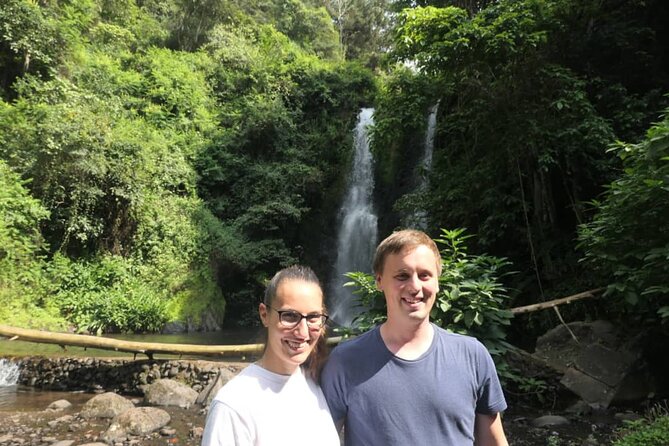
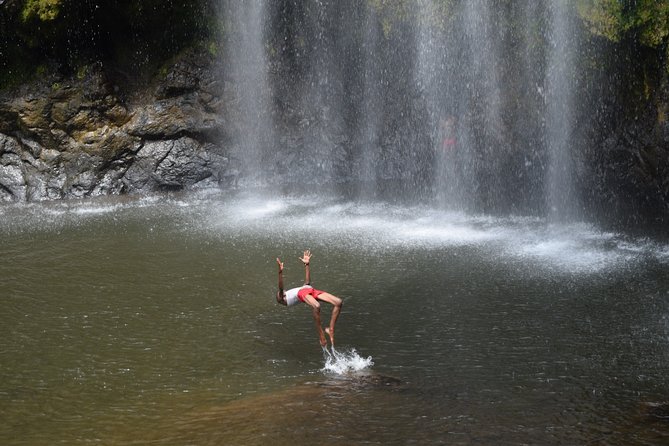
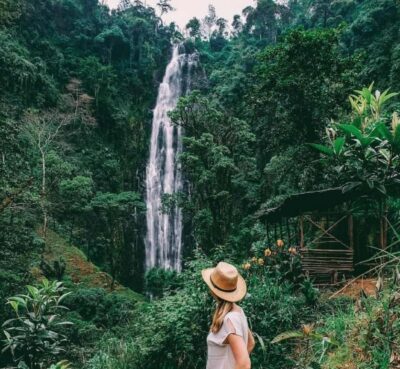
The natural centerpiece is the visit to Marangu Falls, also described as Ndoro Waterfalls in the tour details. The route leads through green surroundings toward the water, with the walk itself forming part of the experience.
You should expect a hike on uneven ground rather than a paved sightseeing path. One account describes the walk uphill as enjoyable, while another points out the need for care near the top of the falls. That is sensible advice. Water, rocks, and steep edges are a poor combination, so stay with your guide and do not approach the drop for a photograph.
The falls are praised for their height and for the views toward the village and Moshi area. On a clear day, you may also see Kilimanjaro. The scenery is one of the strongest reasons to choose this outing instead of a museum-only cultural tour.
Swimming is allowed in the waterfall pool. The water is considered safe for swimming, but it can be very cold. Bring a swimsuit and a way to keep dry clothing separate from wet clothes. The supplied information does not specify changing rooms or towels, so you should not count on either being provided.
The waterfall portion is a good fit if you like a little exercise with your sightseeing. It may be less suitable if you need a fully level route or prefer short walks between stops. The description says most people can participate, but it does not give a precise hiking distance, trail grade, or accessibility details.
Making coffee on a small local farm
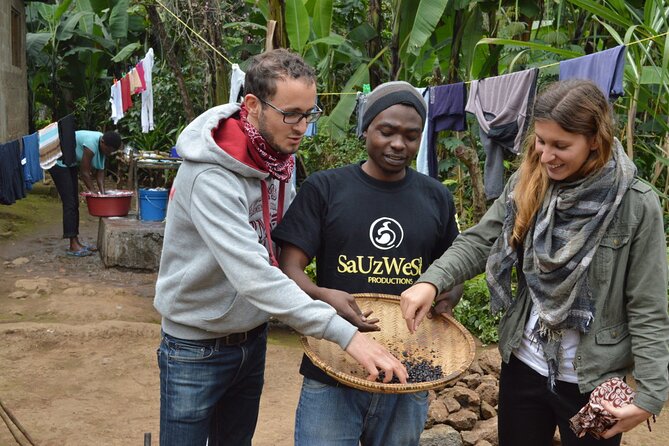
After the waterfall area, the tour visits a small coffee farm. This is not simply a cup served at the end of a drive. You learn how coffee is grown, harvested, and processed, then try parts of the work yourself.
The practical sequence includes processing the beans, roasting them, and preparing a fresh cup. I like this part because it turns coffee from a product into a crop with a story. You see how much work happens before the drink reaches a café table.
Marangu’s position on the lower slopes of Kilimanjaro makes coffee farming a natural part of the day. The experience also connects the farm to the surrounding homes and village life. One account describes a guide explaining local plants and how some were used to mark boundaries between pieces of land. Details like this make the farm visit more useful than a quick plantation stop.
The quality of this part will depend on how much time your guide and hosts allow for questions. The stated itinerary includes the main steps, but it does not promise a particular coffee variety, farm size, or formal tasting menu. Come expecting a local demonstration and a hands-on activity rather than a polished coffee-school class.
Chagga caves and the hard side of local history
The Chagga Underground Caves give the cultural portion more weight. They were built as places of refuge during attacks, when Maasai groups moved up the lower slopes during periods of drought and conflict. The account provided for the tour describes enslavement and killings, followed by Chagga efforts to defend themselves through an underground cave network.
This is an important part of the day because it shows that local history is not only about food, farming, and friendly introductions. The caves reflect fear, survival, and the choices people made when open ground was unsafe.
Your guide explains the conflict while you walk through the caves. The exact condition, length, and lighting of the cave route are not specified, so you should be prepared for a basic site rather than a museum installation. If enclosed spaces bother you, ask about the route before entering.
The cave visit also gives meaning to the later museum stop. Without this context, a traditional home or outdoor display could feel like a collection of objects. With it, you can better understand how Chagga communities organized themselves and protected their families.
More Coffee and Waterfall Trips in Tanzania
- Materuni Waterfalls & Coffee Tour from Moshi
★ 5.0 · 92 reviews - Arusha: Materuni Waterfalls, Coffee, and Hotsprings Tour
★ 4.8 · 78 reviews - Materuni Waterfalls, Visiting Chagga Village, CoffeeTour Kikuletwa Hotsprings
★ 5.0 · 63 reviews - Materuni waterfalls,coffee tour & Kikuletwa(Chemka)Hot Springs
★ 5.0 · 49 reviews
The Chagga Live Museum and village traditions
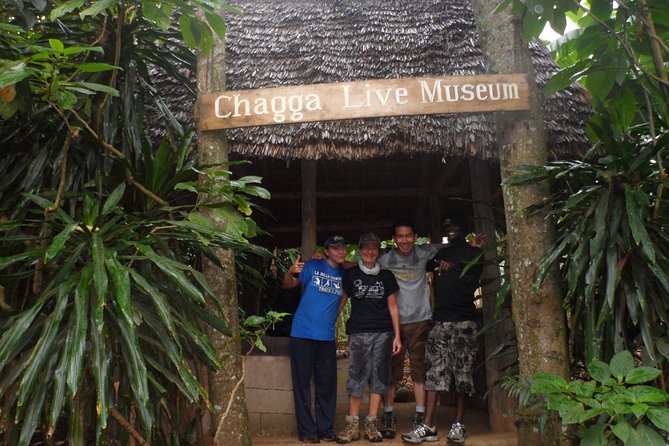
The Chagga Live Museum is a small outdoor museum focused on traditional Chagga life. It adds a more structured setting after the cave visit, with explanations of customs, homes, and everyday practices.
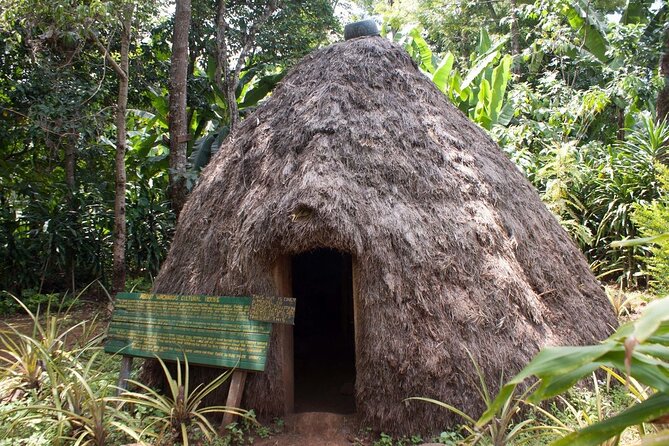
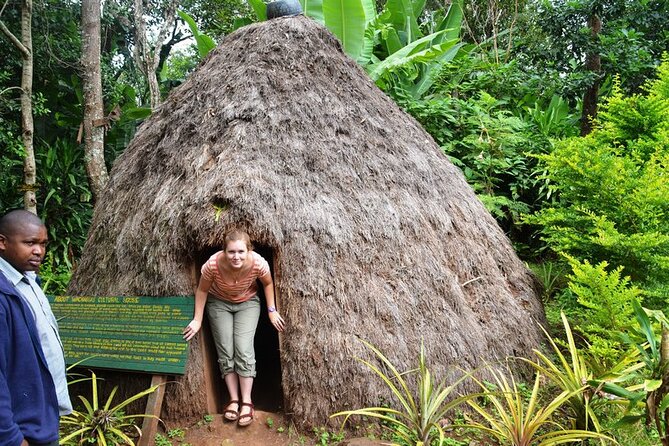
The day may include introductions to local people and visits to homes with straw roofing. Several accounts describe traditional food and locally brewed banana beer, also called mbege in the supplied material. The tour description specifically includes local spirits such as banana beer, so you have a chance to try a drink that is part of the area’s food culture.
Keep an open mind, but do not expect a staged show with a fixed performance schedule. The appeal is the contact with daily traditions, the explanations from your guide, and the chance to ask questions. The experience is strongest when you treat it as a cultural exchange rather than a quick photo stop.
The stories about Chagga life can also vary depending on the guide. Guides named in the supplied comments include Geoffrey, who arranged transport and guided a coffee and village outing. Other accounts praise guides for explaining plants, village stories, and the history of the people living around Kilimanjaro. The operator does not provide a guaranteed guide name, so Geoffrey may not be the person leading your tour.
A lunch that adds real local flavor
Lunch is included in the $150 price, and it is more than a minor convenience. The food helps connect the cultural stops to something practical and memorable.
The meal may take place at a small restaurant or with a local family. Accounts describe generous African dishes, traditional foods, and meals prepared in a family setting. That sort of lunch can be one of the best parts of the day because it gives you time to sit, eat, and talk instead of rushing from one attraction to the next.
The exact menu is not listed, and you should not assume you can choose from a full restaurant menu. If you have dietary restrictions, tell the operator when booking. The supplied information confirms lunch is included, but it does not promise vegetarian, vegan, halal, or allergy-specific options.
Banana beer is also part of the cultural food experience. You can sample it if you wish, but the description does not say how much is served or whether alternatives are available. If you do not drink alcohol, ask for a nonalcoholic option.
What the $150 price really covers
At $150 per person, this is not the cheapest way to visit a waterfall. The value comes from how many separate elements are bundled into one day: transport arrangements, a guide, the waterfall visit, coffee activities, caves, museum, lunch, taxes, crew wages, and a first-aid kit.
The price makes more sense if you want interpretation and local contact rather than simply reaching the falls on your own. You are paying for a full day with several cultural stops, not just admission to one site.
The package has limits. Tips are not included, and neither are flights, visas, hotel costs, additional park fees, or accommodation. The description also says extra park fees may apply, so ask for a final cost breakdown before you pay.
A maximum of 200 participants is listed. That is a very large possible group, though it does not mean every departure will have that many people. If a small group matters to you, ask about the expected group size and whether private arrangements are possible.
Practical advice for a smoother day
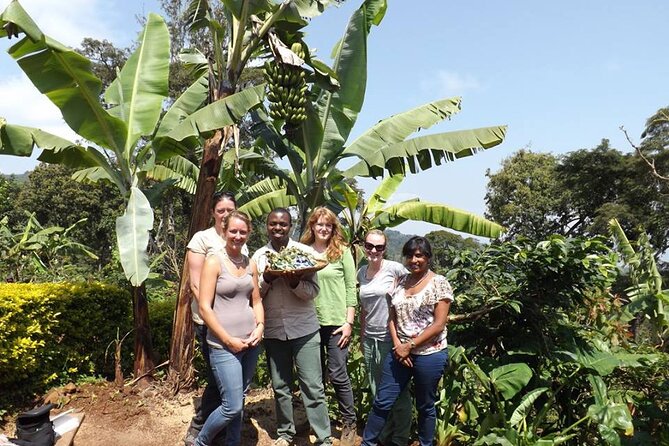
Wear shoes with a good grip. The waterfall path can be wet, and the cave and village visits call for practical footwear rather than sandals with smooth soles.
Pack swimwear, a towel, sunscreen, insect repellent, and a spare shirt. The pool may be cold, and the tour does not list towels or changing facilities among the inclusions.
Bring a phone or camera, but protect it around the waterfall. You will also want room for photographs at Marangu Gate, the coffee farm, the village, and the museum.
The tour starts at 8:00 am and lasts about eight hours. Pickup is available on request, but confirm the exact pickup point and time before the day of departure. The meeting point is in Arusha, and the activity ends back there.
Confirmation is provided at booking. The tour is near public transportation, and most people can participate. Still, the supplied details do not specify wheelchair access, trail conditions, or the distance of the hike, so ask directly if mobility is a concern.
Cancellation is free if you cancel at least 24 hours before the start time. Cancellations or changes made within 24 hours are not accepted for a refund.
Who will enjoy this Marangu day trip most
I would recommend this outing to anyone who wants more than a scenic waterfall. It suits you if you enjoy local food, farming, history, and conversations with guides and residents. It is also a good choice after a safari, when you want a day focused on people and place rather than animals.
Coffee lovers will appreciate the hands-on preparation. History-minded visitors will get the most from the cave explanation. Families and mixed-interest groups may like the range of activities, since one person can enjoy the waterfall while another is more interested in food or culture.
I would be more cautious if you want a slow, private day or a carefully timed specialist tour. The schedule includes many stops, and the possible group size is high. The hike may also be a concern if you need a step-free route.
Should you book the Marangu waterfall and coffee tour?
Book it if you want a full day that joins nature, Chagga culture, coffee, food, and local history. The strongest parts are the coffee-making activity, the cave visit, the waterfall pool, and the chance to eat traditional food in a local setting.
Before booking, confirm three things: the expected group size, the exact waterfall route, and whether your dietary or mobility needs can be handled. If those details work for you, the $150 price offers solid value for a day that goes well beyond a standard waterfall stop.
FAQ
Where does the tour start?
The tour starts in Arusha, Tanzania, at 8:00 am.
Where does the tour end?
The activity ends back at the meeting point in Arusha.
How long does the experience last?
The tour lasts approximately eight hours.
Is hotel pickup available?
Hotel pickup is available on request. Confirm the pickup details when booking.
Is lunch included?
Yes. Lunch is included in the tour price.
Are entrance fees and taxes included?
All listed fees and taxes are included. Additional park fees may apply.
Can I swim at the waterfall?
Yes. The waterfall pool is described as safe for swimming, but the water can be very cold.
What happens at the coffee farm?
You learn how coffee is grown, harvested, and processed. You can also help process and roast it before preparing a cup.
Does the tour include the Chagga caves and museum?
Yes. The program includes the Chagga Underground Caves and the Chagga Live Museum.
What is the cancellation policy?
You can receive a full refund if you cancel at least 24 hours before the experience starts. Cancellations within 24 hours are not refunded.
More Heritage Tours in Arusha
- Kona Shore Excursion: Sea Turtles, Historic Kona & Coffee
★ 4.5 · 324 reviews - Kona Tour: Bee Farm, Kona Coffee, and National Historical Parks
★ 4.5 · 78 reviews - Coffee, History, and Architecture of the French Quarter
★ 4.9 · 71 reviews - Small-Group Historic Coffee Tour in Edinburgh
★ 5.0 · 64 reviews
More Coffee Making Classes in Arusha
- Materuni Waterfalls & Coffee making Cultural Tour | BURIGI CHATO SAFARIS LTD
★ 5.0 · 15 reviews - Istanbul: Turkish Coffee Making and Fortune Telling Workshop
★ 4.9 · 1,308 reviews - Hanoi Coffee Workshop: Taste Salt, Coconut and Egg Coffee
★ 5.0 · 1,286 reviews - Hanoi: Salt Coffee Workshop Awake Your Senses With 6 Brews
★ 5.0 · 792 reviews
Just added around Arusha
- Private Tour to Marangu Waterfalls, Chagga Caves, Coffee tour & Hot Springs★ 5.0 · 7 reviews
- Private Tour to Materuni waterfalls, coffee tour & Kikuletwa hot- springs★ 5.0 · 14 reviews
- Waterfall & Coffee Walking Tour★ 5.0 · 6 reviews
- Materuni (Coffee Tour) and Chemka (Kikuletwa Tour)★ 5.0 · 8 reviews
- Private Full-Day Materuni Waterfall, Coffee and Hot-spring Tour in Moshi★ 5.0 · 5 reviews
- Materuni Waterfall Hike & Coffee Tour★ 5.0 · 4 reviews
- Private Materuni Waterfalls, Coffee Tour and Kikuletwa Hot Spring★ 5.0 · 4 reviews
- Waterfalls, Coffee, Hotsprings, Food Cuisine, & Serval Wildlife★ 5.0 · 6 reviews
Arusha Coffee Tours, compared.
Materuni Waterfalls, coffee tour & Kikuletwa Hot Springs
Read our review →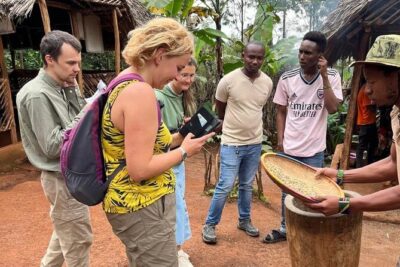
Materuni waterfalls coffee tour & Chemka hot springs Day trip
Read our review →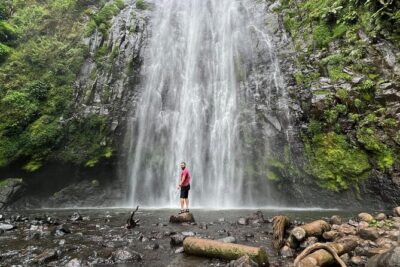
Maasai village visit, Materuni waterfalls & coffee experience
Read our review →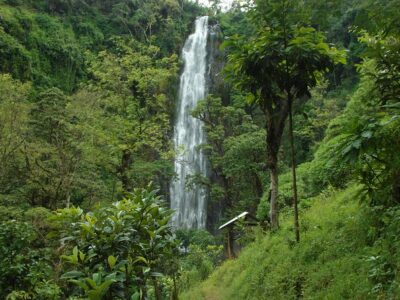
Materuni Waterfalls, Coffee, and Hotsprings Tour
Read our review →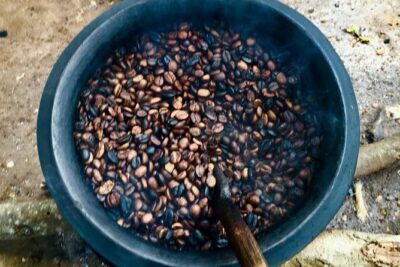
Coffee tour and Buffet Lunch with Kingstone Asilia (Arusha)
Read our review →
Materuni Waterfalls, Visiting Chagga Village, CoffeeTour Kikuletwa Hotsprings
Read our review →