
REVIEW · HANOI COFFEE TOURS
Coffee, History, and Architecture of the French Quarter
History tastes better with coffee. This walking tour makes Hanoi’s French Quarter easier to understand by joining Vietnamese coffee with colonial architecture, war history, and stories about daily life. I like the relaxed, conversational format, and I like that you see more than 15 important sights without being trapped in a lecture. The main drawback is the heat, traffic, and uneven city pavements, so comfortable shoes and sensible clothing matter.
The tour costs $31 per person and lasts about 2.5 hours, though you should allow a little extra time if the group moves slowly. Guides such as Mina and Dung receive especially warm praise for clear English, humor, patient answers, and the ability to adjust the discussion to the group. The route is easygoing, but it covers a lot of history in a short time.
Key points to know before booking
- Coffee starts the history lesson: You begin in a French villa with Vietnamese coffee or tea, including popular egg coffee on some departures.
- The route covers Hanoi’s southern historic center: Expect St. Joseph’s Cathedral, the Opera House, Hoan Kiem Lake, Trang Tien Street, the Metropole Hotel, and more.
- The history is presented as a conversation: You can ask about French rule, Vietnamese society, the Vietnam War, architecture, food, and modern Hanoi.
- Trang Tien ice cream is included: The famous local parlor gives the walk a cool and distinctly Hanoi finish.
- Small-group guiding is a major strength: Mina is often praised for her humor, excellent English, visual aids, and ability to explain difficult subjects simply.
- Weather affects the experience: The tour operates in rain or sun, so bring sunscreen, a hat, breathable clothes, and an umbrella or raincoat when needed.
Why this French Quarter walk is worth your time
Hanoi’s French Quarter can look like a collection of handsome old buildings until someone explains what they mean. This tour gives those streets a story. You learn how French rule changed Hanoi’s layout, public buildings, education, food, coffee culture, and social structure, while also hearing about the costs and tensions of that period.
That balance matters. A tour of colonial architecture can easily become a parade of pretty facades. Here, the stated aim is to discuss both the useful changes and the damage caused by French control. You are not asked to admire the architecture without considering who built it, who used it, and how Vietnamese society responded.
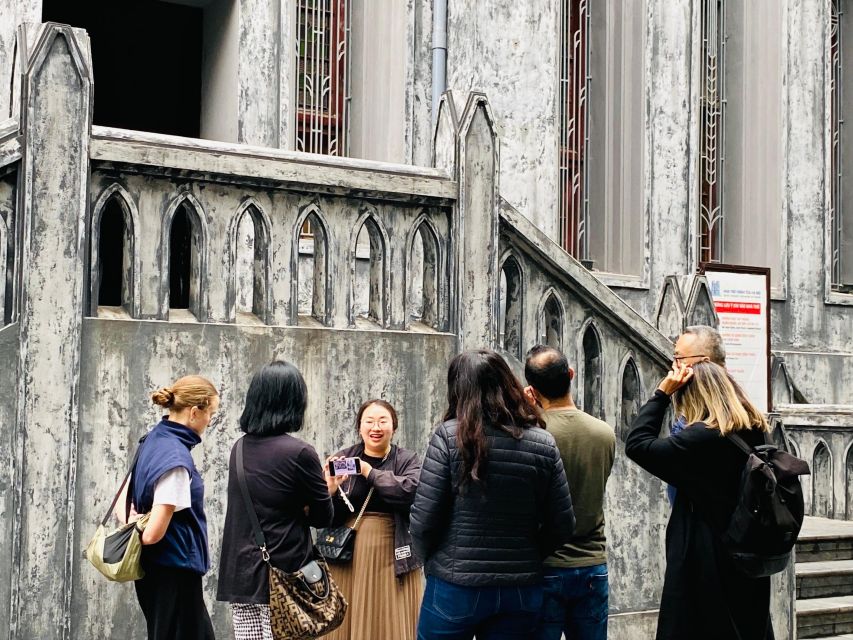
The tour also connects the colonial period to the Vietnam War and present-day life. Guides use historical photographs on their phones to help explain events, which is useful when a building or street name alone does not tell you much. Mina, in particular, is praised for breaking complicated history into clear points and welcoming questions rather than rushing through a prepared speech.
The food and drink stops keep the experience grounded. Coffee is not just a refreshment here. It opens a discussion about Vietnam’s love of coffee and the ways French influence became part of local life. The ice cream stop offers the same lesson in a lighter form, linking a famous Hanoi treat with the city’s everyday rhythm.
More Heritage Tours in Hanoi:
- Hanoi: Make 6 Iconic Coffees in a Heritage Home with Locals
★ 5.0 · 32 reviews - Private Hà Nội Coffee History Tour
★ 5.0 · 6 reviews - Hanoi History Coffee Tour
★ 5.0 · 2 reviews
Starting beside St. Joseph’s Cathedral
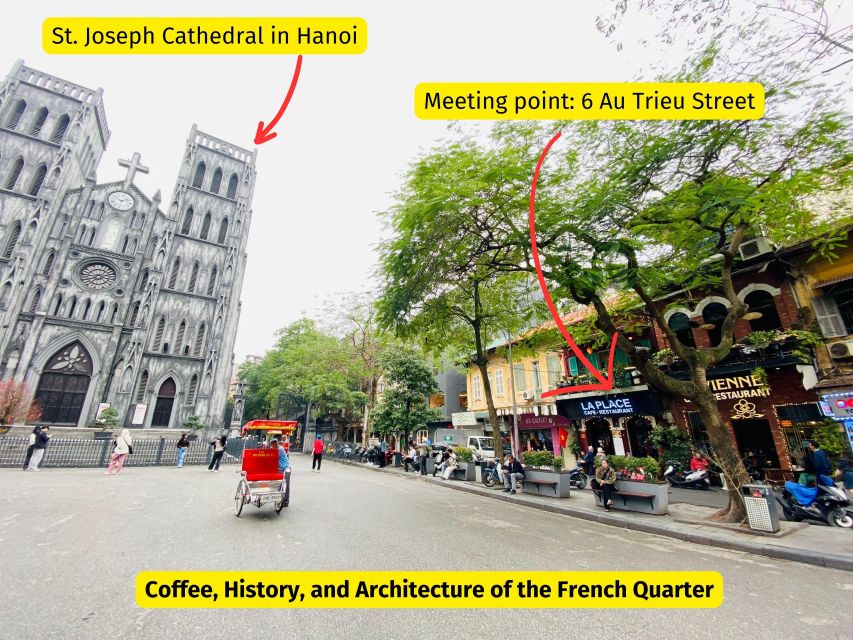
Meet at 6 Au Trieu Street, beside St. Joseph’s Cathedral. This is a useful starting point because the cathedral immediately introduces the visual language of French Hanoi, with its European Gothic form set within a very Vietnamese city.
The cathedral stop lasts about 15 minutes and includes a guided explanation and a break. You can expect the guide to discuss the building, the surrounding streets, and the wider French presence in Hanoi. It is also a practical place to meet because the landmark is easy to identify.
Bring your phone, but do not rely on it for every detail. The point of the walk is to notice how the old buildings sit among shops, scooters, homes, and modern city life. That contrast is one of the most interesting parts of the area.
The pavements and crossings can be busy. Stay close to the guide when moving between stops, especially if you are not used to Hanoi traffic. The route is described as an easy walk, but the heat can make it feel harder than the distance suggests.
Coffee in an old French villa
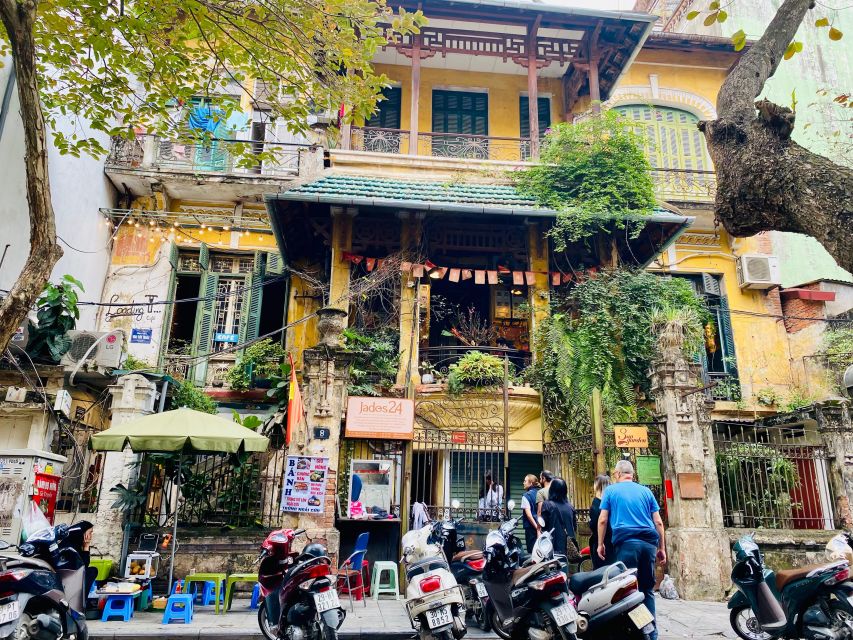
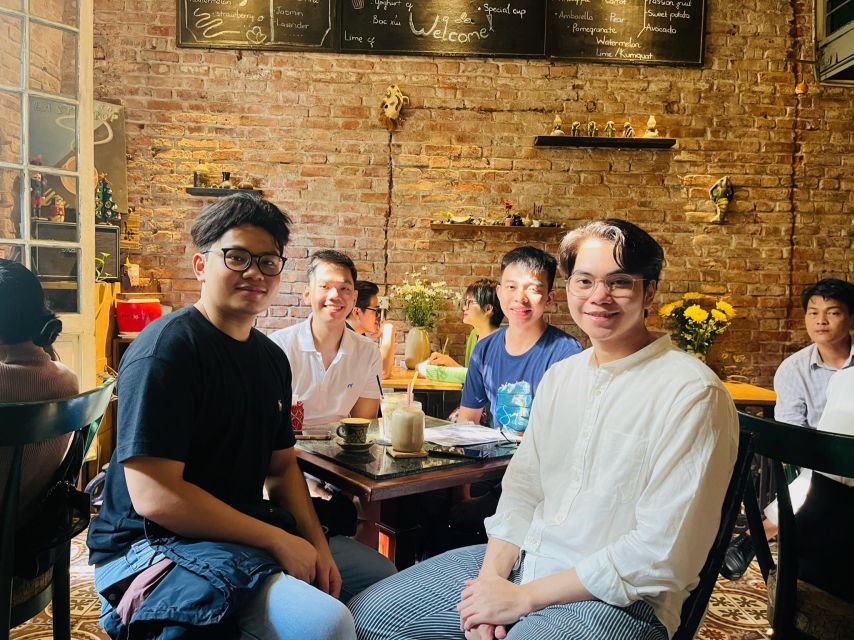
The coffee stop is one of the tour’s best ideas. You visit a local café in an old French villa and receive a cup of Vietnamese coffee or tea. Some tours include egg coffee and coconut coffee, both of which are useful introductions to Hanoi’s café culture.
The setting gives the history talk some texture. Instead of hearing about French influence in a classroom, you are sitting in a former French-style house while drinking a beverage that became part of Vietnamese life in its own distinct way. That is a small but effective connection between architecture, food, and social history.
Plan on about 30 minutes here. This is the longest stop, and it gives you time to ask questions. The guides are praised for answering everything from historical questions to pronunciation tips and restaurant suggestions. If you want a better grasp of Hanoi before exploring on your own, this is the moment to ask.
The exact coffee style may vary. Egg coffee is a frequent highlight, but the activity information allows coffee or tea. If you have dietary needs, tell the guide early. One guide, Mina, is praised for adapting parts of the tour to personal interests, food needs, and energy levels.
Walking through the French Quarter
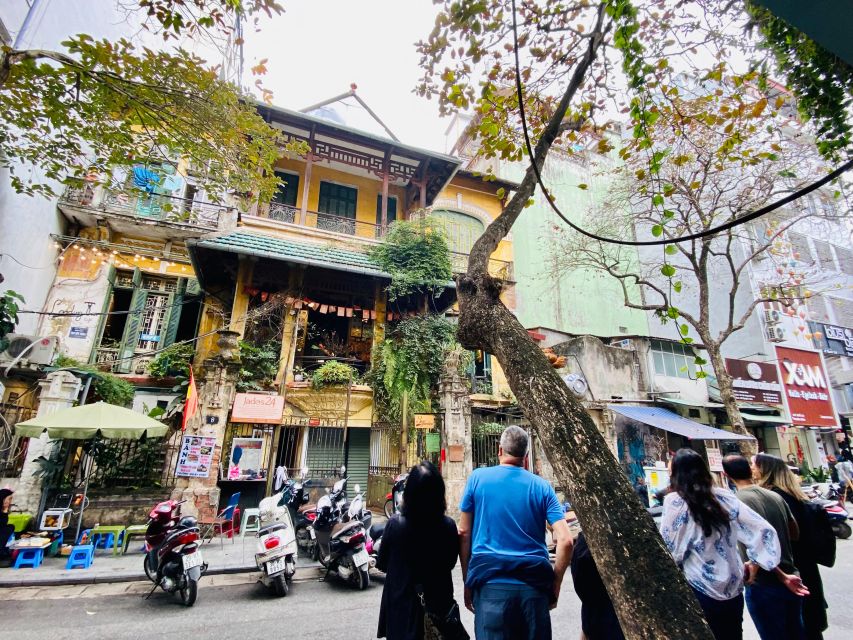
After coffee, the tour moves through the French Quarter for about 15 minutes of guided sightseeing before reaching the Opera House. The French Quarter is not a museum district. It is a working part of Hanoi, with traffic, offices, shops, hotels, and people going about their day.
That makes the walk more useful than a simple architectural circuit. You see how colonial buildings function within modern Hanoi, and you can ask how French rule affected education, administration, social life, and the city’s physical design.
The pace is deliberately relaxed. Several people describe the tour as easygoing and well paced, with enough time for questions and side comments. That suits you if you want context rather than a list of construction dates.
It may not suit you if you want long interior visits or formal access to every landmark. Most of the experience takes place outdoors, and the emphasis is on explanation, observation, and conversation.
A few more coffee tours around Hanoi worth a look
- Hanoi Coffee Experience: 6 Brews, 9 Recipes & 3 Liquor Tastings
★ 5.0 · 2,945 reviews - Hanoi Coffee Workshop: Taste Salt, Coconut and Egg Coffee
★ 5.0 · 1,286 reviews - Hanoi: Salt Coffee Workshop Awake Your Senses With 6 Brews
★ 5.0 · 792 reviews - Hanoi: Master the Art of 4-6 Signature Vietnameses Coffees
★ 5.0 · 517 reviews
Hanoi Opera House and the French city plan
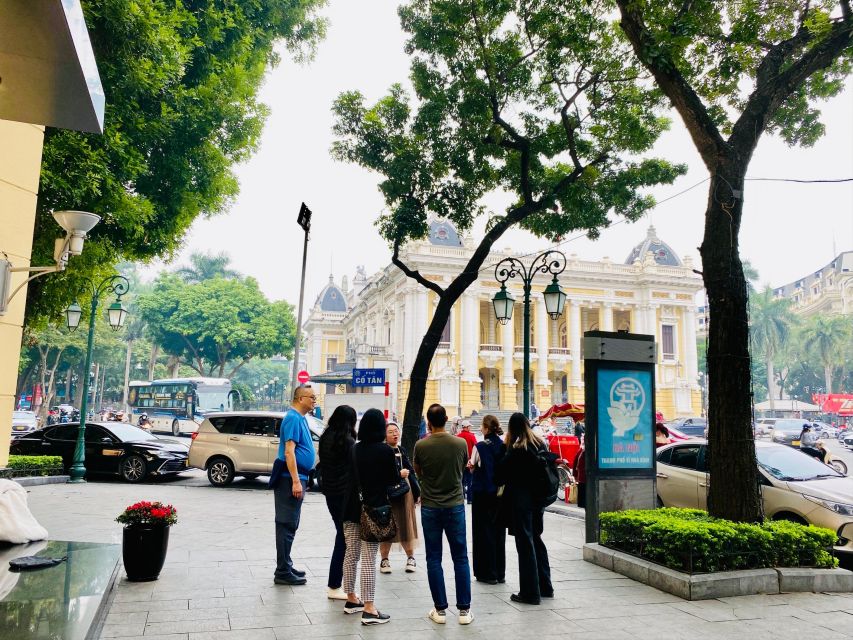
The Opera House receives about 15 minutes. Its formal design makes it one of the clearest examples of French architectural influence in central Hanoi. Your guide can help you notice how its scale and style differ from the surrounding Vietnamese streets.
This is also a good point to think about power. Grand public buildings were not created only for beauty. They projected authority and helped make Hanoi function as a colonial capital. A strong guide will connect the building to that wider purpose instead of treating it as a photo stop.
The tour does not promise an interior visit, so expect to view the Opera House from outside. That is not a serious weakness for a walking experience, but you should know what you are buying. The value is in the guide’s explanation and the route between landmarks, not in admission to a series of buildings.
Hoan Kiem Lake and the city beyond colonial buildings
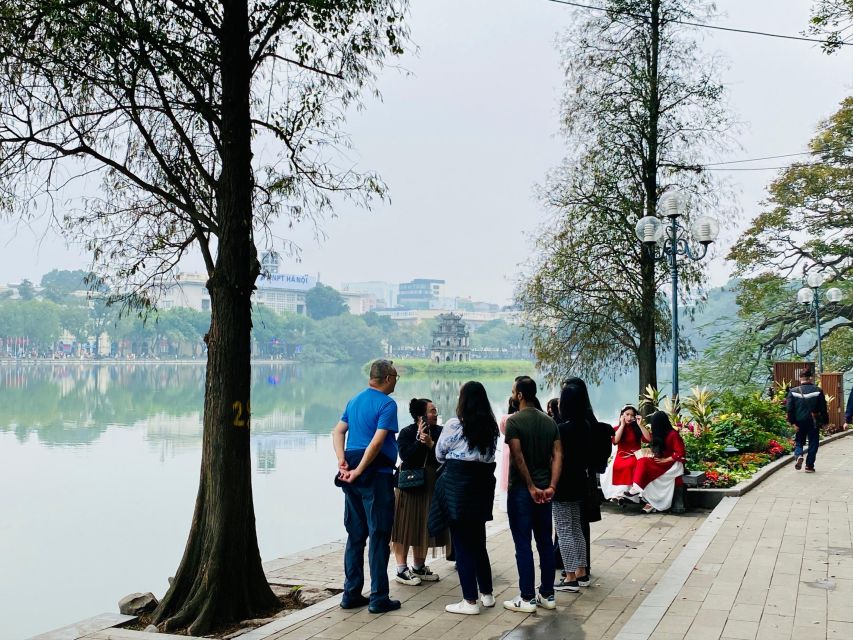
The walk continues to Hoan Kiem Lake for another 15-minute guided stop. This changes the mood. The lake is tied to Vietnamese identity and local legend, and it offers a chance to see Hanoi outside the colonial story.
That contrast is important. The tour is about the French Quarter, but it does not present Hanoi as a French creation. The lake, the streets, the food, and the people show a city with its own older identity and strong cultural continuity.
You may also get practical suggestions for the rest of your visit. Guides are praised for recommending food spots, including banh mi and hotpot, and for suggesting places such as Hoa Lo Prison. Those tips can help you continue the history lesson independently after the walk.
There is no promise of a long rest at the lake, so treat this as a sightseeing stop rather than a leisure break. If you need frequent sitting time, tell your guide at the start.
The Metropole Hotel and layered wartime history
The Sofitel Legend Metropole Hanoi is another 15-minute stop. The hotel is closely associated with the French colonial period and later with Hanoi’s international and wartime history. It gives the guide a place to explain how the city’s buildings changed meaning over time.
This part should appeal to history fans. You can ask about French administration, foreign visitors, the Vietnam War, and the way Hanoi presented itself to the outside world. The guide may use photos on a phone to make past events easier to picture.
The tour’s strongest quality is its willingness to discuss difficult subjects without turning the walk into a solemn lecture. Mina is praised for using humor and a little sass while still treating Vietnam’s history seriously. That mix can make a complicated subject easier to follow.
Keep your expectations realistic. Two and a half hours is enough for a useful introduction, not a full course in Vietnamese history. If you want detailed wartime research, add a visit to Hoa Lo Prison or another museum separately.
Trang Tien Street and the famous ice cream stop
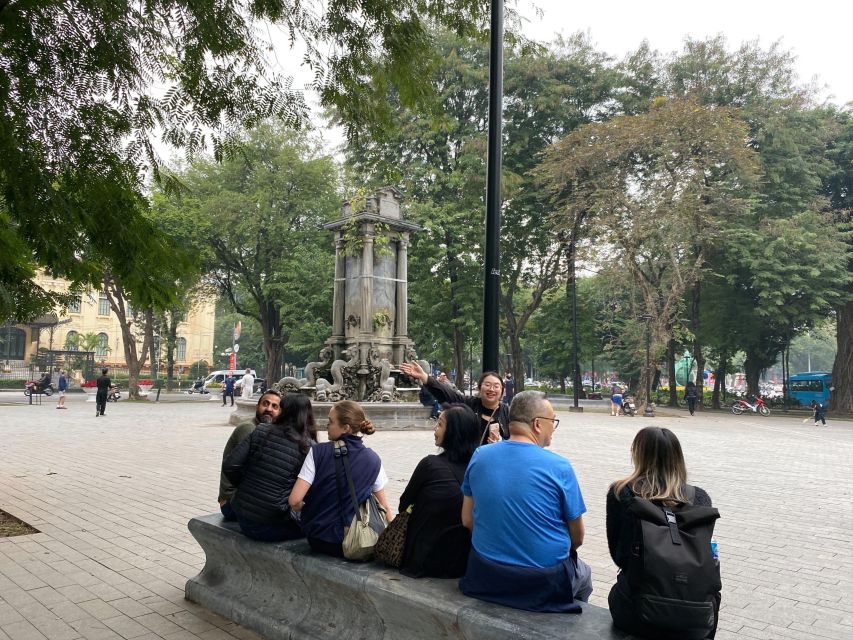
Trang Tien is covered for about 15 minutes, and this is where the tour’s food element comes back into focus. The route includes ice cream at the famous Trang Tien ice cream parlor, with seating and a restroom available.
This is more than a sweet reward. Trang Tien gives you a glimpse of an everyday Hanoi institution, and the stop helps break up the historical walking. On a hot day, the cold treat is particularly welcome.
The parlor can be busy, and the menu is local rather than designed around foreign tastes. That is part of the appeal, but do not expect a long sit-down meal. The stop is included, while other food and drinks are not specified.
The ice cream also marks the end of the main sightseeing sequence. By now, you will have seen grand colonial buildings, public streets, a lake, a historic hotel, and a local food stop. The combination makes the French Quarter easier to remember than a walk focused only on architecture.
Finishing near Hanoi University of Pharmacy
The listed route finishes at Hanoi University of Pharmacy. The meeting information also says the activity ends back at the meeting point, so confirm the final drop-off point when you book or meet your guide. This small detail matters if you have a timed reservation or need to get to another part of Hanoi.
The university is connected with the educational story of French Indochina. The experience describes it as the site of the first university in French Indochina, adding another layer to the discussion of colonial education and Vietnamese professional life.
By the end, you should have a basic framework for understanding central Hanoi. You will not know every building, but you will better understand why French architecture appears where it does, how Vietnamese society changed under colonial rule, and how local culture reshaped outside influences.
Price, pace, and practical value
At $31 per person, this is a fair price if you value a live guide and included refreshments. You receive a 2.5-hour walking tour, coffee or tea in a French villa, Trang Tien ice cream, historical explanations, and a route through more than 15 notable sights.
The value is strongest for first-time visitors and anyone who wants context before sightseeing alone. A self-guided walk costs less, but it will not automatically explain the social history behind the buildings or answer questions about modern Hanoi.
The experience is also good value for history fans because the subject is broader than French architecture. You discuss colonial rule, Vietnamese society, the Vietnam War, coffee, food, education, and daily life. That is a lot for one short walk.
The main limitation is physical comfort. Hanoi weather can be hot, humid, or wet, and the tour operates rain or shine. Wear comfortable shoes, use sunscreen, bring a hat, and choose breathable clothing. Carry an umbrella or raincoat if the forecast looks poor.
English is the stated tour language. Mina and Dung are both praised for clear communication, and Mina is frequently described as friendly, funny, patient, and able to explain complex history in simple terms. Group size appears to be kept fairly small on at least some departures, though the exact number is not stated.
Free cancellation up to 24 hours before the activity and reserve-now, pay-later booking make the plan easier to adjust. People assisting guests with disabilities can join without paying an admission fee, though the route’s outdoor walking conditions are worth discussing in advance.
Who should book this Hanoi walking tour?
You should book if you enjoy asking questions, want a local perspective, and prefer history explained through real streets rather than a formal museum lecture. It is especially suitable for first-time visitors, couples, families with older children or teenagers, and anyone interested in French colonial architecture.
You should also book if coffee and local food make sightseeing more appealing. The coffee villa and Trang Tien ice cream are not filler. They give the walk a sense of place and make the historical material easier to connect with.
I would think twice if you dislike walking in heat, want extensive interior access, or need a perfectly fixed finish point. The experience is outdoors, weather-dependent, and conversational. Its strength is the guide, so the quality may vary slightly depending on who leads your departure, though Mina and Dung have both made strong impressions.
Should you book it?
Book this tour if you want a friendly introduction to Hanoi’s French Quarter with enough history to make the buildings meaningful. The combination of coffee, architecture, war history, local food, and practical city advice gives you more than a standard photo walk.
I would schedule it early in your Hanoi visit. You can then use the guide’s suggestions for places such as Hoa Lo Prison, restaurants, and other sights. At $31, it is a sensible choice for a compact, human-scale introduction to one of Hanoi’s most layered neighborhoods.
FAQ
Where does the tour begin?
It begins at 6 Au Trieu Street, right beside St. Joseph’s Cathedral in Hanoi.
How long does the experience last?
The stated duration is 2.5 hours. One detailed tour account describes a longer experience of about three hours, so allow some extra time.
What language is the tour conducted in?
The live tour guide speaks English.
Is Vietnamese coffee included?
Yes. The experience includes a cup of Vietnamese coffee or tea in a French villa. Egg coffee and coconut coffee are mentioned as examples enjoyed during the tour.
Is ice cream included?
Yes. The tour includes ice cream at the famous Trang Tien ice cream parlor.
Which major sights are included?
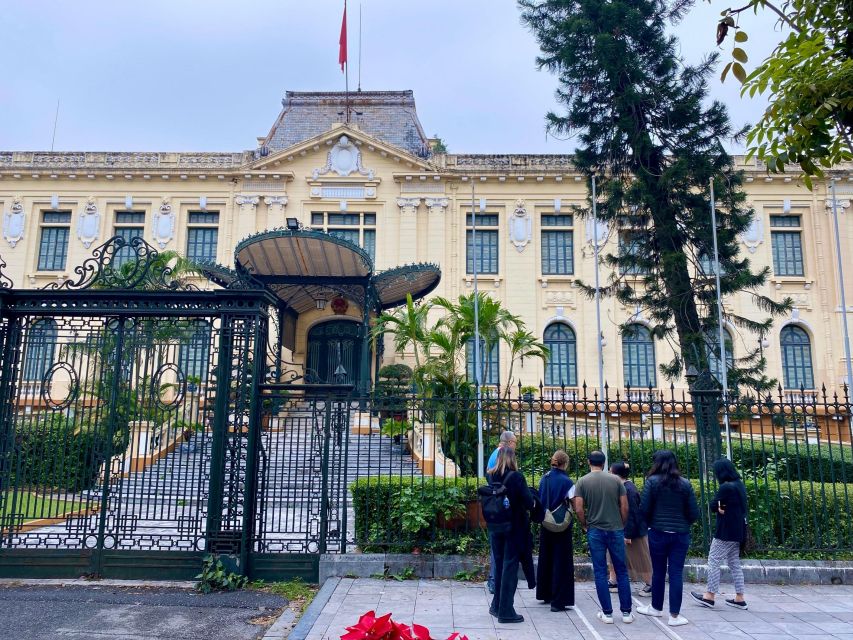
The route includes St. Joseph’s Cathedral, the French Quarter, Hanoi Opera House, Hoan Kiem Lake, Sofitel Legend Metropole Hanoi, Trang Tien Street, Hanoi Post Office, and Hanoi University of Pharmacy, along with other sights.
Does the tour include a visit inside the buildings?
The information describes guided sightseeing at the landmarks but does not promise interior admission. Expect an outdoor walking experience.
What should I bring?
Bring sunscreen, breathable clothing, a hat, and comfortable shoes. Because the tour operates rain or shine, bring an umbrella or raincoat when the forecast calls for rain.
Can I ask the guide questions?
Yes. The tour is designed as a conversation, and questions about Vietnamese history, French rule, architecture, food, pronunciation, and modern Hanoi are welcome.
Where does the tour finish?
The route information lists Hanoi University of Pharmacy as the final stop. The meeting details also say the activity ends back at the meeting point, so confirm the exact finish location with the provider.
Just added around Hanoi
- Vietnamese Coffee 101 Workshop★ 5.0 · 11 reviews
- Private tour: Hanoi city tour-Van Phuc silk village with egg coffee, lunch★ 5.0 · 2 reviews
- Taste of Vietnam’s Coffee Scene – A Guided Experience★ 5.0 · 2 reviews
- hidden gems cafe – learn making coconut and egg coffee★ 5.0 · 2 reviews
- Private Hà Nội Coffee History Tour★ 5.0 · 6 reviews
- 3 Dishes cooking + Egg Coffee bonus & Local Market Tour★ 5.0 · 14 reviews
- Hanoi History Coffee Tour★ 5.0 · 2 reviews
- Hanoi Private And All Inclusive Coffee Lovers Tour in Vietnam★ 5.0 · 6 reviews
Hanoi Coffee Tours, compared.
Hanoi Coffee Experience: 6 Brews, 9 Recipes & 3 Liquor Tastings
Read our review →
Hanoi Coffee Workshop: Taste Salt, Coconut and Egg Coffee
Read our review →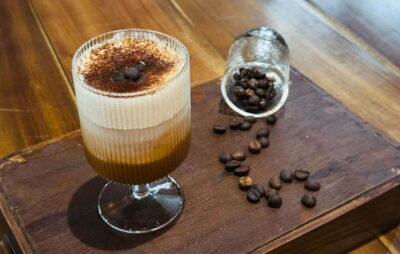
Salt Coffee Workshop Awake Your Senses With 6 Brews
Read our review →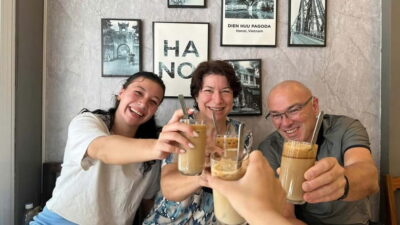
Master the Art of 4-6 Signature Vietnameses Coffees
Read our review →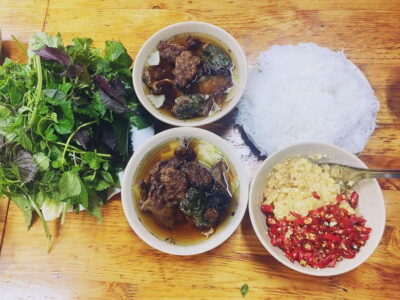
Hanoi Cooking Class: Pho/Bun Cha/Banh Xeo…+Free Egg/Salt Coffee
Read our review →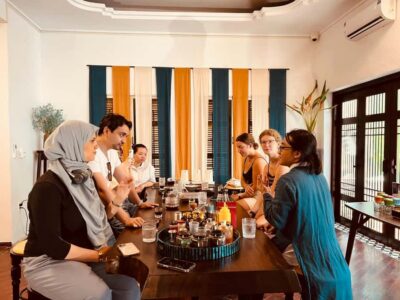
Vietnamese Coffee Workshop with 6 Brews and 8 Recipes
Read our review →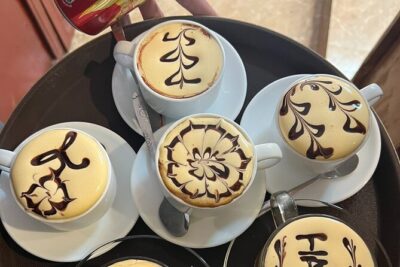
Browse the lists this tour appears in