
REVIEW · DA NANG COFFEE TOURS
Coffee Making and Cooking Class
Vietnamese coffee deserves its own lesson. This Da Nang class combines four home-style dishes with egg, salt, coconut, and phin coffee, giving you more than a meal and a useful set of skills to take home. I like the personal cooking station and the chance to make each recipe yourself. I also like the small maximum of 13 people, which should allow room for help. The main caution is the mixed transport information: hotel pickup and drop-off are advertised in the overview, but the detailed inclusions say they are not included.
This is a practical, good-value experience at $17 per person. You eat what you prepare, learn the background of Vietnamese coffee, and get recipes and techniques for later. The class has a strong 4.9 out of 5 rating from 12 ratings, with all recommendations positive. Still, you should confirm the pickup arrangement before booking, especially since the listed meeting point is at 146 Đ. Đoàn Khuê in Da Nang.
Key points at a glance
- Four dishes at your own station: Follow each recipe step by step, from preparation to cooking and eating.
- Four famous Vietnamese coffees: Learn the traditional phin method, then make egg, salt, coconut, and phin coffee.
- A small class size: The maximum is 13 people, a useful limit for a practical lesson.
- Food preferences can be discussed: Send your allergies or dietary needs by email before the class and ask what substitutions are possible.
- Tea starts the session: A welcome tea, an English-speaking guide, instruction, coffee making, and the cooking class are included.
- Flexible if time is short: You can choose the cooking class only or the coffee-making class only, though you should confirm the schedule and price for that option.
Why this Da Nang class is worth your afternoon
At about four and a half hours, this is not a quick demonstration followed by a snack. You are expected to work at a personal station, practice the cooking methods, and eat the finished food. That makes the experience useful for anyone who wants to bring Vietnamese cooking home rather than simply take another restaurant meal.
I especially like the balance between food and coffee. Many cooking classes stop once lunch is served. Here, coffee gets a proper lesson of its own, including the slow brewing style associated with the Vietnamese phin filter and three popular variations.
The price adds to the appeal. At $17 per person, the class offers instruction, four dishes, four coffees, a welcome tea, and a meal. That is good value if the full session runs as described. You should still check the transport cost, since the information about pickup and drop-off conflicts.
The class is also a sensible rainy-day choice. One published rating specifically called it a good activity when the weather turns wet, and that makes sense. You spend the time indoors, with a warm drink and a meal at the end instead of trying to force a beach or sightseeing plan through bad weather.
More Coffee Making Classes in Vietnam
- Hanoi Coffee Workshop: Taste Salt, Coconut and Egg Coffee
★ 5.0 · 1,286 reviews - Hanoi: Salt Coffee Workshop Awake Your Senses With 6 Brews
★ 5.0 · 792 reviews - Da Nang Coffee Making Workshop
★ 4.9 · 543 reviews
Starting with Vietnamese cooking techniques
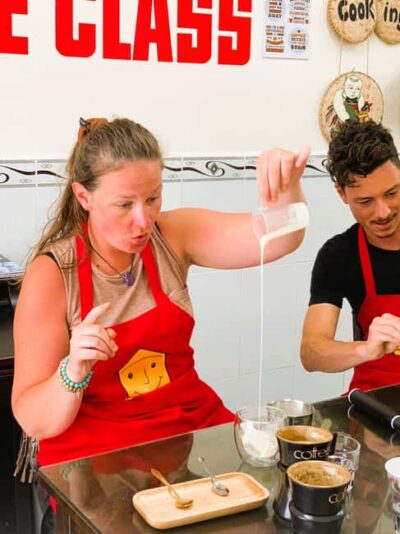
The class begins with a welcome tea and an introduction to the cooking session. You can expect a demonstration first, followed by tasting samples and guided practice at your own station. The format matters because you are not left to copy a finished dish from a distance. The instructor takes you through the recipe step by step.
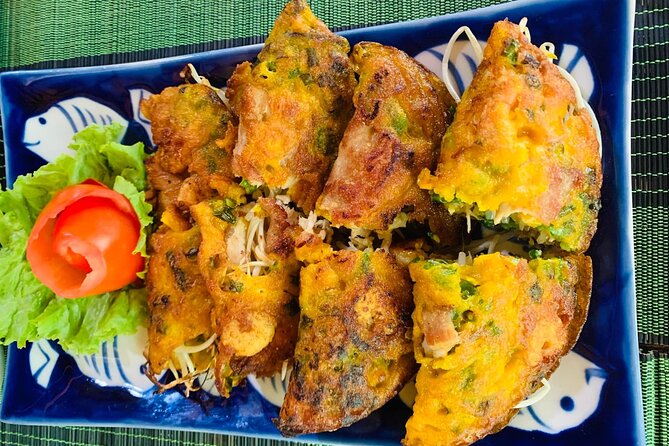
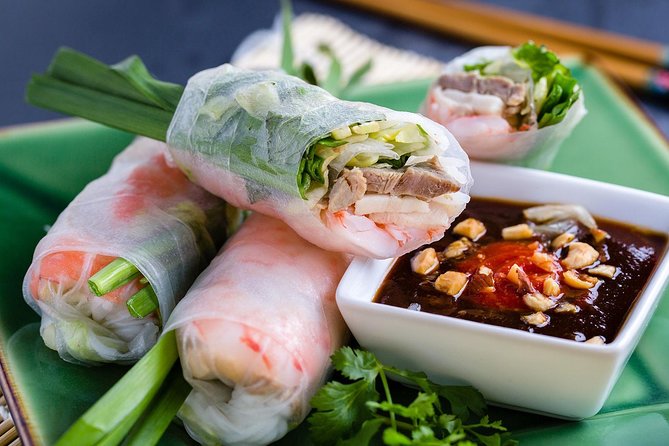
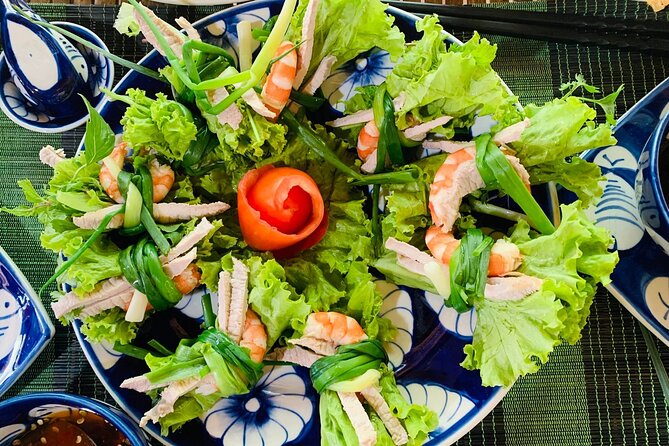
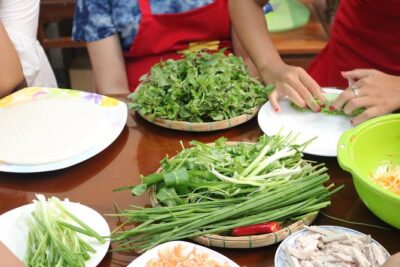
The dishes can include young papaya salad, chicken with fish sauce, and deep-fried spring rolls. The menu reflects seasonal ingredients, so the exact fourth dish or some ingredients may vary. That is worth accepting as part of a home-style lesson, although anyone booking for a particular dish should ask ahead.
Young papaya salad gives you a chance to work with fresh ingredients and the sweet, sour, salty balance common in Vietnamese food. Chicken with fish sauce shows how a small amount of a strong seasoning can shape a dish. Spring rolls add a more practical kitchen task, since you must prepare, wrap, and fry them.
The class also promises local cooking techniques described as Vietnamese secrets. I would treat that phrase lightly, but the useful point is clear: the instructor is teaching methods, not only handing you printed recipes. Pay attention to how ingredients are prepared, how flavors are balanced, and how the food is cooked. Those details will help more than a list of ingredients alone.
Four dishes, then a lunch you made yourself
After the cooking work, you sit down to eat the food prepared during the class. This is one of the strongest parts of the experience because lunch becomes the result of your own effort. The meal also gives you a chance to compare the finished dishes and see how different techniques fit together.
The class is suitable for people with different levels of kitchen confidence. If you already cook often, you may appreciate the chance to learn local flavor combinations and preparation methods. If you rarely cook, the personal station and guided format should make the tasks less intimidating.
Families can also find value here. One account describes staff working warmly with children, while a teenage participant appreciated having an English-speaking setting. The maximum of 13 people keeps the group from becoming unwieldy, though the class will still feel more social than a private lesson.
Food needs should be handled before you arrive. The family running the class says it can cater to allergies and food preferences, but you must email your requirements. They will confirm which dishes or ingredients can be substituted. Do not wait until the cooking begins, since the replacement plan needs to be agreed on in advance.
The coffee lesson: phin, egg, salt, and coconut
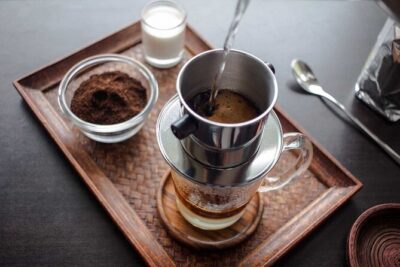
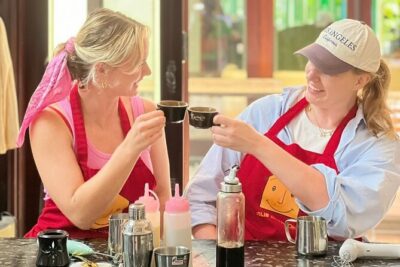
The coffee portion follows lunch and covers four drinks: egg coffee, salt coffee, coconut coffee, and traditional phin coffee. This is more than a tasting flight. You learn how to brew coffee using the phin filter, the small metal brewer that sits over the cup and slowly releases coffee.
The phin method is worth learning because it is simple enough to repeat at home. The coffee drips gradually, so you get a lesson in patience as well as brewing. The guide also provides a history lesson about coffee in Vietnam, which gives the drinks some context instead of treating them as sweet novelties.
Egg coffee is the most distinctive of the four. You learn how a creamy egg topping changes the texture and taste of strong coffee. Salt coffee offers a different balance, using salt to soften and reshape the bitterness. Coconut coffee brings a cooler, sweeter style, while phin coffee lets you focus on the basic brew itself.
I would pay close attention during the coffee demonstration, especially to quantities and timing. A coffee drink can look easy but taste very different if the balance is off. Since the purpose is to repeat these recipes at home, take mental notes about texture, sweetness, and the order in which each component is added.
The coffee section is also a good reason to book this class even if you are less interested in cooking. If you already know your way around a kitchen, the four-drink lesson gives the afternoon a different purpose. If your schedule is tight, you can ask about taking only the coffee-making class.
Same place, a different cup:
- Hanoi Coffee Experience: 6 Brews, 9 Recipes & 3 Liquor Tastings
★ 5.0 · 2,945 reviews - Hanoi: Master the Art of 4-6 Signature Vietnameses Coffees
★ 5.0 · 517 reviews - Egg coffee & Course on 4 traditional types of Viet coffee
★ 4.9 · 487 reviews - Hanoi: Vietnamese Street Food Tour with Egg Coffee
★ 4.9 · 315 reviews
What the instructors add to the experience
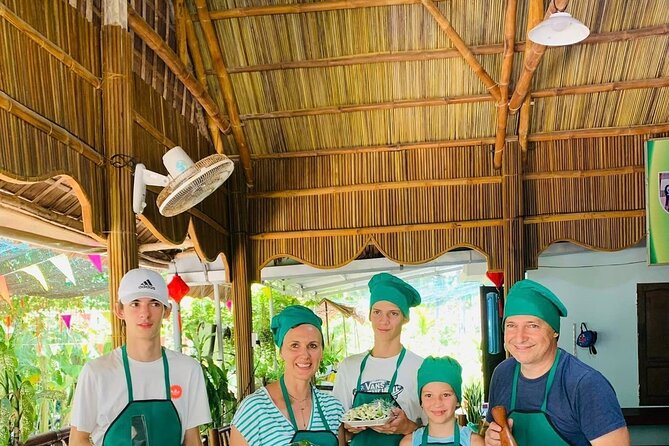
The class includes an English-speaking guide, and the teaching style is described as friendly and helpful. Jane is specifically praised for being warm and useful during the experience. That personal touch matters in a cooking lesson, where clear explanations can make the difference between a dish that works and one that does not.
The preparation also appears to be organized. One account describes the food and class materials as properly prepared, with the session moving smoothly. That is important during a four-and-a-half-hour class because delays can leave you standing around rather than cooking.
You should expect instruction and support, not a private chef for every participant. With up to 13 people, the amount of individual attention may vary. The personal station helps, but if you need close assistance with every step, mention that when booking and ask how the group will be managed.
The positive feedback is strongest on three points: food quality, the friendliness of the hosts, and the coffee lesson. Those are the areas I would prioritize when deciding if this experience matches your interests.
The real value of $17
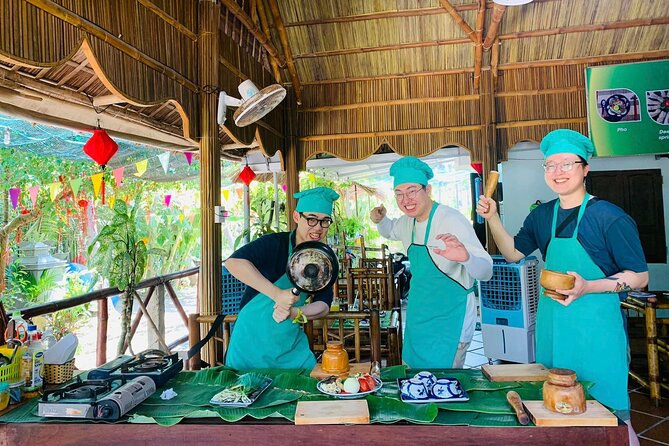
The $17 price is attractive because it covers several separate elements: the welcome tea, cooking instruction, food, four types of coffee, an English-speaking guide, and the chance to eat what you prepare. If you priced a similar meal and coffee tasting separately, the class could easily become more expensive.
The value is not only in the food. You take away recipes and techniques that can be shared with friends and family. That makes the class a better choice than a standard restaurant meal if you want a travel experience with a lasting use.
There are two limits to keep in mind. Tips are not included, and pickup and drop-off are listed inconsistently. The detailed information says transportation is not included, while the main description says hotel transfers are part of the experience. The stated starting point is Da Nang Home Cooking Class, 146 Đ. Đoàn Khuê, Khuê Mỹ, Ngũ Hành Sơn, Da Nang.
Because of that contradiction, I would contact the provider before paying or at least before the day of the class. Ask if you must reach the meeting point yourself, whether hotel pickup is available only in certain areas, and if an extra charge applies. This small check can prevent an otherwise avoidable problem.
Who should book this class
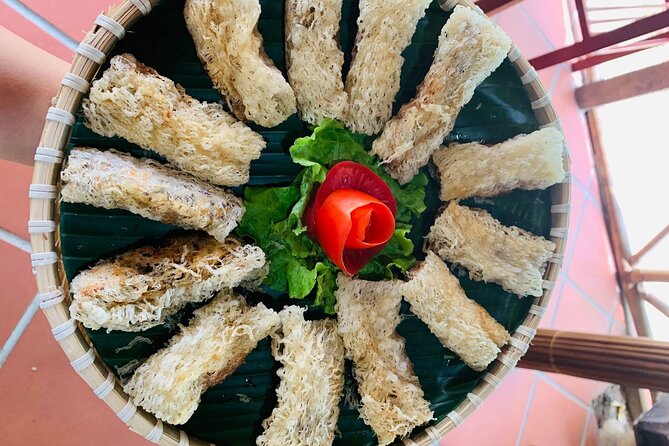
I would recommend it to anyone who wants a practical introduction to Vietnamese food in Da Nang. It suits couples, families, solo visitors, and small groups, especially people who like to participate rather than watch.
It is a strong choice if you enjoy coffee. The four styles make the coffee portion unusually useful, and the phin method is easy to remember once you have seen it demonstrated. It also works well for a rainy afternoon or a day when you want a slower indoor activity.
Families should consider it, since the staff have experience working kindly with children. The English-speaking format can also be helpful for older children or teenagers who want a relaxed reason to practice English.
I would be more cautious if you have severe dietary restrictions and need a guaranteed menu. Substitutions may be possible, but they must be discussed in advance, and the seasonal menu means you should not assume every dish will be available exactly as described.
You may also want to skip the full class if you have very little time in Da Nang. The full program takes about four and a half hours. The option to book cooking only or coffee only could solve that problem, but confirm the exact duration and cost before making your choice.
Practical details before you go
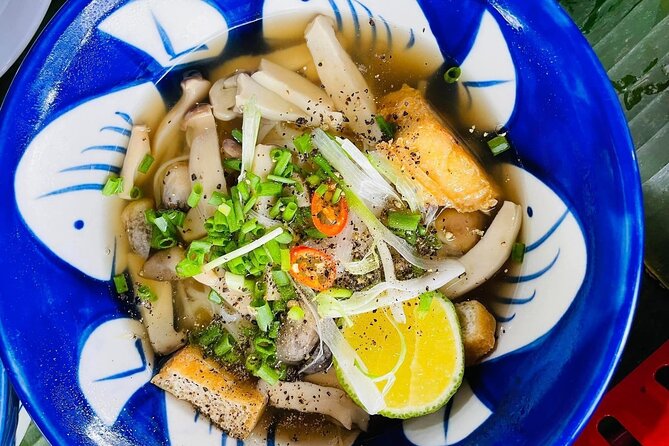
The experience uses a mobile ticket, so you can keep confirmation on your phone. Booking confirmation is provided at the time of booking, which is useful if you are fitting the class into a busy Da Nang schedule.
The activity ends back at the meeting point. Since transport details conflict, plan around the stated address unless the provider confirms hotel service directly. Do not assume the advertised pickup applies automatically to your hotel.
The cancellation policy is flexible if you act early. You can cancel for a full refund up to 24 hours before the start time. Inside that 24-hour window, the payment is not refunded, and changes are not accepted. Cutoff times follow local time in Vietnam.
A maximum of 13 people keeps the class relatively contained. That does not guarantee a private or quiet session, but it is a reasonable size for a lesson built around personal cooking stations.
Should you book the Da Nang cooking and coffee class?
Yes, if you want an affordable, hands-on food experience and have roughly half a day available. The best reasons are the four dishes, the four coffee drinks, the personal cooking station, and the friendly instruction associated with Jane and the other hosts.
Book with two checks in mind: confirm the pickup arrangement and send dietary requests before the class. If you need a short activity, ask about cooking only or coffee only. For everyone else, $17 buys a useful taste of Vietnamese home cooking, a proper coffee lesson, and recipes you can try again after Da Nang.
FAQ
How long does the full experience last?
The full cooking and coffee experience lasts approximately four hours and 30 minutes.
What food will I learn to prepare?
The class includes four Vietnamese dishes. Examples include young papaya salad, chicken with fish sauce, and deep-fried spring rolls. The menu may reflect seasonal ingredients.
Which Vietnamese coffees are included?
You will learn to make egg coffee, salt coffee, coconut coffee, and traditional phin coffee.
Is the coffee made with a phin filter?
Yes. The class teaches the traditional Vietnamese brewing method using a phin filter.
Is hotel pickup and drop-off included?
The information is inconsistent. The overview says hotel pickup and drop-off are included, while the detailed inclusions say pickup and drop-off are not included. Confirm this directly with the provider before the class.
Where does the class start?
The stated meeting point is Da Nang Home Cooking Class, 146 Đ. Đoàn Khuê, Khuê Mỹ, Ngũ Hành Sơn, Da Nang, Vietnam.
Can the class accommodate food allergies?
The family says it can cater to food allergies and food preferences. You must email your requirements in advance, and the provider will confirm possible substitute dishes or ingredients.
Can I book only the cooking class or only the coffee class?
Yes. If you do not have enough time for the full program, you can choose the cooking class only or the coffee-making class only. Confirm the applicable schedule and price when booking.
What is the cancellation policy?
You can cancel at least 24 hours before the start time for a full refund. Cancellations or changes made less than 24 hours before the start time are not accepted for a refund.
More Cooking Classes in Vietnam
- Da Nang Cooking Class with Coffee Tasting and Market Visit
★ 5.0 · 310 reviews - Hanoi Cooking Class: Pho/Bun Cha/Banh Xeo…+Free Egg/Salt Coffee
★ 5.0 · 267 reviews - Vietnamese Bread & Brew: Banh Mi Baking Class & Specialty Coffee
★ 5.0 · 76 reviews - 1 hour Egg Coffee Cooking Class with Snack and Local Instructor
★ 5.0 · 72 reviews
Just added around Vietnam
- Vietnamese Coffee Making Class in Hoi An★ 5.0 · 4 reviews
- Vietnamese Coffee 101 Workshop★ 5.0 · 11 reviews
- Hoi An Vietnamese Coffee Workshop: Hands-On Brewing Class★ 5.0 · 3 reviews
- Vietnamese Egg Coffee Making Course in Hoi An★ 3.5 · 2 reviews
- Authentic Vietnamese Coffee Making Experience in Hoi An★ 5.0 · 13 reviews
- Hoi An Coffee Tasting And Old Town Discovering Tour★ 5.0 · 4 reviews
- Hoi An Coffee Making Workshop★ 5.0 · 7 reviews
- Farming- Market- Lantern making- Coffee- Cooking (JHA4)★ 5.0 · 4 reviews
Da Nang Coffee Tours, compared.
Da Nang Cooking Class with Coffee Tasting and Market Visit
Read our review →
[Free E-sim] Da Nang Coastal Charm Half Day Cafe Tour
Read our review →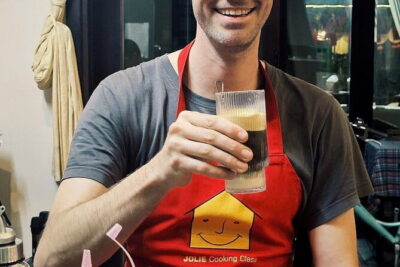
Da Nang Coffee Making and Vietnamese Home Cooking Class
Read our review →
Coffee Workshop: Make 6 Kinds of Vietnamese Coffee
Read our review →Browse the lists this tour appears in