
REVIEW · SPAIN COFFEE TOURS
Explore Gran Canaria’s Coffee at Finca Los Castaños
Coffee tastes better when you see where it grows. Finca Los Castaños offers a small-scale visit in the Agaete Valley, where you can follow coffee from plant to roasted bean, enjoy a tasting, and browse locally made products. I like the spectacular mountain setting and the chance to see coffee production in Europe rather than at a large commercial plantation. I also like the relaxed, personal feel, especially when guide Laura leads the visit and explains the farm with clear enthusiasm.
The main caution is that the short tour depends on weather and timing. One poor-weather visit became mostly a wait followed by coffee and crackers, while another visitor found the tour informative, friendly, and well organized. You should also check the language offered when booking, since French was not available during one visit.
What makes this coffee visit special
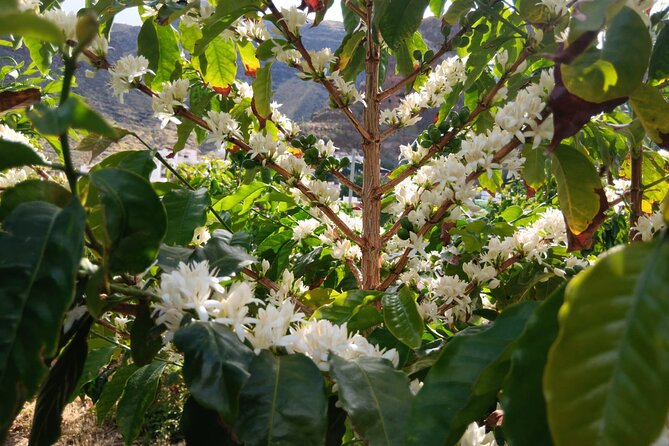
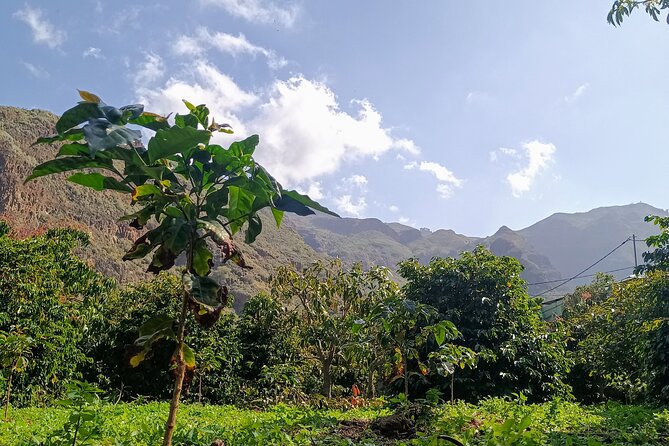
- Coffee in the Agaete Valley: See coffee plants growing among tropical crops and fruit trees in one of Gran Canaria’s most attractive agricultural areas.
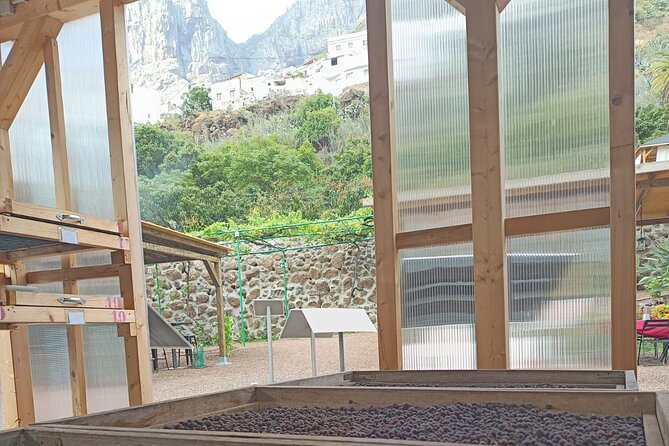
- From plant to cup: The visit explains harvesting, drying, roasting, and the practical challenges of producing coffee.
- Laura’s personal approach: Several descriptions point to Laura as a warm and committed guide who makes the farm feel personal rather than commercial.
- Fresh coffee and homemade jams: The tasting can include coffee, crackers, and homemade marmalades, adding a sweet local touch.
- A small-scale alternative: The farm suits you if you prefer a quiet, personal visit instead of a large group attraction.
- A short, good-value outing: At $23.66 per person and roughly 40 minutes to one hour, it can fit neatly into a day in northern Gran Canaria.
Arriving in the Agaete Valley
Finca Los Castaños is in Gran Canaria’s Agaete Valley, a setting that does much of the work before the tour begins. The farm is surrounded by tropical crops, fruit trees, and dramatic natural scenery. Even if coffee is your main interest, the location gives you a look at a greener and more agricultural side of the island.
This is a useful contrast to the resort areas in southern Gran Canaria. The visit gives you a reason to head north and see how the island’s climate supports crops beyond the usual tourist image of beaches and hotels.
The farm itself is described as beautifully maintained, with coffee trees growing alongside many kinds of fruit. That matters because this is not only a lesson about a single crop. You get a glimpse of a working finca, where coffee forms part of a wider agricultural setting.
The exact meeting and transport arrangements are not detailed, so you should check the booking information carefully before setting out. The location is near public transportation, which helps if you do not have a car, although the available route and walking distance are not specified.
More Coffee Farm Tours in the world:
- Award Winning Farm Tour: Coffee, Chocolate and Unique Gifts
★ 5.0 · 484 reviews - La Herradura Coffee Farm: tour in Europe’s only plantation
★ 4.8 · 430 reviews - Big Island: Volcanoes, Waterfalls, & Coffee Farm Day-Trip
★ 4.9 · 414 reviews
Following coffee from plant to roasted bean
The heart of the visit is the guided walk through the coffee-growing process. You begin with the plant itself, then learn how the beans are harvested, dried, and roasted. This simple order helps you understand what is in your cup instead of treating coffee as a finished product that appears by magic.
The farm visit is educational without being described as formal or heavy. The best accounts of the experience point to a relaxed explanation, with time to look at the plants and ask questions. That makes it a good choice if you want more than a tasting but do not want a long technical lecture.
You also get a look at the difficulties of growing coffee in a changing climate. This is one of the more useful parts of the visit because it connects the local farm to a larger issue. Coffee production depends on very particular growing conditions, so climate change is not an abstract topic here. It affects the work, the crops, and the future of the farm.
The scale of the operation is part of its appeal. You are not being shown a giant factory or a polished industrial process. You are seeing a smaller plantation where the farming, roasting, and selling of the product feel closely linked.
Laura’s friendly, personal guiding style
Laura is named as a guide in several descriptions, and her role seems to be one of the strongest parts of the visit. She is described as showing the plantation with heart and commitment, while also explaining the coffee process clearly in English during at least one visit.
That personal connection changes the tone. Instead of simply walking past plants with a recording in your ear, you get an explanation tied to the actual farm. You can see why the finca chose certain crops and how coffee fits into its daily work.
The atmosphere is also family-friendly. One account specifically describes the hosts as patient with young children. That does not mean the visit is designed as a children’s program, but families should find the relaxed pace easier than a long museum tour.
Language is worth checking before you reserve. English was available for one visit, while French was not available for another. The supplied information does not confirm a fixed language schedule, so do not assume that every tour will be offered in the language you prefer.
The coffee and jam tasting
The tasting is included, and coffee is the clear star. You can expect freshly roasted coffee, with some visits also including crackers and homemade marmalades. The jams add a pleasant local-food element and make the tasting feel connected to the wider farm rather than limited to one drink.
The tasting may include one type of coffee, so you should not expect a large comparative coffee flight. If your idea of a plantation tour involves several brewing methods or a long professional tasting, this may feel modest. If you simply want to taste the farm’s own coffee after seeing how it is made, the format makes sense.
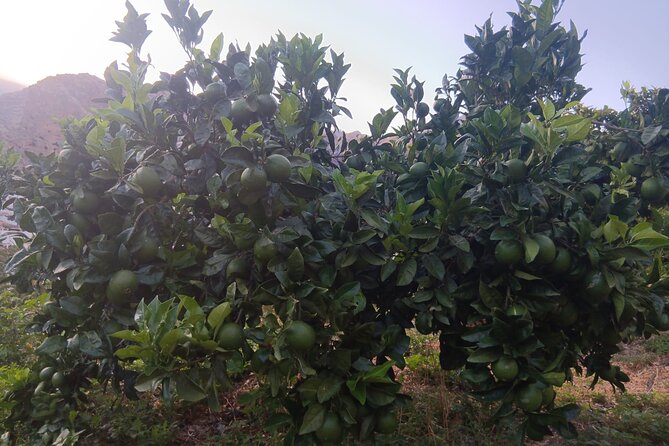
The fruit grown on the property can also be part of the experience. One description mentions freshly picked fruit being tasted during the visit. The exact fruit and tasting selection can change, so treat this as a possible extra rather than a guaranteed menu.
This is also the point where you can browse the shop. Products include coffee and artisanal items, along with farm-grown goods. The purchase is optional, but it gives you a practical way to take the experience home.
Prices for shop products may feel high compared with supermarket coffee. A 125-gram package was described as costing $12.50, so you should view a purchase as a specialty farm product rather than a bargain. The small package may suit you if you want a souvenir without buying a large quantity.
A few more coffee tours around the world worth a look
- Hanoi Coffee Experience: 6 Brews, 9 Recipes & 3 Liquor Tastings
★ 5.0 · 2,945 reviews - Medellin: Coffee Tour with Transport, Snacks and Tastings
★ 4.7 · 1,357 reviews - Istanbul: Turkish Coffee Making and Fortune Telling Workshop
★ 4.9 · 1,308 reviews - Hanoi Coffee Workshop: Taste Salt, Coconut and Egg Coffee
★ 5.0 · 1,286 reviews
Is $23.66 good value?
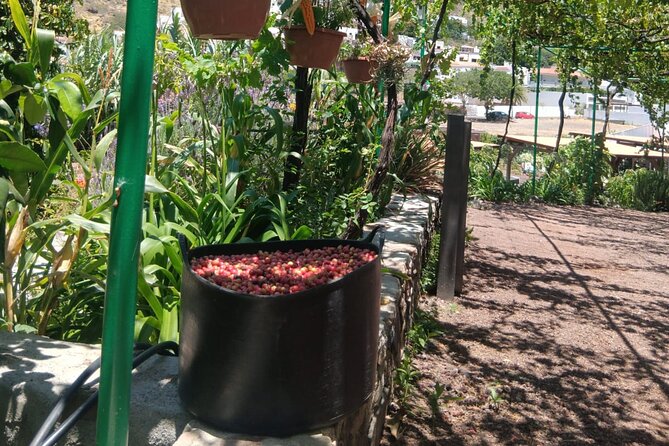
At $23.66 per person, the price is reasonable if you value the setting, the guided explanation, and the tasting. You are paying for more than a cup of coffee. The visit combines a farm walk, an introduction to cultivation and roasting, a drink, and time to browse the farm shop.
The short duration also affects the value. At around 40 minutes to one hour, this is not an all-day activity. That makes it easy to combine with other plans in the Agaete area, but it also means you should not expect a long plantation program with a full meal.
I would consider it good value for three types of visitors. First, coffee drinkers who want to understand production. Second, families looking for a low-pressure outing. Third, visitors staying in southern Gran Canaria who want a change from resort life and a reason to see the north.
The value is less clear if you mainly want a large tasting session, a full lunch, or a detailed commercial coffee workshop. Lunch is not included, and the information does not promise a substantial food service. Plan to eat elsewhere rather than arriving expecting a meal.
Weather can change the shape of the visit
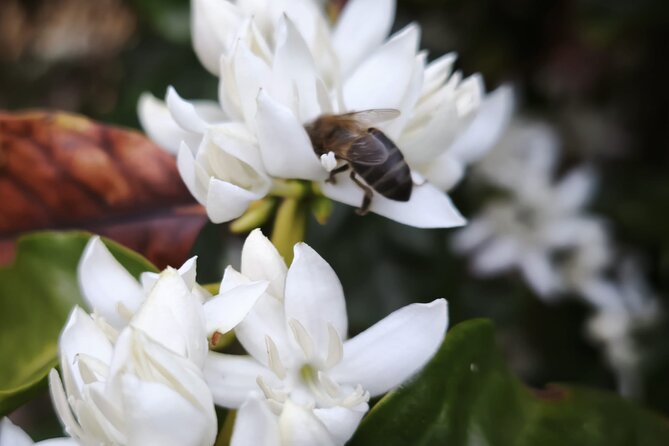
The outdoor setting is a strength, but it also creates the main practical weakness. Rain can interrupt the walk through the plantation. One difficult visit involved waiting for the weather to improve, followed by a return to heavy rain and an early departure.
That does not mean every rainy day will go badly. It does mean you should have realistic expectations. If the weather turns poor, the visit may become more focused on tasting than on seeing the outdoor coffee plants.
I would check the forecast before booking and avoid treating this as a completely weather-proof activity. Comfortable shoes and a light rain layer make sense, though specific clothing requirements are not provided.
Timing may also be worth confirming. One account described a delay before the personal visit began. This may have been an unusual situation, but it suggests that the pace can be informal rather than tightly scheduled. If you have a ferry, meal reservation, or another timed activity immediately afterward, leave extra room.
A quiet alternative to mass tourism
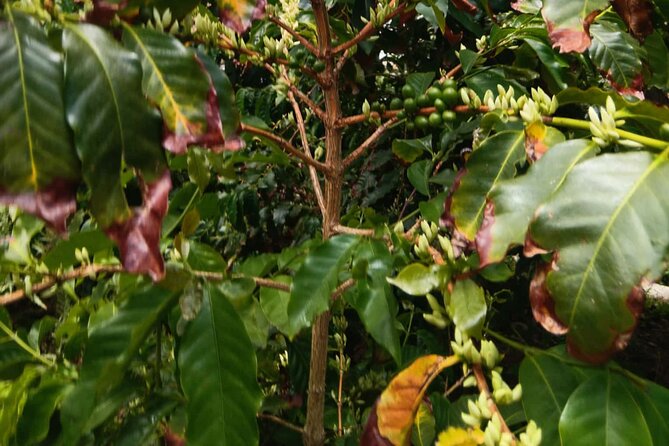
The strongest reason to choose Finca Los Castaños is its scale. The farm is presented as a small plantation with a personal approach, and that gives the visit a more genuine feel than a large attraction built around moving crowds quickly from one stop to another.
You can look at the coffee plants, hear about the work involved, taste the result, and meet people connected to the farm. That connection between crop and cup is the main lesson, and it is easy to remember because you see the whole chain in one place.
I also like that the experience does not pretend coffee is effortless. The discussion of climate challenges adds some substance. You learn not just how coffee is grown, but why producing it in this setting requires care and adaptation.
The trade-off is that a small farm may not offer the polished consistency of a major attraction. Weather, language, waiting time, and the exact tasting can affect the day. If you like informal visits and can accept some flexibility, that is part of the charm. If you want a tightly timed program, you may prefer a larger operation.
Who should book this farm visit?
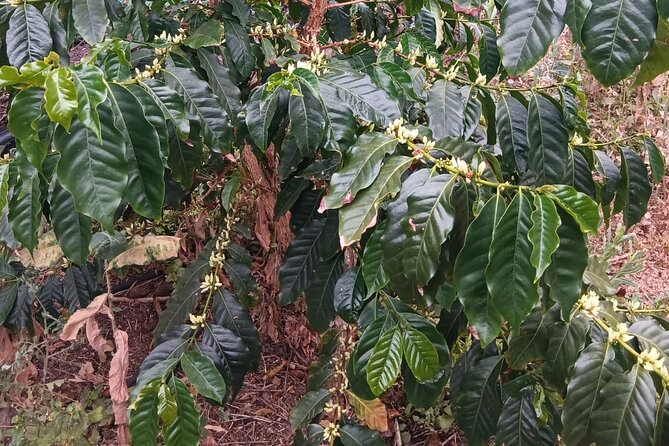
I would recommend it to coffee lovers, families, and anyone interested in local food production. The tour is short enough for a half-day plan, and the Agaete Valley gives you a reason to explore beyond the island’s main resort zones.
It also suits you if you prefer personal contact and small-scale agriculture. The warm welcome, relaxed explanation, coffee, and homemade jams all contribute to a visit that feels more like meeting a working farm than attending a standard attraction.
You may want to think twice if you need French guiding, dislike outdoor activities in uncertain weather, or expect a large tasting menu. The tour is also not the best fit if lunch is important, since lunch is not included.
Confirmation is provided when you book, and the mobile ticket makes entry simple. Service animals are allowed, and most people can take part. Free cancellation is available up to 24 hours before the start time, but changes or cancellations inside that window are not refunded.
Should you book Finca Los Castaños?
Book this visit if you want to connect Gran Canaria’s scenery with its farming traditions. The best parts are the Agaete Valley setting, the walk through coffee production, Laura’s personal guiding style, and the tasting of fresh coffee with homemade jams.
I would book with two small precautions: confirm the tour language and check the forecast. Then keep your schedule flexible enough to allow for the informal pace. At $23.66, it is a sensible choice for a short, authentic food experience, especially if you are already planning time in or near Agaete.
FAQ
Where is Finca Los Castaños?
Finca Los Castaños is in Gran Canaria’s Agaete Valley in Spain.
How long does the experience last?
The visit lasts approximately 40 minutes to one hour.
How much does the tour cost?
The listed price is $23.66 per person.
What does the tour include?
The experience includes admission to the coffee farm, a guided visit, and coffee and/or tea.
Is lunch included?
No. Lunch is not included in the tour price.
What will I learn during the visit?
You will learn how coffee is cultivated, harvested, dried, and roasted, from the plant through to the finished bean. The visit can also cover the challenges created by climate change.
Is the experience suitable for families?
Most people can participate, and the hosts have been described as patient with young children. The tour is a relaxed farm visit rather than a dedicated children’s program.
Can I cancel for a refund?
Yes. You can cancel up to 24 hours before the experience start time for a full refund. Cancellations or changes made less than 24 hours before the start time are not refunded or accepted.
Just added around the world
- Vietnamese Coffee Making Class in Hoi An★ 5.0 · 4 reviews
- Venice Delights: Coffee & Food Experience Walking Tour★ 5.0 · 2 reviews
- Yerevan: Private Coffee Tour with 2 Café Stops★ 5.0 · 2 reviews
- Vietnamese Coffee 101 Workshop★ 5.0 · 11 reviews
- Ubud: Waterfall, Holy Water Temple,Swing&coffee plantation★ 5.0 · 9 reviews
- Vancouver: Street Art & Craft Coffee Walking Tour w/ Tasting★ 4.8 · 11 reviews
- Vienna: Guided Viennese Coffee-House Tour★ 5.0 · 2 reviews
- Coffee pleasure walking tour★ 5.0 · 12 reviews
Spain Coffee Tours, compared.
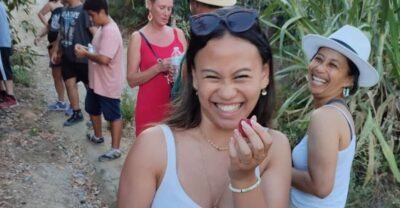
La Herradura Coffee Farm: tour in Europe’s only plantation
Read our review →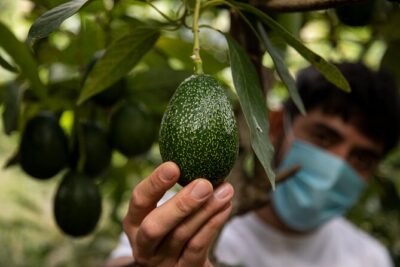

Barcelona: Sunrise Standup Paddle Tour w/ 4K Video & Coffee
Read our review →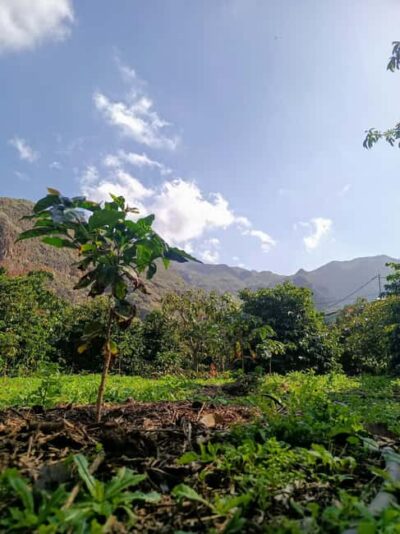
Finca Los Castaños: Agaete Valley Coffee Tour & Tasting
Read our review →


Whiskers & Coffee: Relax and Play with Adorable Cats
Read our review →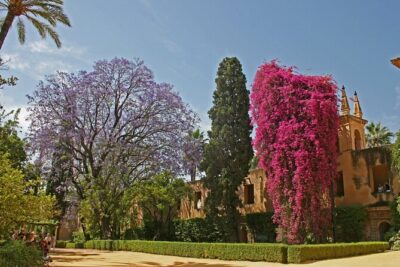
Exclusive Alcazar with breakfast or afternoon coffee in gardens
Read our review →Browse the lists this tour appears in