REVIEW · VIETNAM COFFEE TOURS
Buon Ma Thuot: Bean to Brew Coffee Farm Tour with Tasting
Coffee begins with a cherry, not a machine. This short farm visit near Buon Ma Thuot takes you from coffee trees to the finished cup, with practical lessons on Robusta and Arabica production, irrigation, pruning, and processing. I like the chance to taste freshly picked coffee cherries, and I like that the farm explains both organic and conventional methods instead of presenting one approach as the only answer. The main drawback is the short format: one hour may feel rushed, and one guest reported a visit lasting only 20 minutes.
At $18 per person, this is a good-value introduction for coffee drinkers who want more than a café stop. You get a guided plantation visit and a specialty coffee tasting, but you do not get hotel transport or packaged coffee. Clear directions matter, too. One guest found the farm difficult to locate, so allow extra time and contact the instructor if you are unsure of the meeting point.
Key points to know before booking
- The farm is in Ea Kao, about 10 kilometers from central Buon Ma Thuot, so you need to arrange your own way there.
- Robusta and Arabica are both part of the lesson, giving you a useful look at two important coffee types.
- The work is hands-on in principle, with instruction on pruning, bud breaking, weeding, fertilizing, and cleaning around the trees.
- Harvesting depends on the season, so cherries may not be picked or dried during your visit.
- Your tasting includes black or milk coffee, prepared by machine or traditional filter.
- The tour is offered in English and Vietnamese and is wheelchair accessible, though the farm setting may still be worth discussing with the provider in advance.
Why Buon Ma Thuot is the right place for a coffee tour
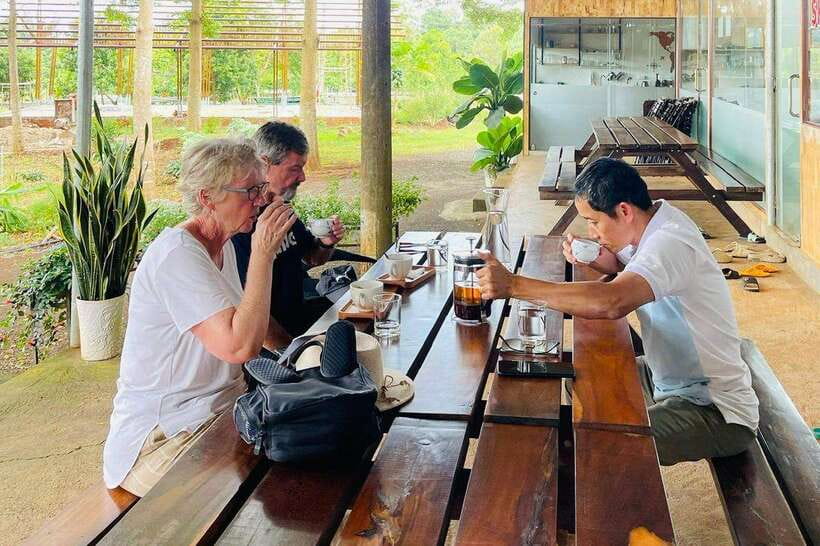
Buon Ma Thuot is widely known as Vietnam’s coffee capital, and the Central Highlands give the subject a real sense of place. Coffee here is not just a drink served after a meal. It is an agricultural product shaped by sun, wind, mountain conditions, water, labor, and timing.
That makes a farm tour more useful than a standard tasting session. You can connect the flavor in your cup with the work required before the beans reach a roaster or café. At this farm, the focus is on the complete chain, from caring for the coffee tree to processing the bean and preparing the final drink.
I also like the location outside the city center. The farm is only about 10 kilometers from Buon Ma Thuot, so it is not a major expedition, but it gives you a break from urban streets. You will need to arrange your own transport, since pickup and drop-off are not included.
The setting is described as a small, welcoming coffee farm surrounded by nature. That matters because the visit is meant to show ordinary agricultural work, not create a polished theme-park version of coffee production.
More Coffee Farm Tours in Vietnam
- Coffee Farm Tour with Roasting & Tasting Workshop – Da Lat
★ 5.0 · 126 reviews - Dalat’s countryside|Coffee Plantations Tour beyond Elephant falls
★ 5.0 · 59 reviews - Dalat Countryside Motorbike Day Tour–Coffee Farms & Pagodas
★ 5.0 · 53 reviews
Starting at Ea Kao and finding the farm
The meeting point is in Ea Kao. After booking, you receive the precise location, directions, and the instructor’s contact information. Arrive at least five minutes early.
That advice deserves attention. The farm is not in the middle of central Buon Ma Thuot, and one person found the correct location particularly difficult to reach. I would not cut this close, especially if you are using a local driver or navigating unfamiliar roads. Save the directions before leaving the city and keep the instructor’s phone number available.
Because transport is not included, the $18 price does not cover your ride. This is still a modest cost for the farm visit and tasting, but you should include transport when judging the total value.
The activity is listed as one hour, while the farm visit is described as lasting 80 minutes. That creates a small timing question. Most likely, you should plan for roughly one to one and a half hours, rather than arranging another appointment immediately afterward. A short report of a 20-minute visit also suggests that the length may depend on the pace of the guide, the season, and the questions you ask.
Walking through the coffee garden
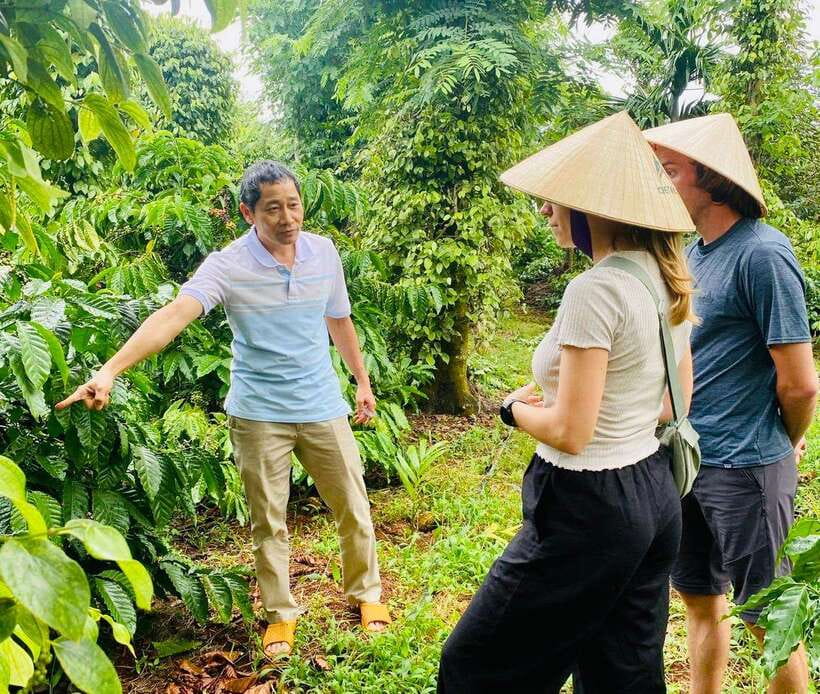
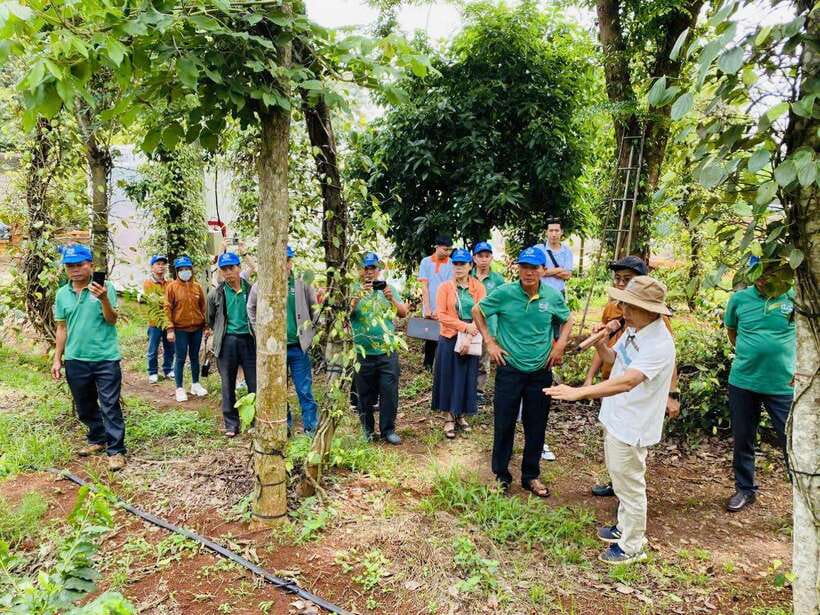
The main part of the visit takes place in the coffee plantation. Your instructor introduces the trees and explains how Robusta and Arabica are grown and handled in the area.
This is where the tour earns its price. A cup of Vietnamese coffee can seem simple, but the farm helps you see the many decisions behind it. You learn about the condition of the trees, the timing of care, water use, and the steps required before the bean can be sold or brewed.
The farm also explains coffee care tasks such as:
- Pruning branches
- Breaking or removing buds as needed
- Weeding around the trees
- Applying seasonal fertilizer
- Cleaning the basin around each coffee tree
These details are useful because they show that coffee farming is ongoing work, not something that happens only during harvest. Even outside the picking season, there is still plenty to discuss and observe.
You should expect a guided walk rather than a long outdoor work session. The supplied details say you join local workers in these care processes, but they do not promise that every task will be performed during every visit. Ask the instructor what work is active that day.
Robusta, Arabica, and the taste in your cup
The farm covers both Robusta and Arabica coffee. That comparison is one of the strongest reasons to choose this activity.
You will learn how the two types differ in cultivation, processing, and quality. The guide also explains different quality standards, helping you understand why coffee from the same broad region can vary in price and flavor.
Robusta is especially important in Vietnam, particularly in the Central Highlands. Arabica adds a useful point of comparison, since many coffee drinkers know the name but may not understand how its production differs from Robusta. The tour gives you a chance to connect those names with real trees and real farming decisions.
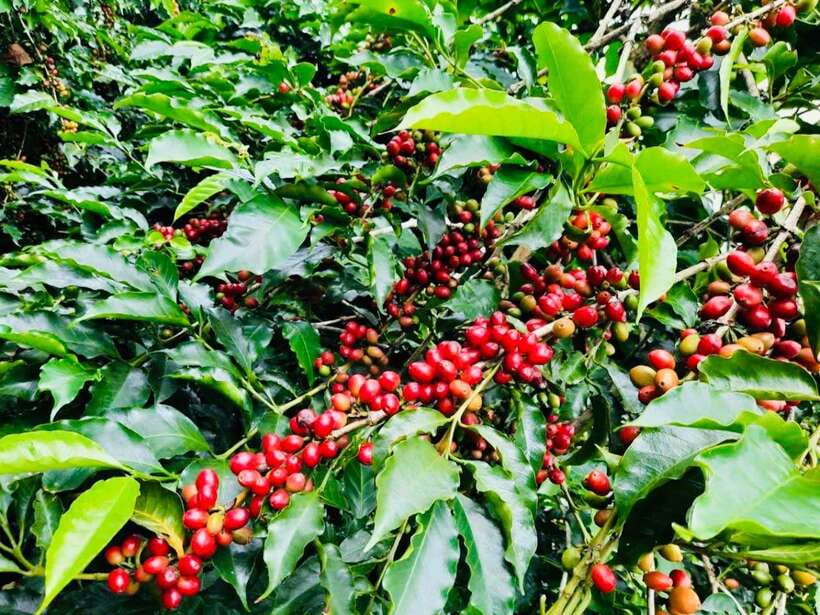
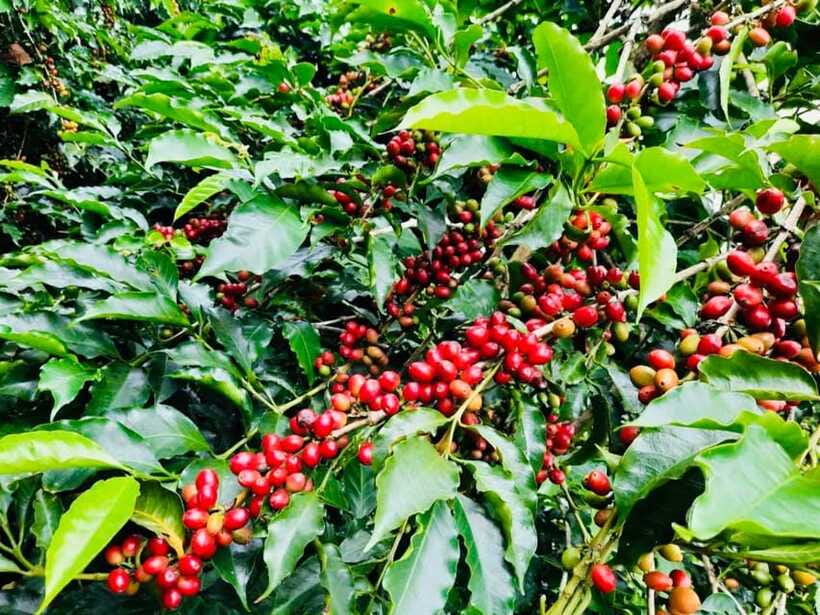
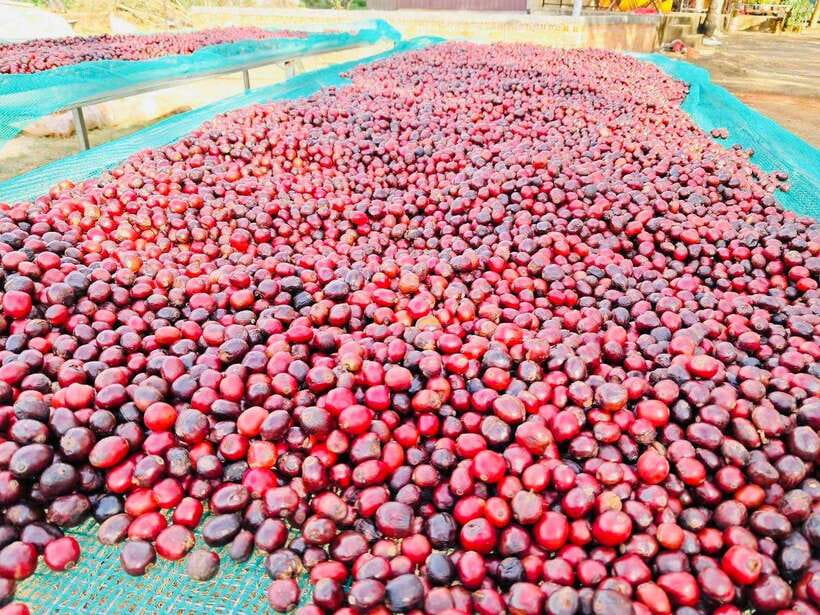
One appealing detail is the chance to taste freshly picked coffee cherries if they are available. That is not the same as drinking brewed coffee. A cherry gives you a direct sense of the fruit around the seed, before drying, processing, roasting, and brewing change its character.
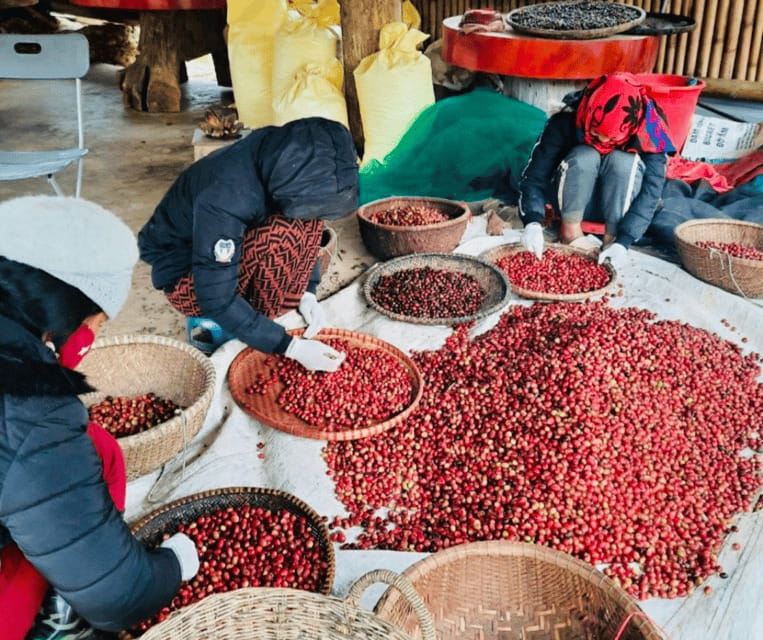
Harvest timing matters here. Outside the coffee harvest season, picking and drying activities do not take place. The rest of the program continues, but you should not book this expecting to see every stage in action at any time of year.
More Coffee Tastings in Vietnam
- Hanoi Coffee Experience: 6 Brews, 9 Recipes & 3 Liquor Tastings
★ 5.0 · 2,945 reviews - Da Nang Cooking Class with Coffee Tasting and Market Visit
★ 5.0 · 310 reviews - Hanoi: Hands-On 5 Vietnamese Coffees & 3 Local Wines Tasting
★ 5.0 · 14 reviews - Ho Chi Minh: Tasting Iconic Coffee of 3 Regions in Vietnam
★ 5.0 · 5 reviews
Organic and conventional farming, explained plainly
The farm introduces the difference between organic and conventional coffee growing. This is valuable because coffee labels can sound impressive while remaining vague to shoppers.
You are given a chance to consider how farming methods affect tree care, fertilization, weed control, and the wider farm. The tour does not appear to promise a sales pitch for one method. That balanced approach is helpful, especially if you want to understand the practical choices farmers make.
The information available does not identify the entire farm as certified organic, so do not assume that the visit is an organic-farm tour. Instead, think of this part as an explanation of two farming approaches and their advantages and limits.
For me, that makes the subject more honest. Farming is shaped by local conditions, cost, water, labor, and the needs of the crop. A brief visit cannot answer every question, but it can give you a better basis for understanding what appears on a coffee package.
Irrigation and the work behind healthy trees
Water is another important part of the lesson. You receive an introduction to traditional irrigation systems and instructions on how they operate. The guide also discusses the benefits of irrigation technology.
This section adds practical context to the farm walk. Coffee trees need care between harvests, and water management can affect both plant health and production. Seeing the system at the farm helps turn a general explanation into something you can picture.
The experience does not promise a large machinery demonstration or a technical engineering class. It is more likely to be a straightforward introduction, suited to curious visitors rather than agricultural specialists.
Still, it is a worthwhile inclusion. Many coffee tastings focus only on flavor. Here, you also learn about the water and maintenance decisions that help produce the beans in the first place.
Processing coffee with the wet-dry method
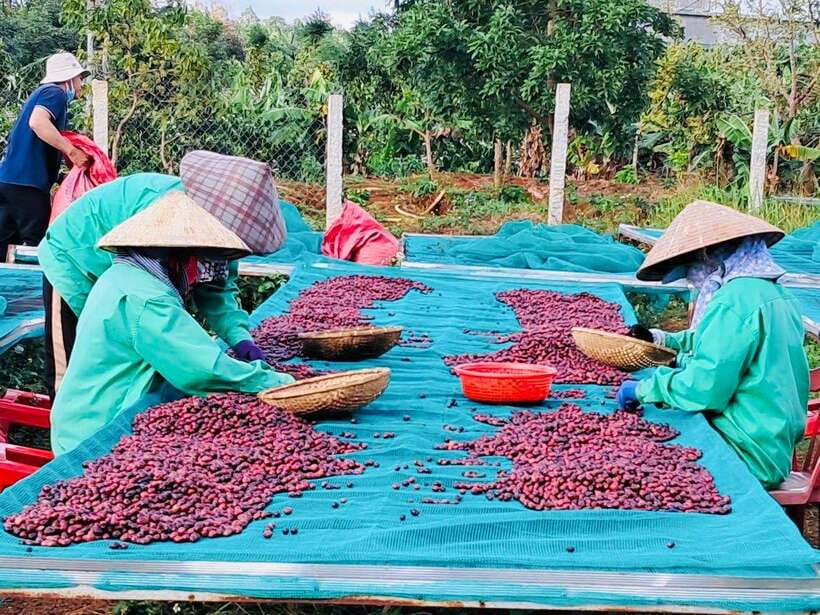
The farm explains how coffee is processed using a wet-dry method to create specialty coffee. This is a central part of the bean-to-brew theme.
Processing changes the final flavor, so it deserves more attention than it usually gets on a café menu. The guide takes you through the basic idea of moving from harvested fruit to usable coffee beans, with attention to how the beans are treated before roasting.
If you visit during harvest season, you may see more of the picking and drying work. Outside that period, the explanation continues, but the physical activity may not be happening. That difference is important if your main interest is photography or seeing the full process in motion.
The farm also gives you a better understanding of why specialty coffee costs more than ordinary commercial coffee. Careful selection, controlled processing, and quality standards all take time. The $18 fee is not only buying a drink. It gives you access to the story and labor behind it.
Ending with a black or milk coffee tasting
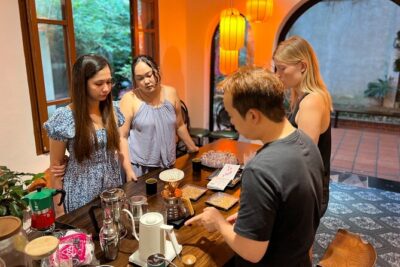
The visit ends with a professionally prepared cup of coffee or tea, according to the available options at the farm. For coffee, you can choose black or milk coffee, prepared by machine or filter.
That choice makes the ending feel personal. You can try a clean black cup if you want to focus on the coffee itself, or choose milk coffee for a softer, more familiar Vietnamese style. The filter option is especially appropriate here because it connects the farm visit with a traditional way of serving coffee.
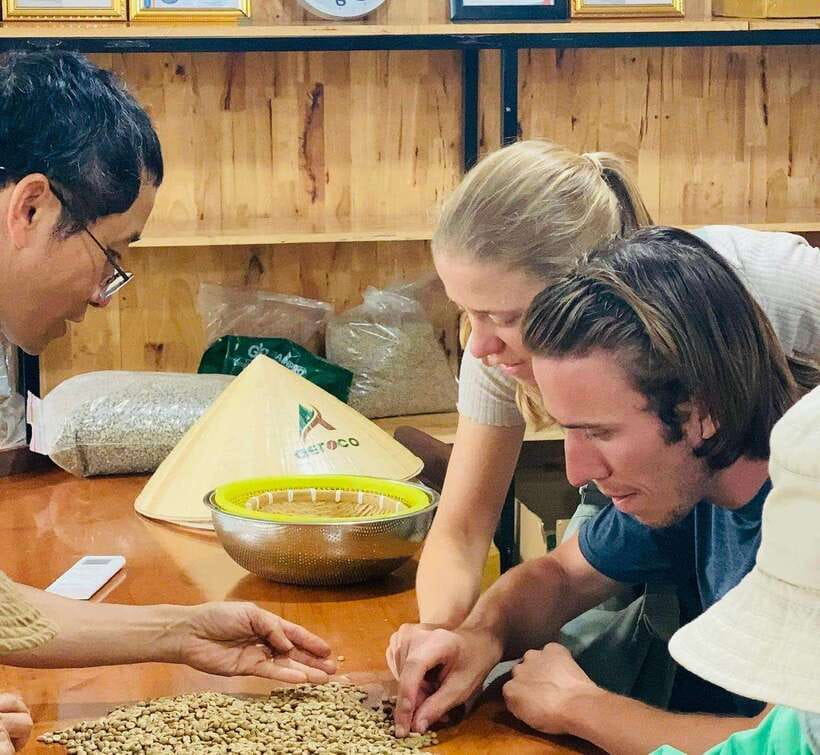
The tasting is consistently described as a strong part of the experience. The farm offers coffee-bean tasting as well as the final drink, and you may be able to sample different coffee types or freshly picked cherries when conditions allow.
Do not expect a long professional cupping course. This is a short introduction, not a specialist certification session. But for most visitors, the tasting provides enough context to make the earlier lessons more memorable.
The flavor is presented as being shaped by the Central Highlands’ sun, wind, and mountains. That language is a little poetic, but the basic point is sound: the final cup is connected to where and how the coffee was grown.
How much value do you get for $18?
At $18 per person, the tour is priced fairly for a private-feeling local activity that includes instruction, the plantation visit, and a specialty tasting. You also receive guidance on farming, processing, irrigation, and brewing without paying separate fees for each part.
The value is strongest if you are already interested in coffee, agriculture, or local food production. You will get more from the tour if you ask questions and take time with the guide rather than treating it as a quick photo stop.
The value is weaker if you expect a long farm day, transport from your hotel, or a large tasting menu. Packaged coffee is not included, though coffee may be available for purchase separately. Personal expenses are also your responsibility.
The short duration keeps the price accessible, but it limits the amount of work you can see. I would treat this as a useful introduction that fits into a morning or afternoon, not as a full-day agricultural visit.
Who should book this coffee farm visit?
I would recommend it to:
- Coffee drinkers who want to understand production before tasting
- Visitors with a free hour near Buon Ma Thuot
- People interested in Robusta, Arabica, and Vietnamese coffee culture
- Families or small groups looking for a calm outdoor activity
- Anyone curious about organic and conventional farming
- Visitors who prefer a local business over a standard city attraction
It may not suit you if you want a guaranteed harvest demonstration. It may also disappoint if you need hotel transport or expect a long, highly structured program.
The activity is listed as wheelchair accessible, which is useful information. Farm surfaces can vary, so if you need specific access arrangements, use the instructor’s contact details before arrival.
The guide speaks English and Vietnamese. The quality of communication may depend on the individual session. One person found the English difficult, while other accounts describe the guide as friendly, informative, and willing to answer questions. If a detailed English explanation is important to you, confirm the language support when booking.
Practical tips for a smoother visit
Bring sun protection. The tour does not provide it, and the coffee garden is an outdoor setting. A hat, sunscreen, and water are sensible additions.
Wear shoes suitable for a farm path. The available information does not describe the exact ground conditions, but you should be ready for an agricultural setting rather than a paved city attraction.
Arrive early, especially if you are finding the farm yourself. Five minutes is the official minimum, but I would allow extra time because the location has caused confusion.
If you care about seeing coffee cherries picked and dried, ask about the harvest season before booking. Those activities are not available year-round.
Finally, keep your expectations in proportion to the clock. The advertised duration is one hour, with an 80-minute plantation visit also described. The actual pace may vary, so leave some space around the tour.
Should you book the Buon Ma Thuot coffee farm tour?
Book it if you want a reasonably priced, local introduction to coffee production and you can arrange your own transport to Ea Kao. The combination of farm care, Robusta and Arabica education, processing, and a final cup gives you far more context than a café tasting alone.
Skip it if you need a guaranteed full harvest demonstration, a long workshop, or door-to-door transportation. Also confirm the meeting point and language support before you go.
For most coffee-minded visitors, the tasting and the chance to see how the trees are cared for make this a worthwhile stop. Just bring sun protection, allow extra time for directions, and remember that the season may decide how much harvesting you actually see.
FAQ
Where is the coffee farm located?
The farm is in Ea Kao, about 10 kilometers from Buon Ma Thuot city center. Exact directions and the instructor’s contact details are provided after booking.
How long does the tour last?
The activity is advertised as one hour, while the plantation visit is described as lasting 80 minutes. Allow roughly one to one and a half hours and avoid scheduling another activity immediately afterward.
Is hotel pickup included?
No. Hotel pickup and drop-off are not included, so you must arrange your own transport to and from the coffee farm.
Can I see coffee being harvested?
Only if you visit during the coffee harvest season. Outside harvest season, picking and drying do not take place, though the other farm activities continue.
What coffee can I taste?
You can taste black or milk coffee prepared by machine or filter. A specialty tasting is included, and coffee-bean or fresh-cherry tasting may be available depending on conditions.
Is the tour offered in English?
Yes. The instructor speaks English and Vietnamese. The activity is also listed as wheelchair accessible.
More Food and Drink Tours in Vietnam
- Hanoi: Vietnamese Street Food Tour with Egg Coffee
★ 4.9 · 315 reviews - Hanoi Egg Coffee Class and Street Food Walking Tour
★ 5.0 · 33 reviews - Ho Chi Minh Street Food Tour and Vietnamese Coffee
★ 5.0 · 28 reviews - Discover Hanoi’s Street Food by Night & Mini Class Coffee
★ 4.8 · 28 reviews
More Specialty Coffee Tours in Vietnam
- Experience specialty coffee with sustainable coffee farmers
★ 4.9 · 91 reviews - Vietnamese Bread & Brew: Banh Mi Baking Class & Specialty Coffee
★ 5.0 · 76 reviews - Buon Ma Thuot: Coffee Farm Tour (Bean to Brew) with Pickup
★ 4.6 · 24 reviews - Ho Chi Minh City: Vietnamese Specialty Coffee Journey
★ 5.0 · 4 reviews
Just added around Vietnam
- Vietnamese Coffee Making Class in Hoi An★ 5.0 · 4 reviews
- Vietnamese Coffee 101 Workshop★ 5.0 · 11 reviews
- Hoi An Vietnamese Coffee Workshop: Hands-On Brewing Class★ 5.0 · 3 reviews
- Vietnamese Egg Coffee Making Course in Hoi An★ 3.5 · 2 reviews
- Hoi An Coffee Tasting And Old Town Discovering Tour★ 5.0 · 4 reviews
- Hoi An Coffee Making Workshop★ 5.0 · 7 reviews
- Authentic Vietnamese Coffee Making Experience in Hoi An★ 5.0 · 13 reviews
- Farming- Market- Lantern making- Coffee- Cooking (JHA4)★ 5.0 · 4 reviews
Vietnam Coffee Tours, compared.
Hanoi Coffee Experience: 6 Brews, 9 Recipes & 3 Liquor Tastings
Read our review →
Hanoi Coffee Workshop: Taste Salt, Coconut and Egg Coffee
Read our review →
Salt Coffee Workshop Awake Your Senses With 6 Brews
Read our review →

Master the Art of 4-6 Signature Vietnameses Coffees
Read our review →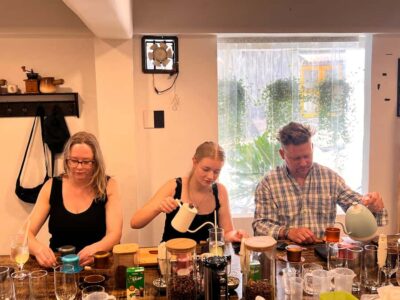
Egg coffee & Course on 4 traditional types of Viet coffee
Read our review →