REVIEW · BEIJING, CHINA
Beijing Hutong Breakfast & Coffee Tour
Beijing tastes better before noon. This 3.5 to 4-hour walk combines local breakfast, market snacks, historic hutongs, a quiet Buddhist temple, and coffee in a neighborhood where old and new Beijing meet. I like the way food and daily life share equal billing here. You are not simply moving from one famous sight to another. You are eating where locals eat and watching ordinary neighborhood life unfold.
I also like the route’s variety. Sesame balls and wontons begin the morning, jianbing follows at a local market, and traditional sweets appear later at Huguosi Hutong. The main consideration is pace: this is a long walking morning with several food stops, and the $75 price makes the most sense if you value a guide, cultural context, and a broad introduction to old Beijing rather than just a cheap breakfast.
Key points to know before booking
- Breakfast begins with sesame balls and wontons: The first stop offers sweet, crisp sesame balls filled with red bean and wontons in warm broth.
- Shijia Hutong shows everyday Beijing life: Courtyard homes, older residents chatting near their doors, and children playing give this walk a human scale.
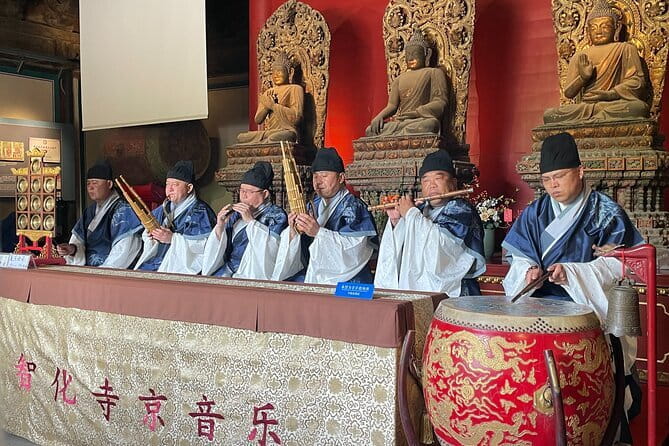
- Zhihua Temple may include traditional temple music: Timing permitting, you may hear a rare musical tradition combining imperial, Buddhist, and folk elements.
- The route uses several historic neighborhoods: Dengshikou, Shijia, Dongtangzi, Huguosi, and Xizongbu each show a different side of the old city.
- Coffee ends the morning: The final stop at 10000 Cafe in Xizongbu Hutong provides a modern finish after a morning of traditional food.
- Small-group format matters: The experience is advertised for fewer than 12 people, though the booking information also gives a maximum of 20, so confirm the expected group size if that is important to you.
A breakfast start on Dengshikou Avenue
The meeting point is at 5 Deng Shi Kou Da Jie in Dongcheng District, with an 8:30 am start. That early hour is useful. Beijing’s hutongs feel more connected to local routines in the morning, and breakfast foods are at their most natural before the day gets busy.
The first eatery sets the tone. You can try sesame balls with a golden, crisp exterior and sweet red bean inside. The texture gives you a nice contrast: crunchy outside, soft and sweet within. Wontons provide the savory side, with thin wrappers, generous filling, tender meat, and hot broth.
This is a good place to begin if you want some help ordering or understanding what is in front of you. Breakfast in Beijing is not built around one standard plate. It includes quick foods, filled dough, fried snacks, warm soups, and crepes. A guide can explain how these items fit into local eating habits instead of leaving you to guess from a menu.
The stop lasts about 30 minutes. That is enough time for a taste, but do not expect a long sit-down meal. The tour includes breakfast at two or three food stops, unlimited food and drinks, bottled water, and coffee or tea. Exact portions are not specified, so you should think of the morning as a series of tastings rather than one large breakfast.
A few more coffee tours around the world worth a look
- Hanoi Coffee Experience: 6 Brews, 9 Recipes & 3 Liquor Tastings
★ 5.0 · 2,945 reviews - Medellin: Coffee Tour with Transport, Snacks and Tastings
★ 4.7 · 1,357 reviews - Istanbul: Turkish Coffee Making and Fortune Telling Workshop
★ 4.9 · 1,308 reviews
Shijia Hutong and the old courtyard pattern
After breakfast, the route moves into Shijia Hutong for about 25 minutes. The main attraction here is not a single monument. It is the shape of the neighborhood and the way people use it.
Traditional siheyuan courtyards line the lane. These homes are arranged around courtyards, with entrances and walls that create a more private world behind the street front. You will see an older form of Beijing housing, but you will also see signs of present-day life: residents sitting near their doors, chatting, sunning themselves, and children using the narrow lanes as play space.
I like this stop because it puts the grand story of Beijing at street level. A palace or museum can explain dynasties and architecture. A hutong shows how people shared space, kept routines, and built relationships with neighbors.
The trade-off is that this is a lived residential area, not a staged attraction. The lane may feel quiet, worn, or uneven in places. That is part of its value, but anyone expecting polished streets and constant sightseeing drama may find this section modest. Keep your voice low and follow the guide’s lead around homes and residents.
Jianbing at the Chaoyangmen local market
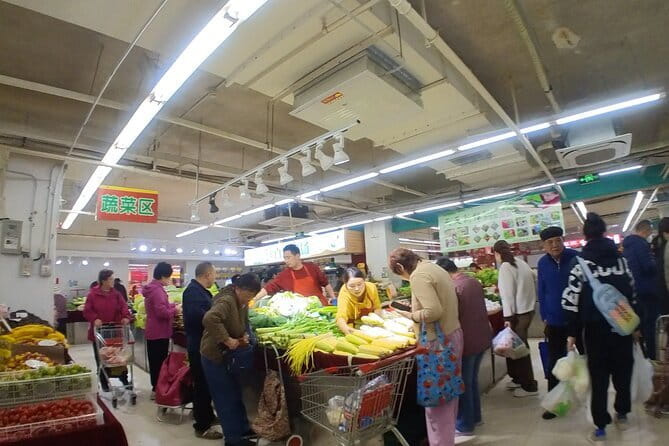
The next food stop is around Nanxiaojie South Road and Dafangjia Hutong, with about 15 minutes at the local market. This is a short stop, but it adds something important: a look at practical neighborhood commerce.
The market sells fresh produce and daily necessities. The main taste here is jianbing, a savory crepe that is one of Beijing’s best-known quick breakfasts. It is made to order and eaten as a convenient street meal. The tour gives you a chance to try it in the setting where this kind of food belongs, surrounded by ordinary shopping rather than a dining room designed for visitors.
The short timing means you should not expect a full market tour. Think of it as a brief window into local buying habits, paired with one signature snack. If you are especially interested in food preparation or want time to shop, you may wish the stop lasted longer.
Still, this is one of the most useful parts of the morning. The market connects the food to the community. You see what people buy for daily life, not only what has been selected for a sightseeing menu.
Zhihua Temple, murals, and the chance of temple music
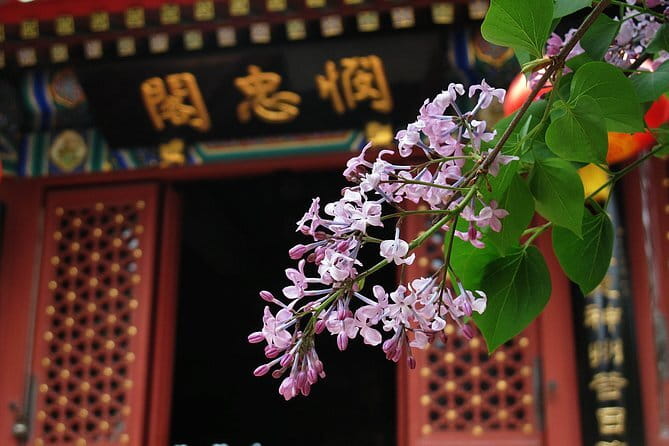
Zhihua Temple is scheduled for about 40 minutes. It sits in Lumicang, away from the main noise of the city, and gives the route a welcome change of mood.
The temple is known for Ming Dynasty murals, Buddhist artifacts, and its quiet interior. Incense and chanting may replace the sound of traffic once you pass through the gates. The visit adds a cultural layer that food tours often miss. You are not just sampling old Beijing flavors. You are also seeing a religious site tied to the city’s traditional life.
If timing permits, the group may hear Beijing temple music. This tradition combines imperial court, Buddhist, and folk elements and is described as a living example of ancient Chinese music. The wording matters: it is dependent on timing, so you should not book this tour solely for a guaranteed musical performance.
The temple visit is also the part most affected by opening conditions and the morning schedule. The tour data confirms admission is included, but it does not promise that every interior feature or music session will be available every day. The guide can provide context and help you make the most of the visit even if the music is not taking place.
Same place, a different cup:
- Hanoi Coffee Workshop: Taste Salt, Coconut and Egg Coffee
★ 5.0 · 1,286 reviews - Vienna for Food Lovers: Cafés, Markets & Austrian Cuisine
★ 5.0 · 1,063 reviews - Big Island Highlights: Coffee, Volcano, Black Sands & Waterfall
★ 5.0 · 1,054 reviews - Hanoi: Salt Coffee Workshop Awake Your Senses With 6 Brews
★ 5.0 · 792 reviews
Dongtangzi Hutong and Beijing’s literary memory
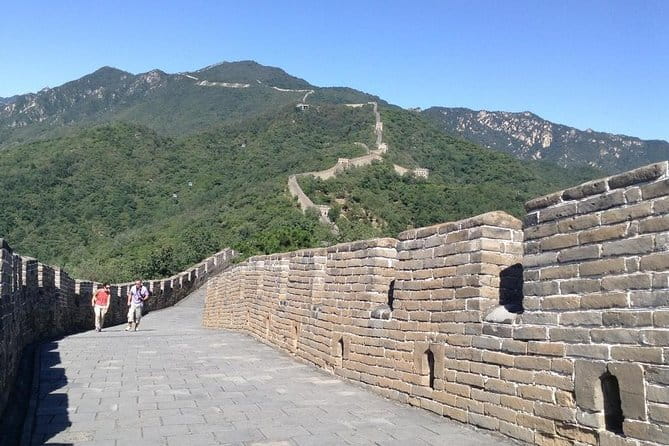
The longest walking section is Dongtangzi Hutong, scheduled for about one hour. This is where the tour gives history more room to breathe.
The lane has connections to notable figures including Wu Lien-teh and Cai Yuanpei. Their former residences add a layer of modern Chinese history to the walk. You can look beyond the walls and lanes as scenery and consider who lived here, worked here, and shaped the country during periods of major change.
This is not a formal museum visit with a large collection of displays. Much of the experience comes from walking, listening, and noticing the remaining architecture. Time has weathered the area, and the former homes may not look grand. That is precisely why a guide is useful. Without context, you might pass an old doorway without knowing why it matters.
A full hour on foot can feel long if you have mobility concerns or are not used to walking before breakfast. The tour information says most people can participate and notes that the route is near public transportation, but it does not provide a detailed accessibility description. Wear comfortable shoes and treat the morning as a walking tour with food, not as a seated tasting.
Huguosi Hutong and classic Beijing sweets
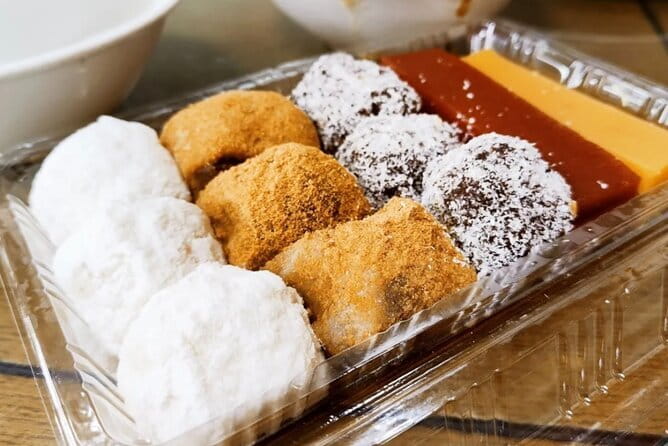
The stop at Huguosi Hutong lasts about 20 minutes and focuses on traditional snacks. The selection includes wandouhuang, a mung bean cake; ludagun, a glutinous rice roll; and aiwowo, a sweet rice cake.
These foods are useful for understanding how Beijing’s snack culture differs from its savory breakfast foods. The textures tend to be soft, sticky, or crumbly, and the flavors are often gentler than the bold seasoning found in some regional Chinese cuisines. If you like trying several small specialties, this stop will likely be a highlight.
The name Huguosi is closely linked with Beijing snack traditions, but the visit remains short. You will get a taste rather than a complete survey of the street. Also, sweet rice and bean-based snacks may not appeal to everyone. If you prefer savory food, the sesame balls, wontons, and jianbing will probably be the stronger part of your morning.
Coffee in Xizongbu Hutong
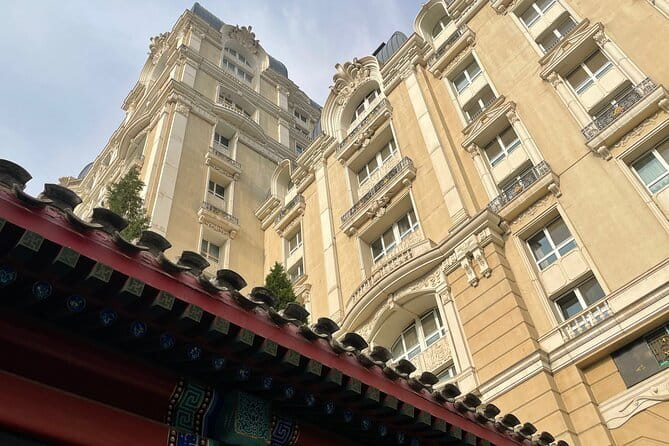
The tour ends in Xizongbu Hutong after about 20 minutes at the final stop. Coffee is served at 10000 Cafe, creating a clear contrast with the morning’s traditional foods.
That ending works well. Xizongbu shows how a historic lane can support newer businesses without losing its neighborhood setting. After several old-city stops, coffee gives you a familiar pause and a chance to talk with the guide or other members of the group.
The experience finishes at Xizongbu Hutong rather than returning to the starting point. That matters when planning the rest of your day. The end point is in Dongcheng District, and the area is near public transportation, but you should allow time to orient yourself before scheduling something immediately afterward.
What $75 buys you
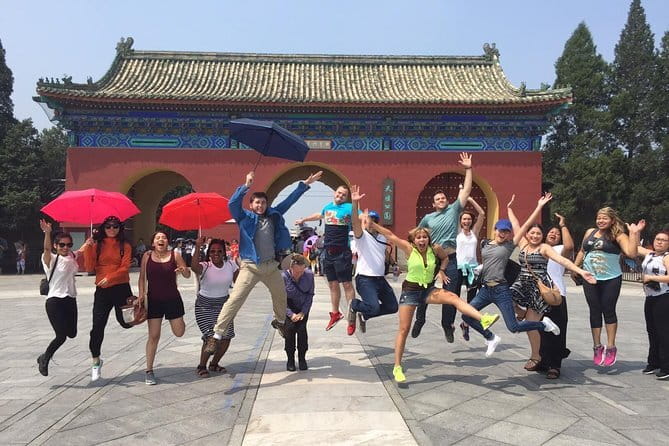
At $75 per person, this is not the cheapest way to eat breakfast in Beijing. You could spend far less by ordering one or two snacks on your own. The value comes from the combination of food, guiding, neighborhood access, temple admission, bottled water, coffee or tea, and a route that links several parts of the old city.
I consider the price reasonable for someone visiting Beijing for the first time and wanting a structured introduction. The morning covers food, architecture, religious culture, local shopping, historical figures, and modern cafe life. That range would be difficult to arrange efficiently without local help.
The value is less clear if you already know Beijing’s hutongs or are comfortable ordering street food independently. In that case, you may prefer to spend the money on a single focused food experience or explore at your own pace.
The group size is worth checking. The experience is described as a small-group tour with fewer than 12 people, while the additional information gives a maximum of 20. Those figures do not match neatly. If a truly small group is central to your decision, confirm the expected size before paying.
Guide style, timing, and practical planning
The tour provider is Wonder Locals. Guide names connected with the experience include Coco and Wendy. Coco is specifically associated with taking good care of the group, while Wendy is connected with an enjoyable food-focused outing through less familiar local areas. If you can request a guide, it may be worth asking, though availability is not promised.
Plan on 3.5 to 4 hours, beginning at 8:30 am. Eat lightly before arrival, or skip breakfast so you have room for the tastings. The food comes in stages, and the experience works best when you sample rather than fill up at the first stop.
Wear comfortable shoes and carry only what you need. You will move through residential lanes, a market, a temple, and snack areas. Bottled water is included, but personal dietary needs are not addressed in the available information, so ask the provider before booking if you have allergies or strict food restrictions.
Confirmation is provided at booking. The experience requires good weather and a minimum number of participants. If poor weather or low enrollment cancels the tour, you will be offered another date or experience, or a full refund. You can cancel for a full refund up to 24 hours before the start time. Changes or cancellations inside that window are not accepted and are not refunded.
Who should book this morning walk?
I would choose this tour for a first or second visit to Beijing, especially if you want food to open the door to the city’s older neighborhoods. It suits curious eaters, culture-minded visitors, couples, and small groups who prefer local streets to a long indoor meal.
It is also a good choice for anyone who wants a gentle introduction to hutong life without giving up comfort entirely. You get a guide, included food and drinks, a temple visit, and a coffee stop at the end.
I would think twice if you want a dedicated food tour with large portions, a guaranteed music performance, or a fixed return to the starting point. The morning is broad rather than narrowly focused. Its strength is the connection between breakfast, neighborhood life, history, faith, and present-day Beijing.
Should you book the Beijing Hutong Breakfast & Coffee Tour?
Book it if you want a well-rounded morning that combines eating and walking with a real sense of place. The best parts are the range of foods, the quiet residential lanes, the local market, and the chance to hear traditional temple music if the timing works.
Skip it if you want complete independence or the lowest possible food cost. For most first-time visitors, though, $75 buys more than breakfast. It buys a guided path through several sides of Beijing that are easy to miss when you stick to the major sights.
FAQ
How long does the Beijing Hutong Breakfast & Coffee Tour last?
The tour lasts approximately 3 hours 30 minutes to 4 hours.
What time does the tour start?
The scheduled start time is 8:30 am.
Where does the tour begin?
It begins at 5 Deng Shi Kou Da Jie, Dong Cheng Qu, Beijing, China, postal code 100006.
Where does the tour end?
The tour ends at Xizongbu Hutong in Dongcheng District, at or near 10000 Cafe.
What food is included?
The experience includes breakfast at two or three food stops, local street snacks, bottled water, and coffee or tea.
What foods may be sampled?
Possible foods include sesame balls with red bean filling, wontons, jianbing, wandouhuang, ludagun, and aiwowo.
Is the temple entrance included?
Yes. Admission to Zhihua Temple is included.
Is temple music guaranteed?
No. The tour may include Beijing temple music if timing permits, but the information does not guarantee a performance.
How large is the group?
The tour is described as a small-group experience with fewer than 12 people. The additional information also lists a maximum of 20 participants, so confirm the expected group size if needed.
Can I cancel for a refund?
Yes. You can cancel at least 24 hours before the start time for a full refund. Cancellations or changes made less than 24 hours before the start time are not accepted or refunded.
Just added around the world
- Vietnamese Coffee Making Class in Hoi An★ 5.0 · 4 reviews
- Venice Delights: Coffee & Food Experience Walking Tour★ 5.0 · 2 reviews
- Yerevan: Private Coffee Tour with 2 Café Stops★ 5.0 · 2 reviews
- Vietnamese Coffee 101 Workshop★ 5.0 · 11 reviews
- Ubud: Waterfall, Holy Water Temple,Swing&coffee plantation★ 5.0 · 9 reviews
- Vancouver: Street Art & Craft Coffee Walking Tour w/ Tasting★ 4.8 · 11 reviews
- Vienna: Guided Viennese Coffee-House Tour★ 5.0 · 2 reviews
- Coffee pleasure walking tour★ 5.0 · 12 reviews
Tours, compared.
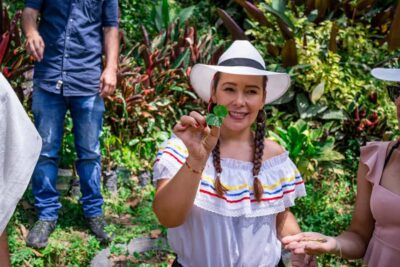
Coffee Tour with Transport, Snacks and Tastings
Read our review →
Materuni Waterfalls, coffee tour & Kikuletwa Hot Springs
Read our review →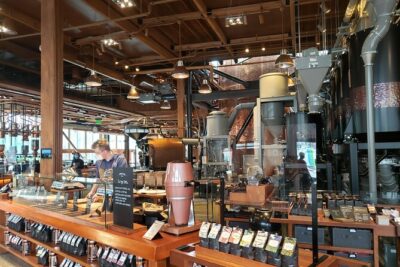
Seattle Coffee Tour: Capitol Hill Cafes, Tastings & Local Stories
Read our review →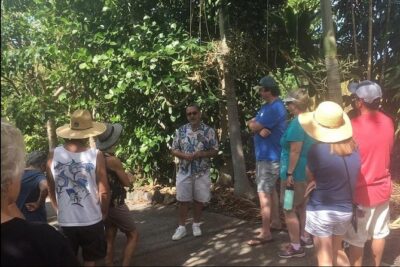
Award Winning Farm Tour: Coffee, Chocolate and Unique Gifts
Read our review →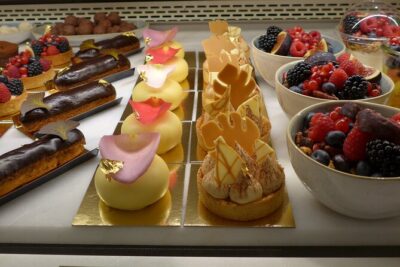
Vienna Coffee, Cake & Pastries Tour with Local Stories
Read our review →
La Herradura Coffee Farm: tour in Europe’s only plantation
Read our review →
Mercara Gold Coorg Coffee and Spice Estate Tour
Read our review →