REVIEW · CARTAGENA COFFEE TOURS
Cartagena: Colombian Specialty Coffee Tasting
Coffee can be Cartagena’s best lesson. This two-hour tasting explains Colombian coffee from growing and processing to brewing, then serves three specialty coffees through methods such as Chemex, V60, and the Hario siphon. I like the clear plantation-to-cup format, and I especially like the sensory work with fruit, chocolate, and coffee aromas. The main drawback is that the session can feel more like a polished lecture than a relaxed café chat.
At $15 per person, this is an unusually good-value way to understand Colombian coffee without leaving the city. Hosts such as Tomas, Santiago, Pedro, Arturo, and Thomas have been praised for their warmth and command of the subject. You should arrive without perfume or strong fragrance, since smell is central to the tasting.
Key points to know before booking
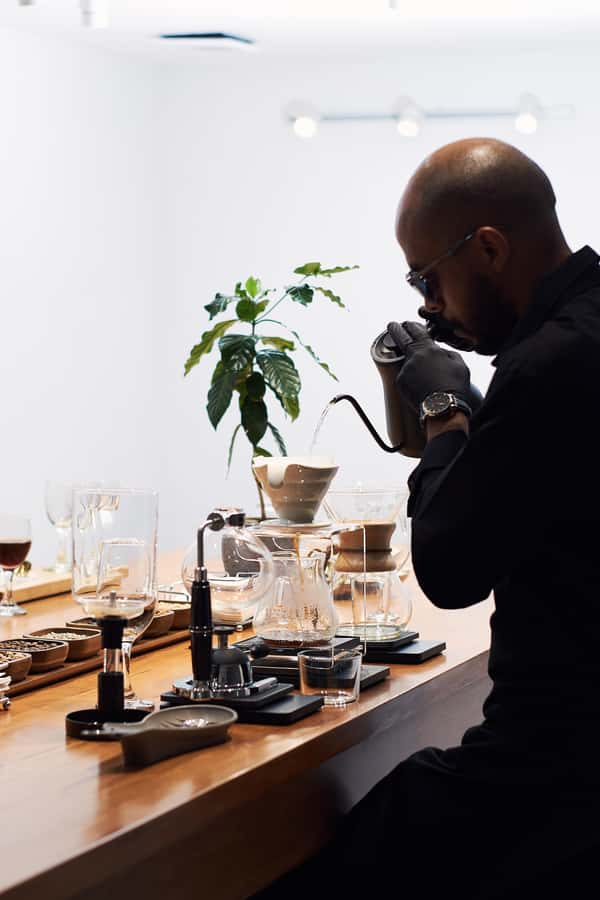
- Three coffees, three brewing methods: Depending on the session, you may taste Chemex, V60, and Hario TCA-5 siphon preparations, each chosen to show a different flavor profile.
- A classroom before a café stop: You learn about planting, harvesting, processing, roasting, and extraction before drinking the final cups.
- Real sensory practice: Fresh fruit, dried fruit, chocolate, and a coffee aroma kit help you build a vocabulary for what you smell and taste.
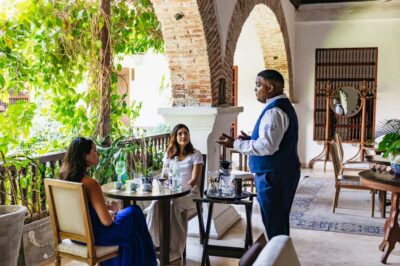
- A polished indoor setting: The activity takes place at a dedicated coffee experience center, with air conditioning and a separate entrance.
- Strong hosts make the difference: Tomas and Santiago receive repeated praise for making technical ideas easy to follow, while Pedro and Arturo are also noted for their enthusiasm.
- Allow a little flexibility: The advertised duration is two hours, although one session was described as lasting closer to three.
Starting at the coffee experience center
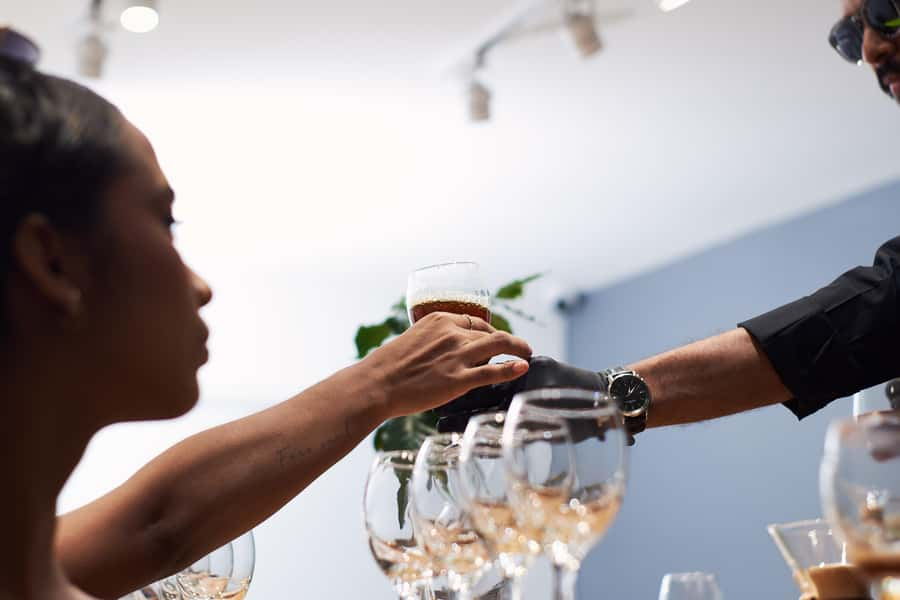
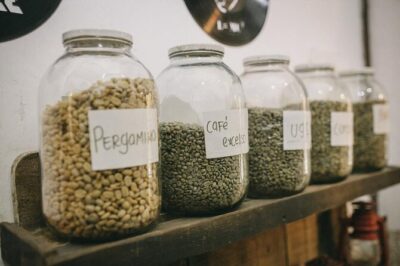
You meet at a coffee experience center in Cartagena, rather than heading into the countryside to a working farm. That matters. You will not see coffee plants growing here, but you will get a focused explanation of Colombian coffee in a controlled setting where the beans, aromas, equipment, and tasting table are ready to use.
The center is described as clean, attractive, and purpose-built for the activity. One person called it high-end and luxurious, while another appreciated the air conditioning. In hot and humid Cartagena, that is not a small detail. You can pay attention to the aromas instead of fighting the heat.
The meeting instructions are simple: tell the center that you are there for the coffee activity. Still, the location has caused confusion for at least one person. The supplied address led to the wrong place, while searching for Consultorio Dra. Bleidys Mendoza Sotomonte or using Cafe-472 in Uber was reported as more reliable. Save the name before leaving your hotel, and keep a little extra time for finding the door.
The café is identified as Cafe-472. It may also sell other drinks and pastries, including croissants from a local baker and a Bailey’s frappé. Those extras are not the heart of the booked experience, but they can make the stop useful if you want to linger afterward.
More Coffee Tastings in Colombia
- Medellin: Coffee Tour with Transport, Snacks and Tastings
★ 4.7 · 1,357 reviews - Bogota: Colombian Coffee Tasting
★ 4.8 · 92 reviews - Coffee tasting experience at Divino Café Especial
★ 5.0 · 57 reviews
The Colombian coffee story comes first
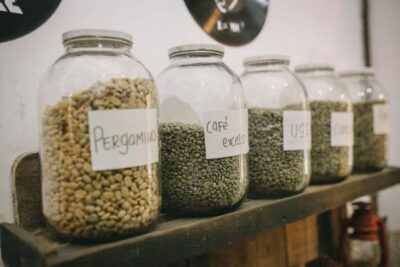
The session begins with an introduction to coffee in Colombia. You learn how coffee is grown, harvested, and processed, along with the basic path from parchment bean to brewed drink.
This opening gives the tasting some purpose. Instead of simply hearing that one cup tastes fruity and another tastes smooth, you learn that coffee flavor is shaped by many steps before water reaches the grounds. The class also explains coffee processing, including the washing process mentioned by several participants.
You will not become a coffee farmer in two hours, but you should leave with a clearer picture of the work behind a specialty cup. The lesson is particularly helpful if you normally judge coffee by strength alone. Here, the focus shifts to aroma, acidity, body, sweetness, texture, and finish.
The instructors also explain the difference between higher-quality specialty coffee and ordinary coffee. This is not presented as a simple matter of expensive equipment or fashionable brewing gear. The point is to notice what is actually in the cup and to understand why different beans and methods produce different results.
The hosts named in feedback vary by date. Tomas and Thomas are praised for detailed explanations and personal attention. Santiago is repeatedly described as friendly, funny, and engaging, while Pedro and Arturo receive similar praise for their clear presentations. The exact host is not guaranteed, but the experience appears to depend heavily on having a good instructor, so this is worth keeping in mind.
Training your nose before tasting
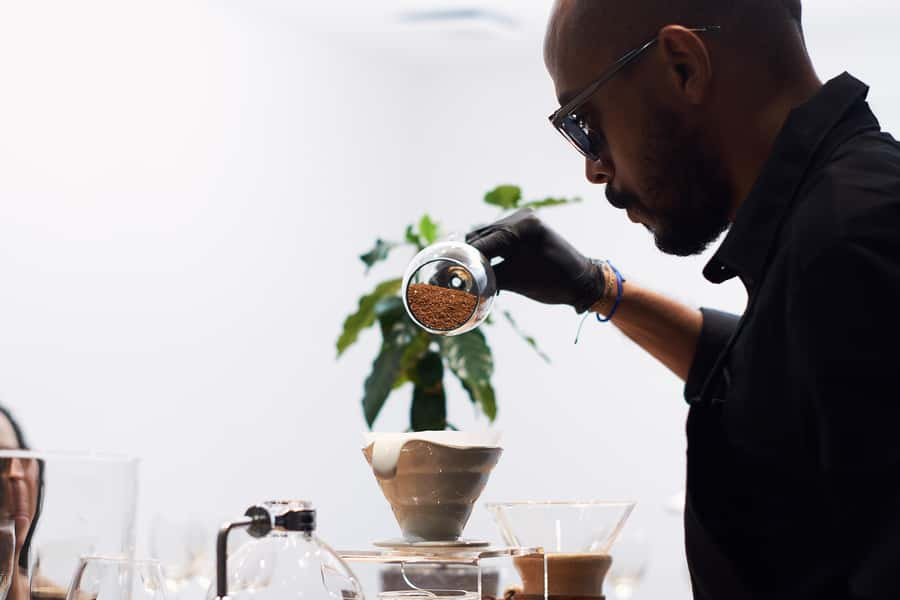
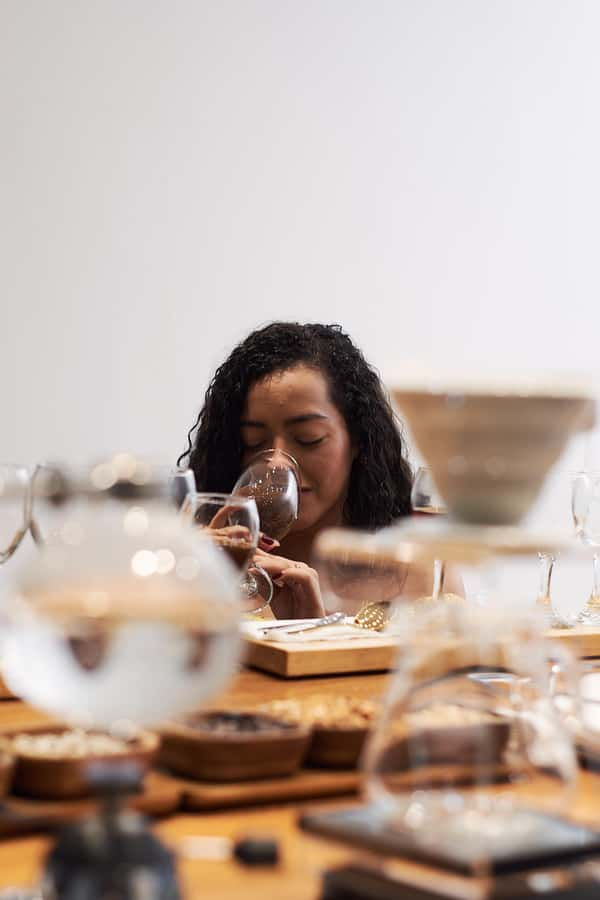
The sensory section is one of the most useful parts for beginners. You work with a coffee nose, or an aroma tool, to identify familiar smells connected with coffee.
You also smell and taste fresh fruit, dehydrated fruit, and chocolate. These ingredients give you reference points. It is much easier to understand a note described as fruity or chocolatey when you have just handled and tasted the real thing.
This exercise can feel a little formal. One person described the activity as lecture-based rather than strongly social or interactive. That is a fair warning if you are hoping for a lively group workshop where everyone takes turns making coffee from the start.
Still, the structured approach has a benefit. You are not expected to arrive with a trained palate. The instructor gradually gives you words to describe what you notice, then helps you compare those impressions with the coffee in front of you.
You may hear terms such as body, sweetness, floral notes, smoothness, brightness, and fruit. These words are not meant to make coffee sound fancy for its own sake. They help you explain why one cup appeals to you more than another.
For someone who normally says only that coffee tastes good or bad, this is a useful change. By the end, you should have a better idea of your preferred style.
Three cups show how brewing changes flavor
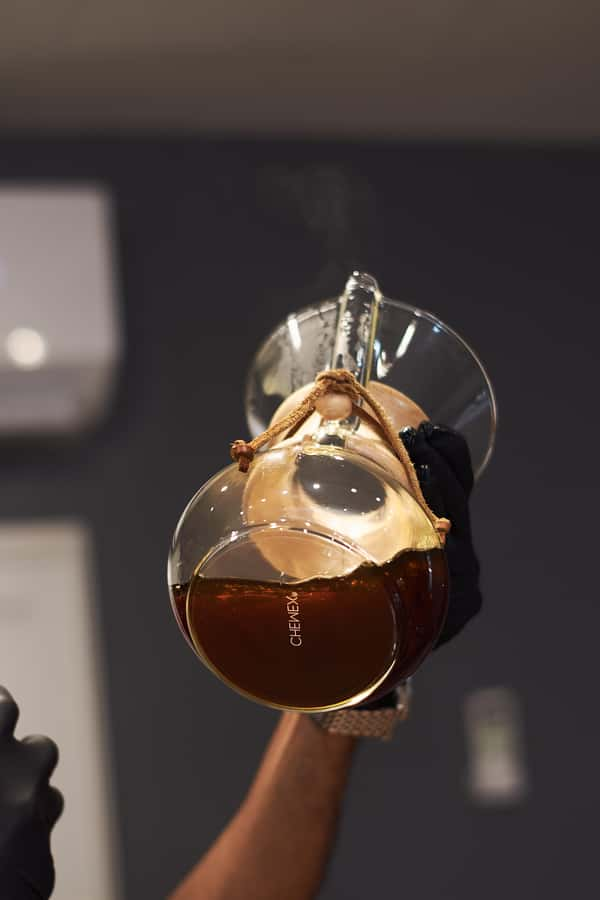
The main tasting usually features three Colombian specialty coffees prepared with different extraction methods. The exact coffee profiles can vary, but the examples described in detail are Chemex, V60, and Hario TCA-5 siphon.
The Chemex is used to highlight fruity and complex notes. Its clean style can make delicate flavors easier to notice, especially if you are used to dark, heavy coffee.
The V60 brings out brightness and body. This gives you a useful comparison with the Chemex. The two methods are both pour-over approaches, yet the cup can feel different in balance and texture.
The Hario TCA-5 siphon produces a rounder, smoother cup, with honey aromas noted in one tasting. The equipment also adds a small sense of theater. You watch the coffee being prepared in a glass siphon rather than simply receiving a finished drink.
The value here is not that one method is declared the winner. You get to compare how extraction affects the same broad subject: Colombian specialty coffee. The tasting may help you understand why one person prefers bright, fruit-led coffee while another wants a softer, fuller cup.
One couple included a committed coffee drinker and someone who did not drink coffee at all, and both found the aroma and tasting work worthwhile. That makes this a better choice for mixed groups than the name might suggest. You do not need to be a coffee expert, though someone who dislikes all coffee may find three full preparations a lot.
The coffee itself receives very strong praise. Descriptions include smooth, sweet, floral, fruity, and chocolate-like. One person called it the smoothest coffee they had tasted. The class also includes small tasting snacks, which add contrast without turning the event into a meal.
More Specialty Coffee Tours in Colombia
- Coffee Experience from bean to cup
★ 5.0 · 71 reviews - Private coffee tour near Medellín, from bean to cup.
★ 5.0 · 60 reviews - Specialty Coffee Workshops in Cartagena
★ 5.0 · 34 reviews - Medellin: Avoeden Café Coffee Brewing Workshop
★ 5.0 · 12 reviews
A lesson that is useful at home
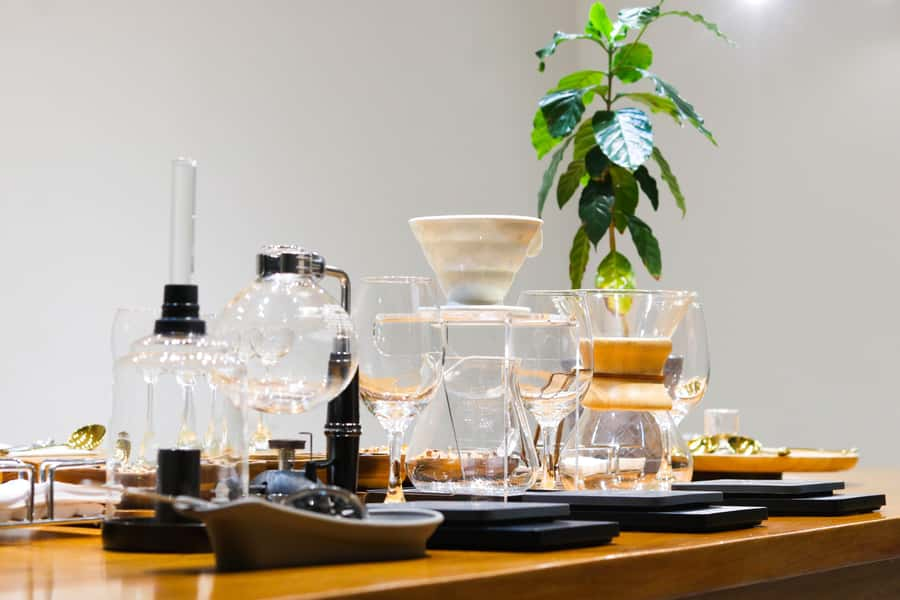
The final part is not only about tasting. You learn how to prepare coffee properly and how to recognize differences in extraction and flavor.
That practical angle gives the activity lasting value. You can take the vocabulary home and use it when buying beans, choosing a brewing method, or ordering coffee in Colombia. One participant specifically appreciated learning how to make coffee properly at home.
The class may also show you third-generation brewing techniques beyond the three main methods. One session included a chance to try the Hario Japanese siphon. The equipment and presentation are part of the appeal, especially if you enjoy seeing how a drink is made rather than simply consuming it.
Do not expect a full barista certification course. The included diploma is a participation certificate titled Diploma Awakening of the Coffee Senses, From the Seed to the Cup. It is a pleasant souvenir, but the real takeaway is the ability to compare aroma, body, sweetness, and brewing style.
The ending may include a small surprise, although no details are given. If you want to buy signature beans, ask during the session. One person wished the experience had offered them at the end, so bean sales or availability should not be assumed.
How long does the two-hour format feel?
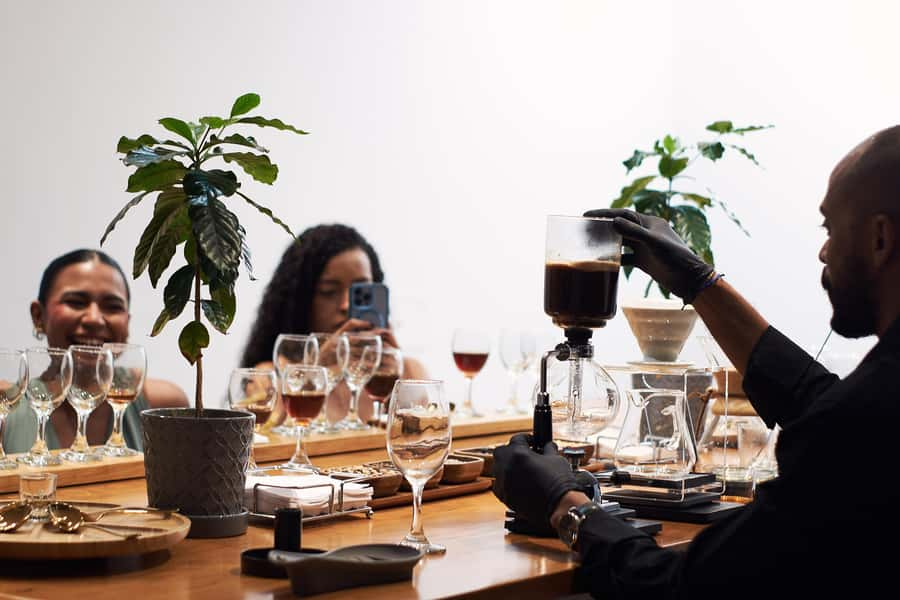
The official duration is two hours, which fits well into a Cartagena sightseeing day. You could place it between other plans, especially if you are staying near Manga or Getsemani.
That said, the pace may not feel identical every time. A session described as a brilliant use of three hours suggests that the class can run longer, particularly when questions continue or the group is small. Another person felt the overall duration could be shortened. If you have a fixed dinner reservation or timed transfer, leave a cushion.
Small groups can make the class more personal. Several people happened to be the only person or only couple booked for their time and still received the full experience. That can mean more questions and direct attention, though it may also make the presentation feel less social.
The language options are English and Spanish. A bilingual session was praised for accommodating a mother-in-law who did not speak English, but you should confirm your preferred language when booking if that matters to your group.
Who will enjoy this most?
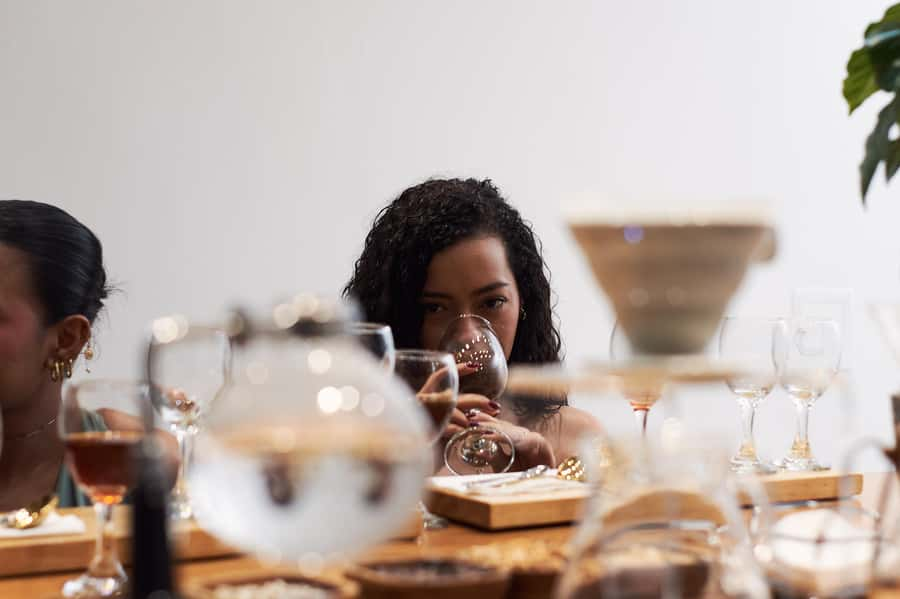
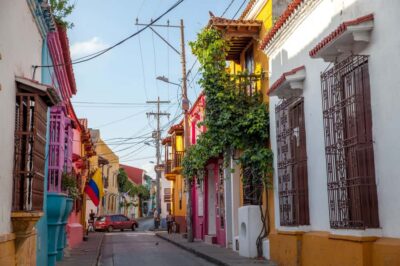
I would choose this activity for you if you like coffee, enjoy food and drink education, or want a calmer cultural experience in Cartagena. It also suits anyone curious about Colombia beyond its famous old streets and beaches.
It works especially well for:
- Coffee drinkers who want to understand specialty beans
- Beginners who want help describing what they taste
- Couples with different levels of coffee interest
- Small groups looking for an indoor activity
- Visitors who want to learn practical brewing methods
- People who prefer a guided lesson over a busy sightseeing tour
I would think twice if you want a farm visit, a large social group, or a hands-on workshop where you prepare every cup yourself. The experience is centered on explanation, sensory exercises, and guided tasting. It is informative and polished, but not necessarily casual.
Strong fragrances are not allowed. That rule is sensible because perfume can interfere with the aroma exercises. Wear something light and arrive ready to smell carefully.
Is $15 a fair price?
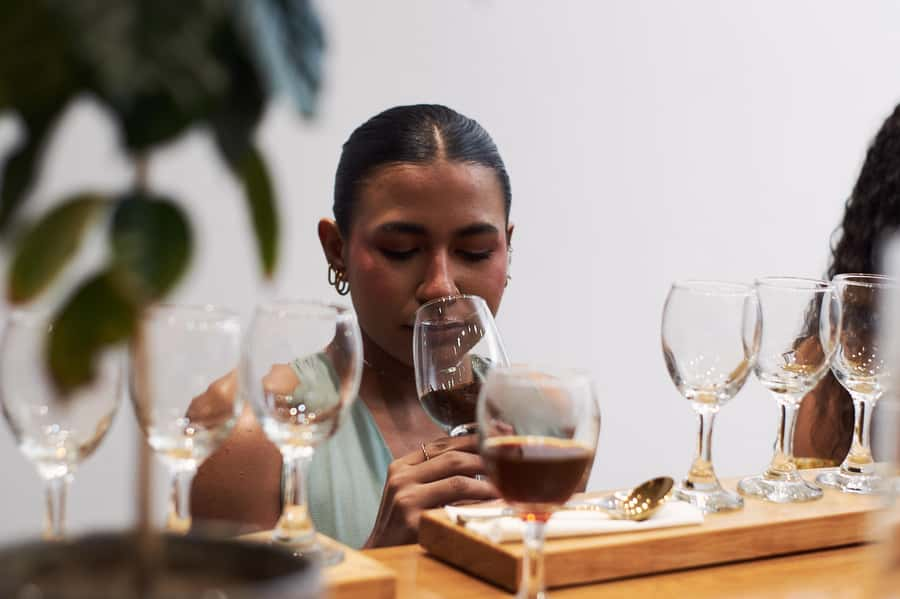
Yes. At $15 per person, the value is strong if the session includes the full classroom presentation, sensory activities, three coffees, and the certificate.
You are paying for more than three drinks. The price covers a guided introduction to Colombian growing and processing, a chance to compare extraction methods, and an instructor who can answer questions in English or Spanish. Comparable café purchases would give you coffee, but not the explanation behind it.
The value is also easy to see if you are visiting Cartagena without time for a trip to the coffee-growing region. This does not replace seeing a plantation, but it gives you useful context without a long transfer.
The rating is 4.4 from 130 reviews, and the praise is especially consistent around the hosts, coffee quality, clean venue, and educational content. The few cautions are practical: the address may be confusing, the lecture format may not suit everyone, and the session may run longer than two hours.
Free cancellation up to 24 hours before the activity and the option to reserve now and pay later add flexibility. Those terms are useful in Cartagena, where heat, rain, and changing day plans can affect your schedule.
Should you book the Colombian coffee tasting?

Book it if you want to understand what makes Colombian specialty coffee different, not just drink another cup. The best parts are the three brewing methods, the fruit and chocolate sensory work, and the chance to ask a passionate instructor about everything from harvesting to flavor.
I would make this a strong choice for a coffee-loving couple or a curious solo visitor. Tomas, Santiago, Pedro, Arturo, and the other hosts have earned praise for keeping the material welcoming rather than overly technical. Just confirm the meeting location, skip perfume, and leave more than exactly two hours if your day is tightly planned.
If your ideal coffee experience means sitting on a plantation among the plants, this is not that. If you want a focused, air-conditioned introduction to Colombian coffee in Cartagena for a modest price, it is a smart pick.
FAQ
How much does the Colombian coffee tasting cost?
The activity costs $15 per person.
How long does the experience last?
The advertised duration is two hours. One session was described as lasting closer to three hours, so leave some extra time if your schedule is tight.
Which languages are available?
The experience is offered in English and Spanish.
What coffee brewing methods might I try?
The tasting may include Chemex, V60, and the Hario TCA-5 siphon. These methods are used to show different coffee aromas, body, sweetness, and flavor profiles.
Where does the activity take place?
It takes place at a coffee experience center identified as Cafe-472. The meeting instructions advise telling the venue that you are there for the activity. Searching for Consultorio Dra. Bleidys Mendoza Sotomonte or using Cafe-472 in Uber may help you find the location.
Can I cancel or pay later?
You can cancel up to 24 hours in advance for a full refund. A reserve-now, pay-later option is also available.
More Food and Drink Tours in Colombia
- Salento: Coffee Farm Tour with Tasting
★ 4.9 · 41 reviews - Coffee Tasting Experience in Cali
★ 5.0 · 13 reviews - Bogota: Coffee Tasting Experience Tour with Exotic Varieties
★ 4.1 · 13 reviews - Salento: Coffee Master Roasting, Brewing and Tasting Tour
★ 4.8 · 6 reviews
Just added around Colombia
- Salento: Coffee Master Roasting, Brewing and Tasting Tour★ 4.8 · 6 reviews
- Private Tour to Coffee Farm (farm of your choice)★ 5.0 · 2 reviews
- Medellin: Coffee Farm Tour & Spa with Overnight Glamping★ 4.5 · 3 reviews
- Minca: Hidden Waterfall + Coffee and Cocoa Workshop★ 4.9 · 6 reviews
- Most complete COFFEE TOUR at local family farm★ 5.0 · 2 reviews
- Medellin: Avoeden Café Coffee Brewing Workshop★ 5.0 · 12 reviews
- Medellin: The Best Coffee Tasting Experience★ 5.0 · 5 reviews
- Medellin: Coffee and fruit tour★ 4.9 · 12 reviews
Cartagena Coffee Tours, compared.

Cartagena Highlights: San Felipe, Popa & Coffee Experience
Read our review →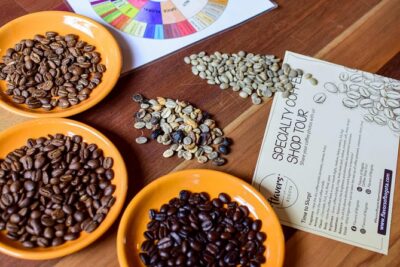
Walking Tour of Cartagena Including a Colombian Cup of Coffee
Read our review →