
REVIEW · CARTAGENA COFFEE TOURS
Cartagena: History, Culture & Coffee Experience
Cartagena wears its past in plain sight. This four-hour private tour ties together San Felipe Castle, La Popa Convent, the colonial center, and a Colombian coffee tasting, so you get both major sights and a feel for local life. I like the efficient route and the chance to ask plenty of questions without being lost in a large group. I also like that the tour finishes in Getsemaní, where street art, music, and daily life replace the formal plazas.
The main catch is simple: you finish on foot in the Historic Center, and the ride is available for only three hours while you visit the castle and La Popa. At $152 per person, the price makes the most sense for a private group that values a guide, included admission, and door-to-door transport at the start. Solo visitors or budget-minded couples may find it costly.
Key points at a glance
- Private touring with a personal guide: You can ask questions freely, set a comfortable photo pace, and avoid a crowded group schedule.
- San Felipe’s tunnels and watchpoints: The fortress is not just a grand wall. Its underground passages and defensive design explain how Cartagena guarded itself from pirate attacks.
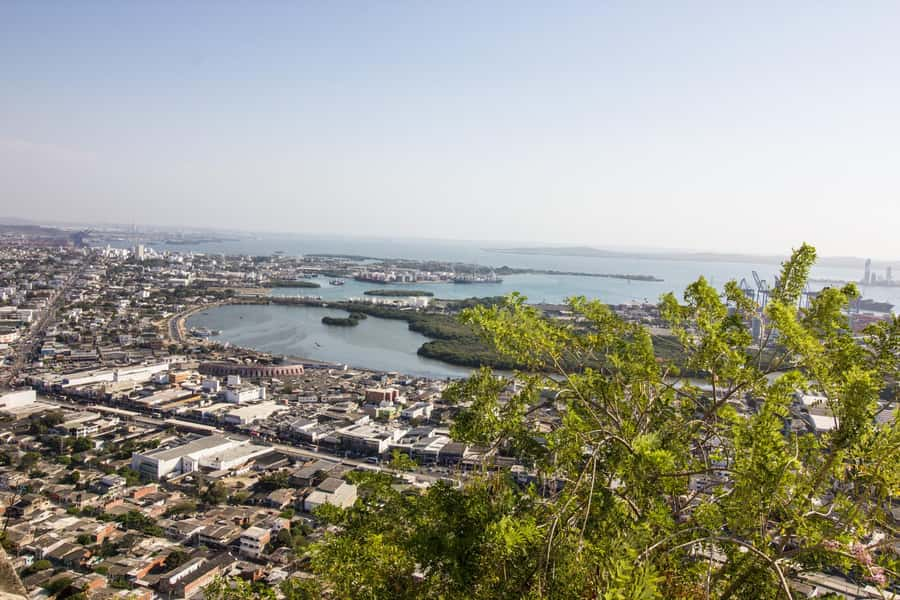
- La Popa gives you the city from above: The 17th-century convent offers broad views of Cartagena, the bay, and the Caribbean Sea.
- A coffee tasting adds local flavor: You learn about the aromas and character that made Colombian coffee famous around the world.
- The route ends in Getsemaní: Murals, music, and street life provide a more relaxed finish than another formal monument.
- A little planning matters: Bring water, sunscreen, a hat, comfortable shoes, and your passport or ID card.
Why this four-hour route works
Cartagena can feel like several cities at once. The old walls and churches point to the Spanish colonial period, while Getsemaní offers music, murals, and a strong neighborhood identity. San Felipe and La Popa sit outside the tight center, so seeing them with transport saves time and energy.
I like the way this experience divides its time. You begin with the city’s military story, move to a high viewpoint, then walk through its public squares and churches before ending with coffee and local street life. It is a useful first look if you have only a short stay in Cartagena.
The private format matters here. Your guide can slow down when you want photos, explain a confusing detail, or answer questions about the buildings around you. Anastasia’s guide, Carlos, was praised for being fluent, patient, responsive, and willing to wait through plenty of photo stops. That is useful information for anyone traveling with a mixed-age group or someone with a knee problem.
The schedule is still fairly full. Four hours sounds generous, but the route covers a fortress, a hilltop convent, several central landmarks, coffee, a park, and Getsemaní. You should expect an introduction rather than a slow, detailed study of every site.
More Heritage Tours in Colombia:
- Trekking History and Indigenous Heritage in Minca + Cacao & Coffee + Waterfall
★ 4.9 · 63 reviews - Kona Shore Excursion: Sea Turtles, Historic Kona & Coffee
★ 4.5 · 324 reviews - Kona Tour: Bee Farm, Kona Coffee, and National Historical Parks
★ 4.5 · 78 reviews
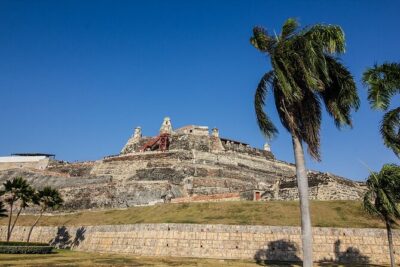
San Felipe Castle, Cartagena’s great defensive machine
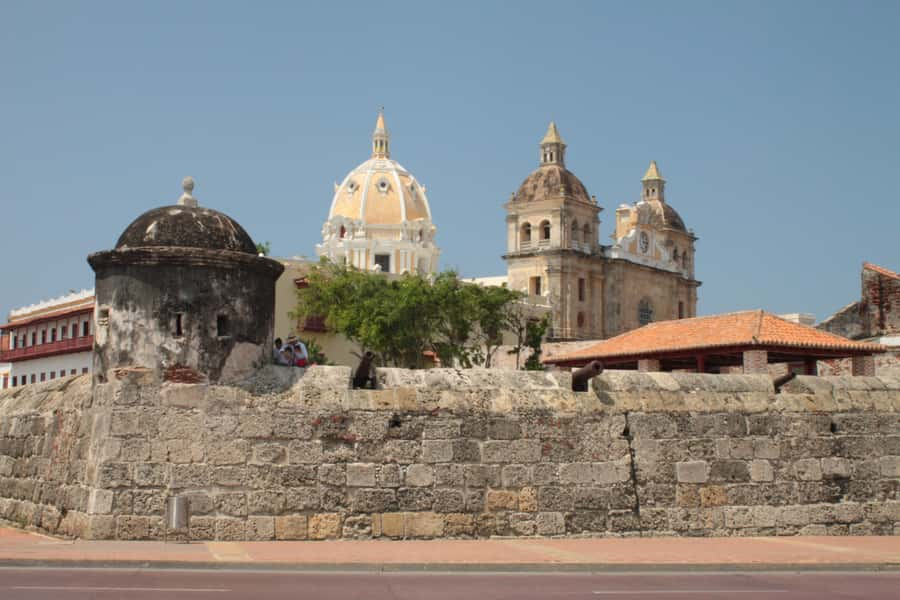
San Felipe Castle is the largest Spanish fortification in the Americas, and it gives the tour its strongest historical anchor. Built to protect Cartagena from pirate attacks, the fortress shows how seriously Spain guarded this Caribbean port.
I find the underground tunnels especially valuable. They turn military history into something physical. Instead of only looking at thick walls, you can think about how soldiers moved through the fortress, watched approaching ships, and used hidden routes during an attack.
The strategic watchpoints also help explain the site. From a defensive position, the city’s location becomes clear: Cartagena was an important port, but its wealth also made it a target. Your guide can connect the stonework and layout with the city’s colonial past, giving the fortress more meaning than a quick photo stop.
Expect heat and sun here. The experience requires comfortable shoes, water, sunscreen, and a hat, all of which are listed as important items to bring. The tour is wheelchair accessible, but the fortress includes tunnels and historic structures, so you should confirm the practical route for your particular needs before booking.
The castle is a highlight, but it can also be the most tiring stop. You may spend time walking through its passages and around its defensive points before continuing to La Popa. If you prefer a slow pace, use the private format to tell your guide early.
La Popa Convent and the best city view
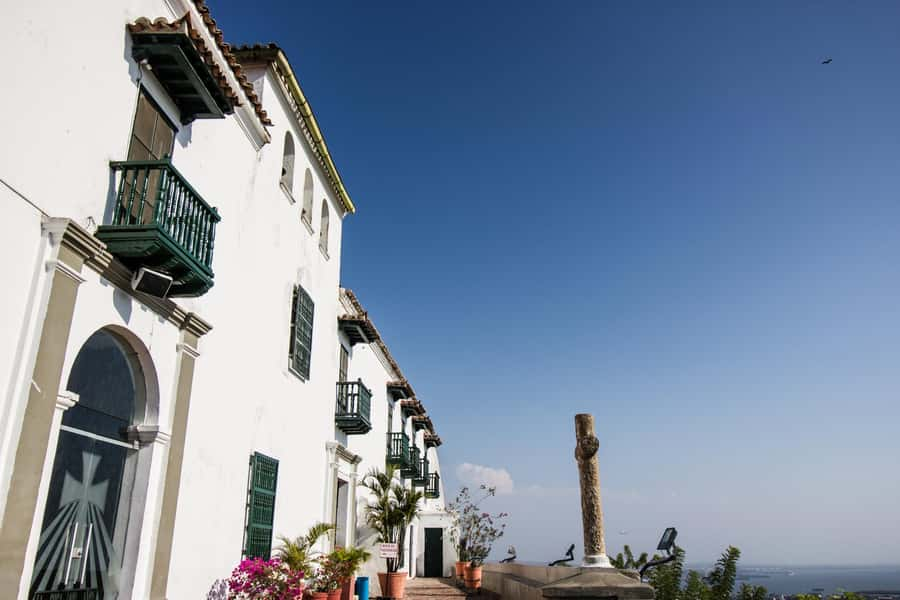
La Popa Convent sits at Cartagena’s highest point. The 17th-century monastery gives you a broad view over the city, the bay, and the Caribbean Sea, making it a useful counterpoint to the enclosed corridors of San Felipe.
I like this stop because it helps you understand Cartagena’s shape. The Historic Center, port, and surrounding city become easier to place when viewed from above. A city tour can sometimes feel like a string of disconnected streets. La Popa gives those streets a larger frame.
This is also a calmer part of the route. After the fortress, the open view gives you a chance to pause, take pictures, and listen to the guide’s explanation of the convent. The stop is not only about scenery. It adds a religious and architectural side to Cartagena’s story.
The visit is reached by vehicle, and the vehicle is available for three hours while visiting San Felipe and La Popa. That detail matters because some people may assume the car remains with them for the entire outing. It does not. Once the walking section begins in the Historic Center, you continue without included transport back to your hotel.
Plaza de la Aduana and Cartagena’s difficult past
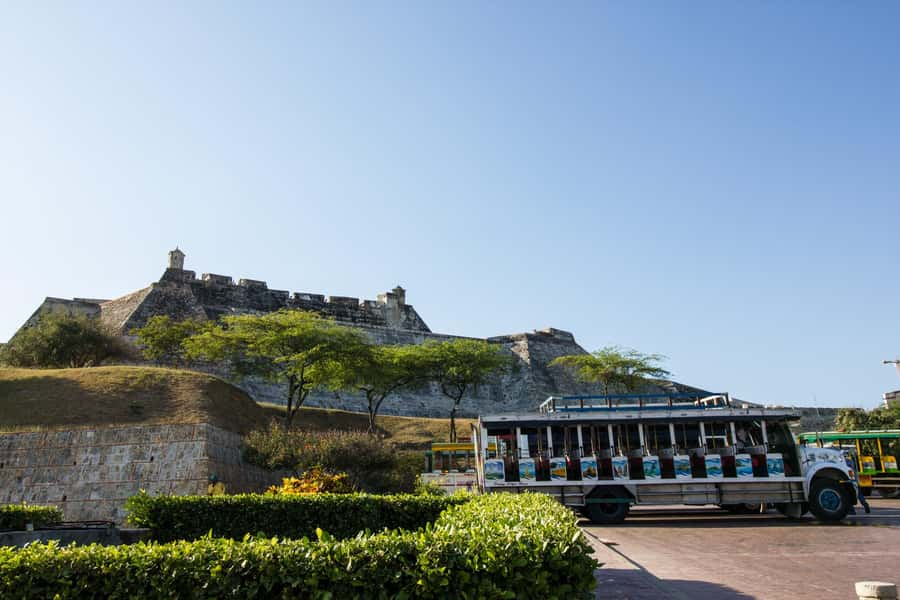
The Historic Center begins at Plaza de la Aduana, once the main trading hub for enslaved Africans during the colonial era. This is an important part of the route because it prevents the old city from becoming only a pretty collection of balconies and painted facades.
I appreciate the directness of this stop. Cartagena’s colonial beauty is real, but it was connected to forced labor, trade, and unequal power. A good guide can help you see both the attractive architecture and the people whose lives shaped the city under harsh conditions.
From the plaza, the route passes through the Clock Tower, Cartagena’s emblematic entrance. The tower is one of the city’s best-known symbols and marks the transition into the old streets. You will likely find this section more crowded and active than the fortress or convent, so keep your belongings secure and stay aware of the group.
The walking portion brings many changes in a short distance. One moment you are looking at a formal colonial building, and the next you are moving through a lively street with shops, pedestrians, and local activity. The guide’s storytelling is especially useful here because the buildings can look similar if you do not know what you are seeing.
A few more coffee tours around Colombia worth a look
- Medellin: Coffee Tour with Transport, Snacks and Tastings
★ 4.7 · 1,357 reviews - Medellín Coffee Farm Tour with Trolley and Cable Car Ride
★ 4.9 · 277 reviews - Coffee Tour at the Finca del Café
★ 5.0 · 213 reviews - Medellin: Coffee Tour and Wellness Spa
★ 4.8 · 209 reviews
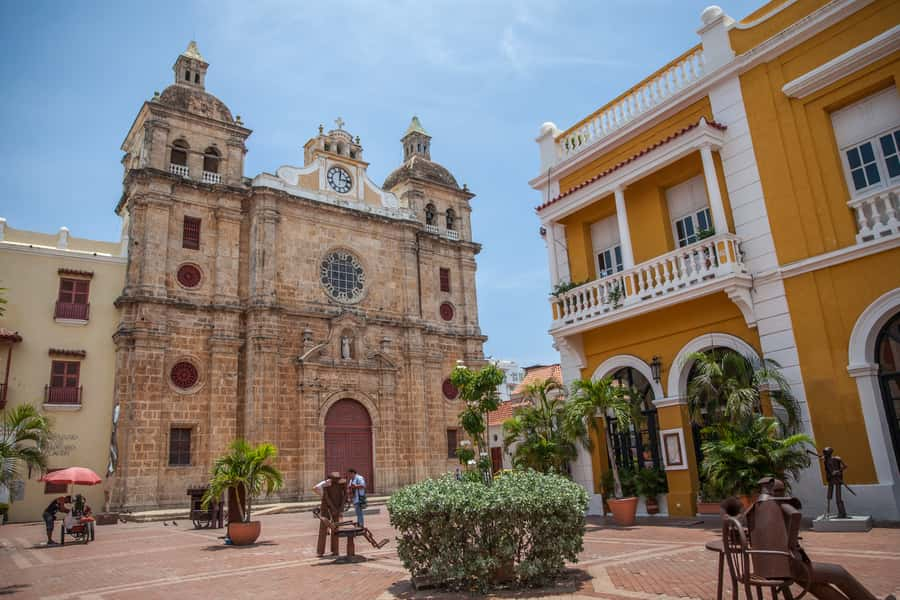
San Pedro Claver Church and Plaza de Bolívar
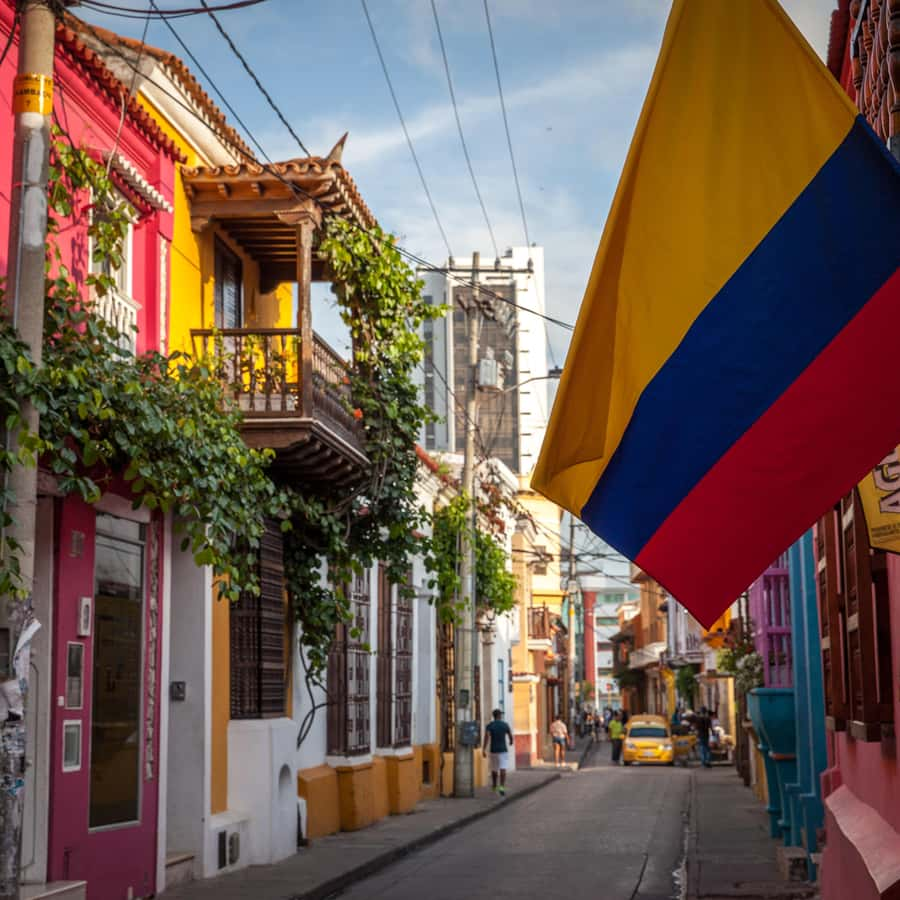
San Pedro Claver Church is dedicated to the patron saint of human rights. Its place on the route adds a moral and human dimension to the city’s religious architecture.
The church is not presented as an isolated monument. It fits into the wider story of Cartagena’s colonial society, faith, and treatment of enslaved Africans. You should listen for the connections between the church, the plaza, and the city’s social history rather than treating each stop as a separate postcard.
Afterward, the group pauses at Plaza de Bolívar. The square is surrounded by some of Cartagena’s most beautiful colonial buildings, and it is a good place to take in the city at a slower pace. I like this kind of pause on a compact tour because it gives you time to look up, notice details, and let the guide answer questions.
The old center is a walking experience. Wear shoes you can use comfortably for several hours, and do not plan on carrying more than you need. The activity information says to bring a passport or ID card, so keep that with you along with water and sun protection.
Colombian coffee with a short tasting
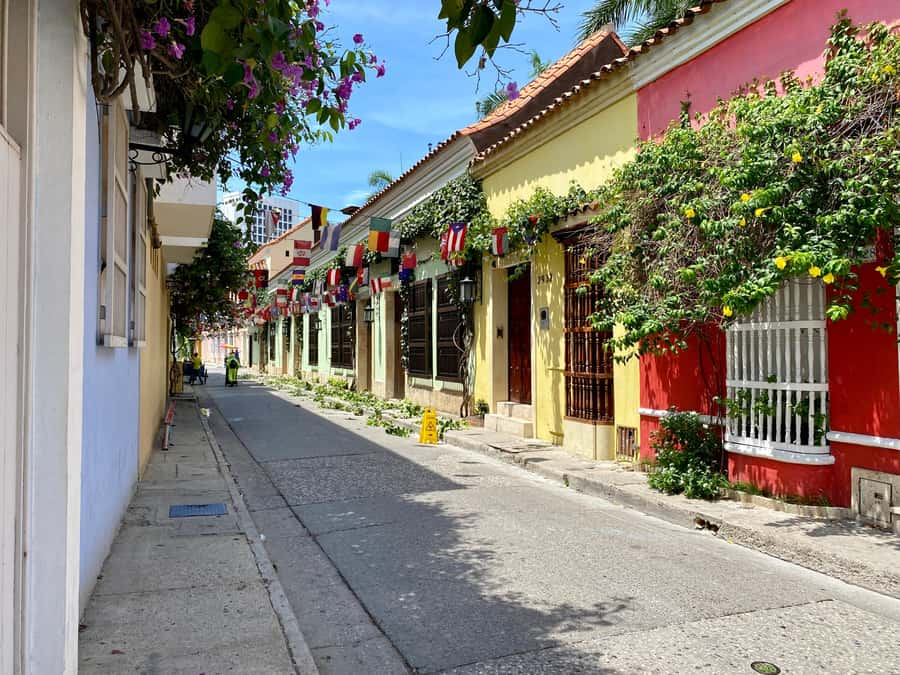
The coffee tasting is small, but it gives the tour a welcome change of rhythm. After several historical stops, you get to focus on flavor and aroma while learning why Colombian coffee is celebrated around the world.
I like this addition because it connects the tour to a living part of Colombian culture. A historic building tells you what Cartagena was. Coffee gives you something to taste in the present. You do not need to be a coffee expert to enjoy the stop. The point is to notice the character of the drink and understand why origin matters.
The tasting is not described as a full meal or a large food experience. Unspecified food and beverages are not included, so you should not count on this stop to replace lunch. If you need a substantial meal, plan it before or after the tour.
For some people, the coffee will be a pleasant extra. For others, it may feel brief compared with a dedicated coffee workshop. I would view it as a cultural pause within a history tour, not the main reason to book the experience.
Centenario Park and the turn toward Getsemaní
Centenario Park brings a different kind of Cartagena into view. This green space sits in the middle of the city, and sloths, monkeys, and iguanas roam freely there. That makes the park more than a simple route between monuments.
You might spot one of these animals while passing through, but the tour does not promise a wildlife program or a long observation session. Keep your expectations sensible. The value is in seeing an unexpected patch of nature amid the city and learning how local life continues around it.
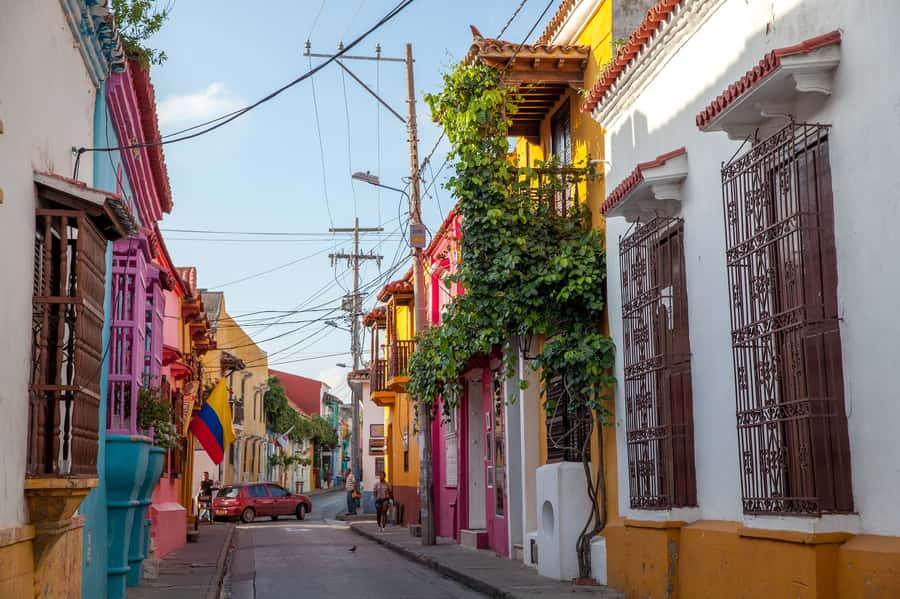
The final neighborhood is Getsemaní, the heart of Cartagena’s local culture. Its streets are filled with street art, colorful murals, music, and welcoming residents. Compared with the polished squares of the Historic Center, Getsemaní feels more informal and expressive.
I especially like ending here. The tour moves from official history to the way Cartagena presents itself now. You get a chance to see how art and music shape the neighborhood, rather than finishing at a monument and walking away with only the colonial version of the city.
This is also where the tour ends. You are not taken back to your hotel, so you need a plan for the rest of the day. The finish is practical if you want to keep exploring the Historic Center or Getsemaní, but less convenient if you are hoping to return immediately to Bocagrande or another hotel area.
The guide can shape the whole experience
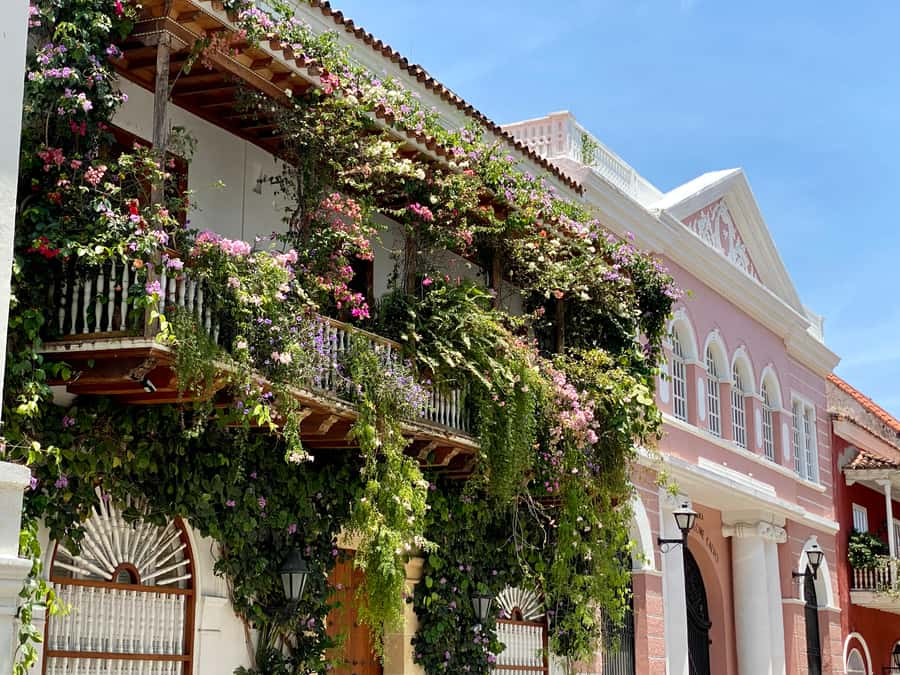
A four-hour route like this depends heavily on the guide. The published guide languages are English and Spanish, and the experience uses a professional bilingual guide. That is important at sites where the main value comes from context, not just admission.
The strongest praise has gone to the guides’ personal approach. Oralis Barrios was thanked for making the journey especially enjoyable, while Carlos was described as punctual, fluent, humorous, patient, and helpful. Those details suggest the experience works best when you take advantage of the private setting and ask questions.
A private tour also suits groups with different needs. If one person wants more photos, another has a knee issue, or someone wants to ask about colonial history, the guide can respond more easily than on a fixed large-group outing. The tour is wheelchair accessible, though it is still wise to discuss the route in advance because historic sites can have uneven or restricted areas.
What $152 per person buys you
At $152 per person, this is not a bargain sightseeing walk. You are paying for a private group, a bilingual guide, entrance tickets to San Felipe Castle and La Popa Convent, hotel pickup in the covered areas, transport for the first three hours, and a small coffee tasting.
The price is easier to justify if you are traveling with family or friends and want a private introduction without arranging several separate visits. Included admission also keeps you from handling tickets at two major sights. The transport is valuable because San Felipe and La Popa are not part of the same compact walking route as the Historic Center.
The value is weaker if you mainly want a cheap old-town walk. The central plazas, Clock Tower, church, park, and Getsemaní can be explored without paying for a private vehicle and guide. This experience earns its price through the combination of outlying sights, history, and personal attention.
Hotel pickup is available in Cartagena’s Historic Center and Bocagrande. Additional cost applies for hotels in the Manzanillo area, and pickup is not included from the Baru area. Give your exact pickup details when arranging the tour so there is no confusion.
You can cancel up to 24 hours in advance for a full refund, and you can reserve now and pay later. Those options are useful if your schedule may change, but the bigger practical point is to confirm the pickup area and the walking finish before you pay.
Who should book this Cartagena experience?
I would recommend it to a first-time visitor with one free morning or afternoon who wants the main sights explained in a logical order. It is also a good fit for families, couples, and private groups that value flexibility and do not want to manage taxis between San Felipe, La Popa, and the old city.
It suits history-minded visitors who want more than photographs. The fortress, Plaza de la Aduana, San Pedro Claver Church, and Clock Tower offer plenty to discuss, while Getsemaní and the coffee tasting keep the day from feeling like one long museum visit.
You may want a different option if you dislike walking, want a full meal included, or need a hotel return. The route is active, the vehicle leaves after the outer sights, and the tour ends in the Historic Center. It is also not the best match for someone seeking a dedicated coffee class or a slow, single-neighborhood exploration.
Should you book it?
Book this tour if you want Cartagena’s major sights tied together by a guide who can explain the stories behind them. The private format, included entries, fortress tunnels, hilltop view, coffee tasting, and lively finish in Getsemaní create a well-rounded first look.
Skip it if $152 feels high for four hours or if you prefer to explore the old city independently. If you do book, wear good walking shoes, bring water and sun protection, confirm your pickup location, and arrange your own return from the Historic Center. Those small preparations will help you enjoy the route without surprises.
FAQ
How long does the Cartagena history and coffee experience last?
The experience lasts four hours. The vehicle is available for three hours while you visit San Felipe Castle and La Popa Convent, then the tour continues on foot in the Historic Center.
Where does the tour end?
The tour ends on foot in Cartagena’s Historic Center, continuing through the central area and Getsemaní. Transportation back to your hotel is not included.
Is hotel pickup included?
Hotel pickup is included for hotels in Cartagena’s Historic Center and Bocagrande. An additional cost applies for hotels in the Manzanillo area, and pickup from the Baru area is not included.
What languages are available?
The tour is offered with a live bilingual guide in English or Spanish.
Are entrance tickets included?
Yes. Entry tickets to San Felipe Castle and La Popa Convent are included in the price.
What should I bring?
Bring your passport or ID card, comfortable shoes, sunscreen, and water. A hat and comfortable clothing are also recommended for sun protection.
Just added around Colombia
- Salento: Coffee Master Roasting, Brewing and Tasting Tour★ 4.8 · 6 reviews
- Private Tour to Coffee Farm (farm of your choice)★ 5.0 · 2 reviews
- Medellin: Coffee Farm Tour & Spa with Overnight Glamping★ 4.5 · 3 reviews
- Most complete COFFEE TOUR at local family farm★ 5.0 · 2 reviews
- Minca: Hidden Waterfall + Coffee and Cocoa Workshop★ 4.9 · 6 reviews
- Medellin: Avoeden Café Coffee Brewing Workshop★ 5.0 · 12 reviews
- Medellin: The Best Coffee Tasting Experience★ 5.0 · 5 reviews
- Medellin: Coffee and fruit tour★ 4.9 · 12 reviews
Cartagena Coffee Tours, compared.


Cartagena Highlights: San Felipe, Popa & Coffee Experience
Read our review →
Walking Tour of Cartagena Including a Colombian Cup of Coffee
Read our review →

Cartagena Coffee Masterclass: Artisanal Roasting and Brewing
Read our review →Browse the lists this tour appears in