
REVIEW · ETHIOPIA COFFEE TOURS
Ethiopia coffee cupping class/Ethiopian food injera making
Coffee tells Ethiopia’s story. This four-hour private experience brings you close to that story through a guided coffee cupping session and a hands-on injera class, followed by a traditional meal with local dishes. You get more than a taste of Ethiopia. You learn how coffee is judged, how injera is made, and why both belong at the center of daily life.
I especially like the personal format and the use of traditional tools, including a mitad and clay coffee pot. The chance to work with your own injera, then eat it with shiro and misir wot, gives the experience real purpose. The main consideration is timing: the listed coffee session lasts 45 minutes and the cooking class 30 minutes, so much of the four-hour booking appears to include transport, meals, and time with your guide.
A good guide can make this experience much more than a cooking lesson. Guides such as Joe, Mike, Aelaf, and Jonas have helped guests with pickup, translation, city context, and changes to the day. If you want a relaxed introduction to Addis Ababa through food and coffee, this is a strong choice, though it is not designed for children under 15 or anyone dealing with altitude sickness.
Key points to know before booking
- Coffee cupping goes beyond drinking coffee: You learn about growing regions, roast levels, aromas, flavors, and quality control.
- You make injera from scratch: The class introduces mixing, fermentation, baking on a mitad, and the tricky flip.
- The meal gives the class a payoff: Your handmade injera is served with dishes such as shiro and misir wot.
- Private pickup makes the day flexible: Your English-speaking guide coordinates collection in Addis Ababa and can sometimes adjust the plan.
- Guides add local context: Joe, Mike, Aelaf, and Jonas have been praised for clear communication, care, city knowledge, and easy conversation.
- The price reflects more than food: At $94 per person, you are paying for transport, instruction, equipment, ingredients, a meal, coffee tasting, and a private guide.
Why coffee is the right place to begin
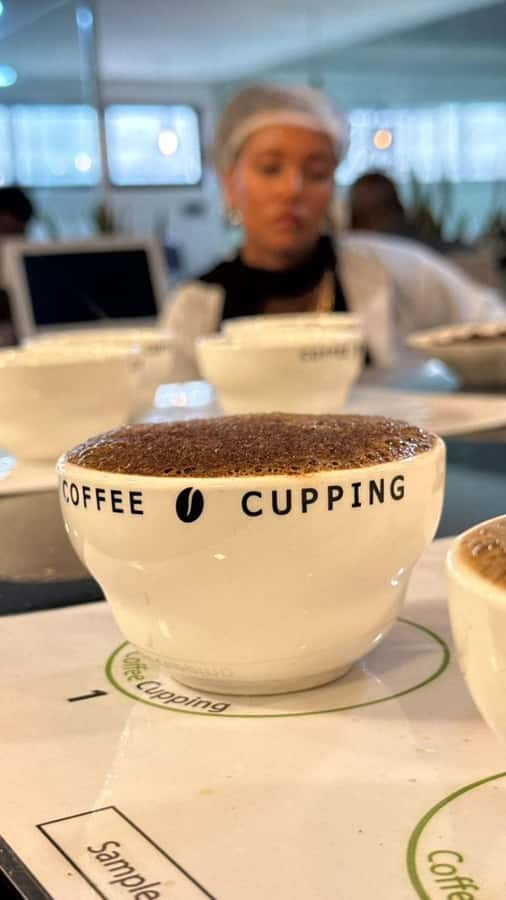
Ethiopia is closely tied to coffee, and this experience starts with the bean rather than treating coffee as a quick drink at the end of a meal. A local coffee expert leads the cupping session, introducing you to the basic language of tasting.
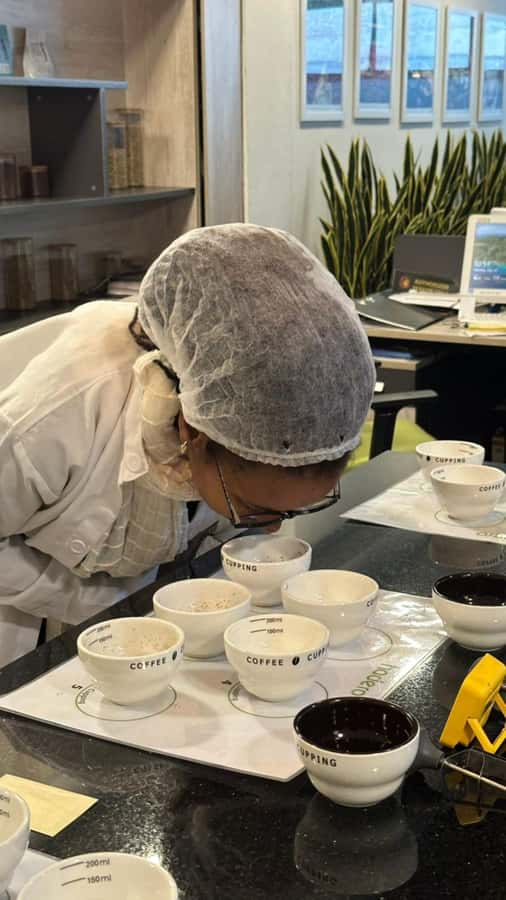
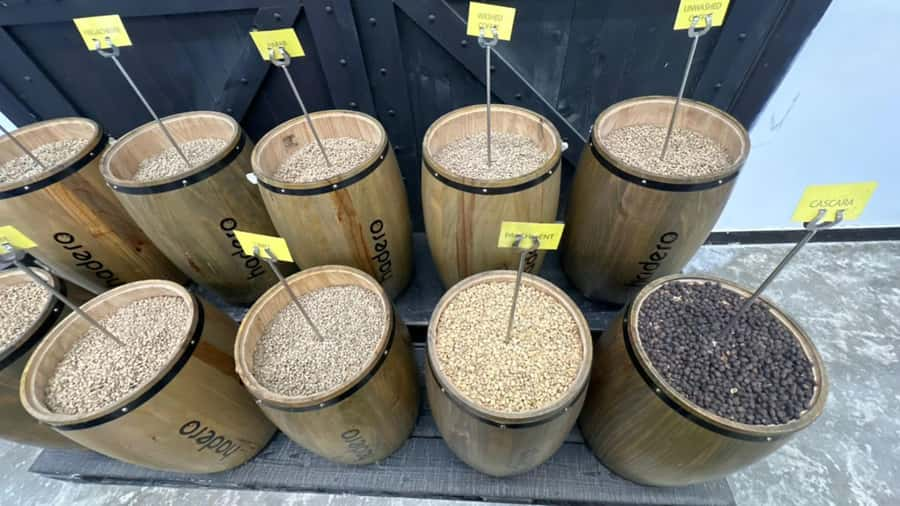
You can expect to compare aromas, flavors, and coffee varieties while learning about growing areas and different roast levels. The point is not to turn you into a professional taster in 45 minutes. It is to help you notice what is in the cup and understand why Ethiopian coffee can taste different from one region or roast to another.
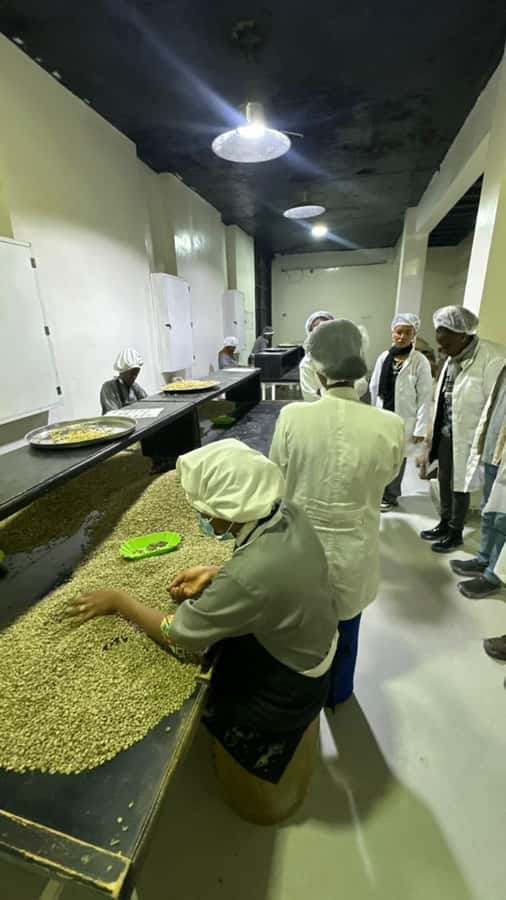
The session also covers cultivation, processing, and quality control. That wider view matters. Coffee does not simply appear as a roasted drink. It passes through several stages, and each stage affects the final cup.
One guest described a visit to the Hadero Coffee building that covered cultivation, processing, quality control, cupping, and tasting. Another visited Hadero with Joe and found the manager especially helpful during the coffee lesson. These details suggest that the exact coffee venue can vary, so you should ask your guide to confirm the location before pickup.
This part suits coffee drinkers who like to ask questions. You do not need specialist training, but you should be ready to taste thoughtfully rather than simply drink a large cup. If you normally take coffee with milk or sugar, this is a useful chance to try it in a more direct form.
More Coffee Tastings in the world:
- Hanoi Coffee Experience: 6 Brews, 9 Recipes & 3 Liquor Tastings
★ 5.0 · 2,945 reviews - Medellin: Coffee Tour with Transport, Snacks and Tastings
★ 4.7 · 1,357 reviews - Seattle Coffee Tour: Capitol Hill Cafes, Tastings & Local Stories
★ 5.0 · 489 reviews
The traditional coffee ceremony adds cultural meaning
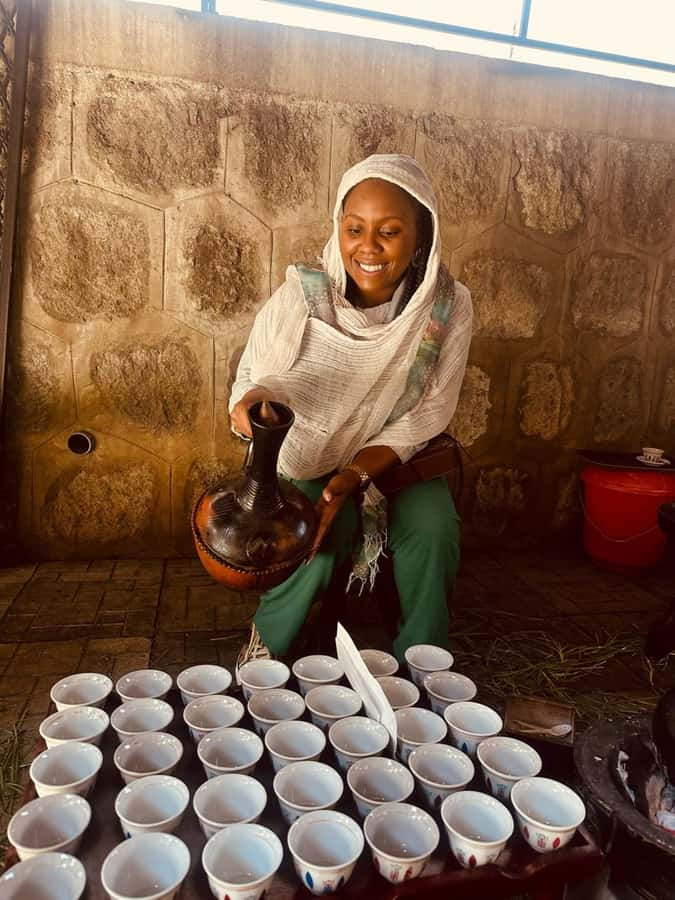
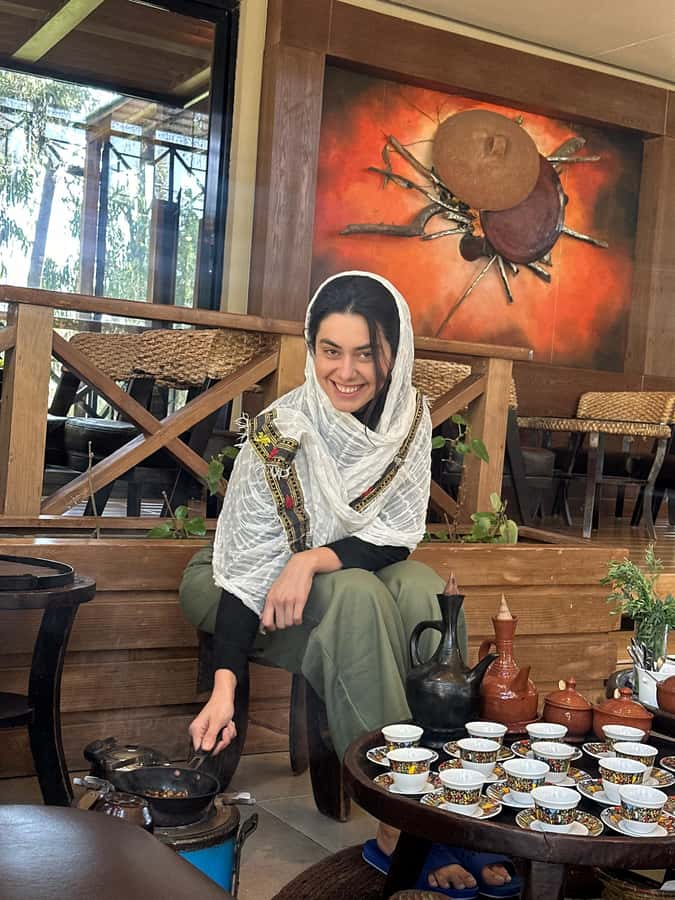
The coffee portion does not end with tasting notes. You also receive a traditional Ethiopian coffee ceremony, which turns the drink into a social event.
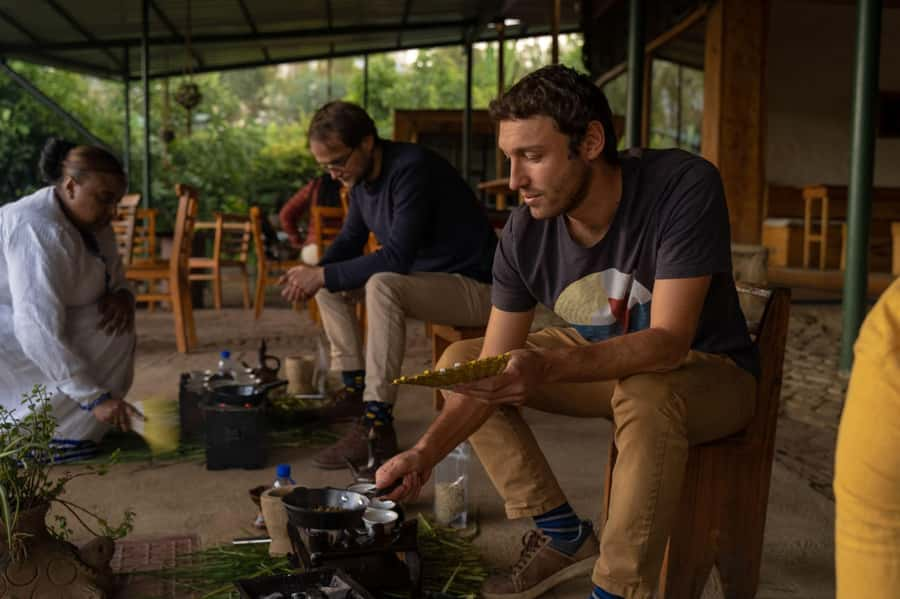
Coffee in Ethiopia is tied to hospitality, conversation, and time spent together. Here, the ceremony gives you a chance to slow down after the more technical cupping session. The clay coffee pot and other traditional tools help connect what you have learned about the bean with the way coffee is enjoyed at home and in social settings.
I like this combination. Cupping teaches you how to assess coffee, while the ceremony shows you why coffee matters beyond flavor. One is analytical. The other is communal.
The experience also includes bottled water, so you do not need to arrange drinks during the session. Personal purchases and extra food or beverages are not included, so keep some money available if you want souvenirs or anything beyond the planned meal.
Making injera on a mitad
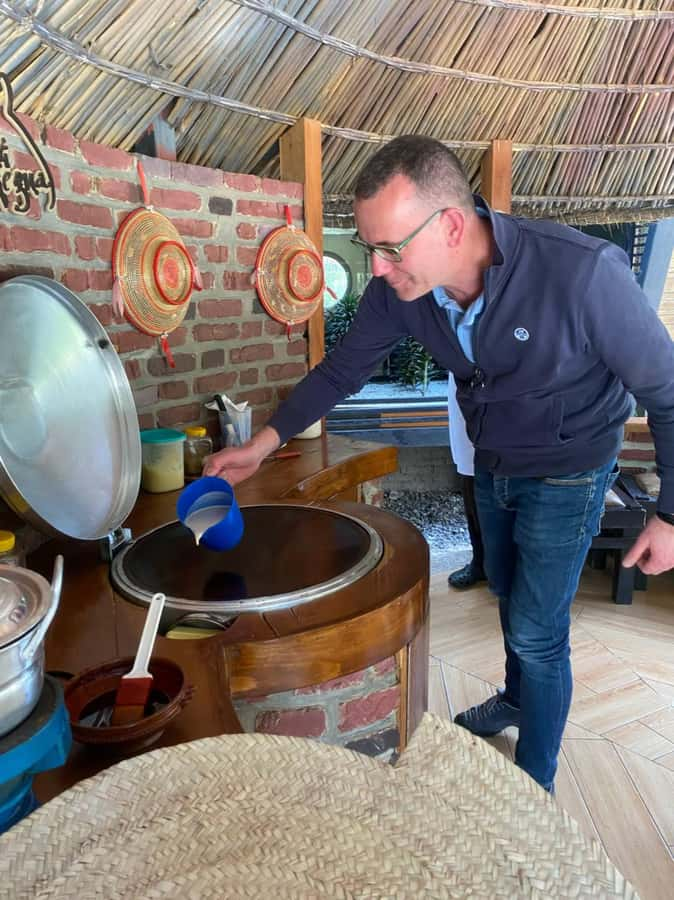
The injera class is the most hands-on part of the day. You work in a kitchen setting with a local host and learn how the batter is mixed, fermented, and baked.
Injera is a sourdough-risen flatbread with a distinctive texture and tang. It is not just bread placed beside a meal. It often serves as the plate and the utensil, with food arranged on top and pieces torn off to scoop up sauces and stews.
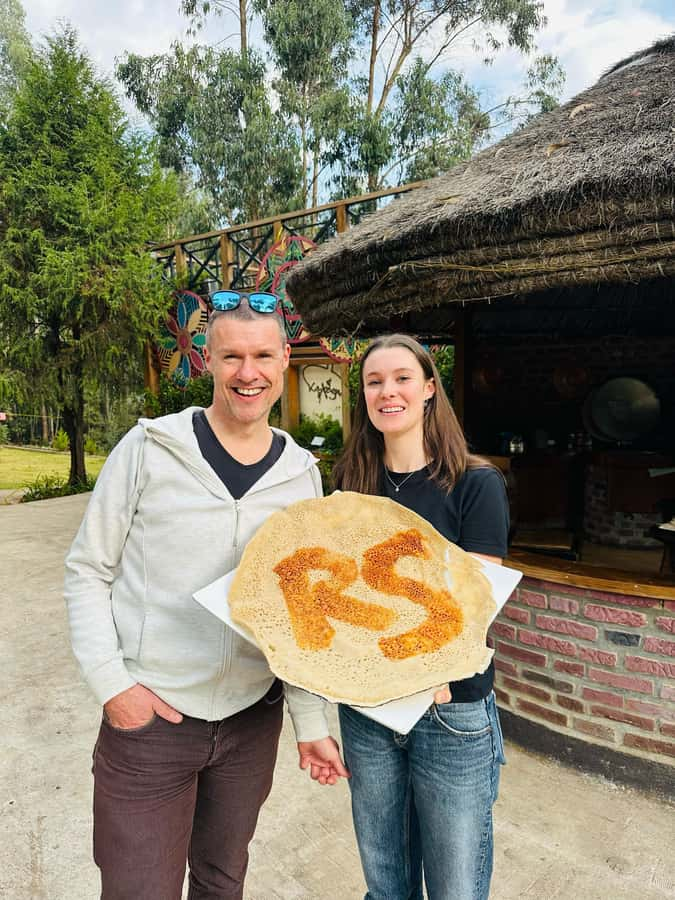
You use a traditional mitad, the broad cooking surface used to bake injera. The practical challenge is getting the batter onto the hot surface and flipping the bread correctly. The class gives you a chance to try the process rather than watch someone else do all the work.
Do not expect a full professional cooking course. The listed class time is about 30 minutes, and one guest described the injera lesson as relatively quick. That is enough for an introduction and a memorable attempt, but not enough to master fermentation or develop a perfect pour.
This is where the guide’s translation and encouragement matter. Aelaf helped explain the process during a class in Entoto, while Joe introduced guests to baking injera and making coffee. The quality of your learning may depend partly on how actively you ask questions and how much translation is needed.
The result may not look perfect. That is part of the fun. Your first injera might be uneven or tear during the flip. You still get to understand the work behind a staple food, and you will appreciate the finished meal more because you helped make it.
Lunch with shiro, misir wot, and local sides
After baking, you eat your injera with traditional Ethiopian dishes. The included meal features local sides such as shiro and misir wot, along with other dishes prepared for the class.
Shiro is a chickpea-based stew, while misir wot is a spiced lentil stew. Both work well with injera because the bread absorbs the sauces. The meal is designed to be shared, which fits the wider Ethiopian dining tradition better than a quick individual plate.
This communal finish is one of the strongest parts of the experience. Cooking classes can sometimes end with a small sample that leaves you hungry. Here, the handmade injera becomes part of a proper traditional lunch.
The description does not specify every dish, spice level, or dietary substitution. If you have food restrictions, tell the provider when arranging pickup. The supplied information confirms the main dishes and local sides, but it does not promise vegetarian, vegan, gluten-free, or allergy-specific changes.
You should also note that injera can have a sour flavor and a soft, slightly spongy texture. That may be new if you usually eat crisp flatbreads. The meal is a good fit if you enjoy trying food as it is traditionally served.
More Food and Drink Tours in the world:
- Vienna for Food Lovers: Cafés, Markets & Austrian Cuisine
★ 5.0 · 1,063 reviews - Buggy Ride Into the jungle with cave coffee & chocolate tasting
★ 5.0 · 465 reviews - Hanoi: Vietnamese Street Food Tour with Egg Coffee
★ 4.9 · 315 reviews - Da Nang Cooking Class with Coffee Tasting and Market Visit
★ 5.0 · 310 reviews
What the private format changes
This is a private group experience, not a large class with a fixed crowd. That gives you more room to ask questions and adjust the pace, at least within the limits of the four-hour booking.
Pickup is included in Addis Ababa, and the provider contacts you a day before the experience to arrange the details. That advance message is useful in a city where pickup points can be confusing. Joshua specifically praised Aelaf for messaging the night before, arriving early, driving safely, and discussing how to shape the day around personal interests.
The guides also provide more than transport. They may explain city life, culture, and religion while you are on the road. Joshua said the drive to Entoto offered a look at parts of Addis Ababa he had not yet seen. Another guest enjoyed additional time at Entoto Park and a stop at a honey shop, while a different day included Menelik Palace and a church museum.
Treat those extra stops as possible additions, not guaranteed parts of the advertised experience. The core promise is coffee, injera, lunch, and the coffee ceremony. Extra sightseeing depends on the guide, schedule, and your preferences.
The private setup also means the experience can feel personal. Janis praised Jonas for being on time, easy to talk to, respectful, and willing to share local insight. Mike was praised for storytelling and for making changes when plans shifted. Those qualities are valuable if you want conversation rather than a formal script.
Entoto, city views, and the pace of the day
Some versions of the experience continue to Entoto National Park or Entoto Hill for the injera class or views over Addis Ababa. The supplied details do not guarantee that every booking uses the same location, so confirm the meeting plan with the provider.
The drive can become part of the experience. You may see more of Addis Ababa than you would from a single kitchen or coffee room, and your guide can explain parts of city life along the way. The tradeoff is time. A longer drive leaves less room for the actual hands-on cooking and tasting.
The altitude note deserves attention. The activity is not suitable for people with altitude sickness, and Addis Ababa is a high-altitude city. If you are already feeling unwell, do not treat this as an easy indoor food activity. Tell the provider about any concern before booking.
The experience may include indoor and outdoor kitchen areas. Bring practical clothing that you can move in and do not mind wearing around food. The supplied information does not state a dress code, but cooking is easier when you are comfortable and ready to handle ingredients.
Is $94 per person fair?
At $94 per person, this is not the cheapest way to drink coffee or eat lunch in Addis Ababa. You are paying for a private four-hour outing with pickup, an English-speaking guide, coffee instruction, professional tasting, a cooking class, ingredients, equipment, a traditional meal, bottled water, and a coffee ceremony.
The value is strongest if you would otherwise pay separately for transport, a guide, a coffee tasting, and a cooking class. The personal format also matters. You are not only buying food. You are buying explanation, access to local customs, and help navigating the day.
The value is weaker if you want a long, technical cooking course. The injera lesson is brief, and the coffee session is also compact. You will get a useful introduction, not a certificate-level course in roasting or fermentation.
I would consider the price reasonable for first-time visitors who want a focused cultural activity and private transport. It is less attractive for independent food lovers who already know Addis Ababa and only want a basic meal.
Free cancellation up to 24 hours before the start and the option to reserve now and pay later make planning easier. Still, check the starting time and pickup details because those are arranged separately.
Who will enjoy this most?
This experience suits:
- Coffee lovers who want to learn how cupping works.
- Food-focused visitors who prefer making a dish to simply eating one.
- First-time visitors who want local context during transport.
- Couples, friends, and small private groups seeking a flexible half-day.
- People curious about Ethiopian hospitality and shared meals.
- Adults and teenagers aged 15 or older who are comfortable with new foods and a hands-on class.
It is less suitable for anyone under 15, people affected by altitude sickness, or anyone wanting a fast sightseeing circuit with several major attractions. The food and coffee are the focus, with extra stops depending on the day.
The activity also works best when you are willing to participate. You will gain more by asking how coffee is processed, trying the injera flip, and talking with your host than by standing back and taking photographs.
Practical advice for a smoother experience
Confirm the pickup location and coffee venue when the provider contacts you the day before. The experience has used different settings, including Hadero Coffee and Entoto, and the location affects the amount of driving.
Ask how much time is planned for coffee, cooking, the meal, and any additional sightseeing. The published schedule lists 45 minutes for coffee and 30 minutes for cooking, while the total duration is four hours. A clear plan will help you set realistic expectations.
Wear comfortable clothes for a kitchen activity and tell the provider about food restrictions in advance. Alcohol and drugs are not allowed, and personal expenses, extra food, and extra drinks are separate from the included package.
Finally, take the guide’s name and phone contact before pickup if possible. Joe, Mike, Aelaf, and Jonas have each been praised for care, communication, flexibility, and local storytelling. The guide is a major part of the experience, so good coordination matters.
Should you book this Ethiopian food and coffee experience?
Book it if you want a personal introduction to Ethiopia through two everyday traditions. The coffee cupping gives structure and useful tasting skills, while the injera lesson and shared meal bring you into the social side of Ethiopian food.
I would especially recommend it early in an Addis Ababa visit. You will gain context that can help you understand coffee ceremonies, injera-based meals, and local hospitality during the rest of your stay.
Skip it if you want a long cooking course, a large sightseeing program, or guaranteed visits to every extra stop mentioned by guides. For most foodies and coffee lovers, though, the combination of private pickup, local guidance, handmade injera, and a full coffee experience makes this a worthwhile four-hour introduction.
FAQ
How long does the experience last?
The experience lasts four hours. The listed schedule includes about 45 minutes for coffee and 30 minutes for the cooking class, with the remaining time covering transport, the meal, the ceremony, and other parts of the outing.
Where does pickup take place?
Pickup is included in Addis Ababa. The provider contacts you one day before the experience to organize the pickup details.
Is the experience private?
Yes. It is offered for a private group with a local cultural host and an English-speaking guide.
What language is spoken during the experience?
The live tour guide speaks English, and the listed activity language is English.
What food is included?
You receive a traditional Ethiopian lunch with your handmade injera and local dishes such as shiro and misir wot. Ingredients and spices used during the workshop are included.
Is coffee tasting included?
Yes. The experience includes a guided Ethiopian coffee cupping session, professional tasting with varieties, and a traditional Ethiopian coffee ceremony.
Can I cancel the booking?
You can cancel up to 24 hours in advance for a full refund. The activity also offers a reserve-now, pay-later option.
More Food Tours in the world
- Hungry in Vienna? A Food Lover’s Coffee & Market Walk
★ 4.9 · 276 reviews - Private Walking Tour, Food Tasting and Bosnian Coffee in Sarajevo
★ 5.0 · 255 reviews - Rome Pantheon: Award Winning Gelato Tiramisu & Espresso Food Tour
★ 5.0 · 99 reviews - Vienna Eats: Private Foodie Walk with Coffee & Markets
★ 5.0 · 77 reviews
Just added around the world
- Vietnamese Coffee Making Class in Hoi An★ 5.0 · 4 reviews
- Venice Delights: Coffee & Food Experience Walking Tour★ 5.0 · 2 reviews
- Yerevan: Private Coffee Tour with 2 Café Stops★ 5.0 · 2 reviews
- Vietnamese Coffee 101 Workshop★ 5.0 · 11 reviews
- Ubud: Waterfall, Holy Water Temple,Swing&coffee plantation★ 5.0 · 9 reviews
- Vancouver: Street Art & Craft Coffee Walking Tour w/ Tasting★ 4.8 · 11 reviews
- Turkish Coffee and Traditional Turkish Dessert Cooking★ 4.6 · 8 reviews
- Vienna: Guided Viennese Coffee-House Tour★ 5.0 · 2 reviews
Ethiopia Coffee Tours, compared.
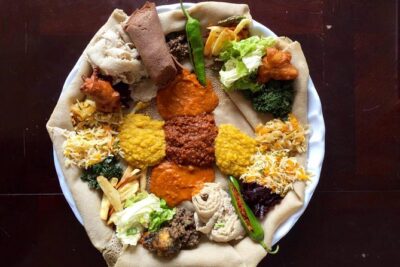
Ethiopian Culinary Tour – Market, Food, Coffee Ceremony & more
Read our review →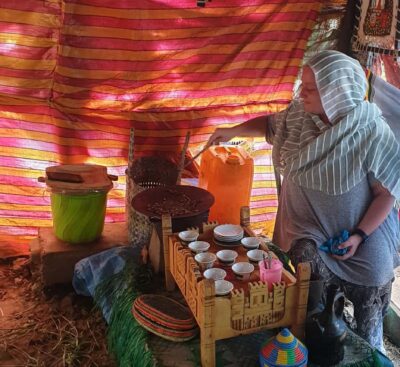
Ethiopian Culinary Tour – Market, Coffee Ceremony and More
Read our review →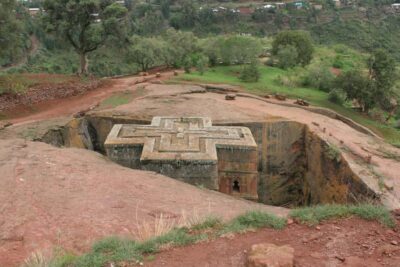
Lalibela: Churches Full-Day Private Tour w/Coffee Ceremony
Read our review →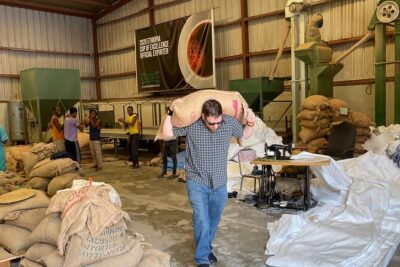
Browse the lists this tour appears in