
REVIEW · SAN JOSE COFFEE TOURS
Hacienda Doka Coffee Experience Tour
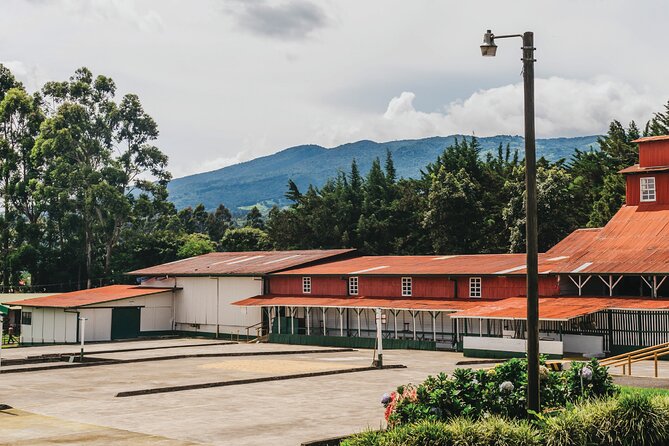
Coffee tells Costa Rica’s story. At Hacienda Doka, you can follow that story from coffee plant to packaged bean, then finish with coffee and chocolate samples. I especially like the chance to see several stages of processing up close, and the butterfly garden adds a welcome change of pace. The main caution is that the sugar mill portion may not always operate as described, and transportation is not included in the $35 price.
This is a compact, educational outing near San Jose. Guides such as Ray and Andrea have earned praise for making the subject clear, lively, and easy to follow. Plan on about 1 hour and 15 minutes for the organized tour, with extra time for the grounds and butterfly garden.
Key points to know before you go
- Coffee from plant to package: You can see how beans are picked, separated, peeled, dried, processed, and prepared for sale.
- Hands-on details: The tour may let you pick coffee cherries and touch beans at different stages of production.
- Butterflies add variety: The garden is a popular part of the visit and gives you a pleasant break from the factory portion.
- Sugar mill expectations need care: A mill is part of the advertised experience, but the full sugar cane processing tour may not be running.
- Good short stop near San Jose: The visit lasts about 75 minutes, making it easy to fit into a busy Costa Rica itinerary.
- Simple pricing: The cost is $35 per person, with coffee and chocolate samples included, but not meals, drinks, or transportation.
Why Hacienda Doka works as a first coffee stop
Costa Rica is famous for coffee, but the finished drink can hide a lot of work. At Hacienda Doka, you get a clear look at the chain behind your morning cup. The point is not only to taste coffee, but to understand how farming choices, processing, drying, roasting, and brewing affect the final result.
The tour presents coffee as a balance between natural conditions and careful human work. You learn about cultivation methods and older brewing techniques, while also seeing the machinery used to prepare the beans. That mix gives the visit more substance than a simple plantation walk.
I like this format for a first day in Costa Rica. It is close to San Jose, does not take a full day, and gives you useful context before you encounter coffee on menus and in shops throughout the country. It also suits people in a mixed-age group because the visit combines plants, machines, tasting, and butterflies.
The rating of 4.5 from 315 reviews and recommendation rate of 91 percent point to a generally strong experience. Still, the value depends on what you expect. If you want a detailed coffee lesson with a working roasting demonstration, you may find the tour shorter and less active than hoped. If you want a friendly introduction to Costa Rican coffee, it fits well.
A few more coffee tours around the world worth a look
- Hanoi Coffee Experience: 6 Brews, 9 Recipes & 3 Liquor Tastings
★ 5.0 · 2,945 reviews - Medellin: Coffee Tour with Transport, Snacks and Tastings
★ 4.7 · 1,357 reviews - Istanbul: Turkish Coffee Making and Fortune Telling Workshop
★ 4.9 · 1,308 reviews
From coffee plant to working factory
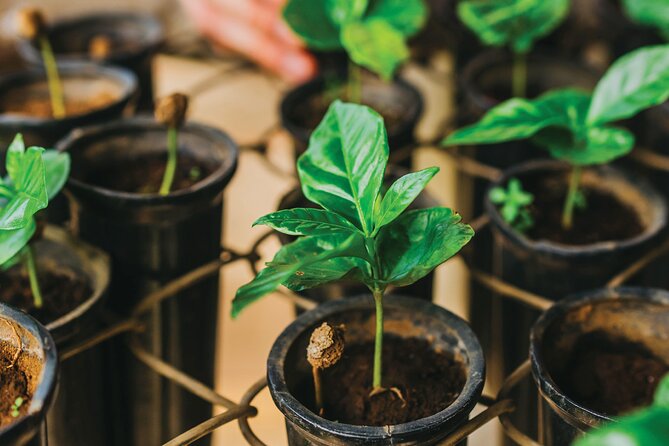
The strongest part of the experience is the coffee process itself. You may begin among the plants, where the guide explains how the crop is cultivated and what farmers seek in a good bean. One particularly enjoyable detail is the chance to pick coffee cherries from the plant.
That small hands-on moment helps you understand the crop as fruit, not just as a brown bean in a bag. The bean has to be removed from the cherry, prepared, dried, and sorted before it resembles the coffee you know.
Inside the processing area, you can see the beans handled at several stages. The tour has been praised for showing how they are separated, peeled, dried, and packaged. Touching the beans as they change gives the explanation a practical edge.
The chronology is useful. Instead of receiving a jumble of coffee facts, you follow the product in order. You can connect the field work to the machinery, then connect the processed bean to roasting and brewing. A guide who explains each step well makes a real difference here, and Ray and Andrea have both been singled out for clear, engaging presentations.
Do keep your expectations in check about the roasting portion. The coffee experience describes the path through roasting, and some descriptions say you learn how coffee is grown and roasted. However, one account specifically wished for more of the roasting process in action. The tour may explain roasting without giving you a long live demonstration.
That is not a flaw for everyone. If you are curious about the basics, the factory visit should give you plenty to see. If roasting is the main reason you are coming, ask at the start what will be operating that day.
The sugar mill may be the weak link
The sugar cane element sounds appealing because it widens the visit beyond coffee. The advertised experience includes a working sugar mill where cane becomes sugar, molasses, and other sweet products. In practice, availability can be less certain.
The property includes an older or partial mill area that you may be able to visit. At least one account found no active sugar cane tour or explanation on the day. That means you should treat the mill as a possible extra rather than the central reason to book.
I would be disappointed if I arrived expecting a full demonstration and found only an out-of-use section. The coffee portion appears to be the reliable core, while the sugar mill may depend on current operations. If cane processing matters greatly to you, confirm its status before paying or make sure you are comfortable with the coffee tour alone.
The good news is that the sugar mill issue does not erase the value of the rest of the visit. The coffee farm and factory provide the main educational content, and the butterfly garden gives you another worthwhile stop.
Natural trails and the butterfly garden
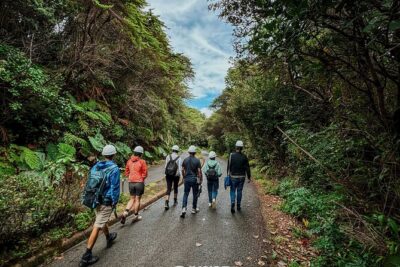
The natural trails offer a break from the production areas. You can walk through the grounds, take photos, and see the plantation setting at a slower pace. The available details do not specify the trail length or difficulty, so I would think of these paths as a short stroll rather than a serious hike.
The butterfly garden is one of the clearest highlights. It gives the tour color and movement after the technical explanations, and it works especially well for families or anyone who wants more than machinery and beans.
Plan to visit the garden even if you are mainly interested in coffee. One account specifically found it a definite highlight and encouraged making time for it. The organized tour lasts about 75 minutes, but you may be invited to remain afterward to walk the grounds and see the butterflies.
That extra time matters. The formal presentation may feel brisk, particularly if your group is interested in asking questions. Staying on the property lets you slow down, take pictures, and enjoy the setting without trying to squeeze every stop into the guided portion.
Same place, a different cup:
- Hanoi Coffee Workshop: Taste Salt, Coconut and Egg Coffee
★ 5.0 · 1,286 reviews - Vienna for Food Lovers: Cafés, Markets & Austrian Cuisine
★ 5.0 · 1,063 reviews - Big Island Highlights: Coffee, Volcano, Black Sands & Waterfall
★ 5.0 · 1,054 reviews - Hanoi: Salt Coffee Workshop Awake Your Senses With 6 Brews
★ 5.0 · 792 reviews
Coffee, chocolate, and the final tasting
The included tasting is simple but well chosen. Coffee and chocolate samples provide an easy ending to the visit and let you connect the production story with something you can actually taste.
The coffee sample is the obvious star, but the chocolate is a nice partner. The combination gives children and non-coffee drinkers something to enjoy, too. Several positive accounts praised the tasting, with one calling it a delicious end to the tour.
Do not confuse the included samples with a full meal. Food and drinks beyond the tasting are not included. A separate lunch may be available at the property, but it is not part of the $35 tour price, and one account found the buffet arrangement expensive and unusual.
If you are hungry, check the lunch terms before committing. The complaint was not about food quality, but about being allowed to visit the buffet only once. That detail may matter if you are budgeting carefully or expecting an all-inclusive plantation visit.
Is $35 a fair price?
At $35 per person, I see this as a reasonable price for a short, guided introduction, especially if you value instruction and want a convenient stop near San Jose. You receive the coffee and chocolate samples, a plantation and factory visit, information about cultivation and processing, and access to the garden and grounds.
The value becomes weaker if you judge the price against time alone. The formal experience lasts about 1 hour and 15 minutes, and transportation is not included. You are paying for the guide’s explanation and access to the working coffee operation, not for a full-day farm outing.
The price makes the most sense for:
- A first-time visitor to Costa Rica
- Anyone curious about how coffee is produced
- Families wanting a short educational activity
- People with a spare morning or afternoon near San Jose
- Coffee drinkers who enjoy process as much as tasting
It may not suit you if you want a long plantation hike, an active sugar cane demonstration, or an extended roasting class. Those expectations could leave you feeling that the visit is too brief.
Timing, transport, and group size
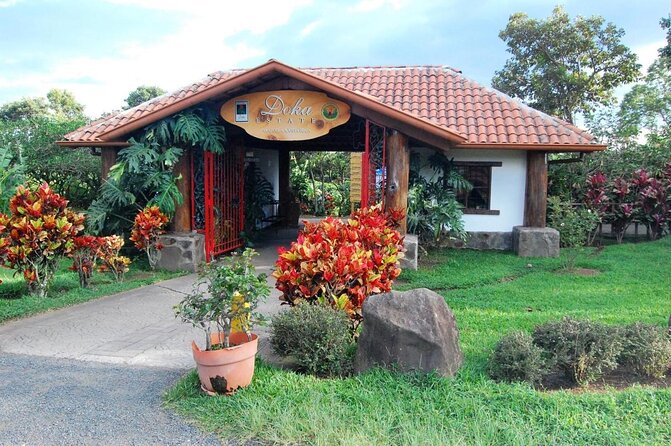
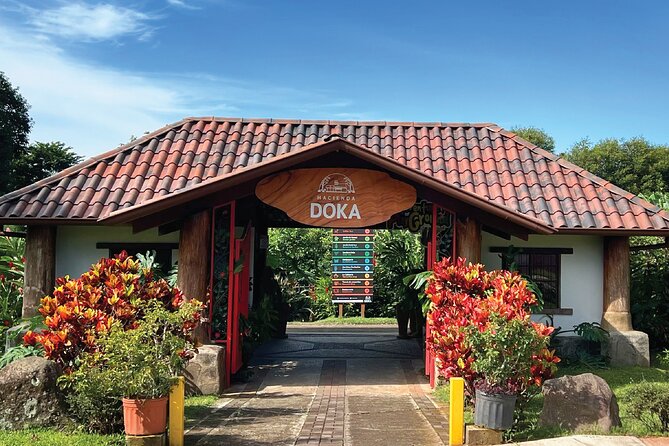
The meeting point is Doka Estate Costa Rica Coffee Tour and Plantation, at 129, Provincia de Alajuela, Sabanilla, 20107, Costa Rica. The activity begins and ends at that meeting point.
Transportation is not included, so plan your route in advance. The property is near public transportation, but the supplied information does not specify a particular bus route, transfer, or travel time from your hotel. Do not assume that a hotel pickup comes with this booking, even though one past account described a driver named Jimmy providing pickup.
The group can include up to 25 people. That is large enough for a lively presentation but still smaller than a major sightseeing crowd. If you want the best chance to hear every explanation, arrive ready to begin on time and stay near the guide during the walking sections.
A minimum of two people is required per booking. The activity can be canceled after confirmation if that minimum is not met, with an alternative or full refund offered. Confirmation is provided at booking, and the experience is often reserved about six days ahead, so I would not leave it until the last minute during a busy trip.
Most people can participate, and service animals are allowed. The available information does not describe every surface or step, so anyone with specific mobility concerns should ask the provider before booking.
What the guides add to the visit
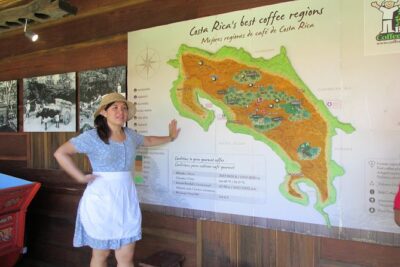
The subject is technical enough that the guide matters. A dull presentation about processing machines can turn the visit into a walk past equipment. A good guide connects each stage to the cup you drink later.
Ray received especially warm praise for making the tour enjoyable and informative. Andrea was also singled out for explaining coffee production well. Another description praised a funny guide who told plantation stories clearly and used jokes without losing the thread.
That style suits this experience. You do not need a degree in agriculture to follow the process. The best moments come when the guide explains what you are seeing, then lets you handle the beans or sample the finished products.
I would ask questions as you go, especially about cultivation methods, age-old brewing techniques, and what parts of the factory are active on the day. The tour is short, so waiting until the final tasting may mean missing your chance.
Who should book Hacienda Doka?
I would book this if you are staying in or passing through San Jose and want a manageable introduction to Costa Rican coffee. The mix of plantation, factory, samples, and butterflies gives you several kinds of experience in a short period.
Families should find the variety helpful. Children may lose interest during a long technical explanation, but picking coffee cherries, seeing machinery, tasting chocolate, and visiting butterflies can keep the visit moving.
Coffee fans will get the most from the bean-by-bean story. You can see the product at different stages and understand why production involves far more than roasting a raw seed.
I would be more cautious if the sugar mill is your top priority. The mill may be present without an active demonstration, so confirm before booking. I would also look elsewhere if you want transportation included, a full meal, or a long, strenuous walk.
Free cancellation is available if you cancel at least 24 hours before the start time. Cancellations made less than 24 hours ahead are not refunded, and changes inside that window are not accepted. The cut-off uses local time.
Should you book this coffee tour?
Yes, if you want a friendly, compact look at Costa Rican coffee and you can arrange your own transport. The coffee production section appears to be the dependable heart of the visit, with hands-on details, clear explanations, and a pleasant tasting at the end.
Book it with realistic expectations. Allow extra time for the butterfly garden, ask whether the sugar mill and roasting equipment are operating, and do not count on lunch or hotel pickup being included. For $35, it is a solid short outing, especially for first-time visitors who want to understand what makes Costa Rican coffee more than a souvenir bag.
FAQ
Where does the Hacienda Doka Coffee Experience Tour begin?
It begins at Doka Estate Costa Rica Coffee Tour and Plantation, located at 129, Provincia de Alajuela, Sabanilla, 20107, Costa Rica.
Where does the tour end?
The activity ends back at the meeting point at Doka Estate.
How long does the experience last?
The organized tour lasts approximately 1 hour and 15 minutes. You may also be able to remain afterward to walk the grounds and visit the butterfly garden.
How much does the tour cost?
The listed price is $35 per person.
Is transportation included?
No. Transportation is not included in the tour price. The property is near public transportation.
What is included in the price?
Coffee and chocolate samples are included.
Is a meal included?
No. Food and drinks beyond the included coffee and chocolate samples are not included.
How many people are required to book?
A minimum of two people is required per booking, and the group size can reach a maximum of 25 people.
Just added around the world
- Vietnamese Coffee Making Class in Hoi An★ 5.0 · 4 reviews
- Venice Delights: Coffee & Food Experience Walking Tour★ 5.0 · 2 reviews
- Yerevan: Private Coffee Tour with 2 Café Stops★ 5.0 · 2 reviews
- Vietnamese Coffee 101 Workshop★ 5.0 · 11 reviews
- Ubud: Waterfall, Holy Water Temple,Swing&coffee plantation★ 5.0 · 9 reviews
- Vancouver: Street Art & Craft Coffee Walking Tour w/ Tasting★ 4.8 · 11 reviews
- Vienna: Guided Viennese Coffee-House Tour★ 5.0 · 2 reviews
- Coffee pleasure walking tour★ 5.0 · 12 reviews
San Jose Coffee Tours, compared.
Poás Volcano and Coffee Tour with Tasting and La Paz Falls
Read our review →
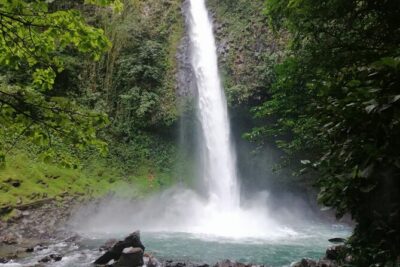
Poas Volcano + Coffee tour + Waterfall tour day from San Jose
Read our review →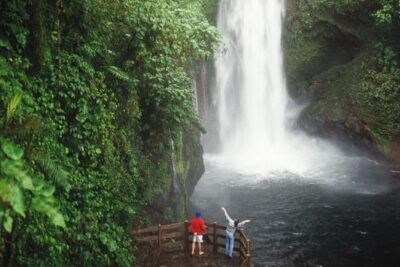
Poas Volcano + Coffee Plantations & La Paz Waterfall Gardens Trip from San Jose
Read our review →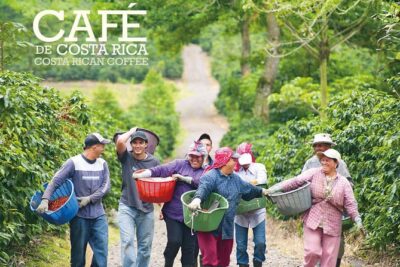
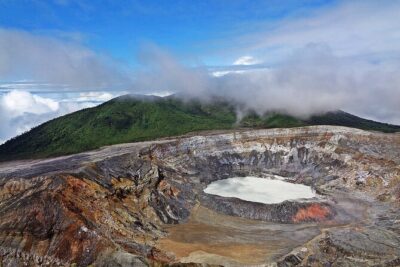
Super Combo Tour: Waterfalls Gardens + Coffee Tour + Poás Volcano
Read our review →
Doka Coffee Tour, Poas Volcano and La Paz Waterfall Day Trip from San Jose
Read our review →Browse the lists this tour appears in