
REVIEW · VIETNAM COFFEE TOURS
Hanoi Egg Coffee Class
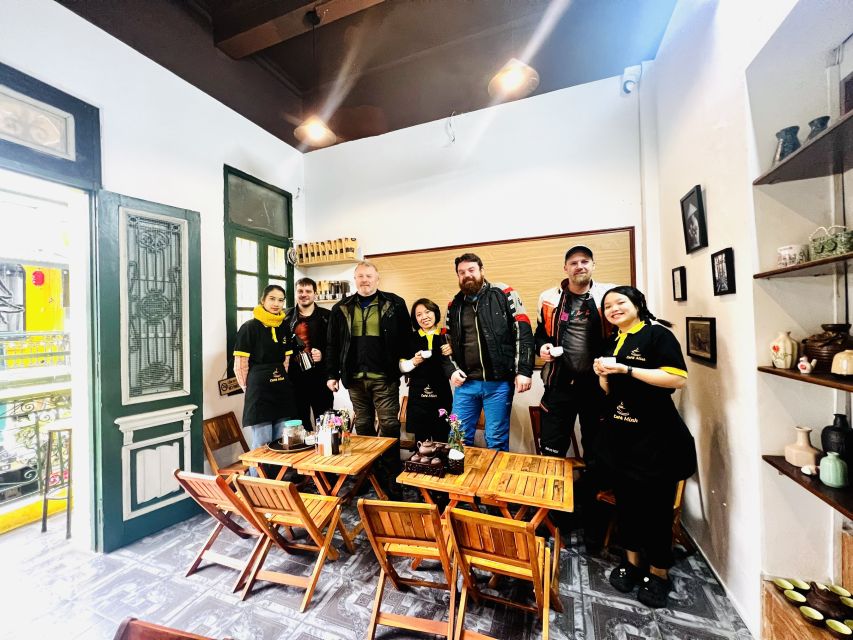
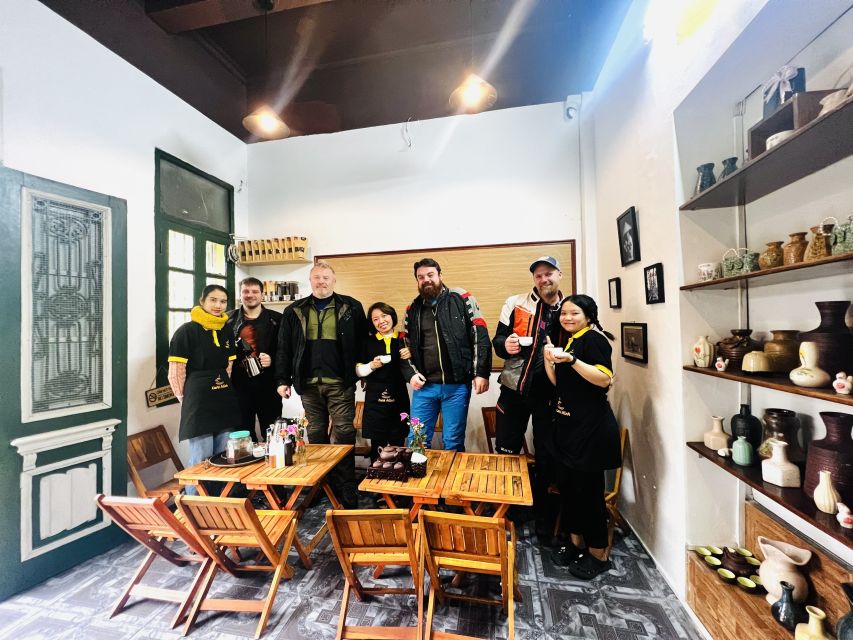
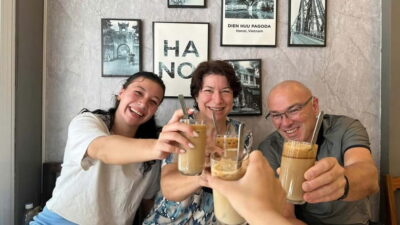
Coffee can tell Hanoi’s story. At Cafe Minh, just a few steps from Ta Hien Beer Street, you spend roughly one to two and a half hours learning how Vietnamese coffee is brewed, sweetened, whipped, and served. The egg coffee lesson is the main draw, but the class may also cover salt coffee, coconut coffee, black coffee, and condensed-milk drinks.
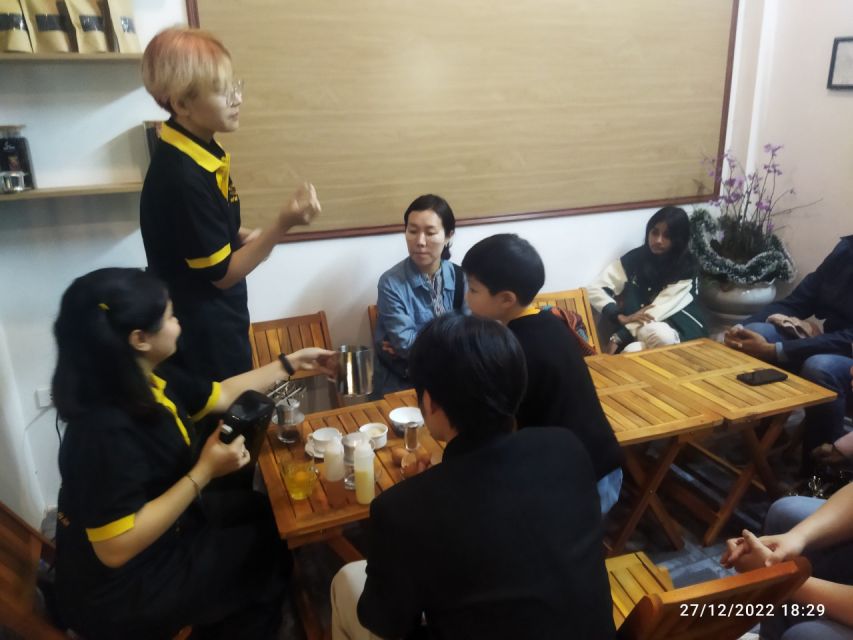
I like the central but slightly tucked-away location, which gets you off the traffic-heavy Old Quarter streets. I also like the friendly teaching style. Instructors such as Hai, Ha, Lena, Ashley, and Chloe are praised for clear English, good humor, and useful tips about Hanoi. The main consideration is caffeine. You can taste three or four strong drinks in one sitting, so this is not the best plan for someone sensitive to coffee.
The class is hands-on, though the exact amount of work can vary. You may prepare much of the coffee yourself, but one participant wanted more time whipping the egg and coffee mixture. A few utensils have also needed better cleaning, so I would expect a relaxed workshop rather than a polished culinary school.
Key points to know before booking
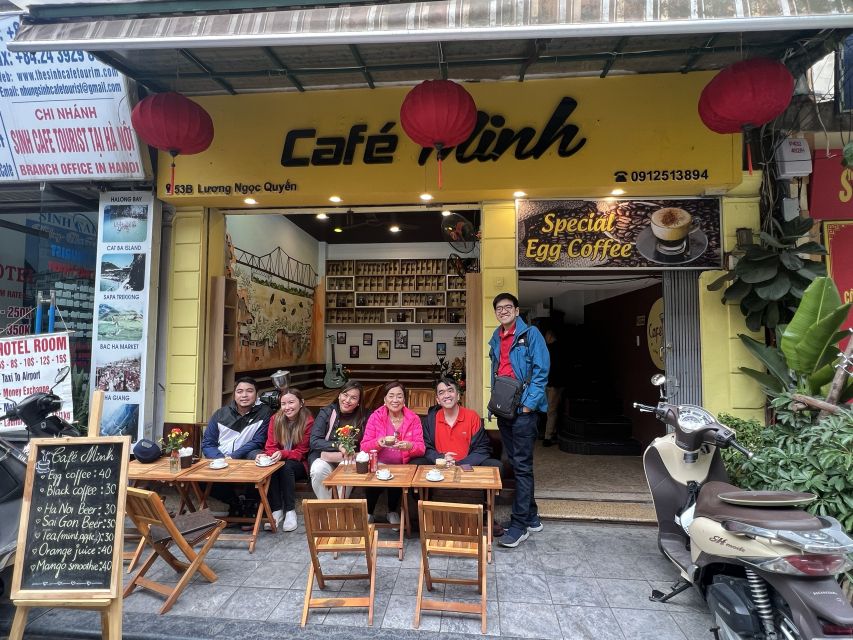
- Cafe Minh sits at 53 Luong Ngoc Quyen Street, only a few meters from Ta Hien Beer Street in Hanoi’s Old Quarter.
- Egg coffee is the star recipe, made with a sweet, creamy egg topping over strong Vietnamese coffee.
- The coffee menu can vary, with classes covering three or four drinks such as egg, salt, coconut, black, white, and brown coffee.
- The instructors receive the strongest praise, especially for clear English, patience, humor, and local recommendations.
- The $12 price is excellent value, particularly when you receive several drinks, instruction, ingredients, and sometimes a take-home gift.
- Small and private groups are available, and solo participants may end up with a one-on-one lesson.
Arriving at Cafe Minh near Ta Hien Beer Street
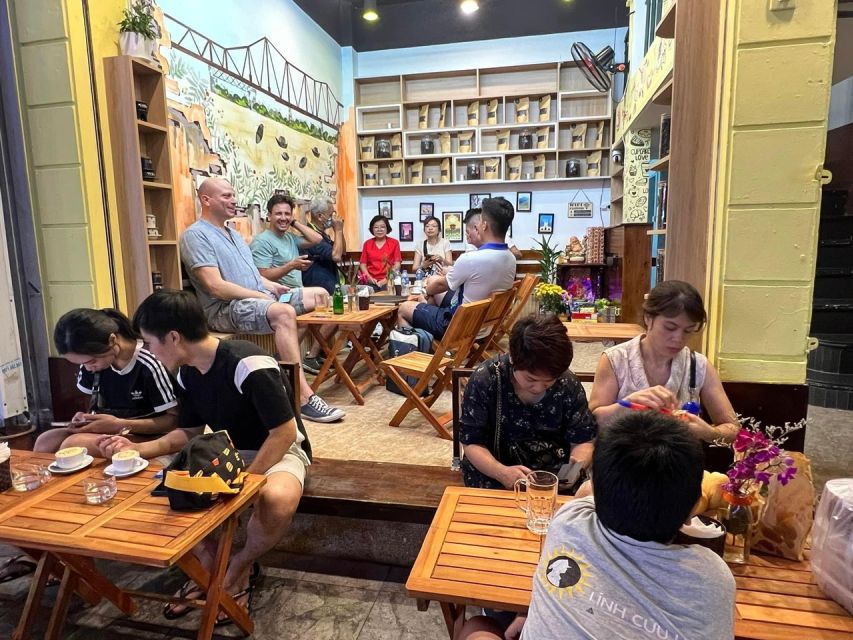
The meeting point is Cafe Minh at 53 Luong Ngoc Quyen Street, close to Hanoi’s famous Ta Hien Beer Street. That address matters because the area is easy to reach while still offering a brief break from the loudest part of the Old Quarter.
You choose a time when booking, then make your way to the cafe. Since the exact meeting point can vary with the option selected, check your booking details before setting out. The class takes place in a central Old Town setting, not at a farm or a large cooking school, so the experience feels tied to everyday Hanoi cafe culture.
The cafe provides a balcony or open sidewalk area where you can remain after class and compare your drinks. That is a nice touch. You are not rushed out after the final recipe, and you can talk with the instructor about food, language, coffee shops, or your next stop in Hanoi.
The setting has a practical drawback. This is an Old Quarter cafe near a busy nightlife street, not a quiet retreat. You may hear street activity, and space can be limited. If you have mobility impairments, this class is listed as unsuitable, so ask for more details before booking if steps, narrow spaces, or standing are concerns.
More Coffee Making Classes in Vietnam
- Hanoi Coffee Workshop: Taste Salt, Coconut and Egg Coffee
★ 5.0 · 1,286 reviews - Hanoi: Salt Coffee Workshop Awake Your Senses With 6 Brews
★ 5.0 · 792 reviews - Da Nang Coffee Making Workshop
★ 4.9 · 543 reviews
The welcome talk: coffee, Vietnam, and Hanoi culture
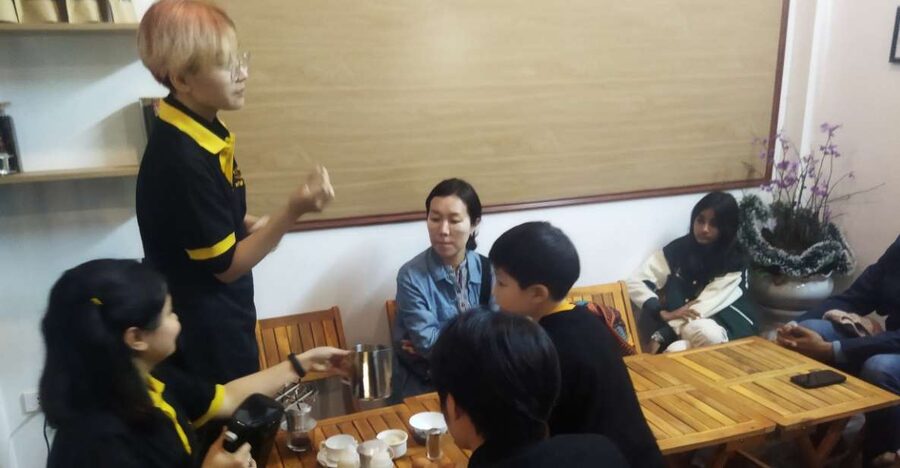
The class begins with an introduction to Vietnamese coffee and the country’s long relationship with the drink. Your instructor explains how coffee became part of daily life and introduces the equipment and ingredients used in the lesson.
This cultural part gives the recipes more meaning. You are not simply adding condensed milk to a glass or stirring a topping. You learn why strong coffee, small metal phin filters, and sweet ingredients work so well together in Vietnamese cafe culture.
The instructors make this portion conversational. Hai is praised for turning the class into a lively discussion, while Lena has been singled out for sharing facts about Vietnam, coffee, language, and local life. Ashley also receives strong marks for clear explanations, especially when guiding people through several different drinks.
You may also pick up a few Vietnamese words and practical cafe suggestions. One instructor recommended local places to eat and visit after class, which adds value if this is your first morning in Hanoi. The class works well early in a trip because it can help you understand what to order at ordinary cafes afterward.
Making Hanoi egg coffee step by step
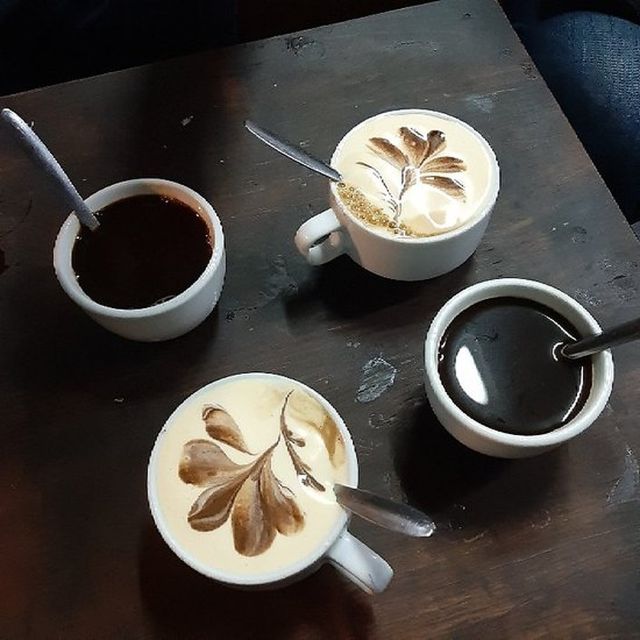
Egg coffee, or ca phe trung, is the recipe most people come to learn. The drink pairs bold Vietnamese coffee with a thick, sweet egg mixture. Done well, the topping is smooth and creamy, more like a dessert foam than a plain egg flavor.
The instructor first explains the ingredients and equipment, then shows how to prepare the coffee using traditional brewing methods. You follow the steps carefully, from setting up the filter to building the sweet topping. The point is not speed. The topping needs attention, and small details affect the final texture.
This is where the class earns its price. Egg coffee looks simple in a cafe, but the balance is less obvious when you make it yourself. You learn how the coffee needs to stay strong enough to hold its own against the sweet topping. You also see why the drink takes more work than a standard cup of milk coffee.
The reviews consistently praise the taste. Several people picked egg coffee as their favorite, and one participant described it as the clear winner among four drinks. I would choose this class mainly for the chance to taste your own version immediately, then repeat it at home with the recipe guidance provided afterward.
The level of hands-on work is not identical in every class. One person felt the instructor handled some steps, including whipping, rather than letting the student do everything. If you want a full workshop where you perform every part, say so at the start. The teachers appear willing to explain and demonstrate, but the class is designed for learning and tasting, not strict professional training.
Comparing Hanoi and Saigon milk coffee
The class also introduces more familiar Vietnamese coffee drinks. One recipe focuses on Hanoi-style espresso-strength milk coffee, while another demonstrates Saigon-style milk coffee.
The Hanoi version is described as strong and detailed, with small preparation choices making a difference. The Saigon version is a little sweeter and includes three secret drops, according to the class description. These drinks help you compare regional preferences rather than treating Vietnamese coffee as one single style.
You may hear different names for the drinks during the lesson. Past classes have included black, white, and brown coffee, terms that can refer to coffee served plain or with condensed milk. Do not worry if the menu sounds confusing at first. The instructor explains the differences as you prepare and taste each one.
This section is useful for your next cafe visit. After the class, you will have a better idea of what you are ordering and how sweetness changes the drink. You also learn that Vietnamese coffee does not need elaborate ingredients to have a strong character. The phin filter and condensed milk do much of the work.
More Egg Coffee Experiences in Vietnam:
- Egg coffee & Course on 4 traditional types of Viet coffee
★ 4.9 · 487 reviews - Hanoi: Vietnamese Street Food Tour with Egg Coffee
★ 4.9 · 315 reviews - Ha Noi Egg Coffee Class
★ 5.0 · 227 reviews - Decadent Vietnamese “Egg Coffee” Workshop in Hồ Chí Minh City
★ 5.0 · 150 reviews
Salt and coconut coffee may be part of your class
The advertised core recipes focus on egg coffee and milk coffee, but several recent classes have included salt and coconut coffee. The exact selection appears to depend on the class option, instructor, or current format, so do not assume every booking includes all four.
Salt coffee is a clever lesson in balance. A small amount of salt can soften bitterness and make the coffee taste rounder, especially with a sweet cream topping. Coconut coffee takes the drink in a different direction, adding a tropical sweetness and thicker texture.
These recipes were praised for both taste and novelty. They also give you more to discuss with the instructor, since the drinks show how Vietnamese cafes adapt coffee with simple, accessible ingredients.
If you specifically want salt or coconut coffee, confirm the chosen option before booking. One person who attended an egg-focused class later received digital instructions for making those drinks at home. That suggests the provider may be able to share extra recipes even when they are not part of your exact session.
How much time you need for the class
The listed duration ranges from one to four hours, which is a wide spread. In practice, the classes described by participants lasted about one hour to two and a half hours, depending on the format and number of drinks.
A one-hour session can still be worthwhile. One solo participant learned four types of coffee, received a phin filter as a gift, and purchased beans to take home. Longer sessions allow more conversation, extra recipes, and a slower tasting pace.
Plan for at least enough time to prepare several drinks and listen to the cultural explanation. If your schedule is tight, check the available starting times and duration before booking. If you have a rainy morning or an empty afternoon, the longer format makes a comfortable Old Quarter activity.
The caffeine load deserves attention. Three or four coffees can leave you feeling very alert, especially when the drinks use strong Vietnamese coffee. I would avoid scheduling this immediately before bed, and I would be cautious if you normally limit caffeine.
The instructors are a major part of the value
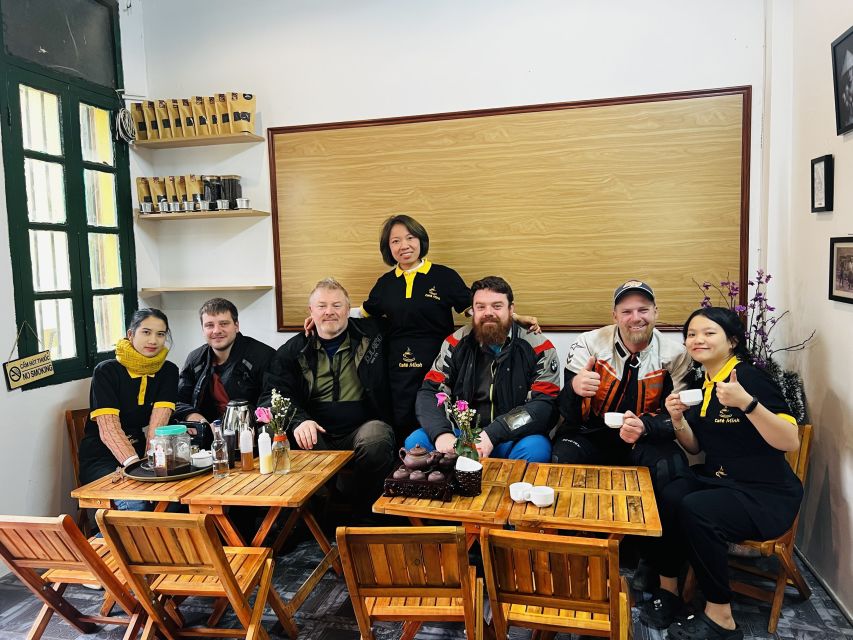
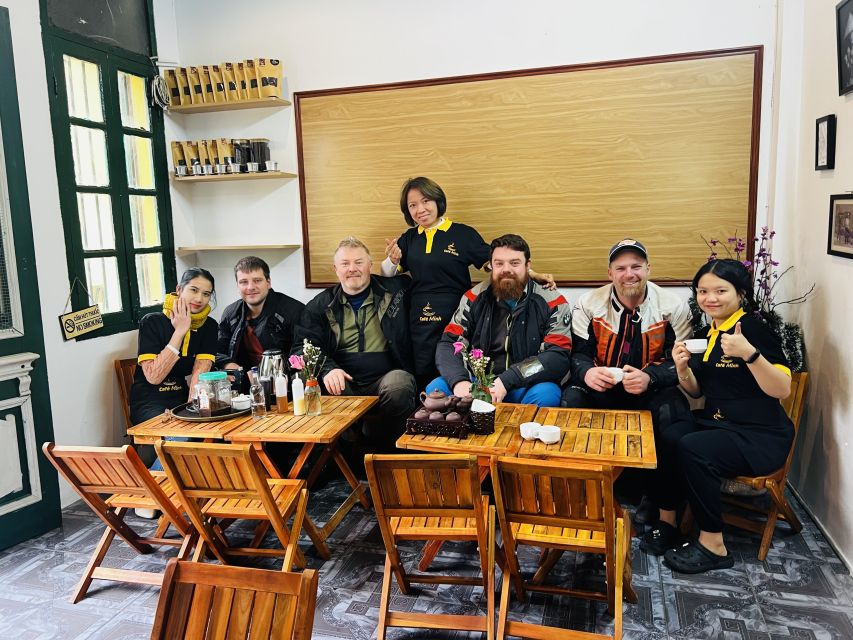
The class seems to work best when the instructor matches your pace. Hai is frequently praised for his English, humor, and passion for coffee. Ha receives credit for patient explanations and detailed demonstrations. Lena is described as friendly and funny, while Ashley is praised for making the steps easy to understand.
Other instructors, including Ruby, Chloe, Paul, Bo, Lucy, Lisa, Gene, Lilith, and Louisa, have also led successful sessions. The names change, but the pattern is consistent: the best part is not just the recipe. It is the chance to ask questions in a small setting.
Solo participants can benefit especially. Several people booked a time slot and found themselves alone with the instructor. That can turn a basic group activity into a private class without a private-class price.
Small groups also suit couples, families with older children, and friends who want a low-key activity. Teenagers have enjoyed the class, according to one participant, though the coffee itself makes this more suitable for older children and adults than for very young kids.
What is included, and what may cost extra
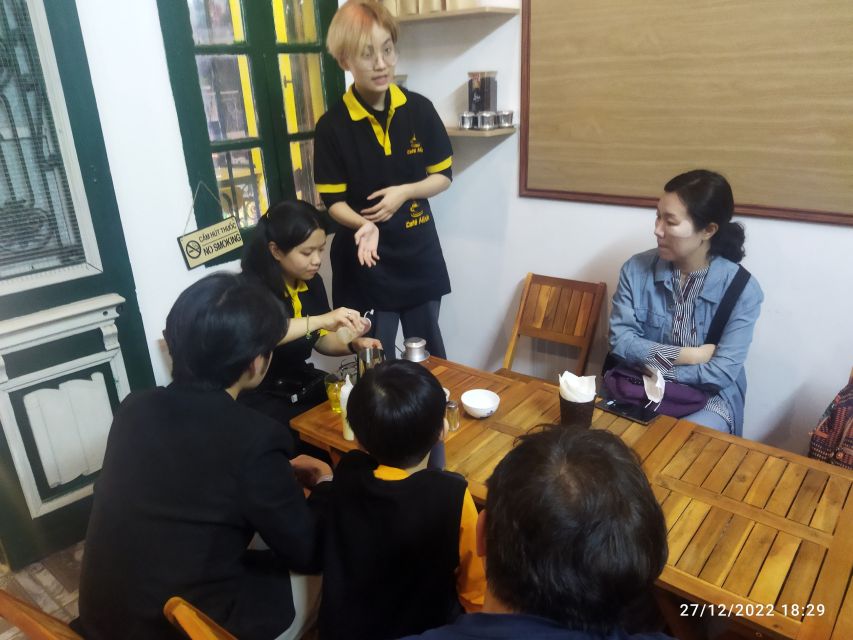
For $12 per person, the class includes an English-speaking teacher, ingredients, equipment, and a small gift. You also drink the coffee you make, which makes the price particularly strong compared with a standard cafe tasting.
The gift is not perfectly consistent. One person received a phin filter, while another did not receive the promised gift. Treat it as a pleasant extra rather than a reason to book.
Additional food and drinks are not included. Personal expenses are also separate. If you want coffee beans, phin filters, or other ingredients for home use, the cafe can sell you supplies after the class.
The take-home value is better than the low price suggests. You leave with recipes, practical brewing advice, and a clearer sense of how to recreate the drinks. Some participants received a digital recipe book or extra instructions through WhatsApp, which is useful if you want to make salt or coconut coffee later.
What could be improved
The experience is not flawless. The class description promises a small gift, but at least one person did not receive it. If that matters to you, ask before leaving.
The equipment also deserves a quick check. One participant found a few utensils that were not as clean as expected. This was not a general complaint, but it is fair to expect all tools to be properly prepared in a food class.
The class can also feel partly demonstrated rather than fully practical. Some steps may be done by the instructor while you watch, particularly the egg whipping and final preparation. Tell your teacher early that you want to perform as much as possible.
Finally, the drink lineup varies. You may learn three recipes, four recipes, or an egg-focused selection. That flexibility is useful, but the experience is easier to judge if you choose based on the exact option and not on the broadest possible menu.
Is the Hanoi Egg Coffee Class worth booking?
I would book this if you want a short, affordable activity with a real connection to Hanoi’s cafe culture. The $12 price is hard to fault when you may taste several drinks, learn the traditional phin method, talk with an English-speaking instructor, and leave with recipes for home.
It suits coffee drinkers, curious first-time visitors, couples, solo explorers, and anyone looking for a rainy-day plan in the Old Quarter. It is also a good choice at the beginning of your visit, since the instructor may point you toward local food and cafes.
I would skip it if you dislike coffee, cannot handle several caffeinated drinks, or need a fully accessible venue. I would also choose another activity if you expect a formal cooking school with spotless professional equipment and every step performed by you.
For everyone else, book the option that clearly lists the drinks you want. If egg coffee is your priority, the class delivers the essential lesson. If you want salt and coconut coffee too, confirm that before paying. That small check will make an already good-value experience a better match for your interests.
FAQ
Where does the Hanoi Egg Coffee Class take place?
The class takes place at Cafe Minh, 53 Luong Ngoc Quyen Street, in Hanoi’s Old Quarter, a few meters from Ta Hien Beer Street. The meeting point may vary depending on the option booked, so check your booking details.
How much does the class cost?
The listed price is $12 per person.
How long does the class last?
The listed duration is one to four hours. Specific class sessions may last about one hour to two and a half hours, depending on the option and number of drinks.
Which languages are available?
The instructors speak English and Vietnamese.
What is included in the price?
The price includes an English-speaking teacher, ingredients, equipment, and a small gift after the class. Additional food, drinks, and personal expenses are not included.
Can I book a private or small-group class?
Yes. Private and small-group options are available.
Can I cancel the booking if my plans change?
You can cancel up to 24 hours in advance for a full refund. The activity also offers reserve now and pay later booking.
Is the class suitable for people with mobility impairments?
The activity is listed as unsuitable for people with mobility impairments. Pets are not allowed.
Just added around Vietnam
- Vietnamese Coffee Making Class in Hoi An★ 5.0 · 4 reviews
- Vietnamese Coffee 101 Workshop★ 5.0 · 11 reviews
- Hoi An Vietnamese Coffee Workshop: Hands-On Brewing Class★ 5.0 · 3 reviews
- Vietnamese Egg Coffee Making Course in Hoi An★ 3.5 · 2 reviews
- Hoi An Coffee Tasting And Old Town Discovering Tour★ 5.0 · 4 reviews
- Hoi An Coffee Making Workshop★ 5.0 · 7 reviews
- Authentic Vietnamese Coffee Making Experience in Hoi An★ 5.0 · 13 reviews
- Farming- Market- Lantern making- Coffee- Cooking (JHA4)★ 5.0 · 4 reviews
Vietnam Coffee Tours, compared.
Hanoi Coffee Experience: 6 Brews, 9 Recipes & 3 Liquor Tastings
Read our review →
Hanoi Coffee Workshop: Taste Salt, Coconut and Egg Coffee
Read our review →
Salt Coffee Workshop Awake Your Senses With 6 Brews
Read our review →
Master the Art of 4-6 Signature Vietnameses Coffees
Read our review →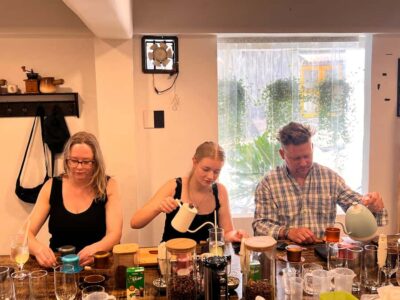
Egg coffee & Course on 4 traditional types of Viet coffee
Read our review →
Da Nang Cooking Class with Coffee Tasting and Market Visit
Read our review →Browse the lists this tour appears in