
REVIEW · INDONESIA COFFEE TOURS
Volcano, Hot Spring, Tea Factory, rice fields and Coffee Tour
A long day brings West Java within reach. This private trip packs a lot into one outing: an active volcano, tea country, rice fields, local fruit, coffee, and a sulfur hot spring. I especially like the chance to see how black tea is made inside a working factory, and I like that the rice-field stop brings you close to farmers rather than keeping you inside a vehicle all day. The main drawback is simple: you will spend plenty of time on the road during this 10 to 12-hour outing.
The $130 per-person price makes the most sense for families or small groups that value a private, air-conditioned vehicle and a pickup from Jakarta. Entrance fees, parking, bottled water, tea-factory access, and private transport are included, but lunch and the $3 luwak coffee tasting cost extra.
The guides and drivers receive the warmest praise. Erni and Affandi were described as careful and pleasant, while Neti was especially good with a three-year-old child. That combination matters on a long day, since punctual pickup, calm driving, and flexibility can make the difference between an enjoyable outing and a tiring one.
Key Points to Know Before You Book
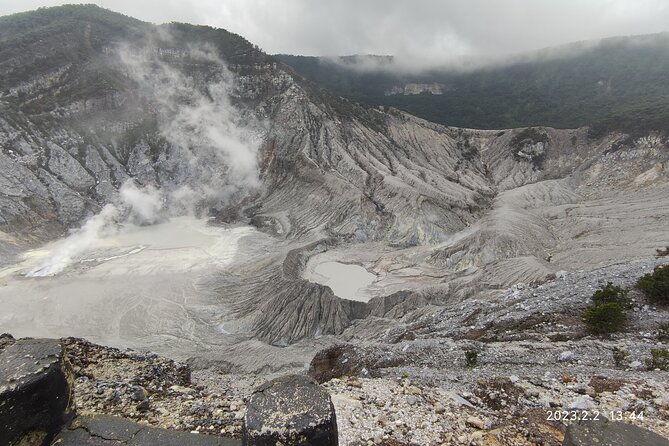
- Tangkuban Perahu is an active volcano: You can see fumes rising from the crater and smell sulfur during the one-hour stop.
- The tea factory is more than a photo stop: You will see black tea production from leaf to finished product, then walk through the plantation.
- The private format suits families: Only your group takes part, with an air-conditioned vehicle and private transportation.
- The road time is substantial: The full outing lasts about 10 to 12 hours, so expect a very full day from Jakarta.
- The luwak coffee tasting is optional and extra: The explanation is included, but tasting costs $3 per person.
- The final soak is flexible: At Sari Ater, you can use a hot-spring pool or simply soak your feet for 45 minutes.
Why This West Java Day Trip Works
I like this outing because it connects several parts of West Java that are hard to combine without a car. You move from farms to volcano country, then to tea production, coffee, and hot springs. Each stop gives you a different view of the region’s food, work, and natural features.
The private setup is important. You are not being moved around in a large group, and the guide can respond to your pace and needs. Families benefit most from this arrangement. One three-year-old child was still talking about guide Neti weeks later, which says a lot about her friendly approach.
You should still set your expectations correctly. This is not a leisurely countryside day with long stays at each location. The stops are fairly short, with one hour at the volcano, one hour at the tea factory, one hour at the coffee location, 45 minutes at the hot spring, and brief visits to the rice fields and fruit market. The appeal comes from variety, not from spending half a day in one place.
Because pickup is offered in Jakarta, the day can begin and end at your accommodation, though the exact pickup details should be confirmed when you book. The air-conditioned vehicle and bottled water are welcome on a long road journey.
More Hot Spring Trips in the world:
- Materuni Waterfalls, coffee tour & Kikuletwa Hot Springs
★ 5.0 · 643 reviews - Medellin: Coffee Tour and Wellness Spa
★ 4.8 · 209 reviews - Materuni waterfalls coffee tour & Chemka hot springs Day trip
★ 5.0 · 131 reviews
Tangkuban Perahu: Fumes From an Active Crater
The first major stop is Tangkuban Perahu, an active volcano in West Bandung Regency. It is part of Indonesia’s Ring of Fire, and you can see fumes rising from the crater while smelling the sulfur in the air.
You get about one hour here, with admission included. That is enough for a look at the volcanic area and some photographs, but it is not a long mountain walk. If you have altitude sickness, this tour is not recommended, so take that warning seriously.
The name Tangkuban Perahu means upside-down boat. It comes from a local legend, adding a touch of cultural context to what could otherwise be a quick scenic stop. I appreciate that the volcano is not treated as just a backdrop. You get a simple explanation of its activity and a chance to notice the sulfur for yourself.
Bring comfortable shoes and keep your expectations practical. The main experience is seeing and smelling an active volcanic crater, not hiking through a broad volcanic park. The fumes can be strong, and anyone sensitive to sulfur should be prepared for that.
For families, this may be the most memorable stop. A child on the tour loved the volcano, and the short visit keeps the experience manageable for younger children. Your guide can also help keep the stop moving so you have time for the other sites later in the day.
Tea Country and the Ciater Factory
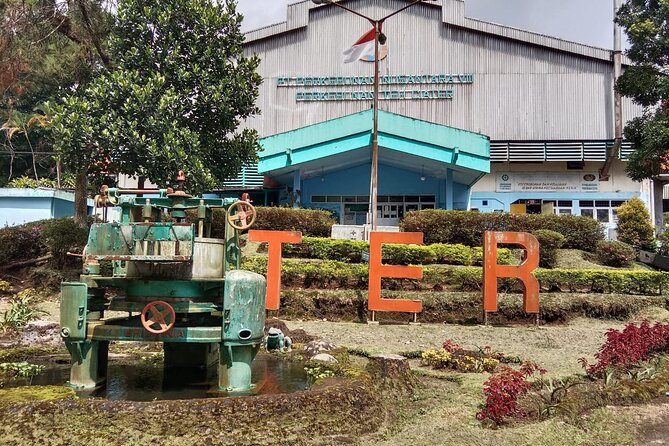
Kebun Teh Ciater in Subang Regency offers a useful look at one of Indonesia’s important crops. You visit a government tea factory and learn how black tea is processed, beginning with the leaves and following the steps toward the finished product.
The factory visit lasts about an hour and includes a tea drink. That small inclusion adds value because you are not only looking at machinery or plantation rows. You get to connect the drink in your cup with the work carried out inside the factory.
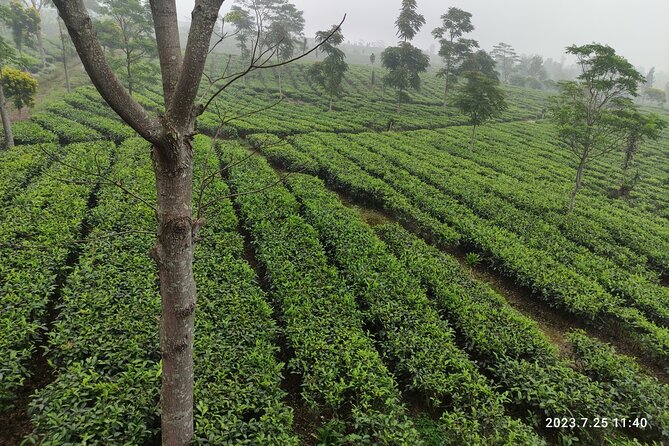
After the factory, you walk through the tea plantation and take in views toward the valley. This is one of the better-balanced portions of the day. The factory gives you practical information, while the plantation provides fresh air and a more open setting.
I would pay attention to the guide’s explanation here. Tea production can seem simple from a distance, but the process from leaf to black tea is the reason this stop earns more than a quick roadside photo. If you enjoy food and drink with a clear link to local work, this will likely be one of your favorite sections.
The visit is also a good reason to wear shoes that can handle uneven ground. The supplied details do not promise a long plantation walk, but you will leave the factory area and walk among the tea plants. The route may not suit anyone who wants a fully seated day.
Luwak Coffee and the $3 Tasting
At KLC Cafe & Resto, you learn about Indonesian luwak coffee, a costly coffee associated with a traditional production method. The stop lasts about an hour and includes an explanation of how the coffee is made.
The educational part is included, but tasting the luwak coffee costs $3 per person. That is a modest extra charge, yet you should know about it before arriving. You can decide if the tasting interests you instead of assuming it is covered by the tour price.
I like the stop because it adds a local food story to a day otherwise centered on geology and agriculture. Coffee is not presented in isolation. It follows the rice fields and tea plantation, giving you another example of how regional crops become finished products.
Do not expect this to be a long café break. The main purpose is the explanation and coffee project visit. If you are curious about Indonesian coffee, pay the tasting fee and ask questions. If coffee is not your thing, you can still benefit from the production explanation without treating the tasting as essential.
A few more coffee tours around the world worth a look
- Hanoi Coffee Experience: 6 Brews, 9 Recipes & 3 Liquor Tastings
★ 5.0 · 2,945 reviews - Medellin: Coffee Tour with Transport, Snacks and Tastings
★ 4.7 · 1,357 reviews - Istanbul: Turkish Coffee Making and Fortune Telling Workshop
★ 4.9 · 1,308 reviews - Hanoi Coffee Workshop: Taste Salt, Coconut and Egg Coffee
★ 5.0 · 1,286 reviews
Rice Fields, Farmers, and a Taste of Subang
The rice-field visit takes place in Subang and lasts about 20 minutes. You stop near a local village, meet farmers, and learn about the paddy plant that becomes a main food for people in Indonesia.
This is a short stop, but it may be the most grounded part of the day. A volcano is dramatic and a tea factory is informative, yet rice fields show you the daily work behind a basic food. You get fresh air, village views, and a closer look at local farm activity.
I would use this time to ask your guide about the crop and the farming work you are seeing. The visit is not designed as a full agricultural workshop. It is a brief chance to step out, meet people connected to the fields, and understand why rice matters so much in Indonesia.
The short duration also tells you what kind of tour this is. You will see several pieces of West Java, but you will not spend hours at each one. If you prefer a slower rural visit, this may feel rushed. If you want a broad introduction during one day, the quick stop works well.
West Java Fruit at a Local Market
The fruit-market stop lasts about 15 minutes. You can buy or taste fruit from West Java, with pineapple listed as the special local item, along with another seasonal fruit depending on availability.
This is a small but useful break from the standard sightseeing pattern. Rather than stopping only at formal attractions, you get a local market moment and a chance to try something connected to the area.
The short timing means you should not expect a full market visit. Think of it as a quick taste and buying opportunity. If you want fruit to take back with you, have your payment ready and ask the guide which items are in season.
I like this stop most when you treat it as a simple sensory experience. Taste the pineapple, notice what else is being sold, and then get back on the road. It gives the day a local-food note without adding a major detour.
Sari Ater Hot Spring: A Gentle Finish
The final main stop is Sari Ater, one of the popular hot springs in West Java. The water comes from the volcano and contains sulfur and minerals. You have about 45 minutes to relax in a pool or soak your feet.
The foot-soaking option is especially helpful after a long day in a vehicle. You do not need to commit to a full pool visit if you would rather sit, cool down, and enjoy the warm water at your own pace.
The hot spring is also a sensible final stop because it changes the pace. The volcano asks you to look and smell. The tea factory asks you to listen. The hot spring lets you slow down before the return journey to Jakarta.
You should not expect a private spa setting. Sari Ater is a popular hot spring, and the experience is built around using the public facility. The tour includes admission, but personal extras and lunch are not listed as included. The 45-minute visit is enough for a soak, not an extended wellness session.
What the $130 Price Includes
At $130 per person, this is not the cheapest way to see West Java. Its value depends on how much you would otherwise pay for private transport, a driver, entrance fees, and the time needed to arrange several stops yourself.
Included items are:
- Pickup service
- Private transportation
- Air-conditioned vehicle
- Bottled water
- Parking fees
- Entrance tickets
- Tea-factory tour
- Tea drink
Lunch is not included, and the luwak coffee tasting costs $3 per person. You should plan for those expenses separately.
The private format makes the price easier to justify for a family or small group. You are paying for convenience and a full day of transport from Jakarta, not simply admission to one attraction. Group discounts are offered, though the exact discount is not specified, so ask for the current rate if you are booking for several people.
The strongest value comes from the driver and guide service. Past guests specifically praised punctual arrival, cautious driving, and attention to individual needs. Neti was noted for being especially good with a young child, while Erni and Affandi were praised for making the journey pleasant and safe.
The Long Drive and Who Will Enjoy This Most
The biggest issue is road time. The total outing lasts 10 to 12 hours, and one family specifically pointed out that there is a lot of driving. That is unavoidable when starting in Jakarta and reaching the volcano, tea country, coffee stop, and hot spring in one day.
You should book this if you want variety and convenience. It suits:
- Families who want a private vehicle
- Small groups sharing the cost
- First-time visitors seeking several West Java highlights
- People interested in farming and food production
- Anyone who prefers a guide and driver rather than arranging transport alone
It is less suitable if you dislike long road journeys, want a slow stay at each stop, or need a low-cost excursion. It is also not recommended for people with altitude sickness.
The tour has a 4.8 rating from 25 reviews and a 96 percent recommendation rate. Those figures do not remove the long-drive issue, but they support the idea that the service and variety are strong points.
Free cancellation is available if you cancel at least 24 hours before the start time. Changes or cancellations made inside that window are not accepted for a refund.
Should You Book This West Java Tour?
I would book this tour if I had one full day from Jakarta and wanted to combine nature, agriculture, local drinks, and a hot spring without handling the transport myself. The active volcano and tea factory give the day real substance, while the rice fields and fruit market keep it connected to everyday West Java.
I would skip it if I wanted a relaxed day with minimal driving. The schedule covers a lot of ground, and the brief rice-field and fruit stops are introductions rather than extended visits.
For families and small groups, the private format and considerate guides make the $130 price easier to defend. Ask about lunch, the coffee tasting, group discounts, and pickup timing before you confirm. If you are ready for a long but varied day, this is a practical way to see much more than the usual Jakarta city sights.
FAQ
How long does the tour last?
The tour lasts approximately 10 to 12 hours.
Where does the tour take place?
It begins in Jakarta and visits locations in Bandung and Subang Regency in West Java.
Is pickup available?
Yes. Pickup is offered as part of the experience.
Is this a private tour?
Yes. Only your group participates in the private tour or activity.
Is transportation included?
Yes. Private transportation in an air-conditioned vehicle is included, along with bottled water and parking fees.
Is lunch included?
No. Lunch is not included in the tour price.
Does the luwak coffee tasting cost extra?
Yes. The tasting costs $3 per person. The visit and explanation are included, but the tasting has an additional charge.
Can I swim at the hot spring?
You can relax in a hot-spring pool or soak your feet in the sulfur water at Sari Ater.
What is the cancellation policy?
You can cancel up to 24 hours before the experience starts for a full refund. Cancellations or changes made less than 24 hours before the start time are not accepted for a refund.
Just added around the world
- Vietnamese Coffee Making Class in Hoi An★ 5.0 · 4 reviews
- Venice Delights: Coffee & Food Experience Walking Tour★ 5.0 · 2 reviews
- Yerevan: Private Coffee Tour with 2 Café Stops★ 5.0 · 2 reviews
- Vietnamese Coffee 101 Workshop★ 5.0 · 11 reviews
- Ubud: Waterfall, Holy Water Temple,Swing&coffee plantation★ 5.0 · 9 reviews
- Vancouver: Street Art & Craft Coffee Walking Tour w/ Tasting★ 4.8 · 11 reviews
- Coffee pleasure walking tour★ 5.0 · 12 reviews
- Turkish Coffee and Traditional Turkish Dessert Cooking★ 4.6 · 8 reviews
Indonesia Coffee Tours, compared.

Batur 4WD Jeep Sunrise and Kintamani Cafe Hopping
Read our review →
Jakarta :Volcano, HotSpring, Tea Factory, RiceField, &Coffee
Read our review →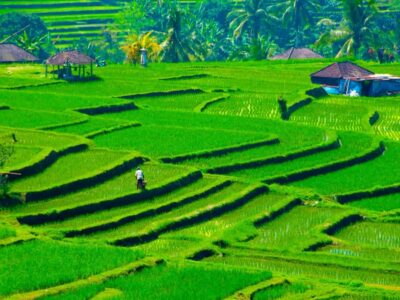
Jatiluwih Rice Terraces, Sangeh Forest & Coffee Tour
Read our review →
Waterfall, Holy Water Temple,Swing&coffee plantation
Read our review →
Ubud Monkey Forest, Coffee Plantation, and Market Tour
Read our review →
Private Ubud Tour: Sacred Monkeys, Coffee, Temple, Waterfall
Read our review →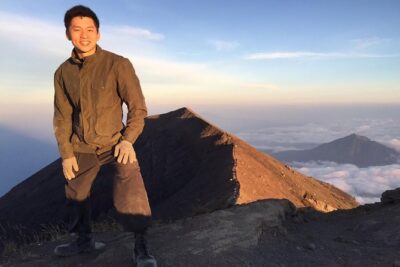
Batur Volcano Sunrise Trekking, Rice Teracce & Bali Coffee Plantation Tour
Read our review →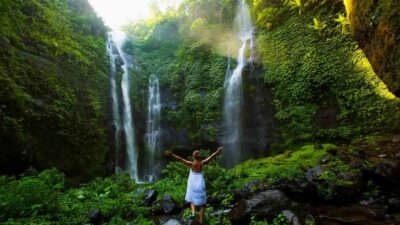
Browse the lists this tour appears in