
REVIEW · SALENTO COFFEE TOURS
Coffee Tour at Finca El Ocaso Salento: Traditional Spanish Farm
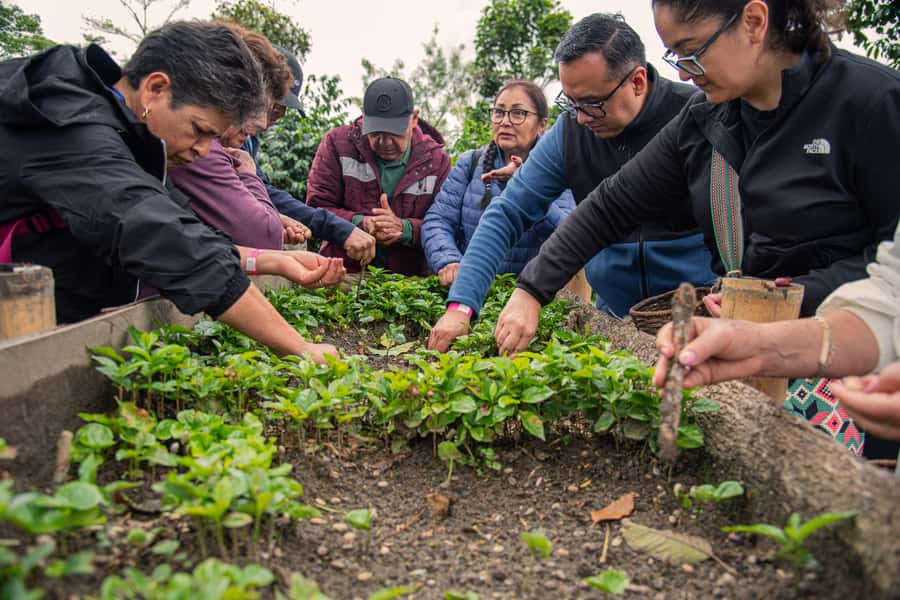
Coffee starts long before the cup. At Finca El Ocaso, you follow coffee from seed and hillside planting to milling, roasting, and a final tasting. I especially like the full farm-to-cup focus and the clear attention to sustainable production, composting, local plants, and wildlife.
I also like the traditional finish: coffee prepared in a cloth strainer and pot, rather than a polished café machine. The main consideration is access. The farm road is partly unpaved, transportation is not included, and the tour is conducted in Spanish, so plan your arrival carefully.
Key points at Finca El Ocaso
- A full 90-minute coffee lesson: Follow the crop from planting and harvesting through milling, storage, roasting, and brewing.
- A working specialty coffee farm: See the gardens, coffee plantations, composting station, and processing equipment.
- Sustainability is part of the tour: Learn how crop fertilization, fauna, flora, and responsible production fit together.
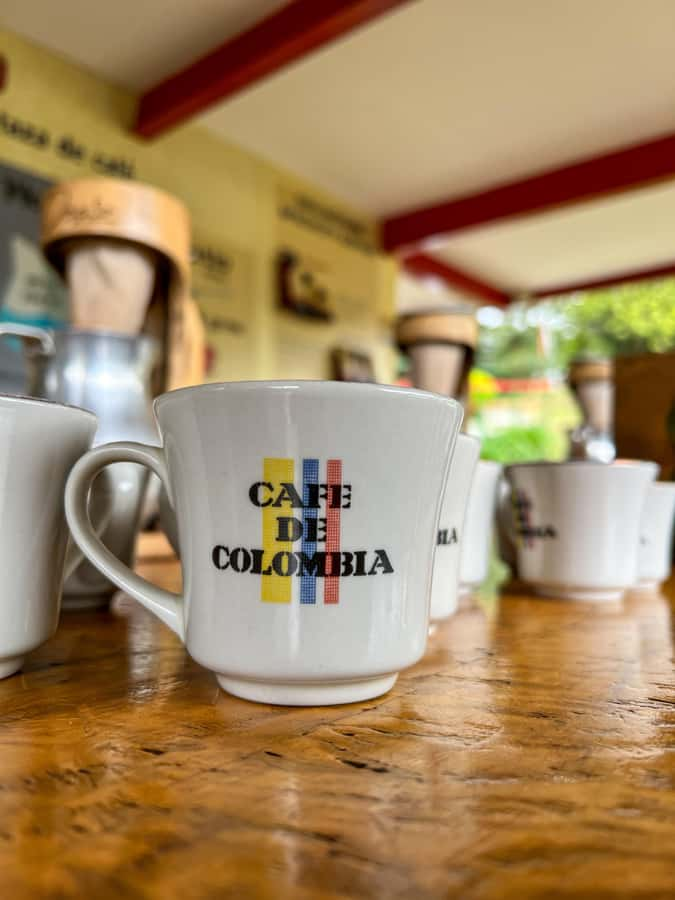
- Traditional coffee preparation: Finish with coffee made in a cloth strainer and pot, followed by a tasting.
- Spanish-language guiding: The tour is live and in Spanish. Some material remains in its original language.
- Useful rural access advice: Willys Jeeps leave Salento every hour from 8:30 a.m. to 4:30 p.m., but the fare is separate and low cars are not recommended.
Why this coffee tour is worth your time
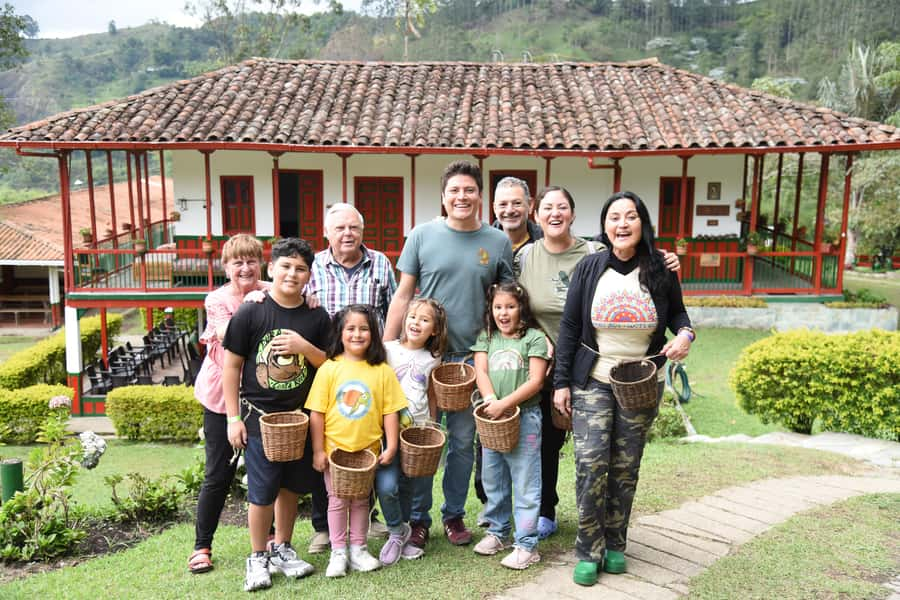
Finca El Ocaso offers more than a quick look at coffee plants. In 90 minutes, you get a compact lesson in how coffee becomes a drink, with the farm itself serving as the classroom.
That matters because coffee tours often focus only on tasting. Here, you learn why the final flavor depends on earlier choices: the species planted, the way the crop is fertilized, the handling of the fruit, the drying method, and the roast. I like this approach because it gives you useful context without asking you to spend half a day on a single activity.
The farm is described as a specialty coffee producer with certification in sustainable production. The tour also covers composting, crop fertilization, fauna, and flora. These subjects make the visit more valuable if you care about where coffee comes from, not just how it tastes.
The experience is best suited to coffee drinkers who want a working-farm explanation rather than a decorative photo stop. It also works well for visitors with limited time in the Salento area, since the tour itself lasts only an hour and a half.
More Coffee Farm Tours in Colombia
- Medellín Coffee Farm Tour with Trolley and Cable Car Ride
★ 4.9 · 277 reviews - Coffee Tour at the Finca del Café
★ 5.0 · 213 reviews - Salento: Private Cocora Valley, Salento & Coffee Farm Tour
★ 4.9 · 202 reviews
Arriving on the rural road from Salento
You must reach the farm on your own. The road is not completely paved, and the farm specifically warns against arriving in a low car. If you are driving, a vehicle with sensible ground clearance is the safer choice.
Public transportation is the practical option for many visitors. Willys Jeeps leave Salento every hour between 8:30 a.m. and 4:30 p.m. You can also take a Willys back to Salento from the farm. The transportation cost is not part of the $19 tour price, so budget for that separately.
This arrangement gives you some freedom, but it also means you should not treat the booking time as the whole plan. Check the departure schedule, leave room for the rural road, and confirm how you will return after the tour. The farm is not offering a transfer service as part of the ticket.
Rain does not cancel the activity. That can be a plus in this part of Colombia, where weather may change quickly, but you should be ready for wet conditions. Rain ponchos can be bought at the farm. Comfortable clothes and insect repellent are recommended, and you can also purchase repellent in the farm store.
Sunscreen is not included, and neither is food. Bring what you need before setting out, especially if you are combining the visit with other plans.
Starting with coffee history and plant growth
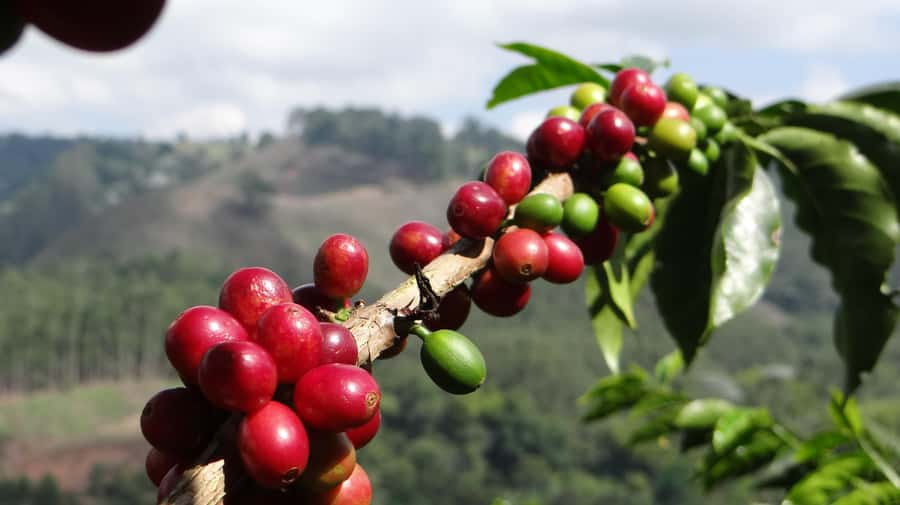
The tour begins with the basic story of coffee and the species most common in production. You then learn about planting and the growth of coffee trees.
This opening section gives the rest of the visit a useful framework. Instead of seeing rows of plants as a blur of green, you can connect the farm work to the final drink. Planting, growth, harvesting, and processing are separate steps, and each one can affect quality.
The tour includes a walk through the gardens and coffee plantations. That combination is important. You are not looking only at coffee in isolation. The garden setting helps explain how the farm relates to its surrounding plant life and local ecology.
Harvesting and sowing are also covered. The available information does not promise that you will pick coffee yourself, so you should think of this as an explanation and farm visit rather than a guaranteed hands-on harvest session. Still, seeing where the work happens makes the coffee process much easier to understand.
If you are new to specialty coffee, this is likely the part that prevents the tasting from becoming a vague exercise in saying a coffee tastes good. You learn what came before the cup.
Compost, fertilization, and life around the crop
Finca El Ocaso gives sustainability a proper place in the tour. You visit the composting station and learn about crop fertilization, along with the farm’s approach to fauna and flora.
I appreciate this because sustainable production can otherwise become a label with little explanation. Here, the subject is tied to visible farm practices. Composting and fertilization are not abstract ideas. They relate directly to how the soil and coffee plants are managed.
The tour also explains the farm’s certified sustainable production. Certification alone does not tell you everything about a farm, but it provides useful context for the methods discussed during the visit. You can ask questions in Spanish about how these practices affect the coffee and the surrounding environment.
This part may appeal most to people who are interested in agriculture, ecology, or responsible food production. If you only want a fast tasting, the sustainability discussion may feel like a slower section. That is the tradeoff: the tour gives you more than flavor notes, but it asks you to pay attention to the work behind the product.
Same place, a different cup:
- Medellin: Coffee Tour with Transport, Snacks and Tastings
★ 4.7 · 1,357 reviews - Medellin: Coffee Tour and Wellness Spa
★ 4.8 · 209 reviews - Medellin: Coffee Tour with Hotel Transfers and Meals
★ 4.9 · 186 reviews - Cartagena: Colombian Specialty Coffee Tasting
★ 4.4 · 130 reviews
Inside the mill: from coffee fruit to dry beans
The visit to the mill is one of the most practical parts of the experience. You see the hopper, pulper, mechanical drying equipment, and traditional drying process.
These machines and methods help explain a stage that many coffee drinkers never see. Coffee does not move directly from a tree to a roaster. The fruit must be handled, processed, and dried before it can become green coffee ready for later steps.
The hopper and pulper show how the coffee fruit enters processing and how the useful coffee material is separated from the outer fruit. The two drying methods offer an especially helpful comparison. Mechanical drying can provide controlled processing, while traditional drying shows a more basic method with a different rhythm and set of practical demands.
The tour does not promise that every machine will be running during your visit, so expect an explanation of the mill rather than a factory production show. Even so, seeing the equipment in place helps you understand why processing is central to coffee quality.
You also cover storage, threshing, and commercialization. These topics carry the coffee beyond the farm gate. Storage affects how the crop is kept, threshing prepares the beans for the next stage, and commercialization connects production with the market.
That broader look is one of the tour’s strengths. You learn not only how coffee grows, but also what happens before it is sold.
Roasting is where the flavor changes
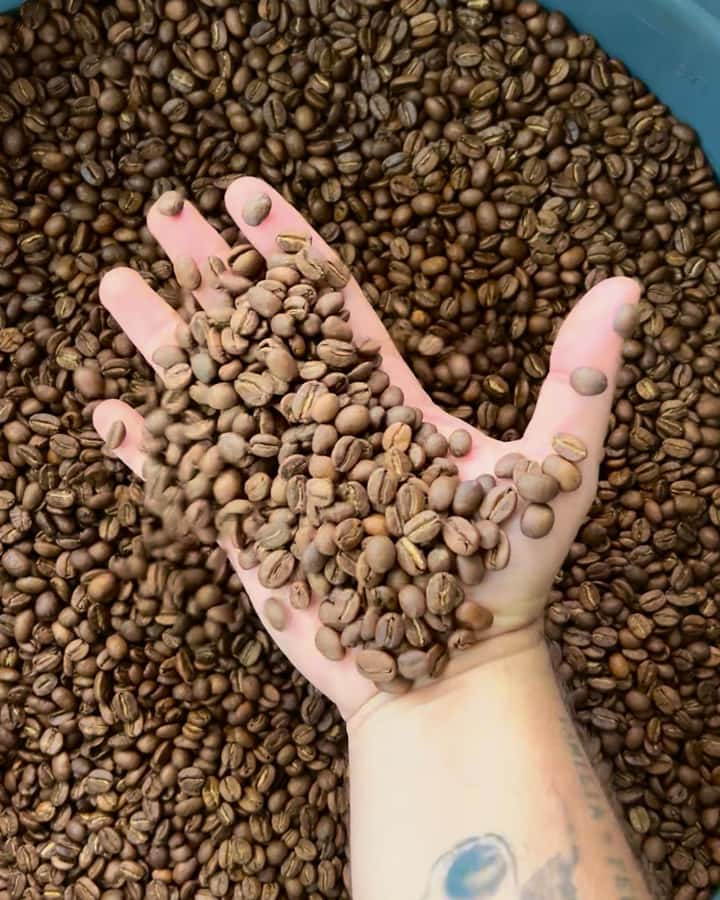
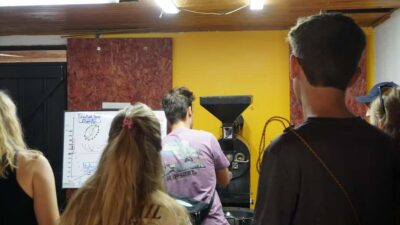
The tour explains different roasting types and why roasting matters to coffee quality. This is a short but important bridge between farm work and the cup in front of you.
Roasting changes the character of coffee. The degree of roast affects the balance of aromas, bitterness, body, and other flavors. The farm’s explanation helps you understand why two coffees from similar plants can taste quite different after roasting.
You should not expect a full professional roasting workshop unless the guide says otherwise. The stated experience is an explanation of roast types and their importance, not a promise that you will operate a roaster. Still, this section gives you a better basis for choosing coffee later in Colombia or at home.
The order of the tour makes sense. You start with the plant, move through processing, learn about storage and sale, and then reach roasting. By the time you taste the coffee, you have followed the main chain from field to cup.
The traditional cloth-strainer tasting
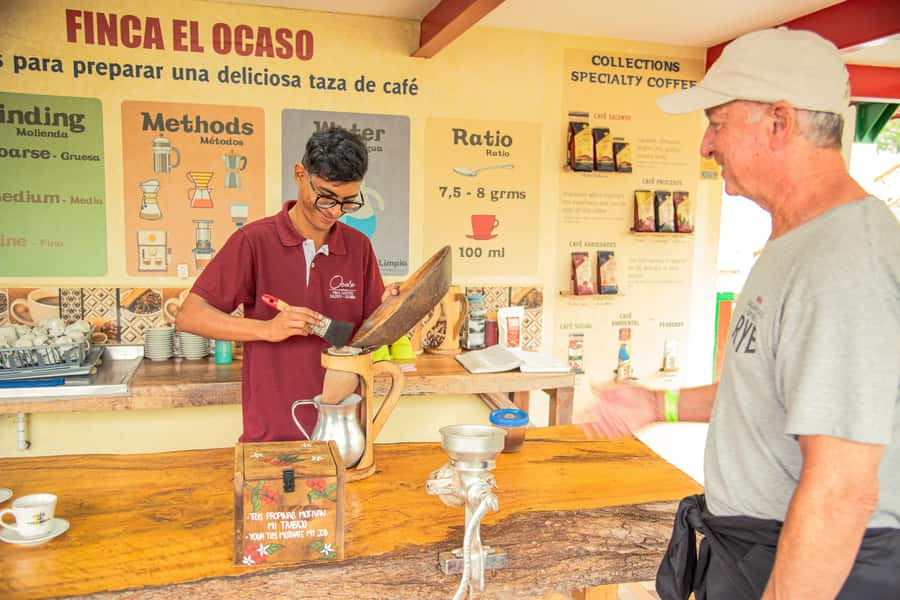
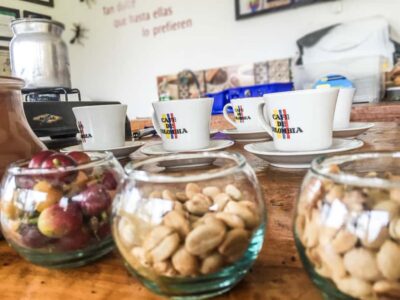
The final preparation uses a cloth strainer and pot. This is a simple method, and that is part of its appeal.
You get to see how coffee can be prepared without modern café equipment. The method connects the tasting to everyday coffee traditions and gives the ending a local, practical feel. It also keeps the focus on the coffee rather than on an elaborate presentation.
A tasting is included in the price. You can use this final moment to connect the earlier explanations with what you smell and taste. Pay attention to how the roast affects the cup and ask the guide to clarify anything you did not understand during the Spanish explanation.
The tasting is not presented as a large meal or food pairing. Food is not included, so do not arrive expecting refreshments beyond the coffee experience. If you need a substantial meal, arrange that separately in Salento or before reaching the farm.
The guide and language question
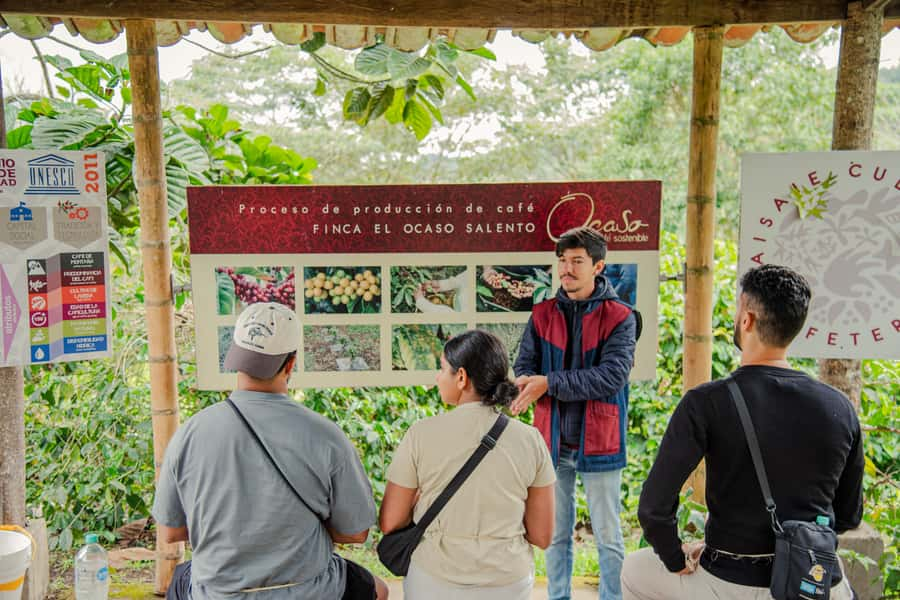
The tour is conducted in Spanish with a live guide. That is an important practical detail for English-speaking visitors.
If you understand Spanish, you should get the most from the explanations about farming, processing, and sustainability. Some content is shown in its original language, so not every part is translated. If your Spanish is limited, you may still enjoy the visual side of the visit, but the technical details will be harder to follow.
The guiding receives strong praise for being friendly, clear, professional, and entertaining. Nicolás is specifically noted as making an afternoon visit enjoyable. That suggests the guide can keep the subject relaxed rather than turning it into a dry agriculture lecture.
Still, language ability matters here more than on a simple scenic walk. Much of the value comes from understanding the explanation. If you speak little Spanish, consider bringing a translation app, though the tour provider does not promise English guiding or translation.
Is $19 a fair price?
At $19 per person, this is a good value for a 90-minute specialty coffee visit, especially if you care about the production story.
The price includes the farm walk, coffee history, planting and harvesting information, sustainability topics, the mill visit, storage and commercialization, roasting guidance, traditional preparation, and a tasting. You are paying for access to a working coffee operation and a structured explanation, not simply for a cup of coffee.
The value is lower if you are mainly looking for transportation, food, or an all-day activity. Those extras are not included. You must also pay for the Willys Jeep separately and provide your own insect repellent and sunscreen.
For coffee lovers, the price is easy to justify. For someone who has little interest in coffee production, the tour may feel information-heavy compared with a short café visit. The 90-minute length helps keep the commitment reasonable.
The option to reserve now and pay later gives you some booking flexibility. You can also cancel up to 24 hours before the activity for a full refund. Those terms are useful when rural transport and weather make exact planning harder.
Practical preparation for the farm
Wear comfortable clothes and shoes suitable for an outdoor farm visit. Insect repellent is recommended, and sunscreen is not supplied.
Expect possible rain. The tour continues in wet weather, and ponchos are available for purchase at the farm. Alcohol and drugs are not allowed.
The most important planning point is transport. Since the activity does not include transfers, work out the Willys Jeep schedule before you leave Salento. The last listed departure from Salento is at 4:30 p.m., and return transport from the farm is also possible by Willys.
The road condition makes a low car a poor choice. If you are using a rental car, take the warning seriously rather than assuming the entire route is smooth.
Who should book Finca El Ocaso?
I would choose this experience if you want to understand coffee as an agricultural product, not just drink it. It is particularly suitable for specialty coffee fans, people interested in sustainable farming, and visitors who enjoy guided explanations with a clear beginning and end.
It is also a sensible choice for a short Salento itinerary. Ninety minutes gives you a focused activity without taking the entire day, although transport time comes on top of the tour itself.
I would think twice if you need an English-language tour, dislike rural roads, or want a hands-on activity with guaranteed picking and machine operation. The tour covers those subjects, but the information provided does not promise that you will perform every task yourself.
Should you book this coffee tour?
Book it if coffee quality, farming, sustainability, and traditional preparation all interest you. The strongest part is the complete chain from coffee tree to final cup, supported by a guide style that has been described as friendly, clear, professional, and fun.
Skip it if you want a polished café outing, included transport, or a meal. For everyone else, $19 is a sensible price for a focused look at coffee production near rural Salento. Bring repellent, plan your Willys ride, and arrive ready for Spanish-language instruction and changeable weather.
FAQ
How long does the Finca El Ocaso coffee tour last?
The tour lasts 90 minutes.
How much does the coffee tour cost?
The listed price is $19 per person.
Is transportation to the farm included?
No. You must arrive directly at the farm, and transportation is not included in the ticket.
How can I reach the farm from Salento?
Public Willys Jeeps leave Salento every hour from 8:30 a.m. to 4:30 p.m. You can also return to Salento from the farm by Willys. The fare is separate from the tour price.
Is the road to the farm paved?
The road is not completely paved. Low cars are not recommended.
What language is the tour conducted in?
The live tour guide speaks Spanish. Some content is shown in its original language.
Is coffee tasting included?
Yes. The experience includes traditional coffee preparation in a cloth strainer and pot, along with a tasting.
What should I bring?
Bring comfortable clothes and insect repellent. Sunscreen is not included, and you may want to prepare for rain.
What happens if it rains?
The activity is not cancelled because of rain. Rain ponchos can be purchased at the farm, and mosquito repellent is also available in the farm store.
Just added around Colombia
- Salento: Coffee Master Roasting, Brewing and Tasting Tour★ 4.8 · 6 reviews
- Private Tour to Coffee Farm (farm of your choice)★ 5.0 · 2 reviews
- Medellin: Coffee Farm Tour & Spa with Overnight Glamping★ 4.5 · 3 reviews
- Minca: Hidden Waterfall + Coffee and Cocoa Workshop★ 4.9 · 6 reviews
- Most complete COFFEE TOUR at local family farm★ 5.0 · 2 reviews
- Medellin: Avoeden Café Coffee Brewing Workshop★ 5.0 · 12 reviews
- Medellin: The Best Coffee Tasting Experience★ 5.0 · 5 reviews
- Medellin: Coffee and fruit tour★ 4.9 · 12 reviews
Salento Coffee Tours, compared.
Private Cocora Valley, Salento & Coffee Farm Tour
Read our review →
Salento and Cócora Tour + Coffee Farm from Pereira/Armenia
Read our review →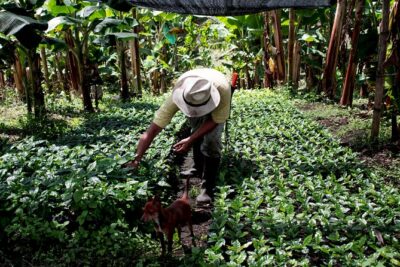
Browse the lists this tour appears in