
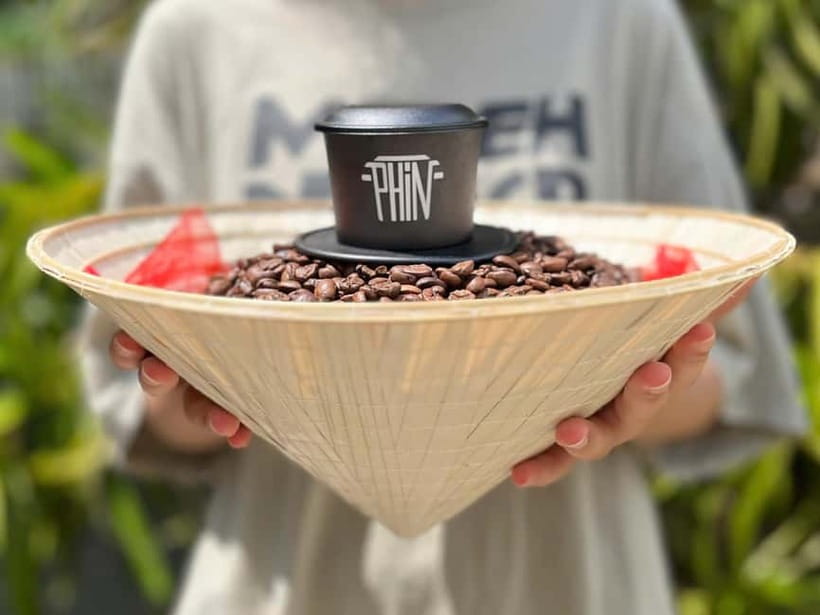
REVIEW · VIETNAM COFFEE TOURS
Da Nang: Egg, Salt, & Coconut Coffee Making Class
Coffee can be a cultural lesson. This 90-minute Da Nang coffee class gives you a hands-on way to learn Vietnam’s slow-drip phin method while preparing egg, salt, and coconut coffee. I like the friendly, beginner-ready format, and I like that you taste three very different drinks rather than making one cup and calling it done. The only drawback is simple: if you avoid caffeine, dairy, eggs, or sweet drinks, much of the class may not suit you.
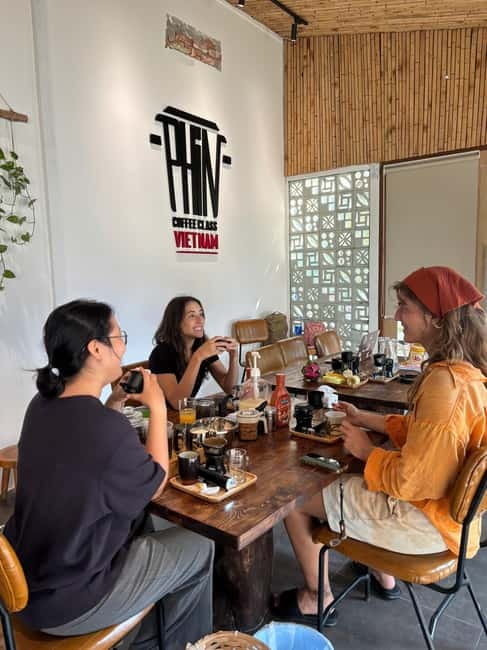
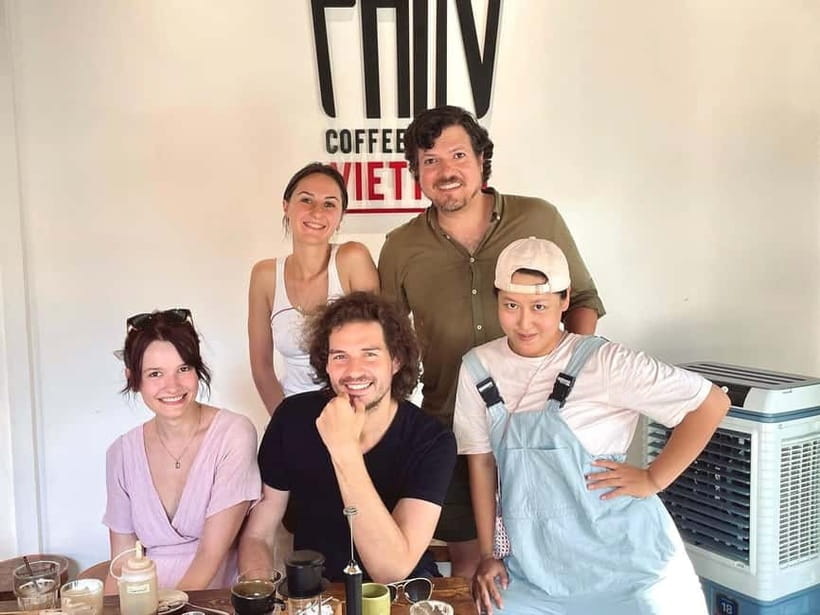
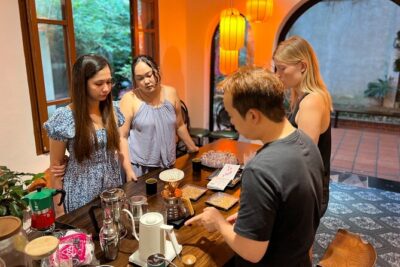
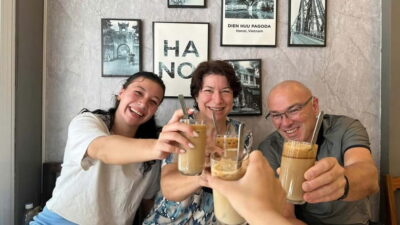
The setting is a cozy second-floor coffee shop with Indochine-style décor, plants, and a bright, clean feel. At $18 per person, it offers more than a café stop because you leave with recipes, brewing skills, cultural context, and photos. Morning timing may be especially useful if you want a strong start before sightseeing, but the class can also fit neatly into a quieter afternoon.
Key points at a glance
- Three Vietnamese coffee styles: Make and taste egg coffee, salt coffee, and coconut coffee, each with a different texture and flavor.
- The phin filter is the star: Learn Vietnam’s traditional slow-drip brewing method instead of relying on a modern coffee machine.
- Local instruction in English: Guides including Duck, Daisy, and Annie have led sessions with clear explanations and an easygoing manner.
- Good for beginners: All tools and ingredients are supplied, and no prior coffee-making skill is needed.
- A useful $18 souvenir: You take home recipes and practical brewing knowledge, not just another café photograph.
- Easy arrival point: Go to the second floor, where the guide waits at the entrance to greet you.
Why Vietnamese coffee deserves a class
Vietnamese coffee is not simply a stronger version of the cup you may drink at home. The country is closely associated with robusta beans, which tend to produce a bold, earthy brew. That strength works well with sweetened condensed milk, whipped egg, salt, coconut, and ice.
The class gives you a way to understand those combinations through taste. A quick explanation of robusta beans and the phin filter comes before the practical work, so you know why the drink takes its time and why the final flavors can be so intense.
I like this approach because coffee culture is easier to remember when you make the drink yourself. You are not just hearing that a phin is a slow-drip filter. You are using one, watching the coffee pass through it, and learning how the method shapes the cup.
The three recipes also show how flexible Vietnamese coffee can be. Egg coffee feels close to dessert. Salt coffee adds a savory edge. Coconut coffee brings a cool, tropical note. Taken together, they make a better lesson than three similar drinks would.
More Coffee Making Classes in Vietnam
- Hanoi Coffee Workshop: Taste Salt, Coconut and Egg Coffee
★ 5.0 · 1,286 reviews - Hanoi: Salt Coffee Workshop Awake Your Senses With 6 Brews
★ 5.0 · 792 reviews - Da Nang Coffee Making Workshop
★ 4.9 · 543 reviews
Arriving at the second-floor coffee shop
The meeting point is on the second floor of the café. Look for a warm, cozy room with Indochine-style decoration and plenty of plants. The guide waits near the second-floor entrance and greets people as they come up, so you should not need to wander through the building looking for a classroom.
That clear arrival setup matters in Da Nang, especially if you are fitting the class between other plans. You do not need to find a separate office or arrange transport as part of the activity. The supplied information does not include hotel pickup, so plan to reach the coffee shop independently.
The first welcome includes iced tea. It is a small touch, but a useful one before the coffee starts. The relaxed opening also gives you time to settle in and meet the instructor.
The teaching language is English. Guides who have led classes include Duck, Daisy, and Annie. Daisy has been praised for explaining both the coffee process and Vietnamese culture, while Duck made the different coffee types easy to understand. Annie’s class also left one participant feeling fully awake before a day of sightseeing, which tells you something about the strength of the finished drinks.
Learning the phin filter step by step
The phin filter is a compact metal brewer that sits over your cup. It is slower than a machine and more hands-on than a typical pour-over setup. You add the coffee, place the filter parts correctly, and allow the brew to drip at its own pace.
The class introduces this method before you make the three recipes. That order is helpful because the phin is unfamiliar to many people. Instead of being handed a finished drink and told it is traditional, you learn the basic action behind it.
You do not need previous coffee experience. The instructor supplies the equipment and ingredients, then guides you through the process. That makes the activity suitable for solo participants, couples, and groups with mixed skill levels.
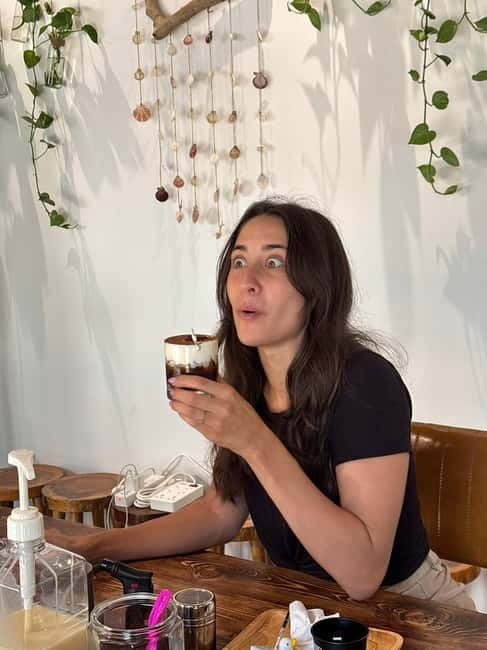
Do not worry if your cup does not look perfect on the first attempt. One person noted that the finished drink did not look as polished as the others, but it still tasted good. That is a fair expectation for a practical class. The point is learning the method, not producing a café display piece on your first try.
Making egg coffee, Vietnam’s dessert-like cup
Egg coffee is the most immediately unusual recipe for many people. The drink is creamy, smooth, and sweet, with a texture that can feel closer to a dessert than a standard morning coffee.
You learn how the coffee and egg mixture come together, then taste the result after preparing it yourself. The strong coffee gives the drink a firm base, while the creamy topping softens the bitterness. If you prefer black coffee, this will likely taste sweet, but that sweetness is part of the style.
This is a good section of the class for people who enjoy trying famous local foods in their original setting. Egg coffee is not just a novelty ingredient. It shows how Vietnamese coffee makers balance robusta’s force with a soft, rich topping.
The recipe also makes the value of the class clear. You can buy an egg coffee in Da Nang, but making one gives you a better sense of its construction. You can ask questions, adjust your technique, and take the recipe home for another attempt.
More Vietnamese Coffee Experiences in Vietnam:
- Egg coffee & Course on 4 traditional types of Viet coffee
★ 4.9 · 487 reviews - Fun & Easy Vietnamese Coffee Workshop in Hồ Chí Minh City
★ 5.0 · 293 reviews - Hanoi Cooking Class: Pho/Bun Cha/Banh Xeo…+Free Egg/Salt Coffee
★ 5.0 · 267 reviews - Hanoi: Vietnamese Coffee Workshop with 6 Brews and 8 Recipes
★ 5.0 · 237 reviews
Making salt coffee with a Hue connection
Salt coffee may sound odd until you taste it. The salt does not turn the drink into soup. Used in balance, it can soften bitterness and bring out a rounded, savory note.
The class presents this drink as a style associated with Hue. That adds a useful regional connection to the lesson. You are not only sampling a strange-sounding combination. You are learning how a neighboring Central Vietnamese city has become linked with this particular coffee style.
This was a favorite for at least one participant, and it is easy to see why it can surprise you. The salt gives the coffee a different balance from the sweetness of egg coffee. If you want the most distinctive drink of the three, I would pay close attention here.
Salt coffee is also the recipe most likely to change how you think about sweetened coffee. A small savory note can make the drink feel less flat and can reduce the sharp edge of a strong brew. The instructor’s explanation matters, since the balance is more important than simply adding salt.
Making coconut coffee for a cool finish
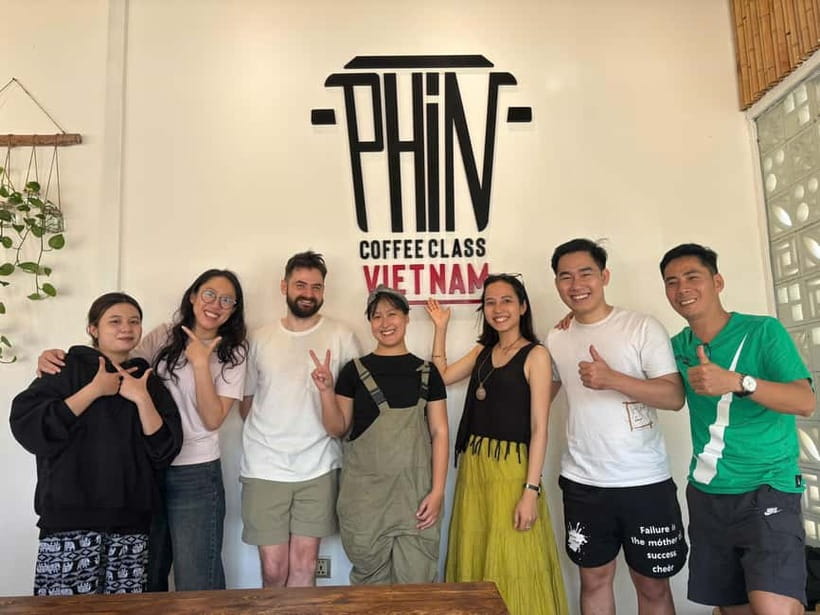
Coconut coffee is chilled, naturally sweet, and tropical. After the warm, creamy character of egg coffee and the savory profile of salt coffee, it offers a cooler finish.
The coconut element changes both the flavor and the feel of the drink. It is likely to appeal to you if you enjoy iced coffee or Southeast Asian desserts. It also gives the group a drink that feels easy to share and compare after the more unusual egg and salt versions.
The three drinks are deliberately different. Egg coffee focuses on creaminess. Salt coffee focuses on balance. Coconut coffee focuses on cool sweetness. This variety keeps the 90-minute class moving and gives you a clear way to decide which recipe you might make at home.
What the 90 minutes feel like
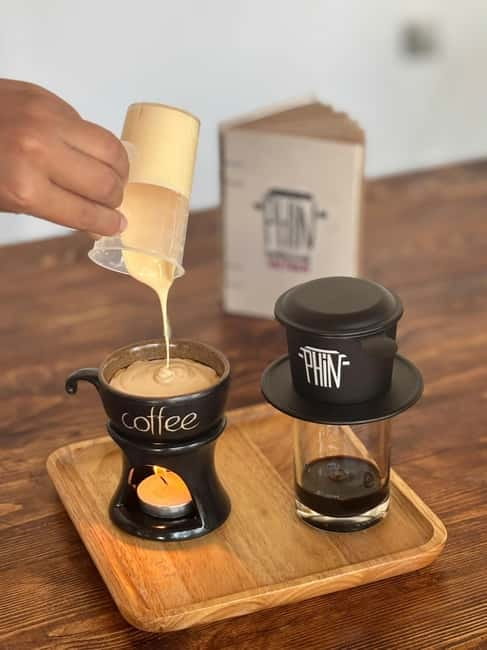
The class begins with a welcome and iced tea, followed by an introduction to Vietnamese coffee, robusta beans, and the phin filter. The practical work then centers on making the three drinks, tasting them, and talking through the results.
Because all tools and ingredients are provided, you can focus on the process instead of preparing supplies. The class is described as relaxed and friendly, with an English-speaking local guide available to explain each step.
Ninety minutes is a sensible length for this activity. It is long enough to make three drinks and hear the cultural background, but short enough to fit around a day in Da Nang. I would allow extra time before or after if you want to sit in the café or make nearby plans, since the class itself is fixed at about an hour and a half.
The caffeine deserves attention. These are not weak novelty drinks. One morning participant left ready for a full day of sightseeing, with a noticeable caffeine lift. If you are sensitive to coffee, a morning booking may be more comfortable than an evening session.
What makes the $18 price worthwhile
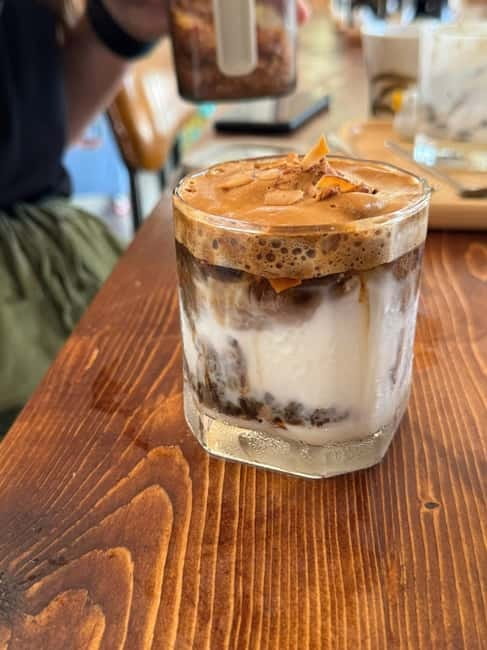
At $18 per person, the class is not the cheapest way to drink coffee in Da Nang. A regular café visit will cost less. The comparison is not quite fair, though, because this price includes instruction, ingredients, equipment, three drinks, cultural background, recipes, and photos.
I see the strongest value in the variety. You are not paying for one cup and a short explanation. You are making three recipes with different methods or finishing elements, then tasting them side by side.
The take-home recipes add practical value. You can try to recreate the drinks after returning home, although the exact coffee and ingredients available to you may differ. The class gives you the basic method and proportions to begin experimenting.
The photos are another small benefit. Free photos mean you can concentrate on brewing rather than constantly reaching for your phone. If you want a souvenir tied to a real skill, this is more useful than a standard café stop.
The setting, pace, and teaching style
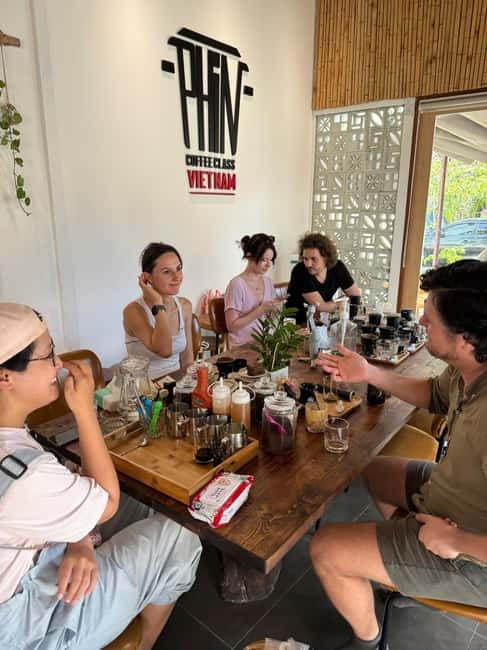
The room is described as bright, clean, and filled with plants, with Indochine-style décor. That setting suits the class well. It gives you a comfortable place to work while keeping the focus on coffee rather than on a formal cooking-school atmosphere.
The instructors appear to be an important part of the experience. Duck has been praised for explaining each kind of coffee clearly. Daisy has been praised for her coffee knowledge and for connecting the drinks to Vietnam. Annie created a friendly workshop that left the participant energized for the rest of the day.
Those names are useful to know, but instructor availability may vary by date. The confirmed teaching language is English, and the activity is designed for beginners.
The relaxed tone is a plus if you are unsure about joining a class alone. You do not need to arrive as a coffee expert. You only need enough curiosity to follow instructions and taste the results.
Who should book this class?
I would recommend it most strongly to:
- Coffee drinkers who want to understand Vietnam’s café culture
- First-time visitors looking for a short cultural activity in Da Nang
- Solo participants who prefer a guided, social setting
- Couples or groups who enjoy comparing flavors
- Beginners who want a simple introduction to manual brewing
- Anyone curious about egg coffee, salt coffee, or coconut coffee
It is also a smart choice before a sightseeing day if you want an early start. The morning class can provide both breakfast-style drinks and a serious caffeine boost.
You may want to skip it if you dislike sweet coffee, strong coffee, eggs, coconut, or dairy-based textures. The activity centers on tasting three distinctive drinks, so there is no plain coffee option listed as a substitute.
Practical advice before you go
Book with the caffeine level in mind. The coffee is made from robusta beans and the class includes three drinks, so even small servings can add up.
Arrive knowing that the meeting point is upstairs. Go directly to the second floor and look for the guide at the entrance. The space is easy to identify once you are there.
Keep your expectations practical. Your drinks may not look like professional café creations, especially on the first try. Focus on flavor and technique. The class is built for learning, not for a perfect social media image.
You can cancel up to 24 hours before the activity for a full refund, and the reserve-now, pay-later option keeps your plans flexible. Starting times vary, so check availability before booking.
Should you book the Da Nang coffee class?
Yes, if you want a short, affordable activity with real participation rather than passive tasting. For $18, you make three well-known Vietnamese coffee styles, learn the phin method, meet an English-speaking local instructor, and take home recipes.
I would give it priority during a morning in Da Nang, especially if you like coffee and plan to explore afterward. The main caution is the caffeine and sweetness. If those are not a problem, this class offers a friendly introduction to an important part of daily life in Vietnam, with enough practical detail to remain useful after your holiday.
FAQ
How long does the Da Nang coffee class last?
The class lasts 90 minutes.
What drinks will I make?
You will make egg coffee, salt coffee, and coconut coffee, then taste all three.
Do I need previous coffee-making experience?
No. The class is beginner-friendly, and all tools and ingredients are provided.
What brewing method will I learn?
You will learn to brew with a traditional Vietnamese phin filter, a slow-drip coffee brewer.
Is the class taught in English?
Yes. The instructor teaches in English.
Where do I meet the guide?
The meeting point is on the second floor of the coffee shop. The guide waits at the entrance to greet you.
Just added around Vietnam
- Vietnamese Coffee Making Class in Hoi An★ 5.0 · 4 reviews
- Vietnamese Coffee 101 Workshop★ 5.0 · 11 reviews
- Hoi An Vietnamese Coffee Workshop: Hands-On Brewing Class★ 5.0 · 3 reviews
- Vietnamese Egg Coffee Making Course in Hoi An★ 3.5 · 2 reviews
- Hoi An Coffee Tasting And Old Town Discovering Tour★ 5.0 · 4 reviews
- Hoi An Coffee Making Workshop★ 5.0 · 7 reviews
- Authentic Vietnamese Coffee Making Experience in Hoi An★ 5.0 · 13 reviews
- Coffee Making and Banh Mi Class Hoi An★ 5.0 · 5 reviews
Vietnam Coffee Tours, compared.
Hanoi Coffee Experience: 6 Brews, 9 Recipes & 3 Liquor Tastings
Read our review →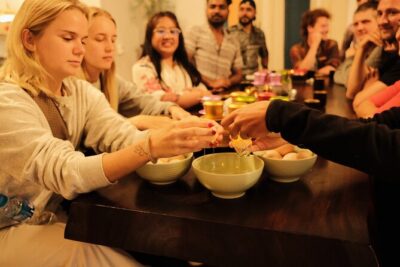
Hanoi Coffee Workshop: Taste Salt, Coconut and Egg Coffee
Read our review →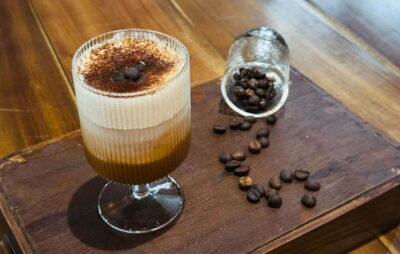
Salt Coffee Workshop Awake Your Senses With 6 Brews
Read our review →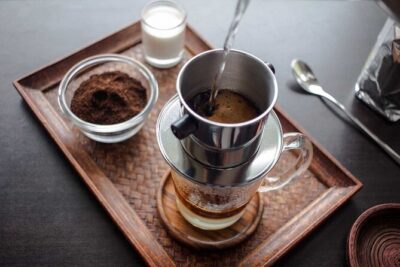
Master the Art of 4-6 Signature Vietnameses Coffees
Read our review →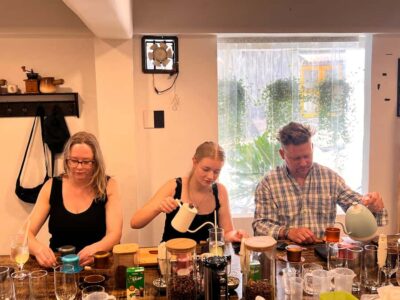
Egg coffee & Course on 4 traditional types of Viet coffee
Read our review →
Da Nang Cooking Class with Coffee Tasting and Market Visit
Read our review →Browse the lists this tour appears in