
REVIEW · DA LAT COFFEE TOURS
Experience specialty coffee with sustainable coffee farmers
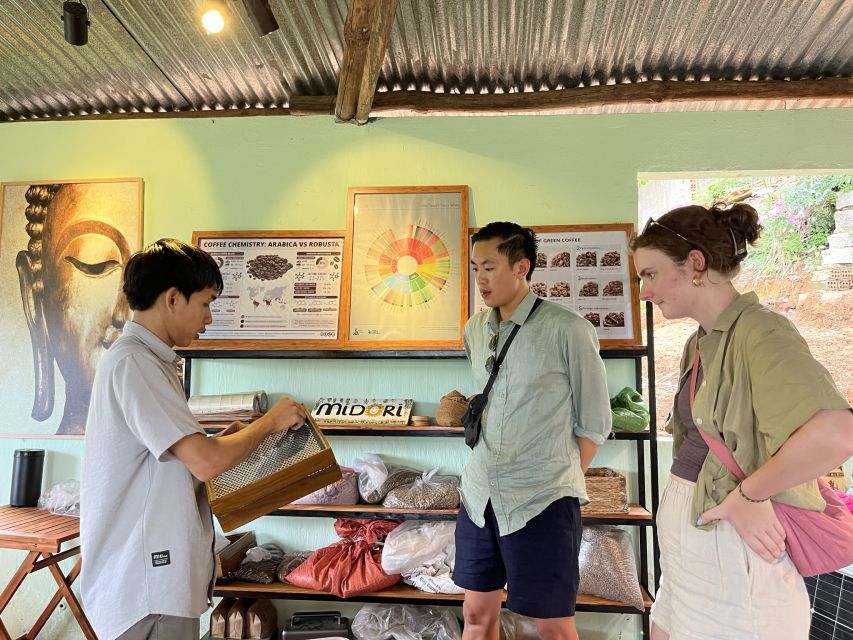
Coffee tells you a lot about Da Lat. At HuyEco Coffee & Culture, you taste five coffees grown by the person guiding the session, then roast beans and brew your own cup. I like the direct farm-to-cup approach, and I like that the tasting explains how processing and roast change flavor. The main point to consider is that the meeting point is the city cafe, while some longer sessions may involve the farm, so you should confirm exactly what your chosen time includes.
This is a friendly, small-group experience led by Huy, who talks plainly about Arabica, Robusta, sustainable growing, and the work behind each drink. The five included coffees make the $14 price easy to justify, though extra food, drinks, and transport are not included. Da Lat can be chilly, too, so bring a jacket or ask ahead if you tend to feel the cold.
Key points before you book
- Taste five coffees from Huy’s own farm, including Arabica and Robusta prepared with different methods.
- Roast beans yourself, watching green coffee turn brown and fragrant.
- Compare light, medium, and dark roasts to see how roasting changes the cup.
- Learn traditional Vietnamese Phin brewing and prepare your own coffee.
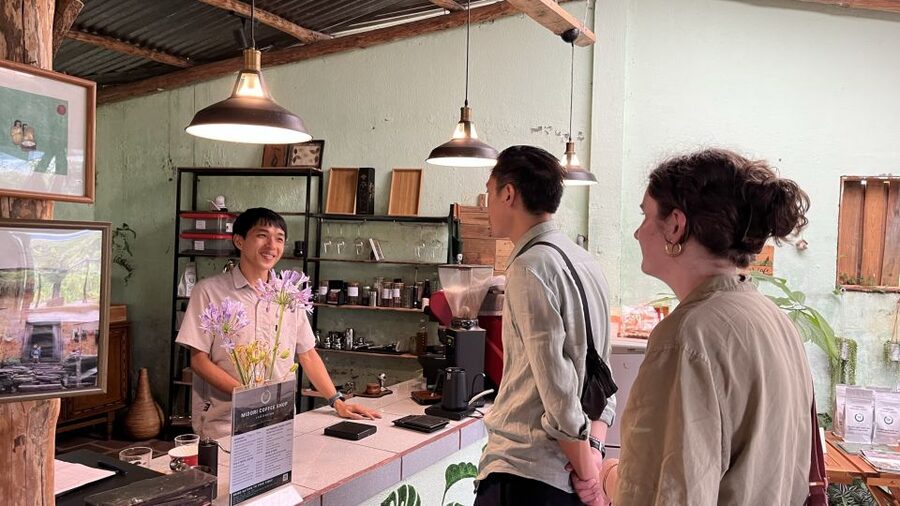
- Meet in central Da Lat at HuyEco Coffee & Culture, with English and Vietnamese guidance.
- Expect a flexible session length, from about 90 minutes to as long as five hours depending on availability and what you book.
Why this Da Lat coffee session is worth your time
Da Lat is famous for cool weather, vegetable farms, flower gardens, and coffee-growing country. Yet many visitors drink Vietnamese coffee without learning where the beans come from or why one cup tastes bitter, fruity, sweet, sour, or smoky.
HuyEco Coffee & Culture gives you a useful answer. This is not just a cafe tasting where someone places several cups on a table and names them. Huy grows coffee himself and explains the choices made before the beans reach the grinder. You get a clearer sense of how the plant, processing method, roast, and brewing style work together.
I especially like the focus on coffee without added flavorings or mystery ingredients. If your idea of Vietnamese coffee is condensed milk and a strong, dark brew, this session gives you a wider picture. Some coffees may be bright and fruity. Others may be sweeter, heavier, or more familiar to anyone used to traditional Vietnamese coffee.
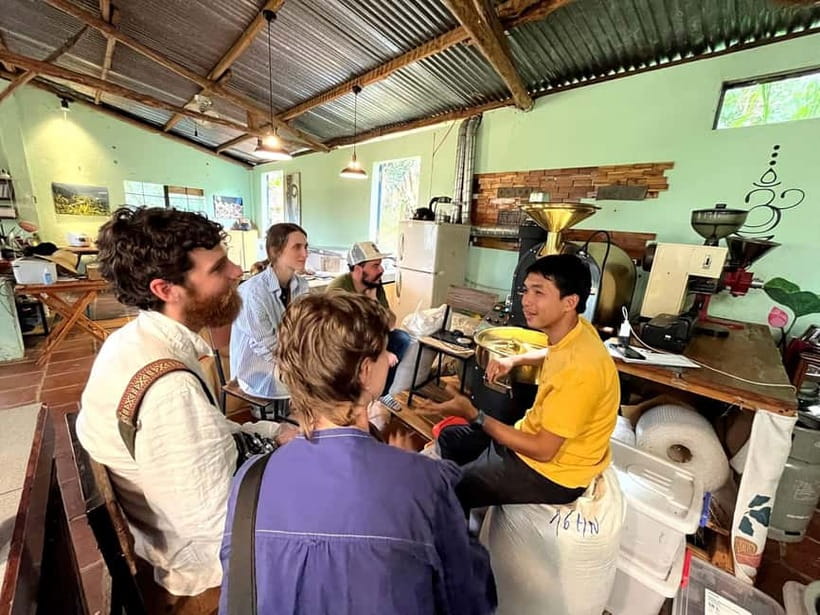
The experience is also small, with no more than 10 participants. That matters. You can ask questions without trying to speak over a coach party, and you have a real chance to take part in the roasting and brewing.
More Specialty Coffee Tours in Vietnam
- Coffee Farm Tour with Roasting & Tasting Workshop – Da Lat
★ 5.0 · 126 reviews - Experience Making specialty coffee in Da Lat City
★ 5.0 · 3 reviews - Vietnamese Bread & Brew: Banh Mi Baking Class & Specialty Coffee
★ 5.0 · 76 reviews
Meeting Huy at HuyEco Coffee & Culture
The listed meeting point is HuyEco Coffee & Culture in central Da Lat. Search for that exact name in Google Maps, and check the location carefully before setting off. You can reach the cafe on foot, by motorbike, taxi, or a booking app.
The cafe is the practical starting point for the standard experience. It is also a pleasant place to spend time, with views over the city and a relaxed setting. Several visitors have singled out the atmosphere, and one particularly useful detail is that the space can feel cold. Da Lat’s highland climate is cool, especially at certain times of day, so bring a light jacket.
Huy is the main guide, and his personality is a large part of the appeal. He explains the subject with humor and patience rather than turning the session into a lecture. He also takes time for questions, which is useful if you are new to specialty coffee or want to understand a particular flavor.
The activity is offered in English and Vietnamese. English explanations are part of the experience, but coffee vocabulary can still be technical, so do not be shy about asking Huy to repeat or explain a term.
Five coffees, two species, and many flavor changes
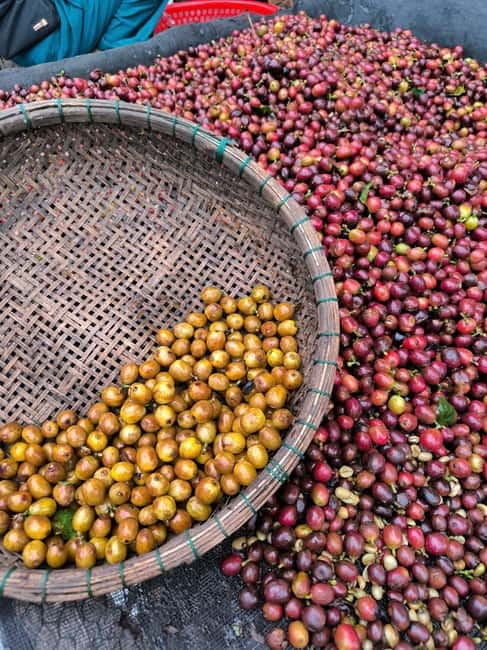
The tasting centers on five coffees from Huy’s farm. The selection includes both Arabica and Robusta, two types that are often treated as opposites even though both are important in Vietnam.
Arabica is often associated with lighter, more aromatic cups. Robusta tends to have a stronger body and more forceful character. Those descriptions are only a starting point. The way the beans are processed and roasted can alter the final taste a great deal.
That is where this experience earns its keep. You are not only comparing different beans. You are also considering different treatments and roast levels. The tasting can include light, medium, and dark roast coffees, giving you a simple way to notice the changes.
A lighter roast can preserve more of the bean’s original character, including sour, fruity, or floral notes. A darker roast usually brings heavier roasted flavors and can taste stronger. The point is not that one roast is best. The point is learning what you prefer.
I like this format because it gives you a vocabulary for future coffee orders. After the session, you may be better able to explain that you prefer a bright Arabica, a full-bodied Robusta, or a particular roast level. That is more useful than simply hearing that one cup is specialty coffee.
The five-drink tasting is included in the $14 cost. For a coffee fan, that is strong value, especially since the session also includes instruction, roasting, and brewing. If you do not drink coffee, however, this is probably not the right activity. The coffee is the main event, not a minor stop during a wider city tour.
Roasting your own beans
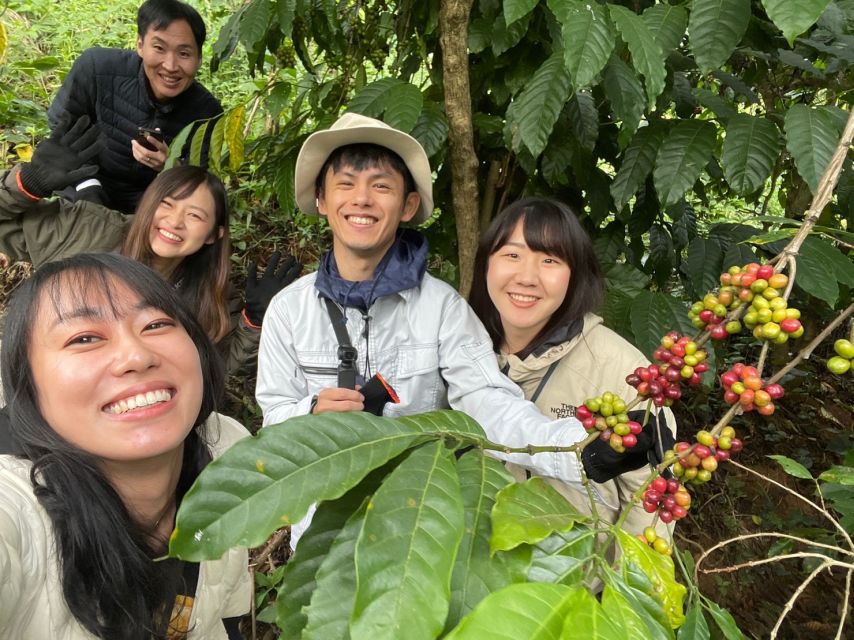
One of the most hands-on parts is roasting. You start with green coffee beans, then watch them change color as they heat. The beans become the familiar brown coffee beans you know from a cafe or kitchen shelf.
This step gives you a better feel for the work behind a cup. It is easy to think of roasted beans as a finished product, but the change from green to brown is part of what creates the smell and flavor you associate with coffee.
The process is also a good match for curious children or adults who enjoy making things, though the experience is clearly aimed at people interested in coffee. Huy guides the activity, so you are not expected to arrive with roasting skills.
Do not expect to leave as a professional roaster after one session. The value is in seeing and tasting the change, not mastering every technical detail. You will gain a basic understanding of how roast level affects the coffee you drink.
This is also one reason the session can last longer than 90 minutes. The exact length depends on the format and availability. The advertised range runs from 90 minutes to five hours, so check the start time and duration before booking if you have a tight schedule.
More Specialty Coffee Tours in Dalat:
- Cartagena: Colombian Specialty Coffee Tasting
★ 4.4 · 130 reviews - Private Coffee Roasting Class
★ 5.0 · 101 reviews - Coffee Experience from bean to cup
★ 5.0 · 71 reviews - Private coffee tour near Medellín, from bean to cup.
★ 5.0 · 60 reviews
Brewing with several methods, then making a Phin coffee
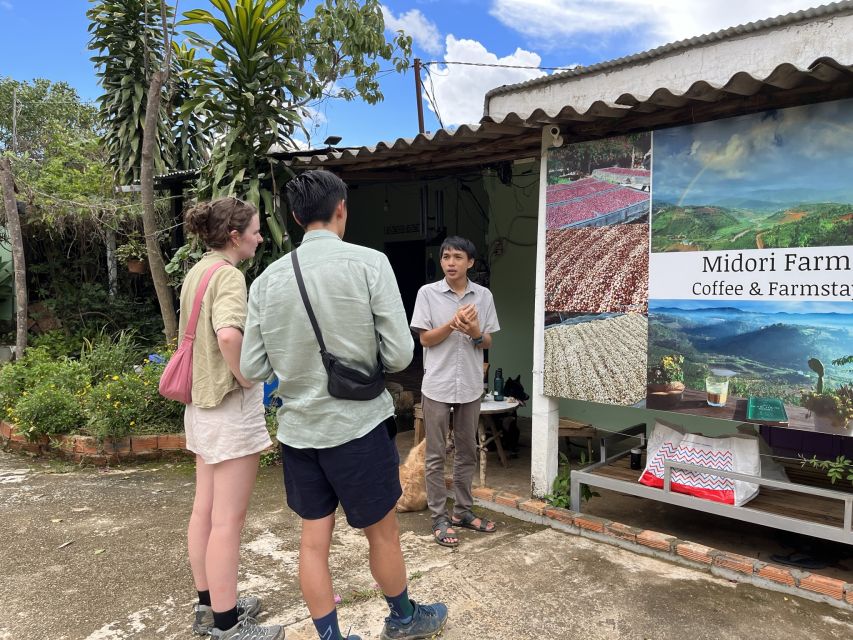
After roasting and tasting, you try different brewing techniques. The aim is to show how the same or similar beans can taste different when water moves through them in different ways.
This is a helpful lesson because brewing is often overlooked. People talk about origin and roast, then forget that grind size, water, timing, and equipment also shape the cup. Here, you can connect the theory to actual drinks in front of you.
The final hands-on step is making your own traditional Vietnamese Phin coffee. A Phin is a small metal filter that sits over the cup and lets water slowly pass through the ground coffee. It is a simple device, but the result can be strong and concentrated.
Making the drink yourself gives you a better feel for Vietnamese coffee culture than simply ordering one from a menu. You control the process and then taste the result. You can also compare the Phin coffee with the other brewing methods from the session.
The city view adds a pleasant finish. You are not being rushed from one tasting counter to another. You can sit with your coffee, look over Da Lat, and think about the differences between the cups.
Sustainable farming without a polished sales pitch
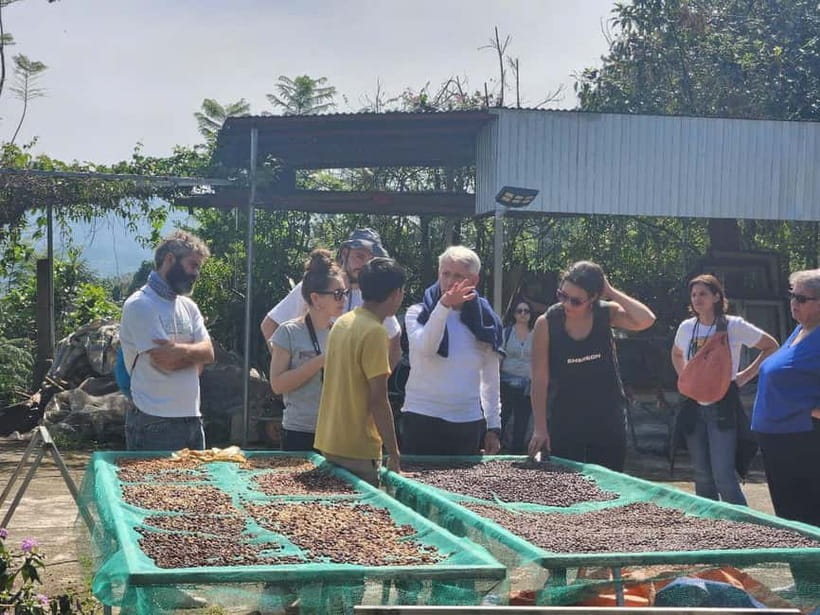
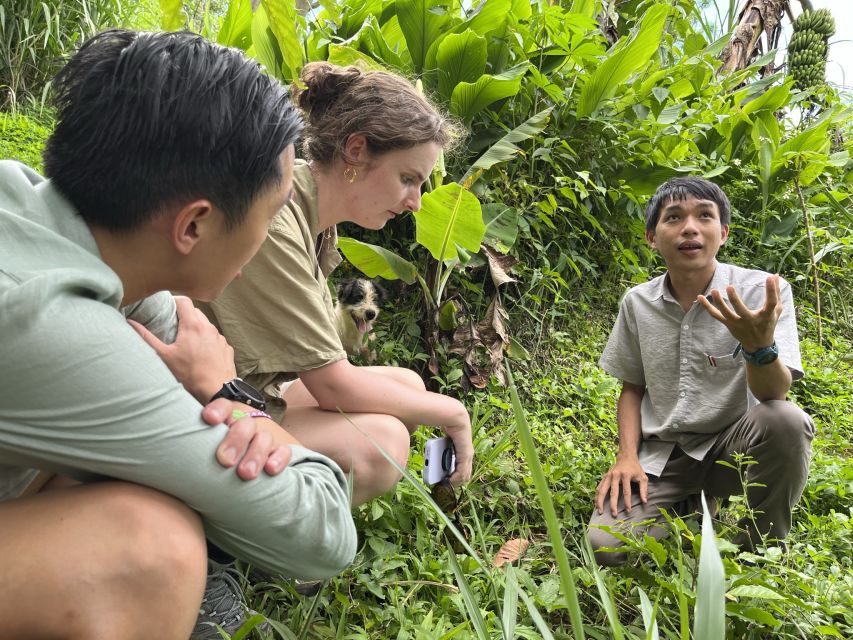
Huy also explains how he grows coffee in a more sustainable way. The supplied information does not give a full technical account of the farming system, so you should not book this expecting a formal agricultural course. Instead, expect a personal explanation from a farmer about growing coffee and the choices that affect quality.
That direct connection is important. Sustainable coffee is not only a label on a bag. It involves how coffee is grown, how the crop is handled, and how much care goes into producing a consistent bean. Hearing about those decisions from the farmer himself gives the subject a human face.
Some longer experiences have included time at the organic coffee farm, a vegetable garden, and a farm stay setting. However, the stated meeting point for this activity is the cafe in central Da Lat, and the duration can vary widely. If visiting the farm is your main goal, contact HuyEco Coffee & Culture first and confirm that your selected booking includes it.
This distinction will save you from an avoidable surprise. The cafe-based coffee workshop is already worthwhile, but it is not automatically the same as a countryside farm visit.
How long should you allow?
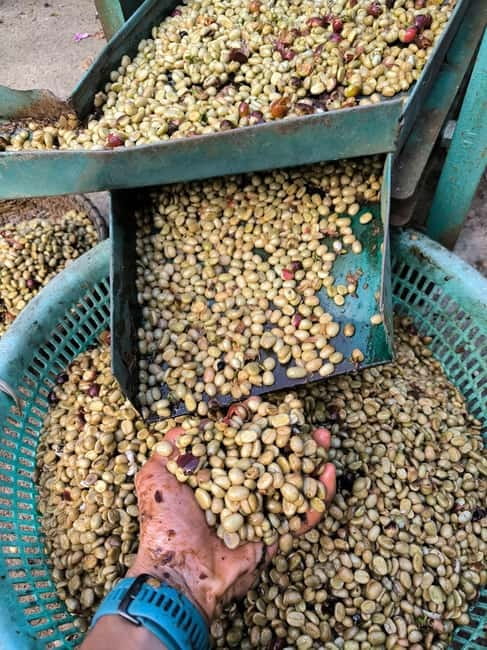
The advertised duration is 90 minutes to five hours. That is a broad range, and it likely reflects different formats or available start times. Several sessions described by visitors lasted around one to one and a half hours, while longer versions may include more time at the farm.
For a short city break, the 90-minute format fits easily between other Da Lat sights. It gives you enough time for tasting, basic explanations, roasting, and Phin brewing without taking over the day.
If you want a slower experience, ask about the longer option. A half-day format may make more sense if it includes farm time, a garden, or a fuller look at sustainable growing. Do not assume that every booking includes all of these elements.
The small group limit of 10 helps keep the pace personal. Still, the exact rhythm will depend on group questions and the number of people taking turns with the roasting and brewing.
Is $14 good value?
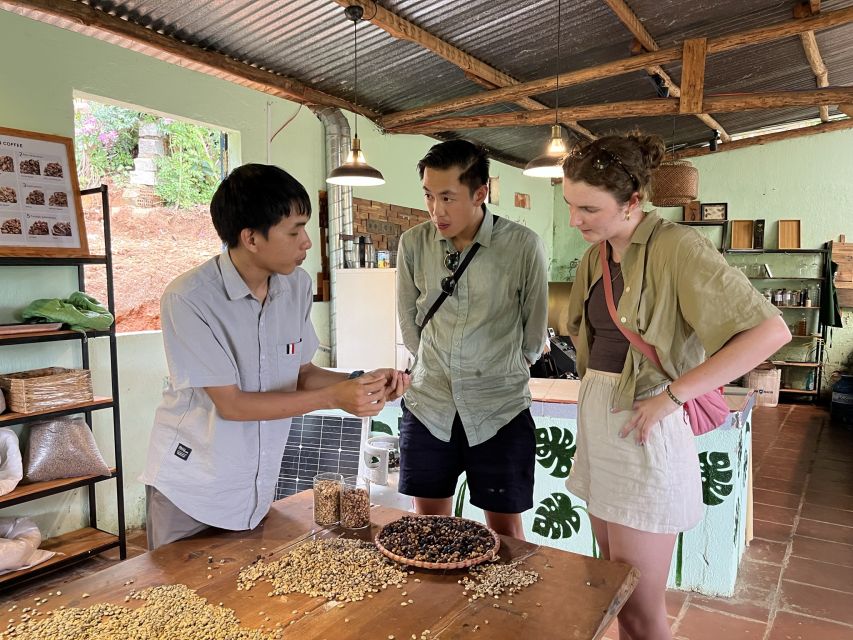
At $14 per person, I consider this good value for anyone who genuinely likes coffee. You receive five coffee drinks, a guided tasting, an explanation of growing and processing, a roasting activity, and the chance to make a Phin coffee.
The price is especially fair because the experience is not limited to one cup and a short speech. You are comparing several coffees and taking part in the process. Specialty coffee tastings in other countries can cost much more, though prices are not directly comparable.
The inclusions are clear. Five coffees and the guide ticket are included. Hotel or airport transfers, extra drinks, and food are not included. You should budget for your own ride if you are not staying close enough to walk.
Transport matters more if your booking includes the farm. One visitor needed help arranging taxis because the farm was outside Da Lat. The cafe meeting point is central, but a farm outing may require extra planning and extra transport cost.
The free cancellation policy allows cancellation up to 24 hours before the activity for a full refund. You can also reserve now and pay later, which is handy if your Vietnam schedule is still changing.
Who should book this experience?
I would recommend it most strongly to:
- Coffee drinkers who want to understand Vietnamese beans beyond condensed-milk coffee.
- People curious about the difference between Arabica and Robusta.
- Visitors who enjoy practical activities rather than only looking and listening.
- Anyone interested in sustainable farming and the work behind specialty coffee.
- Couples, solo visitors, or small groups who prefer a calm session with room for questions.
- Travelers with at least 90 minutes in Da Lat and an interest in local food culture.
It is less suitable if you dislike coffee, want a broad Da Lat sightseeing tour, or need a fixed end time but have not confirmed the session duration.
Families may enjoy the roasting activity, though the available information does not specify a minimum age. Ask HuyEco Coffee & Culture if you are booking for young children.
You should also bring your passport, which is listed as required. A jacket is not listed as mandatory, but the cool weather and one borrowed jacket mentioned in the experience details make it sensible.
Final verdict: book it if coffee matters to you
I would book HuyEco Coffee & Culture if I wanted a useful, personal introduction to Da Lat coffee. The strongest parts are the five-coffee comparison, the chance to roast beans, and Huy’s clear enthusiasm for his farm and craft.
The main caution is simple: confirm the format. The cafe is in central Da Lat, but farm visits may belong to a longer option, and the advertised duration ranges from 90 minutes to five hours. Ask what your booking includes, how long it lasts, and whether transport to the farm is needed.
For $14, the standard session offers plenty: five drinks, practical instruction, a Phin coffee, and a better understanding of why Vietnamese coffee can taste sour, sweet, fruity, heavy, or dark. If you drink coffee, this is one of the more useful ways to spend an hour or two in Da Lat.
FAQ
Where does the experience meet?
It meets at HuyEco Coffee & Culture in central Da Lat. Search for that exact name on Google Maps and check the location carefully.
How much does the coffee experience cost?
The price is $14 per person.
How long does the activity last?
The listed duration ranges from 90 minutes to five hours. Check the available start times and selected format when booking.
How many coffees are included?
Five coffee drinks are included. The tasting covers coffees from Huy’s farm, including Arabica and Robusta.
Can I roast coffee and make my own Vietnamese coffee?
Yes. You roast coffee beans yourself, taste coffee prepared with different brewing methods, and make a traditional Phin coffee.
Is the experience available in English?
Yes. The live guide is available in English and Vietnamese.
Just added around Dalat
- VIP Dalat 3 waterfalls – Datanla, Elephant Pongour & Coffee Tour★ 5.0 · 8 reviews
- Coffee Class and DaLat Outskirt Tour★ 4.5 · 5 reviews
- Coffee – Wine – Tea: Dalat Treasures tour★ 3.5 · 5 reviews
- Experience Making specialty coffee in Da Lat City★ 5.0 · 3 reviews
- Tea & Coffee Tour★ 4.8 · 5 reviews
- DALAT EASY RIDER GROUP TOUR – PONGOUR FALL – SILK- COFFEE..★ 5.0 · 6 reviews
- Dalat Group Easy Rider – Elephant Fall-Pagoda-Weasel Coffee…★ 5.0 · 7 reviews
- Coffee – Wine – Tea Da Lat’s Agricultural Treasures Tour★ 4.8 · 63 reviews
Da Lat Coffee Tours, compared.
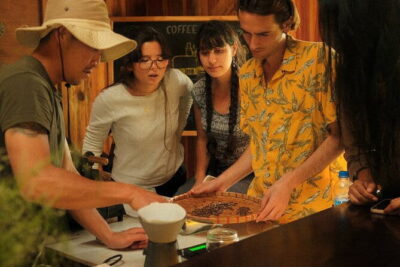
Coffee Farm Tour with Roasting & Tasting Workshop – Da Lat
Read our review →
Coffee – Wine – Tea Da Lat’s Agricultural Treasures Tour
Read our review →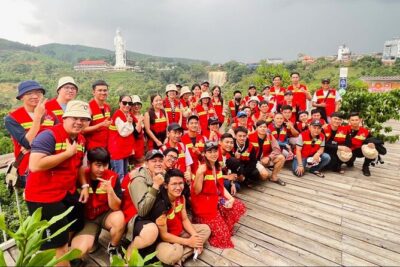
Dalat’s countryside|Coffee Plantations Tour beyond Elephant falls
Read our review →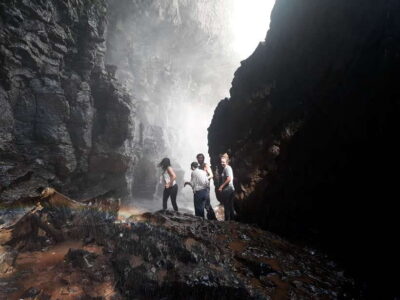
Dalat Countryside Motorbike Day Tour–Coffee Farms & Pagodas
Read our review →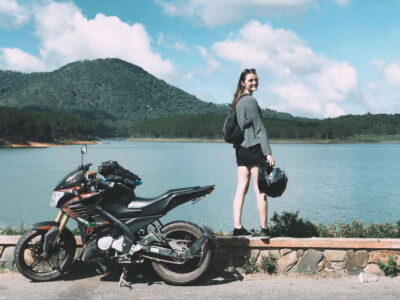
MOTORBIKE TOUR TO PONGOUR FALLS- SILK- COFFEE FARM
Read our review →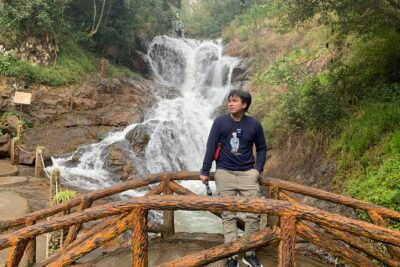
VIP Dalat 3 waterfalls – Datanla, Elephant Pongour & Coffee Tour
Read our review →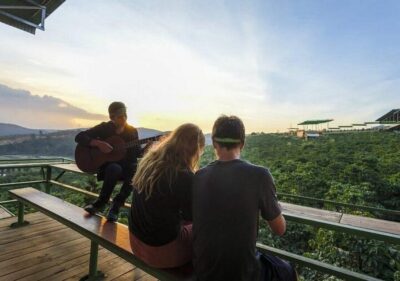
Dalat Group Easy Rider – Elephant Fall-Pagoda-Weasel Coffee…
Read our review →
DALAT EASY RIDER GROUP TOUR – PONGOUR FALL – SILK- COFFEE..
Read our review →Browse the lists this tour appears in