
REVIEW · ETHIOPIA COFFEE TOURS
Ethiopian Culinary Tour – Market, Coffee Ceremony and More
Food tells Ethiopia’s story. This six-hour Addis Ababa tour links Merkato’s spice stalls with injera baking, a coffee ceremony, Tej tasting, and lunch at the country’s first hotel. I like the way it moves beyond restaurants and lets you handle ingredients, learn local customs, and see how food fits daily life. I also like that pickup and drop-off are included anywhere in Addis Ababa, even the airport.
The main point to consider is pace. Six hours covers a lot, and Merkato can be crowded, noisy, and tiring. Still, the mix of hands-on cooking, city sightseeing, and food sampling gives you a fuller day than a meal alone. Guides such as Desale, Seid, Zerefa, and others have earned praise for their warmth, cultural knowledge, and ability to answer questions.
Key points at a glance
- Tomoca starts the day with Ethiopian coffee beans prepared Italian-style, including macchiato.
- Merkato offers a close look at Addis commerce, with spice sellers and bargaining.
- Injera baking is hands-on, so you get to try making the soft, spongy bread yourself.
- The coffee ceremony explains a social tradition, not just a way to drink caffeine.
- Tej, Ethiopia’s honey wine, provides a distinctive final tasting at a local bar.
- Lunch at the first Ethiopian hotel is a practical introduction to classic dishes, with a buffet and hot drinks included.
Why this Addis Ababa food tour works
I like this experience because it treats Ethiopian food as part of a wider culture. You do not simply sit down, eat a plate, and leave. You see spices being sold, watch bread being prepared, take part in coffee customs, and taste a traditional drink.
That variety matters in Addis Ababa. Ethiopian cuisine can seem unfamiliar at first, especially the sour flavor and soft texture of injera, the shared eating style, and the generous use of spice blends. This tour gives you several ways to understand those details before or while tasting them.
The included car, driver, fuel, and English-speaking guide also add value. Addis Ababa traffic can make short distances take time, so having transport between stops is useful. You spend the day moving through different parts of the city rather than working out several separate taxi rides.
At $85 per person, the price is not the cheapest way to eat in Addis Ababa. But it covers six hours, transportation, a guide, lunch, coffee-related activities, injera preparation, market exploration, and Tej samples. For a first day in the city, or for a short stopover, that package can make financial sense.
More Coffee Ceremony Experiences in the world:
- Ethiopian Culinary Tour – Market, Food, Coffee Ceremony & more
★ 5.0 · 65 reviews - Lalibela: Churches Full-Day Private Tour w/Coffee Ceremony
★ 4.7 · 5 reviews - Sarajevo: City Tour with Bosnian coffee ritual ☕️
★ 5.0 · 2 reviews
Tomoca Coffee and Ethiopia’s Arabica beans
The day begins at Tomoca Coffee, a well-known Addis coffee stop where Ethiopian Arabica beans are used in Italian-style drinks. You may try a macchiato or another coffee prepared in that tradition.
This is a smart opening because it shows a different side of Ethiopian coffee culture. Many people arrive expecting only the long, ceremonial preparation. Tomoca introduces the fast café version, with strong coffee served in a style shaped by Italy’s influence.
The stop is brief compared with the longer ceremony later, but it gives you a useful contrast. You can taste the same national crop in a modern café setting before learning about the slower social ritual.
Coffee is one of Ethiopia’s great cultural calling cards, and the tour does not reduce it to a quick beverage stop. It connects the café drink with roasting, preparation, hospitality, and conversation. Andreas specifically enjoyed roasting beans and taking part in the ceremony, so you may have a chance to see more than a cup being poured.
Walking through Merkato’s spice trade
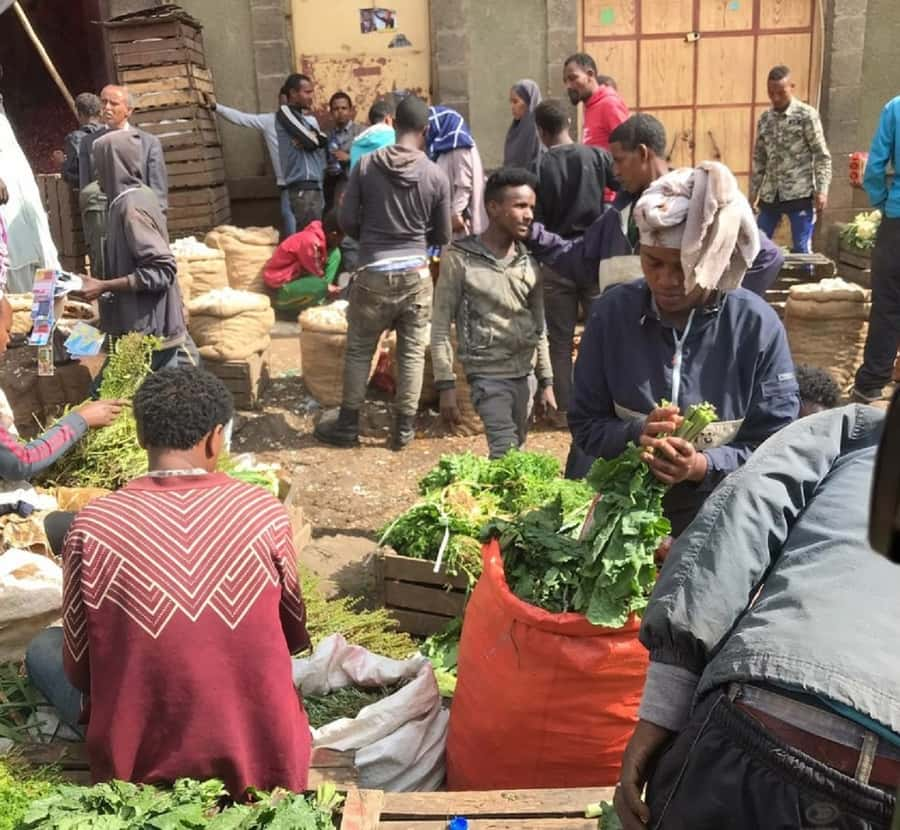
Merkato is described as Africa’s largest open-air market, and it is the most energetic part of the day. The focus here is the spice market, where dealers sell ingredients used in Ethiopian cooking. You will also see coffee and a broad mix of food and non-food goods.
I would keep your expectations practical. Merkato is not a polished food hall with neat displays and wide, quiet aisles. It is a working market, and the experience may feel crowded or disorganized. That is precisely why a guide helps. You can concentrate on the colors, smells, products, and trade without spending the whole visit trying to find your way.
You may also have a chance to bargain with spice sellers. Treat this as a cultural exchange rather than a contest. Ask questions, watch how the transaction works, and let your guide explain what you are seeing.
A guide can also point out landmarks and explain the parts of Addis Ababa you pass on the way. Kevin praised Seid and the driver, Muse, for adding city sights and historical context during the drives. That extra commentary gives the market visit a wider frame.
Bring your passport or ID card, as required for the tour. Wear practical shoes and expect a busy stop. The supplied information does not promise a specific shopping allowance or a fixed list of spices, so the value here is mainly seeing the market and learning how ingredients enter local cooking.
Making injera from batter to plate
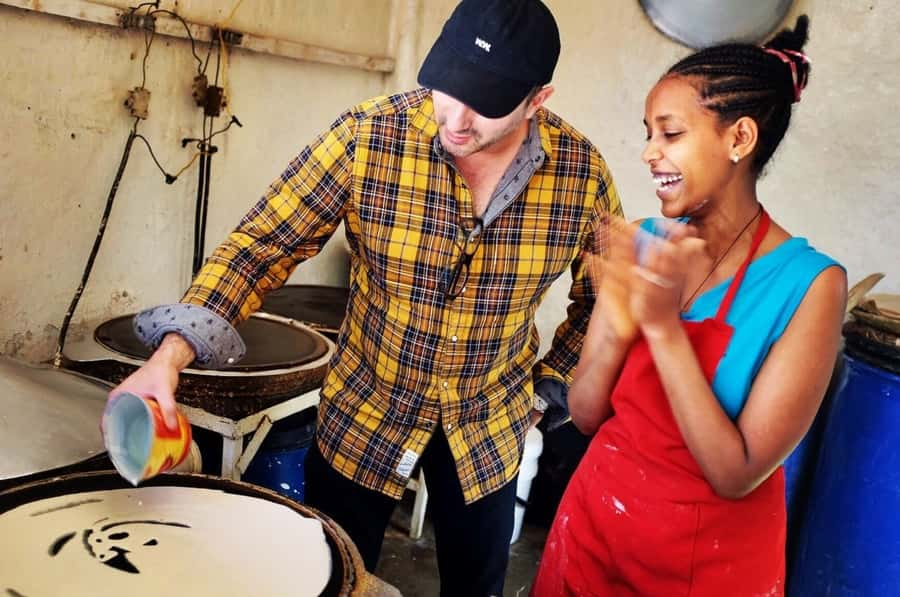
The injera lesson is one of the best parts for anyone who wants to understand Ethiopian food. Injera is the large, soft, spongy flatbread used to hold stews and vegetables. It is also part of the eating method, since you tear off pieces and use them to pick up food.
You are shown how to bake it step by step, then get the chance to try your own creation. Nicole particularly enjoyed eating her bread with a typical spice, which gives you a useful idea of how the lesson works: this is not only a demonstration, but also a tasting.
Do not expect bakery perfection on your first attempt. That is part of the fun. The lesson turns a familiar restaurant item into something you can understand through touch, texture, and technique. You may leave with a better sense of why good injera matters to an Ethiopian meal.
The activity also helps if you are unsure about the bread’s sour flavor or unusual texture. Instead of meeting it only as part of a large shared platter, you see how it becomes the base of the meal. For a food-focused day, this hands-on stop gives the tour real substance.
More Market Visits in the world:
- Da Nang Cooking Class with Coffee Tasting and Market Visit
★ 5.0 · 310 reviews - Hungry in Vienna? A Food Lover’s Coffee & Market Walk
★ 4.9 · 276 reviews - Coffee Crawl & VIP Morning in Pike Place Market
★ 5.0 · 75 reviews - Coffee & Food Tastings at Pike Place Market
★ 5.0 · 67 reviews
The traditional coffee ceremony
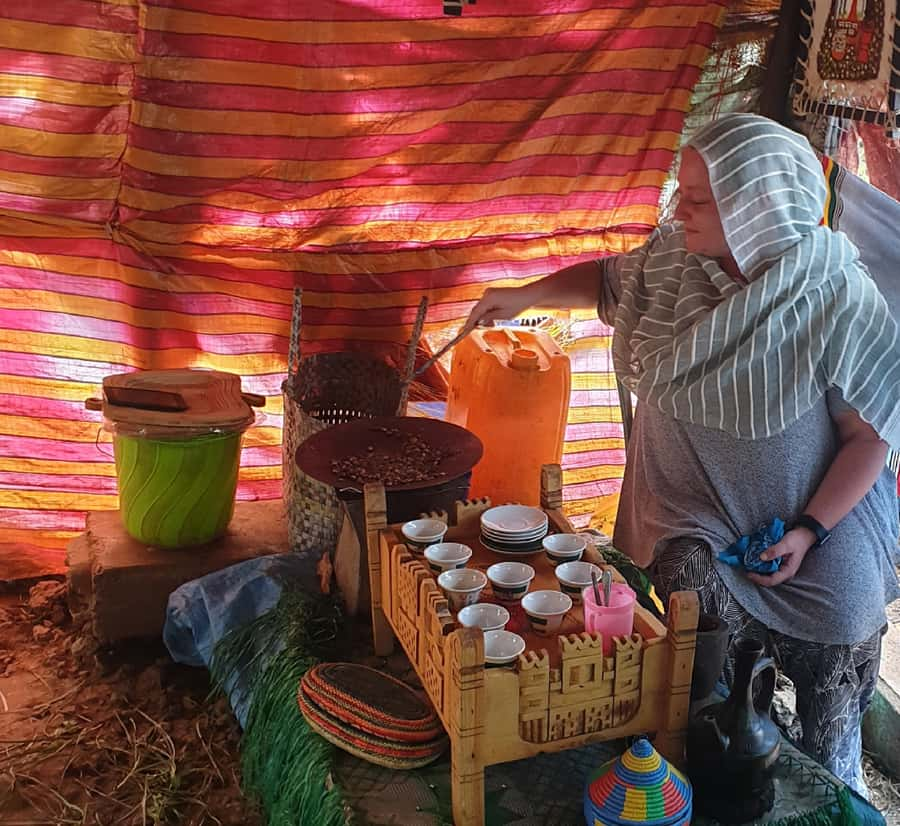
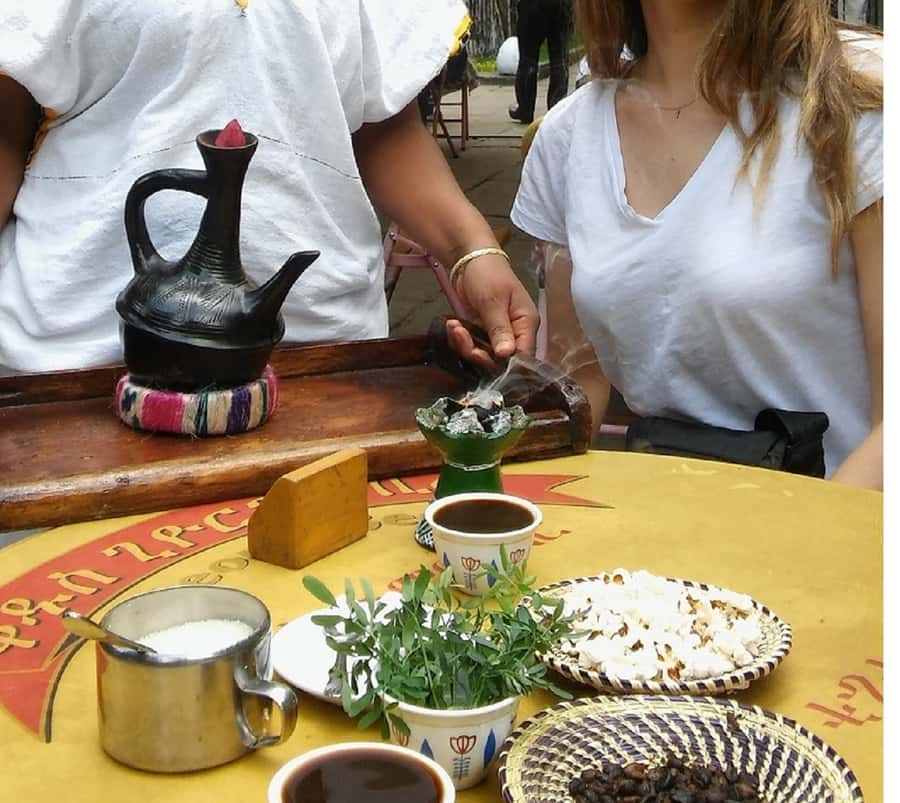
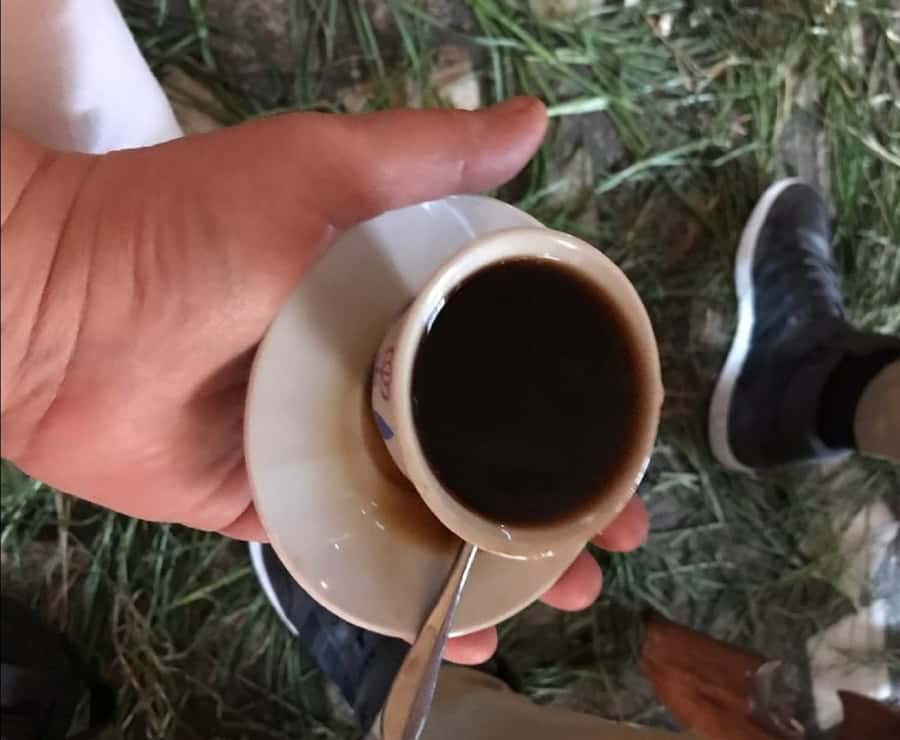
The coffee ceremony is the cultural center of the experience. You will see Ethiopia’s traditional method of preparing coffee, with the process explained step by step. The activity may include roasting beans, preparing them, and serving the finished drink.
This is slower and more social than the Tomoca stop. The point is not speed. It is the process, the smell of roasted coffee, and the time spent together around the preparation.
That contrast makes the day work well. First you taste Ethiopian beans in a café format. Later you see how coffee can become an occasion built around hospitality. Andreas enjoyed roasting his own beans, while Nicole described the coffee as excellent. Those details suggest that the ceremony is more active than simply watching someone else work.
If you do not drink coffee, this part may be less important to you, but the cultural lesson still has value. Ask the guide to explain the steps and customs. The activity is also a natural moment to ask broader questions about Ethiopian food and daily life.
Tasting Tej at a local honey-wine bar

The final tasting stop is a local Tej bar. Tej is a traditional Ethiopian honey wine similar to mead, made mainly from fermented honey. You will tour the bar and taste samples.
This is a useful addition because Tej is not as familiar to many people as coffee or injera. The flavor may be sweet, fermented, or unfamiliar, and a sample lets you decide what you think without committing to a full drink.
Alcohol is not generally included beyond the honey wine tasting. Keep that distinction in mind if you want additional drinks. The tour provides the Tej experience, but other alcoholic beverages are at your own cost.
Ending with Tej also gives the day a clear sense of place. You have seen raw spices, worked with injera, learned about coffee, and then finished with a drink tied to Ethiopian tradition. It is a better cultural ending than simply returning to your hotel after lunch.
Lunch at Addis Ababa’s first Ethiopian hotel
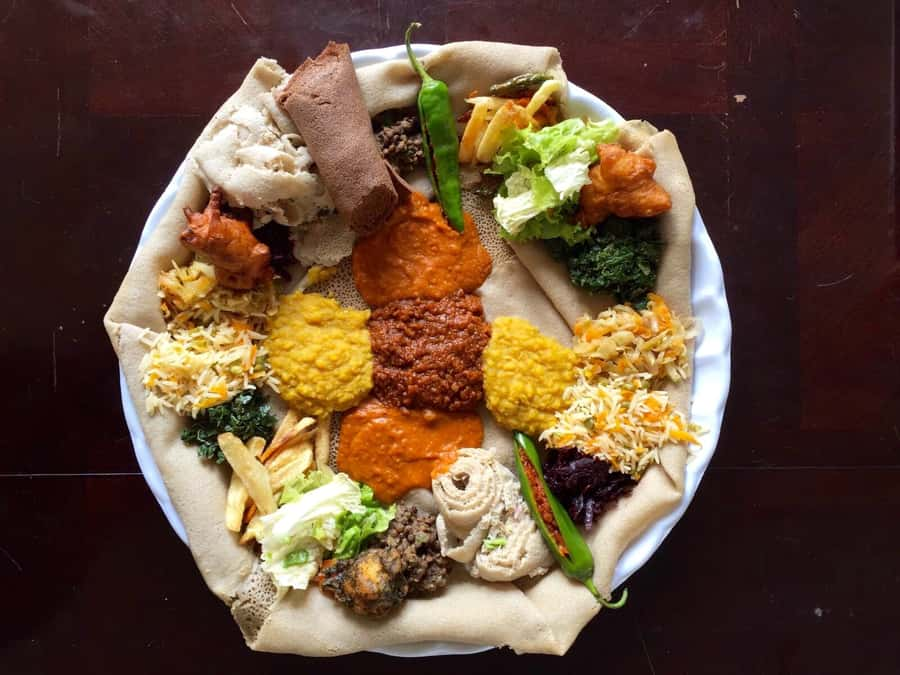
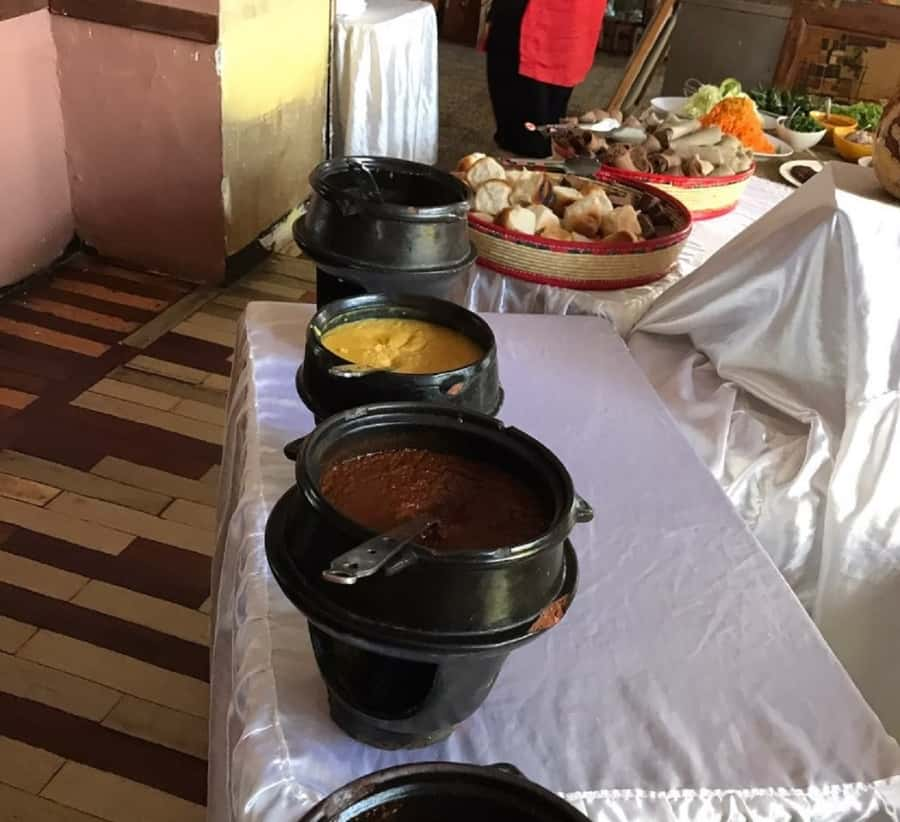
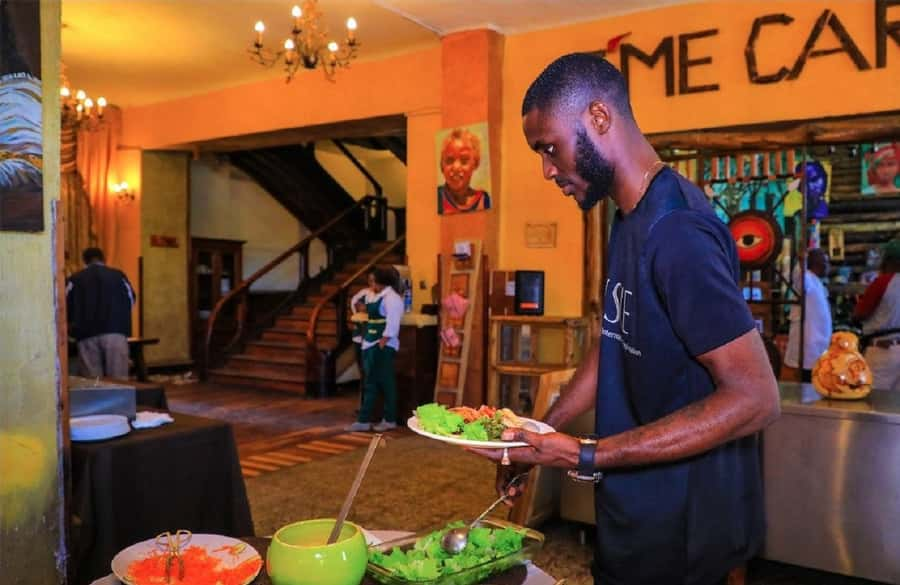
Lunch is served buffet-style at the first Ethiopian hotel, with popular dishes available for sampling. The meal includes a bottle of water and hot drinks.
A buffet is a good format for this tour because you can try several foods without ordering a full portion of each. If you are new to Ethiopian cuisine, start with small amounts and note which sauces, vegetables, and stews suit you. You can always return for more.
The meal also puts the injera lesson into practice. Rather than treating bread as a side dish, you experience how it works with the rest of the food. The shared format makes the meal feel connected to the cooking lesson earlier in the day.
The information provided does not name every dish on the buffet, so do not book this expecting a guaranteed menu. Think of it as a broad sample of familiar Ethiopian foods. Vegetarian dishes are available, as Nicole specifically enjoyed a local vegetarian buffet.
Guides, drivers, and the human side of the day
The guide can make or break a market and food tour. Here, the named guides receive strong praise for being friendly, open, enthusiastic, and well informed. Desale was praised for explaining food, coffee, city landmarks, and local history. Seid was described as enthusiastic and helpful, while Zerefa helped create an easy cultural exchange.
Those comments matter because the itinerary involves more than fixed attractions. At Merkato, you need someone who can explain what you are seeing. During the drive, you benefit from someone who can connect neighborhoods and landmarks. During the food activities, questions often matter as much as instructions.
The driver is part of that experience too. Kevin felt very safe with Seid and Muse, and the transport allows you to focus on the day rather than city navigation. Pickup is available from hotels, houses, or the airport, and you should wait in your hotel lobby for 15 minutes before or after the scheduled time.
The exact group size is not provided, so I would not assume a private tour or a small group. Ask the operator if that matters to you. The tour takes place rain or shine, so bring what you need for the weather.
Is $85 a fair price?
For six hours in Addis Ababa, $85 per person is a reasonable price if you want several activities in one outing. You are paying for transport, a driver, fuel, an English-speaking guide, lunch, water, hot drinks, and the listed food experiences.
The strongest value comes from the combination. A market visit by itself would cost less. A meal alone would cost less. But arranging a market, cooking lesson, coffee ceremony, Tej tasting, and city transport separately would take time and planning.
The price is less attractive if you mainly want a relaxed meal or a long, detailed cooking class. This is a city food tour with several stops, not a full-day culinary school. Its strength is range and local contact.
Free cancellation up to 24 hours before the start and the option to reserve now and pay later make planning easier. Starting times depend on availability, so confirm the schedule before booking, especially if you are fitting this around an international flight.
Who should book this experience?
I would recommend it most to first-time visitors who want an introduction to Addis Ababa through food. It also suits people with a long airport stopover, since airport pickup and drop-off are included.
Food enthusiasts will get the most from the injera lesson, coffee preparation, spice market, buffet, and Tej tasting. You should also enjoy asking questions, trying unfamiliar flavors, and accepting that some parts of the day may feel busy.
This may be less suitable if you dislike crowds, do not want to bargain at a market, or prefer one slow activity rather than several short stops. The six-hour schedule covers a lot, and Merkato may be tiring.
Should you book the Ethiopian Culinary Tour?
Book it if you want food to be your way into Addis Ababa. The strongest reasons are the hands-on injera lesson, the contrast between Tomoca coffee and the traditional ceremony, and the chance to see Merkato with a guide who can explain what is happening.
I would also book it for a short visit, when included transport and a full schedule save valuable time. If you prefer a quiet cooking class or a carefully planned restaurant meal, choose something narrower. For most curious first-time visitors, though, $85 buys a useful, varied introduction to Ethiopian food and city life.
FAQ
How long does the Ethiopian Culinary Tour last?
The tour lasts six hours.
How much does the tour cost?
The listed price is $85 per person.
Is pickup included?
Yes. Pickup and drop-off are included from any location in Addis Ababa, including hotels, houses, and the airport.
What language is the tour conducted in?
The live tour guide speaks English.
What food activities are included?
The tour includes injera baking, an Ethiopian coffee ceremony, a visit to Merkato’s spice market, a Tej bar visit, and a buffet lunch.
Is lunch included?
Yes. Lunch is served buffet-style at the first Ethiopian hotel. A bottle of water and hot drinks are also included.
Is Tej included?
Yes. The tour includes samples of Ethiopian honey wine, also called Tej. Other alcoholic beverages are not included.
What should I bring?
Bring your passport or ID card.
Can I cancel the tour?
Yes. You can cancel up to 24 hours in advance for a full refund. You can also reserve now and pay later.
More Market and Shopping Tours in the world
- Vietnam Flavour: Market-to-Table & The Art of Egg Coffee
★ 5.0 · 53 reviews - From Bangkok: Don Wai Market, Wat Samphran & Lotus Café Tour
★ 4.5 · 48 reviews - Shopping tour Punta Cana rum cigars coffee larimar chocolate souvenirs mamajuan
★ 4.0 · 44 reviews - Private Floating Market, Train Market and After Rain Cafe Tour
★ 5.0 · 38 reviews
Just added around the world
- Vietnamese Coffee Making Class in Hoi An★ 5.0 · 4 reviews
- Venice Delights: Coffee & Food Experience Walking Tour★ 5.0 · 2 reviews
- Yerevan: Private Coffee Tour with 2 Café Stops★ 5.0 · 2 reviews
- Vietnamese Coffee 101 Workshop★ 5.0 · 11 reviews
- Ubud: Waterfall, Holy Water Temple,Swing&coffee plantation★ 5.0 · 9 reviews
- Vancouver: Street Art & Craft Coffee Walking Tour w/ Tasting★ 4.8 · 11 reviews
- Vienna: Guided Viennese Coffee-House Tour★ 5.0 · 2 reviews
- Coffee pleasure walking tour★ 5.0 · 12 reviews
Ethiopia Coffee Tours, compared.
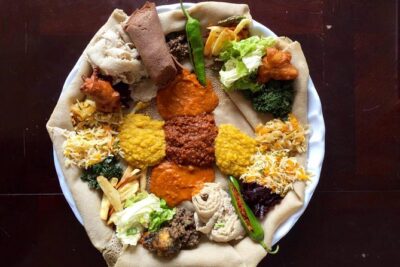
Ethiopian Culinary Tour – Market, Food, Coffee Ceremony & more
Read our review →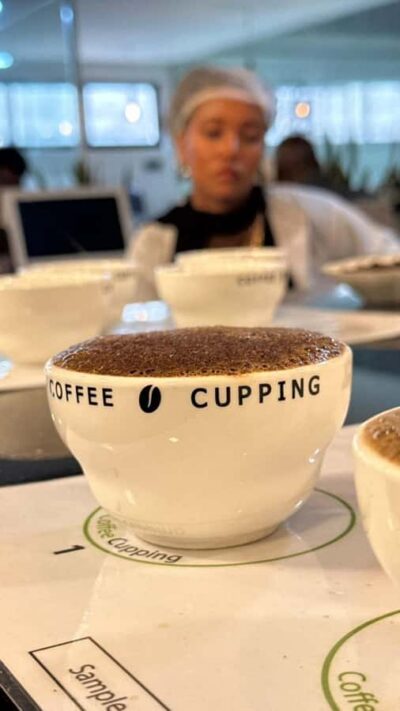
Ethiopia coffee cupping class/Ethiopian food injera making
Read our review →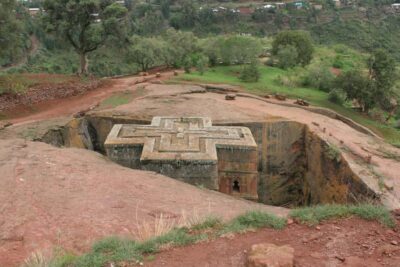
Lalibela: Churches Full-Day Private Tour w/Coffee Ceremony
Read our review →
Browse the lists this tour appears in