REVIEW · BOSNIA AND HERZEGOVINA COFFEE TOURS
Sarajevo: City Tour with Bosnian coffee ritual ☕️
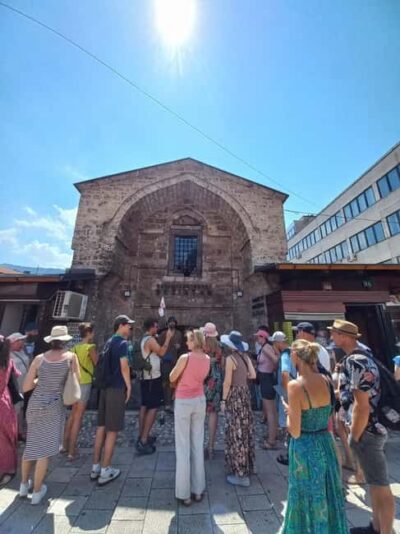
Sarajevo tells its story one cup at a time. This small-group city tour links the city’s Ottoman, Austro-Hungarian, Jewish, and Yugoslav chapters with stops that feel connected rather than scattered. I especially like the traditional Bosnian coffee ritual and the chance to see a coppersmith at work, two experiences that give the walk real local character.
The $38 price is fair for 3.5 hours, especially since it includes coffee, baklava, market samples, and a guide-led visit to major sights. The main consideration is pace: you cover a lot of ground and several historic stops, so this suits you best if you enjoy walking and listening while the city unfolds around you.
Key points to know before booking
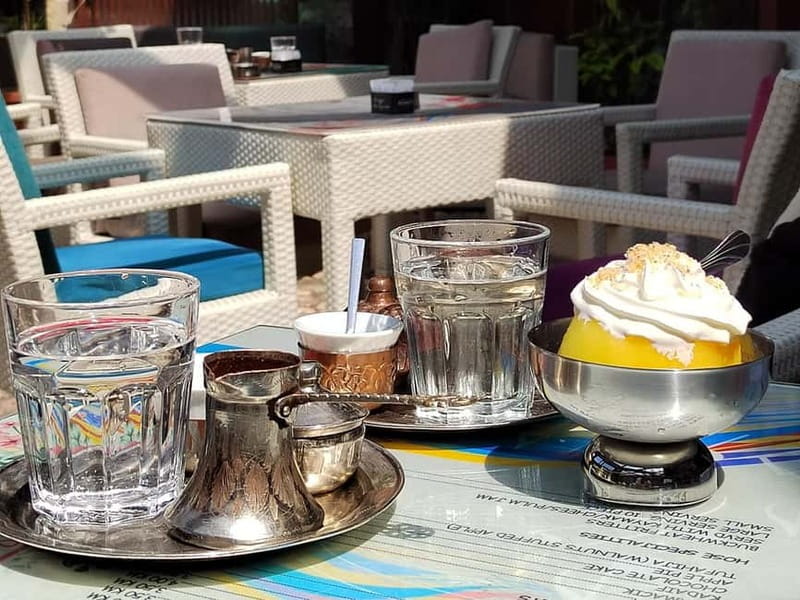
- Coffee is part of the story: You learn how Bosnian coffee is prepared and served, not simply receive a quick café drink.
- The tour crosses Sarajevo’s religious center: The route includes the Sacred Heart Cathedral, Gazi Husrev-beg Mosque, the Cathedral Church of the Nativity of the Theotokos, and the Museum of the Jews of Bosnia and Herzegovina.
- You see working craft, not only souvenirs: A local coppersmith workshop shows techniques passed down through generations.
- Food tastings are built into the walk: Expect baklava, another beloved Bosnian dessert, local cheeses, cured meats, and a bakery stop.
- The group is limited to eight people: That makes questions and conversation easier than on a large coach tour.
- It is a history walk with a modern rhythm: The guide moves from Slavic beginnings and the Bosnian kingdom through Ottoman and Austro-Hungarian rule, the World Wars, and Tito’s Yugoslavia.
A useful first look at the Sarajevo route
This experience lasts 210 minutes and begins beside the statue of Pope John Paul II, next to the Sacred Heart Cathedral. That is a practical meeting point in central Sarajevo, and you return to the same area at the end.
You move mostly between central landmarks, old commercial streets, places of worship, markets, and cafés. The walk is not built around one major museum entrance. Instead, it uses the city itself as the exhibit. That matters in Sarajevo, where a street corner, bridge, market hall, or café can help explain more than a long list of dates.
The guide speaks German, English, Bosnian, Croatian, or Serbian. Since the group is capped at eight people, you should have a fair chance to ask about the places you pass. The tour also promises a conversational approach rather than a long lecture, which is useful on a walk covering several centuries.
More Coffee Ceremony Experiences in the world:
- Ethiopian Culinary Tour – Market, Food, Coffee Ceremony & more
★ 5.0 · 65 reviews - Ethiopian Culinary Tour – Market, Coffee Ceremony and More
★ 5.0 · 10 reviews - Lalibela: Churches Full-Day Private Tour w/Coffee Ceremony
★ 4.7 · 5 reviews
From the Sacred Heart Cathedral to Sarajevo’s religious crossroads
The Sacred Heart Cathedral is both the starting and ending point. From here, you begin with Sarajevo’s Catholic presence before moving toward the city’s other religious landmarks.
The first listed stop is the Museum of the Jews of Bosnia and Herzegovina, where the guide provides a visit and explanation. This is important because Sarajevo is often called the Jerusalem of Europe due to the close presence of different religious traditions in one central area. The tour does not treat that label as a slogan alone. It places it beside actual sites connected with Catholic, Muslim, Jewish, and Orthodox communities.
Next comes Sarajevo Meeting of Cultures, a marked point where the city’s architectural and cultural zones meet. It is a short but useful stop because it helps you notice how Sarajevo changes as you walk. Rather than presenting the city as one uniform old quarter, the route shows how different periods sit beside one another.
The Cathedral Church of the Nativity of the Theotokos appears later in the walk. Having both Catholic and Orthodox cathedrals on the route gives the religious theme a broader frame. You also visit the Gazi Husrev-beg Mosque, one of the essential landmarks in the old city.
Gazi Husrev-beg Mosque and the Ottoman heart of the city
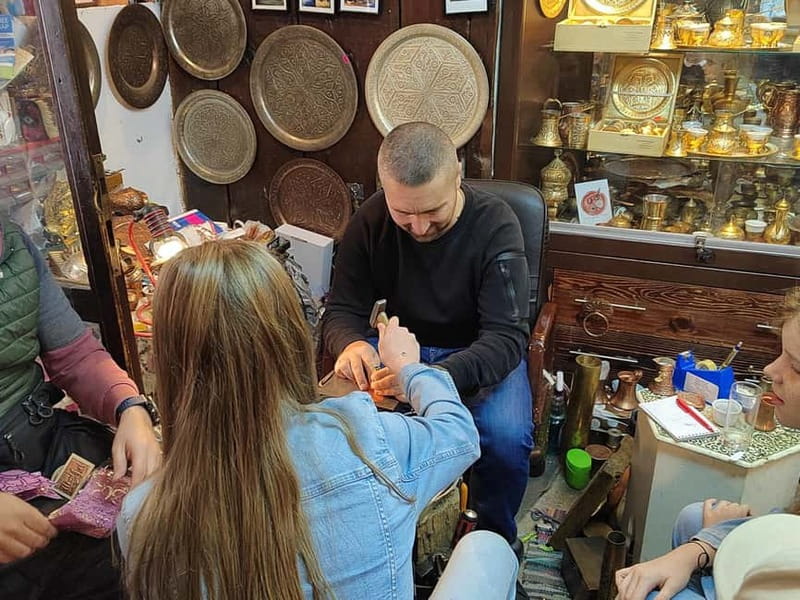
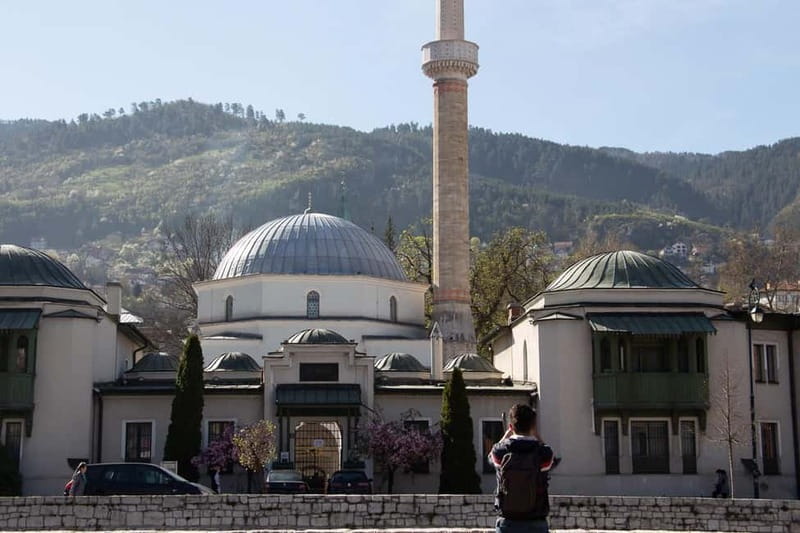
The guided visit to Gazi Husrev-beg Mosque gives the tour a clear turn toward Sarajevo’s Ottoman period. The itinerary places the mosque before Baščaršija, so you enter the old commercial quarter with some context for its layout and traditions.
This is one of the stops where a guide adds real value. If you explore alone, you can admire the building and nearby streets, but you may miss how the mosque fits into Sarajevo’s older civic and commercial life. The guide’s job here is to connect the landmark with the city around it, not simply point out a façade.
The route then reaches a local bakery. The food tasting is a welcome change after several historic explanations, and it lets you experience a small part of daily food culture. The information does not specify exactly which bakery item is served, so you should treat this as a tasting rather than plan it as a full meal.
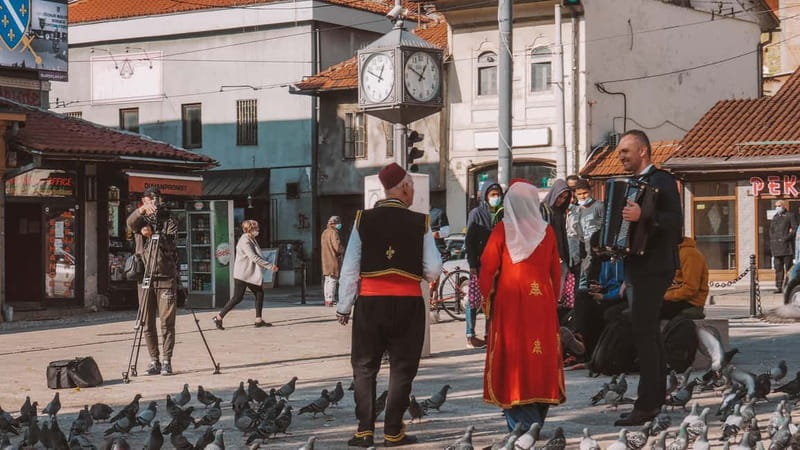
Baščaršija follows. This is Sarajevo’s best-known old market quarter and one of the natural centers of the tour. Expect a guided walk through streets tied to shops, food, craft, and Ottoman-era urban life. The area can be visually busy, but the small group should make it easier to stay with the guide.
Copperwork in Kazandžiluk
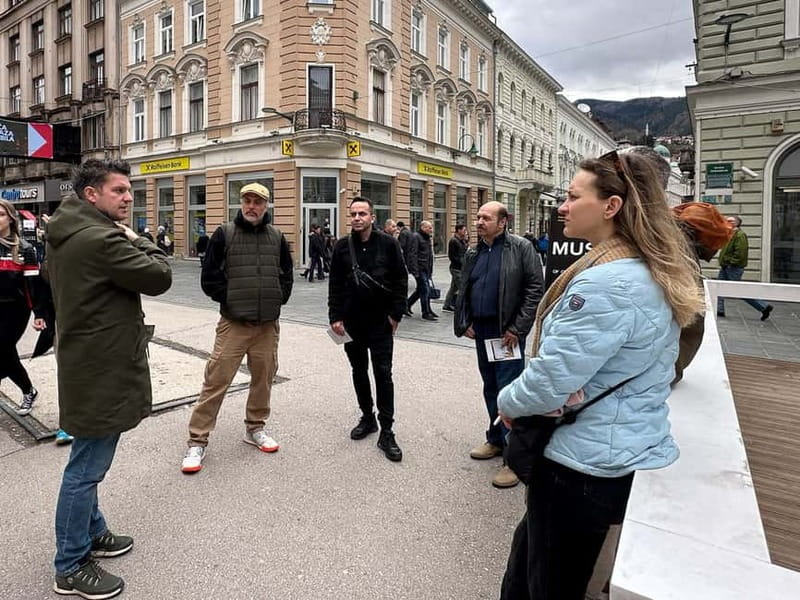
Kazandžiluk is the craft-focused part of the walk. You visit a local coppersmith workshop and watch a master at work. The point is not only to see finished coffee sets or decorative pieces. You get a look at the hand skills and methods that have passed between generations.
I like this stop because it gives Sarajevo a working texture. Historic streets can become a parade of photo opportunities, but a workshop shows that old trades still have a place in the city’s present. It also gives you a better eye for the copper goods sold nearby. After seeing how much care goes into the work, you can judge souvenirs with more sense than simply buying the first shiny object.
The arts and crafts market visit comes as part of this section. You may find the shop-lined area tempting, but remember that purchases are not listed as included. The tour price covers the visit and experience, not anything you decide to take home.
A few more coffee tours around the world worth a look
- Hanoi Coffee Experience: 6 Brews, 9 Recipes & 3 Liquor Tastings
★ 5.0 · 2,945 reviews - Medellin: Coffee Tour with Transport, Snacks and Tastings
★ 4.7 · 1,357 reviews - Istanbul: Turkish Coffee Making and Fortune Telling Workshop
★ 4.9 · 1,308 reviews - Hanoi Coffee Workshop: Taste Salt, Coconut and Egg Coffee
★ 5.0 · 1,286 reviews
Bosnian coffee, served as a ritual
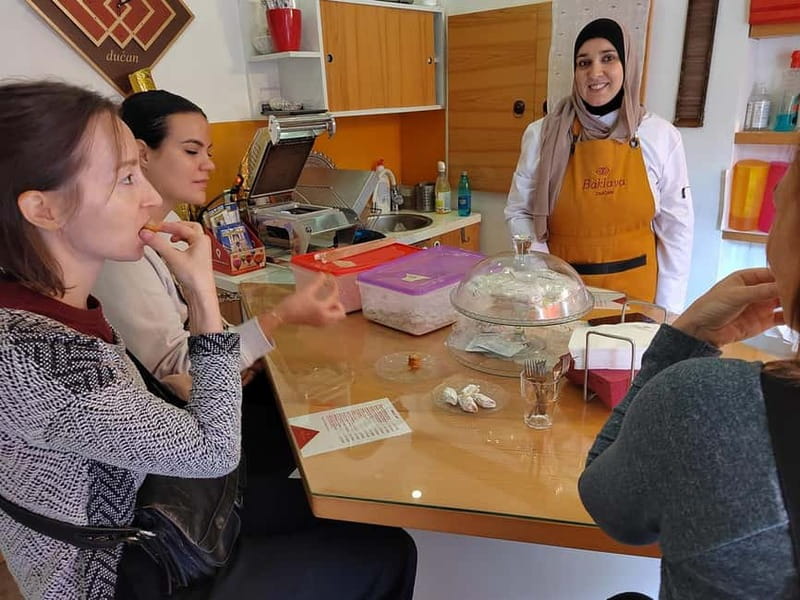
The local café stop is the heart of the experience for many people. You receive a cup of Bosnian coffee prepared and served traditionally, while the guide explains the coffee ritual and shares facts about three kinds of coffee people drink at home.
This is more useful than a standard coffee break. You learn how the drink fits into Bosnian social life and why coffee is treated as a ritual rather than just fuel. The description emphasizes coffee that is strong and sweet and enjoyed at different times of day. You also get a sweet accompaniment, including baklava and another well-loved Bosnian dessert from a traditional producer.
The tour does not list unlimited food or drinks, so do not expect a full café spread. The value is in the explanation, the traditional preparation, and the chance to taste the pairing in context.
If you do not drink coffee, this portion may be less appealing. Still, the accompanying dessert and cultural explanation give the stop some value even if coffee is not your favorite drink. For coffee drinkers, it is one of the clearest reasons to choose this tour instead of a standard sightseeing walk.
City Hall, Latin Bridge, and Sarajevo’s modern chapters
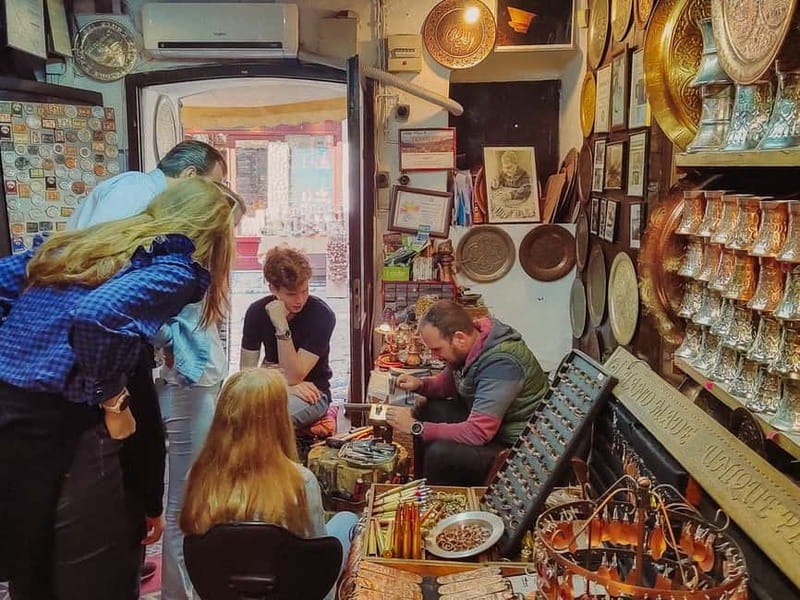
After the old quarter and café stop, the route moves toward Sarajevo City Hall. A guided visit here helps shift the focus from Ottoman Sarajevo to the Austro-Hungarian period. The tour’s larger story runs from the Slavs and the Bosnian kingdom through Ottoman rule, the arrival of Austria-Hungary, the World Wars, and Tito’s Yugoslavia.
That broad time span is ambitious for 210 minutes. You will not receive a university course on every period, and that is probably a strength for a walking tour. The guide aims to give you memorable links between places rather than overload you with names and dates. If you want a full account of Sarajevo’s political history, you will need additional reading or a museum visit.
Latin Bridge adds another landmark where the city’s past becomes easier to place on a map. The stop is guided, so you can ask how the bridge fits into the surrounding streets and the wider story of Sarajevo. As with the other outdoor sights, the experience depends partly on the guide’s storytelling, since the location itself is brief to visit.
The City Market Hall comes next. Here, the tour returns to everyday life. You receive samples of local cheeses and cured meats, giving you a chance to taste products that are less sweet than the bakery and dessert stops. This makes the food portion feel more rounded.
Eternal Flame and the final cathedral stop
The Eternal Flame is the final historic marker before the route returns toward the Sacred Heart Cathedral. Its inclusion gives the tour a modern civic note after so much attention to older periods and religious buildings.
The Cathedral Church of the Nativity of the Theotokos follows as a guided stop. Together with the mosque, Jewish museum, and Catholic cathedral, it reinforces the reason Sarajevo is described as the Jerusalem of Europe. The tour does not reduce the city to one faith or one empire. Instead, it uses several sites to show how different communities have shaped the center.
You finish back at the Sacred Heart Cathedral. That return is convenient because you do not need to arrange transport from a distant ending point. It also gives the route a tidy shape, beginning and ending at the same central landmark.
Is $38 a fair price?
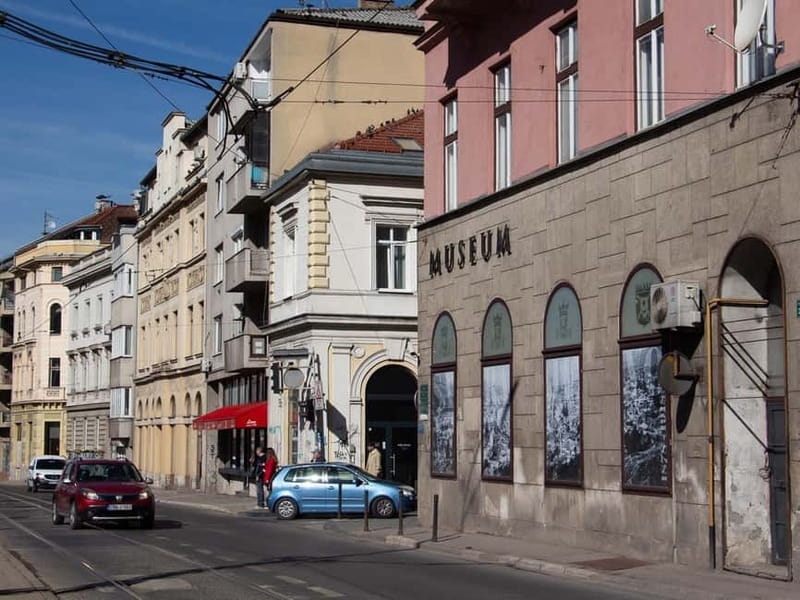
At $38 per person, this is a solid value if you want history, food, and local culture in one booking. The price includes the guide, a traditional Bosnian coffee, baklava and another dessert sample, a bakery tasting, local cheeses and cured meats, and the coppersmith workshop visit.
You are also paying for the guide’s interpretation across many sites. That matters in Sarajevo, where the key experience is understanding how different periods and communities meet in the same small central area. A cheaper self-guided walk would cover some landmarks, but it would not include the organized tastings or the workshop visit.
The limits are clear. Food and drinks not mentioned are extra, and the tour is not a complete meal. You also should not expect long, formal visits inside every building listed. Several stops are guided visits or explanations along the route, so the balance favors a broad city introduction over detailed museum study.
For a first day in Sarajevo, I think the price works particularly well. You get your bearings, learn the main historical themes, and leave with a short list of places to revisit on your own.
Who should book this experience?
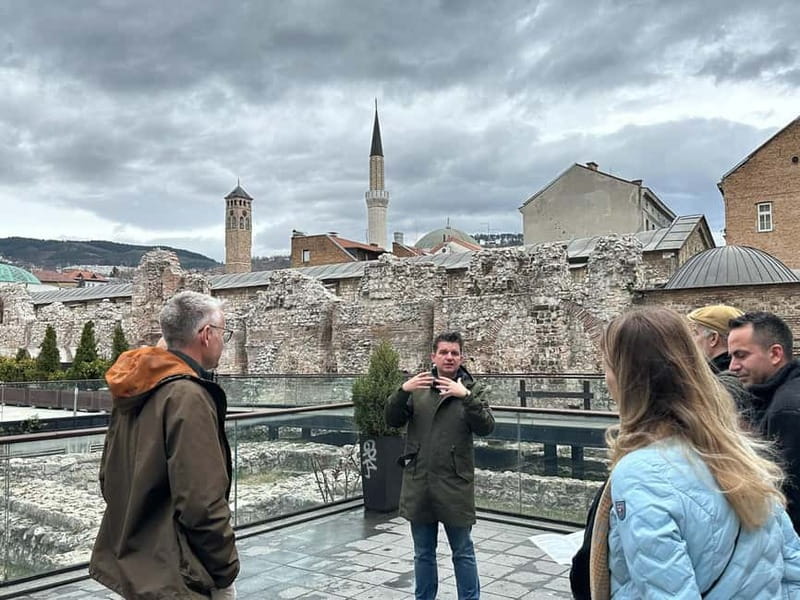
I would recommend it to you if you want a compact introduction to Sarajevo with more personality than a standard landmark walk. It suits first-time visitors, food-minded sightseers, coffee drinkers, and anyone interested in how religious and political history shaped one city.
The maximum group size of eight is a strong advantage. You can ask questions without trying to catch a guide’s voice across a crowd, and the workshop and café stops should feel more personal in a small group.
You may want to choose another format if you dislike walking, prefer long museum visits, or want a tour focused on only one period. The route covers a lot, and its strength is connection rather than exhaustive detail.
Book with the timing in mind. The tour runs for three and a half hours, and the starting time varies by availability. Cancellation is free up to 24 hours before the activity, and you can reserve now and pay later, which helps if your Sarajevo plans are still shifting.
Should you book the Sarajevo coffee and city tour?
Yes, if you want Sarajevo explained through its streets, worship spaces, crafts, food, and coffee. The strongest parts are the small group, the traditional coffee ritual, and the coppersmith workshop. Those details give the tour more life than a simple list of monuments.
The only real caution is the packed route. You cover the city’s major themes in 210 minutes, so expect a lively overview rather than a slow, scholarly examination of each stop. For most visitors, that is the right tradeoff: you see the essential center, taste several local specialties, and gain enough context to explore Sarajevo with better questions afterward.
FAQ
Where does the tour begin?
The meeting point is next to the statue of Pope John Paul II, beside the Sacred Heart Cathedral in Sarajevo.
Where does the tour end?
The tour returns to the Sacred Heart Cathedral, the same central area where it begins.
How long does the experience last?
The tour lasts 210 minutes, or three and a half hours.
How many people can join the group?
The group is limited to a maximum of eight participants.
What languages can the guide speak?
The live guide is available in German, English, Bosnian, Croatian, and Serbian.
Is Bosnian coffee included?
Yes. The experience includes one cup of Bosnian coffee prepared and served traditionally, along with an explanation of the coffee ritual.
What food tastings are included?
The tour includes samples of baklava from a traditional producer, another Bosnian dessert, local bakery food, and samples of local cheeses and cured meats at the city market. Other food and drinks are not included.
Just added around the world
- Vietnamese Coffee Making Class in Hoi An★ 5.0 · 4 reviews
- Venice Delights: Coffee & Food Experience Walking Tour★ 5.0 · 2 reviews
- Yerevan: Private Coffee Tour with 2 Café Stops★ 5.0 · 2 reviews
- Vietnamese Coffee 101 Workshop★ 5.0 · 11 reviews
- Ubud: Waterfall, Holy Water Temple,Swing&coffee plantation★ 5.0 · 9 reviews
- Vancouver: Street Art & Craft Coffee Walking Tour w/ Tasting★ 4.8 · 11 reviews
- Vienna: Guided Viennese Coffee-House Tour★ 5.0 · 2 reviews
- Coffee pleasure walking tour★ 5.0 · 12 reviews
Bosnia and Herzegovina Coffee Tours, compared.
Private Walking Tour, Food Tasting and Bosnian Coffee in Sarajevo
Read our review →