
REVIEW · DA LAT COFFEE TOURS
Experience Making specialty coffee in Da Lat City
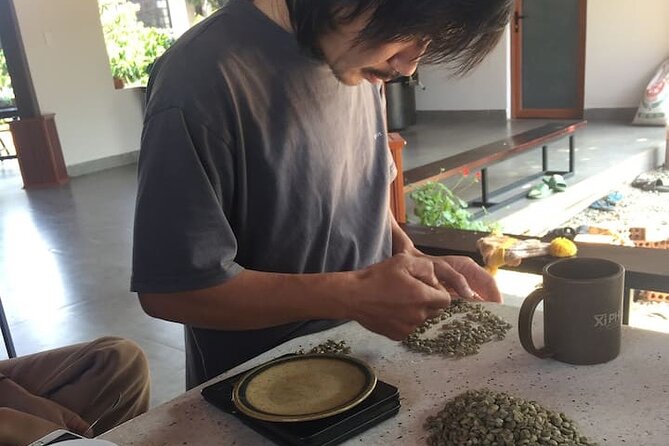
Coffee tells Da Lat’s story one cup at a time. At this small coffee farm and shop, you taste five Vietnamese coffees, learn how processing changes flavor, and roast beans yourself. I like the direct connection to the farmer and the chance to compare Arabica and Robusta side by side. I also like that you finish by making a traditional Phin coffee while looking over the city. The main limitation is the short one-hour format, which leaves little room for a slow farm visit or a long technical lesson.
This is a focused coffee session, not a broad sightseeing tour. You stay at HuyEco Coffee Farm in Da Lat, with a maximum of 10 people, and the owner leads you through cultivation, drying, roasting, and brewing. At $21 per person, it offers good value if you care about coffee and want a practical activity rather than another quick tasting.
Key points at a glance
- Five coffees from one local farm: Compare Vietnamese Arabica and Robusta, including beans prepared with different processing methods.
- You roast the beans yourself: The session shows how roast level changes the final cup, from light to medium to dark.
- Natural and washed processing: Taste the difference between naturally processed Robusta, washed Arabica, and naturally processed Arabica.
- A small, personal setting: The group is capped at 10 people, allowing room for questions and conversation with the owner.
- Coffee plants and cultivation: You get to see the garden and learn how the farmer grows and handles the crop.
- Traditional Phin brewing: End by preparing your own Vietnamese coffee while watching Da Lat city.
Why this Da Lat coffee experience is different
Many coffee activities in Vietnam center on drinking a sweet, condensed-milk coffee. This one takes a more basic route. You taste the beans without anything mixed in, so the natural sour, sweet, and fruity notes can show through.
That matters in Da Lat, where coffee is part of the local farming economy. The session connects the finished drink to the work behind it: growing the plants, drying the cherries, choosing a process, roasting the beans, and brewing the coffee. You are not simply handed a cup and told where it came from.
The farmer works with five types of Vietnamese coffee from his own farm. The supplied details specifically identify Vietnam Robusta with a natural process, Vietnam Arabica with a washed process, and Vietnam Arabica with a natural process. The broader tasting includes five styles, so you can expect more than a single Arabica versus Robusta comparison.
I particularly like the way the experience treats coffee as a chain of decisions. The bean variety matters, but so do drying and roasting. A bean from the same broad growing area can taste quite different after a natural process, a washed process, or a different roast.
More Specialty Coffee Tours in Vietnam
- Coffee Farm Tour with Roasting & Tasting Workshop – Da Lat
★ 5.0 · 126 reviews - Experience specialty coffee with sustainable coffee farmers
★ 4.9 · 91 reviews - Vietnamese Bread & Brew: Banh Mi Baking Class & Specialty Coffee
★ 5.0 · 76 reviews
HuyEco Coffee Farm on Đường 3/4
The meeting point is HuyEco Coffee Farm, at Hẻm 29 Đường 3/4, Phường 3, Da Lat, Lâm Đồng 66000. The activity begins and ends at this location, so you do not need to plan around a separate drop-off point.
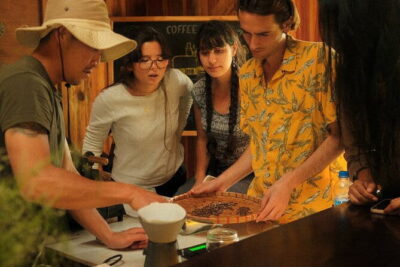
The farm and coffee shop setting gives the session a more personal feel than a large commercial demonstration. The group limit of 10 is useful here. You can ask why one coffee tastes sour, how drying changes the beans, or why a darker roast can taste heavier. The owner is described as able to answer questions clearly and in detail, which is important for a subject that can quickly become technical.
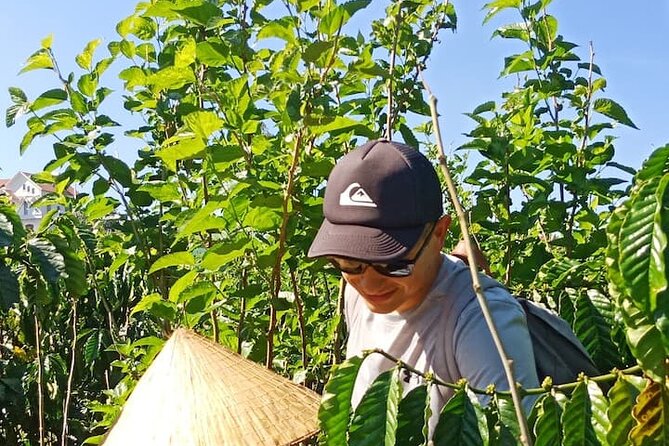
You also get to enter the garden and see the coffee plants. The supplied details do not promise a long farm walk, so I would think of this as a short look at cultivation rather than a full agricultural tour. Still, seeing the plants helps connect the tasting to the crop itself.
The location is in Da Lat city, rather than far out in the countryside. That makes the experience easy to fit into a city stay. It also means you should not expect a large plantation visit with a long drive between fields. The attraction here is the farmer’s explanation and the hands-on tasting, not a full-day rural outing.
Understanding Arabica, Robusta, and processing
The first useful lesson is likely the difference between Arabica and Robusta. The session includes both, giving you a chance to compare their character without relying on a coffee menu description.
Robusta is closely associated with Vietnamese coffee and is often used in strong, traditional brews. Here, you taste Vietnamese Robusta prepared with a natural process. Arabica appears in both washed and natural forms, which gives you another comparison: the same broad bean family handled in two different ways.
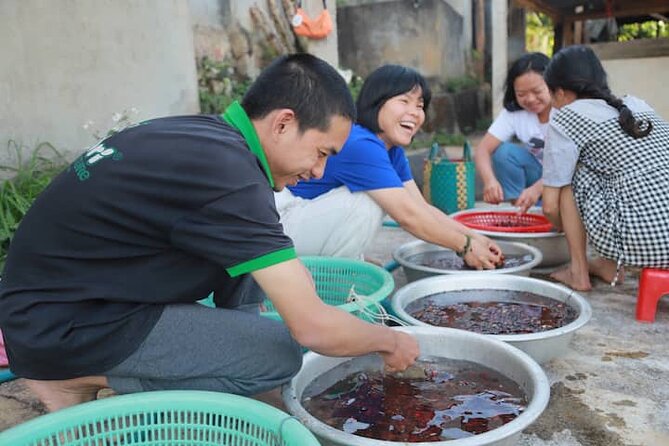
The natural process leaves the coffee fruit involved in drying, while the washed process removes the fruit before the beans are dried. The activity focuses on how these choices control flavor. You do not need advanced coffee knowledge to follow the lesson. The point is simple: after tasting the results, you can connect a fruity or sweet note to the way the coffee was handled.
The tasting also helps explain why a coffee can have sourness without being defective. In a plain black cup, you might find acidity, fruit, sweetness, bitterness, or a heavier body. The experience is designed to let you notice those differences directly instead of covering them with milk or sugar.
One practical tip: pay attention to your first impression, then taste again after the guide explains the process. Coffee flavor can be hard to name at first. Comparing cups in sequence gives you a better chance to notice what changes and what stays the same.
Roasting your own beans from light to dark
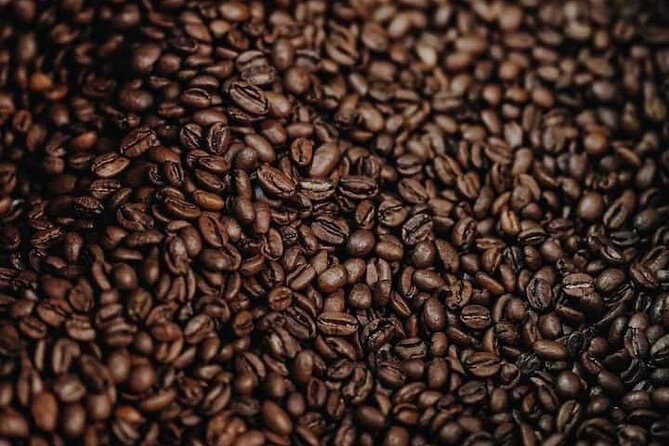
The hands-on roasting is the heart of the session. You do not only hear about roasting times. You roast the coffee yourself, then taste the results through light, medium, and dark roast styles.
This is valuable because roast level can change the balance of a cup. A light roast may allow more of the bean’s original character to show. A medium roast can bring a different balance of aroma and body. A dark roast usually pushes the cup toward stronger roasted flavors. The session lets you see that the coffee variety is only one part of the final result.
The supplied information does not specify the roasting equipment or the exact amount of coffee each person handles. That uncertainty is worth keeping in mind. This is a short educational activity, not a professional roasting class where you leave with a detailed roast profile.
Still, even a small roasting task can make the subject clearer. You see that roasting is not a fixed step that produces one automatic flavor. The timing and degree of roast give the farmer or roaster another way to shape the cup.
The session is also a good fit for people who normally drink coffee with milk or sugar. You can use this hour to work out what you actually enjoy in the coffee itself. If you prefer a sweet Vietnamese coffee with condensed milk, you may find the tasting more intense than expected because the coffees are served in their original form.
More Specialty Coffee Tours in Da Lat:
- Cartagena: Colombian Specialty Coffee Tasting
★ 4.4 · 130 reviews - Private Coffee Roasting Class
★ 5.0 · 101 reviews - Coffee Experience from bean to cup
★ 5.0 · 71 reviews - Private coffee tour near Medellín, from bean to cup.
★ 5.0 · 60 reviews
Brewing with different methods
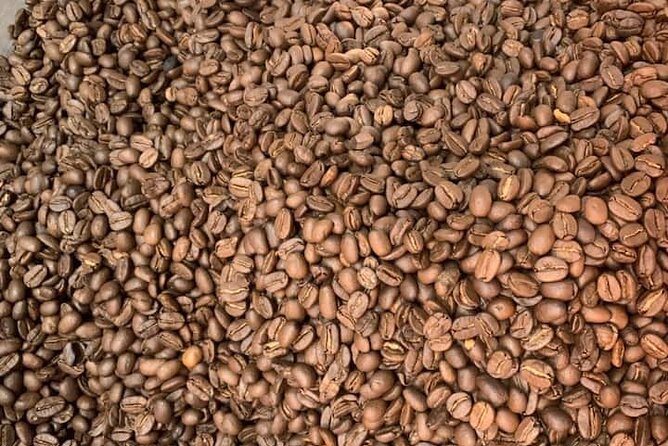
After the roasting and tasting, the experience moves into brewing. You taste coffee prepared with different techniques, then make your own traditional Phin coffee.
The Phin is Vietnam’s small metal filter. It sits above the cup and lets hot water pass slowly through the grounds. This produces a concentrated drink and gives you a direct connection to the familiar Vietnamese coffee tradition.
Making the Phin yourself is a useful ending because it turns the lesson into something you can repeat at home or during the rest of your time in Vietnam. You get to handle the coffee, watch the brewing, and drink the result rather than simply observing a demonstration.
The final cup is enjoyed while watching Da Lat city. The city view adds a pleasant pause after the more technical parts of the activity. It also gives the hour a clear finish: farm, bean, roast, brew, then cup.
The details do not specify every brewing method used during the tasting. They do confirm that you will try different brewing techniques and finish with Phin coffee. If you are especially interested in espresso, pour-over, or other named methods, ask the guide what will be included when you arrive.
What the one-hour schedule means
The listed duration is about one hour. That is enough time for a compact introduction to coffee cultivation, processing, roasting, tasting, and brewing, but it is not enough for a leisurely farm day.
I would plan this as a focused morning or daytime appointment. One account describes spending a morning learning about beans, visiting the garden, making coffee, and finishing the session. Even if the formal activity lasts about an hour, allow a little extra time around the start and finish so you are not rushing to the next plan.
The short format is a strength if your Da Lat schedule is full. You can add a useful local activity without losing half a day. It is less ideal if you want a long walk through the farm, an extended discussion of agriculture, or a detailed professional roasting lesson.
The small group helps compensate for the limited time. With no more than 10 people, the guide can keep the session moving while still taking questions. The experience is described as friendly and clear, with a strong focus on explanation rather than performance.
Is $21 a fair price?
At $21 per person, this is not the cheapest coffee stop in Vietnam. You could buy a cup of coffee in Da Lat for far less. That comparison misses the point, though. The price covers access to a working coffee farm and shop, instruction about cultivation and processing, several tastings, hands-on roasting, multiple brewing styles, and your own Phin preparation.
I consider it good value for coffee drinkers who want to understand what sits behind the cup. The chance to compare natural and washed coffees is more useful than a basic tasting flight with no explanation. You also get direct contact with the person growing and processing the beans.
The value is weaker if you are only looking for a quick drink or if you dislike black coffee. The experience centers on the flavor of unblended coffee, including sour, sweet, and fruity notes. You may find the tasting demanding if your usual order is heavily sweetened.
The maximum group size of 10 is another reason the price feels reasonable. This is not described as a large factory tour. It is a small-scale session led by a sustainable coffee farmer, with time for questions and practical work.
Who should book this activity?
I would recommend it most strongly to:
- Coffee drinkers who want to understand Vietnamese beans beyond the usual condensed-milk coffee.
- People curious about the difference between Arabica and Robusta.
- Visitors who enjoy hands-on activities and want to roast or brew something themselves.
- Anyone staying in Da Lat who wants a short local experience close to the city.
- Travelers interested in sustainable farming and small-scale coffee production.
- Couples, friends, or small groups who prefer a personal activity with room for questions.
It is also suitable for people with little coffee knowledge. The explanations are described as clear and thorough, and the tasting gives you a simple way to learn by comparison.
I would hesitate to recommend it to someone who wants a full farm excursion. The supplied details mention a garden visit, but the activity lasts about an hour. You should also skip it if you want only sweet, milk-based coffee. The point is to taste the beans themselves.
Practical details before you go
Your meeting point is HuyEco Coffee Farm, Hẻm 29 Đường 3/4, Phường 3, Da Lat. The activity returns to the same place, and mobile tickets are accepted.
Confirmation is provided when you book. The group can include up to 10 people, which is small enough for direct conversation with the owner but large enough to feel like a shared tasting.
Free cancellation is available if you cancel at least 24 hours before the local start time. Cancellations made less than 24 hours ahead are not refunded, and changes inside that window are not accepted. Keep that deadline in mind if your Da Lat plans depend on weather or changing transport.
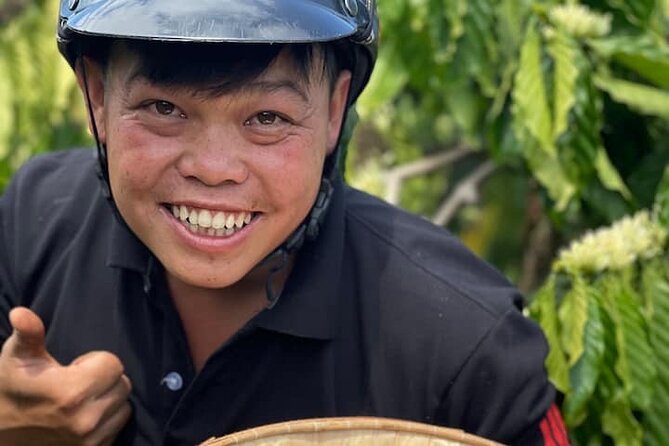
The experience is operated by Happy Tour. The guide or owner’s name is not provided, but the person leading the session is the coffee grower and is described as passionate, friendly, and able to explain cultivation and processing in detail.
Should you book the Da Lat coffee session?
Book it if you want more than a coffee break. For $21, you get a compact lesson in Vietnamese coffee, several styles from a local farm, your own roasting experience, and a Phin coffee made by your hands.
The strongest reason to go is the connection between farm and cup. You can taste how natural and washed processing differ, see the plants, and learn how roast level changes flavor. The small group and direct access to the owner add real value.
Skip it if you want a long countryside tour, a full professional roasting course, or a sweet coffee tasting. For everyone else, this is a smart one-hour addition to a Da Lat visit, especially on a day when you want a local activity that is practical, friendly, and easy to fit into your schedule.
FAQ
Where does the coffee experience begin?
It begins at HuyEco Coffee Farm, Hẻm 29 Đường 3/4, Phường 3, Da Lat, Lâm Đồng 66000, Vietnam.
Where does the activity end?
It ends back at the meeting point at HuyEco Coffee Farm.
How long does the experience last?
The activity lasts approximately one hour.
How many people can join?
The activity has a maximum of 10 travelers.
Which coffees are included?
The session explores five types of coffee from the farmer’s farm, including Arabica and Robusta. Specific examples include naturally processed Vietnamese Robusta, washed Vietnamese Arabica, and naturally processed Vietnamese Arabica.
Can I cancel for a full refund?
Yes. You can receive a full refund if you cancel at least 24 hours before the experience’s local start time. Cancellations or changes made less than 24 hours before the start are not accepted for a refund.
Just added around Da Lat
- VIP Dalat 3 waterfalls – Datanla, Elephant Pongour & Coffee Tour★ 5.0 · 8 reviews
- Coffee – Wine – Tea: Dalat Treasures tour★ 3.5 · 5 reviews
- Coffee Class and DaLat Outskirt Tour★ 4.5 · 5 reviews
- Tea & Coffee Tour★ 4.8 · 5 reviews
- DALAT EASY RIDER GROUP TOUR – PONGOUR FALL – SILK- COFFEE..★ 5.0 · 6 reviews
- Dalat Group Easy Rider – Elephant Fall-Pagoda-Weasel Coffee…★ 5.0 · 7 reviews
- Dalat’s countryside|Coffee Plantations Tour beyond Elephant falls★ 5.0 · 59 reviews
- Coffee – Wine – Tea Da Lat’s Agricultural Treasures Tour★ 4.8 · 63 reviews
Da Lat Coffee Tours, compared.
Coffee Farm Tour with Roasting & Tasting Workshop – Da Lat
Read our review →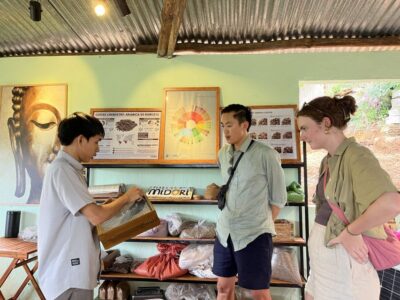
Experience specialty coffee with sustainable coffee farmers
Read our review →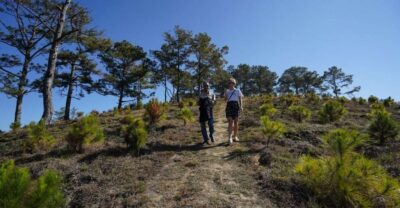
Coffee – Wine – Tea Da Lat’s Agricultural Treasures Tour
Read our review →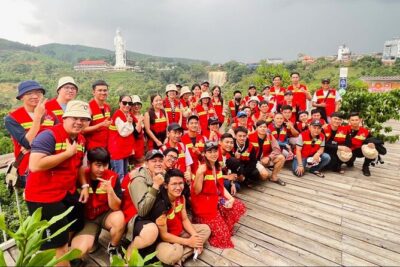
Dalat’s countryside|Coffee Plantations Tour beyond Elephant falls
Read our review →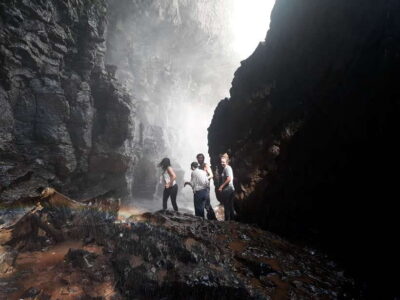
Dalat Countryside Motorbike Day Tour–Coffee Farms & Pagodas
Read our review →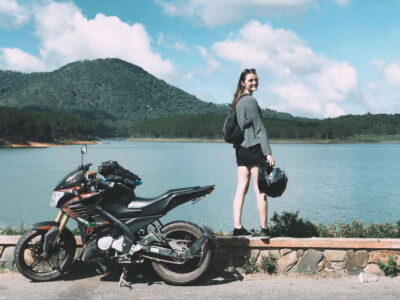
MOTORBIKE TOUR TO PONGOUR FALLS- SILK- COFFEE FARM
Read our review →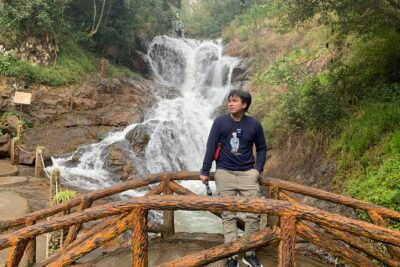
VIP Dalat 3 waterfalls – Datanla, Elephant Pongour & Coffee Tour
Read our review →
Dalat Group Easy Rider – Elephant Fall-Pagoda-Weasel Coffee…
Read our review →Browse the lists this tour appears in