REVIEW · HANOI COFFEE TOURS
Hanoi Coffee Workshop: Master 6 Signature Vietnamese Coffee
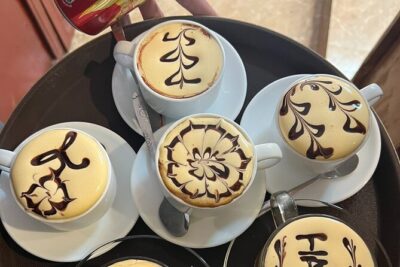
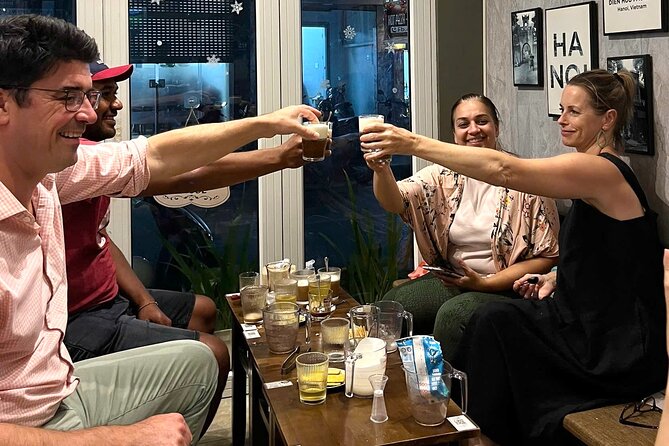
Vietnamese coffee is a small cup with big character. This Hanoi workshop turns that character into a hands-on lesson, with local instructors guiding you through black, brown, egg, white, coconut, and salted coffee. I like the small groups of no more than eight and the way you taste and adjust each drink instead of simply watching someone brew it. The price, $18.20 per person, is also fair for a two-hour class that includes ingredients, instruction, and recipes to take home.
I also like the lived-in setting, ceramic tools, fresh eggs, milk, and coconut prepared daily, and the stories about old Hanoi cafés and everyday coffee habits. The main consideration is the meeting point and timing. The location can be affected by bad weather, and one participant had trouble finding the changed meeting place during a storm. You may also find six coffee styles a lot to cover in two hours.
Key points at a glance
- Six classic Vietnamese coffee styles: You may make black, brown, egg, white, coconut, and salted coffee, with the exact number depending on the pace and group.
- A genuine hands-on class: You brew, whisk, taste, and adjust rather than sitting through a demonstration.
- Small Hanoi setting: Groups are capped at eight, so you should receive direct help at the coffee bar.
- Fresh, clearly explained ingredients: Specialty beans from Vietnam’s Central Highlands are paired with daily-prepared eggs, milk, and coconut.
- Recipes for your kitchen: You receive the recipes afterward, along with tips for improving flavor without expensive equipment.
- A strong value at $18.20: The fee covers the class, ingredients, tools, local instruction, and use of the space, with tips extra.
What the two-hour Hanoi coffee workshop is really about
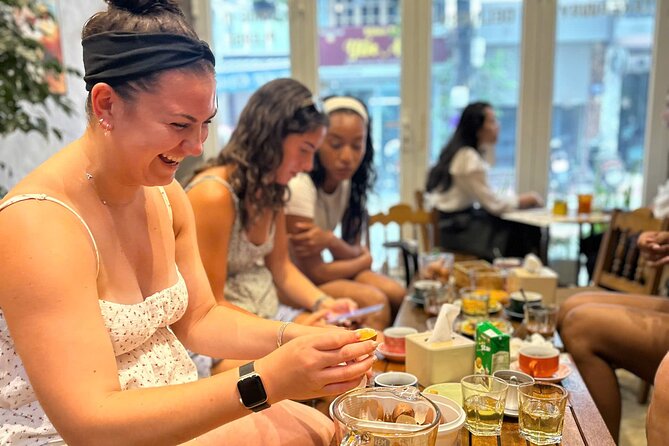
This is not a quick tasting where someone hands you three small cups and sends you on your way. The point is to understand how Vietnamese coffee is made, balanced, and enjoyed.
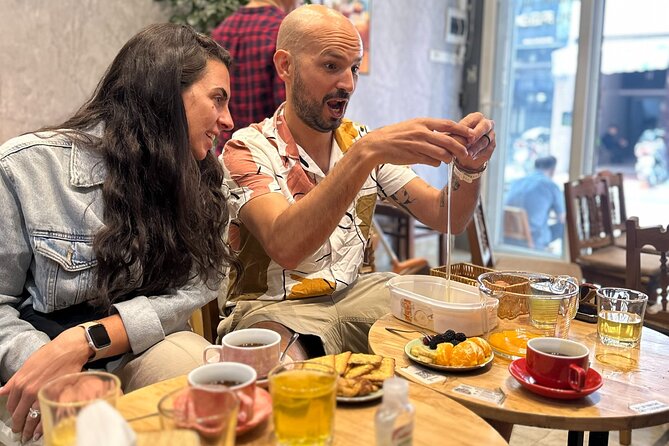
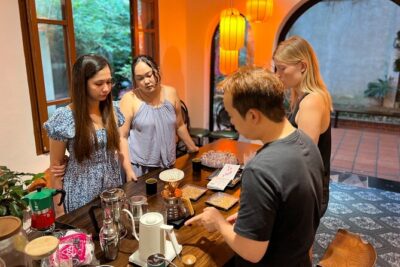
You work at the bar with ceramic tools and fresh ingredients. The instructor explains the process, then lets you try it. You brew, whisk, taste, and make changes. If you prefer coffee sweeter or bolder, you can adjust the recipe while keeping the drink connected to its Vietnamese roots.
That hands-on format matters. Vietnamese coffee can be strong and bitter, especially when made with robust beans. The useful skill is not simply learning a recipe. It is learning how to balance bitterness, sweetness, texture, and aroma with basic kitchen equipment.
The workshop is led by locals raised around coffee culture. Instructors named in the feedback include Jade and Jennifer, both praised for friendly teaching and clear explanations. The experience also includes stories about Hanoi’s old cafés and what different coffee styles say about local life.
You should expect a relaxed class rather than a formal cooking school. The group remains small, and the setting is described as warm and lived-in. There is air conditioning, sterilized equipment, and a dishwasher, which makes the practical side of the workshop easier.
More Coffee Making Classes in Hanoi
- Hanoi Coffee Workshop: Taste Salt, Coconut and Egg Coffee
★ 5.0 · 1,286 reviews - Hanoi: Salt Coffee Workshop Awake Your Senses With 6 Brews
★ 5.0 · 792 reviews - Hanoi: Vietnamese Coffee Workshop with 6 Brews and 8 Recipes
★ 5.0 · 237 reviews
Starting at 34 P. Cầu Đất in Hoàn Kiếm
You meet at 34 P. Cầu Đất, Chương Dương Độ, in Hanoi’s Hoàn Kiếm district. The activity finishes at the same place, so you do not need to arrange a second pickup point afterward.
The meeting point is near public transportation, and confirmation arrives when you book. Still, give yourself enough time to find the address. A change caused by a storm once made the start confusing for one participant, who also had trouble getting oriented. That was not the usual tone of the experience, but it is a sensible reason to check your messages and confirm the location before setting out.
The workshop has a maximum of eight people. That number is important. Coffee preparation involves small tools, bowls, whisks, and shared ingredients, so a very large group would turn the class into a queue. With eight or fewer, you have a better chance of getting direct help with texture, sweetness, and brewing technique.
The room is air-conditioned, a useful detail in Hanoi’s heat and humidity. There is also a pet-friendly garden space, though the available information does not promise that animals will be present during every session.
Black and brown coffee: learning the Vietnamese basics
The first coffees give you the foundation for the rest of the class. Black coffee lets you focus on the beans, brewing, and bitterness. Brown coffee adds sweetness and milk, creating a softer and more familiar style for many first-time drinkers.
The beans are Vietnamese specialty coffee sourced from the Central Highlands. The coffee changes with the seasons, since the workshop uses seasonal harvests and shares only what is considered good at the time. That gives the class a useful connection to agriculture rather than treating coffee as a fixed product with one permanent taste.
You learn to notice how the coffee changes when you alter the balance. Too much sweetness can hide the beans. Too little can leave the drink sharp. The instruction focuses on practical adjustments that you can repeat at home.
I find this part especially helpful for people who have been ordering Vietnamese coffee throughout their trip but have not understood how it is put together. After a few days of strong coffee, you may know what you like without knowing why. This class gives you a way to identify the difference.
The workshop does not require fancy equipment. That is a major advantage for home use. You learn methods designed around ordinary tools, and all the bar equipment is available if you want to explore beyond the main recipes.
Egg coffee brings technique and texture into focus
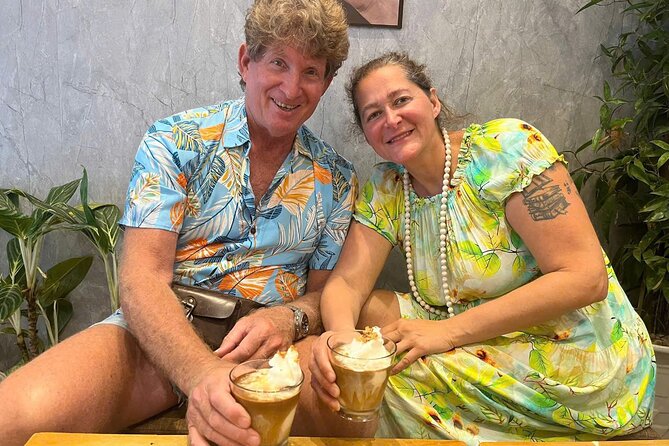
Egg coffee is likely to be the most distinctive drink in the session. The fresh egg is not a decorative topping. It changes the texture and gives the coffee a creamy, dessert-like character.
You whisk and work with the ingredients yourself, which makes this more useful than simply tasting a finished cup. Texture matters here. The mixture needs enough air and smoothness to sit well with the coffee below it. The instructor can help you adjust it as you go.
The class uses eggs prepared daily, along with fresh milk and coconut. Nothing is described as pre-made or artificial. That does not guarantee that every cup will suit your taste, but it does make the lesson more connected to the actual ingredients.
Egg coffee may be the best reason to choose this workshop over a standard coffee tasting. You get a drink strongly associated with Hanoi, while also learning the technique behind it. If you prefer very plain coffee, this section may feel more like a dessert lesson than a coffee lesson. That is part of its appeal for many people, but it is worth knowing before you book.
More Coffee Making Classes in Vietnam
- Ha Noi Egg Coffee Class
★ 5.0 · 227 reviews - Hanoi Coffee Class learning 5 famous coffee in Hanoi
★ 5.0 · 161 reviews - Mini Hanoi Coffee Workshop: Pick Any Signature Coffee You Like
★ 5.0 · 160 reviews - Hanoi Egg Coffee making course
★ 4.9 · 112 reviews
White, coconut, and salted coffee add the surprises
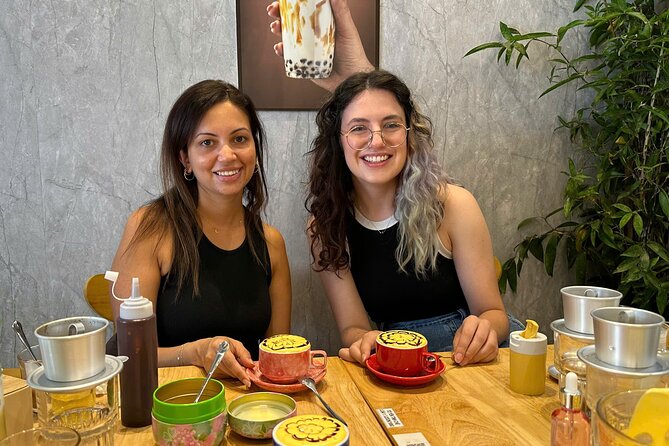
The remaining styles give you a broader picture of how Vietnamese coffee can be changed without losing its base. White coffee, coconut coffee, and salted coffee each use a different approach to sweetness, creaminess, or contrast.
The coconut version should appeal if you like a cooler, softer drink with tropical flavor. The salted coffee offers a different balance, using salt to shape bitterness rather than simply adding more sugar. The workshop explains why these ingredients work, not only how much to add.
The name white coffee is included among the six signature styles, but the supplied information does not define the exact local recipe used in the class. That is one reason I would treat the session as a chance to learn the instructor’s version rather than expect one universal formula.
You may make four to six coffees during the two-hour class. The final number depends on the pace and how much time the group spends tasting and adjusting. Trying all six would give you the widest range, but a smaller number may allow better instruction and less rushing.
This flexible structure is sensible. A workshop that forces six full drinks into two hours could leave you with a table full of coffee and little understanding. If the instructor lets you focus on quality and technique, making four or five well can be more useful than racing through all six.
Why the local stories add value
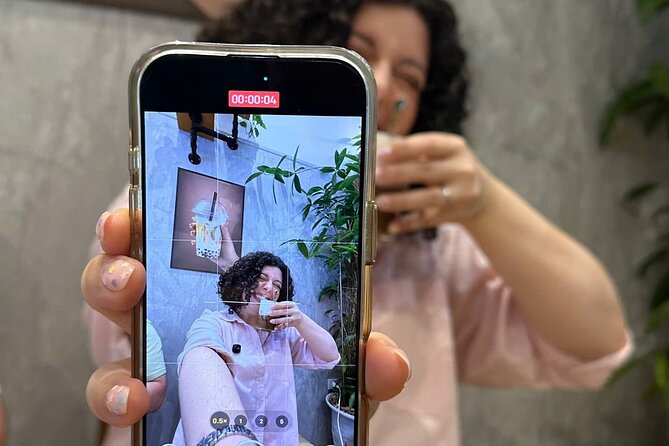
Coffee in Hanoi is not only a beverage. It is part of the city’s daily rhythm, from old cafés to short breaks and long conversations. The instructors connect the recipes with local habits and explain what the drinks can say about everyday life.
That cultural layer keeps the workshop from feeling like a generic beverage class. You are not just mixing egg, coconut, milk, or salt into coffee. You are learning why those combinations became part of the local café scene.
The instructors draw on generations of tasting and experimentation. The tone appears informal, with stories flowing naturally while you work. That is a good fit if you enjoy asking questions and trying small changes rather than following a strict classroom script.
The personal element is one of the most praised parts of the experience. Jade and Jennifer are both singled out for being friendly and effective, and the class is described as a warm learning experience rather than a technical lecture. Your experience will depend on the instructor assigned that day, but the format gives the teacher room to respond to your tastes.
A local photographer is also included, with the instructor taking the photos. Do not expect a separate professional photographer or a staged photo session. It is better understood as a pleasant extra while you work.
Ingredients, equipment, and what you take home

The coffee comes from the Central Highlands, one of Vietnam’s key coffee-growing areas. Seasonal sourcing means the beans may change during the year, so the flavor will not always be identical from one visit to the next.
Eggs, milk, and coconut are prepared fresh each day. This is especially useful in a class where texture matters. Fresh ingredients make it easier to taste the difference between a smooth mixture and one that has been sitting too long.
The tools are available for exploration. You can use the bar to repeat a method or experiment with a preferred balance. The class also provides sterilized utensils and uses a dishwasher, which adds reassurance when several people are working with shared equipment.
You receive the recipes after the session. That detail changes the value of the class. Without written instructions, it is easy to remember the general idea but forget the ratios or order of steps once you return home.
You also leave with practical advice on improving coffee without buying expensive gear. This makes the workshop a good match for home brewers, casual coffee drinkers, and people who want to recreate a Hanoi favorite after their trip.
Is $18.20 a fair price?
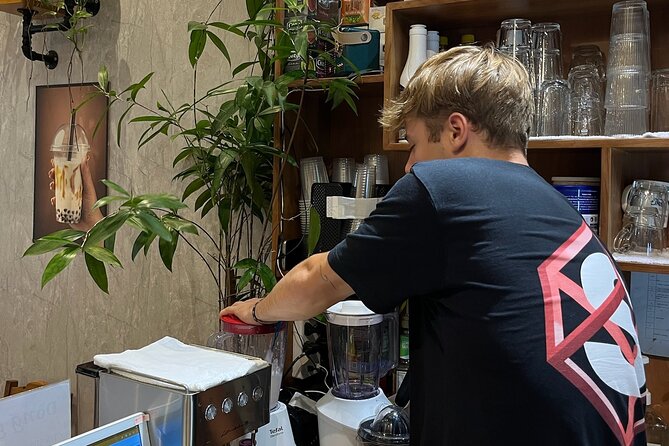
At $18.20 per person, this is good value if you want active instruction rather than a simple drink stop. The price includes the local instructor, coffee and fresh ingredients, the use of the tools, the air-conditioned space, photos taken by the instructor, and the recipes afterward.
You are also paying for time and access. A café can sell you a Vietnamese coffee for far less than the workshop fee, but it will not normally explain how to balance bitterness, make egg foam, or adjust coconut and salted coffee to your taste.
The value is strongest if you plan to make these drinks at home. If you are only looking for a caffeine break, the workshop will cost more than a café visit and may feel too involved. If you like food activities, cultural context, and useful skills, two hours is a reasonable trade.
Tips are not included. They are optional rather than part of the advertised price.
Who should book this experience?
I would recommend it to coffee drinkers who want to understand Vietnamese coffee beyond ordering a cup. It also suits curious couples, solo visitors who like small-group activities, and anyone looking for a relaxed indoor plan in Hanoi.
It is a particularly good choice after you have spent several days in Vietnam. You will already have tasted local coffee, so the class can help you identify your favorite styles and understand what you have been drinking.
Families should note that service animals are allowed, and the space is pet-friendly. The available details do not specify a minimum age, child price, or special children’s menu, so those questions should be confirmed before booking with young children.
I would hesitate if you dislike sweet drinks, eggs, coconut, or strong coffee. The class includes several styles built around those flavors. I would also think twice if you want a polished demonstration with no participation. Here, your hands are part of the lesson, and some attempts may be less tidy than the instructor’s.
Free cancellation is available if you cancel at least 24 hours before the start time. Cancellations or changes inside that window are not refunded or accepted, and the cut-off follows Hanoi local time.
Should you book the Hanoi coffee workshop?
Book it if you want more than a souvenir cup. For $18.20, you get a small-group class, local stories, fresh ingredients, six possible coffee styles, and recipes you can use later.
Before you go, check the meeting point at 34 P. Cầu Đất and allow time to find it. Then arrive ready to taste and adjust. The best result may not be the prettiest cup. It is the one you can explain, repeat, and make your own.
FAQ
Where does the Hanoi coffee workshop meet?
It meets at 34 P. Cầu Đất, Chương Dương Độ, Hoàn Kiếm, Hanoi, Vietnam.
Where does the activity finish?
The activity ends back at the same meeting point.
How long does the workshop last?
The workshop lasts approximately two hours.
How much does the experience cost?
The listed price is $18.20 per person.
How many people can join?
The group has a maximum of eight participants.
Which Vietnamese coffees may I make?
You may make black, brown, egg, white, coconut, and salted coffee. The experience states that you may make four to six styles.
Are the ingredients fresh?
Eggs, milk, and coconut are prepared daily. The coffee comes from seasonal specialty beans sourced from Vietnam’s Central Highlands.
Do I receive the recipes?
Yes. Full recipes are included, and the recipes are also sent after the experience.
Is the workshop indoors and air-conditioned?
Air conditioning is included. The experience also has a pet-friendly garden space.
Is cancellation free?
You can receive a full refund by cancelling at least 24 hours before the start time. Cancellations or changes made less than 24 hours before the start are not refunded or accepted.
More Vietnamese Coffee Experiences in Hanoi
- Hanoi Cooking Class: Pho/Bun Cha/Banh Xeo…+Free Egg/Salt Coffee
★ 5.0 · 267 reviews - Hanoi: Rose Kitchen: Pho/Bun Cha/Nem+ Free Egg/ Salt Coffee
★ 5.0 · 57 reviews - Six Cups of Vietnam Coffee Workshop in Hanoi with Local Barista
★ 5.0 · 54 reviews - Hanoi Egg Coffee & Coconut Coffee Making Class with Free Banh Mi
★ 5.0 · 41 reviews
Just added around Hanoi
- Vietnamese Coffee 101 Workshop★ 5.0 · 11 reviews
- Taste of Vietnam’s Coffee Scene – A Guided Experience★ 5.0 · 2 reviews
- Private tour: Hanoi city tour-Van Phuc silk village with egg coffee, lunch★ 5.0 · 2 reviews
- 3 Dishes cooking + Egg Coffee bonus & Local Market Tour★ 5.0 · 14 reviews
- hidden gems cafe – learn making coconut and egg coffee★ 5.0 · 2 reviews
- Private Hà Nội Coffee History Tour★ 5.0 · 6 reviews
- Hanoi Private And All Inclusive Coffee Lovers Tour in Vietnam★ 5.0 · 6 reviews
- Hanoi Coffee Workshop Brew Taste and Culture Experience★ 5.0 · 10 reviews
Hanoi Coffee Tours, compared.
Hanoi Coffee Experience: 6 Brews, 9 Recipes & 3 Liquor Tastings
Read our review →
Hanoi Coffee Workshop: Taste Salt, Coconut and Egg Coffee
Read our review →
Salt Coffee Workshop Awake Your Senses With 6 Brews
Read our review →
Master the Art of 4-6 Signature Vietnameses Coffees
Read our review →

Hanoi Cooking Class: Pho/Bun Cha/Banh Xeo…+Free Egg/Salt Coffee
Read our review →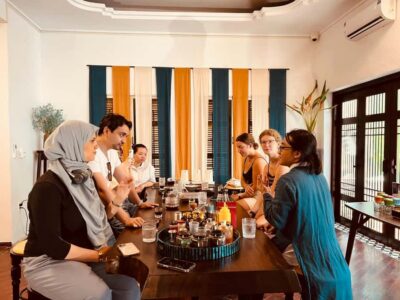
Vietnamese Coffee Workshop with 6 Brews and 8 Recipes
Read our review →