
REVIEW · INDONESIA COFFEE TOURS
Lombok: Coffee Plantation Tour With Tasting
Coffee starts with a cherry, not a coffee shop. This five-hour tour at Konbayan Espresso and Farm follows Arabica and Robusta from hillside trees to roasted beans, with plantation work, processing, drying, and tasting all included. I like the hands-on farm setting and the chance to see natural and honey processing up close. I also like that owner Hadi and barista Dasan can explain the work in person, rather than giving you a polished but distant presentation.
The main catch is transport and extra spending. The tour begins at 8 a.m. at the coffee shop, and hotel pickup is not included in the stated price, although pickup was arranged for one guest according to the tour details. If your group has more than two people, you may also need to rent motorbikes from the parking area to reach the plantation. Clarify this before booking.
Key points at a glance
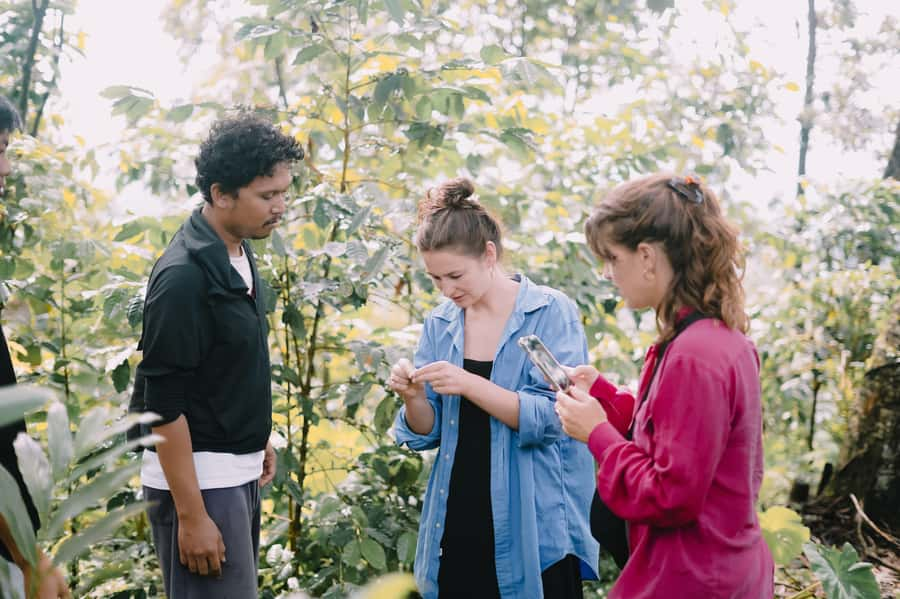
- The tour begins on a coffee hillside at about 700 meters, where you learn to identify Arabica and Robusta trees and taste sweet coffee cherries.
- Natural and honey processing are shown in the warehouse, giving you a clear look at how coffee fruit is handled after picking.
- The greenhouse session covers sun-drying and moisture checks, a technical step that many coffee tours skip.
- Roasting takes place with machines, allowing the team to explain roast profiles and how green beans become ready to brew.
- The final tasting takes place at Konbayan Espresso and Farm, with espresso, a farm signature drink, and a coffee bean souvenir included.
- This is a private, five-hour experience, offered in Indonesian or English and best suited to adults and older children rather than babies.
Why this Lombok coffee tour is worth your morning
At $70 per person, this is not a quick plantation photo stop. You are paying for a private five-hour visit that covers farming, post-harvest work, drying, roasting, and coffee preparation.
That makes the price easier to assess. If you only want to sip coffee with a view, this may feel expensive. If you want to understand how Indonesian coffee is produced, the tour offers a fuller visit than a standard cafe tasting.
I especially like the way the experience connects the farm to the cup. You do not simply hear that coffee grows in Lombok. You see the trees, touch or taste the fruit, observe the processing, and finish with a prepared drink.
The tour has received a top rating from its two listed bookings, with praise focused on the friendly hosting, the amount of information, and the care taken at each stage. That is a small sample, so I would not treat the rating as proof of perfection. Still, the strongest pattern is clear: the people running this place are central to the experience.
More Coffee Farm Tours in the world:
- Award Winning Farm Tour: Coffee, Chocolate and Unique Gifts
★ 5.0 · 484 reviews - La Herradura Coffee Farm: tour in Europe’s only plantation
★ 4.8 · 430 reviews - Big Island: Volcanoes, Waterfalls, & Coffee Farm Day-Trip
★ 4.9 · 414 reviews
8 a.m. among coffee trees at 700 meters
Your morning starts at Konbayan Espresso and Farm at 8 a.m. The early hour follows the farmers’ schedule, so this is not a tour to book after a lazy breakfast.
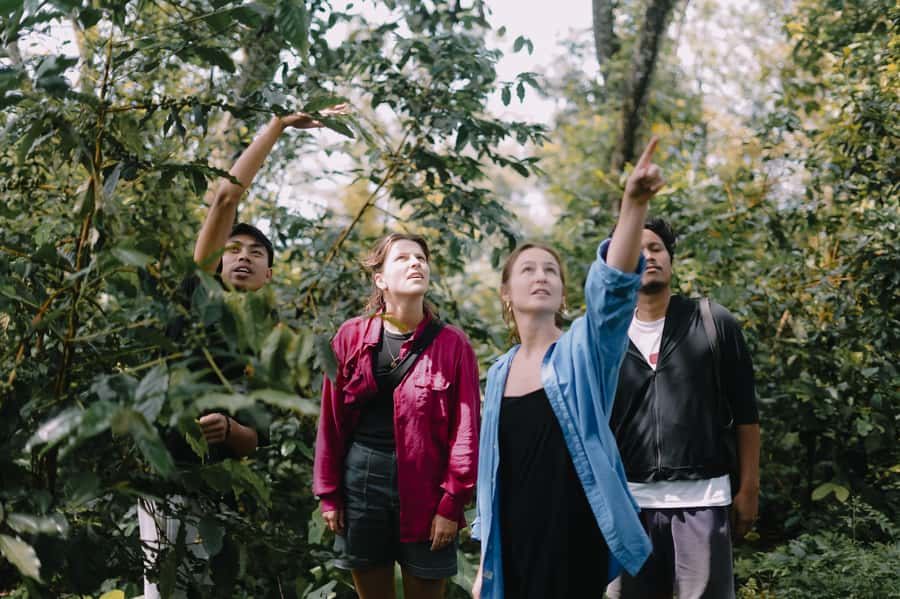
From the meeting point, the plantation visit takes about an hour. The coffee farm is on a hillside at roughly 700 meters, and the setting gives the outing a real working-farm feel. You learn how the trees are planted, cared for, maintained, and harvested.
The tour covers both Arabica and Robusta. That comparison is useful because the two types are often treated as simple labels on a menu, while here you can connect them to actual plants and cherries.
One of the nicest details is the chance to taste ripe coffee cherries. They are sweet, which helps explain how a fruit becomes the seed that we later roast and grind. This small step gives you a better sense of coffee as an agricultural product, not just a morning drink.
Hadi, the plantation owner, and Dasan, the coffee shop barista, led one of the private visits. Their different roles appear to complement each other. Hadi can speak from the farm side, while Dasan can connect the beans to brewing and cafe service.
The plantation also includes other crops and plants. The visit included cloves, vanilla, pepper, cocoa, Indian walnut, and freshly dug ginger. The exact farm route may vary, but this wider mix is worth noting. You are not walking through a field planted only with coffee.
The walk may not suit everyone. The plantation is on a hillside, and the tour lasts several hours. The supplied information does not give a difficulty rating, so ask the provider if you have mobility concerns. Baby strollers and baby carriages are not allowed, and babies under one year are not considered suitable for the activity.
Seeing natural and honey processing in the warehouse
After the plantation, you move to the warehouse to see the natural and honey processes. This is one of the more useful parts of the tour because it explains what happens between picking and roasting.
Coffee cherries need careful handling after harvest. The natural process leaves the fruit around the bean as it dries, while the honey process involves removing some of the fruit before drying. The tour follows the usual production method at the farm, so you can see this work as a real part of production rather than as a diagram on a wall.
The wording of the experience does not promise a hands-on processing workshop. Expect observation and explanation rather than a full work session. That distinction matters if you are hoping to process a batch yourself.
Still, the warehouse stop fills an important gap. Many coffee experiences jump from tree to cup and leave out the messy middle. Here, you get a better sense of why coffee flavor depends on more than the variety of the plant or the skill of the barista.
One hour in the greenhouse with drying beans
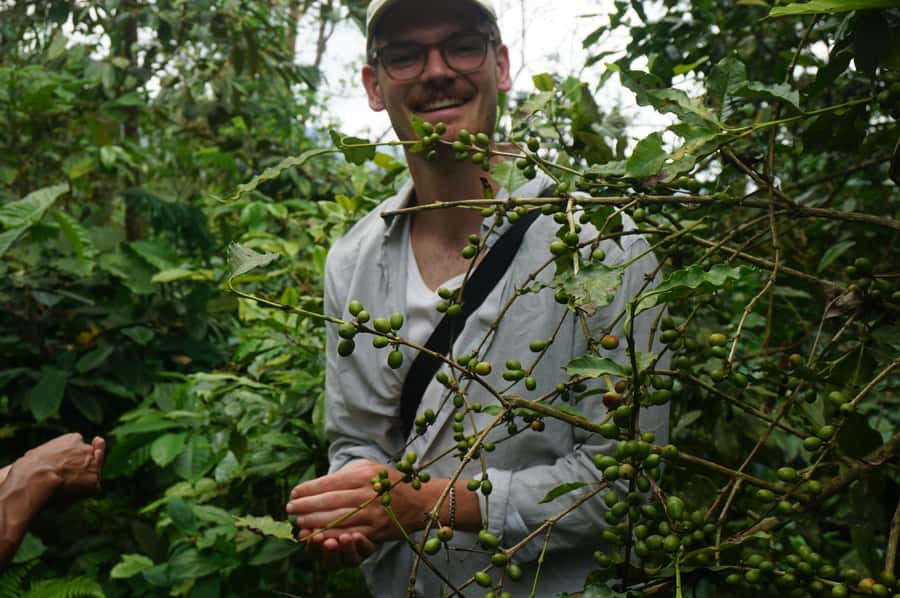
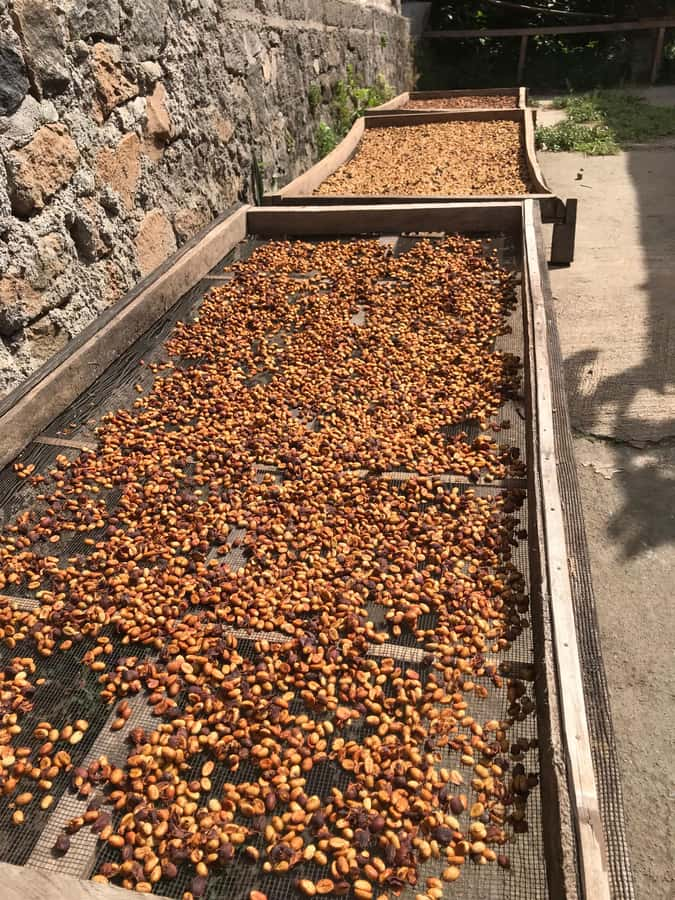
The greenhouse visit lasts about an hour. Here you observe coffee beans drying in the sun and learn how the moisture content of dried coffee is checked.
This is a technical detail, but it is not pointless. Drying affects storage and later roasting. If the beans are not dry enough, they can be difficult to keep safely. If they are handled poorly, the final cup can suffer.
You will not just see beans spread out in the sun. The tour includes a moisture check, which helps show how farmers and producers decide when the beans are ready for the next step.
The greenhouse may be the least glamorous stop, but it is one of the most educational. The coffee world often places attention on latte art and brewing equipment. This visit reminds you that careful drying begins long before a barista reaches for an espresso machine.
Plan for a warm, outdoor-focused morning. The provided information does not list shade, seating, or weather arrangements, so ask the provider about conditions if you are sensitive to heat or rain.
More Coffee Tastings in the world:
- Hanoi Coffee Experience: 6 Brews, 9 Recipes & 3 Liquor Tastings
★ 5.0 · 2,945 reviews - Medellin: Coffee Tour with Transport, Snacks and Tastings
★ 4.7 · 1,357 reviews - Seattle Coffee Tour: Capitol Hill Cafes, Tastings & Local Stories
★ 5.0 · 489 reviews - Buggy Ride Into the jungle with cave coffee & chocolate tasting
★ 5.0 · 465 reviews
From green beans to a chosen roast profile
The roasting room brings the beans into the final production stage. Roasting is done with machines, and the team explains how the desired roast profile is reached.
A roast profile controls how the beans are heated and how the final coffee tastes. The tour does not promise a formal roasting lesson, and you should not expect to operate the machines yourself. Instead, you observe the process and see how green coffee changes into roasted beans suitable for brewing.
This stop is particularly helpful if you normally think of dark or light roast as a simple preference. The roasting room shows that the result comes from controlled decisions, not just a timer and a button.
The activity description does not list the exact machine type, roast levels, or number of batches. If you have a special interest in roasting, ask what you will see on the day. The private format should make questions easier, since you are not trying to compete with a large group.
Finishing at Konbayan Espresso and Farm
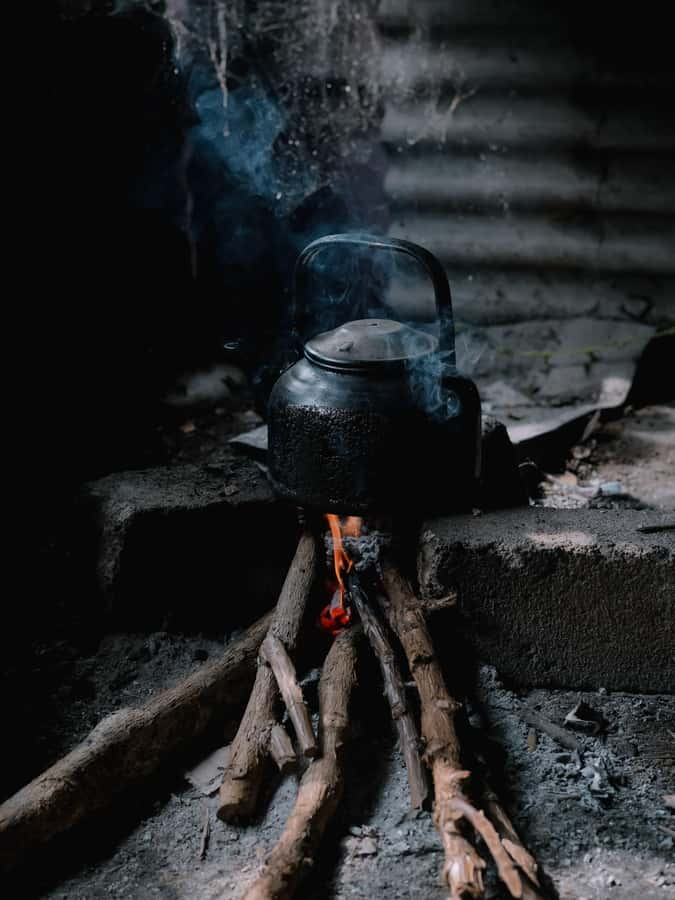
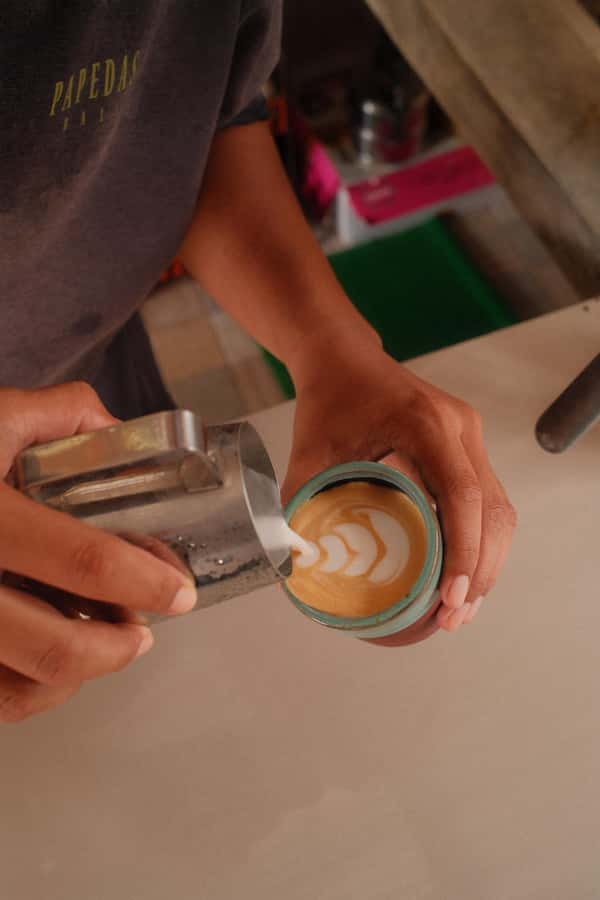
The tour returns to the coffee shop for the tasting. Included drinks are Konbayan espresso and the farm signature drink. You also receive a Konbayan coffee menu and a coffee bean souvenir to take home.
This ending works well because the tasting now has context. You have seen the coffee trees, the cherries, the processing stages, the drying, and the roasting. When the cup arrives, you can connect it to the work that came before.
You can choose how your coffee is prepared, according to the experience details. One visit included espresso and a latte macchiato, with oat milk available, along with fresh passion fruit picked beside the cafe. Those options may not be guaranteed on every booking, but they show that the final stop is more flexible than a single fixed sample.
One visit also included a homemade meal. Meals are not included in the stated package, so treat that as an extra arrangement rather than something you should count on. The same applies to additional drinks. The package lists specific included beverages, while the general notes say meals and other drinks are paid separately.
The coffee shop is also the place to collect your souvenir. A small bag of beans is more useful than a decorative trinket, especially if you enjoy trying coffee at home. The menu gives you a record of the drinks served at Konbayan.
The extra scenery and transport questions
The plantation itself offers a hillside panorama. One visit also included a stop near Sendang Gile waterfall, but this appears to have been an extra detour rather than a guaranteed part of the published five-hour plan.
I would ask about that before you book. If the waterfall stop is available, it could add a welcome scenic break. If you have other plans in the morning, you need to know whether it changes the timing.
Transport needs careful attention. The official meeting point is Konbayan Espresso and Farm, identified by the shop sign. Hotel pickup is not included in the stated package and must be added separately.
There is also a specific rule for larger groups: if more than two people are traveling together, you must rent motorbikes from the parking area to reach the plantation. The tour information does not state the rental cost, driving requirements, or exact distance. Ask before arrival so the $70 price does not come with an unexpected transport problem.
A separate booking included hotel pickup and drop-off. Since that conflicts with the stated standard inclusions, do not assume it is automatic. Get confirmation directly from Konbayan Espresso and Farm.
Private format, language, and pace
The tour is private, which is a real advantage for a subject that invites questions. You can pause at a coffee tree, ask about processing, or spend longer discussing roasting without waiting for a large group.
Guiding is available in Indonesian and English. The private format also makes the experience more personal for couples, families with older children, or small groups of friends.
The five-hour length is substantial. You should allow the full morning rather than trying to squeeze in another major activity. The tour starts at 8 a.m., includes about one hour on the plantation, and about one hour in the greenhouse, with the warehouse, roasting room, transport, and tasting filling out the rest.
This is not designed for babies under one year, and strollers and baby carriages are not allowed. The information does not describe wheelchair access or walking assistance, so ask the provider directly if that affects your plans.
What the $70 price really covers
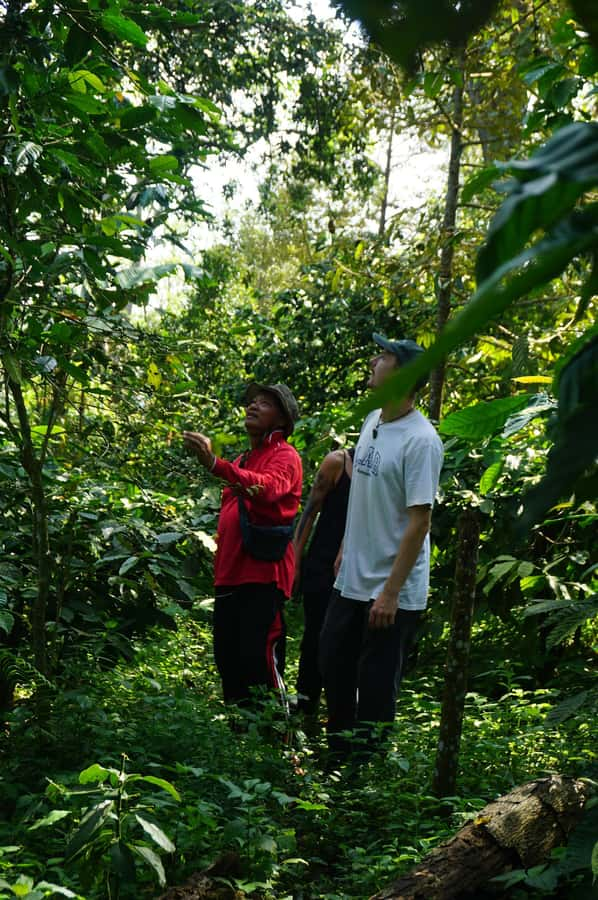
The $70 fee includes the plantation tour, farm views, observation of natural and honey processing, the sun-drying stage, roasting observation, coffee tasting, the included espresso and farm signature drink, and a coffee bean souvenir.
That is a fair amount of content for a private five-hour visit, especially if you care about production rather than just drinking coffee. The fee would be harder to justify if you wanted only a short tasting or a quick farm photograph.
You should budget separately for hotel pickup, additional drinks, and meals. Larger groups may also need motorbike rental from the parking area. The pricing information does not give those extra costs, so confirm them before paying.
Free cancellation is available up to 24 hours before the tour for a full refund, and you can reserve now and pay later. Those policies are useful if your Lombok schedule is still shifting, but they do not remove the need to clarify transport and food arrangements.
Who should book this coffee experience?
I would choose this tour if you want to understand coffee from the plant upward. It suits coffee drinkers, food-minded visitors, photographers interested in farm life, and anyone who prefers a small private outing to a crowded attraction.
It is also a good fit if you enjoy meeting the people behind a local business. Hadi and Dasan are named as hosts for one visit, and their personal involvement appears to be a major part of the appeal.
I would think twice if you want a short, easy cafe visit, have difficulty walking on a hillside, or need guaranteed hotel transport without extra arrangements. The tour is also not a clear choice for families with infants.
Should you book the Konbayan coffee tour?
Book it if the full path from coffee cherry to espresso interests you. The best parts are the working plantation, the chance to taste the fruit, the clear look at natural and honey processing, and the moisture check in the greenhouse.
Before you commit, confirm four things: hotel pickup, transport for your group size, food and extra drink costs, and whether the Sendang Gile detour is available. With those details settled, the $70 price offers a thoughtful private morning and a useful bag of coffee to take home.
FAQ
Where does the coffee tour meet?
You meet at Konbayan Espresso and Farm. Look for the shop sign at the meeting point.
What time does the tour begin?
The tour starts at 8 a.m., following the farmers’ schedule.
How long does the experience last?
The listed duration is five hours. About one hour is spent on the plantation and about one hour in the greenhouse.
What languages are available?
The live tour guide is available in Indonesian and English.
Is hotel pickup included?
Hotel pickup is not included in the stated package and must be added separately. One booking included pickup and drop-off, so confirm the arrangement with the provider before booking.
What drinks are included?
The included drinks are Konbayan espresso and the farm signature drink. Additional drinks and meals are not included.
Are babies and strollers allowed?
The experience is not suitable for babies under one year. Baby strollers and baby carriages are not allowed.
More Food and Drink Tours in the world
- Vienna for Food Lovers: Cafés, Markets & Austrian Cuisine
★ 5.0 · 1,063 reviews - Hanoi: Vietnamese Street Food Tour with Egg Coffee
★ 4.9 · 315 reviews - Da Nang Cooking Class with Coffee Tasting and Market Visit
★ 5.0 · 310 reviews - Hungry in Vienna? A Food Lover’s Coffee & Market Walk
★ 4.9 · 276 reviews
Just added around the world
- Vietnamese Coffee Making Class in Hoi An★ 5.0 · 4 reviews
- Venice Delights: Coffee & Food Experience Walking Tour★ 5.0 · 2 reviews
- Yerevan: Private Coffee Tour with 2 Café Stops★ 5.0 · 2 reviews
- Vietnamese Coffee 101 Workshop★ 5.0 · 11 reviews
- Ubud: Waterfall, Holy Water Temple,Swing&coffee plantation★ 5.0 · 9 reviews
- Vancouver: Street Art & Craft Coffee Walking Tour w/ Tasting★ 4.8 · 11 reviews
- Vienna: Guided Viennese Coffee-House Tour★ 5.0 · 2 reviews
- Coffee pleasure walking tour★ 5.0 · 12 reviews
Indonesia Coffee Tours, compared.
Volcano, Hot Spring, Tea Factory, rice fields and Coffee Tour
Read our review →
Batur 4WD Jeep Sunrise and Kintamani Cafe Hopping
Read our review →
Jakarta :Volcano, HotSpring, Tea Factory, RiceField, &Coffee
Read our review →
Jatiluwih Rice Terraces, Sangeh Forest & Coffee Tour
Read our review →
Waterfall, Holy Water Temple,Swing&coffee plantation
Read our review →
Ubud Monkey Forest, Coffee Plantation, and Market Tour
Read our review →
Private Ubud Tour: Sacred Monkeys, Coffee, Temple, Waterfall
Read our review →
Batur Volcano Sunrise Trekking, Rice Teracce & Bali Coffee Plantation Tour
Read our review →Browse the lists this tour appears in