
REVIEW · BUENOS AIRES, ARGENTINA
N1 Coffee Tasting Experience in Buenos Aires
Coffee can be a trip all by itself. This private Buenos Aires workshop turns a daily drink into a hands-on lesson in farming, roasting, aroma, and taste. I especially like the single-origin coffee comparison and the use of the Le Nez du Café aroma kit, which gives you something useful to do instead of simply sipping and nodding. The main drawback is the price: at $85 per person, this costs more than a standard café visit, so it makes the most sense if you want a serious tasting class rather than a quick cup.
You meet at Al Diablo Coffee Roasters in Palermo and spend about two and a half hours with Lyubov, also referred to as Luba or Lyubi by past participants. Her warm, patient teaching style is a major part of the appeal. The experience suits coffee fans and complete beginners, though anyone hoping for a broad Buenos Aires food tour should choose another activity.
Key Points to Know Before Booking
- You taste several single-origin coffees from top roasters in Buenos Aires and compare their flavors.
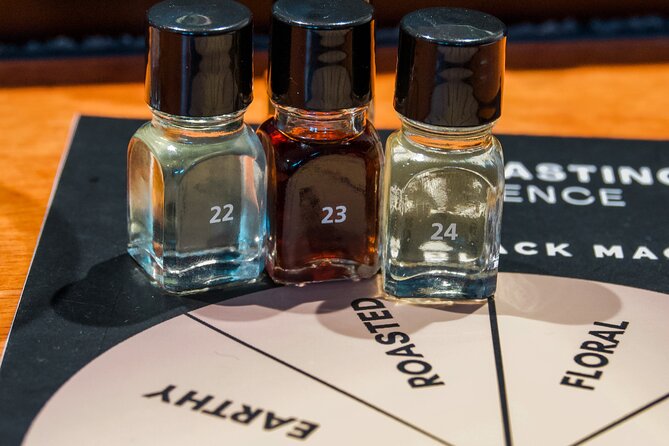
- The Le Nez du Café aroma kit turns smell training into a playful guessing game.
- Lyubov explains the full coffee chain, from planted seed and harvest to roasting, brewing, and the finished cup.
- This is a private experience, so your group receives the guide’s full attention and can ask plenty of questions.
- Morning and afternoon departures are available, giving you room to fit the workshop around sightseeing.
- The meeting point is Al Diablo Coffee Roasters, at Costa Rica 4752 in Buenos Aires, and the experience ends there.
Starting at Al Diablo Coffee Roasters in Palermo
The experience begins at Al Diablo Coffee Roasters, Costa Rica 4752, in Buenos Aires. The location is near public transportation, which helps if you are staying elsewhere in the city or fitting this into a day of exploring Palermo.
The café setting matters. You are not sitting in a lecture room with a slide deck and a few sealed packets of beans. The coffee is part of an active roasting scene, and the setting gives the workshop a local connection. You begin in the city’s specialty coffee world, then learn how to pay closer attention to what is in your cup.
The meeting point is also the ending point. That makes the timing simple. You do not need to plan a taxi, train, or long walk from the final tasting stop. Just allow enough time to reach the café before your selected morning or afternoon departure.
This is a private activity, meaning only your group takes part. That is a useful advantage for couples, friends, families, or solo visitors who want to ask basic questions without feeling awkward. It also lets Lyubov adjust her explanations to your level. If you know little about coffee, she can start with the basics. If you already own several brewing devices and speak in tasting notes, you can ask more technical questions.
More Coffee Tastings in the world:
- Hanoi Coffee Experience: 6 Brews, 9 Recipes & 3 Liquor Tastings
★ 5.0 · 2,945 reviews - Medellin: Coffee Tour with Transport, Snacks and Tastings
★ 4.7 · 1,357 reviews - Seattle Coffee Tour: Capitol Hill Cafes, Tastings & Local Stories
★ 5.0 · 489 reviews
Learning How Coffee Reaches the Cup
The workshop begins with the larger story of coffee. Lyubov explains the path from the planted seed through growing, harvesting, processing, roasting, and preparation. This gives the tasting some structure. You are not simply told that one coffee is floral and another is fruity. You learn that origin and production choices help shape those differences.
Several people who took part described the session as closer to a beginner coffee master class than a casual tasting. That is a useful way to set your expectations. You will spend time learning how coffee is made, how quality is judged, and why specialty coffee differs from ordinary commercial coffee.
The explanation is designed to remain approachable. Participants with little coffee knowledge have found it easy to follow, while experienced drinkers have still had room to ask detailed questions. Lyubov’s teaching style is warm and conversational, with stories and practical examples rather than a dry technical lecture.
One especially useful lesson concerns coffee packaging. Bag descriptions can be confusing, with terms about origin, roast, processing, altitude, flavor, and tasting notes competing for your attention. Lyubov explains how to read those labels and what the words can tell you. That knowledge has value after your Buenos Aires visit, since you can use it when choosing beans at home.
Training Your Nose With Le Nez du Café
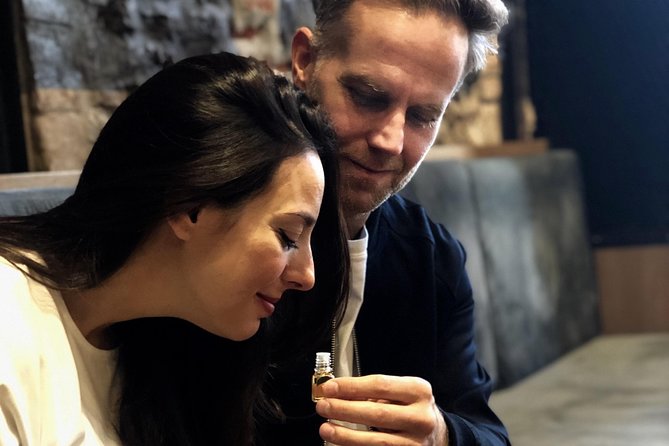
Before or alongside the coffee tasting, you work with the Le Nez du Café sommelier kit. This collection of aroma samples helps you identify smells that can also appear in coffee.
The exercise is partly a game. You smell an aroma, try to name it, and then connect it to what you may later notice in the coffee. You might not guess every scent correctly. That is part of the fun, and it also shows why tasting language can feel difficult at first.
This section gives the workshop a hands-on quality. You touch, smell, taste, compare, and discuss rather than passively listening. The aroma work is also practical because smell plays a huge role in flavor. Once you begin looking for scent before taking a sip, coffee can seem more varied and expressive.
Do not worry if you cannot identify every note right away. The point is not to pass a professional exam. The point is to build awareness. You may leave better able to notice the difference between a coffee that smells sweet, floral, nutty, fruity, or earthy, even if you never use formal tasting language at home.
Comparing Single-Origin Coffees From Buenos Aires Roasters
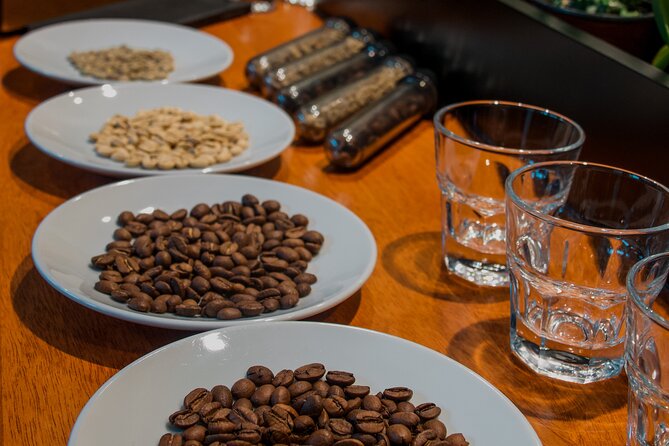
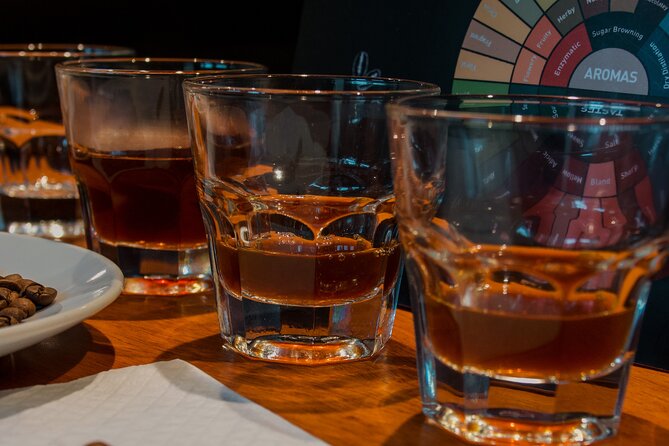
The tasting itself features a variety of freshly roasted single-origin coffees. Several participants described trying four different coffees, though the exact selection can change. Lyubov guides you through the comparison and helps you notice how the coffees differ.
Single-origin means the coffee is tied to a particular growing origin rather than being presented only as a general blend. That makes comparison easier. You can focus on how different growing areas and production choices affect the cup.
The tasting is not just about deciding which coffee you like best. You are encouraged to explain what you smell and taste, then connect those impressions to the coffee’s background. This helps you find your own palate instead of copying someone else’s preferred notes.
That is one of the strongest parts of the experience. Coffee descriptions can sound grand, but personal taste still matters most. You may prefer a lighter, brighter coffee, or you may lean toward a fuller, more familiar roast. The workshop helps you understand those preferences so future purchases become less of a guessing game.
The coffee comes from top roasters in Buenos Aires, giving the experience a local angle. You are learning about coffee in a city with its own specialty coffee culture, rather than taking a generic class that could happen anywhere. The city connection is subtle but worthwhile, especially if you plan to visit local cafés during your stay.
More Food and Drink Tours in the world:
- Vienna for Food Lovers: Cafés, Markets & Austrian Cuisine
★ 5.0 · 1,063 reviews - Buggy Ride Into the jungle with cave coffee & chocolate tasting
★ 5.0 · 465 reviews - Hanoi: Vietnamese Street Food Tour with Egg Coffee
★ 4.9 · 315 reviews - Da Nang Cooking Class with Coffee Tasting and Market Visit
★ 5.0 · 310 reviews
A Private Class With Plenty of Questions
Lyubov receives the strongest praise for her teaching. She is described as patient, engaging, passionate, and easy to talk with. Those qualities matter because coffee tasting can become intimidating when an instructor treats every cup like a professional competition.
Here, the tone appears friendly and open. You can ask how coffee is grown, how beans are roasted, what brewing method may suit you, or how to understand a label. You can also admit that you do not know the difference between terms that coffee fans use casually.
For solo participants, the private format can feel almost like a one-to-one lesson. One person described having undivided attention throughout the session, with questions answered using Lyubov’s own experience. Couples and friends also benefit because the group can discuss preferences together without being placed with strangers.
The private format has one clear limitation: you do not get the social mix of a larger group tasting. If you enjoy meeting other visitors and comparing opinions with a roomful of strangers, this may feel quieter. For most people, though, the chance to shape the conversation is worth more than a larger crowd.
How Long the Two-and-a-Half-Hour Session Feels
The stated duration is about two hours and thirty minutes. Some participants found that their session lasted closer to three hours, especially when questions and conversation continued. I would keep at least two and a half hours free, with extra room if your day is tightly planned.
That length is appropriate for the material. You need time to learn the basics, work through the aroma kit, taste several coffees, and discuss what you notice. A shorter activity might feel rushed, especially if you want to ask about brewing at home.
You should also consider the timing of coffee itself. A morning departure could be a pleasant way to start the day, particularly if you enjoy a thoughtful cup before sightseeing. An afternoon session may work better if you want a slower break between city activities. The choice of two departure periods gives you useful flexibility.
This is not a quick tasting where you stop in, sample one coffee, and leave. Plan to pay attention. The best value comes when you take part in the guessing game, compare cups carefully, and ask questions rather than treating the workshop as a simple caffeine stop.
Is $85 a Fair Price?
At $85 per person, this experience is not a budget coffee outing. You are paying for several elements at once: a private guide, an extended teaching session, aroma training, multiple specialty coffees, and personal help identifying your preferences.
For comparison, a café visit would cost far less, but it would not teach you how to assess beans or understand production. A larger group class might also cost less, yet it would not provide the same level of personal attention. The value depends on what you want from the activity.
I think the price is easier to justify for someone who buys specialty coffee, owns a home brewing setup, or wants a focused cultural activity beyond the usual Buenos Aires sights. It is also a good fit if you have already done several standard food tours and want something more unusual.
The price may feel high if you only want to drink coffee, take a few photos, and move on. You will get more from this experience if you treat it as a practical class. The lessons can influence what you buy and brew long after your trip ends.
Who Will Enjoy This Coffee Experience Most?
You do not need to be a coffee expert. In fact, beginners may gain the most because the workshop starts with basic ideas and builds gradually. Several participants who knew very little about coffee found the session clear and fun rather than overwhelming.
It is especially suitable for:
- Coffee drinkers who want to understand their own taste preferences
- People curious about specialty coffee and single-origin beans
- Couples or friends looking for a private, unusual activity
- Solo visitors who enjoy focused instruction
- Home brewers who want better guidance when buying beans
- Anyone who likes sensory games involving smell and taste
You may want to skip it if coffee is not part of your daily life and you have little interest in learning about it. The experience welcomes non-experts, but it remains centered on coffee for more than two hours.
Tea drinkers are not automatically excluded. The aroma and tasting exercises can still be interesting, and the focus on smell applies beyond coffee. Still, the main subject is specialty coffee, so book with that in mind.
Booking, Timing, and Cancellation
Confirmation is provided when you book. The activity is near public transportation, and it begins and ends at Al Diablo Coffee Roasters, Costa Rica 4752.
You can choose a morning or afternoon departure. Since the experience is often booked about 38 days ahead, reserve early if your Buenos Aires dates are fixed, especially if you want a particular time.
Free cancellation is available up to 24 hours before the start time for a full refund. Cancellations or changes made less than 24 hours before the activity are not accepted for a refund. The cut-off uses local Buenos Aires time, so check the time carefully if you are booking from another country.
Should You Book the N1 Coffee Tasting Experience?
Book it if you want an active, personal lesson that changes how you taste coffee. Lyubov’s warmth, the aroma kit, the single-origin comparisons, and the chance to ask unlimited questions make this more substantial than a routine café stop.
The best reason to go is not simply the number of coffees you taste. It is the new way of thinking you take home. You learn how to read a bag, notice aromas, compare beans, and choose coffee that suits your palate.
Skip it if you are looking for a fast sightseeing stop or a low-cost cup. But if coffee is part of your travel pleasure, $85 can be a fair price for a private class that remains useful after Buenos Aires.
FAQ
Where does the coffee tasting take place?
It starts at Al Diablo Coffee Roasters, Costa Rica 4752, C1414 Ciudad Autónoma de Buenos Aires, Argentina.
Where does the experience end?
The activity ends back at the meeting point at Al Diablo Coffee Roasters.
How long does the experience last?
The listed duration is approximately two hours and thirty minutes. Some sessions may run closer to three hours, depending on questions and conversation.
Is the activity private?
Yes. Only your group participates, giving you the guide’s undivided attention.
Are morning and afternoon departures available?
Yes. You can choose between a morning or afternoon departure.
What will I taste?
You will sample a variety of freshly roasted single-origin coffees, including several coffees from top roasters in Buenos Aires. The exact selection may vary.
Can I cancel for a full refund?
Yes. You must cancel at least 24 hours before the experience start time for a full refund. Changes or cancellations made less than 24 hours in advance are not accepted for a refund.
Just added around the world
- Vietnamese Coffee Making Class in Hoi An★ 5.0 · 4 reviews
- Venice Delights: Coffee & Food Experience Walking Tour★ 5.0 · 2 reviews
- Yerevan: Private Coffee Tour with 2 Café Stops★ 5.0 · 2 reviews
- Vietnamese Coffee 101 Workshop★ 5.0 · 11 reviews
- Ubud: Waterfall, Holy Water Temple,Swing&coffee plantation★ 5.0 · 9 reviews
- Vancouver: Street Art & Craft Coffee Walking Tour w/ Tasting★ 4.8 · 11 reviews
- Vienna: Guided Viennese Coffee-House Tour★ 5.0 · 2 reviews
- Coffee pleasure walking tour★ 5.0 · 12 reviews
Coffee Tastings, compared.
Hanoi Coffee Experience: 6 Brews, 9 Recipes & 3 Liquor Tastings
Read our review →
Coffee Tour with Transport, Snacks and Tastings
Read our review →
Seattle Coffee Tour: Capitol Hill Cafes, Tastings & Local Stories
Read our review →
Buggy Ride Into the jungle with cave coffee & chocolate tasting
Read our review →
Da Nang Cooking Class with Coffee Tasting and Market Visit
Read our review →
Private Walking Tour, Food Tasting and Bosnian Coffee in Sarajevo
Read our review →
Poás Volcano and Coffee Tour with Tasting and La Paz Falls
Read our review →
Browse the lists this tour appears in