
REVIEW · ROME COFFEE TOURS
Rome: Pasta Cooking Class with Wine, Coffee, and Limoncello
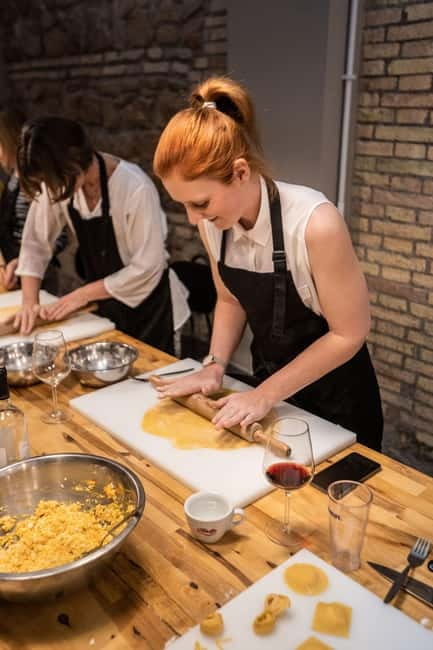
Make Rome taste better, one sheet at a time. This three-hour class at YellowSquare Rome turns a simple meal into a hands-on lesson in Italian cooking, led by chef Marco. I like the chance to make three pasta styles from scratch, and I like that the class ends with a full pasta meal, wine, coffee, and limoncello rather than stopping at the cooking table.
The $50 price is another strong point, especially since it includes lunch, a glass of Italian wine, recipes, and a participation certificate. The main consideration is practical: transportation to the meeting point is not included, and the available information does not give a group size, menu details beyond the pasta, or a precise starting time.
What makes this class especially appealing is Marco’s teaching style. Recent participants praised his humor, clear step-by-step instructions, and skill in explaining the process. If you want a relaxed food activity with a social side, this is a good way to spend part of a Rome day.
Key points at a glance
- Three named pasta styles: Make tagliatelle, fettuccine, and ravioli, beginning with basic dough.
- Chef Marco leads the class: He is praised for being funny, clear, skilled, and authentic.
- Lunch is part of the experience: You eat the pasta you helped prepare, with different sauces and a glass of Italian wine.
- No previous cooking experience is needed: The class is designed for beginners who want to learn by doing.
- The finish is distinctly Italian: Coffee and limoncello follow the meal.
- Useful take-home extras: You receive pasta recipes and a participation certificate.
What the three-hour Rome pasta class is really like
This is not a demonstration where you sit back and watch a chef work. The point is to get your hands into the dough, follow the stages, and then eat what you made.
The class begins at the reception of YellowSquare Rome, where you meet the chef and receive an introduction to the session. The exact starting times vary, so you need to check availability when booking. Since transportation is not included, plan your route to the reception before the class begins.
The opening explanation covers the dishes you will prepare and gives you a sense of the work ahead. That matters for beginners. Homemade pasta can look easy when it arrives on a plate, but dough, shaping, filling, and cooking each require a little care. A clear introduction helps you understand how the parts fit together.
Chef Marco leads the instruction in English and Italian. His teaching style seems to be one of the biggest strengths of the class. Janina described him as funny and highly skilled, while Jessica praised his step-by-step approach. Those details matter because a cooking class can quickly become frustrating if instructions move too fast or rely on assumed knowledge.
Here, the emphasis is on joining in and enjoying the process. You do not need previous experience, and the tone is intended to be social rather than formal. That makes the class a good fit for couples, friends, solo visitors, and anyone who would rather learn a recipe than simply order another restaurant meal.
More Wine Tastings in Italy:
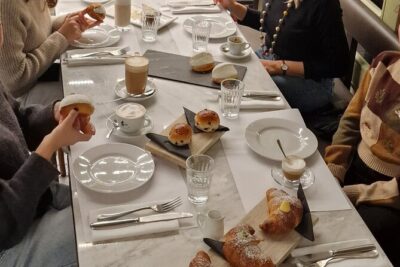
- Trastevere Breakfast to Lunch Food Tour: Coffee, Maritozzi & Wine
★ 5.0 · 14 reviews - Orvieto: Classic Wine Tasting at Madonna del Latte
★ 5.0 · 3 reviews - Secret Delights: Curated Wine, Coffee & Forest Experience
★ 5.0 · 279 reviews
Starting with dough, the foundation of every pasta shape
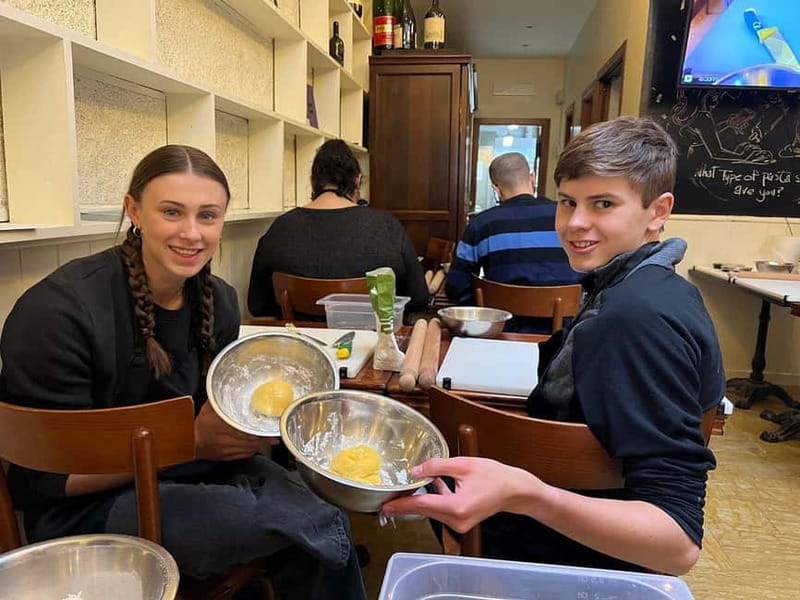
The first practical stage is preparing homemade pasta from scratch. You work through the dough before moving on to shaping and filling. This is where the class gives you something useful beyond a pleasant lunch: you begin to understand the base of several classic pasta dishes.
The dough stage is often the part that benefits most from an instructor. Texture and consistency can be hard to judge from a recipe alone. Marco’s role is to show you what to do and explain the process as you go, instead of leaving you to guess.
I like this hands-on format because you can take the method home. The certificate is a nice souvenir, but the recipes are the more useful takeaway. Once you return to your own kitchen, you have a reference for making pasta dough and working with the shapes introduced in class.
The information does not specify the exact ingredients, quantities, sauces, or cooking equipment, so you should not expect a detailed menu in advance. The focus is clearly on technique and shared preparation rather than on a fixed list of regional dishes.
Tagliatelle and fettuccine: similar shapes, useful practice
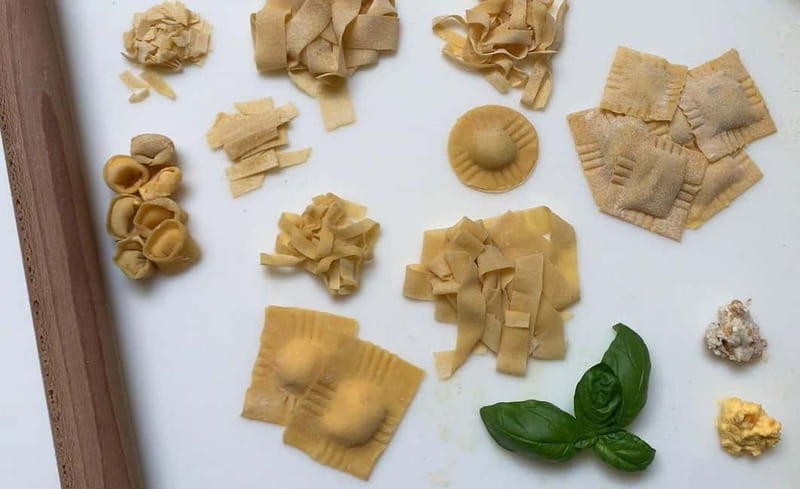
The class includes tagliatelle and fettuccine, two pasta shapes that give you practice handling and cutting fresh dough. They are similar enough to make sense in one lesson, yet different enough to help you notice how width and shape affect the finished dish.
This is valuable for a first class. You are not learning only one trick and repeating it. You get to see how the same basic dough can become more than one pasta style.
The distinction is also practical. Fresh pasta is not just about mixing ingredients. Rolling, cutting, and keeping the strands in good condition all require attention. Making both tagliatelle and fettuccine gives you a better feel for the process than making a single shape would.
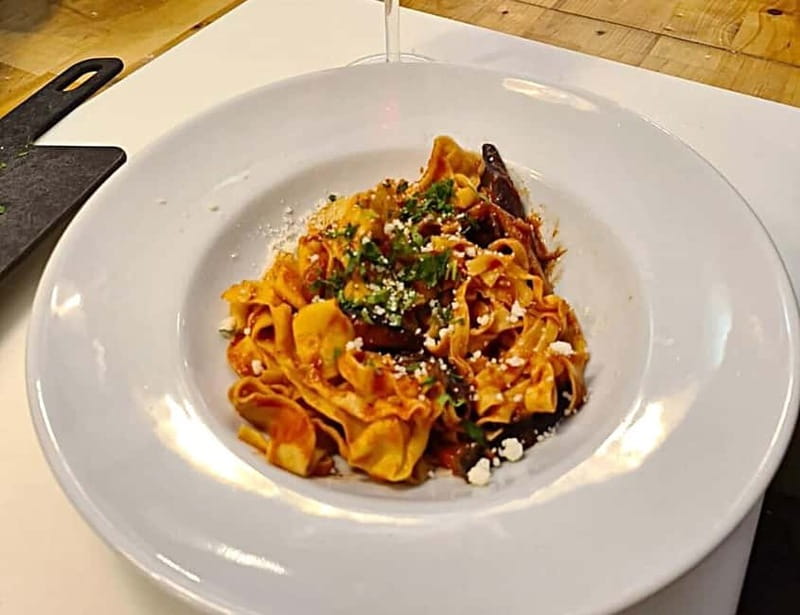
Marco prepares authentic sauces while sharing Italian stories. The supplied details do not name the sauces, so I would treat that part as a pleasant surprise rather than book the class for a particular recipe. The important point is that the meal includes different condiments, allowing you to taste the pasta in more than one way.
Ravioli adds filling and a new kind of challenge
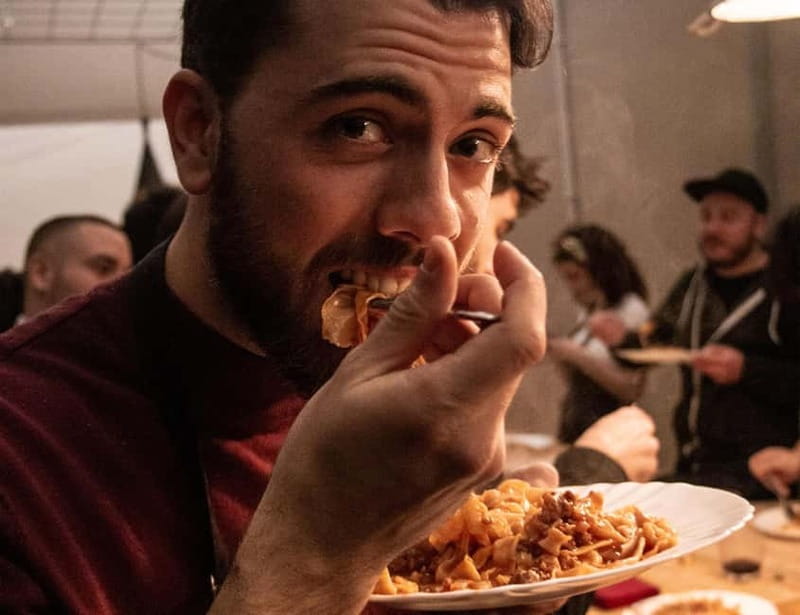
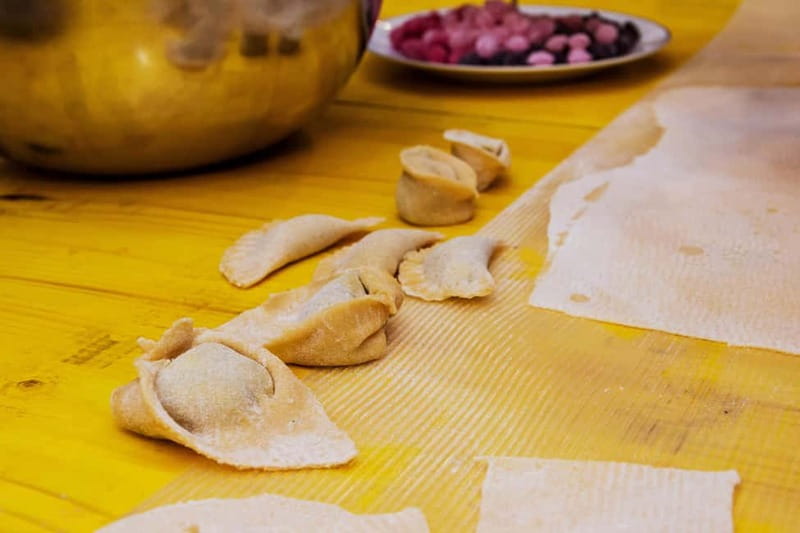
Ravioli changes the lesson from cutting pasta into strands to preparing filled pasta. You help prepare the filling, then work with the dough in a different way. This adds variety and gives the class a fuller picture of homemade pasta.
Filled pasta can be more demanding than simple ribbons. You need to handle the filling carefully and seal the dough properly. That is another reason Marco’s clear instruction matters. You are learning a technique that is difficult to pick up by watching a short cooking video.
The available description names tagliatelle, fettuccine, and ravioli as the three pasta types. One participant referred to making three or four types, so there may be some variation in the exact preparation. I would rely on the three named styles and regard any extra pasta preparation as a possible bonus, not a promise.
Once the pasta is ready, you taste the types prepared with various condiments. This is the payoff for the work, and it also lets you compare how different shapes hold sauce and feel when freshly made.
More Cooking Classes in Italy:
- Da Nang Cooking Class with Coffee Tasting and Market Visit
★ 5.0 · 310 reviews - Hanoi Cooking Class: Pho/Bun Cha/Banh Xeo…+Free Egg/Salt Coffee
★ 5.0 · 267 reviews - Vietnamese Bread & Brew: Banh Mi Baking Class & Specialty Coffee
★ 5.0 · 76 reviews - 1 hour Egg Coffee Cooking Class with Snack and Local Instructor
★ 5.0 · 72 reviews
Lunch, wine, coffee, and limoncello complete the lesson
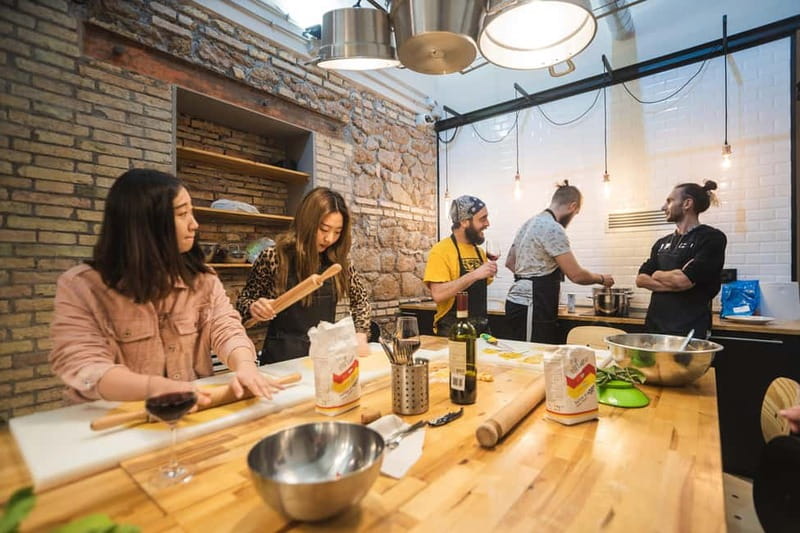
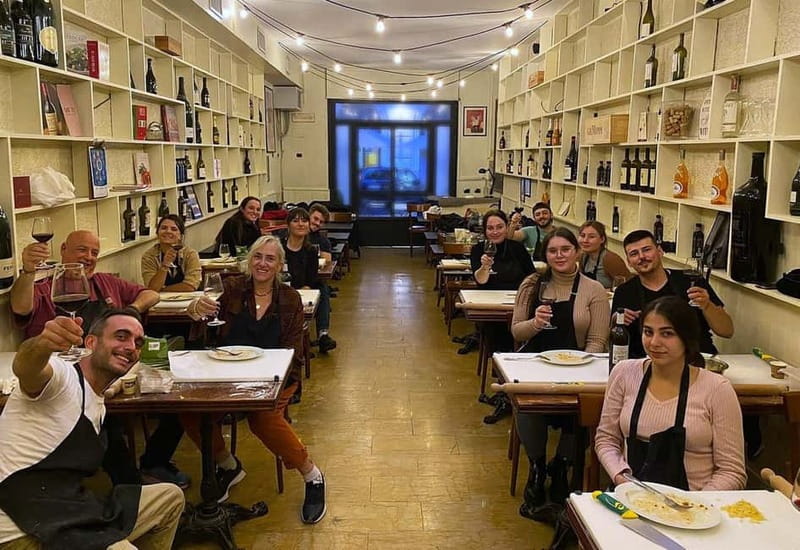
The meal is not an optional extra. A pleasant pasta lunch is included, along with one glass of Italian wine. That makes the class feel like a complete food experience rather than a workshop followed by a search for somewhere else to eat.
I especially like this arrangement for a midday break in Rome. You spend several hours doing something active, then sit down to enjoy the result. The class combines instruction, social time, and a meal in one booking.
The wine is limited to one glass, so this is not a wine tasting. It is simply a traditional pairing with the pasta. If you want a broader wine experience, this class is not designed for that.
After the meal, the class finishes with coffee and limoncello. These closing touches give the session a familiar Italian rhythm: pasta, a small after-meal drink, and coffee. Limoncello can be sweet and strong, so you may want to treat it as a small digestif rather than another full drink.
Coffee and limoncello also give the class a relaxed ending. You have time to talk with the people around you, ask final questions, and enjoy the social side of the activity before leaving.
Why Marco’s teaching style matters
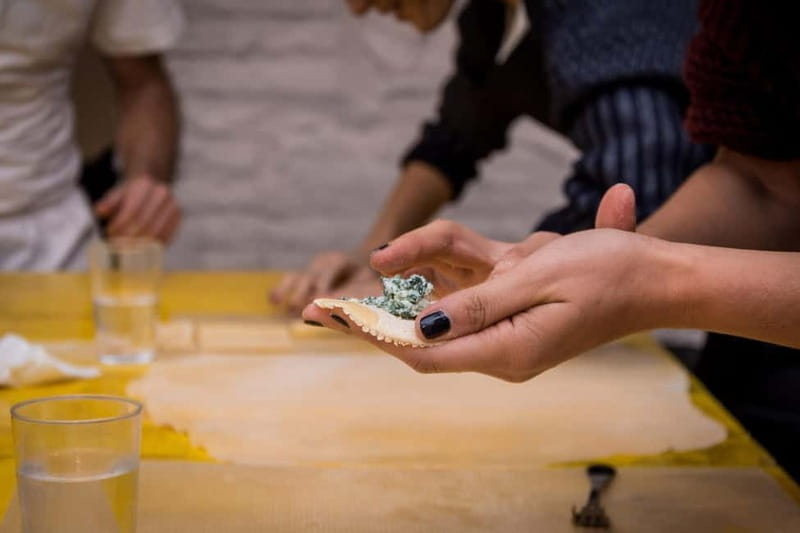
The repeated praise for Marco is unusually specific. He is described as funny, clear, skilled, authentic, and very good at explaining each step. Jessica specifically valued his instructions for making three or four types of pasta, while Maximilian called the class one of the best parts of a Rome trip.
That combination of humor and clarity is useful in a cooking class. You want enough explanation to learn something, but not so much formal instruction that the session feels like a lecture. Marco appears to keep the class light while still teaching real techniques.
The English and Italian language options also make the class accessible to a broad range of visitors. You should confirm your preferred language when booking, but English instruction is clearly available.
The class also encourages conversation with people from different places. You are making pasta side by side, eating together, and sharing the same meal. That social setting can be especially welcome if you are traveling alone or want a break from sightseeing.
The $50 price and what you receive
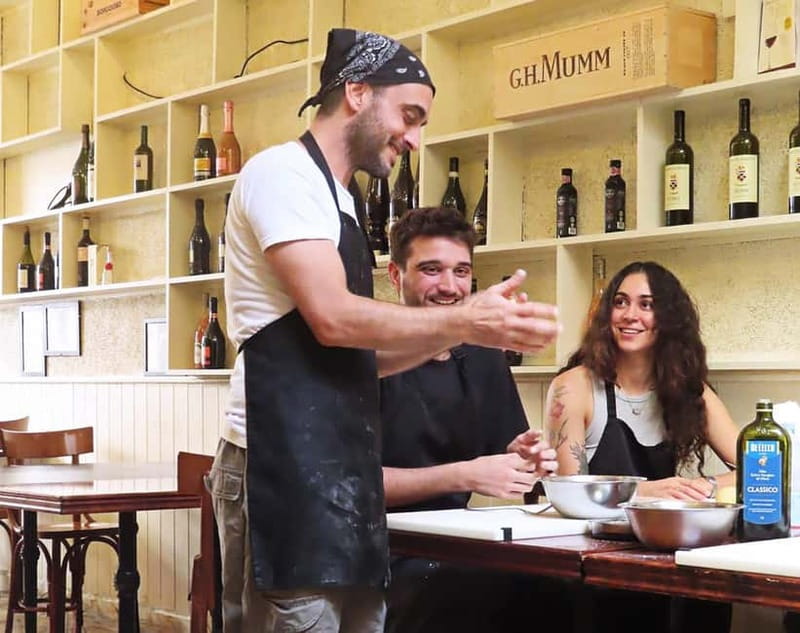
At $50 per person, the value is strong if you want more than a short cooking demonstration. The price includes a local chef, pasta preparation, lunch, a glass of Italian wine, coffee, limoncello, recipes, and a participation certificate.
The recipes are the most practical inclusion. They give you a way to repeat the experience at home, which adds value after your Rome trip ends. The certificate is more of a keepsake, but it can be a fun reminder of the class.
The price also covers the meal you prepare. If you compare it with paying separately for a pasta lunch and a cooking activity, the package makes financial sense. You are paying for instruction and food at the same time.
Still, value depends on what you want. If you mainly want to eat pasta, a restaurant will be simpler and probably quicker. If you want a detailed culinary course with many dishes, a longer specialist workshop may suit you better. This class is best viewed as a friendly introduction to homemade pasta with a meal included.
Timing, meeting point, and planning advice
The class lasts three hours, so it takes a meaningful part of your day. I would avoid scheduling a major timed attraction immediately afterward. Cooking times can vary, and the final coffee and limoncello are part of the experience rather than something to rush through.
Your meeting point is the YellowSquare Rome reception. Transportation to and from the meeting point is not included, so you need to arrange that yourself. The information does not provide a pickup service, hotel transfer, or transport between sites.
Starting times depend on availability. Check the schedule before booking and allow enough time to reach the reception. If you are using this as a lunch activity, confirm the time carefully so it fits with your other plans.
The cancellation policy is reasonably flexible: you can cancel up to 24 hours in advance for a full refund. You can also reserve now and pay later, which helps if your Rome schedule is still changing.
The available details do not state the class size, kitchen layout, dietary options, or accessibility arrangements. If any of those points matter to you, ask before booking rather than assuming the class can adjust the menu or setup.
Who should book this pasta class
I would recommend this class to first-time pasta makers, couples, friends, solo visitors, and food lovers who want an activity with a social feel. You do not need cooking experience, and the three-hour format gives you enough time to learn several techniques without committing to a full-day course.
It also suits anyone who wants a break from monuments. Rome has no shortage of grand sights, but spending a few hours around a table can give your trip a different pace. You leave with recipes and a better understanding of how fresh pasta is made.
Families may want to check the age requirements before booking, since no age policy is provided. The same applies to dietary restrictions. The class includes ravioli filling and various sauces, but the exact ingredients are not stated.
This is less suitable if you dislike group activities, do not drink alcohol, or want a highly specific regional menu. The class includes wine and limoncello, but the food focus is homemade pasta rather than a broad survey of Lazio cooking.
Should you book the YellowSquare Rome cooking class?
I would book it if you want a reasonably priced, hands-on Rome activity led by a warm and entertaining chef. The strongest reasons are Marco’s clear teaching, the chance to make tagliatelle, fettuccine, and ravioli, and the fact that you eat a proper pasta meal afterward.
The class offers unusually good value at $50 because lunch, wine, coffee, limoncello, and recipes are included. Go in expecting a friendly introduction to pasta, not a private culinary masterclass or a detailed regional food course.
Before booking, check the start time, meeting route, and any dietary or accessibility questions. If those details work for you, this is an easy way to spend three hours in Rome and bring a useful Italian skill home.
FAQ
How long does the pasta cooking class last?
The class lasts three hours, including the cooking, pasta meal, wine, coffee, and limoncello.
Where does the class meet?
The meeting point is the YellowSquare Rome reception.
Which types of pasta will I make?
The class specifically includes tagliatelle, fettuccine, and ravioli.
Do I need previous cooking experience?
No. Previous experience is not needed, and the class is designed to guide you through the process from the beginning.
Which languages are available?
The instructor teaches in English and Italian.
Is lunch included?
Yes. A pasta lunch using the prepared dishes is included.
What drinks are included?
You receive one glass of Italian wine, followed by coffee and limoncello at the end of the lesson.
Can I cancel for a full refund?
Yes. You can cancel up to 24 hours in advance for a full refund.
Just added around Italy
- Venice Delights: Coffee & Food Experience Walking Tour★ 5.0 · 2 reviews
- Rome: Private Espresso, Gelato and Tiramisu Food Tour★ 5.0 · 3 reviews
- NAPLES Highlights Walking Tour + Veiled Christ Chapel and Original Espresso★ 5.0 · 2 reviews
- Milan Coffee & History Crawl with a Licensed Tour Guide★ 5.0 · 10 reviews
- The Best of Polignano a Mare Walking Tour and Special Coffee Tasting★ 5.0 · 6 reviews
- The Specialty Coffee Roastery Tasting Experience in Turin★ 5.0 · 2 reviews
- Specialty Coffee Workshop & Tasting Experience in Rome★ 5.0 · 4 reviews
- Sunrise Kayak Tour / Snorkeling and Italian Coffee Included★ 5.0 · 3 reviews
Rome Coffee Tours, compared.
Rome Pantheon: Award Winning Gelato Tiramisu & Espresso Food Tour
Read our review →
Trastevere Breakfast to Lunch Food Tour: Coffee, Maritozzi & Wine
Read our review →
Specialty Coffee Workshop & Tasting Experience in Rome
Read our review →
Browse the lists this tour appears in